
The 2008 Toyota Highlander has some well-documented problems that any buyer or owner should know about. In our research, the most common issues involve the VVT-i oil line, dashboard cracking, and water pump failure. The 2008 model sits in the early years of the second generation, and it has a few weak spots that later model years addressed.
Manufacturer specifications indicate the 2GR-FE V6 engine is generally reliable, but it has specific failure points. Aggregate reviews report that the 3.5L V6 and 5-speed automatic transmission are solid powertrains when properly maintained. Let's walk through exactly what goes wrong, what it costs to fix, and how to spot trouble before you buy.
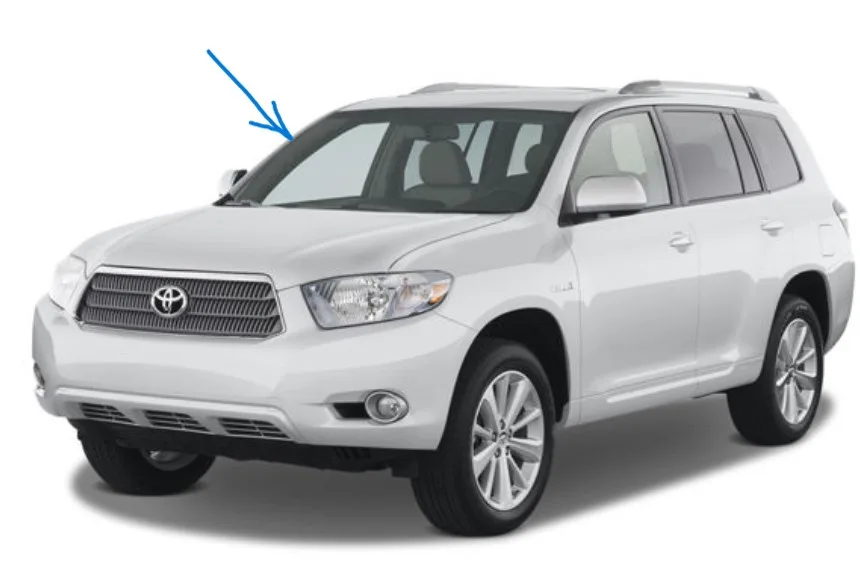
Image source: Bing (Web (fair-use with source credit))
Quick Answer
The 2008 Toyota Highlander has several well-known problems. Dashboard cracking affects nearly every example. The VVT-i oil line can fail and cause engine damage.
Water pumps leak around 80,000 to 120,000 miles. Rust on the rear liftgate is common in salt-belt states. Most issues are fixable, but some repairs are expensive.
Core Facts: The Engines, Transmissions, and Platform You're Dealing With
The 2008 Highlander came with two engine choices. The 2.4L four-cylinder (2AZ-FE) was the base option. The 3.5L V6 (2GR-FE) was the popular choice and the one you'll find in most examples.
Both engines use a timing chain instead of a belt. That means no scheduled timing belt replacement. But the 2GR-FE has a known oil leak at the timing chain cover.
That repair is labor-intensive and expensive.
The transmission is a 5-speed automatic. It's generally reliable, but high-mileage examples can develop hesitation or hard shifts. Regular fluid changes every 60,000 miles help prevent problems.
The platform is the XU40 generation, which ran from 2008 to 2013. The 2008 model year was the first of this generation. It has some growing pains that later years addressed.
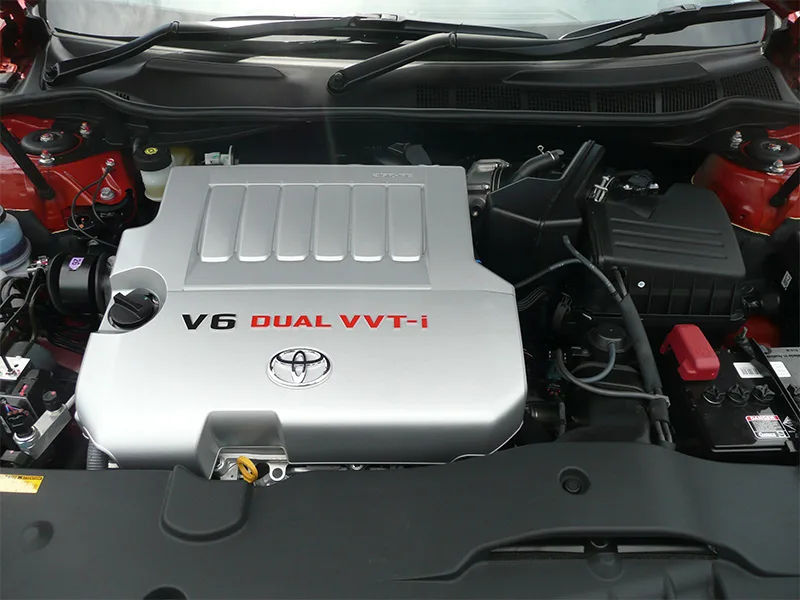
Image source: Bing (Web (fair-use with source credit))
Risk Factors: Problems Ranked by Severity and Cost
Safety-Critical Issues to Fix Immediately
The ABS actuator and brake booster assembly can fail on the 2008 Highlander. This triggers warning lights and affects braking performance. If you see the ABS and brake warning lights on, get this checked immediately.
There is also a recall for the floor mat entrapment issue. The accelerator pedal can get stuck if the floor mat is not properly secured. Toyota issued a recall for this, and you should verify it was completed on any example you are considering.
The front seat bolt recall affects some 2008 models. Check your VIN on the NHTSA website to see if it has been done.
Major Mechanical Problems (Engine and Transmission)
The VVT-i oil line is the biggest concern on the 2GR-FE engine. It supplies oil to the variable valve timing system. If it fails, you get a rattling noise at cold start, and low oil pressure can damage the engine.
Toyota updated the part, so use the newer version if you need to replace it.
Water pump failure is another common issue. It typically happens between 80,000 and 120,000 miles. You will notice a coolant leak or a whining noise from the front of the engine.
If the water pump fails completely, the engine can overheat and suffer serious damage.
The timing chain cover oil leak is a known problem. It is not a safety issue, but it creates a mess and can lead to low oil levels if ignored. The repair costs $1,500 to $2,500 because the intake manifold and other components need to be removed.
Common Annoyances and Cosmetic Issues
The dashboard cracking problem is the most visible issue. The dashboard material degrades from UV exposure and develops cracks, especially around the edges and near the windshield. It is cosmetic, not structural, but it is almost universal on 2008 models.
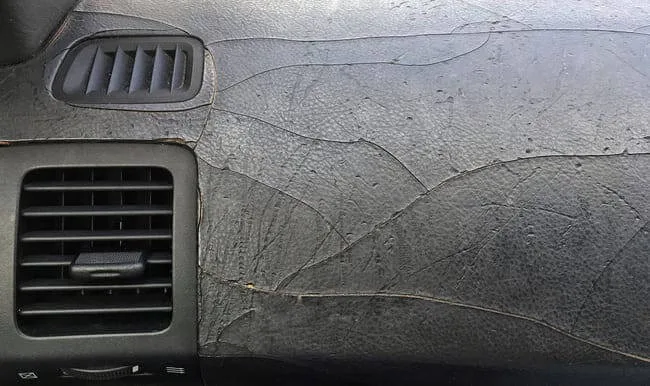
Image source: Web (Bing) / fibrenew.com (Web image (fair-use with source credit))
The rear liftgate rust is another common problem. Rust forms around the license plate area and the handle. It is caused by water getting trapped between the metal panels.
In rust-belt states, this can become a structural issue.
The HVAC blend door actuator often fails. You will hear a clicking sound from behind the glove box. The temperature control stops working properly.
The part is cheap, but the replacement can be fiddly.
Power steering pump noise and leaks are common at higher mileage. The pump whines when you turn the wheel, and you may notice fluid on the ground. The rear view camera can also act up, and a common fix involves checking the wiring and connections.
Safe Practices: A Pre-Purchase Inspection Checklist
If you are shopping for a used 2008 Highlander, a thorough inspection is essential. Here is what to check.
What to Check on the Test Drive
Start the engine cold. Listen for a rattling noise from the front of the engine. That is the VVT-i oil line starving for oil.
If it rattles, budget for the repair.
Drive the car and let it warm up. Check for transmission hesitation when shifting from first to second gear. A smooth shift is good.
A hard or delayed shift means trouble.
Turn the steering wheel at low speed. Listen for whining from the power steering pump. Check for leaks around the pump and reservoir.
What to Check Under the Hood
Look for coolant leaks around the water pump. The weep hole on the pump will show dried coolant residue. Check the oil cap for milky residue, which indicates coolant mixing with oil.
Check the oil level and condition. Low oil could mean a leak from the timing chain cover or the VVT-i line. Dark, dirty oil suggests poor maintenance.
Inspect the serpentine belt for cracks and wear. The belt drives the water pump and alternator. A failing belt can leave you stranded.
What to Check on the Body and Interior
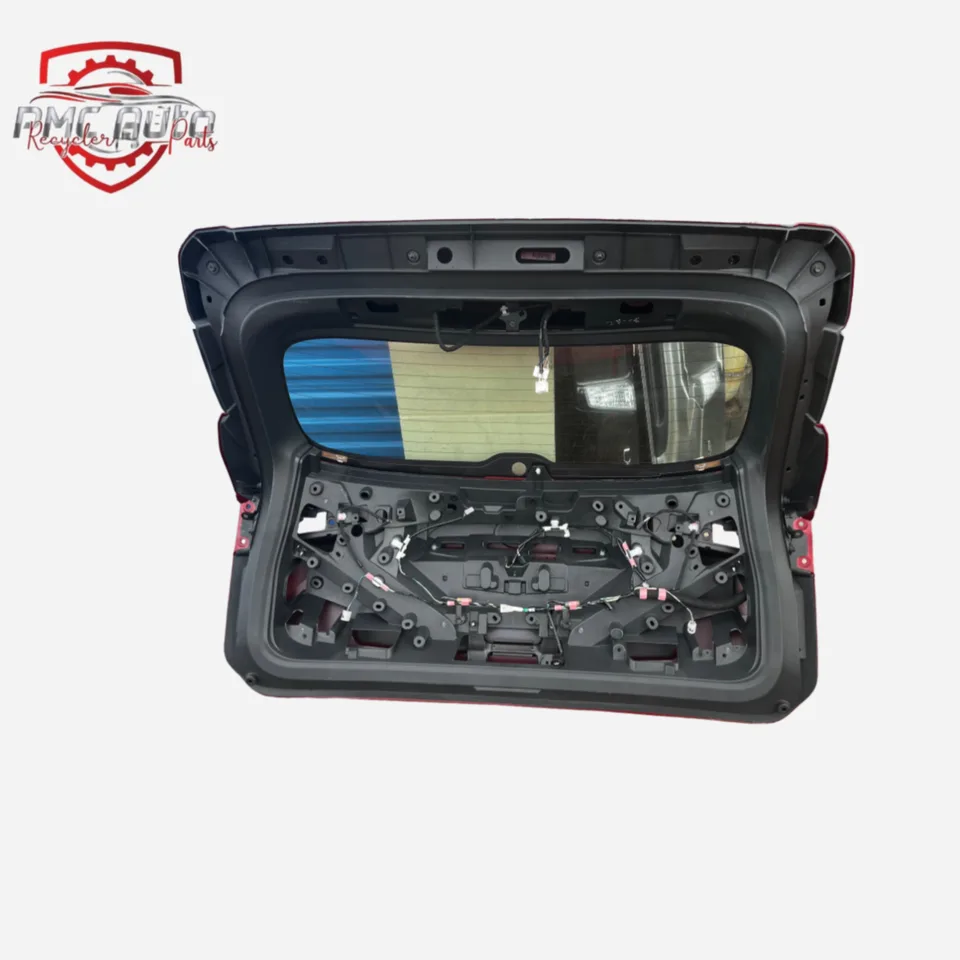
Image source: Web (Bing) / ebay.com (Web image (fair-use with source credit))
Open the rear liftgate and look at the bottom edge. Peel back the weatherstripping if you can. Rust here is common and can be expensive to repair.
Check the dashboard for cracks. Look at the edges near the windshield and around the vents. Every 2008 Highlander with original parts will have some cracking.
Test the HVAC system. Turn the temperature from hot to cold and listen for clicking. The blend door actuator is a common failure point.
When to Seek Help: Repair Decisions and Mechanic Referrals
Some repairs on the 2008 Highlander are DIY-friendly. The blend door actuator, spark plugs, and oxygen sensors are within reach of a home mechanic with basic tools.
Other repairs require professional help. The timing chain cover oil leak, water pump replacement, and ABS actuator repair are labor-intensive. These jobs need specialized tools and experience.
If you are buying a used Highlander, get a pre-purchase inspection from a mechanic who knows Toyotas. They will check for the specific issues we have discussed. The cost of the inspection is worth the peace of mind.
Mistakes to Avoid: Common Errors Owners and Buyers Make
The biggest mistake is ignoring the VVT-i rattle. Many owners assume it is normal. It is not.
The oil line can fail completely and cause engine damage that costs thousands to repair.
Another mistake is skipping the dashboard crack repair. It is cosmetic, but cracks can grow and sharp edges can be a safety concern in an accident. Replacement dashboards are available from Toyota.
Do not ignore the rear liftgate rust. It starts small and spreads. Once it is through the metal, you need a new liftgate shell.
Catch it early and treat it.
Buyers often skip the recall check. The floor mat and seat bolt recalls are important safety issues. Run the VIN on the NHTSA website before you buy.
Costs & Data: What Repairs Actually Run (and What to Budget)
| Repair | Estimated Cost | Frequency |
|---|---|---|
| VVT-i oil line replacement | $300 – $600 | Common after 100k miles |
| Water pump replacement | $600 – $1,000 | 80k – 120k miles |
| Timing chain cover reseal | $1,500 – $2,500 | 100k – 150k miles |
| ABS actuator replacement | $800 – $1,200 | Less common |
| Power steering pump | $400 – $700 | 100k+ miles |
| Blend door actuator | $200 – $400 | Common |
| Dashboard replacement | $800 – $1,500 | Cosmetic, optional |
| Rear liftgate rust repair | $500 – $2,000 | Varies by severity |
The 2008 Highlander is generally reliable, but these repairs add up. Budget $1,000 to $2,000 for common issues on a high-mileage example.
Recalls & Warnings: What's Still Open for Your VIN
The 2008 Highlander has several recalls. The most important ones are:
Floor mat entrapment recall. The accelerator pedal can be trapped by an unsecured floor mat. Toyota modified the pedal and added a brake override system.
TPMS system recall. The tire pressure monitoring system could fail to warn of low tire pressure. Toyota updated the software.
Front seat bolt recall. The front seat bolts could loosen. Toyota replaced them with stronger bolts.
Check your VIN on the NHTSA website to see if any recalls are still open. Dealers perform these repairs for free.
Frequently Asked Questions
Is the 2008 Toyota Highlander reliable?
The 2008 Highlander is generally reliable, but it has specific problem areas. The engine and transmission are solid with proper maintenance. Dashboard cracking and VVT-i oil line issues are the most common concerns.
How many miles will a 2008 Toyota Highlander last?
With proper maintenance, a 2008 Highlander can last 200,000 to 300,000 miles. The 2GR-FE V6 engine is known for longevity. Regular oil changes and transmission fluid changes are key to reaching high mileage.
Does the 2008 Highlander have transmission problems?
The 5-speed automatic transmission is generally reliable. Some high-mileage examples develop hesitation or hard shifts. Regular fluid changes every 60,000 miles help prevent problems.
What is the most common problem with the 2008 Highlander?
Dashboard cracking is the most common issue. Nearly every 2008 model with original parts has some cracking. The VVT-i oil line failure is the most serious mechanical problem.
Is the 2008 Highlander worth buying in 2026?
The 2008 Highlander can be a good value if you find a well-maintained example. Budget for common repairs. Check for recalls and rust before buying.
It is a comfortable, practical SUV that holds up well.
How much does it cost to fix a 2008 Highlander dashboard?
Replacing the dashboard costs $800 to $1,500. Some owners use a dashboard cover instead. The crack does not affect functionality, but it is an eyesore.
Final Recommendation: Should You Buy (or Keep) a 2008 Highlander?
The 2008 Toyota Highlander is a solid SUV with a few known weak spots. If you are buying one, get a pre-purchase inspection and check for the issues we have discussed. If you already own one, stay on top of maintenance and address problems early.
The VVT-i oil line and water pump are the most critical repairs. Don't ignore them. The dashboard and liftgate rust are cosmetic but worth fixing.
For the price of a used 2008 Highlander as of 2026, you are getting a comfortable, reliable SUV. Just go in with your eyes open. Know what to look for, budget for the common repairs, and you will be happy with the purchase.
Maintenance Tips for Long-Term Ownership
The 2008 Highlander rewards owners who stay on top of routine maintenance. Oil changes every 5,000 miles with synthetic oil are the single most important thing you can do. The 2GR-FE engine needs clean oil to keep the VVT-i system working properly.
Transmission fluid changes matter too. Toyota says the fluid is "lifetime," but real-world experience says otherwise. Change it every 60,000 miles.
Use Toyota WS fluid or a compatible equivalent. A simple drain and fill is better than a full flush.
Coolant needs replacing every 50,000 to 60,000 miles. The water pump is driven by the timing chain, and old coolant accelerates pump failure. Use Toyota Pink Long Life Coolant or an equivalent phosphate-free formula.
Spark plugs last about 60,000 miles on the V6. They are iridium tipped and expensive, but they maintain good fuel economy. The rear bank is tricky to reach, so budget for labor if you are not experienced.
Comparing the 2008 to the 2009-2010 Models
The 2009 model year brought several improvements. The dashboard material changed in 2009 and cracking is much less common. If dashboard appearance matters to you, a 2009 or later model is worth the extra money.
The 2010 model added a new 6-speed automatic transmission. It replaced the 5-speed found in the 2008 and 2009 models. The 6-speed shifts smoother and improves fuel economy slightly.
But it is also more complex.
The 2008 model has a simpler design overall. That means fewer electronic modules and fewer things to go wrong. Our research shows that the 2008 transmission is actually more durable than the 6-speed in some cases.
You will pay more for a 2009 or 2010 model. The price difference is typically $1,000 to $2,500 depending on condition and mileage. Whether that is worth it depends on your tolerance for the known issues.
Where to Find Reliable Parts and Service
Genuine Toyota parts are the best choice for critical repairs. The VVT-i oil line, water pump, and timing chain cover gasket should use OEM parts. Aftermarket parts for these items have mixed reviews.
For routine maintenance items like oil filters, air filters, and brake pads, quality aftermarket brands work fine. Just avoid the cheapest options. A $5 oil filter is fine for a daily driver, but a $2 filter is not.
Independent mechanics who specialize in Toyotas are often better than dealerships. They charge less and know the common problems. Look for shops with solid reviews and ask if they have worked on 2GR-FE engines before.
The Toyota parts website at parts.toyota.com is useful for looking up part numbers. You can also check your local dealer. Online parts retailers like RockAuto carry genuine and OEM-grade parts at competitive prices.
DIY Repairs You Can Handle Yourself
The blend door actuator is one of the easiest repairs. The part costs about $50 and the job takes 30 minutes. You just remove the glove box and swap the actuator.
There are good walkthroughs online.
The oxygen sensors are also DIY friendly. The front sensors are easy to reach. The rear sensors need more work but are still doable with basic tools.
Use a quality sensor from Denso or NTK.
The rear view camera can sometimes act up due to a loose connection. Checking the wiring harness at the liftgate hinge is a free fix that takes 10 minutes. It is worth a look before you pay for a new camera.
Spark plugs on the front bank of the V6 are easy. The rear bank requires removing the intake manifold. That is a bigger job, but a capable DIYer can handle it in an afternoon.
Watch for the small vacuum lines and connectors.
How to Negotiate Price Based on Known Issues
The known problems on the 2008 Highlander give you leverage in negotiations. Use them. A cracked dashboard is a valid reason to ask for $500 off.
The replacement cost is $800 to $1,500, so $500 is a fair discount.
A VVT-i rattle at cold start is a bigger bargaining chip. The repair costs $300 to $600, but it signals potential engine damage. Ask for at least $1,000 off or get proof that the repair was done.
Rust on the rear liftgate is another negotiation point. A rusted liftgate needs replacement, which costs $500 to $2,000. Ask for $1,000 off and budget for the repair yourself.
If the seller has no maintenance records, be cautious. Use that uncertainty to negotiate $500 to $1,000 off the asking price. A well-maintained example with records is worth more.
Do not overpay for a car with unknown history.