
Your 2008 Toyota Yaris is a tough little car. The 1NZ-FE engine under the hood will run for 200,000 miles or more if you treat it right. But here's the thing: getting the 2008 toyota yaris oil type wrong is one of the fastest ways to shorten that engine's life.
Manufacturer specifications call for SAE 5W-30 meeting API SL or higher with ILSAC GF-4 certification. As of 2026, that engine is nearly two decades old, and the margin for error on oil choice gets smaller with every mile. The good news is that picking the right oil isn't complicated once you know what to look for.
This guide covers exactly what your Yaris needs and why it matters.
Quick Answer
The 2008 Toyota Yaris requires SAE 5W-30 motor oil. It needs API SL certification or higher. It must meet ILSAC GF-4 standards.
The engine holds 3.7 quarts with a filter change. Use conventional or synthetic, but stick with that viscosity.
Why the 1NZ-FE Engine Is Picky About Oil
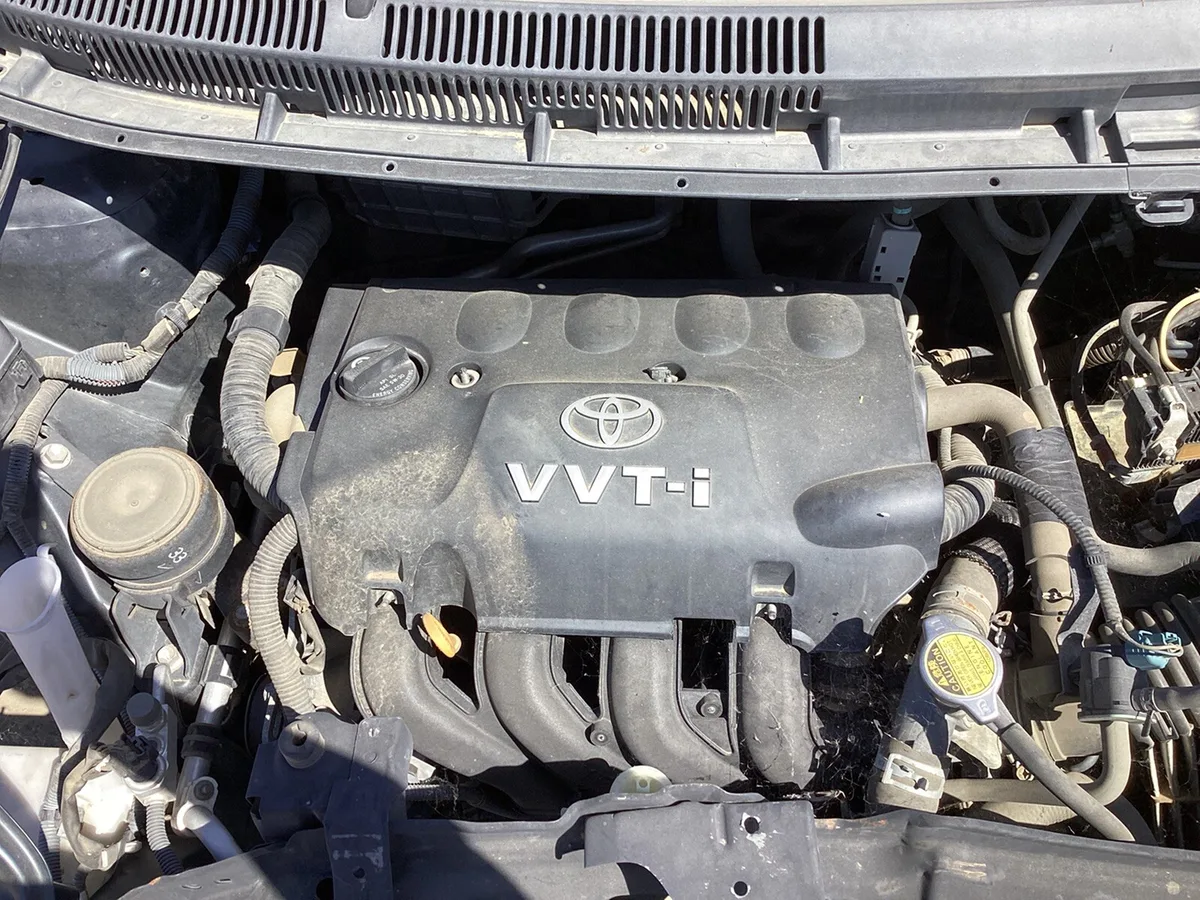
Image source: Web (Bing) / ebay.com
The 1NZ-FE is a 1.5-liter four-cylinder engine. It is not high-performance, but it has a specific feature that makes oil selection critical. The VVT-i system uses oil pressure to adjust cam timing.
If the oil is too thick, the system rattles on cold starts. If it is too thin, pressure drops at operating temperature. Either scenario leads to timing chain wear.
The engine also uses hydraulic valve lifters. These rely on oil pressure to maintain zero valve clearance. Wrong oil viscosity causes rough idle, reduced power, and eventual valve damage.
Toyota designed this engine around SAE 5W-30 with API SL or higher. That is not a suggestion. It is an engineering requirement.
SAE 5W-30 vs. SAE 0W-20: Which One Belongs in Your Yaris?
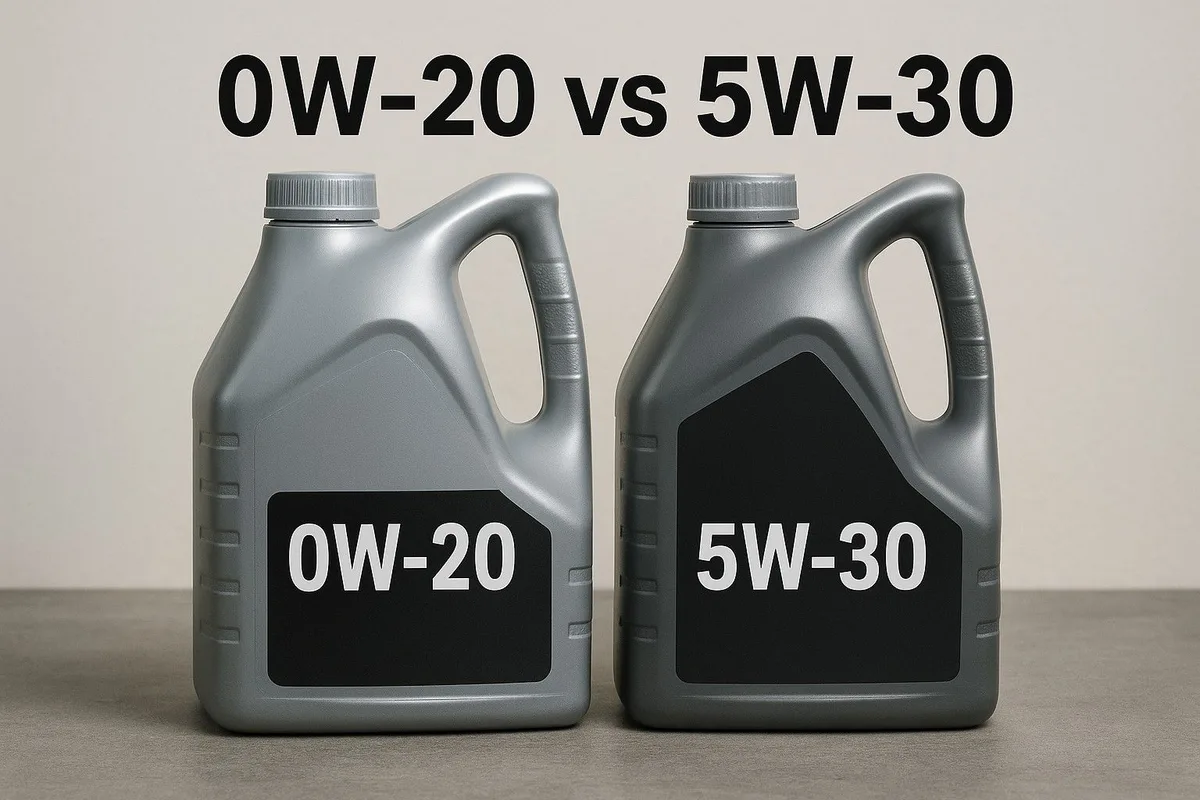
Image source: Bing (Web (fair-use with source credit))
SAE 5W-30 is the official recommendation. SAE 0W-20 is acceptable in certain conditions but is not ideal.
The numbers tell you how oil flows at different temperatures. The "5W" means it behaves like a grade 5 oil when cold. The "30" means it acts like a grade 30 at operating temperature.
For 0W-20, the oil flows better when cold but is thinner at running temperature.
Here is what that means for your Yaris:
| Viscosity | Cold Start Flow | High Temp Protection | VVT-i Performance |
|---|---|---|---|
| 5W-30 | Good | Excellent | Optimal |
| 0W-20 | Excellent | Good | Acceptable |
| 10W-40 | Poor | Excessive | Poor |
SAE 5W-30 provides the best balance for the 1NZ-FE. The VVT-i system, hydraulic lifters, and oil pump clearances were all designed around this viscosity.
SAE 0W-20 became popular in later Toyota engines. The 1NZ-FE has different bearing clearances than modern engines. Thinner oil can lead to lower oil pressure at idle and reduced protection during hard driving.
Toyota does list 0W-20 as an acceptable alternative in some markets. If you live where winter temperatures regularly drop below minus 20°F, 0W-20 helps with cold starts. For most drivers, 5W-30 is the right choice.
If you use 0W-20, check your oil level more often. Thinner oil leads to higher consumption in older engines.
Full Synthetic vs. Conventional Oil
This decision comes down to mileage, budget, and how long you plan to keep the car.
Conventional oil meets the API SL and ILSAC GF-4 requirements. It is adequate for the 1NZ-FE. Change it every 3,000 to 5,000 miles and your engine will run fine.
Cost is around $15 to $20 for a five-quart jug.
Full synthetic oil flows better at cold temperatures. It resists thermal breakdown. It contains robust detergents that keep the engine cleaner.
For a 15-year-old engine that may have sludge buildup, that cleaning action is valuable.
| Factor | Conventional | Full Synthetic |
|---|---|---|
| Cost per change | $15-$20 | $25-$40 |
| Drain interval | 3,000-5,000 miles | 5,000-7,500 miles |
| Cold start protection | Good | Excellent |
| Sludge prevention | Standard | Superior |
| Best for mileage | Under 100k | Any mileage |
For a Yaris under 100,000 miles, conventional oil changed at 4,000-mile intervals is fine. For a Yaris over 100,000 miles, full synthetic provides better protection. The high-mileage variant contains seal conditioners that help reduce minor oil leaks.
You can switch from conventional to synthetic at any mileage. Modern synthetics are compatible with conventional residue. No special flush is needed.
The Real Oil Capacity
The 2008 Yaris with the 1NZ-FE engine holds 3.7 quarts with a filter change. Without a filter change, it is 3.5 quarts.
Do not pour in the whole jug. Fill with 3.5 quarts first. Check the dipstick.
Add the remaining 0.2 quarts if needed. Run the engine for 30 seconds. Shut it off.
Wait two minutes. Check the dipstick again.
The dipstick is on the front of the engine with a yellow or orange loop handle. The oil level should be between the L and F marks. Never above F.
Never below L.
Overfilling causes oil foaming. The crankshaft whips air into the oil, reducing lubrication. Underfilling causes oil starvation.
Either can destroy your engine.
The oil filter uses a 3/4-inch by 16 thread. You need a 64mm 14-flute cap wrench. Toyota genuine filter part numbers are 04152-YZZA1 or 90915-YZZA1.
Always change the filter with every oil change. It holds about 0.2 quarts. Reusing a filter leaves dirty oil in the system.
How to Change the Oil on a 2008 Yaris
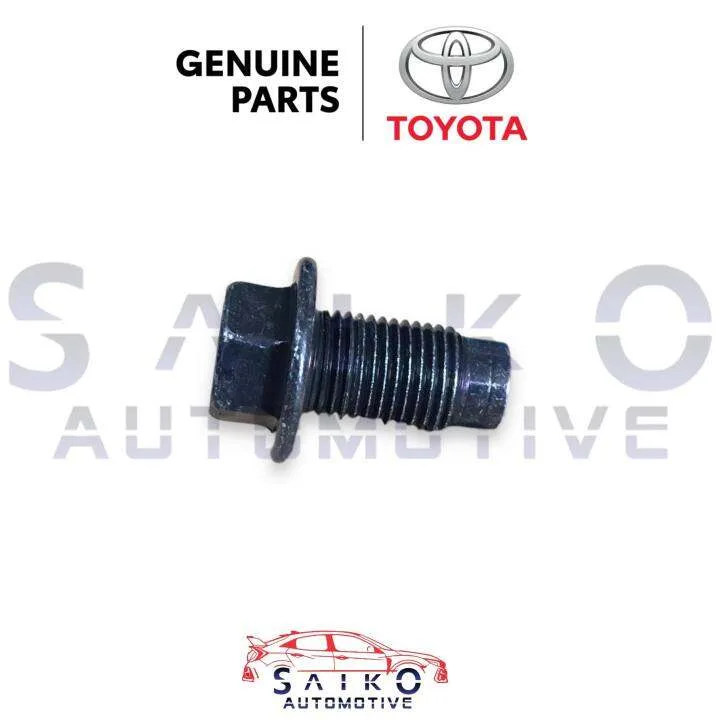
Image source: Web (Bing) / lazada.com.ph
This is a straightforward job. You need about 30 minutes and basic tools.
What you need:
- 3.7 quarts of SAE 5W-30 meeting API SL or higher
- One oil filter
- 14mm socket for the drain plug
- 64mm 14-flute oil filter cap wrench
- Drain pan (5 quarts minimum)
- Funnel
- New drain plug gasket
- Rags
The process:
- Warm up the engine for a few minutes. Warm oil drains faster.
- Get under the car. The drain plug is on the driver side of the oil pan. It is a 14mm hex head. Remove it carefully.
- Let the oil drain for three to five minutes.
- Remove the old filter using the cap wrench. Lubricate the new filter gasket with fresh oil. Screw it on by hand until snug, then tighten three-quarters turn.
- Install the drain plug with a new crush washer. Torque to 25 ft-lbs.
- Pour in 3.5 quarts of oil. Replace the fill cap.
- Start the engine. The oil pressure light should go out in seconds.
- Shut off the engine. Wait two minutes. Check the dipstick. Add oil as needed.
Check for leaks at the drain plug and filter. If you see drips, tighten the plug slightly or check the filter gasket.
Mistakes That Will Cost You an Engine
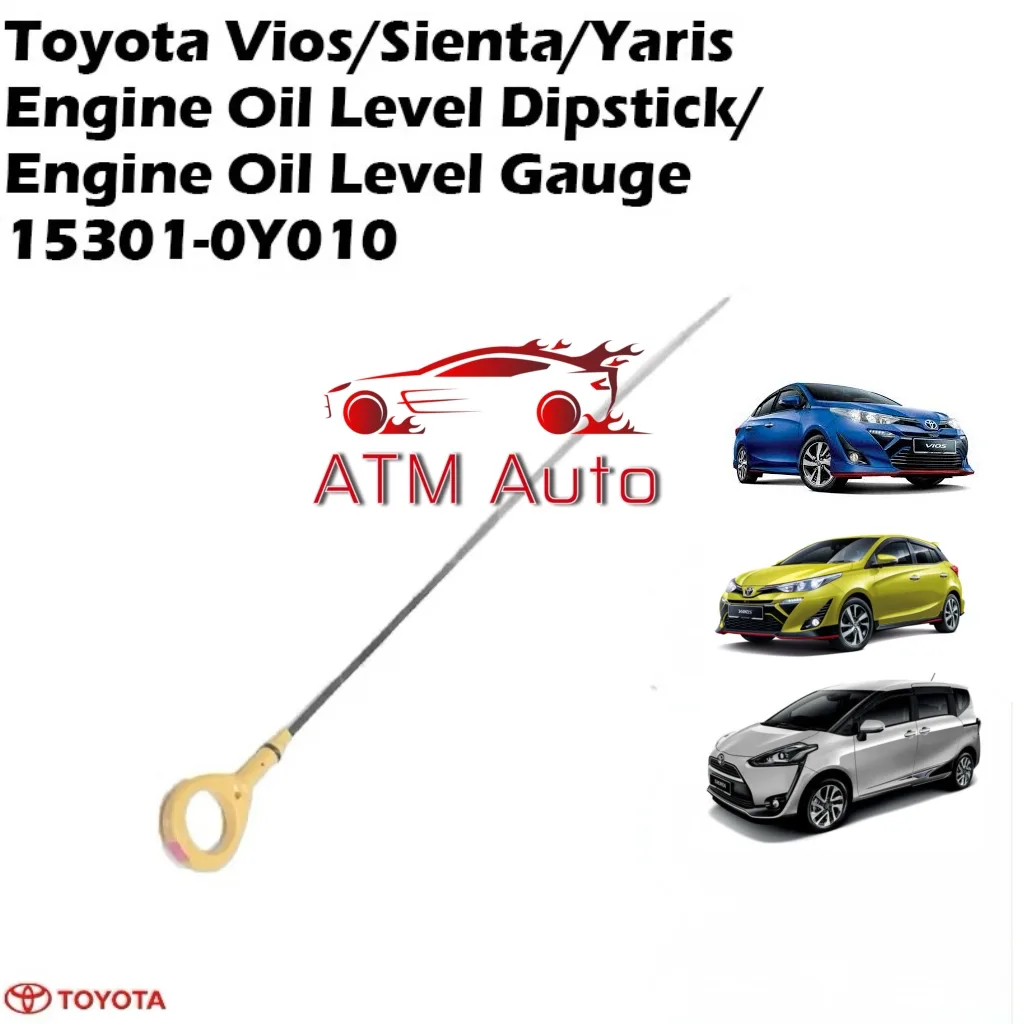
Image source: Web (Bing) / shopee.com.my
Four mistakes kill 1NZ-FE engines faster than anything else.
Using the wrong viscosity. Do not use 10W-40 or 20W-50. Thicker oil does not flow fast enough through VVT-i passages. This causes timing chain rattle and eventual failure.
Overfilling or underfilling. Overfilling causes oil foaming. Underfilling causes oil starvation. Either can destroy your engine in minutes.
Skipping the filter or using a cheap one. The filter removes contaminants. Cheap filters with cardboard end caps can collapse. Stick with Toyota genuine or quality aftermarket filters.
Ignoring API and ILSAC ratings. Look for the API starburst symbol. You need API SL or higher and ILSAC GF-4 or higher. Do not use diesel-rated oils like CI-4 or CJ-4.
Oil Change Intervals
Toyota recommends every 5,000 miles for normal driving. But most driving is "severe service": short trips, stop-and-go traffic, extreme temperatures. For severe service, change every 3,000 miles or three months.
Our research suggests a practical middle ground. With conventional oil, change every 4,000 miles. With full synthetic, stretch to 5,000 to 6,000 miles.
Do not go beyond 6,000 miles in this engine.
| Driving Condition | Oil Type | Recommended Interval |
|---|---|---|
| Normal highway | Conventional | 4,000 miles |
| Normal highway | Full synthetic | 5,000-6,000 miles |
| Severe (city, short trips) | Conventional | 3,000 miles |
| Severe (city, short trips) | Full synthetic | 4,000-5,000 miles |
If you drive less than 5,000 miles per year, change the oil every six months. Moisture builds up in the crankcase and forms acids that eat bearings.
High-Mileage Oil: Does Your Yaris Need It?
High-mileage oil is designed for engines over 75,000 to 100,000 miles. It contains seal conditioners, extra detergents, and friction modifiers.
For a 2008 Yaris with 120,000 miles or more, high-mileage oil makes sense. The seal conditioners can slow minor oil leaks from the valve cover gasket or front crankshaft seal. They will not fix a fully failed gasket, but they buy time.
Do not switch to high-mileage oil if you already have a significant leak. You need to fix those leaks mechanically first.
When to Call a Mechanic
Call a mechanic if you cannot get the drain plug loose. The oil pan is aluminum. Stripping the threads means a new oil pan.
Call a mechanic if you cannot reach the oil filter. If you do not have jack stands and are struggling, it is safer to pay someone.
Call a mechanic if your engine has an active oil leak. Changing the oil will not fix it.
Call a mechanic if you are unsure about the previous oil type. If the oil that drains out looks like sludge or has metal particles, let a shop handle it.
For most Yaris owners, the DIY oil change saves money. But a $60 shop change beats a $2,000 engine replacement.
Frequently Asked Questions
Can I use 0W-20 in my 2008 Toyota Yaris?
Yes, but it is not ideal for most drivers. SAE 0W-20 is thinner and provides less high-temperature protection than 5W-30. Use it only in extreme cold climates.
For normal driving, stick with 5W-30.
How much oil does a 2008 Yaris take with filter change?
The 1NZ-FE engine takes 3.7 quarts with a filter change. Without a filter, it takes 3.5 quarts. Always check the dipstick after filling.
What happens if I use 10W-40 in my Yaris?
Using 10W-40 causes VVT-i actuator rattle on cold starts and reduced oil flow. The thicker oil does not reach tight bearing clearances quickly. Over time, this leads to timing chain wear and potential engine damage.
Do I need synthetic oil for my 2008 Yaris?
No, synthetic is optional. Conventional 5W-30 meeting API SL or higher works fine if you change it every 3,000 to 5,000 miles. Synthetic offers better protection and longer intervals, but it is not required.
How often should I check my oil level?
Check your oil level every time you fill up with gas. The 1NZ-FE can consume oil as it ages, especially over 100,000 miles. Catching a low level early prevents bearing damage.
Can I mix synthetic and conventional oil?
Yes, in an emergency. Modern oils are compatible. Mixing dilutes the synthetic properties but will not damage the engine.
Change to a single type as soon as possible.
The Bottom Line
Here is your quick decision guide.
Under 100,000 miles: Conventional SAE 5W-30. Change every 4,000 miles.
Over 100,000 miles: High-mileage SAE 5W-30 full synthetic. Change every 5,000 miles.
Extreme cold (below minus 20°F): SAE 0W-20 full synthetic. Change every 4,000 miles. Check level more often.
Short trips only: Any quality 5W-30. Change every 3,000 miles.
Unsure what is in there now: Drain it. Refill with 5W-30. Start fresh.
The 1NZ-FE engine does not need expensive boutique oils. It needs clean SAE 5W-30 that meets the right API and ILSAC standards, changed on a reasonable schedule.
Stick with that formula and your Yaris will keep running long after most cars its age have been scrapped. That is not hype. That is engineering.