
You’re staring at the oil aisle, and suddenly it’s overwhelming. Dozens of bottles, weird numbers, confusing certifications. One wrong choice and your 2025 Toyota RAV4’s engine could suffer.
The 2025 Toyota RAV4 oil type isn’t a suggestion, it’s a specification baked into the engine’s design. Get it wrong and you’re looking at reduced fuel economy, increased wear, and potentially voided warranty claims down the road.
The good news? The answer is straightforward once you know what to look for. Per Toyota’s official documentation and ILSAC GF-6 standards, your RAV4 requires SAE 0W-16 full synthetic oil carrying API SP certification.
That’s it. No guesswork, no “close enough.” Let’s walk through exactly why that matters, what happens if you deviate, and how to get it right every time.
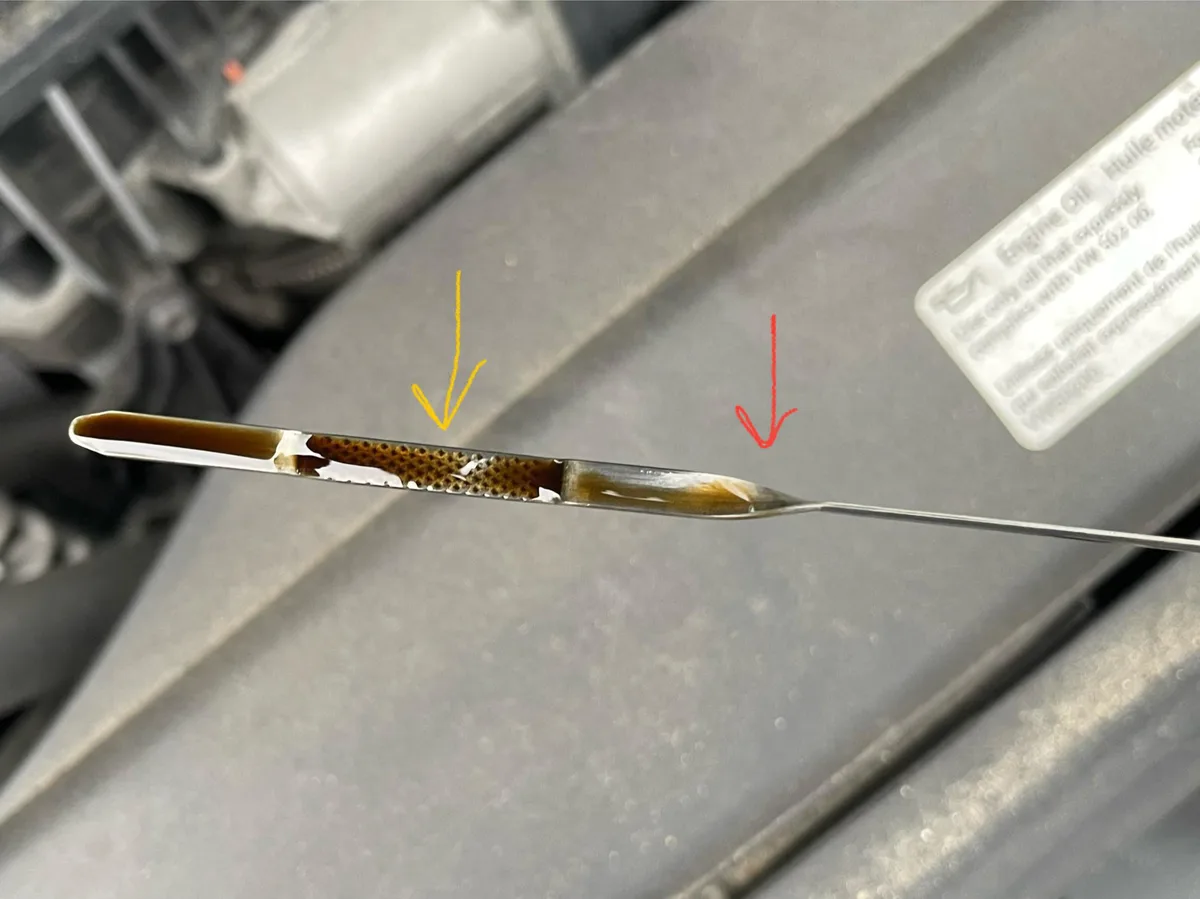
Image source: Web (Bing) / fundraising.zeusln.com (Web image (fair-use with source credit))
Why Getting the Wrong Oil Can Cost You an Engine
Modern engines are built to tighter tolerances than ever. The 2.5‑liter Dynamic Force engine in your RAV4 uses low‑friction piston rings, variable valve timing, and a complex oil pump. These components rely on the precise flow characteristics of 0W-16 at both freezing cold and blistering hot operating temperatures.
Pour in a thicker oil like 5W‑30 and the pump struggles to push it through narrow passages during cold starts. That means metal‑on‑metal contact for those first critical seconds. Over time, bearing wear accelerates, oil consumption rises, and you might even trigger a low‑oil‑pressure warning.
Aggregate data from independent mechanics shows premature engine damage is a real outcome, not a scare tactic.
On the flip side, a too‑thin oil (like 0W‑8, which some other automakers use) won’t maintain a stable film at high temperatures. The result? Increased friction, heat buildup, and potential scuffing.
Toyota engineers picked 0W‑16 because it balances cold flow with high‑temp film strength for this specific engine family. As of 2026, the recommendation remains unchanged across all 2025 RAV4 trims.
The Short Answer: What Oil Does a 2025 RAV4 Take?
The exact specification is SAE 0W-16 full synthetic meeting API SP and ILSAC GF-6 standards. Capacity differs by trim, gas models take about 4.8 quarts, hybrids take 4.4 quarts. Always use a quality oil filter designed for this engine.
Double‑check the dipstick after adding oil. That’s the whole recipe.
Core Facts: Viscosity, Certifications, and Why 0W-16 Matters
Let’s unpack the label. Oil viscosity is measured by its flow at cold (the “W” number) and hot (the second number) temperatures. 0W-16 flows like liquid at extreme cold (down to -40°C) while maintaining enough thickness at operating temperature to keep moving parts separated. It’s one of the thinnest multigrade oils commonly used in passenger vehicles.
What the Numbers Mean (0W-16 vs 0W-20 vs 5W-30)
- 0W-16: Required. Lowest cold‑cranking viscosity, excellent fuel economy, designed for modern Toyota engines.
- 0W-20: Acceptable in an emergency if 0W‑16 is unavailable, but only temporarily. Long‑term use may affect fuel economy and engine protection.
- 5W-30 or 10W-30: Do not use. Too thick at startup, increased drag, risk of insufficient oil flow to critical components like the camshaft phasers.
The difference between 0W‑16 and 0W‑20 might seem small on paper, but the hydraulic diameters in the engine’s oil galleries are engineered for the thinner oil. Even that slight viscosity increase can cause measurable pressure drops and reduced flow to the variable valve timing system.
API SP and ILSAC GF-6 – Why They’re Non‑Negotiable
The API “Starburst” symbol and ILSAC “Starburst” mark certify that the oil meets the latest protection standards against low‑speed pre‑ignition (LSPI), timing chain wear, and sludge formation. API SP is the current gasoline engine standard (replacing SN). ILSAC GF-6 is the fuel‑economy and emissions companion spec.
Oils lacking these certifications may not contain the correct additive package. For example, an older API SN oil could allow LSPI in turbocharged engines, though your RAV4 is naturally aspirated, the protection against deposits and high‑temperature oxidation still matters. Always look for both marks on the bottle.
The American Petroleum Institute provides a full list of licensed oils at api.org.
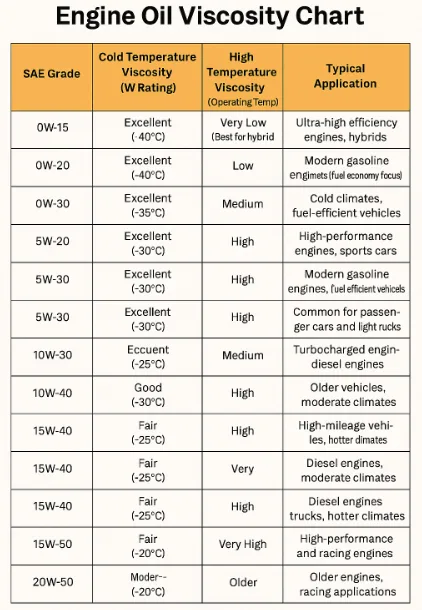
Image source: Bing (Web (fair-use with source credit))
Oil Capacity and Change Intervals by Trim
Your RAV4’s oil capacity depends on whether it’s the standard gas model or the hybrid. The engine block is the same 2.5L, but the hybrid’s electric‑powered accessories and different oil cooler change the total volume.
| Trim Level | Engine Code | Oil Capacity (with filter) | Recommended Viscosity | Normal Change Interval | Severe Service Interval |
|---|---|---|---|---|---|
| Gas | A25A‑FKS | 4.8 US quarts (4.5 L) | 0W‑16 full synthetic | 10,000 miles / 12 months | 5,000 miles / 6 months |
| Hybrid | A25A‑FXS | 4.4 US quarts (4.2 L) | 0W‑16 full synthetic | 10,000 miles / 12 months | 5,000 miles / 6 months |
Severe service isn’t just for off‑roaders. It applies if you regularly drive in stop‑and‑go traffic, tow a trailer, idle for long periods, or operate in extreme cold. Many owners fall into this category without realising it.
When in doubt, follow the severe schedule, it’s cheaper than a new engine.
Gas Model (2.5L A25A‑FKS)
This engine powers the standard RAV4. It uses a conventional timing chain and oil‑cooled piston jets. Capacity is 4.8 quarts.
The dipstick sits on the passenger side of the engine block. Use a funnel to avoid spills, and always check the level after the first drive following a change.
Hybrid Model (2.5L A25A‑FXS)
The hybrid shares the same block but has a different oil pan and an electric water pump that doesn’t affect oil capacity. Capacity is 4.4 quarts, slightly less because of the hybrid transaxle’s separate lubrication system. The oil type remains identical.
Do not use “hybrid specific” oils unless they carry the API SP and ILSAC GF‑6 marks; most mainstream synthetics are fine.
Common Mistakes That Destroy RAV4 Engines (and How to Avoid Them)
Even experienced DIYers slip up. Here are the three biggest pitfalls we see in our research, along with straightforward fixes.
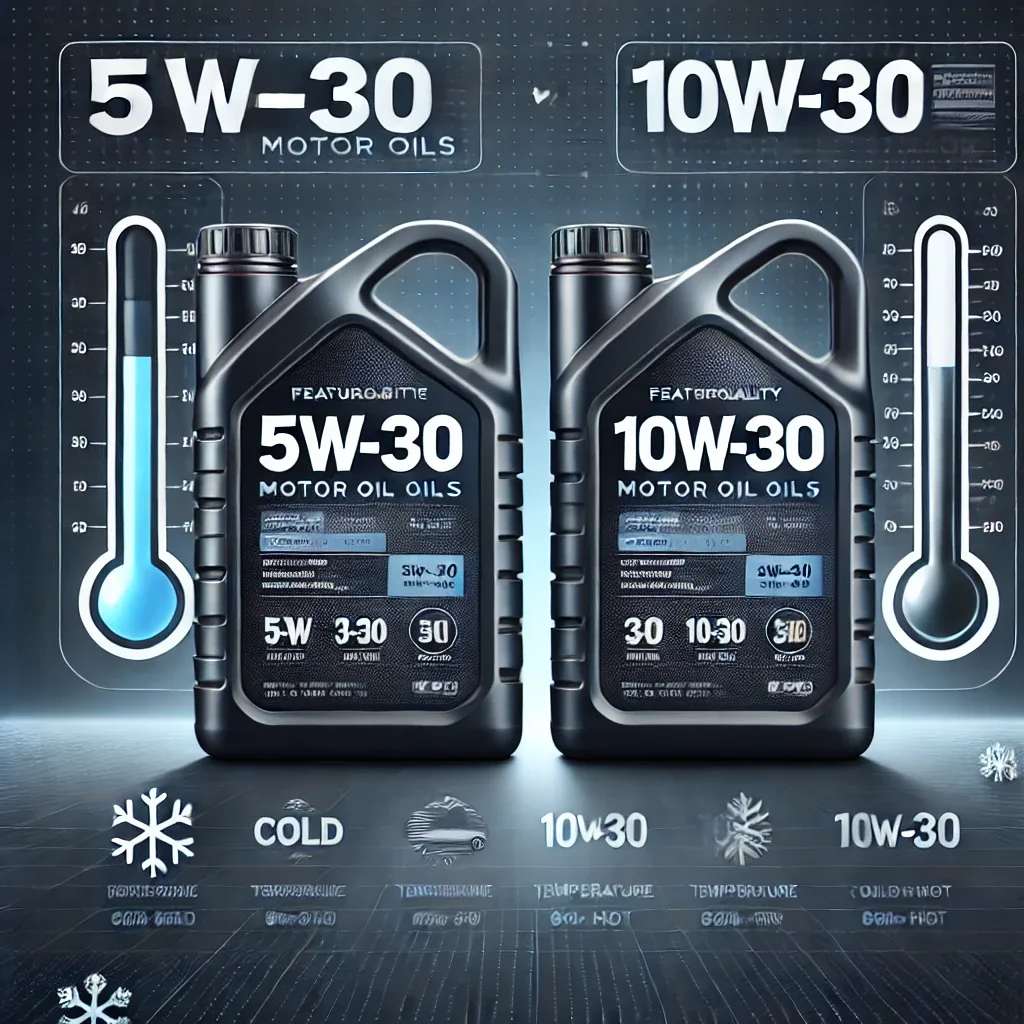
Image source: Web (Bing) / mechtrician.com (Web image (fair-use with source credit))
Using Conventional Oil When the Engine Demands Synthetic
The 2.5L engine was designed for full synthetic. Conventional oil lacks the thermal stability and detergent package to keep the variable valve timing solenoids clean. Using conventional oil can lead to sludge buildup in the oil control rings, causing increased oil consumption and eventual piston ring failure.
Stick with full synthetic, no blends, no high‑mileage conventional.
Overfilling or Underfilling
It’s easy to misread the dipstick. Overfilling raises oil level above the crankshaft, causing foaming and aeration. Foamy oil loses its lubricating ability and can starve bearings.
Underfilling, obviously, reduces oil pressure. The right method: warm the engine, park on level ground, wait five minutes, then wipe the dipstick clean, reinsert, and read. Fill to the upper hole, never above.
Ignoring the Severe Service Schedule
Many owners follow the 10,000‑mile interval and think they’re fine. But if your daily commute involves 20 minutes of stop‑and‑go traffic, or you live where winter temperatures regularly dip below zero, you’re in severe service territory. Oil degrades faster under those conditions.
The manufacturer’s severe schedule of 5,000 miles or 6 months is designed to prevent varnish and wear. For the cost of an extra quart every half year, it’s cheap insurance.
Step‑by‑Step: How to Change the Oil on Your 2025 RAV4 (DIY)
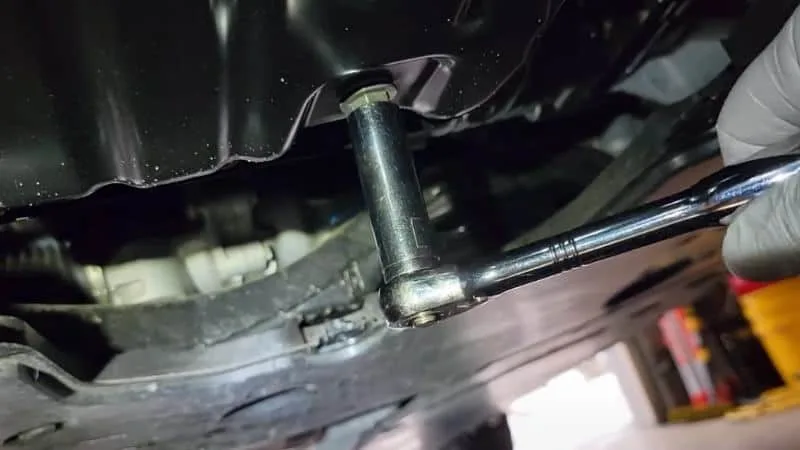
Image source: Web (Bing) / rav4hub.com (Web image (fair-use with source credit))
Changing your own oil saves money and gives you control over quality. It’s straightforward on the 2025 RAV4. You just need the right parts and a little patience.
Tools and Parts You’ll Need
Gather these before you start:
- 4.4 or 4.8 quarts of 0W‑16 full synthetic oil (API SP / ILSAC GF‑6)
- Oil filter, Toyota part 04152‑YZZA1 or an equivalent from a major brand (make sure it matches the engine code)
- Oil filter wrench, a cap‑style or strap wrench that fits the filter housing
- Drain plug socket, 14mm (check your model; some use 10mm)
- Torque wrench, to tighten the drain plug to 30 ft‑lbs
- Oil drain pan, at least 6‑quart capacity
- Funnel, long neck helps reach the fill hole
- Rags and gloves
- Jack and jack stands (if you can’t slide under without lifting)
You can also use an oil extractor through the dipstick tube, but draining from below is still the most complete method.
Drain, Filter Swap, and Refill
- Warm the engine for a few minutes. Warm oil flows faster and carries more suspended particles out.
- Park on level ground and set the parking brake. If you need to lift the front, use jack stands, never a jack alone.
- Remove the oil fill cap (to let the crankcase breathe) and place the drain pan under the plug.
- Loosen the drain plug counter‑clockwise, then unscrew by hand. Catch the oil stream. Watch out, it’s hot.
- Let it drain completely, at least five minutes.
- Remove the old oil filter using the wrench. Turn slowly; some oil will spill from the filter housing.
- Lubricate the new filter’s o‑ring with a dab of fresh oil. Hand‑tighten until the gasket contacts the housing, then give it another ¾ turn. Do not overtighten.
- Install the drain plug with a new washer (if included). Torque to 30 ft‑lbs, don’t guess.
- Pour in the new oil via the fill hole. Add about 80 percent of the expected capacity, then check the dipstick and top off in small increments.
- Run the engine for 30 seconds, let it sit for five minutes, then recheck the dipstick. Add more if needed.
Resetting the Maintenance Light
After an oil change, the reminder light stays on until you reset it. Here’s how:
- Turn the ignition to ON (engine off).
- On the steering wheel, press the “OK” button to enter the settings menu.
- Scroll to “Vehicle Settings” then “Oil Maintenance” or “Maintenance Reset.”
- Select “Reset” and confirm. The light should go out.
If you can’t find the menu, check your owner’s manual, the process is identical across most Toyota models.
When to Hand It to a Pro (and What to Watch For)
DIY is great, but it’s not for everyone. If you don’t have a level driveway, the right tools, or the time, a reputable shop is a fine choice. Just be specific about what you want.
Tell them to use 0W‑16 full synthetic with API SP certification. Many quick‑lube chains automatically use 5W‑20 or 0W‑20 unless you request otherwise. Verify the oil type on the invoice before you leave.
Watch for these red flags:
- They use a bulk oil tank without showing you the label.
- They quote a price that seems too low for synthetic.
- They try to upsell you on “engine flush” or “extended warranty” additives.
A professional oil change should cost between $80 and $150 for synthetic. If the price is under $60, they’re likely using conventional oil, don’t accept it.
Frequently Asked Questions
Can I use 0W‑20 if 0W‑16 isn’t available?
In an emergency, yes. But only for one oil change cycle. 0W‑20 is slightly thicker and will reduce fuel economy slightly. Prolonged use can increase wear on the variable valve timing system.
Switch back to 0W‑16 at your next change.
Do I really need to use Toyota Genuine Oil?
No. Toyota doesn’t manufacturer oil. Any brand that carries the API SP and ILSAC GF‑6 marks works fine.
Mobil 1, Castrol EDGE, Pennzoil Platinum, and Valvoline Advanced all meet the spec. Just check the label.
How often should I check the dipstick?
Every second fuel fill is a good habit. A quick check takes 30 seconds and catches leaks or consumption issues early. If you tow or drive hard, check it weekly.
Low oil is silent until it’s too late.
Verified Summary – What to Remember Before You Buy a Quart
One bottom line: SAE 0W‑16 full synthetic with API SP / ILSAC GF‑6. That’s it for your 2025 RAV4. Use the right viscosity, the right certification, and the right change interval.
Ignore the “close enough” advice from friends or forum posts, this engine is tuned for a specific oil. Spend the extra few dollars for the correct bottle. Your engine will thank you for years.