
Image source: Web (Bing) / a-premium.com (Web image (fair-use with source credit))
Manufacturer specifications indicate the 2024 RAV4 uses a 2.5-liter Dynamic Force engine designed for low-viscosity oil. Per API SP and ILSAC GF-6A standards, 0W-16 delivers the right balance of fuel economy and protection. As of 2026, this remains the factory recommendation for all trims.
Quick Answer
Use SAE 0W-16 full synthetic oil. It must meet API SP or ILSAC GF-6A standards. The oil capacity is 4.8 quarts for the gas model, 4.4 quarts for the hybrid and Prime.
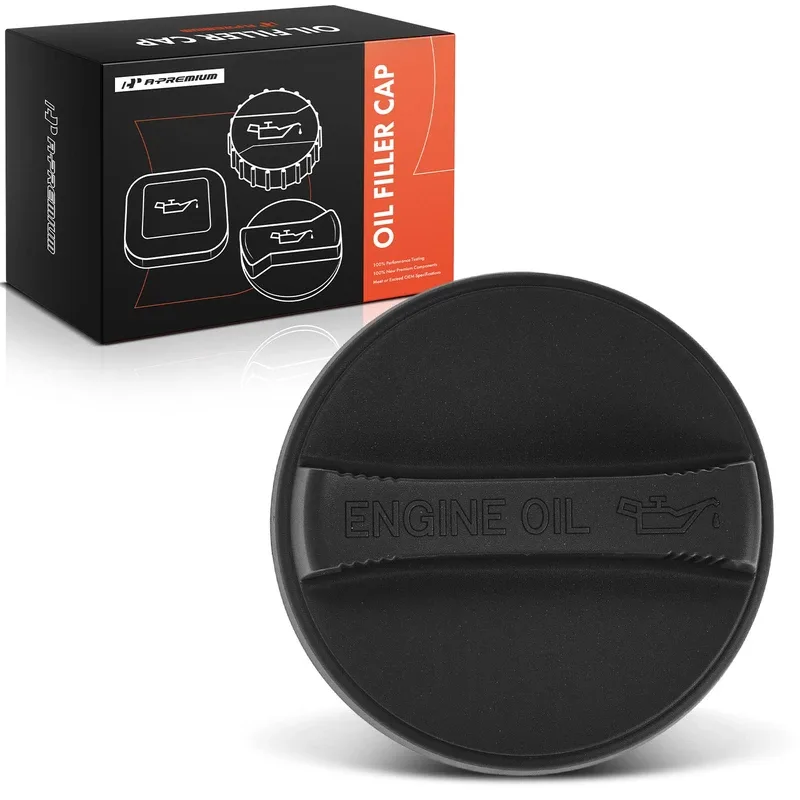
Always check the oil filler cap first.
Why Getting the Right Oil Matters More Than You Think
The RAV4's engine has tight tolerances. The oil pump is calibrated for thin oil. Using 5W-30 or even 0W-20 means the oil won't flow properly at cold start.
That causes excess wear on bearings and timing chains.
The wrong viscosity also hurts fuel economy. Toyota designed this engine around 0W-16 to meet strict EPA standards. Thicker oil makes the engine work harder to pump it.
You'll lose one to two miles per gallon on average.
Warranty coverage is another concern. If a dealer finds non-recommended oil during a failure investigation, they can deny the claim. That's a repair bill you definitely want to avoid.
Stick with the spec on the cap and in the manual.
First Thing: Check Your Engine Variant
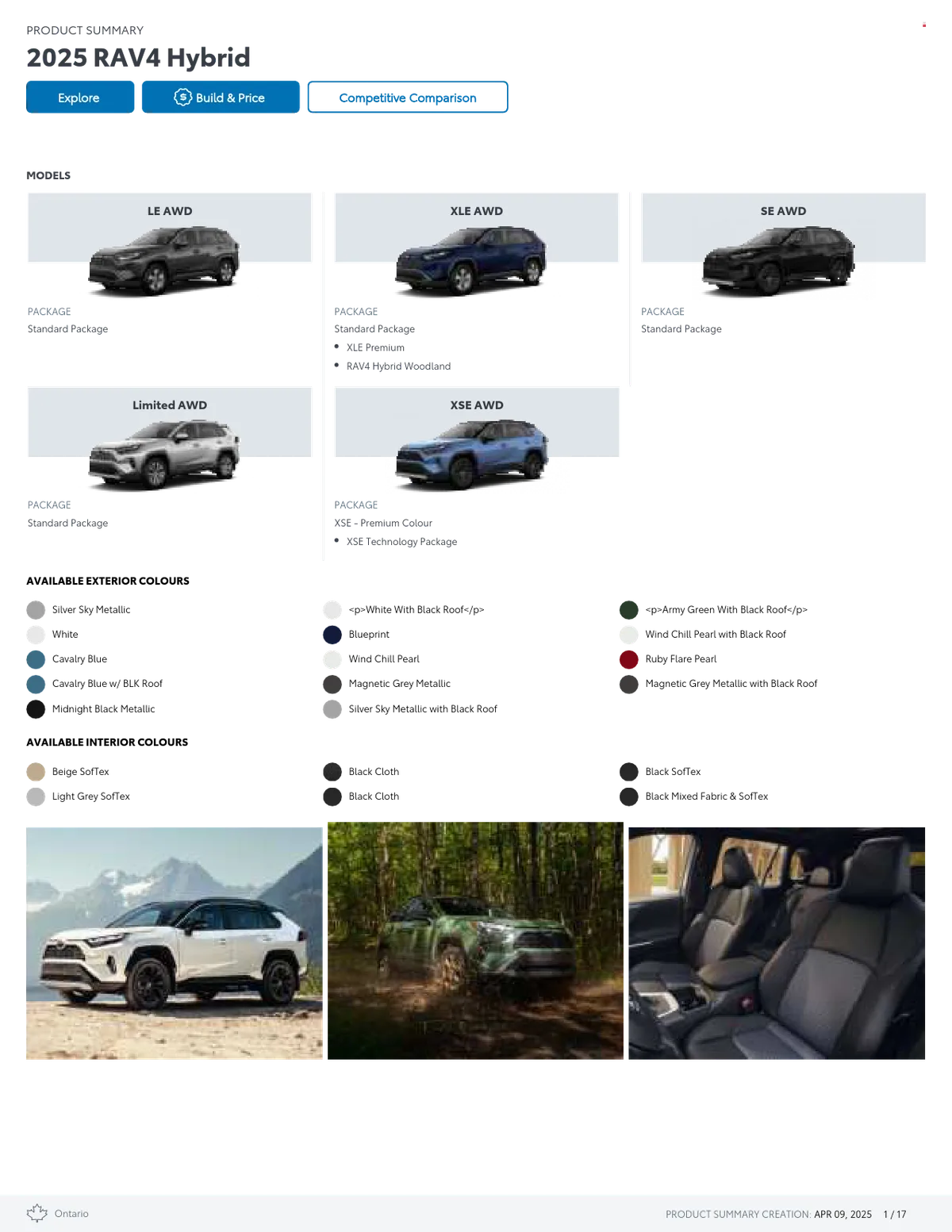
Image source: Web (Bing) / device.report (Web image (fair-use with source credit))
Not all 2024 RAV4s are the same. The gas model uses a standard 2.5L engine. The hybrid and Prime use a different version of the same displacement, with an electric motor integrated.
The oil requirements are identical in viscosity but differ in capacity.
The fastest way to know for sure is to look at the oil filler cap. It's a black plastic cap under the hood, usually on the passenger side. It will have the recommended viscosity printed right on top, likely "0W-16".
Some caps say "0W-20" from early production runs, but Toyota has since updated most to 0W-16. Double-check your owner's manual on page 540-545 for the full specifications table.
You can also check the manual's maintenance section. It lists the oil type, capacity, and the API and ILSAC certifications required. If you've lost your paper manual, Toyota's website has digital copies linked from your vehicle's VIN page.
The 0W-16 Standard: What It Is and Why Toyota Uses It
0W-16 is a low-viscosity full synthetic oil. The "0W" means it flows like a very thin oil at cold temperatures. The "16" is the viscosity at normal operating temperature, lower than the older 0W-20 standard.
Toyota switched to 0W-16 for the 2020 model year on many Dynamic Force engines. The goal was better fuel economy without sacrificing engine protection. Thinner oil reduces internal friction, especially at cold start when most engine wear happens.
Tests by the API show that a one-step drop in viscosity can improve fuel economy by 0.5 to 1.5 percent.
There are trade-offs. 0W-16 has a thinner oil film than 0W-20. Under extreme heat or sustained high load, like towing a trailer up a mountain, the oil can shear down faster. Toyota accounts for this by recommending a 5,000-mile severe-service interval if you regularly tow.
That's shorter than the normal 10,000-mile interval. The oil itself is fine for most drivers, but if you push the engine hard, check the level more often.
Decision Tree: Which Oil Should You Use?
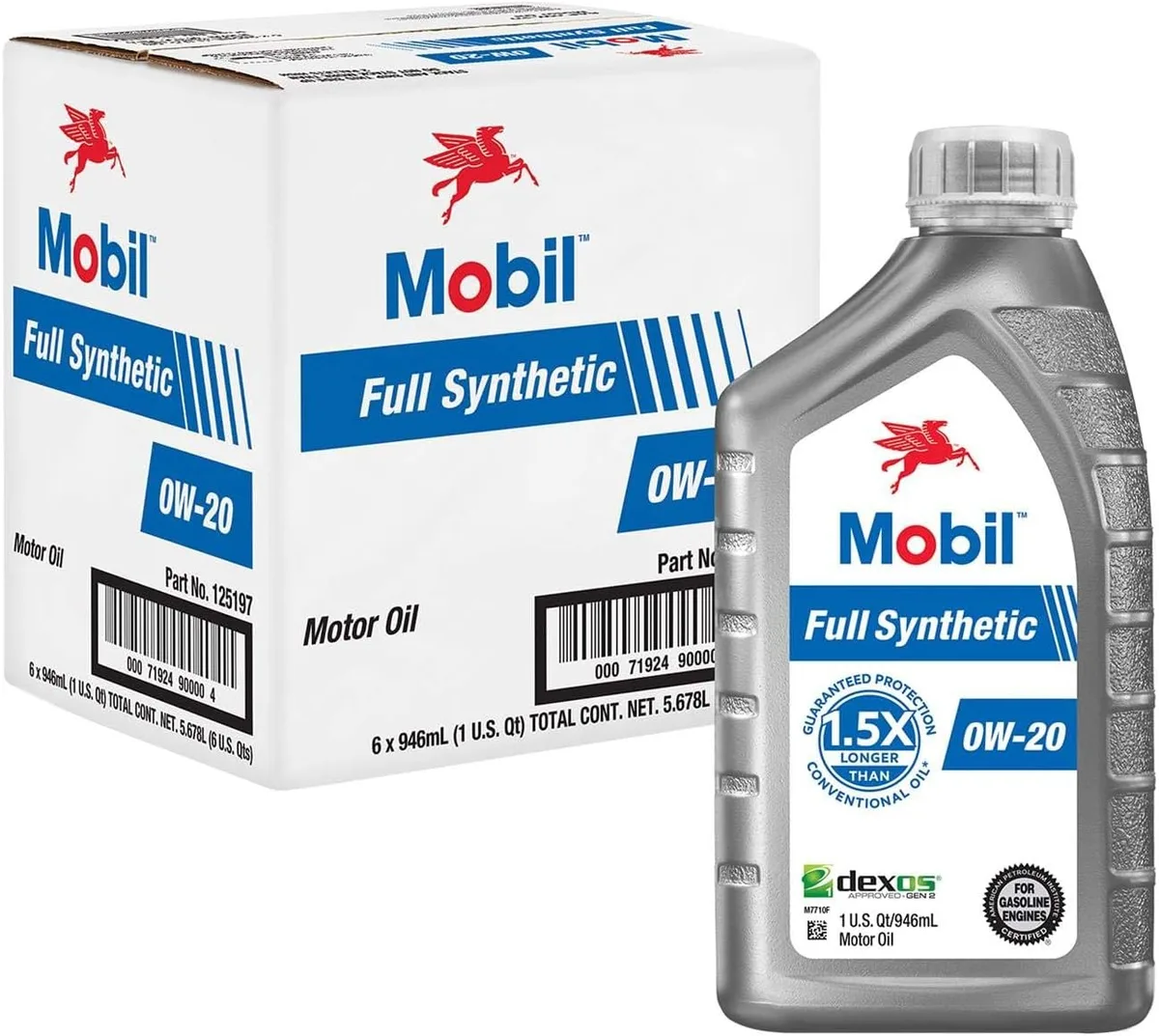
Image source: Bing (Web (fair-use with source credit))
Now let's match your situation to the right oil. Use the branches below.
Branch 1: Your RAV4 Is a Gas Model
Use SAE 0W-16 full synthetic oil that meets API SP and ILSAC GF-6A. Capacity is 4.8 quarts with filter change. If 0W-16 is unavailable, the manual allows 0W-20 temporarily, but only until your next oil change.
Do not use 5W-30 or 10W-30.
Branch 2: Your RAV4 Is a Hybrid or Prime
Same viscosity: 0W-16. Capacity is 4.4 quarts with filter. The hybrid powertrain runs the engine less frequently, but the oil still needs to protect against cold starts.
Use the same certification standard. The oil change interval is the same as the gas model: 10,000 miles normal, 5,000 miles severe.
Branch 3: You Live in a Very Hot or Very Cold Climate
0W-16 works fine from -30°F to 100°F. That covers most of the US and Canada. If you routinely drive in extreme heat above 110°F and also tow, you may consider 0W-20 for extra high-temperature film strength.
But this is a personal choice, not a factory recommendation. Check your manual's engine oil section for climate notes.
Branch 4: 0W-16 Isn't Available Where You Are
In rural areas or overseas, 0W-16 can be hard to find. The manual allows 0W-20 as an alternative, but you must switch back to 0W-16 at the next change. If you use 0W-20, expect slightly lower fuel economy.
Never use 5W-30 or a conventional oil. The engine requires full synthetic.
Here's a quick reference table:
| Situation | Oil to Use | Capacity (with filter) | Notes |
|---|---|---|---|
| Gas model, normal driving | 0W-16 API SP/GF-6A | 4.8 qt | Factory spec |
| Hybrid or Prime | 0W-16 API SP/GF-6A | 4.4 qt | Same spec |
| 0W-16 unavailable | 0W-20 (temporary) | Same as above | Switch back next change |
| Extreme heat plus towing | 0W-20 (optional) | Same as above | Not recommended by Toyota |
| Cold climate (below -30°F) | 0W-16 | Same as above | Works fine |
For routine maintenance, keep the correct fluid level between changes. Our guide on keeping it running smoothly covers general engine care. Also review the privacy policy for site terms.
If you need a deeper dive into routine upkeep, that page explains common checklists.
Detailed Specs: Oil Capacity, Viscosity, and Certifications
Let's get the numbers straight so you can buy the right amount. The 2024 RAV4 gas model takes 4.8 quarts of oil with a filter change. The hybrid and Prime take 4.4 quarts.
Always measure after adding, the dipstick tells the final truth.
Viscosity is non-negotiable: SAE 0W-16. The "16" is a low number for a reason. Thicker oil won't flow through the narrow passages of the variable-valve-timing system.
The engine's oil pump is a variable-displacement design that expects thin oil.
Certifications matter just as much. Look for API SP or ILSAC GF-6A on the bottle. API SP is the current standard for gasoline engines.
It protects against low-speed pre-ignition (LSPI) and timing-chain wear. ILSAC GF-6A adds fuel-economy and deposit-control tests specific to modern engines. If the bottle says API SN or SL, don't use it.
Those are older standards.
Here's a spec table for quick reference:
| Model | Viscosity | Capacity (with filter) | Required Certification |
|---|---|---|---|
| Gas | 0W-16 | 4.8 qt | API SP or ILSAC GF-6A |
| Hybrid | 0W-16 | 4.4 qt | API SP or ILSAC GF-6A |
| Prime | 0W-16 | 4.4 qt | API SP or ILSAC GF-6A |
One more thing: the oil filter is a cartridge type, not a spin-on. It sits in a plastic housing under the engine. The housing cap needs a 64mm socket or a special tool.
Don't overtighten it. Torque to 18 ft-lb.
Step-by-Step: How to Do the Oil Change Yourself
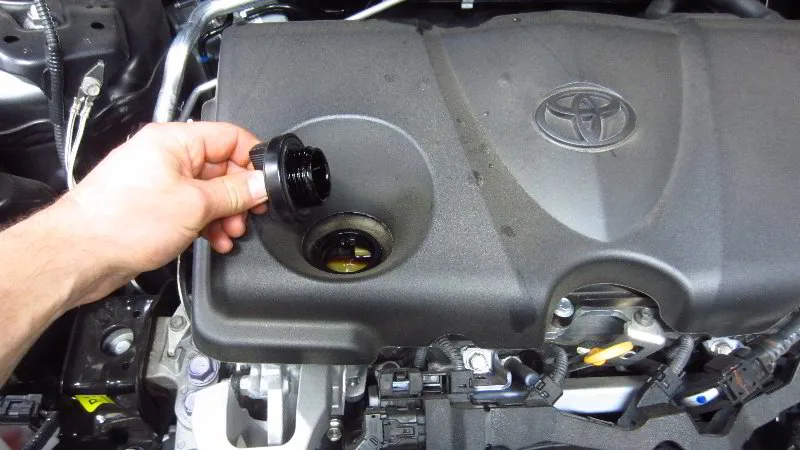
Image source: Web (Bing) / paulstravelpictures.com (Web image (fair-use with source credit))
Doing it yourself saves money and guarantees the right oil. Here's the sequence.
What you'll need:
- 5 quarts of 0W-16 full synthetic (API SP/GF-6A)
- New oil filter (cartridge type for RAV4)
- Drain pan, 19mm socket, 64mm filter socket, torque wrench
- Funnel, rags, gloves
Steps:
- Warm the engine for a minute. Warm oil drains faster. Park on level ground.
- Remove the oil filler cap under the hood. This helps the oil drain smoothly.
- Jack up the front if you need clearance. Use jack stands.
- Place the drain pan under the engine. Find the 19mm drain plug on the oil pan.
- Loosen the plug with the socket. Remove it by hand slowly. Let the oil drain completely.
- Remove the oil filter housing with the 64mm socket. Replace the filter element and O-ring.
- Torque the drain plug to 30 ft-lb. Hand-tighten the filter housing, then a quarter turn.
- Lower the car. Add 4 quarts of oil through the filler neck. Check the dipstick. Add more in small amounts until the level reaches the full mark.
If you're handing this to a shop, write this down: "0W-16 full synthetic, API SP, 4.8 quarts (gas) or 4.4 quarts (hybrid/Prime)." Most quick-lube places stock 0W-20, not 0W-16. Confirm before they start.
Common Mistakes That Can Void Your Warranty
The biggest mistake is using conventional or blended oil. The 2024 RAV4 requires full synthetic. Conventional oil thickens in cold weather and breaks down faster under heat.
Toyota's warranty covers defects, not damage from wrong oil.
Another common error is overfilling. Too much oil creates foam. Foam doesn't lubricate well.
The engine can starve at high RPM. Fill to the upper dot on the dipstick, not above it. If you overfill, drain some out.
Underfilling is equally bad. Low oil pressure triggers a warning light, but by then damage may have started. Check the dipstick after every fill and after the first drive.
Recheck when the engine is warm and off.
Using no-name oil that lacks API SP certification is risky. Some budget oils claim "meets or exceeds" but don't actually pass the tests. Stick with major brands that explicitly print the certification.
Mobil 1, Pennzoil Ultra Platinum, Valvoline Advanced, and Toyota Genuine all meet the spec. Read the label every time.
Skipping the oil change interval is another warranty risk. The normal interval is 10,000 miles or 12 months. If you tow, drive on dusty roads, or do lots of short trips, use the severe service interval: 5,000 miles or 6 months.
Log the mileage and date in the service book. Dealers ask for proof.
Cost Breakdown: Dealer vs DIY vs Independent Shop
Prices vary by region, but here's what you can expect as of 2026.
Dealer oil change: $80 to $110. Includes Toyota Genuine 0W-16, filter, labor, and a multipoint inspection. You get a dealer stamp in the service book.
That's helpful for resale value.
Independent shop: $60 to $85. Call ahead to confirm they stock 0W-16. Many shops default to 0W-20.
You have to explicitly request 0W-16. Bring your own oil if they don't carry it.
DIY: $35 to $50. You buy five quarts of 0W-16 (about $30 to $40) and a filter (about $8 to $15). Add a one-time investment in tools.
After the first change, you break even versus a shop.
| Option | Cost Range | Pros | Cons |
|---|---|---|---|
| Dealer | $80-$110 | Warranty records, OEM parts | Most expensive |
| Independent | $60-$85 | Cheaper than dealer | May not have 0W-16 |
| DIY | $35-$50 | Cheapest, full control | Time, disposal, tools |
Dispose of old oil at an auto parts store. Most accept it free. Don't pour it down the drain.
What About 0W-20 or 5W-30? When It's Okay and When It's Not
Let's be direct: 5W-30 is never recommended for the 2024 RAV4. The engine wasn't designed for it. It will cause higher oil pressure, reduced flow to variable-valve-timing actuators, and lower fuel economy.
Don't use it, even in a pinch.
0W-20 is a gray area. The owner's manual says you can use 0W-20 if 0W-16 is unavailable, but you must switch back at the next change. Why is 0W-20 allowed?
It's close enough in viscosity that the engine can tolerate it briefly. The trade-off is about one mile per gallon in fuel economy. Cold-start protection is still good.
Some drivers in extreme heat (over 110°F) who tow heavy trailers might consider 0W-20 for extra film strength. Toyota doesn't officially endorse this. Manufacturer specs confirm the difference is marginal.
The oil's high-temperature shear stability matters more than a viscosity jump. Stick with 0W-16 and change it at 5,000 miles if you tow.
If you're stuck without 0W-16, use 0W-20 but only for one interval. Never mix viscosities. Don't top off with 0W-20 if the engine already has 0W-16.
The blend alters the overall viscosity. Drain and refill properly.
Expert Tips for Long Engine Life
Towing changes everything. The RAV4 can tow up to 1,500 pounds (gas) or 1,750 pounds (hybrid). That extra load raises oil temperature.
The oil thins out faster. Stick to the severe service interval of 5,000 miles or six months if you tow regularly.
Cold starts are the hardest moment for any engine. The oil pump has to push cold, thick oil through tight passages. 0W-16 is already thin at low temperatures. If you live where winter temps drop below -20°F, let the engine idle for 30 seconds before driving.
That lets oil reach the valve train.
Extended intervals beyond 10,000 miles are not recommended. Some drivers try to stretch to 15,000 miles with synthetic oils. Manufacturer specs show that modern direct-injection engines produce more soot and fuel dilution.
Extended intervals increase sludge risk. Change at 10,000 miles maximum. Use 5,000 miles if you do mostly short trips.
Check the oil level every 1,000 miles. The 2.5L Dynamic Force engine can consume a small amount of oil between changes. A quart low on the dipstick means you're running with reduced protection.
Top off with the same 0W-16 you used for the last fill.
Frequently Asked Questions
What happens if I put 5W-30 in my 2024 RAV4?
5W-30 is too thick. The oil pump cannot move it properly at cold start. You'll see reduced fuel economy and increased wear.
If someone already put 5W-30 in, drain it immediately and refill with 0W-16.
Can I use synthetic blend instead of full synthetic?
No. The engine is designed for full synthetic. Blend oils contain conventional base stocks that break down faster.
They also don't meet the API SP certification required for LSPI protection.
How much oil does a 2024 RAV4 hybrid take?
4.4 quarts with filter change. That's half a quart less than the gas model. The dipstick still reads the same way.
Fill to the full mark, then recheck after a short drive.
Is 0W-16 the same as 0W-20?
No. The numbers represent viscosity at operating temperature. 0W-16 is thinner. Using 0W-20 reduces fuel economy slightly.
The manual only allows 0W-20 as a temporary substitute if 0W-16 is unavailable.
Do I need to reset the oil maintenance light after a change?
Yes. After an oil change, the dashboard light won't go off on its own. Turn the ignition to ON.
Press and hold the trip reset button until the light blinks. Release and press again. Refer to your owner's manual for the exact sequence.
Can I switch to a different brand of 0W-16 between changes?
Yes. As long as the bottle says API SP or ILSAC GF-6A, you can mix brands. The base stocks vary slightly, but all certified oils meet the same performance requirements.
Final Decision Guide: A Quick Reference Table
| Your Situation | Oil to Use | Capacity | Interval | Notes |
|---|---|---|---|---|
| Gas model, normal driving | 0W-16 API SP/GF-6A | 4.8 qt | 10k mi / 12 mo | Factory spec |
| Gas model, towing or short trips | 0W-16 API SP/GF-6A | 4.8 qt | 5k mi / 6 mo | Severe service |
| Hybrid or Prime, normal | 0W-16 API SP/GF-6A | 4.4 qt | 10k mi / 12 mo | Same spec |
| Hybrid or Prime, severe | 0W-16 API SP/GF-6A | 4.4 qt | 5k mi / 6 mo | Towing or dusty roads |
| 0W-16 unavailable | 0W-20 (one time only) | Same as above | Next change | Switch back |
| Cold climate below -20°F | 0W-16 | Same as above | Normal | Warm engine 30 seconds |
| DIY oil change | 0W-16 plus correct filter | 5 qt bottle | Per above | Torque plug to 30 ft-lb |
This table covers every common scenario. If you're still unsure, the oil filler cap and owner's manual are your final authorities. Use the right oil, change it on time, and your 2024 RAV4 will run smoothly for years.