
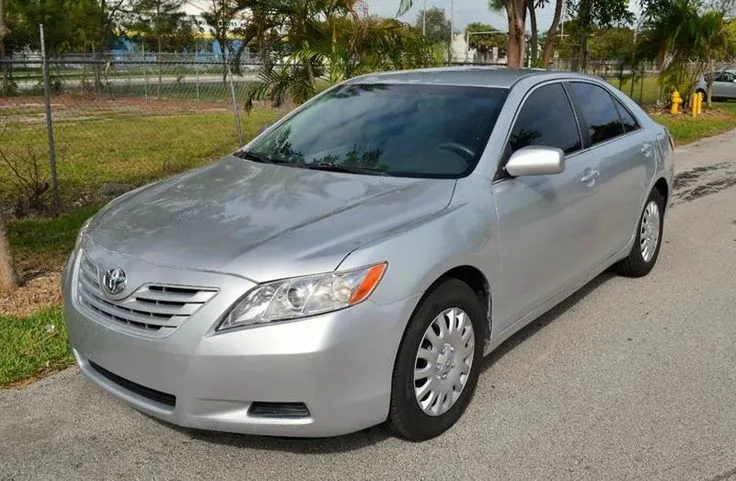
The 2007 toyota camry problems list runs longer than most owners expect. This generation introduced a new chassis and two engines that both carried design flaws. Safety recalls on airbags and brakes remain open on thousands of cars today.
Knowing which issues are dangerous versus just expensive changes how you shop or maintain one.
NHTSA data shows over 3,200 complaints filed for the 2007 model year as of 2026. The top categories cluster around engine oil consumption, transmission valve body wear, and brake master cylinder failure. That pattern tells you where to focus your inspection time.
Quick Answer
The 2007 Toyota Camry has three major defect areas. The 2.4L four-cylinder burns oil due to piston ring design. The V6 six-speed transmission develops harsh shifts from valve body wear.
The brake master cylinder leaks internally causing a sinking pedal. Takata airbag recalls affect every 2007 Camry and remain urgent.
Why the 2007 Camry Demands a Closer Look
This generation switched to the XV40 platform with wider track and stiffer structure. Toyota also debuted the 2AZ-FE four-cylinder with revised piston rings and the 2GR-FE V6 with a new six-speed automatic. Both powertrains carried changes that created long-term issues.
The dashboard material changed to a softer foam skin that cracks in heat. The electronic throttle system added complexity that triggered multiple recalls. These are not typical wear items.
They are design decisions that showed up after the warranty expired.
Buyers often assume the Camry badge guarantees trouble-free miles. That reputation applies to earlier generations and later refreshed models. The 2007 sits in a transition window where new hardware met insufficient validation.
Aggregate repair data from independent shops confirms higher failure rates on specific components compared to 2006 or 2009 models. If you are shopping used, this year requires a targeted pre-purchase inspection. If you own one, you need to know which recalls are still open and which repairs have extended coverage history.
The Two Engines: What You're Actually Dealing With
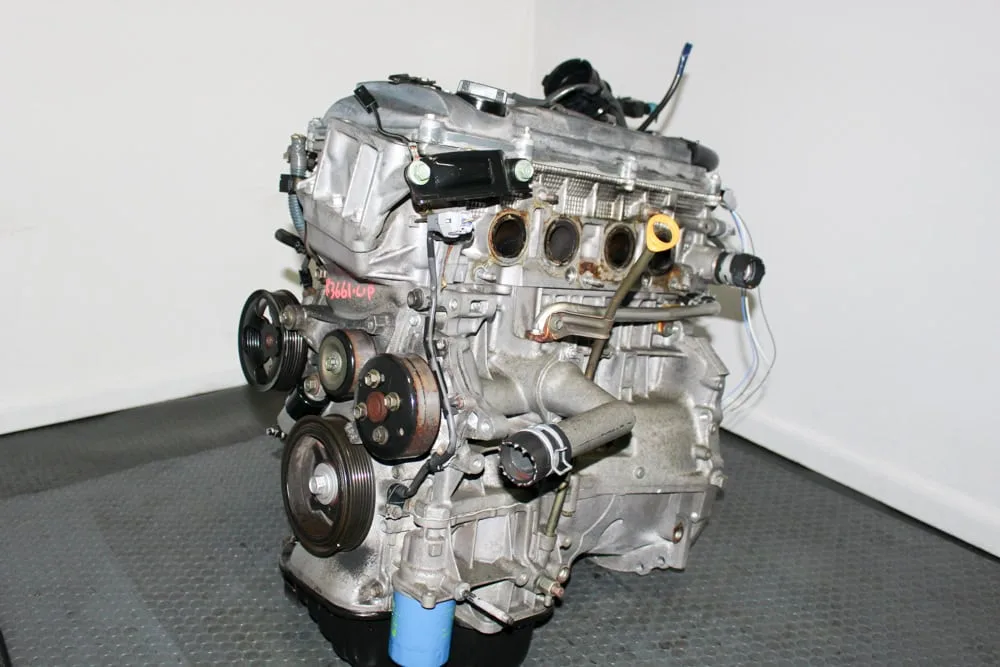
The base engine is the 2AZ-FE 2.4L inline-four. It uses an aluminum block with thin-wall cylinder liners. The piston oil rings are a low-tension three-piece design that allows oil to migrate past the rings under high vacuum.
Toyota revised the piston and ring pack for 2009 production but the 2007 units kept the original design. Oil consumption of one quart per 1,200 miles is common on high-mileage examples. A 2011 technical service bulletin extended coverage to 10 years or 150,000 miles but that window has closed for most 2007s.
The optional engine is the 2GR-FE 3.5L V6. It uses a timing chain instead of a belt and features dual VVT-i on both intake and exhaust cams. The bottom end is robust but the water pump is driven by the timing chain making replacement labor-intensive.
The V6 pairs with the U660E six-speed automatic while the four-cylinder uses the U250E five-speed. Both transmissions have adaptive shift logic but the six-speed valve body is the weaker link. Manufacturer specifications indicate the V6 produces 268 horsepower and 248 lb-ft of torque.
The four-cylinder makes 158 horsepower and 161 lb-ft.
The Safety Recalls That Still Matter Today
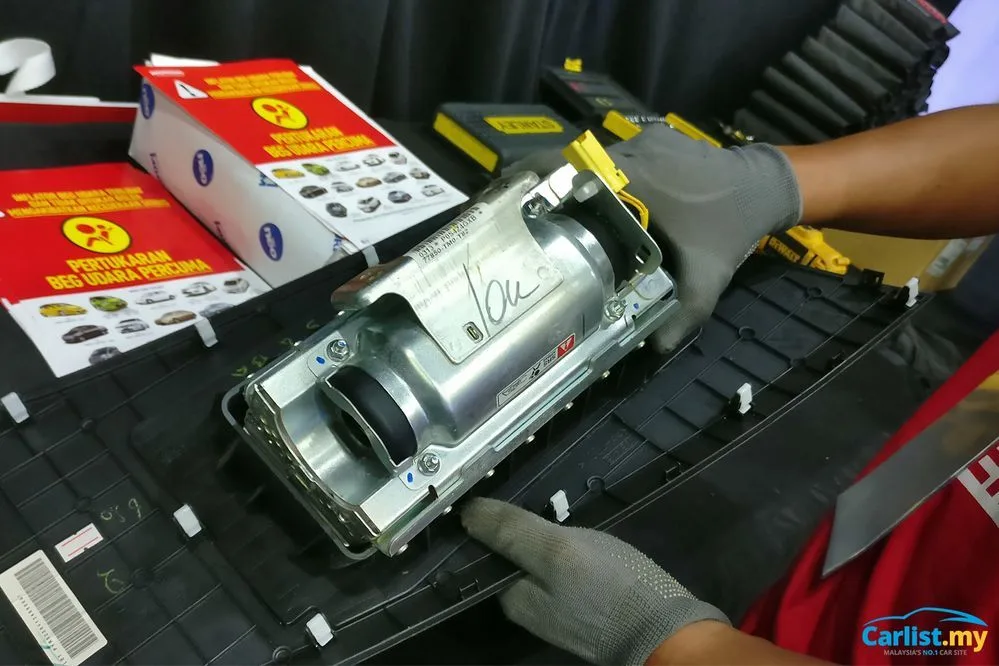
Takata airbag inflators remain the most urgent safety issue on the 2007 Camry. The driver and passenger inflators use phase-stabilized ammonium nitrate propellant without a desiccant. Heat and humidity degrade the propellant over time causing the inflator to rupture during deployment.
Metal fragments can strike occupants. NHTSA recalls 19V647, 20V338, and 21V007 cover both front positions. The passenger-side recall carries a "Do Not Drive" warning until repaired.
Completion rates sit around 85 percent nationally but lag in Gulf Coast and Southeast states.
Unintended acceleration recalls 09V388 and 10V017 addressed floor mat entrapment and sticky accelerator pedals. The fix includes a pedal shim, ECM reflash, and mat retention clips. Brake master cylinder recall 10V016 extended warranty coverage to 10 years or 150,000 miles for internal seal failure.
That warranty has expired but dealer goodwill repairs occasionally happen. Check your VIN at nhtsa.gov/recalls or the Toyota owner portal. Unrepaired recalls reduce resale value and create liability if you sell the car privately.
The Big Three Mechanical Failures: Oil, Transmission, Brakes
Oil consumption on the 2AZ-FE starts with carbon packing the oil ring grooves. The rings lose tension and scrape oil into the combustion chamber. You will see blue smoke on cold start and low oil between changes.
The repair replaces pistons and rings with updated parts. Cost runs $2,500 to $3,500 at independent shops. A used short block swap exceeds $4,000.
Document consumption with a 1,000-mile measured test per Toyota TSB EG001-11 before committing to repair.
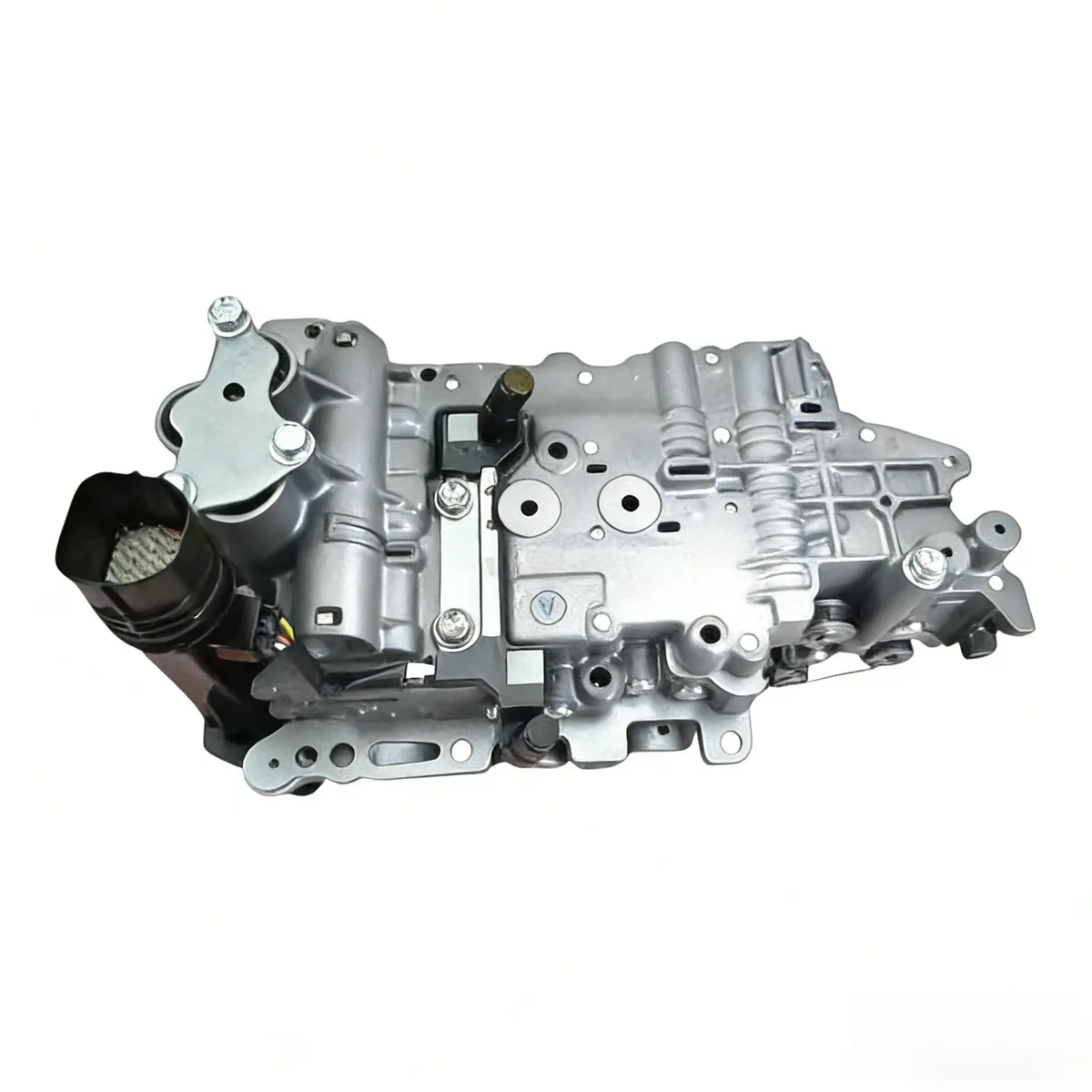
Transmission harsh shifts affect the V6 U660E six-speed. The valve body solenoids wear and the torque converter clutch lining breaks down. Symptoms include 2-3 flare, 3-2 downshift clunk, and shudder at light throttle.
TSB EG007-07 documents an updated valve body (part 35070-0H060). Replacement costs $1,200 to $1,800 independent or $2,200 to $3,000 dealer. A fluid change with Toyota WS fluid and adaptation reset via Techstream helps mild cases but worn valves need hardware replacement.
Brake master cylinder internal leak creates a sinking pedal with no external fluid loss. The aluminum bore seals bypass internally. Extended warranty covered 10 years or 150,000 miles per TSB BR001-10.
That coverage has expired. Replacement runs $400 to $600 parts and labor. Test by holding firm pedal pressure for 30 seconds.
If the pedal drops, the master cylinder is leaking internally. Do not ignore this. It reduces braking capacity in panic stops.
Secondary Issues That Cost Real Money
Power steering pump leaks plague V6 models. The reservoir O-ring, pump shaft seal, and rack end seals all fail. Revised pump part 44310-0H050 and updated hose kits solve it.
Expect $600 to $900 for pump replacement. Dashboard cracking affects the soft-touch upper pad. Cracks radiate from defroster vents and can interfere with passenger airbag deployment seams.
No recall exists. Dealer goodwill varies. Replacement dash pads cost $1,200 plus labor.
AC compressor clutch coil fails on the Denso 10S17C unit. The coil opens circuit and the clutch won't engage. Revised compressor 88320-0H060 fixes it.
Cost runs $800 to $1,100. EVAP purge valve sticks open causing hard start after refueling and rough idle. Codes P0441 and P0455 set.
Revised valve 25850-0H010 costs $150 installed. Head gasket seepage on the 2AZ-FE is rare but catastrophic. External oil and coolant weep at the block-to-head interface.
Timesert repair often needed. Cost exceeds $3,000.
How to Inspect One Before You Buy (Or Evaluate Yours)
Start with a cold start. Listen for lifter tick on the 2AZ-FE that quiets as oil pressure builds. Watch for blue smoke from the tailpipe in the first ten seconds.
Pull the dipstick and check oil level and condition. Dark oil at 3,000 miles since change suggests consumption. Remove the oil filler cap while idling.
Heavy vapor puffing out indicates ring seal loss. Check the coolant overflow for oil contamination. A milky residue points to head gasket seepage.
Test drive with the transmission warm. Accelerate gently from 25 to 45 mph and feel for 2-3 flare. Downshift manually from 3rd to 2nd using the gate and feel for clunk.
At 40 mph lightly apply throttle and watch for torque converter shudder. Shift into reverse on a slight incline and verify engagement is crisp. Check brake pedal feel at a stop.
Hold firm pressure for 30 seconds. A sinking pedal means master cylinder bypass. Verify all recalls are closed using the VIN at nhtsa.gov.
Ask for service records showing oil consumption tests or transmission fluid changes.
Repair Costs: What Shops Charge vs. DIY Reality
| Repair | Independent Shop | Dealer | DIY Parts Only |
|---|---|---|---|
| 2AZ-FE piston & ring job | $2,500–$3,500 | $4,000+ | $600–$900 |
| U660E valve body replacement | $1,200–$1,800 | $2,200–$3,000 | $450–$700 |
| Brake master cylinder | $400–$600 | $650–$850 | $120–$180 |
| Power steering pump (V6) | $600–$900 | $950–$1,200 | $250–$350 |
| AC compressor clutch | $800–$1,100 | $1,200+ | $300–$450 |
| EVAP purge valve | $150–$220 | $280–$350 | $60–$90 |
| Dashboard pad replacement | $1,200–$1,600 | $1,800+ | $400–$600 |
DIY on the 2AZ-FE ring job requires engine removal, honing, and timesert tools for the head bolts. Most home mechanics stop at valve body swap or master cylinder. Transmission adaptation reset needs Techstream or a compatible bidirectional scanner.
Generic OBD2 tools cannot initialize the U660E shift learning. Independent Toyota specialists often charge 30 percent less than dealers for the same work. Get written estimates that specify updated part numbers.
When to Walk Away: The "No-Go" Thresholds
Walk away if the passenger airbag recall is open and the seller refuses repair. The "Do Not Drive" order makes the car a liability. Walk away if the 2AZ-FE shows more than one quart per 800 miles on a documented consumption test.
That engine needs a full rebuild soon. Walk away if the U660E flares on every 2-3 shift and the fluid smells burnt. Valve body replacement may not save a worn torque converter.
Walk away if the brake pedal sinks to the floor during the 30-second hold test. That master cylinder has failed internally.
Walk away if the dashboard has deep cracks crossing the passenger airbag door seams. Airbag deployment could be altered. Walk away if the subframe shows heavy scaling rust at the rear trailing arm mounts.
Structural repair exceeds the car's value. Walk away if the title shows salvage, flood, or rebuilt status. These cars have enough factory defects without adding accident damage.
A clean 2007 Camry with 180,000 miles and all recalls done is a better buy than a low-mile example with open safety campaigns.
Climate & Region: How Where You Live Changes Everything
Salt Belt states accelerate subframe corrosion and brake line rot. Inspect the rear trailing arm brackets with a screwdriver. Flaking metal means imminent failure.
Fuel filler necks rot from road salt exposure. Hot climates accelerate Takata propellant degradation. Arizona, Texas, Florida, and Nevada see the highest rupture rates.
Dashboard cracking starts earlier and spreads faster under intense UV. AC compressor clutch failures spike in regions with 100-degree summers.
High altitude increases 2AZ-FE oil consumption. Thinner air raises intake vacuum pulling more oil past the rings. Denver and Salt Lake City owners report consumption starting 20,000 miles earlier than sea-level cars.
California smog checks fail on EVAP codes P0441 and P0455. The purge valve must be fixed before registration renewal. Southeast humidity combines with heat to create the worst Takata risk profile.
Recall completion rates in Gulf Coast states trail the national average by 15 points. Check the NHTSA regional completion map before buying in these zones.
Finding a Clean One: What "Good" Looks Like at 150K+ Miles
A clean high-mile 2007 Camry shows consistent 5,000-mile oil changes with synthetic 0W-20. The 2AZ-FE uses less than a quart between changes. Transmission fluid was changed at 60k and 120k with genuine Toyota WS.
Brake fluid flushed every three years. All four Takata recalls completed with dealer stickers on the door jamb. Dashboard intact or replaced under goodwill.
Subframe solid with only surface rust. Original AC compressor still working or replaced with revised unit.
Service records from a Toyota dealer or independent specialist carry more weight than a Carfax alone. Look for TSB EG001-11 oil consumption test documentation. Verify the U660E valve body was updated if the car has over 100k miles.
Check that the brake master cylinder was replaced under the extended warranty campaign. A pre-purchase inspection by a shop that knows these specific failure patterns costs $150 to $200 and saves thousands. The best examples are one-owner cars from southern non-coastal states with garage storage and dealer maintenance history.
FAQs: The Questions Every 2007 Camry Owner Asks
Does the 2007 Camry have a timing belt or chain?
Both engines use timing chains. The 2AZ-FE four-cylinder chain is generally durable but the V6 water pump is chain-driven making replacement more involved.
How often should I change transmission fluid on the U660E?
Toyota specifies "lifetime" fluid but independent specialists recommend a drain and fill with genuine WS fluid every 60,000 miles. A full flush is not required.
Can I still get the Takata airbag fixed for free?
Yes. The recall repair remains free regardless of mileage or ownership. Contact any Toyota dealer with your VIN to schedule.
What oil viscosity does the 2AZ-FE need?
Factory fill is 0W-20 synthetic. Using 5W-30 can increase consumption in worn engines. Stick to 0W-20 and check level every 1,000 miles.
Why does my Camry hesitate when accelerating from a stop?
Common causes include a dirty throttle body, EVAP purge valve stuck open, or transmission valve body wear. Clean the throttle bore first then scan for codes.
Is the 2007 Camry a good car for a teenager?
It can be if all recalls are complete and the pre-purchase inspection passes. Avoid V6 models for new drivers due to higher repair costs and power.
Final Verdict: Is It Worth It?
The 2007 Toyota Camry remains a viable used car but only with eyes open. The four-cylinder offers better fuel economy and simpler maintenance yet carries the oil consumption defect. The V6 delivers strong performance but adds transmission valve body risk and power steering leaks.
Both share the Takata airbag crisis and brake master cylinder flaw. A well-documented example with every recall resolved and a clean inspection can provide 50,000 more miles of reliable service. Prices for clean units range $3,500 to $6,500 as of 2026.
If you cannot verify recall completion or the seller refuses a thorough inspection, keep looking. The market has plenty of 2006 and 2009 models that avoid this generation's specific design gaps. For owners already in the car, stay ahead of fluid changes, monitor oil consumption, and never ignore a sinking brake pedal.
Safety first, savings second.
rear camera troubleshooting guide