
Your 2000 4Runner has been on the road for over 25 years. The choice of oil is no longer about grabbing any bottle off the shelf. It is about keeping an aging engine healthy, preventing sludge, and getting another 50,000 miles out of a platform that still runs like a tank when treated right.
Manufacturer specifications from Toyota indicate the factory recommendation was SAE 5W-30 meeting API service classification SL or higher. As of 2026, with modern oil formulations and an engine that likely has well over 150,000 miles, the best choice involves a few more variables. This guide walks through every factor so you can make the right call for your specific truck.
Quick Answer
The 2000 Toyota 4Runner takes SAE 5W-30 motor oil. Use 5W-30 for nearly all driving conditions. The oil capacity is 5.5 quarts with a filter change.
The API rating should be SL or newer. For the 5VZ-FE V6 engine, high mileage synthetic blend is a smart choice.
Why Getting the Oil Right Matters for a 2000 4Runner
This generation of 4Runner is known for durability. The 5VZ-FE 3.4L V6 engine will run for 300,000 miles with basic care. But it has one weakness: sludge buildup from neglected oil changes or the wrong viscosity.
A 2000 model year vehicle was designed for the oil standards of its time. API SL was the current spec. Modern oils like API SN or SP work fine backward.
But using an oil that is too thin, too thick, or missing the right detergent package can accelerate wear in a high mileage engine.
The second consideration is age. Seals harden. Clearances widen.
A 5W-30 high mileage formulation includes seal conditioners that help reduce small leaks. It is a small difference that matters when you are trying to keep oil off your driveway.
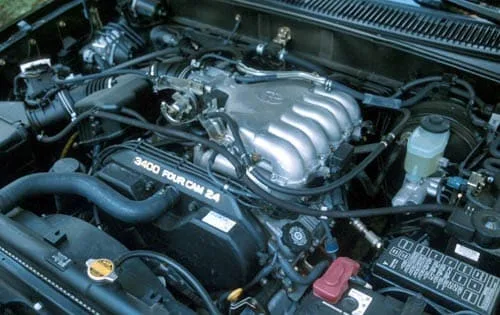
Image source: Bing (Web (fair-use with source credit))
The Two Engines You Might Be Dealing With
Before you buy oil, you need to know which engine is under the hood. Toyota offered two engines in the 2000 4Runner. They have different oil specs and different quirks.
5VZ-FE 3.4L V6 (Most Common)
This is the engine you almost certainly have. It is a 3.4 liter V6 producing 183 horsepower and 217 lb-ft of torque. Toyota used this engine across the Tacoma, Tundra, and 4Runner lineup for years.
The 5VZ-FE takes 5.5 quarts of oil with a filter change. It runs best on 5W-30. The engine has a timing belt, not a chain.
That belt change is due every 90,000 miles.
The valve cover gaskets on this engine tend to leak after about 150,000 miles. A high mileage oil with seal conditioners can slow this process, but eventually the gaskets need replacing.
3RZ-FE 2.7L I-4 (Less Common)
Some base model 4Runners came with the 2.7 liter four cylinder. This engine is also bulletproof. It uses a timing chain, so no belt replacement is needed.
The 3RZ-FE takes a slightly different oil capacity. Check your dipstick markings and owner manual. The viscosity recommendation is the same: 5W-30.
Because this engine runs cooler than the V6, some owners in hot climates prefer 10W-30 during summer months.
Understanding Viscosity: 5W-30 vs. 10W-30 vs. Alternatives
The first number with the W means winter grade. 5W means the oil flows well at cold temperatures down to about minus 22 degrees Fahrenheit. The second number is the viscosity at operating temperature. 30 grade means the oil maintains a certain thickness when the engine is hot.
For the 2000 4Runner, use 5W-30 as your default. Here is when you might consider alternatives:
| Condition | Recommended Viscosity | Why |
|---|---|---|
| Normal daily driving, moderate climate | 5W-30 | Factory spec, best all around |
| Hot climate, summer only (above 90°F) | 10W-30 | Slightly thicker when hot, good for high mileage |
| Extreme cold (below 0°F) | 0W-30 | Better cold flow, acceptable substitute |
| Engine has over 200,000 miles | 5W-30 high mileage | Seal conditioners help reduce leaks |
Do not use 0W-20 or 5W-20. Those viscosities are designed for newer engines with tighter tolerances. Your 5VZ-FE needs the 30 weight for proper bearing clearance protection.
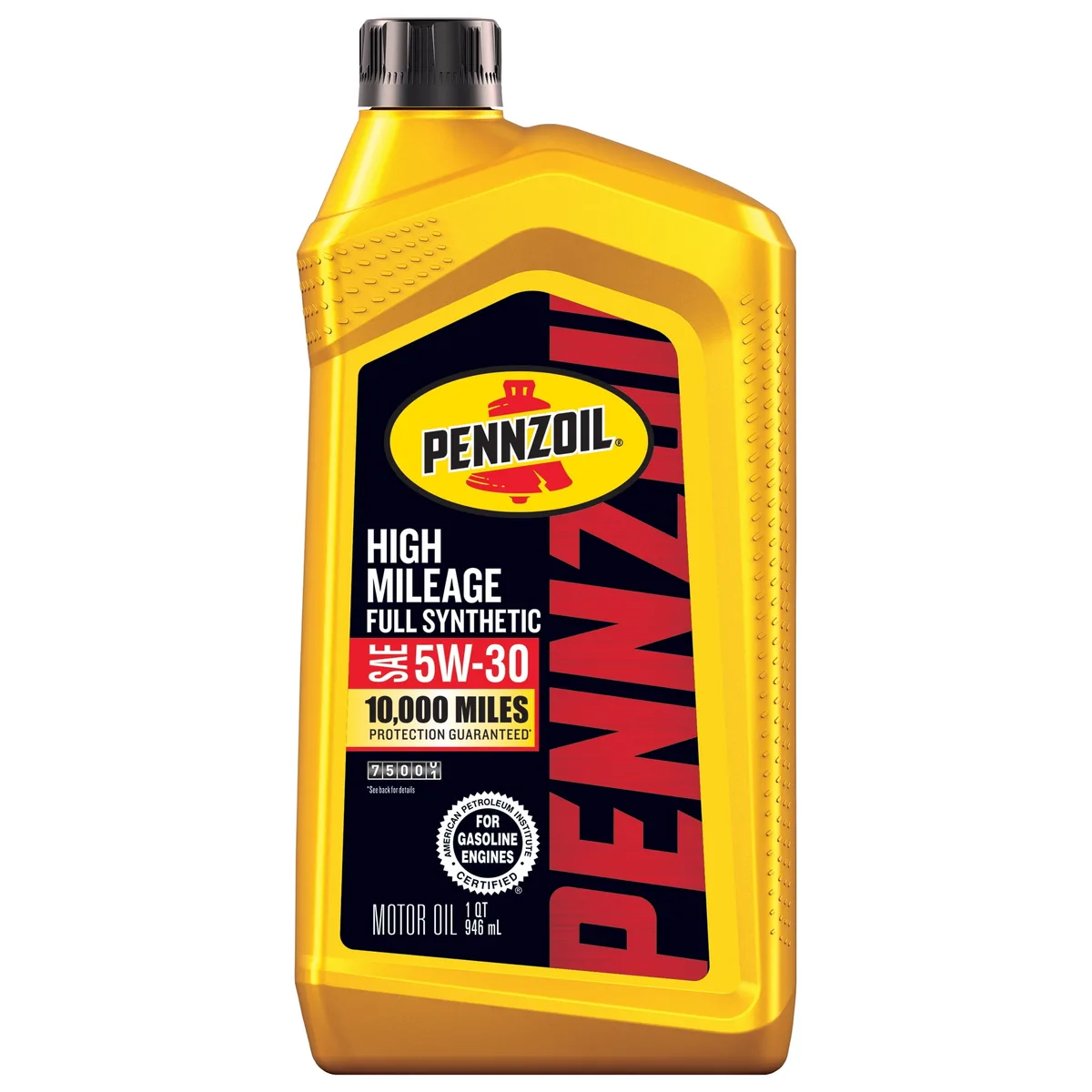
Image source: Web (Bing) / yotashop.com (Web image (fair-use with source credit))
API and ILSAC Ratings – Why They Still Matter for an Older Truck
The API Service Symbol on the back of every oil bottle tells you the oil meets current industry standards. For your 2000 4Runner, the API rating should be at least SL. The SL rating was introduced in 2001 and covers the 2000 model year perfectly.
Oils with SN or SP ratings are newer and fully backward compatible.
The ILSAC rating is the starburst symbol. ILSAC GF-4 or newer is fine. These oils are designed for fuel economy and engine protection.
The real trap is buying bargain brand oil that only meets the minimum standard. Always check the label before buying.
Oil Capacity and Filter Specs You Need to Know
The 5VZ-FE V6 holds 5.5 quarts including the filter. If you are not changing the filter, it takes about 5.0 quarts. Always check the dipstick after filling on level ground.
The drain plug is a 14 millimeter bolt. Torque it to 30 ft-lbs. Overtightening strips the threads in the oil pan.
The oil filter is a spin on type located on the front lower passenger side of the engine. The factory filter is part number 90915-YZZD1. A comparable aftermarket filter from Wix, Purolator, or Mobil 1 works well.
Avoid the cheapest no name filters.
Hand tighten the new filter until the gasket contacts the mounting surface, then give it another three quarters of a turn. Overtightening makes the next change miserable.
Step-by-Step: How to Change the Oil Yourself
This is a 30 minute job with basic tools.
Tools and Parts You'll Need
- 5.5 quarts of 5W-30 motor oil
- Oil filter
- 14mm socket or wrench
- Oil filter wrench (for removal only)
- Drain pan
- Funnel
- Rags
Drain and Filter Removal
Warm up the engine for a couple minutes. Warm oil drains faster and carries more suspended contaminants. Do not do this on a hot engine.
Park on level ground. Position the drain pan under the oil pan. Loosen the drain plug with the 14mm socket.
Remove it by hand. Let the oil drain completely. This takes about five minutes.
Move the drain pan under the oil filter. Unscrew the filter. Let it drain.
Refill and Check
Install the new filter. Hand tighten it. Replace the drain plug and torque it to 30 ft-lbs.
Pour in about 5 quarts. Check the dipstick. Add more until it reads between the low and full marks.
Run the engine for 30 seconds. Shut it off. Wait two minutes.
Check the dipstick again. Top off as needed.
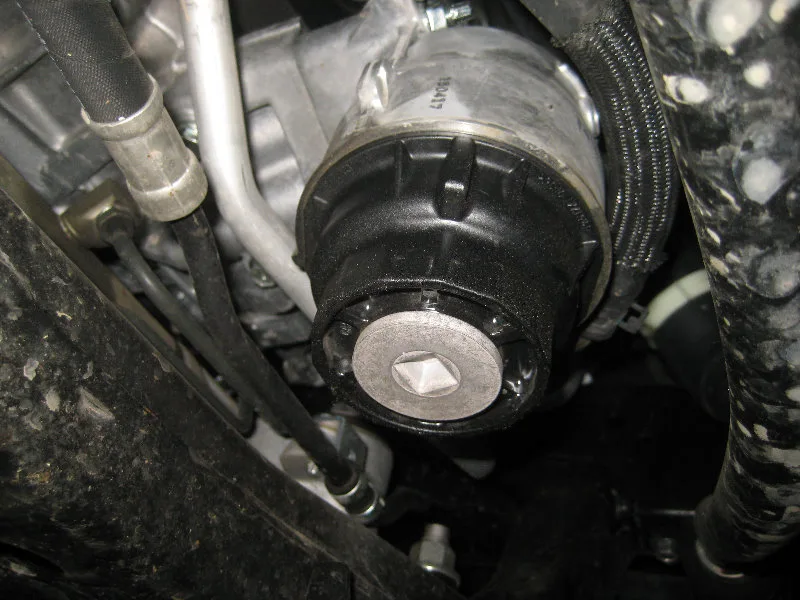
Image source: Bing (Web (fair-use with source credit))
Conventional vs. Synthetic vs. High-Mileage Oil
You walk into the auto parts store and see three shelves of 5W-30. Conventional costs about $4 a quart. Synthetic runs $8 to $10.
High-mileage sits in the middle.
Conventional oil works fine for a 2000 4Runner. Toyota designed the 5VZ-FE for it. Change it every 3,000 miles and the engine will last.
The downside is faster breakdown at high temperatures.
Full synthetic oil offers better protection. It flows better in cold weather. It resists thermal breakdown.
It keeps the engine cleaner. The tradeoff is cost and the possibility of uncovering leaks. Synthetic detergents can clean out deposits that were plugging small gaps in old seals.
High-mileage synthetic blend is the sweet spot for most 2000 4Runners. It costs a little more than conventional but less than full synthetic. It includes seal conditioners that soften hardened gaskets.
Aggregate reviews from 4Runner forums consistently show this as the top recommendation for engines over 100,000 miles.
| Oil Type | Best For | Change Interval | Typical Cost per Quart |
|---|---|---|---|
| Conventional | Low mileage, budget focused | 3,000 miles | $4-$5 |
| Synthetic blend | High mileage, daily driving | 5,000 miles | $6-$7 |
| Full synthetic | Extreme conditions, towing | 5,000-7,500 miles | $8-$10 |
| High mileage blend | Over 100,000 miles, leak reduction | 5,000 miles | $6-$8 |
Common Mistakes That Hurt the 5VZ-FE Engine
Using the wrong viscosity. The engine was designed for 5W-30 or 10W-30. Do not put 0W-20 or 5W-20 in it. Those oils are too thin at operating temperature.
Thin oil leads to accelerated bearing wear and eventual rod knock.
Running low on oil. The 5VZ-FE burns oil as it ages. Check your dipstick every other fill up. If you let it run a quart low, you risk oil starvation during hard cornering or steep inclines.
Using the cheapest filter. The oil filter on this engine is small. Cheap filters use lower quality media that can collapse or bypass. Stick with a known brand.
Overtightening the drain plug. The oil pan is aluminum. The threads strip easily. Torque the drain plug to 30 ft-lbs.
A stripped pan requires a thread repair kit or a new oil pan.
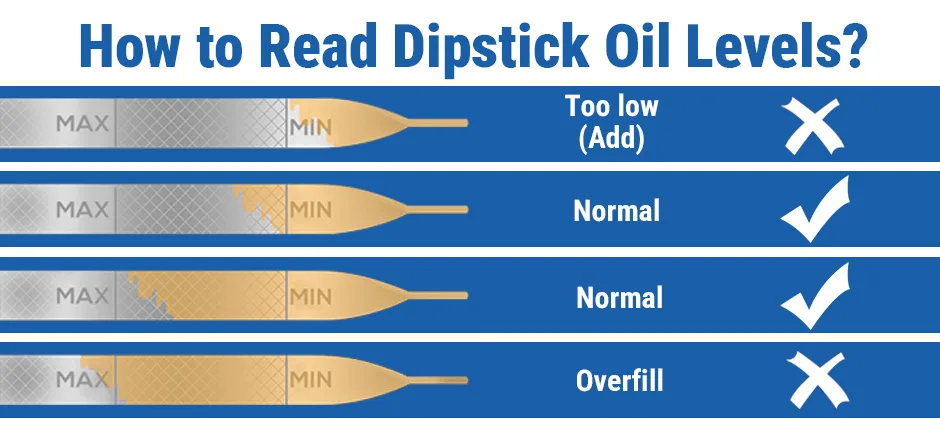
Image source: Bing (Web (fair-use with source credit))
Ignoring valve cover gasket leaks. Oil dripping onto the exhaust manifold creates smoke and smell. Replace the valve cover gaskets when you see moisture around the edges.
Climate and Driving Conditions – How They Change the Recommendation
Cold climates. If winter temperatures drop below 0°F, stick with 5W-30. Do not use 10W-30 in winter. The thicker oil struggles to reach the top end during cold starts.
Hot climates. In desert regions where summer temps hit 100°F or more, 10W-30 is a reasonable choice. Some owners in the Southwest use 10W-30 year round with no issues.
Towing and off road use. Use a synthetic 5W-30. Towing puts sustained load on the engine. Conventional oil breaks down faster under these conditions.
Short trip driving. If your commute is under five miles, your engine never fully warms up. Change oil every 3,000 miles regardless of oil type.
When to Stick With the Factory Spec and When to Adjust
Stick with factory spec if your engine has under 100,000 miles and you change oil on schedule. The factory engineers knew what they were doing.
Adjust if your engine has over 150,000 miles, you notice oil consumption, or you see small leaks. High mileage oil addresses all of these. Moving to 10W-30 in hot weather is also acceptable.
The most important rule is consistency. Changing oil every 3,000 to 5,000 miles with the correct viscosity matters more than the brand.
How Often Should You Change the Oil on a 2000 4Runner?
Conventional oil: every 3,000 miles. Synthetic blend: every 5,000 miles. Full synthetic: every 5,000 to 7,500 miles.
Severe service includes frequent short trips, towing, off road driving, dusty conditions, or extreme temperatures. Change every 3,000 miles regardless of oil type.
Final Verdict: The Safest Oil Choice for Your 4Runner
Use SAE 5W-30 high mileage synthetic blend. Pair it with a quality oil filter. Change it every 5,000 miles.
That combination handles cold starts well. It helps with small leaks. It keeps sludge from forming.
And it costs about $28 for an oil change. Cheap insurance for a truck that will easily hit 300,000 miles with proper care.
Frequently Asked Questions
Can I use 10W-30 instead of 5W-30 in my 2000 4Runner?
Yes, in hot weather or if your engine has over 200,000 miles. Do not use 10W-30 in winter if temperatures drop below freezing.
How much oil does a 2000 4Runner hold?
The 5VZ-FE V6 holds 5.5 quarts with a filter change. The 3RZ-FE four cylinder holds about 4.5 quarts. Always check the dipstick after filling.
Is synthetic oil worth it for an old 4Runner?
Yes, especially if you drive in extreme conditions or want longer change intervals. High mileage synthetic blend gives you most of the benefit without the full cost.
What happens if I put the wrong oil in my 4Runner?
Using a thinner oil like 0W-20 can cause bearing wear over time. Using a thicker oil like 15W-40 reduces fuel economy. Stick with 5W-30 or 10W-30.
How often should I check the oil level?
Check it every other fuel fill up. The 5VZ-FE engine tends to burn oil as it ages. Keep it between the low and full marks on the dipstick.