
If you own a 2006 Toyota Sequoia, you're driving one of the most reliable SUVs Toyota ever built. The 4.7-liter V8 under the hood, known as the 2UZ-FE, is legendary for going 250,000 miles or more with proper care. But proper care starts with one simple thing: knowing the exact 2006 Toyota Sequoia oil capacity and getting it right every time.
Getting the oil wrong, either the amount or the type, can shorten that engine's life faster than almost anything else. Manufacturer specifications from Toyota indicate the 2UZ-FE requires 6.9 US quarts of 5W-30 oil with a filter change, per the 2006 owner's manual. That's the number to trust, and in this guide, we'll walk through exactly why that matters, how to do it right, and what to watch out for.
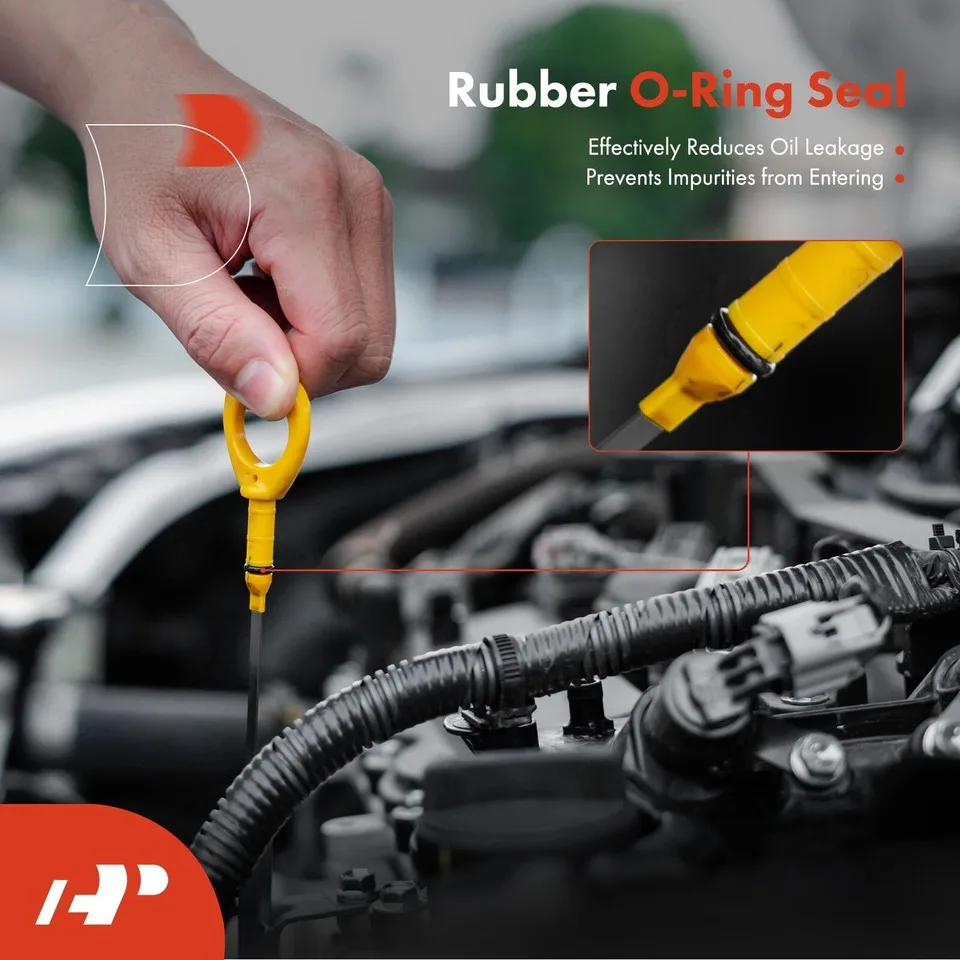
Image source: Bing (Web (fair-use with source credit))
Quick Answer
The 2006 Toyota Sequoia oil capacity is 6.9 quarts with a filter change. It needs 5W-30 viscosity oil. The engine is a 4.7L 2UZ-FE V8.
Always check the dipstick after filling. Never drive with low oil.
Why Getting This Right Matters for Your 2006 Sequoia
The 2UZ-FE engine isn't just any V8. It's an iron-block, dual-overhead-cam workhorse that Toyota designed for longevity. It powers the Sequoia, the Tundra, and the Land Cruiser 100 series.
These engines regularly hit 300,000 miles when maintained correctly.
Here's what happens when you get the oil wrong.
Too little oil, and the engine starves. The oil pump can't pick up enough volume, especially during hard corners or steep inclines. That leads to metal-on-metal contact in the bearings.
You'll hear a knock. Then you're looking at a rebuild or a replacement engine.
Too much oil, and the crankshaft whips the extra volume into foam. Foam doesn't lubricate well. It also creates excess pressure that can blow out seals and gaskets.
Oil leaks follow. So do expensive repairs.
Wrong oil viscosity does damage too. The 2UZ-FE's timing chain tensioners and variable valve timing system depend on the right flow characteristics. A 5W-30 oil flows well at cold starts and holds its thickness at operating temperature.
Thicker oils like 20W-50 don't circulate fast enough on a cold morning. Thinner oils like 0W-20 don't provide enough film strength under load.
Getting the right oil capacity and type is cheap insurance. A $40 oil change beats a $4,000 engine replacement every time.
Breaking Down the Specs: Capacity, Viscosity, and What They Mean
Let's get the numbers straight so there's no confusion.
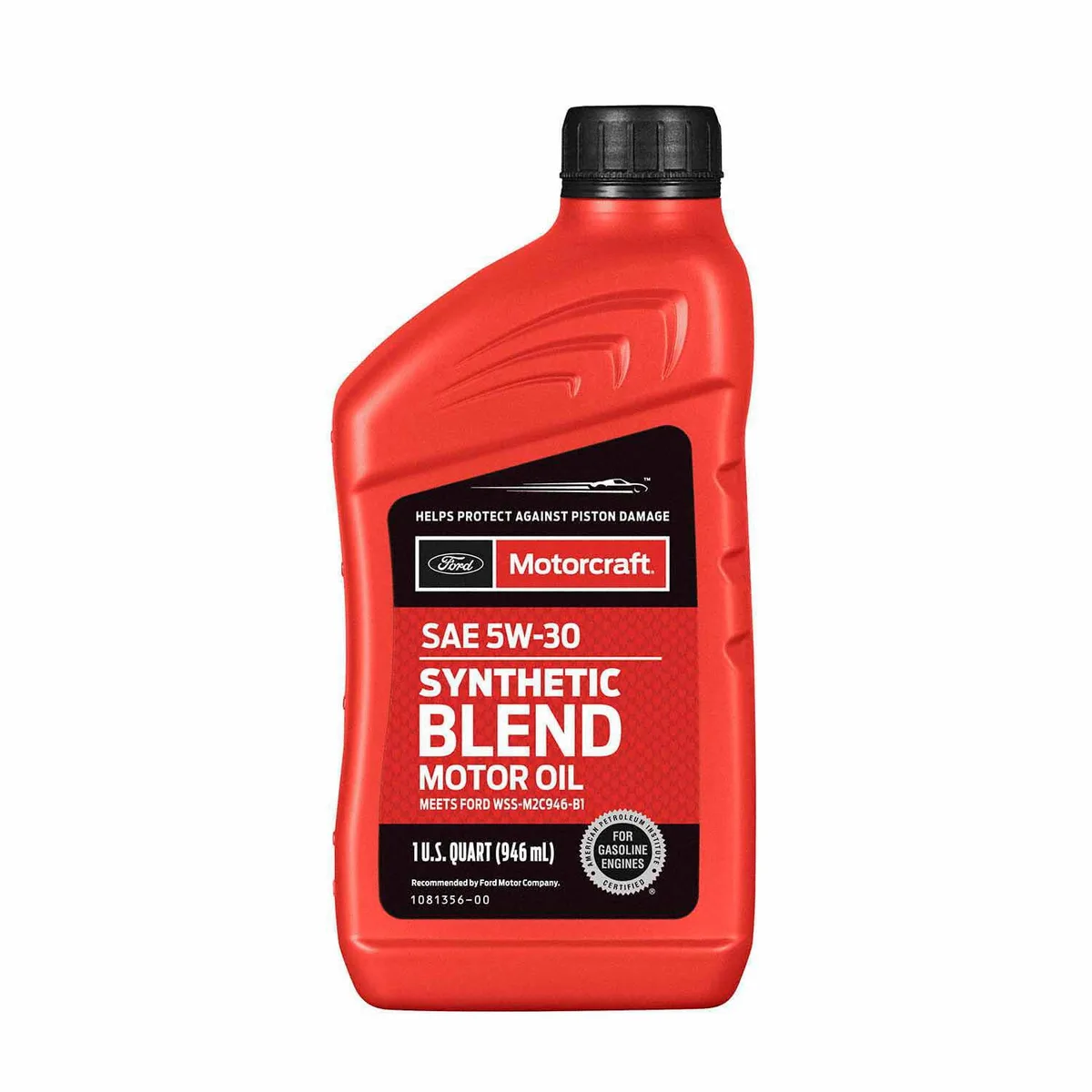
Image source: Web (Bing) / walmart.com (Web image (fair-use with source credit))
With vs. Without a Filter Change
This is where a lot of confusion starts. The capacity changes depending on whether you swap the oil filter.
| Situation | Oil Capacity |
|---|---|
| With new oil filter | 6.9 US quarts (6.5 liters) |
| Without changing filter | 6.4 US quarts (6.1 liters) |
| Dry engine (rebuild or total loss) | 7.4 US quarts (7.0 liters) |
Always change the filter when you change the oil. It's a small cost that keeps contaminants out of the fresh oil. If you skip it, you're mixing dirty oil with clean oil and reducing the benefit of the change.
The 2WD vs. 4WD Question
Both drivetrains use the same engine and the same oil pan. The 2006 Sequoia takes 6.9 quarts with a filter regardless of whether it's two-wheel drive or four-wheel drive. Some online sources get this wrong, but the official Toyota owner's manual confirms they're identical.
What "Dry Engine" Capacity Means
If you've rebuilt the engine or had it completely drained for repair, you'll need more oil. The dry engine capacity is 7.4 quarts. That accounts for oil that gets trapped in passages, coolers, and the oil cooler line.
Fill with about 7 quarts, then check the dipstick and top off slowly. Don't dump all 7.4 quarts in at once or you'll overfill.
Why 5W-30 Is the Right Choice
Toyota recommends SAE 5W-30 for the 2UZ-FE across all operating conditions. Here's why.
The "5W" means the oil acts like a 5-weight when cold. That's thin enough to flow through the engine at freezing temperatures. The "30" means it thickens to a 30-weight at operating temperature.
That's thick enough to maintain a protective film between moving parts.
The API rating should be SL at minimum. SM, SN, and SP are also fine. Look for the API donut on the bottle.
ILSAC GF-4 or higher is the other standard to watch for.
Synthetic oil isn't required, but it's a good upgrade for a 2006 engine with higher miles. Synthetics resist breakdown better at high temperatures and flow more consistently in cold weather. Conventional 5W-30 works fine for normal driving in moderate climates.
What Happens If You Use the Wrong Oil
Common mistakes people make:
- 0W-20: Too thin. Won't protect the bearings under load or high heat. The Toyota seal material also reacts differently with thinner oils, increasing leak risk.
- 10W-30: Acceptable as a second choice in hot climates, but not recommended by Toyota for this engine. It's thicker at startup, which means more wear during the critical first minutes.
- 20W-50: Way too thick. Won't circulate fast enough on cold starts. The VVT-i actuators can also struggle to work correctly with oil this thick.
- 5W-20: Not recommended for this engine. Toyota specifies 5W-30 for the 2UZ-FE, not 5W-20.
As of 2026, many modern cars use 0W-16 or 0W-20. Don't assume newer is better. The 2UZ-FE was designed for 5W-30.
Use what the manufacturer specs say.
Step-by-Step: How to Change Your Oil the Right Way
This process assumes you have basic tools and a little mechanical confidence. If you've never changed oil before, take your time. The first time is the hardest.
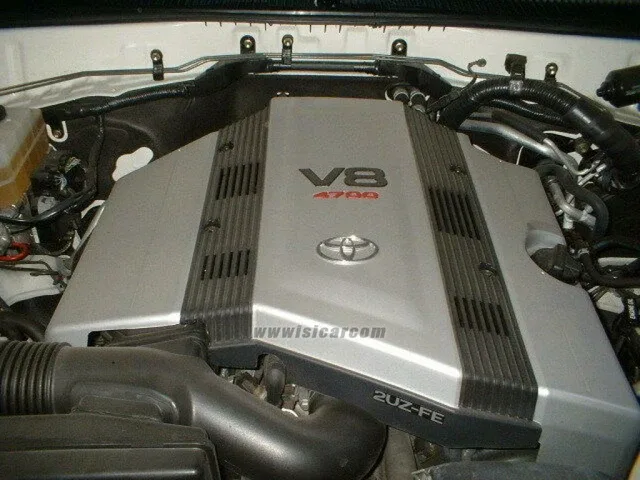
Image source: Bing (Web (fair-use with source credit))
What You'll Need
Gather everything before you start. Running to the store mid-job with a drain pan full of dirty oil is a hassle.
- 7 quarts of 5W-30 oil (buy 7, you'll use 6.9 and have spare for top-offs)
- Oil filter (Toyota part 90915-YZZD3 or 90915-YZZF1, or equivalent quality aftermarket)
- Oil filter wrench
- 14mm socket or wrench for the drain plug
- New crush washer (Toyota part 90430-12031 or equivalent)
- Drain pan (at least 8-quart capacity)
- Funnel
- Jack and jack stands or ramps (if needed for clearance)
- Gloves and rags
The oil filter is located on the passenger side of the engine block. It's a spin-on canister, easily accessible from underneath. On the 2006 Sequoia, you can reach it from above with a long filter wrench, but going under the truck is easier.
Draining and Filter Removal
Warm up the engine for about five minutes. Warm oil drains faster and carries more suspended contaminants. Don't run it hot enough to burn you, just warm.
Park on level ground. If you need more clearance, use ramps. Never rely on a jack alone while you're under the vehicle.
Place the drain pan under the oil pan. The drain plug is on the passenger side of the oil pan, facing downward. Loosen it with the 14mm socket.
Remove it by hand once it's loose. The crush washer will fall off or stay stuck to the plug. Replace it with a new one.
Let the oil drain for at least 10 minutes. Give it time for every drop to come out.
Move the drain pan under the oil filter. The filter is on the passenger side of the block, just behind the steering rack. Loosen it with the filter wrench.
Turn it counterclockwise. It'll leak oil as you unscrew it, so have the pan ready. Remove the filter by hand once it's loose.
Check the old filter's gasket. If it's still stuck to the engine block, remove it. Two gaskets stacked together will leak badly.
Refilling and Checking the Level
Lubricate the new filter's rubber gasket with a little fresh oil. This prevents the gasket from sticking and tearing during the next change.
Screw the new filter on by hand. Tighten it until the gasket contacts the mounting surface, then give it another three-quarters turn. Don't overtighten.
Hand tight plus a quarter turn is plenty.
Install the new crush washer on the drain plug. Torque it to 33 foot-pounds. If you don't have a torque wrench, snug it up firmly with a regular wrench and give it a quarter turn.
Overtightening strips the pan threads. Undertightening causes leaks.
Pour in about 6.5 quarts of oil through the fill cap on top of the valve cover. Replace the cap.
Start the engine and let it run for 30 seconds. The oil pressure light should go out within a few seconds. If it stays on, shut it down and check for a problem.
Shut the engine off. Wait five minutes for the oil to settle back into the pan.
Pull the dipstick, wipe it clean, reinsert it fully, and pull it out again. The oil level should be between the low and full marks. Add oil in small increments until it reaches the full mark.
You'll likely need that extra half quart to top it off. That's normal. The filter absorbs some oil, and the engine passages fill up.
Torque Specs and Crush Washer Rules
The drain plug torque is 33 foot-pounds. That's not a guess. It's the spec from Toyota.
Too loose and the plug backs out. Too tight and the aluminum oil pan threads strip. A stripped drain plug means a new oil pan or a helicoil repair.
The crush washer is a one-time-use part. It compresses and deforms to seal the plug. Reusing it risks a slow drip.
A pack of ten costs about five dollars. Buy them in bulk.
The Risks of Getting It Wrong
This section isn't meant to scare you. It's meant to save you money and frustration.
Overfilling: The Silent Damage
When you pour in too much oil, the crankshaft dips into the pool at the bottom of the pan. It whips the oil into a froth, like a blender. That froth doesn't lubricate.
Air bubbles collapse under pressure, leaving metal surfaces dry.
Symptoms of overfilling include:
- Foamy oil on the dipstick
- Oil leaking from seals and gaskets
- Rough idle or misfires
- Blue smoke from the exhaust
- Reduced fuel economy
If you overfill, drain the excess. Don't drive it hoping it'll burn off. It won't.
It'll just cause more damage.
Underfilling: Starvation and Knock
Low oil is worse than overfilling. The oil pump can't pick up enough volume to lubricate the top end of the engine. The timing chain tensioners run dry.
The VVT-i actuators stop working. The rod bearings start to knock.
An engine that's run low on oil for even a few minutes can suffer permanent damage. The 2UZ-FE is tough, but it can't run without oil pressure.
If the low oil pressure light comes on, shut the engine down immediately. Check the level. Add oil if needed.
If the light stays on after adding oil, don't drive it. Get it towed to a shop.
Stripped Drain Plug Threads
This is the most common DIY mistake. Someone overtightens the drain plug with a ratchet and strips the soft aluminum threads in the oil pan.
A stripped drain plug means oil leaks constantly. The fix is either a thread repair insert (helicoil) or a new oil pan. Both cost more than a simple oil change.
Use a torque wrench. Set it to 33 foot-pounds. If you don't own one, buy a cheap beam-style torque wrench.
It'll pay for itself the first time you avoid stripping a drain plug.
Common Mistakes DIY Owners Make
Let's talk about the errors people keep repeating. Learn from their mistakes instead of making your own.
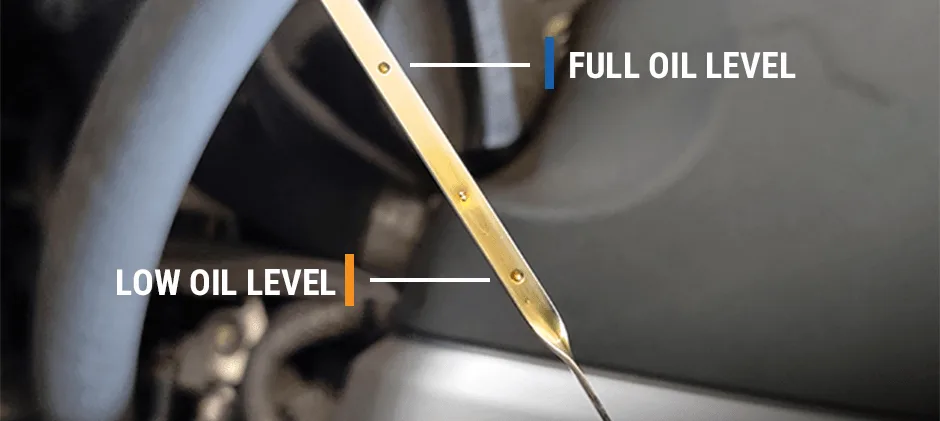
Image source: Bing (Web (fair-use with source credit))
Reading the Dipstick Wrong
This sounds basic, but it's where most people mess up. You can't just pull the dipstick and read it. Here's the correct process:
Park on level ground. Shut the engine off. Wait five minutes for the oil to drain back into the pan.
Pull the dipstick. Wipe it completely clean with a rag. Reinsert it fully.
Pull it out again. Now read the level.
If you check it right after shutting off, the oil hasn't settled. You'll get a false low reading. If you check it on a hill, the oil pools at one end of the pan.
Another false reading.
Skipping Filter Change to Save Money
Some people think changing the oil without the filter saves a few dollars. It doesn't. A quality filter costs eight to twelve dollars.
That's nothing compared to engine wear.
The filter traps debris, metal particles, and sludge from the oil. Skipping it means all that junk circulates through your fresh oil. Within a few hundred miles, the new oil looks as dirty as the old stuff.
Change the filter every time. It's not optional.
Using a Random Filter from the Shelf
Not all oil filters are the same. The 2UZ-FE needs a filter with the correct bypass valve pressure and thread size. A filter meant for a different engine might not seal properly or might bypass too early.
Stick with the Toyota OEM filter or a known quality aftermarket brand like Wix, Purolator, or Mobil 1. Avoid the cheapest no-name filters. They can collapse or leak under pressure.
The Toyota part numbers for the 2006 Sequoia are 90915-YZZD3 (short) and 90915-YZZF1 (long). Both fit. The long one has a little more filter media and better capacity.
Forgetting the Crush Washer
A missing or reused crush washer causes a slow drip. Over time, that drip becomes a puddle. Enough oil loss and you're running low without knowing it.
Always install a new crush washer. It's a small part with a big job.
How Often Should You Change It? Normal vs. Severe Service
Toyota's official schedule says every 7,500 miles under normal driving conditions. But "normal" doesn't apply to everyone.
Towing, Off-Road, and Short Trips
If you use your Sequoia for any of these, you're in the severe service category:
- Towing a trailer or boat
- Frequent off-road driving
- Short trips under five miles (especially in cold weather)
- Extended idling
- Driving in dusty or sandy conditions
- Extreme hot or cold climates
Severe service cuts the oil change interval to 5,000 miles. Toyota's manual says so explicitly. If you do a lot of towing with your Sequoia, don't stretch to 7,500 miles.
The 2UZ-FE runs hot when towing. The oil breaks down faster under sustained high temperatures and loads. Oil that's degraded can't protect the bearings or the timing chain tensioners.
Climate Considerations
Cold climates are hard on oil. The 5W-30 flows well at low temperatures, but short trips in freezing weather never let the oil get warm enough to burn off condensation. Water accumulates in the oil.
Sludge forms. Change intervals shorten.
Hot climates are hard on oil too. High ambient temperatures plus engine heat accelerate oxidation. The oil thickens and loses its protective properties.
If you live in extreme temperatures, change at 5,000 miles. It's cheap insurance.
When to Walk Away: Signs You Need a Mechanic Instead
Most oil changes are straightforward. But some situations call for professional help.
- Drain plug threads are stripped or cross-threaded. If the plug doesn't thread in smoothly by hand, stop. Don't force it. A shop can install a thread repair insert or replace the oil pan.
- Oil filter is stuck on. If you can't loosen the filter with a normal wrench, a filter removal tool can help. But if it's crushed or mangled and still won't budge, let a mechanic handle it.
- You find metal in the old oil. A few tiny specks are normal on a high-mileage engine. Silver flakes or chunks are not. That means internal damage. Don't just change the oil and hope. Get the engine checked.
- The oil pressure light stays on after refilling. Something is wrong. It could be a bad sensor, a clogged pickup, or a failed pump. Don't drive it. Tow it.
- You can't get the vehicle safely off the ground. If you don't have ramps, jack stands, or a level surface, pay for a shop to do it. A car falling off a jack can kill you. Oil changes aren't worth that risk.
Quick Reference Specs Card
Here's everything in one place for easy reference.
| Specification | Value |
|---|---|
| Engine | 4.7L 2UZ-FE V8 |
| Oil capacity (with filter) | 6.9 US quarts (6.5 L) |
| Oil capacity (without filter) | 6.4 US quarts (6.1 L) |
| Dry engine capacity | 7.4 US quarts (7.0 L) |
| Recommended viscosity | SAE 5W-30 |
| API rating | SL minimum (SM, SN, SP OK) |
| ILSAC rating | GF-4 minimum (GF-5, GF-6 OK) |
| Oil filter OEM part | 90915-YZZD3 or 90915-YZZF1 |
| Drain plug torque | 33 ft-lbs (44 Nm) |
| Drain plug thread size | 14mm |
| Crush washer part | 90430-12031 |
| Normal change interval | 7,500 miles |
| Severe service interval | 5,000 miles |
Frequently Asked Questions
Can I use 0W-20 or 10W-30 in my 2006 Sequoia?
No. Toyota specifies 5W-30 for the 2UZ-FE engine in the 2006 Sequoia. 0W-20 is too thin for proper bearing protection. 10W-30 is acceptable only as a last resort in hot climates but is not recommended. Stick with 5W-30.
Does it matter if my Sequoia has high miles?
High mileage doesn't change the oil capacity. It's still 6.9 quarts with a filter. Some owners switch to a high-mileage formula of 5W-30, which includes seal conditioners.
That's fine but not required. The viscosity and quantity stay the same.
What filter should I buy?
Use Toyota OEM filters 90915-YZZD3 or 90915-YZZF1 for best results. Quality aftermarket options from Wix, Purolator, or Mobil 1 are also fine. Avoid no-name cheap filters.
They can collapse under pressure or bypass too early.
What if the dipstick shows overfilled?
Stop driving immediately. Overfilled oil causes foaming, seal leaks, and engine damage. Drain the excess through the drain plug until the level reaches the full mark.
Add small amounts and recheck the dipstick until it's correct.
Can I switch from conventional to synthetic oil?
Yes. The 2UZ-FE runs fine on either. Synthetic 5W-30 offers better protection at extreme temperatures and resists breakdown longer.
No special preparation is needed for the switch. Just use the same 6.9-quart capacity.
How do I know if I'm in severe service conditions?
Severe service includes towing, off-road driving, short trips under five miles, extended idling, and dusty conditions. If you do any of these regularly, change your oil every 5,000 miles instead of 7,500. Your owner's manual confirms this.
You already know a fresh oil change can extend your Sequoia's life. But doing it right means understanding the specifics that many owners overlook.
How to Choose the Right Oil Brand and Type
Brand matters less than the spec on the bottle. Any 5W-30 that carries the API donut and meets SL or higher standards will protect your engine.
Conventional vs. synthetic: which one?
| Oil Type | Best For | Trade-off |
|---|---|---|
| Conventional 5W-30 | Low mileage, moderate climate, budget-minded owners | Needs more frequent changes, less stable at extreme temps |
| Synthetic blend 5W-30 | Everyday driving, some towing | Good middle ground on price and protection |
| Full synthetic 5W-30 | High mileage, towing, extreme climates | Better cold flow, longer life, higher cost |
For a 2006 Sequoia with over 100,000 miles, full synthetic is a smart upgrade. It handles the heat from towing better and flows faster on cold starts. The 2UZ-FE timing chain tensioners appreciate that quick oil pressure on startup.
What to Do With the Old Oil
Never dump used oil down a drain or into the trash. It's illegal and environmentally harmful. One quart of oil can contaminate 250,000 gallons of water.
Collect the old oil in a sealable container. Many auto parts stores accept used oil for free. Some also take used oil filters.
Drain the filter overnight, put it in a plastic bag, and recycle it too.
Check with your local waste management office for drop-off locations. Many cities have household hazardous waste collection centers.
Seasonal Considerations for Your Sequoia
Summer and winter put different demands on your oil.
In summer, especially if you tow, the oil runs hotter. Full synthetic holds up better under sustained heat. If you're using conventional oil and doing summer road trips with a trailer, consider switching.
In winter, 5W-30 handles down to about -30°F. That covers most of North America. If you live where temperatures drop below that consistently, a 0W-30 might flow better at startup.
Check with a Toyota dealer before switching. The 2UZ-FE was designed around 5W-30.
When to Check Your Oil Between Changes
Don't wait for the oil change light. Check the dipstick every other fuel fill-up. It takes thirty seconds.
If the level drops between changes, you're either burning oil or leaking it. A quart low at 3,000 miles is normal for high-mileage engines. Losing two quarts in 1,000 miles means something is wrong.
Look for leaks around the valve cover gaskets, the oil pan gasket, and the front crankshaft seal. The 2UZ-FE is known for valve cover gasket leaks after 150,000 miles. They're easy to fix and cheap to replace.
Final Things to Keep in Mind
Your 2006 Sequoia's 2UZ-FE engine is a proven workhorse. Give it clean 5W-30 oil at the right level and it will run for hundreds of thousands of miles.
The numbers are simple. 6.9 quarts with a filter. 5W-30 viscosity. Change every 5,000 to 7,500 miles depending on how you drive. Check the dipstick regularly.
Use a new crush washer and a quality filter every time.
That's all there is to it. Get those basics right and you'll be driving your Sequoia long after most SUVs have gone to the scrap yard.
When to Walk Away: Signs You Need a Mechanic Instead
Most oil changes are straightforward. But some situations require professional help.
Stripped drain plug threads. If the plug doesn't thread in smoothly by hand, stop immediately. Forcing it shreds the aluminum pan threads. A shop can install a thread repair insert.
That costs about $100. A new oil pan runs $200 plus labor.
The oil filter won't budge. Sometimes filters fuse to the engine block from heat and corrosion. Special tools can help. But if you crush the filter housing and it still won't turn, let a mechanic deal with it.
They have better tools and access to penetrating oils.
Metal in the old oil. Silver flakes or visible chunks mean internal wear. That could be a failing bearing, a damaged cam lobe, or timing chain debris. Fresh oil won't fix that.
You need a diagnosis before anything else.
The low oil pressure light stays on after refilling. This means the oil pump isn't building pressure. It could be a clogged pickup tube, a bad pump, or a faulty sensor. Don't drive it.
Tow it to a shop.
You can't safely lift the vehicle. If you don't have jack stands, ramps, or a level parking spot, skip the DIY. A car falling off a jack can kill you. A $50 oil change at a shop is cheaper than a hospital visit.
Quick Reference Specs Card
Print this or save it to your phone.
| Specification | Value |
|---|---|
| Engine | 4.7L 2UZ-FE V8 |
| Oil capacity with filter | 6.9 US quarts |
| Oil capacity without filter | 6.4 US quarts |
| Dry engine capacity | 7.4 US quarts |
| Recommended viscosity | SAE 5W-30 |
| API rating | SL minimum |
| ILSAC rating | GF-4 minimum |
| Oil filter OEM part | 90915-YZZD3 or 90915-YZZF1 |
| Drain plug torque | 33 ft-lbs |
| Drain plug thread | 14mm |
| Crush washer part | 90430-12031 |
| Normal interval | 7,500 miles |
| Severe service interval | 5,000 miles |
Frequently Asked Questions
Can I use 0W-20 or 10W-30 in my 2006 Sequoia?
No. Toyota specifies 5W-30 for the 2UZ-FE engine. 0W-20 is too thin for proper bearing protection. 10W-30 is acceptable only in hot climates as a last resort. Stick with 5W-30 for best results.
Does it matter if my Sequoia has high miles?
The oil capacity stays the same at 6.9 quarts. Many owners switch to high-mileage 5W-30 formulas. Those include seal conditioners that can help reduce small leaks.
The viscosity and quantity remain unchanged.
What filter should I buy?
Use Toyota OEM filter 90915-YZZD3 or 90915-YZZF1. Quality aftermarket options from Wix, Purolator, and Mobil 1 work well too. Avoid cheap no-name filters.
They can collapse under pressure or bypass too early.
What if the dipstick shows overfilled?
Stop driving. Overfilled oil foams and causes seal damage. Drain the excess through the drain plug.
Let out small amounts and recheck until the level sits exactly at the full mark.
How do I know if I'm in severe service conditions?
Severe service includes towing, off-road driving, short trips under five miles, extended idling, and dusty conditions. If you do any of these, change every 5,000 miles instead of 7,500. Your owner's manual confirms this.
Can I mix synthetic and conventional oil?
Yes, in an emergency. Synthetic and conventional 5W-30 are fully compatible. But for consistent protection, stick with one type.
If you need to top off between changes, use whatever you have in the garage. Then do a full change soon after.