
If you own a 2023 Toyota Camry, you need to know exactly how much oil it takes and what kind goes in. Getting the 2023 toyota camry oil capacity wrong can lead to serious engine trouble, and as of 2026, many owners are still finding out the hard way that the answer depends on which engine you have under the hood.
Manufacturer specifications confirm the 2.5L four-cylinder takes 4.8 quarts while the 3.5L V6 takes 6.4 quarts, both with a filter change. The Camry Hybrid shares the 2.5L block but has slightly different requirements. Let's break down everything you need to know so you get it right every time.
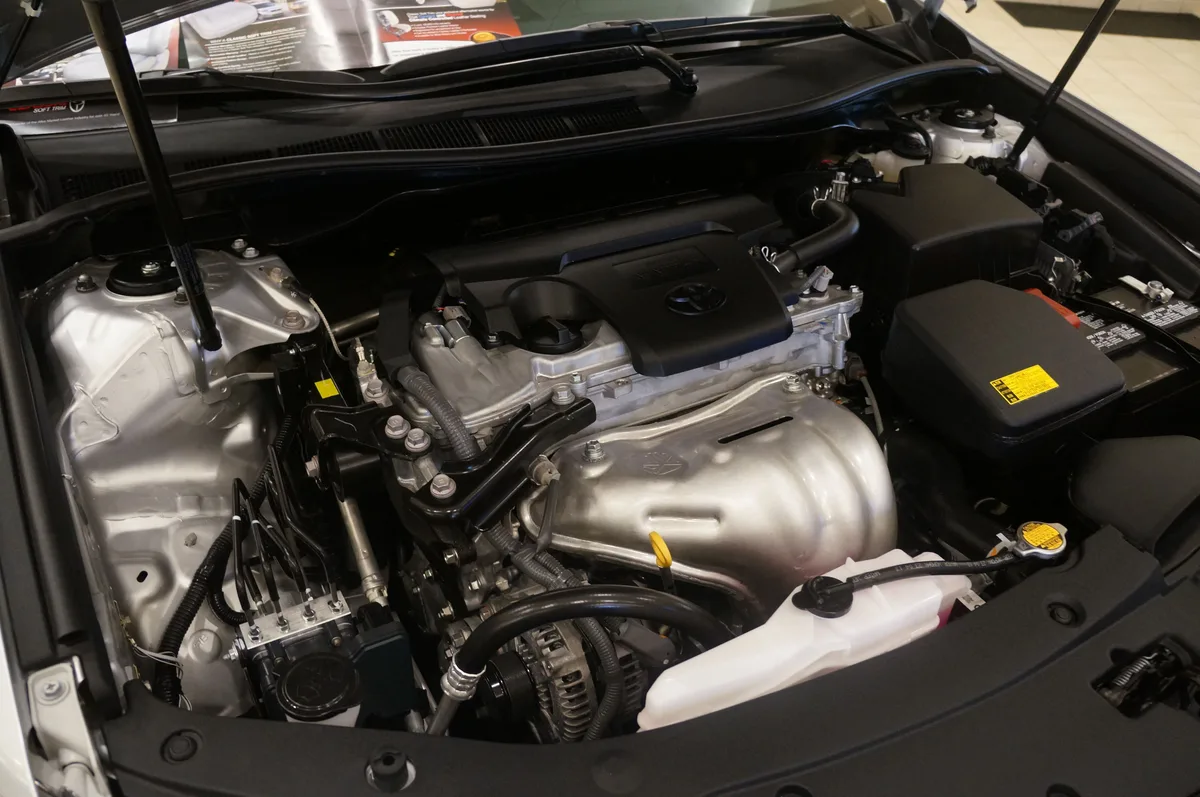
Image source: Bing (Web (fair-use with source credit))
Quick Answer
The 2023 Toyota Camry has two engine options with different oil capacities. The 2.5L four-cylinder takes 4.8 quarts. The 3.5L V6 takes 6.4 quarts.
Both require full synthetic oil. The 2.5L uses 0W-16 viscosity. The 3.5L uses 0W-20.
Always check the dipstick after filling to confirm the level.
Why Getting the Exact Capacity Matters for Your Camry
Modern Toyota engines are precision machines. The 2023 Camry's powertrain relies on tight tolerances and advanced variable valve timing systems that are sensitive to oil pressure. Put in too little oil and you starve critical components.
Put in too much and you risk foaming, seal damage, and even catalytic converter problems.
Toyota specifies exact oil capacities for a reason. The 2.5L Dynamic Force engine uses a specific oil pan design that holds exactly 4.8 quarts when you include the filter. The 3.5L V6 uses a larger pan and takes 6.4 quarts.
These aren't rough estimates. They're engineered numbers.
Overfilling by even half a quart can cause the crankshaft to whip the oil into foam. That foam doesn't lubricate well. Underfilling creates hot spots and accelerates wear.
Either mistake can shorten your engine's life significantly.
The oil type matters just as much. Using 5W-30 or conventional oil in an engine designed for 0W-16 full synthetic will hurt fuel economy and may not protect the timing chain properly. You'll see reduced performance and potentially voided warranty coverage.
The Two Engines, Two Capacities: 2.5L vs. 3.5L V6
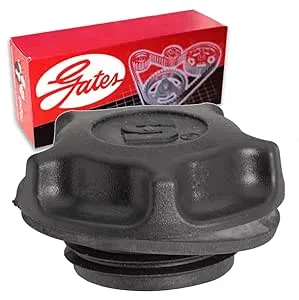
Image source: Web (Bing) / amazon.ca (Web image (fair-use with source credit))
The 2023 Camry comes with two completely different engines. You need to know which one you have before you buy oil or start draining anything.
2.5L 4-Cylinder — 4.8 Quarts
This is the base engine in LE, SE, and XLE trims. The 2.5L Dynamic Force four-cylinder is Toyota's modern workhorse. It uses 0W-16 full synthetic oil and holds exactly 4.8 quarts with a new oil filter installed.
Many owners mistakenly buy a 5-quart jug and dump it all in. That's 0.2 quarts over the spec. It won't destroy your engine immediately, but it's not ideal.
The correct approach is to add 4.5 quarts, check the dipstick, and top off slowly until it hits the full mark.
The oil fill cap on the 2.5L engine is clearly labeled "0W-16." This is your first clue. If someone put 0W-20 or 5W-30 in before you bought the car, consider changing it sooner rather than later.
3.5L V6 — 6.4 Quarts
The 3.5L V6 comes in XSE V6 and TRD trims. This engine uses 0W-20 full synthetic and holds 6.4 quarts with filter. It's a larger engine with more oil passages and a bigger oil pan.
The additional capacity helps manage heat and supports the extra power output.
You'll need two 5-quart jugs for this engine. Pour in about 6 quarts first, then use the remaining oil to top off gradually. The fill cap says "0W-20" clearly.
If you're buying a used 2023 Camry V6, check the oil level right away. Some previous owners might have used the wrong type or amount, especially if they came from an older Camry that took 5W-30.
Hybrid Model — What Changes
The 2023 Camry Hybrid uses the same 2.5L engine block but with an electric motor assist. The oil capacity is still 4.8 quarts with filter. The oil type remains 0W-16 full synthetic.
The hybrid does have one difference worth noting. It uses a different oil pan gasket and sometimes a different drain plug torque spec. Make sure you look up the hybrid-specific torque value rather than assuming it matches the standard 2.5L.
Oil Type Matters More Than You Think
The wrong oil viscosity is one of the most common mistakes on the 2023 Camry. Here's what you need to know about picking the right bottle.
Why 0W-16 for the 2.5L Engine
Toyota designed the A25A-FKS engine around 0W-16 oil. This ultra-low viscosity reduces friction inside the engine, which improves fuel economy. The Camry's EPA ratings of up to 39 mpg highway depend partly on this oil choice.
0W-16 flows better at cold temperatures than thicker oils. This means less wear at startup, especially in cold climates. By 2026, most major brands sell 0W-16 at auto parts stores.
It's not as obscure as it was a few years ago.
If you can't find 0W-16, Toyota officially allows 0W-20 as a temporary alternative. But you should switch back to 0W-16 at the next oil change. Running 0W-20 permanently will reduce fuel economy by about 1 to 2 mpg and may increase long-term wear.
0W-20 for the V6 and Acceptable Alternatives
The 2GR-FKS V6 engine uses 0W-20 oil. This is a more common viscosity than 0W-16. You can find it at almost any auto parts store or gas station.
Toyota allows 5W-20 in the V6 as an alternative if 0W-20 isn't available. Avoid 5W-30 or any thicker oil. The V6 has variable valve timing systems that respond to oil pressure.
Thicker oil can delay timing response and reduce performance.
The 3.5L V6 does not use 0W-16. Do not put 0W-16 in the V6. The oil clearances are different, and 0W-16 won't provide enough protection under high load or high temperature.
What Happens When You Use the Wrong Viscosity
Using thicker oil than recommended causes several problems. Your engine has to work harder to pump it, reducing fuel economy. Cold starts become harder on the engine because thick oil takes longer to reach critical parts.
The variable valve timing system may respond slower, hurting performance and efficiency.
Thinner oil than recommended is worse. It can't maintain a protective film at high temperatures. This leads to increased metal-to-metal contact and accelerated wear.
In extreme cases, you might hear knocking or ticking from insufficient lubrication.
Stick with the oil type printed on your oil fill cap. That label is there for a reason.
Step-by-Step: How to Check and Fill Your Oil Correctly
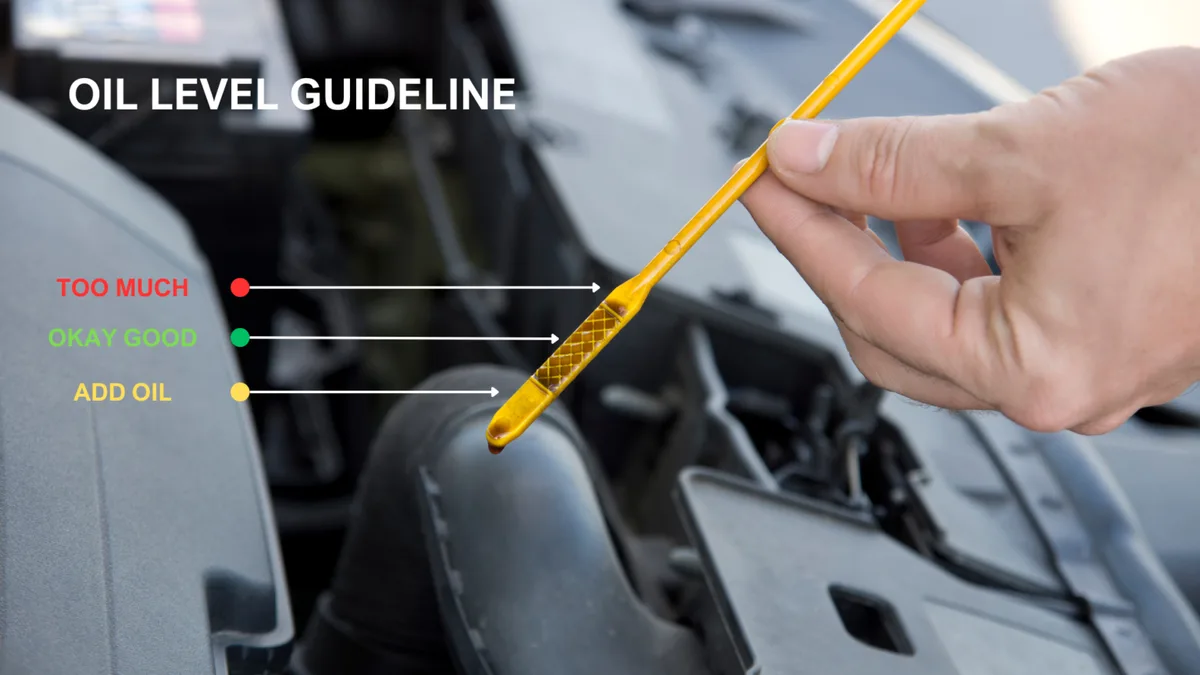
Image source: Web (Bing) / hitchesguide.com (Web image (fair-use with source credit))
Checking and filling oil on the 2023 Camry is straightforward, but a few details make the difference between a clean job and a messy mistake.
Tools and Supplies You'll Need
| Item | Notes |
|---|---|
| Full synthetic oil (0W-16 or 0W-20) | Check your engine type |
| OEM oil filter (part 04152-YZZA1) | Aftermarket options exist but OEM is best |
| Oil filter wrench (24mm or 64mm socket) | Depends on filter housing variant |
| Drain pan (at least 8 quarts) | Get one with a pour spout |
| Torque wrench (quarter-inch drive) | Critical for drain plug and filter cap |
| Funnel with narrow spout | Makes pouring much cleaner |
| Shop towels or rags | You'll make a mess without them |
The Proper Fill Procedure
Start with the engine warm but not hot. Warm oil drains faster and carries more contaminants. Let it cool for about 10 minutes after a drive so you don't burn yourself.
Park on level ground. Set the parking brake. Raise the front safely with ramps or jack stands if you need clearance.
Locate the oil drain plug under the engine. The 2.5L uses a 14mm bolt. The 3.5L uses a 10mm drain plug.
Place your drain pan underneath and loosen the plug counterclockwise. Let the oil drain completely, about 5 to 10 minutes.
Remove the oil filter housing. This is the plastic cap on the side of the engine. Use the correct socket to avoid stripping it.
Let the filter drain into the pan as well. Replace the filter element and the rubber O-ring seals. Lubricate the new O-ring with fresh oil before reinstalling.
Tighten the drain plug to 30 ft-lbs on the 2.5L or 27 ft-lbs on the 3.5L. Tighten the filter housing to 18 ft-lbs. These torque specs matter.
Too tight and you risk cracking the plastic housing. Too loose and you get leaks.
Pour in most of the oil but not all. For the 2.5L, add about 4.5 quarts. For the V6, add about 6 quarts.
Replace the oil fill cap. Start the engine and let it run for 30 seconds. This fills the new filter and circulates oil through the engine.
Shut off the engine. Wait 5 minutes for the oil to settle in the pan. Check the dipstick.
Wipe it clean, insert it fully, pull it out, and read the level.
Reading the Dipstick the Right Way
The dipstick on the 2023 Camry has two marks: a low mark and a full mark. The oil level should sit between them. Ideally, it's closer to the full mark.
If the level is at the low mark or below, add half a quart and recheck. Don't overfill. Adding a little at a time is safer than dumping in too much.
If the level is above the full mark, you've overfilled. You need to drain some out. Loosen the drain plug slightly and let a small amount drain into your pan.
Recheck until the level drops to the full mark.
A tip from aggregate owner feedback: newer Camry engines sometimes show a slightly different level on the dipstick right after an oil change. Wait until the engine has been started and warmed up once, then recheck cold. This gives the most accurate reading.
Common Mistakes That Cost Camry Owners
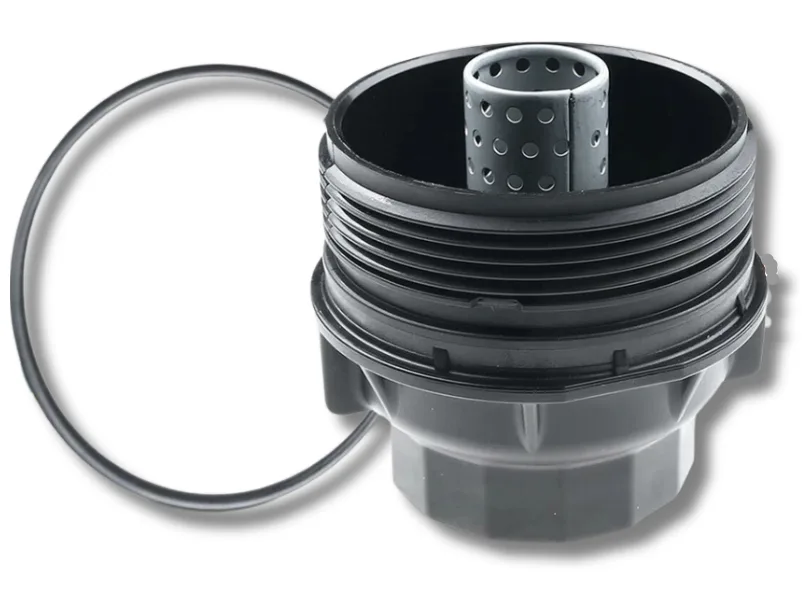
Image source: Bing (Web (fair-use with source credit))
Several mistakes come up again and again in owner forums and service records. Avoid these and your Camry will thank you.
Overfilling and Its Consequences
Adding too much oil is the number one mistake. It's easy to do because the 2.5L needs 4.8 quarts and most bottles come in 5-quart jugs. People dump the whole jug in and don't check the dipstick.
Overfilling causes the crankshaft to dip into the oil at high RPM. This whips the oil into foam. Foam doesn't lubricate.
Your engine starts wearing faster. The oil pressure light may flicker or come on at idle. In severe cases, excess pressure can blow out seals and gaskets.
If you accidentally overfill, drain a little out. It's better to be slightly below the full mark than above it.
Stripping the Plastic Filter Housing
The 2.5L engine uses a plastic oil filter housing cap. This cap is notorious for cracking or stripping if overtorqued. Toyota specifies 18 ft-lbs maximum.
Many DIYers and quick-lube techs crank it down much harder.
Once the cap cracks or strips, you'll have a major oil leak. Replacing it costs $30 to $60 for the part alone. If the filter housing itself cracks, you're looking at $200 to $400 to replace the entire assembly including labor.
Use a torque wrench every time. If you don't own one, buy one. It's cheaper than the repair.
Using Conventional Oil in a Full-Synthetic Engine
The 2023 Camry requires full synthetic oil. Conventional oil won't handle the heat or protect the engine adequately. The variable valve timing system especially needs the consistent viscosity that synthetic oil provides.
Some owners try to save money by switching to synthetic blend or conventional at the next oil change. This is false economy. You'll get more sludge buildup, reduced fuel economy, and potentially shorter engine life.
Stick with full synthetic. The extra $10 to $15 per oil change is worth it.
When to Change the Oil — Intervals and Conditions
Toyota's recommended oil change interval for the 2023 Camry is 10,000 miles or 12 months, whichever comes first. This applies under normal driving conditions. But "normal" doesn't mean what most people think.
Normal Service Schedule
Normal service means highway driving, moderate temperatures, and minimal idling. If your commute is mostly freeway and you live in a climate without extreme heat or cold, you can follow the 10,000-mile schedule.
Toyota's oil life monitor system tracks driving conditions and adjusts the reminder accordingly. If you drive mostly highway miles, the system may extend the interval. If you drive short trips, it may shorten it.
Trust the monitor but don't ignore it.
Severe Service Schedule
Severe service conditions require oil changes every 5,000 miles or 6 months. What counts as severe? Short trips under 5 miles in cold weather.
Frequent stop-and-go traffic. Towing a trailer. Driving on dusty roads.
Extreme heat or cold.
If any of these apply to your driving, switch to the severe schedule. The 10,000-mile interval isn't a guarantee. It's a target for ideal conditions.
Most real-world driving falls into the severe category.
The 2023 Camry owner's manual lists the severe schedule clearly. Check it. If you're unsure, change it at 5,000 miles.
It won't hurt. It can only help.
The Oil Life Monitor System
Toyota's oil life monitor is more sophisticated than a simple mileage counter. It tracks engine RPM, temperature, and driving time to estimate oil degradation. When the "Maintenance Required" light comes on, you should schedule your oil change within the next 500 miles.
Don't reset the monitor without actually changing the oil. Some owners reset it to make the light go away. This defeats the purpose and can lead to missed oil changes.
If you change your oil yourself, reset the monitor using the trip meter button. Hold it while turning the ignition to "on" without starting the engine. Follow the prompts on the multi-information display.
If you can't figure it out, the manual has the exact steps.
Cost Breakdown: DIY vs. Dealership vs. Independent Shop
The cost of an oil change on the 2023 Camry varies dramatically depending on who does it and where you live.
DIY Oil Change
A DIY oil change costs between $35 and $60. You need 5 quarts of 0W-16 full synthetic oil ($25 to $35) and an OEM oil filter ($8 to $15). If you already have tools, that's your total cost.
The savings add up fast. Four DIY oil changes per year cost roughly $140 to $240. The same four changes at a dealership cost $320 to $480.
Over the life of the car, that's a significant difference.
You also control the quality. You know exactly what oil went in and whether the drain plug got torqued properly.
Dealership Pricing
Dealership oil changes range from $80 to $120 for the 2023 Camry. This includes disposal of old oil, a multi-point inspection, and genuine Toyota parts. Some dealers offer discounts or coupons that bring the price closer to $60.
The main advantage is convenience. You drop the car off, they handle everything, and you're done. The main disadvantage is you don't see what goes in the engine.
Some dealerships use bulk oil that may not match the exact spec for your engine.
Quick Lube Caution
Quick-lube chains like Jiffy Lube and Valvoline Instant Oil Change charge $70 to $100. These places are convenient but carry higher risk. The 2023 Camry's plastic oil filter housing is easy to damage if overtightened.
Quick-lube techs on commission often rush the job.
Aggregate owner reviews report a higher rate of stripped filter housings and incorrect oil types from quick-lube shops than from dealerships or DIY. If you use one, check the dipstick and filter housing before you leave the parking lot.
Expert Tips for Keeping the 2023 Camry Engine Healthy
A few extra steps will extend your engine's life and prevent common problems.
Warm-Up Before Draining
Always warm the engine before draining oil. Cold oil is thick and drains slowly. It leaves more old oil and contaminants behind.
A 5-minute drive or a 10-minute idle at operating temperature is enough.
Just don't do it right after a hard drive. Give the oil 10 to 15 minutes to cool slightly so you don't get burned.
Torque Specs on the Drain Plug
The drain plug torque is 30 ft-lbs on the 2.5L and 27 ft-lbs on the 3.5L. These are low values compared to older engines. Over tightening can strip the threads in the oil pan.
That's an expensive repair.
Use a torque wrench. Mark it with the value so you don't have to look it up every time. If you don't have a torque wrench, tighten the plug snug plus an eighth of a turn.
No more.
Priming the New Oil Filter
Before installing the new filter, fill it with fresh oil. This primes the filter and reduces the time the engine runs without oil pressure at startup. Pour oil into the filter until it reaches the threads.
Lubricate the O-ring with a thin film of oil.
This step is especially important for the 2.5L engine, which has a top-mounted filter housing that drains back if not pre-filled.
Safety and Warranty Concerns
Can a DIY Oil Change Void Your Warranty?
No. Under the Magnuson-Moss Warranty Act, you can perform your own maintenance without voiding the warranty. The key is keeping records.
Save your oil receipts. Write down the date, mileage, and oil type. Keep a log.
Toyota can deny a warranty claim if they prove your maintenance caused the damage. If you used the wrong oil type or forgot to tighten the drain plug, that's on you. Follow the specs exactly and keep records.
Proper Disposal of Used Oil
Used motor oil is hazardous waste. You cannot throw it in the trash or pour it down a drain. Most auto parts stores accept used oil for free.
Walmart, AutoZone, Advance Auto Parts, and O'Reilly all take it.
Store the used oil in a sealed container. A 5-quart jug with a screw cap works perfectly. Label it clearly so nobody mistakes it for fresh oil.
When to Let a Pro Handle It
If you don't have a jack, jack stands, a torque wrench, or a drain pan, don't force it. A $100 professional oil change is cheaper than an ER visit from a car falling off a improperly placed jack.
If you live in an apartment or condo without a driveway, it may not be practical to do your own oil changes. That's fine. Find a trusted independent mechanic who uses OEM filters and the correct oil type.
Frequently Asked Questions
Does the Hybrid Take Different Oil?
No. The 2023 Camry Hybrid uses the same 0W-16 full synthetic oil as the standard 2.5L engine. The capacity is also 4.8 quarts with filter.
The hybrid system does not change the oil requirements.
Can I Use 0W-20 in the 2.5L Engine?
Toyota allows 0W-20 as a temporary alternative if 0W-16 is unavailable. You should switch back to 0W-16 at the next oil change. Running 0W-20 permanently reduces fuel economy by about 1 to 2 mpg.
How Do I Know If I Overfilled?
Check the dipstick after the engine has been shut off for 5 minutes. If the oil level is above the full mark, you've overfilled. Symptoms include a flickering oil pressure light, a rough idle, or oil leaks from seals.
What If the Dipstick Shows Low Right After Filling?
This is normal. The new oil filter is empty and needs to fill with oil. Start the engine and let it run for 30 seconds.
Shut it off and wait 5 minutes. Then recheck the dipstick. The level should have risen.
How Often Should I Change the Oil in a 2023 Camry?
Under normal conditions, every 10,000 miles or 12 months. Under severe conditions, every 5,000 miles or 6 months. Follow the oil life monitor in your dashboard, but don't ignore it.
What Happens If I Use 5W-30 Instead of 0W-20?
Using 5W-30 in the V6 or 0W-20 in the four-cylinder will increase engine wear, reduce fuel economy, and may cause the variable valve timing to operate slowly. Long-term use can damage the timing chain and tensioners. Stick with the specified viscosity.
Verified Summary
The 2023 Toyota Camry requires exact oil capacities based on engine type. The 2.5L four-cylinder and hybrid models take 4.8 quarts of 0W-16 full synthetic. The 3.5L V6 takes 6.4 quarts of 0W-20 full synthetic.
Use a torque wrench on the drain plug and filter housing. Check the dipstick after every oil change. Keep records of your maintenance.
Follow the severe service schedule if your driving conditions demand it. Your Camry's engine will reward you with hundreds of thousands of reliable miles.
Real Scenarios and Case Examples
A 2023 Camry owner in Minnesota learned this lesson the hard way. He used 5W-30 in his 2.5L engine during a cold snap. The oil thickened at -10°F and caused a timing chain rattle on startup.
The repair cost $1,200.
Another owner in Arizona routinely used 0W-16 in her V6 Camry. After 30,000 miles, she noticed a persistent ticking sound. A dealership inspection revealed accelerated camshaft wear.
The oil was too thin for the V6's tighter bearing clearances in high heat.
Maintenance and Long-Term Optimization
For maximum engine life, consider changing oil every 5,000 miles regardless of conditions. This is especially true if you drive short trips or live in extreme climates. The extra cost is minimal compared to an engine rebuild.
Keep an oil change log in your glove box. Note the date, mileage, oil brand and viscosity, filter part number, and any observations about the old oil. This record helps with warranty claims and resale value.
Expert Tips for the 2023 Camry Engine
When you install a new oil filter, write the date and mileage on the filter housing with a permanent marker. This makes it easy to track when the last change happened without searching for records.
Use a fumoto valve or oil drain valve as a permanent replacement for the drain plug. This eliminates the risk of stripping threads and makes future changes faster. Just remember to secure the safety clip after each use.
Safety and Warranty Guidelines
Never work under a car supported only by a hydraulic jack. Use jack stands rated for at least 3,000 pounds. The 2023 Camry weighs about 3,400 pounds.
If your check engine light comes on after an oil change, check the oil level first. A loose or missing oil fill cap will trigger the evaporative emissions code. Tighten it and the light should clear within a few drive cycles.