
You are standing in the auto parts aisle staring at a wall of oil bottles, and none of them say "for 2007 Toyota Corolla" on the label. It is a moment every owner hits. The right answer matters more than you would think, because the 2007 Toyota Corolla oil type is not just about what fits in the filler hole.
It is about what keeps that 1.8 liter engine running past 200,000 miles without burning a quart every week.
Manufacturer specifications indicate the 2007 Corolla requires SAE 5W-30 motor oil meeting API service rating SL or higher. That is the short version. But there is more to it depending on your climate, your mileage, and whether you have been using conventional oil or synthetic.
Let us walk through exactly what you need and why it matters.
Quick Answer
The 2007 Toyota Corolla takes SAE 5W-30 motor oil. That is the factory recommendation straight from the owner's manual. You want an API rating of SL, SM, SN, or SP.
The oil capacity is 4.4 quarts with a filter change. Full synthetic is fine. Conventional is fine.
Just make sure it says 5W-30 on the front.
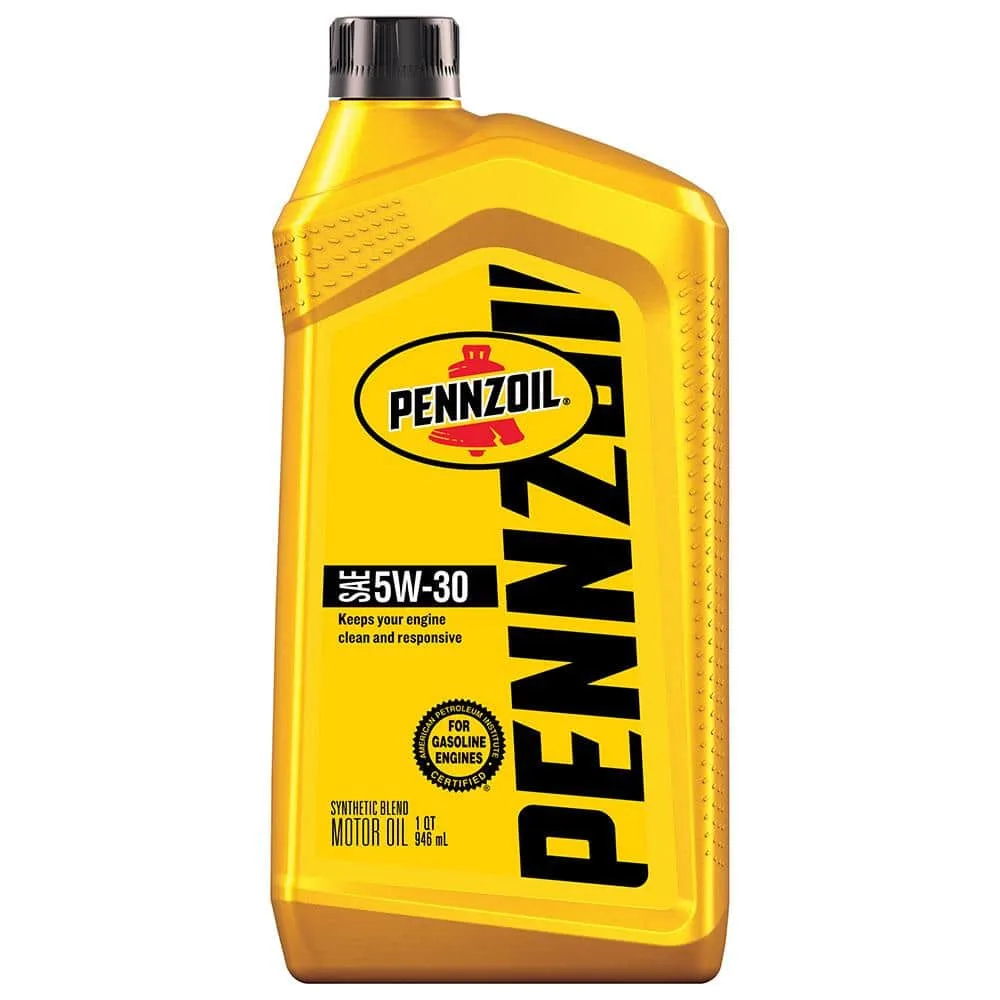
Image source: Web (Bing) / business.walmart.com (Web image (fair-use with source credit))
That is the bottom line. If you only needed the one sentence, there it is. But if you are wondering whether synthetic is worth the extra money, or what happens if you use 10W-30, or why your friend's mechanic said something different, keep reading.
The 1ZZ-FE Engine and Its Oil Quirks
The 2007 Corolla runs the 1ZZ-FE engine. It is a 1.8 liter four-cylinder that Toyota produced for over a decade. Millions are still on the road.
But this engine has a reputation, and it is not all good.
The 1ZZ-FE is known for oil sludge. Not every engine develops it, but enough have that Toyota extended warranty coverage on certain models. Sludge happens when oil breaks down, thickens, and turns into a sticky tar that clogs oil passages.
Once that starts, the engine starves for lubrication. The result is usually a seized engine or a costly rebuild.
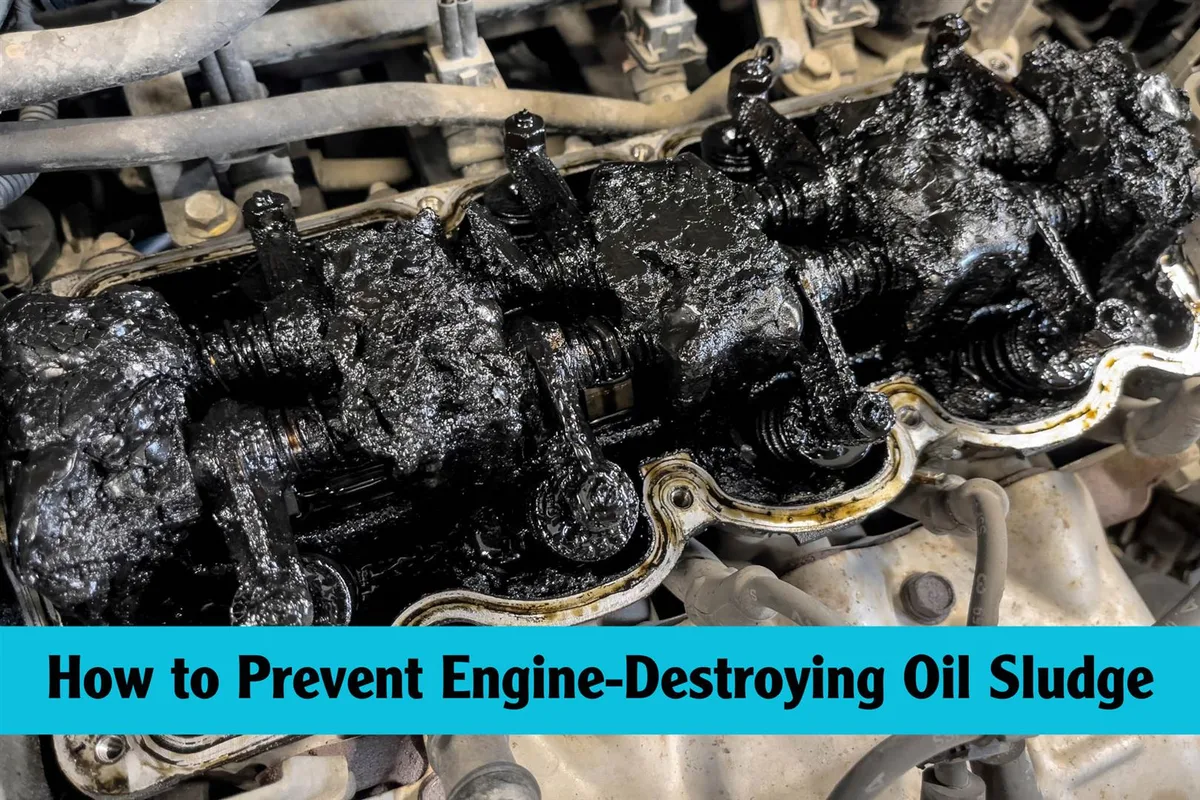
Image source: Bing (Web (fair-use with source credit))
What causes it? Short trips that never let the engine fully warm up. Extended oil change intervals.
And the wrong oil viscosity. The 1ZZ-FE has narrow oil passages that a thicker oil simply cannot flow through fast enough when the engine is cold. That is why Toyota specified 5W-30 in the first place.
The takeaway is simple. Do not skip oil changes. Do not stretch them past 5,000 miles.
And do not experiment with different viscosities. This engine rewards consistency and punishes neglect.
Oil Viscosity Explained
Oil viscosity is just a measure of how thick or thin the oil is. The number on the bottle tells a specific story.
The first number with the W stands for winter viscosity. That is how the oil flows when the engine is cold. A 5W oil flows well at low temperatures.
The second number is the viscosity at engine operating temperature, measured at 100 degrees Celsius. A 30-grade oil is neither too thin nor too thick for most modern engines.
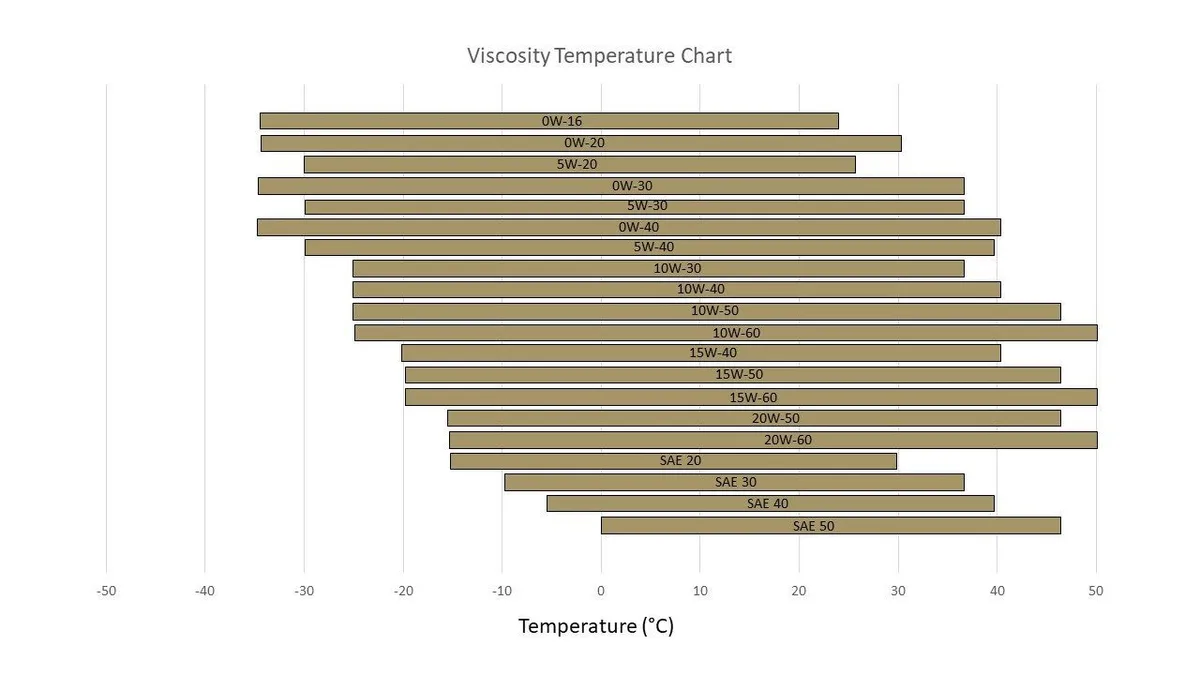
Image source: Web (Bing) / animalia-life.club (Web image (fair-use with source credit))
So 5W-30 means the oil acts like a 5-weight when cold for easy starting, and like a 30-weight when hot for proper protection. That is the sweet spot for the 1ZZ-FE engine.
Could you use 0W-30? Yes. It flows even better in extreme cold, like below 20 degrees Fahrenheit.
It is still a 30-grade at operating temperature, so it protects the same way. The owner's manual lists 0W-30 as acceptable for very cold climates.
What about 10W-30? It is thicker when cold. That is the opposite of what this engine wants.
In warm climates it probably will not hurt anything, but there is no reason to switch. Stick with what Toyota designed it for.
Conventional vs. Synthetic
This is the question that comes up in every oil change thread online. Both work. But they work differently.
Conventional oil is refined crude oil with additives mixed in. It is cheaper. It does the job.
But it breaks down faster under heat and sludges up sooner if you push change intervals too far. For a 2007 Corolla that has been running conventional its whole life, switching to synthetic at 150,000 miles is fine. It will not cause leaks.
Synthetic oil is chemically engineered. It has a more uniform molecular structure. It resists breakdown at high temperatures.
It flows better in cold weather. And it lasts longer between changes. The tradeoff is price.
A five-quart jug of full synthetic costs roughly double what conventional costs.
Which should you pick? If you drive short trips, live in a cold climate, or tend to forget when your last oil change was, synthetic is the safer bet. If you change your oil every 3,000 miles like clockwork and your Corolla lives in a moderate climate, conventional will serve you fine.
There is also synthetic blend. It is a mix of conventional and synthetic. It offers some of the benefits of synthetic at a lower price.
For the 1ZZ-FE engine, any of the three options work as long as they are 5W-30 and meet the API rating.
High-Mileage Oil
Once your Corolla passes 75,000 miles, you start seeing bottles labeled high-mileage on the shelf. They are not a gimmick, but they are not mandatory either.
High-mileage oil contains seal conditioners. These are additives designed to soften and swell dried-out engine seals. On an engine with 100,000 miles or more, valve cover gaskets and rear main seals can start leaking.
High-mileage oil can slow or stop those leaks.
The catch is it only works on minor seepage. If your Corolla is already dripping oil onto the driveway, a different bottle will not fix it. You are looking at a gasket replacement at that point.
For a 2007 Corolla with over 100,000 miles, high-mileage 5W-30 is a reasonable choice. It will not hurt anything. It might help.
Just make sure it carries the same API rating as standard oil. If your Corolla is under 75,000 miles, skip the high-mileage oil. There is no benefit yet.
Complete Oil Change Specs
Here is the data you need when you are under the hood with a wrench in your hand.
Oil capacity: 4.4 quarts with a filter change. If you are just topping off, check the dipstick and add slowly. A full quart overfill can cause foaming and reduced oil pressure.
Recommended oil filter: Toyota part number 04152-YZZA1. That is the standard OEM filter. Aftermarket options from Wix, Purolator, and Mobil 1 also fit and work well.
Avoid the cheapest filters on the shelf. A $3 filter can collapse internally and starve your engine of oil.
Drain plug torque: 29 foot-pounds. Under-tighten it and it will leak. Over-tighten it and you risk stripping the oil pan threads.
Use a torque wrench if you have one. If you do not, snug it up firmly with a ratchet and then give it about a quarter turn.
Drain plug washer: Replace it every time. It is a crush washer that deforms to create a seal. Reusing it is a common leak source.
A pack of ten costs a few dollars.
Oil filter location: On the 1ZZ-FE engine, it is mounted horizontally on the front of the engine block, right next to the exhaust manifold. It faces the driver's side. You can reach it from above or below, but from below is easier.
A cup-style filter wrench that fits a 3/8-inch ratchet makes removal simple.
Step-by-Step Oil Change Guide
If you are doing this yourself, here is the workflow that works without making a mess.
Step 1: Warm up the engine for two minutes. Cold oil is thick and drains slowly. Hot oil burns you. Warm oil drains fast and will not scald your arm.
Two minutes of idling in mild weather is enough.
Step 2: Get the car level. Use ramps or jack stands. Never work under a car supported only by the factory scissor jack. Chock the rear wheels so the car does not roll.
Step 3: Drain the old oil. Position your drain pan. Remove the fill cap on top of the engine so air can enter and help the oil flow. Loosen the drain plug with a 14mm socket or wrench.
Remove it by hand slowly, pushing inward slightly as the last threads clear. Let it drain for at least five minutes.
Step 4: Remove the old oil filter. Use your filter wrench. It will be full of oil, so angle it downward as you unscrew it. Let the residual oil drain from the filter mount.
Step 5: Prep the new filter. Rub a thin layer of fresh oil around the new filter's rubber gasket. This keeps the gasket from sticking and makes the next change easier. Fill the new filter about halfway with oil before installing it.
That reduces the time the engine runs without oil pressure after startup.
Step 6: Install the new filter. Screw it on by hand until the gasket contacts the mounting surface. Then tighten it another two-thirds of a turn by hand. Do not use a wrench for tightening.
Step 7: Reinstall the drain plug. Clean the area around the drain hole. Put a new crush washer on the plug. Tighten it to 29 foot-pounds.
Step 8: Add new oil. Pour in 4 quarts first. Check the dipstick. Add more as needed until the level sits between the low and full marks.
Start the engine and let it idle for 30 seconds. Turn off the engine, wait one minute, and check the dipstick again. Top off if needed.
Step 9: Check for leaks. Look under the car at the drain plug and filter. If either is dripping, tighten slightly. If it is still leaking after that, you probably forgot the crush washer or the filter gasket seal.
Common Mistakes That Kill This Engine
The 1ZZ-FE is not fragile, but it has specific weak points. These mistakes accelerate engine wear faster on this engine than on most others.
Using the wrong viscosity. Thicker oil reduces flow through the narrow passages in the cylinder head. The engine compensates by working harder, which generates more heat, which breaks down the oil faster. It is a downward spiral that ends in sludge.
Running low on oil. The 1ZZ-FE does not have the most robust oil pressure warning system. By the time the light comes on, damage may already be happening. Check your dipstick every time you fill up with gas.
Using cheap oil filters. A no-name filter can have a bypass valve that sticks open or closed. Stuck open means unfiltered oil circulates through the engine. Stuck closed means oil starvation on cold starts.
Overfilling. More oil is not better. The crankshaft whips through excess oil, aerating it and reducing its ability to lubricate. Fill to the full mark, not above.
Ignoring the PCV valve. The positive crankcase ventilation valve is cheap and easy to replace. When it clogs, pressure builds inside the engine and forces oil past seals. Replace it every 60,000 miles.
Signs You Used the Wrong Oil
Your car will tell you. The question is whether you are listening.
Rattling on cold start. If you hear a brief clatter or rattle when you start the engine after it has sat overnight, the oil is too thick to reach the top of the engine quickly. That is the timing chain or the variable valve timing actuator complaining.
Burning oil smell. Thicker oil creates more drag inside the engine, which generates extra heat. That heat can cause oil to burn off through the piston rings. A persistent oil smell from the exhaust or under the hood points to the wrong oil or a leak.
Lower fuel economy. The 1ZZ-FE is tuned for 5W-30. Heavier oil forces the engine to work harder pushing through the oil pump and bearing clearances. You will see fuel economy drop by one to three miles per gallon.
Dark oil fast. Clean oil turns dark as it picks up combustion byproducts. That is normal. But if fresh oil turns black within a few hundred miles, the additive package may not match what the engine needs.
Check engine light. A lit check engine light with a code related to variable valve timing means the oil viscosity or pressure is wrong. The VVT-i system relies on oil pressure to adjust cam timing. Clear the code after correcting the oil and see if it returns.
How Often to Change It
Toyota's official schedule says every 5,000 miles for normal service and every 3,000 miles for severe service.
Here is what they classify as severe service: short trips under five miles, stop-and-go traffic, extreme temperatures, dusty roads, towing, or frequent mountain driving. If you drive a Corolla, chances are at least one of those applies to you. City commuting qualifies.
Regular highway cruising at steady speeds is normal service.
The honest advice for a 2007 Corolla is to change the oil every 4,000 miles if you are running conventional oil. That is a round number between the two schedules. It is easy to remember.
It keeps sludge at bay.
If you are running full synthetic, stretch it to 5,000 or 6,000 miles. Synthetic resists breakdown longer. But do not push past 7,500 miles.
The 1ZZ-FE does not tolerate extended intervals well, even on synthetic.
Set a reminder on your phone. Write the date and mileage on the oil bottle cap with a marker and stick it on the air filter box. Whatever system you use, be consistent.
What About 0W-30 and 10W-30?
These two alternatives show up in forum threads and owner's manual footnotes. Here is when they are appropriate and when they are a risk.
0W-30: The owner's manual lists this as acceptable for cold climates. It flows better in extreme cold, below 0 degrees Fahrenheit. At operating temperature, it is still a 30-weight oil, so protection is identical.
If you live where winter temperatures regularly drop below freezing, 0W-30 is a fine choice.
10W-30: This is the oil people grab when 5W-30 is out of stock. It works in a pinch, but it is not ideal. The thicker cold-flow means the engine gets less lubrication during the critical first seconds after startup.
If you live in a hot climate and your Corolla never sees freezing temperatures, 10W-30 is acceptable. For most owners, stick with 5W-30.
What about 0W-20 or 5W-20? Those are common in newer Toyotas, but not the 2007 Corolla. The 1ZZ-FE engine was designed for 5W-30. Thinner oil can lead to increased wear on bearings and the timing chain.
Do not use it.
Cost Breakdown
An oil change on a 2007 Corolla is one of the cheapest maintenance tasks you can own.
DIY with conventional oil: $20 to $30. A five-quart jug runs about $15 to $20. An oil filter is $5 to $8.
A new crush washer is under $1.
DIY with full synthetic: $35 to $50. Synthetic oil costs more, but it buys longer intervals and better protection.
Shop with conventional oil: $40 to $70. Quick-lube places charge a premium for convenience. Always ask for the out-the-door price before they start.
Shop with full synthetic: $60 to $100. Synthetic upgrades at shops often come with a significant markup.
The labor on a Corolla oil change takes a shop about 20 minutes. The oil itself costs them wholesale rates. If you are on a budget, DIY saves real money, and it is one of the easiest jobs on this car.
Final Recommendation
Here is the short version you can take to the parts store. Buy a five-quart jug of 5W-30 that has the API starburst on the label. Grab a Toyota OEM oil filter or a quality equivalent.
Pick up a new drain plug washer. That is it.
If your Corolla has over 100,000 miles, high-mileage 5W-30 is a reasonable choice. If you live where winter hits hard, 0W-30 works just as well. If you are on a tight budget, conventional oil changed every 4,000 miles keeps the engine healthy.
The one thing you should not do is overthink this. The 2007 Corolla is not an exotic car with fussy requirements. Toyota designed the 1ZZ-FE to run on readily available 5W-30 for hundreds of thousands of miles.
Stick with that, change it on time, and your engine will outlast the rest of the car.
The owners who run into trouble are the ones using mystery oil from the back shelf or stretching intervals past 8,000 miles. Do not be that owner. Be the one who changes the oil on schedule, checks the dipstick at fill-ups, and replaces the PCV valve every 60,000 miles.
That routine costs you an hour and thirty bucks every few months. A new engine costs thousands. The math is simple.
Frequently Asked Questions
Can I use synthetic oil in my 2007 Corolla after using conventional for years?
Yes. Switching from conventional to synthetic at any mileage is safe on the 1ZZ-FE engine. No special preparation is needed.
Just drain the old oil and fill with synthetic. The engine will not develop new leaks from the switch.
What happens if I put in 10W-30 instead of 5W-30?
The engine will run, but cold starts will be harder on the moving parts. The oil pump has to work harder to push thicker oil through narrow passages. Over time, this increases wear and fuel consumption.
Switch back to 5W-30 at your next change.
How do I check the oil level correctly?
Park on level ground. Turn off the engine and wait one minute. Pull the dipstick, wipe it clean, insert it fully, then pull it out again.
The oil should sit between the two marks. Never check oil right after driving.
Does the 2007 Corolla need a specific brand of oil?
No. Toyota's factory oil is good, but Mobil 1, Castrol, Valvoline, Pennzoil, and Shell all make 5W-30 that meets the required specifications. What matters is the viscosity and the API rating, not the brand name on the bottle.
Can I go 10,000 miles between oil changes with synthetic oil?
The 1ZZ-FE engine does not handle extended intervals well. Even with high-quality synthetic oil, 10,000 miles is too long. Sludge formation accelerates beyond 7,500 miles on this engine.
Stick with 5,000 to 6,000 miles for synthetic.
What does the API starburst symbol mean?
It means the oil meets the American Petroleum Institute's current performance standards. For your 2007 Corolla, look for API SL or higher. The starburst symbol is reliable confirmation that the oil has been tested and certified.
If you do not see it on the bottle, choose a different product.