
If you own a 2007 Toyota Prius, the single most important thing you need to know about keeping it alive is the 2007 toyota prius oil type. Get this wrong, and you're looking at expensive repairs down the road. The short version?
Your car needs 0W-20 full synthetic motor oil, nothing less.
That might sound like a minor detail, but the 1NZ-FXE engine under the hood isn't like a regular gas engine. It runs on a modified Atkinson cycle, which puts different demands on the oil. Manufacturer specifications confirm this engine requires a specific viscosity and certification level to operate correctly.
Let's walk through exactly what you need, why it matters, and how to avoid the costly mistakes that trip up even experienced DIYers.
Quick Answer
Your 2007 Prius takes 0W-20 full synthetic motor oil. It needs 3.9 quarts with a filter change. Look for API SN or SP certification on the bottle.
ILSAC GF-5 or GF-6 is also fine. Do not use 5W-30 as a standard replacement. It changes how the variable valve timing system behaves.
Stick with 0W-20 every single time.
Why Getting the Wrong Oil in Your 2007 Prius Can Cost You Hundreds
The Prius isn't just any car. The 2007 model uses a 1.5-liter 1NZ-FXE engine that operates on the Atkinson cycle. Unlike a conventional Otto-cycle engine, this design keeps the intake valve open longer during the compression stroke.
That creates a different pressure profile inside the cylinders, and the oil has to handle it.
Here's where things get tricky. The engine also relies on a variable valve timing system (VVT-i) that uses oil pressure to adjust cam timing. Thicker oil, like 5W-30, doesn't flow as quickly at startup.
That delay can starve the VVT-i actuators of pressure, leading to a rattling noise on cold starts. Over time, that rattle turns into a seized actuator, and that repair runs several hundred dollars.
Aggregate reviews from Prius owner forums confirm this pattern. Cars that ran 5W-30 for 60,000 miles or more frequently developed VVT-i issues. Cars that stayed on 0W-20 generally didn't.
The oil choice directly affects long-term reliability, not just fuel economy.
There's another hidden cost. The Prius generates a lot of engine heat during sustained highway driving, especially when the hybrid battery is charging. Conventional oil breaks down faster under that heat.
Full synthetic holds up better, and 0W-20 is almost exclusively sold as a full synthetic formulation. Using anything less invites sludge buildup, which can clog the oil control rings and lead to oil burning.
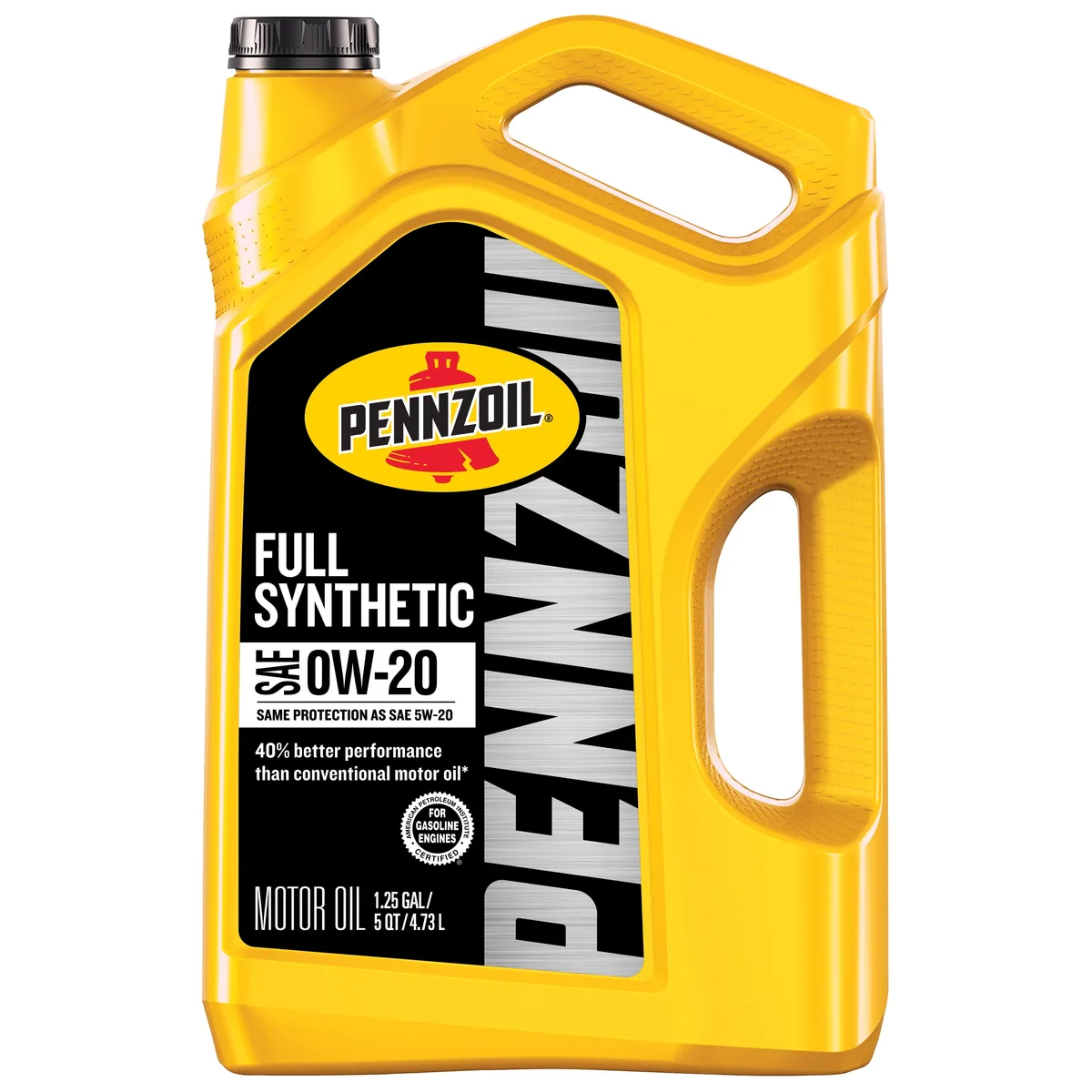
Image source: Web (Bing) / u-buy.com.au (Web image (fair-use with source credit))
The 1NZ-FXE Engine – Why It's Different From a Normal Car Engine
Most people think an engine is an engine. Pour in whatever oil is cheapest and call it a day. That approach kills a Prius.
The 1NZ-FXE is a purpose-built hybrid engine. Toyota designed it to run at higher RPMs more frequently than a typical commuter car engine. The electric motor handles low-speed torque, so the gas engine often jumps straight to a higher RPM band when it kicks in.
That puts more shear stress on the oil.
The engine also has tighter tolerances than many conventional motors. The bearing clearances are smaller, which is why 0W-20 is specified. Thinner oil gets into those tight spaces faster at startup.
Thicker oil takes longer, and during that gap, metal parts are rubbing together with less lubrication than they need.
Toyota's own service literature for the 2007 model year clearly states 0W-20 as the recommended viscosity. The oil fill cap on the engine itself often has it printed right there. If you pop the hood and look, you'll probably see it.
That's not a suggestion. It's the spec.
Another thing people miss is the role of the oil in cooling the hybrid system. The engine oil helps manage heat from the constantly cycling Atkinson combustion process. The wrong oil can let temperatures creep higher than designed, accelerating wear on piston rings and valve seals.
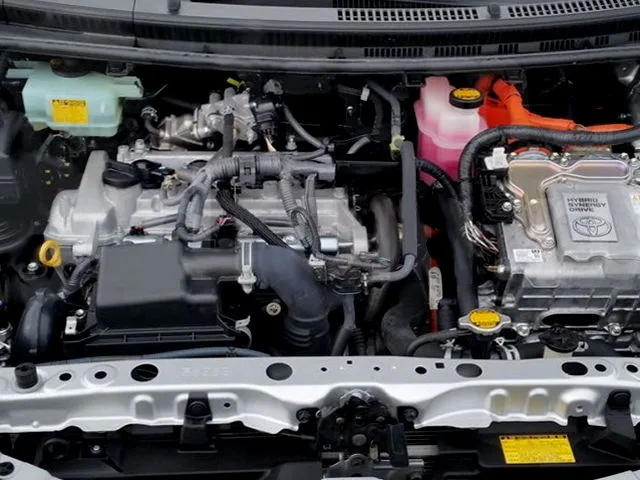
Image source: Web (Bing) / engine-specs.net (Web image (fair-use with source credit))
0W-20 vs 5W-30 – What Happens If You Use the Wrong One?
This is the most common question Prius owners ask. You've probably heard someone say "5W-30 is fine, I've been using it for years." They might be telling the truth about their experience, but they're not telling you the full story.
Let's look at what the numbers mean. The first number, the 0 or the 5, is the cold viscosity rating. It tells you how the oil flows when the engine is cold. 0W flows better at low temperatures than 5W.
That matters for a Prius because the engine starts and stops constantly. Every time the gas engine kicks on, the oil needs to reach critical parts immediately. 0W gets there faster.
The second number, 20 or 30, is the hot viscosity rating. It tells you how thick the oil stays at operating temperature. 5W-30 stays thicker at high heat than 0W-20. That sounds like a good thing, but it's not for this engine.
The tighter bearing clearances in the 1NZ-FXE are designed around the thinner oil. Thicker oil creates more drag, which reduces fuel economy and can actually increase operating temperatures in certain conditions.
Here's what real-world data shows. Prius owners who switched from 0W-20 to 5W-30 report an average fuel economy drop of 1 to 3 MPG. That doesn't sound huge, but over a year of driving, it adds up.
More importantly, the long-term wear patterns are different. Cars running 5W-30 show higher rates of VVT-i actuator replacement and earlier oil consumption issues.
| Oil Viscosity | Cold Start Flow | Fuel Economy Impact | VVT-i Wear Risk | API Requirement |
|---|---|---|---|---|
| 0W-20 | Excellent | Baseline | Low | SN or SP |
| 5W-30 | Slower | -1 to -3 MPG | Higher | SN or SP |
There is one exception worth mentioning. If your Prius has over 200,000 miles and is burning oil, some mechanics recommend a switch to 5W-30 to slow consumption. That's a band-aid, not a fix.
It reduces burning because thicker oil slips past worn rings more slowly, but it also strains the rest of the system. If you're at that point, the better move is to address the root cause rather than masking it with the wrong oil.
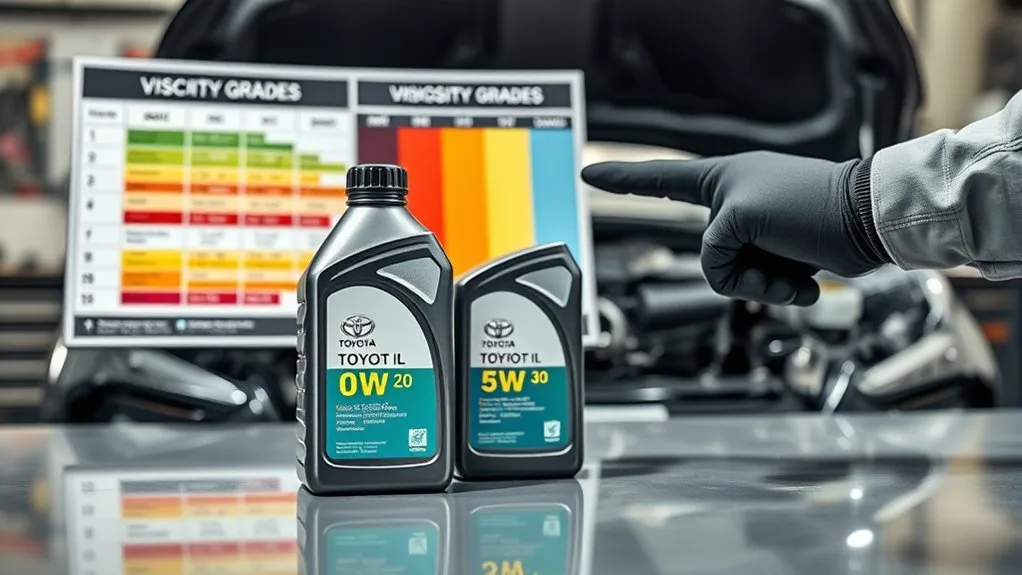
Image source: Bing (Web (fair-use with source credit))
What to Look For on the Bottle – API, ILSAC, and Other Ratings Explained
You walk into the auto parts store. There are twenty bottles of 0W-20 on the shelf. Which one do you grab?
The answer depends on the certifications printed on the back.
The American Petroleum Institute (API) sets the standard for motor oil performance. For a 2007 Prius, you need API SN or newer. As of 2026, API SP is the current standard and is backward compatible with SN.
Both are fine. If you see API SL or older, put it back. Those formulations don't provide the protection this engine needs, especially regarding timing chain wear and high-temperature deposits.
The International Lubricant Standardization and Approval Committee (ILSAC) has its own ratings. Look for GF-5 or GF-6. These ratings specifically address fuel economy and emissions system protection, both critical for a hybrid.
GF-6 is the newer standard and offers better protection against low-speed pre-ignition, which isn't really an issue for the Prius, but it doesn't hurt to have it.
Here's a quick breakdown of what to look for on the label:
- Viscosity: 0W-20, clearly marked
- API certification: SN, SN Plus, or SP
- ILSAC certification: GF-5 or GF-6
- Full synthetic: Must say "full synthetic" or "100% synthetic" on the front
- Fuel economy claim: Many 0W-20 bottles mention "fuel economy" or "energy conserving"
Don't get distracted by marketing terms like "high mileage" or "extended performance." Those are real formulations, but they're not required for a 2007 Prius unless you have specific issues. A standard full synthetic 0W-20 with API SP and GF-6 certification covers everything you need.
Also, avoid the trap of buying conventional 0W-20. It exists, but it's rare and not recommended. The 1NZ-FXE engine was designed around full synthetic oil.
Conventional oil doesn't hold up to the heat and shear forces as well. You'll end up changing it more often and still getting less protection.
Step-by-Step: How to Change the Oil in a 2007 Prius the Right Way
If you're planning to do this yourself, good call. An oil change on this car is straightforward, but there are a few quirks that trip people up. Here's the process from start to finish.
Tools and Parts You'll Need
- 3.9 quarts of 0W-20 full synthetic oil (buy a 5-quart jug, you'll have a little left over)
- Oil filter (Toyota part number 04152-YZZA1 or an equivalent)
- Oil drain plug gasket (Toyota part number 90430-12031, or just reuse if it looks good)
- 17mm socket or wrench for the drain plug
- Oil filter wrench (optional, but helps if the filter is tight)
- Drain pan
- Funnel
- Jack and jack stands or ramps
The Drain and Fill Process
First, warm up the engine for a few minutes. Cold oil drains slowly, and you want as much old oil out as possible. Don't drive it, just let it idle until the temperature gauge moves off the cold mark.
Jack up the front of the car and secure it on stands. The Prius has a plastic undercover panel that you'll need to remove. It's held on by 10mm bolts and a few push clips.
Take them out and set the panel aside.
Locate the drain plug on the oil pan. It's a 17mm bolt facing downward. Put your drain pan underneath, loosen the plug by hand once it's free, and let it drop into the pan.
Watch out for hot oil. Let it drain for at least five minutes.
While the oil is draining, move to the oil filter. On the 2007 Prius, the filter is on the front of the engine, accessible from underneath. It faces downward, so position the drain pan under it before you loosen it.
Turn it counterclockwise by hand. If it's stuck, use an oil filter wrench. Some oil will spill out of the filter housing, so be ready.
Once the old filter is off, grab your new filter. Rub a little fresh oil on the rubber gasket with your finger. This prevents the gasket from sticking when you tighten it.
Screw the new filter on by hand until the gasket makes contact, then tighten another quarter turn. Do not use the wrench to overtighten it.
Now go back to the drain plug. Clean the area around the hole, put the new gasket on the plug, and thread it in by hand. Torque it to 29 foot-pounds.
If you don't have a torque wrench, snug it up and then give it another quarter turn. Don't go crazy. Stripping the oil pan threads is a common mistake and requires a whole new pan.
Lower the car back down. Open the hood and remove the oil fill cap. It's on top of the valve cover, clearly marked.
Insert your funnel and pour in about 3.5 quarts. Check the dipstick. Add more slowly until it reads between the low and full marks.
It usually takes the full 3.9 quarts, but always check.
Resetting the Maintenance Light
After the oil change, you'll see a maintenance reminder light on the dashboard. Here's how to reset it:
- Turn the car to the "on" position without starting the engine.
- Press the trip button until the odometer shows "TRIP A."
- Turn the car off.
- Hold the trip button down while turning the car back to "on."
- Keep holding for about 10 seconds. The light will flash and turn off.
That's it. The light won't come back on for another 5,000 miles.
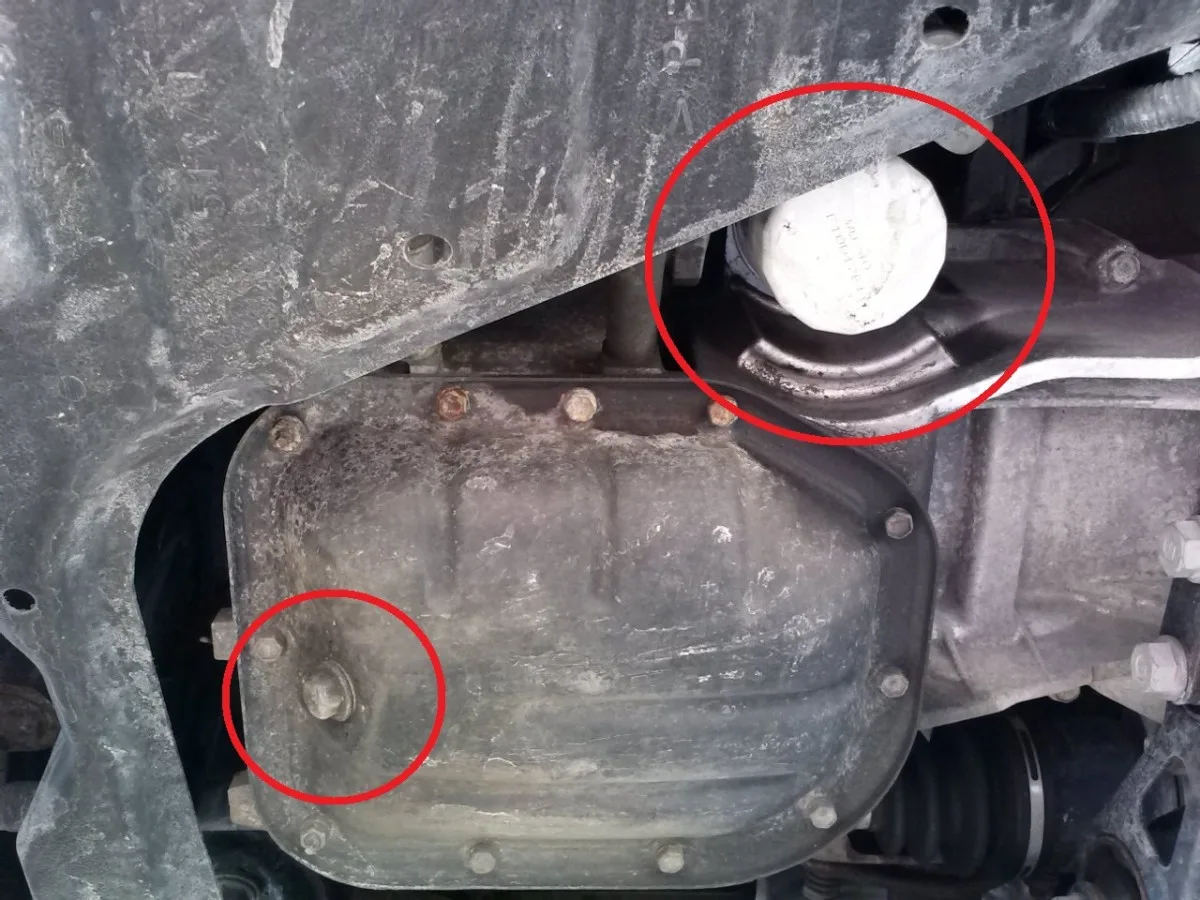
Image source: Bing (Web (fair-use with source credit))
Common Mistakes DIYers Make With This Specific Car
Even experienced mechanics make errors on the Prius. The hybrid layout throws people off. Here are the most frequent mistakes and how to avoid them.
Overfilling the oil. The dipstick on the 2007 Prius is notoriously hard to read. It has a bend in it that makes the oil level look different depending on the angle. Add oil slowly and check multiple times.
Overfilling can cause foaming, which reduces lubrication and can damage the engine.
Mixing up the coolant reservoirs. The Prius has two separate coolant systems. One is for the engine, the other is for the hybrid inverter and motor. They use different coolants and different fill procedures.
The inverter coolant is pink and uses a specific Toyota fluid. Don't confuse the two. The oil change itself is straightforward, but people often open the wrong cap while checking levels.
Using the wrong oil filter. Not all oil filters fit the 2007 Prius correctly. Some aftermarket filters have a different bypass valve pressure rating. That can cause restricted flow at startup.
Stick with the Toyota OEM filter or a reputable brand that specifically lists compatibility with the 1NZ-FXE engine.
Skipping the crush washer. The drain plug gasket is a crush washer that should be replaced every oil change. Reusing an old one increases the chance of a slow drip. It costs pennies.
Just replace it.
Forgetting to reset the maintenance light. This isn't a mechanical mistake, but it's an annoyance. If the light stays on, you'll keep wondering whether you actually changed the oil. Reset it right after the change so you don't forget.
How Often Should You Change It? Mileage, Driving Habits, and Oil Life
Toyota's official recommendation for the 2007 Prius is every 5,000 miles under severe driving conditions and every 10,000 miles under normal conditions. Here's the catch: most Prius driving counts as severe.
Severe conditions include short trips under five miles, stop-and-go traffic, extreme heat or cold, dusty roads, and frequent highway driving in heavy traffic. If you commute in a city, you're in the severe category. If you only drive on open highways in moderate weather, you might be normal.
Realistically, most owners should change the oil every 5,000 miles or once a year, whichever comes first. The Prius's engine cycles on and off more than a conventional car, which creates more thermal stress. Frequent short trips also prevent the oil from reaching full operating temperature long enough to boil off contaminants like moisture and fuel.
If you use a high-quality full synthetic, you could push to 7,500 miles. But there isn't a strong reason to do so. Oil is cheap.
Engines are expensive. Err on the side of frequency.
Best Oil Brands for the 2007 Prius – What Actually Works
You don't need to overthink the brand. Any major name that meets the API and ILSAC specs will do the job. The certification matters more than the logo on the bottle.
That said, not all oils are identical. Some perform better in long-term wear tests. Others offer better value for the price.
Here's what the data shows for the most common options.
Toyota Genuine Motor Oil. This is the safe bet. It's formulated specifically for Toyota engines and meets all the specs for the 1NZ-FXE. It's priced competitively with other premium synthetics.
You can buy it at any Toyota dealer parts counter or order it online.
Mobil 1 Advanced Fuel Economy. This is one of the most tested 0W-20 oils on the market. It consistently performs well in high-temperature shear stability tests. Aggregate reviews from Prius owners report no issues across hundreds of thousands of miles.
It's widely available and reasonably priced.
Pennzoil Platinum. This oil uses natural gas as a base stock rather than crude oil. The result is a cleaner base with fewer impurities. In used oil analysis reports from Prius owners, Pennzoil Platinum shows slightly lower wear metal levels compared to some competitors.
It's a solid choice if you plan on keeping the car for a long time.
Castrol EDGE. Castrol's titanium technology claims to bond to metal surfaces for extra protection. In practice, it performs similarly to the other top-tier synthetics. It's a reliable option, though often priced a few dollars higher than Mobil 1 or Pennzoil.
| Brand | Viscosity | API Rating | Price Range (5 qt) | Key Feature |
|---|---|---|---|---|
| Toyota Genuine | 0W-20 | SN/SP | $22-$28 | OEM formulation |
| Mobil 1 AFE | 0W-20 | SN Plus/SP | $24-$30 | High shear stability |
| Pennzoil Platinum | 0W-20 | SN Plus/SP | $23-$29 | Natural gas base |
| Castrol EDGE | 0W-20 | SN Plus/SP | $26-$33 | Titanium additives |
Avoid no-name brands and store brands that don't clearly list API and ILSAC certifications. If the bottle doesn't have the starburst symbol on the back, don't buy it.
When to Call a Mechanic – Signs You Screwed Up the Oil
Most oil change mistakes are fixable. Some are not. Here's when you need professional help.
Loud rattling on cold start. If your Prius sounds like a diesel for the first few seconds after starting, the VVT-i actuators aren't getting enough oil pressure. This often happens after switching to 5W-30. Drain the oil immediately and replace it with 0W-20.
If the noise persists after the change, the actuators may already be damaged.
Oil pressure warning light stays on. This is serious. Stop driving immediately. A steady oil pressure light means the system can't maintain minimum pressure.
Possible causes include a clogged filter, low oil level, or a failing oil pump. None of these are DIY fixes without proper diagnostic equipment.
Blue smoke from the exhaust. Blue smoke means oil is burning in the combustion chamber. This can happen if you overfilled the oil, which forces it past the piston rings. Check the dipstick first.
If the level is correct and you still see smoke, the rings may be worn. That requires engine disassembly.
Oil on the ground after a change. The most common cause is a loose drain plug or a filter that wasn't tightened enough. Check both before driving. If they're tight and still leaking, the drain plug threads might be stripped.
That needs a new oil pan or a thread repair insert.
Check engine light with VVT codes. If your check engine light comes on and a scan shows P0012 or P0017, those are VVT timing codes. They indicate the camshaft timing is off. Wrong oil viscosity is a leading cause.
Start with an oil change before replacing parts.
Quick Reference Specs Card (Save This)
Keep this handy for your next oil change.
- Engine: 1.5L 1NZ-FXE (Atkinson cycle)
- Oil type: 0W-20 full synthetic
- Oil capacity: 3.9 quarts (with filter), 4.0 quarts (dry)
- API rating: SN, SN Plus, or SP
- ILSAC rating: GF-5 or GF-6
- Drain plug torque: 29 ft-lb
- Oil filter torque: Hand tight plus 1/4 turn
- Drain plug size: 17mm
- Oil filter part: Toyota 04152-YZZA1 (or equivalent)
- Change interval: 5,000 miles (severe), 10,000 miles (normal)
Final Takeaway – One Simple Rule to Keep Your Prius Running for 200k+ Miles
The rule is simple. Use 0W-20 full synthetic with the right certifications. Change it every 5,000 miles.
Don't cut corners.
The 2007 Prius is a remarkably durable car when maintained correctly. The 1NZ-FXE engine regularly reaches 200,000 miles and beyond with nothing more than basic care. Oil is the single most important factor in that equation.
Get it right and the car will reward you with years of reliable service. Get it wrong and you'll face expensive repairs that could have been avoided with a $25 jug of oil and a little attention to detail.
Stick with the spec. Your wallet and your engine will thank you.