
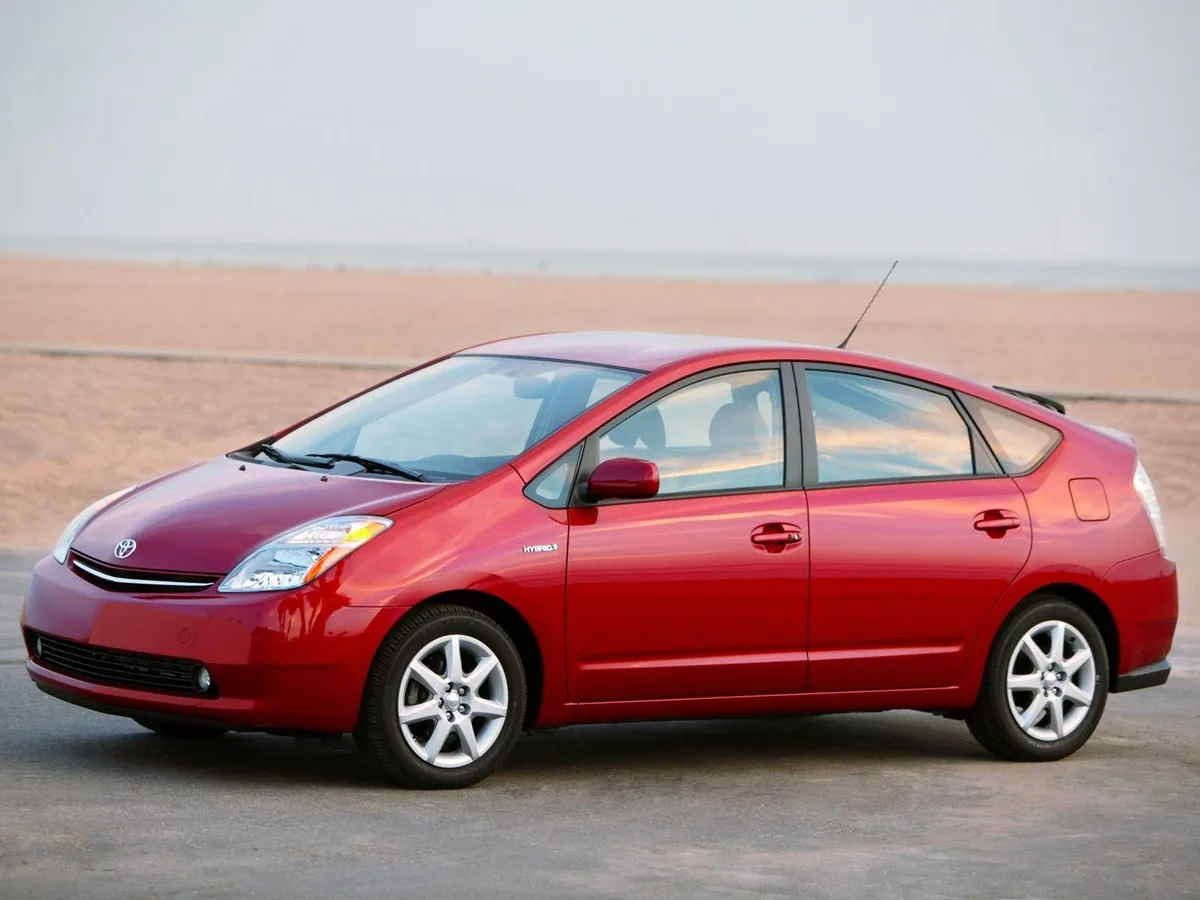
The 2007 toyota prius problems center on four major failures that can exceed the vehicle value. Brake actuator loss and inverter stall create immediate safety risks. Head gasket failure driven by EGR cooler clogging often appears near 150,000 miles.
Hybrid battery degradation rounds out the quartet. This generation uses a unique brake-by-wire system and a 500-volt boost inverter that differ from later models.
The 1.5-liter 1NZ-FXE engine runs an Atkinson cycle with a planetary e-CVT that has no belts or torque converter. EPA combined rating sits at 42 MPG though real-world owners report 40 to 48 MPG. The high-voltage NiMH pack delivers 201.6 volts across 28 modules.
Understanding these systems separates a smart purchase from a financial trap. Let's break down what you need to know before you buy or repair.
Quick Answer
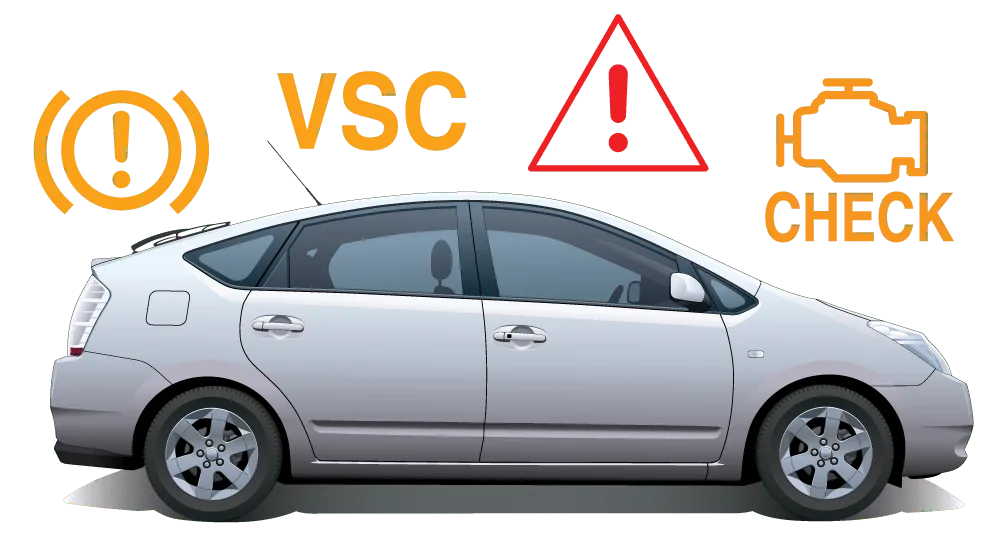
The 2007 Toyota Prius suffers from four expensive failure modes. Brake actuator failure causes hard pedal and warning lights. Inverter failure stalls the car at speed.
Head gasket blows after EGR cooler clogs. Hybrid battery degrades past 150,000 miles. Repair costs often exceed vehicle value.
Why the 2007 Prius Is a Different Kind of Used Car Risk
This is not a typical used car where brakes rotors and suspension bushings set the budget. The Gen 2 hybrid system introduces failure modes that do not exist on conventional vehicles. A brake actuator replacement runs $1,200 to $1,800 at a shop.
An inverter replacement runs $3,200 to $4,500. A head gasket job with mandatory EGR cleaning runs $2,500 to $4,000. A hybrid battery replacement runs $2,200 to $3,500 for a quality reman unit.
Any single repair can exceed the $3,000 to $5,000 purchase price of a clean example.
The brake-by-wire system uses an accumulator pressurized to 2,700 PSI. When the accumulator or pump fails you lose power assist. The pedal becomes rock hard.
Stopping distance triples. This is not a gradual wear item. It fails without warning.
The inverter uses insulated gate bipolar transistors that fatigue from thermal cycling. When they short the hybrid ECU cuts power instantly. The car coasts to a stop in traffic.
The head gasket fails because the EGR cooler clogs with carbon. Combustion temperatures spike. The low-tension piston rings then burn oil which accelerates the process.
These are systemic design vulnerabilities not maintenance items.
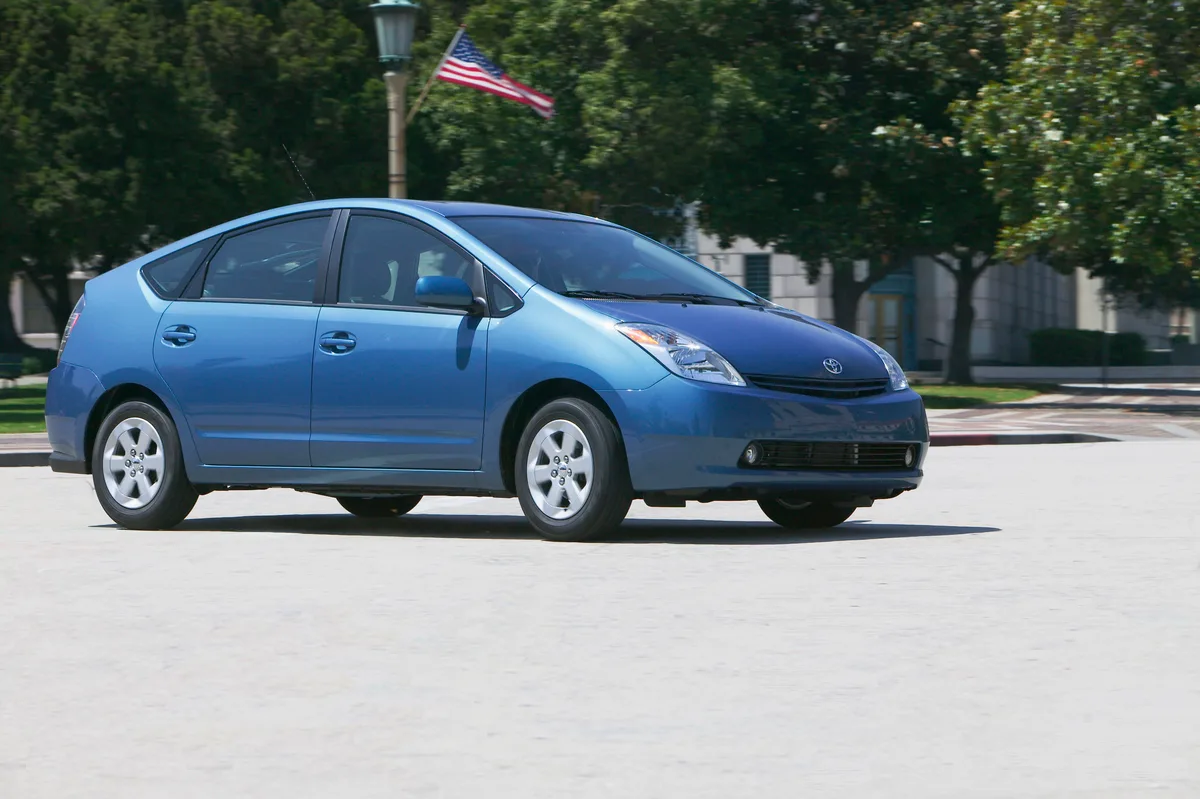
Owners in CARB states have a 10-year 150,000-mile hybrid battery warranty extension. Federal emissions warranty covers the inverter for 8 years or 80,000 miles. Both have expired on every 2007 on the road.
The brake actuator recall 20L covers certain VINs only. Check yours at nhtsa.gov/recalls before you assume coverage. Many 2007 models fall outside the recall VIN range.
You own the risk the moment money changes hands.
The Gen 2 Architecture: Why These Specific Parts Fail
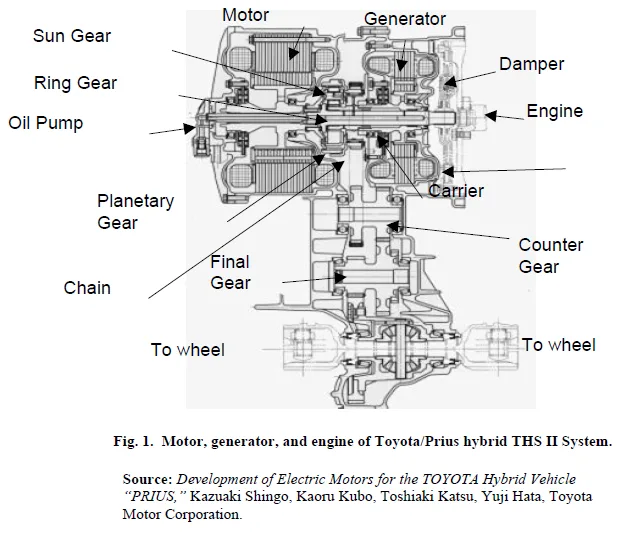
The Hybrid Synergy Drive in the NHW20 platform uses a power split device that blends engine torque with two motor-generators. MG1 starts the engine and controls the speed ratio. MG2 drives the wheels and provides regeneration.
The inverter/converter assembly houses a boost converter that steps the 201.6-volt battery voltage up to 500 volts DC for MG2. That high voltage stresses the transistor modules continuously.
The brake actuator assembly combines a hydraulic pump an accumulator a master cylinder simulator and an ECU in one unit. It modulates pressure at each wheel independently for ABS VSC and regenerative braking coordination. The accumulator stores nitrogen-charged brake fluid at extreme pressure.
The diaphragm fatigues over heat cycles. When it ruptures the pump runs continuously trying to recharge. The ECU logs accumulator pressure codes B1471 or B1472.
The pump motor burns out next. The entire unit must be replaced and the linear valves calibrated with Techstream.
The EGR system routes exhaust gas through a cooler into the intake manifold. The cooler tubes are narrow. Carbon builds up restrict flow.
The ECU commands more EGR to meet emissions targets. The cooler flows less. Combustion temperatures rise.
The head gasket sees peak pressures it was not designed for. The MLS gasket fires ring lifts. Coolant pushes into cylinders on cold start.
Misfire codes P0300 through P0304 appear. White smoke follows. This chain reaction is specific to the Gen 2 EGR cooler design.
The 1NZ-FXE uses low-tension piston rings to reduce friction. They consume oil from day one. Toyota considers one quart per 1,200 miles normal.
Low oil level starves the timing chain tensioner. Chain rattle on cold start signals wear. The electric water pump bearing fails around 100,000 miles.
Code P261B sets. Overheat risk spikes. The combination meter loses its speedometer and PRND display from cold solder joints on the J-lead connector.
The 12-volt AGM battery in the trunk dies at three to four years. Its voltage sag triggers false hybrid codes across multiple ECUs.
The Four Failures That Can Cost More Than the Car
| Failure | Typical Mileage | Shop Cost | DIY Parts Cost | Safety Impact |
|---|---|---|---|---|
| Brake Actuator | 120k–180k mi | $1,200–$1,800 | $600–$900 | Loss of power assist |
| Inverter | 130k–200k mi | $3,200–$4,500 | $1,800–$2,500 | Sudden stall at speed |
| Head Gasket + EGR | 150k–220k mi | $2,500–$4,000 | $600–$900 | Overheat engine damage |
| HV Battery | 150k–250k mi | $2,200–$3,500 | $1,500–$2,200 | Stranded no-start |
These four repairs represent the financial cliff edge. A clean 2007 Prius sells for $3,000 to $5,000 as of 2026. Any single major failure exceeds that value.
Two failures make the car a parts donor. The brake actuator and inverter are safety-critical. The head gasket and HV battery are reliability-critical.
All four share a common thread. They are not wear items you can predict by visual inspection. They require live data from a Toyota Techstream scanner or equivalent.
The brake actuator accumulator pressure test is the single most revealing pre-purchase check. The inverter transistor health shows in the MG2 temperature delta under load. The EGR cooler flow test requires a pressure differential gauge across the cooler.
The HV battery block voltage spread under load reveals weak modules before a P0A80 sets. Without these tests you are guessing. Guessing on a 2007 Prius costs thousands.
Brake Actuator: The Safety Recall That Doesn't Cover Every VIN
Recall 20L covers approximately 400,000 vehicles from the 2004 to 2007 model years. The remedy replaces the brake actuator assembly and the brake actuator ECU with updated parts. The recall does not cover every 2007 VIN.
Production date and plant determine eligibility. Check your VIN at nhtsa.gov/recalls or call a Toyota dealer with the VIN ready. Do not assume coverage.
If your VIN is covered the repair is free at any Toyota dealer. The updated actuator uses a reinforced accumulator diaphragm and a revised pump motor. The ECU software improves pressure monitoring.
If your VIN is not covered you pay full price. The aftermarket remanufactured units from Dorman or Cardone cost $600 to $900. They carry a limited lifetime warranty.
Installation requires Techstream for the linear valve calibration procedure. Without calibration the brake pedal feel will be nonlinear and ABS intervention will be erratic.
Symptoms start subtly. The brake pedal feels firmer at the top of travel. The pump runs longer after each stop.
The ABS and VSC lights illuminate intermittently. Code C1256 or C1391 sets for accumulator pressure malfunction. Code B1471 or B1472 sets for accumulator pressure sensor.
Ignoring these codes leads to complete loss of power assist. The pedal becomes rock hard. Stopping distance increases dramatically.
This is a NHTSA-recognized safety defect. Treat it as urgent.
DIY replacement is possible for experienced mechanics. The service plug must be removed to disable the high-voltage system. The brake fluid must be bled using Techstream to cycle the linear valves.
The accumulator must be depressurized before removal. The procedure takes four to six hours. A shop charges $1,200 to $1,800 including the updated ECU programming.
If the recall applies the dealer handles everything at no cost.
Inverter Failure: Sudden Stall at Highway Speed
The inverter/converter assembly sits on the driver side of the engine bay. It contains the boost converter and two three-phase inverter modules for MG1 and MG2. The insulated gate bipolar transistors switch 500-volt DC at up to 20 kHz.
Thermal cycling fatigues the wire bonds and solder joints inside the power modules. When a transistor fails shorted the hybrid ECU detects overcurrent and shuts down the high-voltage system instantly.
The car loses all motive power. The engine stops. Power steering assist disappears.
Power brake assist remains for one or two stops from the accumulator reserve. The dashboard lights up with a red triangle and master warning. Codes P0A80 P3000 P0A93 or P0A94 appear.
The car will not restart until the inverter cools and the ECU resets. This can happen at 70 mph on the interstate. NHTSA investigation 14V315000 addressed this with a software update that limits current to prevent transistor failure.
The update does not fix hardware that has already degraded.
Recall 14V315000 applies to certain 2007 VINs. Check yours. The software update is free at a dealer.
It reduces the risk but does not eliminate it. Inverter replacement requires HV system disable service plug removal. The inverter coolant loop has three bleed points.
Air traps cause localized overheating. The thermal paste on the transistor base plates must be reapplied correctly. A shop charges $3,200 to $4,500.
A remanufactured unit from a reputable rebuilder costs $1,800 to $2,500. Used units from a salvage yard are a gamble. They have the same age and mileage.
Pre-purchase the MG2 temperature delta test is critical. Drive the car hard for ten minutes. Monitor MG2 inverter temperature and coolant temperature via Techstream.
A delta greater than 15 degrees Celsius indicates thermal interface degradation. Walk away or negotiate hard. The inverter coolant pump codes P0A93 P0A94 often precede transistor failure.
Replace the pump at first sign. It costs $150 and two hours of labor. It might save the inverter.
Head Gasket & EGR Cooler: The 150k-Mile Time Bomb
The EGR cooler clogs first. Carbon deposits narrow the passages until flow drops below what the ECU expects. The ECU opens the EGR valve wider to compensate.
Less inert gas enters the cylinders. Combustion temperatures climb past 2,500 degrees Fahrenheit. The multi-layer steel head gasket sees pressure spikes it was not designed to handle.
The fire ring lifts. Coolant pushes into the combustion chamber on the intake stroke. Cold start misfire shakes the car.
Codes P0300 through P0304 set. White steam smells sweet from the tailpipe.
The repair is not a simple gasket swap. The EGR cooler intake manifold and pipe must be cleaned completely. Any carbon left behind restricts flow and the new gasket fails again.
Updated MLS gasket part number 11115-37020 is mandatory. The cylinder head must be pressure tested and deck checked flat. Torque sequence is 22 ft-lb then 90 degrees then 90 degrees.
Block deck flatness spec is 0.002 inch maximum warp. Machine work adds $300 to $500 if needed.
Oil consumption accelerates the process. The 1NZ-FXE low-tension rings burn a quart every 1,000 miles on many engines. Low oil level starves the timing chain tensioner.
Chain slap on cold start signals the chain is rattling against the guide. Tensioner failure lets the chain skip a tooth. Valve timing shifts.
Compression drops. The cycle feeds itself. Check oil every fill-up.
Top off with 0W-20 synthetic. Do not let it drop below the low mark.
DIY cost runs $600 to $900 for gaskets coolant EGR cleaner and tools. Shop cost runs $2,500 to $4,000. The job takes 12 to 16 hours.
A borescope inspection through the spark plug holes shows carbon buildup on piston crowns. Heavy carbon means the EGR cooler is clogged. Walk away or budget the repair immediately.
Hybrid Battery: Recondition, Replace, or Walk Away
The 201.6-volt NiMH pack contains 28 modules each with six 1.2-volt cells. Modules age unevenly. Weak modules discharge faster under load.
The battery ECU detects voltage spread and sets P0A80. The car enters limp mode. Power cuts.
MPG tanks. The fan runs loud. The pack is not dead.
It is unbalanced.
Reconditioning cycles each module through deep discharge and charge. It can restore 80 to 90 percent capacity if degradation is mild. Cost runs $300 to $600 for a mobile service.
It buys 12 to 24 months. It fails when modules have physical separator damage or severe crystal formation. Load testing each module under 25-amp draw reveals the truth.
Voltage spread under load greater than 0.3 volt between highest and lowest module means reconditioning will not hold.
Remanufactured packs from Dorman Green Bean or Hybrid Battery Solutions cost $1,500 to $2,200 delivered. They use tested modules with matched internal resistance. Warranty runs 12 to 48 months.
OEM reman from Toyota costs $3,500 plus core. New OEM is no longer available. Used packs from salvage yards are a lottery.
You inherit unknown cycle count and storage conditions.
Installation requires HV service plug removal. Torque spec for bus bar nuts is 18 ft-lb. The battery ECU must be initialized with Techstream after install.
Skipping initialization leaves the ECU using old learned values. The pack will overcharge or undercharge modules. Failure follows quickly.
DIY install takes two hours. Shop labor adds $300 to $500.
Decision tree: voltage spread under load under 0.2 volt and mileage under 180k, recondition. Spread 0.2 to 0.4 volt or mileage 180k to 220k, reman pack. Spread over 0.4 volt or mileage over 220k, walk away unless price reflects a parts car.
The Hidden Killers: Combination Meter, 12V Battery, Water Pump
The combination meter fails when cold solder joints on the J-lead connector crack. The speedometer goes dark. The odometer blanks.
The PRND display vanishes. The hybrid system still runs. You drive blind.
Resoldering the connector fixes it for $20 in solder and flux. A used meter costs $150 to $300 but requires VIN programming. DIY reflow takes one hour with a hot air station.
The 12-volt AGM battery in the trunk powers every ECU in the car. When it sags below 11 volts under load the hybrid ECU logs false codes. P0A80 P3000 C1256 B1471 appear simultaneously.
The brake actuator pump chatters. The inverter throws temperature codes. The car may not start.
Replace the 12V first. It costs $180 to $250 for an Optima DS46B24R or Toyota LN1. Register the new battery in the ECU with Techstream on 2006 and later models.
Skip registration and the charging algorithm stays in old-battery mode. The new AGM dies in months.
The electric water pump circulates coolant through the engine and inverter. The bearing fails around 100,000 miles. Code P261B sets.
Coolant stops moving. The inverter overheats first. Then the engine.
The pump is mounted on the passenger side of the block. Replacement takes two hours. The pump costs $150.
Burp the coolant system at the three bleed points: engine block inverter radiator. Air pockets cause hot spots. Use Toyota Super Long Life Coolant pink concentrate mixed 50/50 with distilled water.
Door lock actuators fail from water intrusion. The driver door fails first. The Smart Key system stops recognizing the fob.
The alarm triggers randomly. The actuator costs $80. Replacement takes 30 minutes per door.
Windshield stress cracks start at the cowl edge and run upward. The roofline design concentrates stress. A crack longer than six inches requires replacement.
OEM glass costs $350. Aftermarket costs $200. The fuel bladder tank on early 2007 models collapses and triggers evap codes.
The fix is a revised rigid tank from a 2008 donor.
Pre-Purchase Inspection: Techstream Checks You Can't Skip
A visual inspection catches rust and crash damage. It misses the four killer failures. You need a Toyota Techstream scanner or a VXDIAG VCX Nano with Techstream software.
A generic OBD2 reader cannot access hybrid ECU live data. The $100 VXDIAG plus a Windows laptop pays for itself on one avoided lemon.
HV Battery Block Voltage Spread
Engine off key on. Monitor all 14 block voltages. Spread should be under 0.1 volt.
Start the car. Monitor under load during acceleration. Spread under 0.2 volt is healthy.
Spread 0.2 to 0.4 volt is marginal. Spread over 0.4 volt walk away. Weak modules hide at rest.
They reveal themselves under 25-amp discharge.
Brake Actuator Accumulator Pressure
Key on engine off. Monitor accumulator pressure sensor. Pressure should hold above 2,400 PSI for five minutes.
Pressure drop rate should be under 50 PSI per minute. Pump run time should be under 10 seconds per recharge cycle. Long pump runs or rapid pressure drop mean the diaphragm is ruptured.
The actuator will fail soon.
EGR Cooler Flow Test
Engine at operating temperature. Command EGR valve to 50 percent open via Techstream active test. Monitor manifold absolute pressure and EGR temperature.
MAP should drop 3 to 5 kPa. EGR temp should rise 50 to 100 degrees Fahrenheit. No change means the cooler is clogged.
Carbon buildup is confirmed. Budget the head gasket job.
Oil Consumption History
Ask for oil change receipts. Calculate quarts per mile. Over one quart per 1,200 miles is excessive for this engine.
Check the dipstick. Low oil with no external leaks means burning. Pull the spark plugs.
Oil fouling on one or more plugs confirms ring wear. Compression test each cylinder. Spec is 156 PSI minimum.
Variation under 15 PSI between cylinders.
Real Repair Costs: Shop vs DIY Numbers for 2024
| Repair | Shop Labor Rate $130/hr | DIY Parts Only | DIY Time | Special Tools |
|---|---|---|---|---|
| Brake Actuator | $1,200–$1,800 | $600–$900 | 4–6 hrs | Techstream |
| Inverter | $3,200–$4,500 | $1,800–$2,500 | 3–4 hrs | Techstream torque wrench |
| Head Gasket + EGR | $2,500–$4,000 | $600–$900 | 12–16 hrs | Torque wrench borescope |
| HV Battery Reman | $2,200–$3,500 | $1,500–$2,200 | 2 hrs | Techstream 10mm 12mm sockets |
| Combination Meter | $300–$500 | $20–$150 | 1 hr | Solder hot air station |
| 12V AGM Battery | $150–$250 | $180–$250 | 15 min | Techstream for registration |
| Water Pump | $300–$500 | $150 | 2 hrs | Basic hand tools |
| EGR Cleaning Only | $800–$1,200 | $50 | 4–6 hrs | Basic hand tools |
Shop prices include parts markup and diagnostic time. DIY prices assume you buy quality aftermarket or reman units. The Techstream requirement gates the brake actuator inverter HV battery and 12V registration.
A VXDIAG VCX Nano with a licensed Techstream install costs $150 to $200 on eBay. It works on a Windows 10 or 11 laptop. It is the single best investment for a Gen 2 owner.
Rust belt cars add $500 to $1,000 for brake lines fuel lines and suspension bolts. Hot climate cars add $200 for inverter coolant pump proactive replacement. High mileage cars over 200k need timing chain tensioner guide inspection.
Add $300 if the chain rattles. The total cost of ownership for a 2007 Prius with 150k miles is purchase price plus $2,000 to $4,000 in immediate catch-up repairs. Budget accordingly or keep looking.
Recalls, Warranty Extensions & VIN Checks: What's Still Free
Recall 20L covers brake actuator replacement for eligible VINs. Recall 14V315000 updates inverter software to prevent stall. Recall 18V660000 updates hybrid battery ECU software.
Check all three at nhtsa.gov/recalls using your VIN. CARB states retain 10-year 150,000-mile hybrid battery coverage. Federal emissions warranty expired on all 2007 models.
Dealer VIN lookup confirms exact eligibility in minutes.
DIY vs Professional: Where the Line Gets Drawn
DIY makes sense for EGR cleaning 12V battery combination meter water pump door actuators. These need basic hand tools and a Techstream clone. Brake actuator inverter head gasket HV battery require Techstream calibration torque specs and HV safety procedures.
One mistake on brake actuator calibration causes unpredictable ABS. One mistake on inverter coolant burp causes transistor failure. Shop labor protects you from those risks.
The Verdict: Buy, Budget, or Walk Away
Buy only if VIN shows recall 20L completed Techstream pre-purchase shows healthy battery spread under 0.2V accumulator pressure holds EGR flows and price reflects $2,000 repair reserve. Budget $3,000 to $5,000 purchase plus $2,000 to $4,000 immediate repairs for clean 150k examples. Walk away if any killer failure is active recall not eligible seller refuses Techstream inspection or price exceeds $4,500 needing work.
A solid Gen 2 exists but you must verify not assume.
Frequently Asked Questions
Does the 2007 Prius have a timing belt?
No. The 1NZ-FXE uses a timing chain rated for 250,000 miles with proper oil maintenance.
What is the real-world MPG for a 2007 Prius?
Owners report 40 to 48 MPG combined depending on climate driving style and battery health.
Can I drive a 2007 Prius with a failed hybrid battery?
The car enters limp mode with severely reduced power. It is not safe for highway use.
How much does a brake actuator repair cost?
Shop repair runs $1,200 to $1,800. DIY parts cost $600 to $900 plus Techstream access.
Is the 2007 Prius reliable after 200k miles?
Only if all four major failures have been addressed with updated parts. Original components rarely survive that long.
What scanner do I need for a 2007 Prius?
A VXDIAG VCX Nano with Techstream software provides full hybrid ECU access for under $200.