
2009 Toyota Highlander Problems: What Owners and Buyers Need to Know
Most 2009 toyota highlander problems trace back to two distinct powertrains and a handful of pattern failures that show up in predictable mileage bands. The four-cylinder 2AZ-FE engine carries a known head bolt defect that can destroy the block. The V6 2GR-FE avoids that issue but brings its own transmission quirks.
Knowing which engine you have changes everything.
NHTSA complaint data clusters the head bolt failures between 70,000 and 110,000 miles. Power steering rack leaks tend to appear after 100,000 miles in rust-prone regions. The 2009 model year also missed the mid-2010 bolt revision that Toyota quietly introduced.
Let's break down what matters for your situation.
Quick Answer
The 2009 Highlander has two engines with different failure profiles. The 2AZ-FE four-cylinder risks catastrophic head bolt failure. The 2GR-FE V6 avoids that but can develop torque converter shudder.
Electric power steering racks leak and pose a fire risk. Multiple safety recalls remain open.
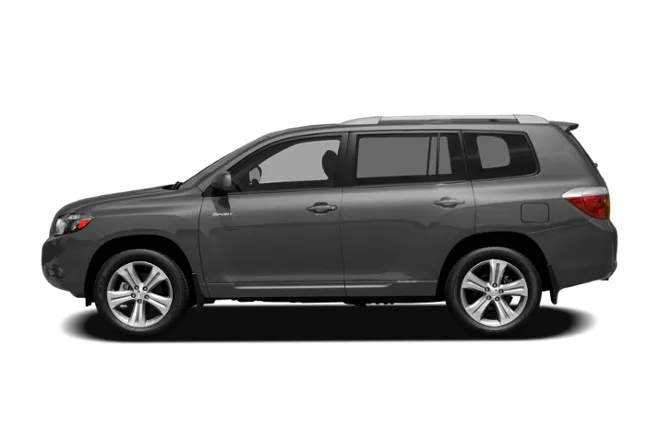
Why the 2009 Highlander Demands Closer Scrutiny
The 2009 model year launched the second generation Highlander. It introduced electric power steering across the lineup. It also marked the final year of the problematic 2AZ-FE head bolt design.
Toyota revised the bolts for 2010 production but never recalled the 2009 engines. That leaves a narrow VIN window with elevated risk.
Buyers often assume all Toyotas share the same reliability halo. The 2009 Highlander proves that assumption wrong. The four-cylinder engine accounts for a disproportionate share of catastrophic complaints.
The V6 models hold their value better for good reason. Your purchase decision should start with the engine code on the emissions label.
Rust belt vehicles face accelerated brake line and fuel line corrosion. Southern states see more dashboard cracking and power steering fluid degradation. Climate history matters as much as mileage.
A 120,000-mile Arizona V6 with records beats a 90,000-mile Ohio four-cylinder without them.
The Two Engines: 2AZ-FE vs 2GR-FE — What You're Actually Buying
The 2AZ-FE is a 2.4-liter inline-four with an aluminum block and steel liners. It produces 187 horsepower and 186 lb-ft of torque. The 2GR-FE is a 3.5-liter V6 rated at 270 horsepower and 248 lb-ft.
Both use timing chains. Both are non-interference designs.
| Specification | 2AZ-FE 2.4L I4 | 2GR-FE 3.5L V6 |
|---|---|---|
| Horsepower | 187 hp @ 6000 rpm | 270 hp @ 6200 rpm |
| Torque | 186 lb-ft @ 4000 rpm | 248 lb-ft @ 4700 rpm |
| Transmission | U250E 5-speed auto | U151E/F 5-speed auto |
| Towing (with pkg) | 1,500 lbs | 5,000 lbs |
| EPA Combined (AWD) | 22 mpg | 19 mpg |
| Timing Drive | Chain | Chain |
| Head Bolt Design | TTY (stretch) | Conventional |
The four-cylinder uses torque-to-yield head bolts. These stretch during initial torque and cannot be reused. The design proved vulnerable to thermal cycling.
The V6 uses conventional bolts with a multi-layer steel gasket. That difference defines the reliability gap.
Fuel economy favors the four-cylinder by roughly 3 mpg combined. Towing capacity favors the V6 by 3,500 pounds. Parts availability is excellent for both.
The V6 transmission sees higher torque loads but shares the same 5-speed architecture.
If you tow or carry seven passengers regularly the V6 is the only logical choice. If the vehicle stays in commuter duty the four-cylinder saves fuel, provided the head bolts hold. That is the gamble.
The Head Bolt Problem: Mechanics, Mileage Clusters, and VIN Breakdown
The 2AZ-FE head bolts stretch beyond yield under repeated heat cycles. Coolant seeps into the cylinders. The engine hydro-locks on startup.
Connecting rods bend. The block often cracks. Repair means a long block or a used engine.

Failure reports peak between 70,000 and 110,000 miles. Cold climates with short trips accelerate the cycle. Highway miles delay but do not prevent the failure.
The VIN range JTEES41A9 covers most affected four-cylinder models. Check the eighth character, "1" indicates the 2AZ-FE.
Toyota issued TSB EG023-09 acknowledging the issue. The bulletin specifies revised bolts and an updated torque sequence. It applies to vehicles built before August 2009.
No recall was issued. Warranty coverage expired years ago.
Warning signs include unexplained coolant loss with no external leaks. White smoke on cold start. Rough idle that clears after a few seconds.
Overheating under load. A compression test catches early intrusion. A leak-down test confirms the cylinder.
If you already own a 2AZ-FE Highlander monitor coolant weekly. Use a flashlight to check the weep hole on the water pump. Pressure test the cooling system annually.
Consider the revised bolt kit as preventive insurance if the head gasket is ever replaced.
Electric Power Steering: Fire Risk, Warning Signs, and Recall Status
The electric power steering rack mounts low behind the engine cradle. Road salt and moisture corrode the internal seals. Fluid leaks onto the hot exhaust.
Smoke appears. Fire risk follows. NHTSA opened investigation PE12021 covering 2009-2011 models.
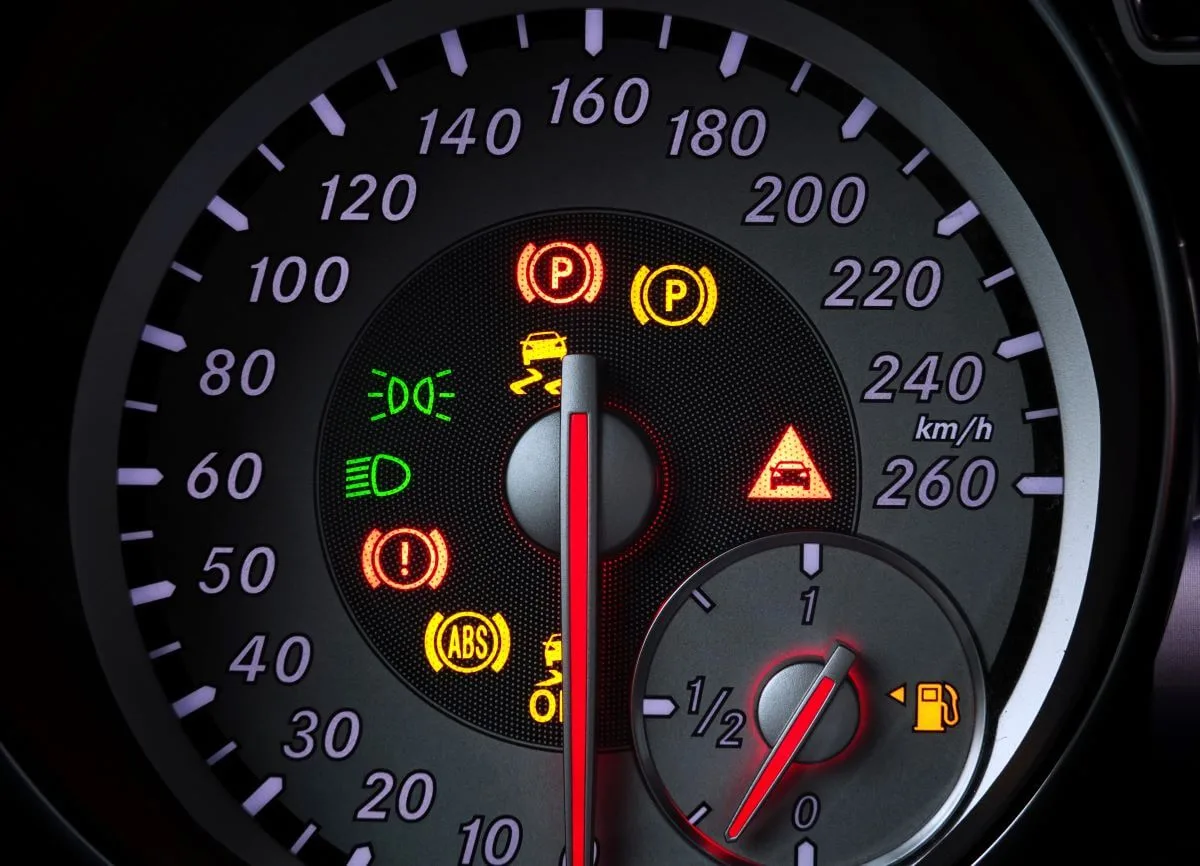
The EPS warning light resembles a steering wheel with an exclamation point. It illuminates when assist drops below threshold. Steering effort increases dramatically at low speeds.
Highway feel remains normal. Intermittent light often precedes total failure by weeks.
Recall 19V698000 covers certain VIN ranges for rack replacement. The remedy installs a redesigned rack with improved seals. Not all 2009 Highlanders fall in the recall population.
Check your VIN at NHTSA.gov. The repair is free at any Toyota dealer.
Independent shops charge $600 to $900 for rack replacement using remanufactured units. Dealers charge $1,200 to $1,800. The job requires alignment afterward.
Used racks from salvage yards carry the same defect risk. New aftermarket racks vary in quality.
Inspect the rack boots for wetness during every oil change. Smell for burning fluid after highway drives. Address the warning light immediately.
Loss of assist in a parking lot is annoying. Loss of assist at speed is dangerous.
Transmission Shudder, Valve Body Wear, and the Torque Converter Reality
The V6 U151E transmission develops torque converter clutch shudder. It feels like driving over rumble strips at 40 to 50 mph under light throttle. The lock-up clutch chatters as it engages.
Fluid breakdown accelerates the wear.
The four-cylinder U250E transmission shows similar symptoms but less frequently. Both units use a non-serviceable filter inside the pan. Fluid changes every 60,000 miles slow the degradation.
Toyota WS fluid is specified. No universal substitute matches the friction modifiers.
Valve body wear causes harsh 2-3 shifts or flare between gears. Solenoid performance codes (P0776, P0779) often accompany the symptom. A fluid flush with a machine exchange helps mild cases.
Severe wear requires valve body replacement or overhaul.
Transmission cooler lines rust in northern states. Leaks starve the pump. Low fluid burns clutches fast.
Inspect the lines where they route along the frame rail. Replace both lines at the first sign of weep.
Used transmissions from low-mileage donors cost $800 to $1,200. Remanufactured units with warranty run $2,500 to $3,500 installed. The 5-speed lacks the complexity of modern 8-speeds.
That keeps repair costs lower than newer competitors.
Safety Recalls That Never Expire: Takata, Fuel Pump, and EPS
Three major recalls affect the 2009 Highlander regardless of engine or trim. The Takata driver inflator recall 13V133000 covers the driver frontal airbag. The passenger inflator recall 14V352000 covers the passenger side.
Both use ammonium nitrate propellant that degrades in heat and humidity. Rupture can spray metal fragments.
Recall 20V017000 addresses the Denso low-pressure fuel pump. The impeller can deform and stop delivering fuel. The engine stalls without warning.
Restart may not be possible. This affects both engines. The remedy replaces the pump with an updated design.
Recall 19V698000 covers the electric power steering rack fire risk. We covered the symptom in the EPS section. The recall population is narrower than the complaint population.
Some VINs fall outside the remedy window but show the same leak pattern.
All recalls are free at any Toyota dealer. Parts supply has stabilized as of 2026. No expiration date exists.
Used car buyers should verify completion before purchase. The NHTSA VIN lookup tool shows open recalls instantly. Dealers can run the same report in seconds.
The "Normal Wear" Items That Hit Hard at 150K Miles
Water pumps on both engines weep at the tell-tale hole around 120,000 miles. The 2AZ-FE pump sits behind the timing cover. The 2GR-FE pump is external and easier to replace.
Both jobs require fresh coolant and a thermostat. Expect $450 to $750 at an independent shop.
Rear hatch liftgate struts fail silently. The hatch falls on heads or hands. OEM struts cost $80 to $150 for the pair.
Installation takes twenty minutes with a screwdriver. Aftermarket options vary in damping force. Buy name-brand or dealer parts.
EVAP canister vent valves stick closed. The check engine light triggers P0441 or P0455. The charcoal canister sits near the fuel tank.
Road salt corrodes the solenoid plunger. A smoke test confirms the leak. Replacement runs $250 to $400.
Brake master cylinders develop internal bypass. The pedal sinks slowly at a stoplight. No external fluid loss appears.
The rubber cups harden with age. Bench bleeding a new master cylinder takes patience. Total parts and labor $350 to $550.
Dashboard cracking plagues sun-exposed vehicles. The passenger airbag door splits along the seam. The crack can interfere with deployment.
No recall covers this. Dashboard replacement exceeds $2,000. A dash cover hides the flaw and protects the airbag path.
Pre-Purchase Inspection Checklist: What a Pro Checks in 30 Minutes
Start with a cold engine. Remove the oil cap. Look for milkshake residue on the underside.
Check the coolant overflow for oil film. Start the engine. Listen for rattle on the first three seconds.
Watch for white puff from the tailpipe.
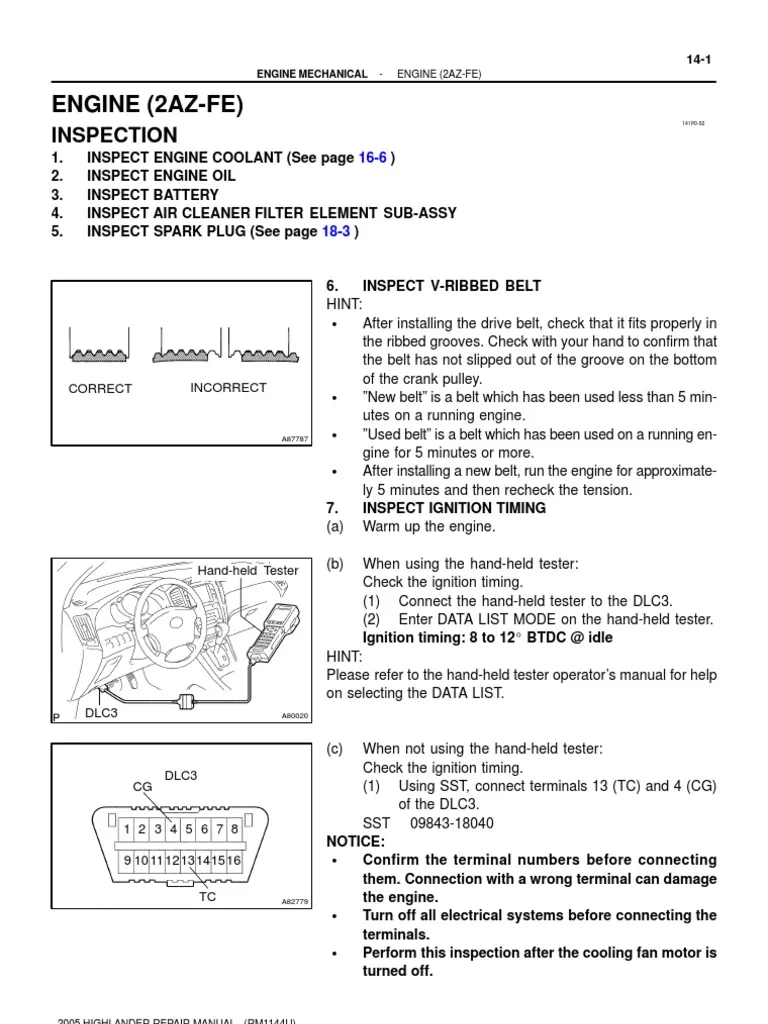
Connect a scan tool. Read pending codes. Check EVAP monitor readiness.
Check catalyst monitor readiness. Incomplete monitors hide active faults. Drive the vehicle fifteen minutes.
Recheck monitors. All should read complete.
Test the power steering. Turn lock to lock at idle. Listen for groan or whine.
Feel for notchiness. Check the rack boots for wetness. Smell the exhaust area after the drive.
Burning fluid smell confirms EPS leak.
Brake test. Pedal hold for thirty seconds at a stop. Pedal should not sink.
Test ABS engagement on loose gravel. Pedal pulse should feel clean. Check brake line condition along the frame.
Rust flakes mean replacement soon.
Transmission check. Cold shift into drive. Count seconds to engagement.
Should be under one second. Accelerate gently to 50 mph. Feel for shudder at light throttle.
Manual shift through gears. Harsh 2-3 shift flags valve body wear.
Suspension bounce test. Push each corner three times. One rebound maximum.
Check strut towers for rust. Inspect control arm bushings for tears. Grab each tire at three and nine.
Wiggle for tie rod play.
Repair Cost Reality: Dealer vs Independent vs DIY Numbers
Labor rates drive the spread. Dealers charge $150 to $200 per hour. Independents charge $90 to $130.
DIY costs zero labor but requires tools and time. Parts pricing varies less. OEM parts carry 20 to 30 percent markup at dealers.
| Repair | Dealer | Independent | DIY Parts |
|---|---|---|---|
| 2AZ-FE long block | $5,500–$6,500 | $4,500–$5,500 | $2,800–$3,500 |
| EPS rack replacement | $1,500–$1,800 | $800–$1,100 | $450–$700 |
| Torque converter | $2,200–$2,600 | $1,800–$2,200 | $600–$900 |
| Water pump + stat | $700–$900 | $450–$650 | $180–$280 |
| Hatch struts (pair) | $250–$350 | $150–$220 | $80–$130 |
| Master cylinder | $500–$650 | $350–$480 | $120–$180 |
| EVAP vent valve | $350–$450 | $250–$350 | $80–$130 |
Remanufactured engines carry three-year warranties at dealers. Independents often use Jasper or ATK units with similar coverage. Salvage engines risk unknown history.
Compression test before install is mandatory.
EPS racks from Cardone or A1 Cardone dominate the aftermarket. Quality varies by batch. Dealer racks are new Denso units.
The price gap reflects that difference. Alignment adds $100 to $150 regardless of source.
Transmission work benefits from a specialist. General shops often outsource rebuilds. A dedicated transmission shop warrants the unit.
Used units from Car-Part.com show yard ratings. Look for Grade A with under 80,000 miles.
When to Walk Away: Decision Framework for Buyers and Owners
If the 2AZ-FE shows any coolant loss without visible leaks walk away. The head bolt failure is progressive. No additive fixes stretched bolts.
The repair cost exceeds the vehicle value in most cases.
If the EPS warning light has been ignored for months walk away. Rack damage is done. Fire risk is real.
The recall may not cover that VIN. Steering assist loss at highway speed causes crashes.
If the transmission shudders violently under light throttle and fluid is dark walk away. Converter replacement plus valve body often totals $3,000. Used transmission lottery adds risk.
The V6 is worth saving only if the rest is clean.
If three or more recalls remain open walk away. The owner neglected maintenance. Hidden issues likely exist.
A clean Carfax with open recalls suggests dealer auction dump.
If the frame shows perforation rust walk away. Structural integrity is compromised. No inspection sticker will pass.
Repair costs exceed scrap value.
Buy the V6 with records. Verify all recalls complete. Budget $2,000 for immediate maintenance.
That gets water pump, fluid changes, brakes, and tires. Drive it to 250,000 miles. The 2GR-FE rewards care.
FAQs: VIN Decodes, TSB Coverage, and Emissions Readiness
How do I decode the 2009 Highlander VIN for engine type?
The eighth character identifies the engine. "1" means 2AZ-FE four-cylinder. "2" means 2GR-FE V6.
The tenth character "9" confirms 2009 model year. Use a free decoder at NHTSA.gov or Toyota's owner portal for full build data.
Does the head bolt TSB extend warranty coverage?
TSB EG023-09 is a repair procedure only. It does not extend warranty. The original powertrain warranty expired at 60,000 miles or five years.
Some dealers offered goodwill assistance on early failures but that window closed years ago. No factory coverage remains as of 2026.
Which recalls apply to my specific VIN?
Enter your 17-digit VIN at NHTSA.gov/recalls. The tool lists every open and completed recall. Three major campaigns cover 2009 Highlanders: Takata driver inflator (13V133000), Takata passenger inflator (14V352000), Denso fuel pump (20V017000).
EPS rack recall (19V698000) covers a subset.
Why does my EVAP monitor never reach ready status?
A sticking vent valve prevents the purge cycle from completing. The monitor requires specific drive cycles with a cold start and steady highway speed. Fix the valve first.
Then drive 50 to 75 miles mixed city and highway. The monitor will set if no other faults exist.
Can I use aftermarket head bolts on the 2AZ-FE?
ARP offers a stud kit (203-4201) that replaces the TTY bolts. It requires machining the block for stud installation. Cost exceeds $800 in parts alone.
Most shops prefer OEM revised bolts with the updated torque sequence. The ARP kit suits performance builds not daily drivers.
Is the rear view camera covered by any recall?
No recall covers the rear view camera on the 2009 Highlander. Common failures include a blank screen, guidelines that disappear, or a blue screen with "Check Surroundings." The camera unit mounts in the liftgate handle. Wiring harness fatigue at the hinge causes most issues.
For detailed troubleshooting steps, see our guide on Toyota rear view camera problems.