
The 2011 Toyota RAV4 problems most buyers worry about fall into two camps. Safety recalls that can cause injury or death. Expensive mechanical defects that turn a cheap SUV into a money pit.
Both are well documented by NHTSA and Toyota service bulletins. Knowing which issues affect your specific VIN separates a smart purchase from a regret.
The 2.5L four-cylinder burns oil by design in many units. The 3.5L V6 avoids that but brings its own failure modes. As of 2026 the average used example has 140,000 miles and at least one open recall.
The next sections break down every verified problem so you can inspect, negotiate, or walk away with confidence.
Quick Answer
The 2011 RAV4 has eleven safety recalls including Takata airbags and steering loss. The 2.5L engine often burns a quart of oil every 1,200 miles. The V6 torque converter fails around 120,000 miles.
Rear control arms rust through in salt states. Check every VIN before you buy.
Why Getting the 2011 RAV4 Story Right Keeps You Safe and Solvent
Forum chatter mixes real defects with owner neglect. NHTSA complaints exceed 1,200 for this model year. That number reflects genuine patterns not random bad luck.
Toyota issued Technical Service Bulletins for oil consumption and vacuum pump failure. Those TSBs confirm the factory knew about the defects.
A clean Carfax does not guarantee a clean car. Many recalls were completed but not recorded. Some owners ignore recall notices for years.
Private sellers rarely disclose pending campaigns. You must run the VIN through NHTSA.gov and Toyota.com yourself. Both sites are free and take thirty seconds.
The financial stakes are real. A torque converter rebuild costs $3,200 at an independent shop. Piston ring replacement on the 2.5L runs $2,800 including labor.
Takata repairs are free but parts delays happen. Rear control arm replacement hits $1,100 per side. One missed defect erases your savings on purchase price.
Insurance companies total these SUVs for minor accidents at this age. Resale value drops fast after 180,000 miles. A pre-purchase inspection by a Toyota specialist costs $150 and pays for itself.
The data in this guide comes from NHTSA records, Toyota TSBs, and IIHS loss data. We cite sources so you can verify every claim.
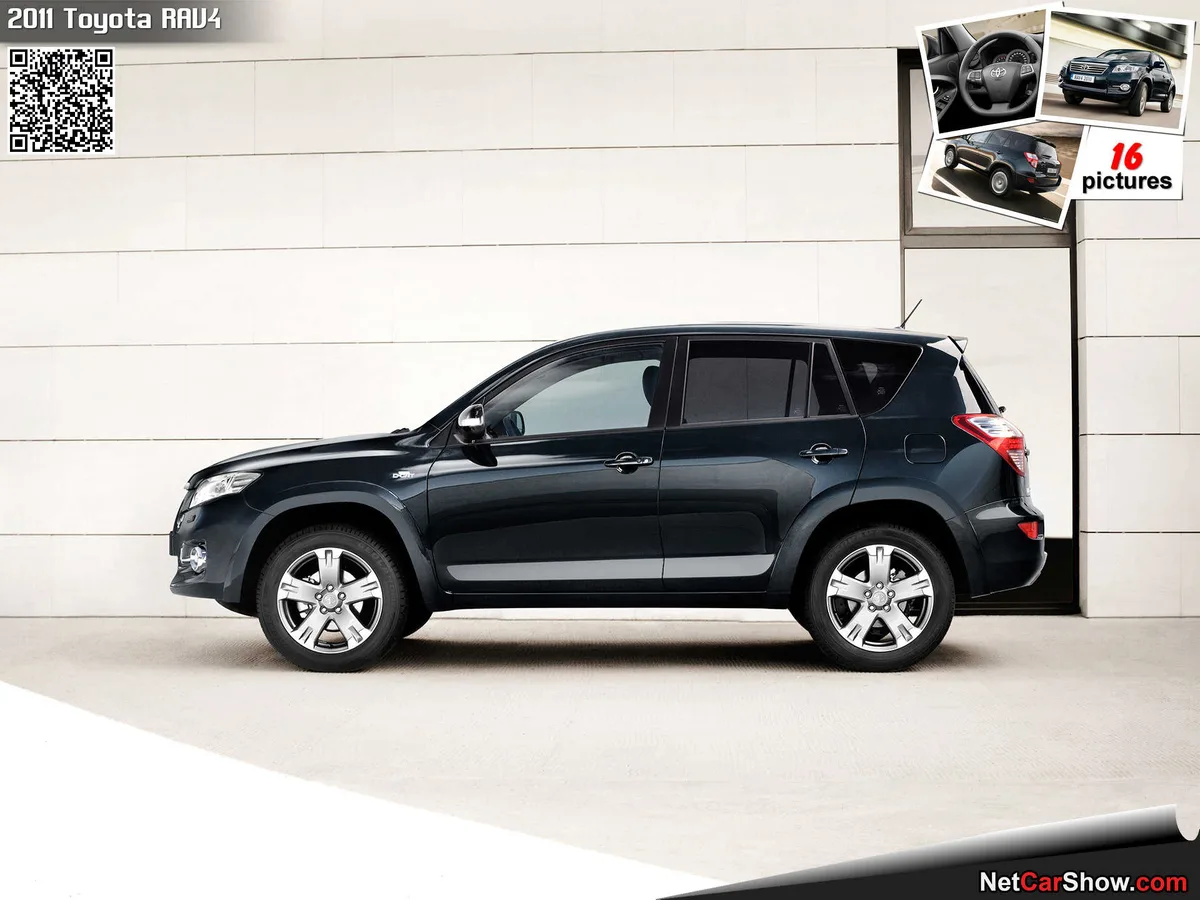
The Two Powertrains You're Actually Buying: 2AR-FE vs. 2GR-FE
The 2011 RAV4 came with two engines that share almost nothing. The 2.5L 2AR-FE four-cylinder makes 179 horsepower and 172 lb-ft of torque. The 3.5L 2GR-FE V6 makes 269 horsepower and 246 lb-ft.
Both use timing chains not belts. Both pair with conventional automatic transmissions not CVTs.
The 2.5L uses a 4-speed U250E automatic in front-drive and a 5-speed U151F in AWD. The V6 uses a 5-speed U250E across all trims. Neither transmission is sealed for life.
Toyota specifies WS fluid and a 60,000-mile severe-service interval. Most used examples never saw that service.
Fuel economy differs by six to eight MPG combined. The 2.5L FWD rates 24 MPG combined. The V6 AWD rates 21 MPG combined.
Real-world numbers drop two to three MPG in winter. The V6 requires premium fuel for rated output but runs on regular with reduced power. Towing capacity jumps from 1,500 to 3,500 pounds with the V6 tow package.
| Spec | 2.5L 2AR-FE 4-cyl | 3.5L 2GR-FE V6 |
|---|---|---|
| Horsepower | 179 @ 6,000 rpm | 269 @ 6,200 rpm |
| Torque | 172 @ 4,000 rpm | 246 @ 4,700 rpm |
| Transmission (FWD) | 4-speed auto | 5-speed auto |
| Transmission (AWD) | 5-speed auto | 5-speed auto |
| EPA Combined MPG | 24 (FWD) / 22 (AWD) | 21 (AWD only) |
| Towing (max) | 1,500 lbs | 3,500 lbs |
| Timing | Chain | Chain |
| Oil Capacity | 4.6 qts | 6.4 qts |
The 2.5L dominates the used market at seventy percent of listings. The V6 commands a $2,000 to $3,000 premium. That premium buys smoother power but adds vacuum pump and torque converter risk.
Choose based on your actual needs not badge appeal.
Safety Recalls That Can Kill: Takata Inflators, EPS Shaft, Fuel Pump, Control Arms
Eleven separate recalls cover the 2011 RAV4. The Takata airbag campaigns alone account for seven of them. Driver and passenger inflators can rupture in a crash spraying metal fragments.
NHTSA zones the 2011 RAV4 as Zone B for humidity exposure. Passenger inflator replacement carries higher urgency in Gulf Coast and Southeast states.
The electric power steering recall (12V-081) affects 2011 models built before August 2011. The intermediate extension shaft corrodes and separates. Steering assist vanishes without warning.
The fix replaces the shaft with a corrosion-resistant version. Dealers perform this free but parts backorders occur.
Fuel pump control module recall (20V-018) covers 1.8 million Toyota vehicles including every 2011 RAV4. The module can fail causing engine stall at speed. The remedy updates software and replaces the module if needed.
This repair takes ninety minutes and costs zero dollars.
Rear lower control arm corrosion (15V-536) targets twenty-two cold-weather states plus DC. Road salt rots the arm until it separates. The rear wheel tucks under the body.
Toyota extended coverage to fifteen years unlimited mileage in affected states. Outside those states you pay out of pocket.
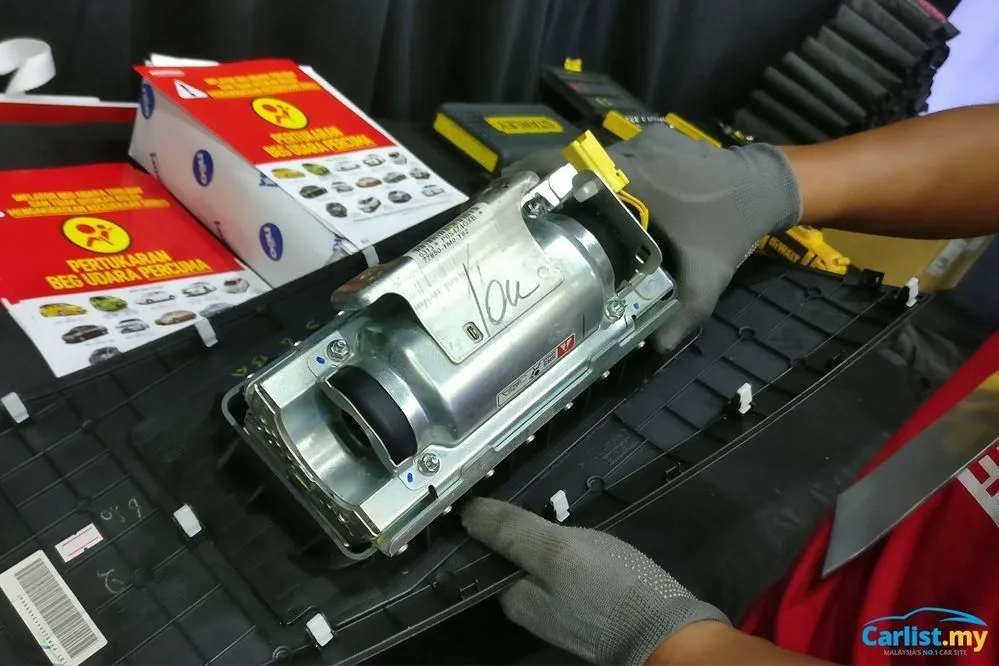
| Recall ID | Component | Hazard | Fix Status |
|---|---|---|---|
| 13V-133 / 14V-353 / 15V-344 / 16V-348 / 19V-318 / 20V-459 / 24V-115 | Takata driver/passenger inflators | Rupture, shrapnel | Free, parts priority by zone |
| 12V-081 | EPS intermediate shaft | Sudden steer assist loss | Free, shaft replacement |
| 20V-018 | Fuel pump control module | Engine stall | Free, software + module |
| 15V-536 | Rear lower control arms | Separation, loss of control | Free in 22 states + DC |
Run your VIN at NHTSA.gov/recalls right now. Do not trust the seller word. Do not trust a Carfax recall section.
The government database is the only authoritative source. Print the results and bring them to the inspection.
The 2.5L Oil Consumption Defect: Piston Rings, TSB EG014-14, and Real Repair Costs
The 2AR-FE piston rings lack sufficient tension to seal the cylinder wall. Oil slips past into the combustion chamber and burns. Toyota TSB EG009-14 defines excessive consumption as more than one quart per 1,200 miles.
TSB EG014-14 authorizes piston and ring replacement under warranty extension.
The warranty extension covers ten years or 150,000 miles from original sale. Most 2011 models have expired on time. Mileage coverage remains if the odometer reads under 150,000.
You must document consumption with dealer oil consumption tests. Two tests spaced 1,200 miles apart create the paper trail.
Dealers often resist the test. They claim consumption is normal. Insist on the TSB procedure.
The test drains oil, refills to exact spec, seals the drain plug, and returns at the mileage interval. Any result over one quart triggers the repair. The repair replaces pistons, rings, and often the short block.

Independent shops charge $2,800 to $3,500 for the same work. Used engines with 80,000 miles cost $1,800 plus labor. Junkyard engines are a gamble because the defect exists across the 2009 to 2011 production run.
The 2012 redesign revised the piston rings and largely solved the problem.
If you buy a 2.5L RAV4 with 120,000 miles and no consumption history assume it will start. Budget for the repair or negotiate the price down by $2,500. Check the dipstick every 1,000 miles religiously.
Running low on oil spins rod bearings and destroys the bottom end.
V6-Only Failures: Vacuum Pump Brake Loss, Torque Converter Shudder, Timing Chain Wear
The 2GR-FE V6 avoids oil consumption but introduces three distinct failure modes. The vacuum pump mounts on the rear cylinder head and supplies brake booster assist. Diaphragms tear around 90,000 miles.
The brake pedal goes hard. Stopping distance increases dramatically. TSB BR001-13 covers replacement.
Torque converter lock-up clutch material flakes off and contaminates the transmission. Shudder feels like driving over rumble strips at 45 MPH light throttle. The debris circulates through the valve body and kills solenoids.
A flush does not fix it. The converter and often the full transmission need replacement.
Timing chain stretch triggers check engine lights for cam correlation codes. The chain tensioner ratchet wears allowing slack. Repair requires front cover removal and chain kit replacement.
Labor runs twelve hours. Parts and labor total $1,800 to $2,400. This typically appears after 140,000 miles.
| V6 Failure | Typical Mileage | Symptom | Repair Cost |
|---|---|---|---|
| Vacuum pump | 90,000–110,000 | Hard brake pedal, hiss | $650–$900 |
| Torque converter | 100,000–130,000 | Shudder at lock-up | $3,200–$4,200 |
| Timing chain | 140,000+ | Rattle, CEL P0016/P0018 | $1,800–$2,400 |
The V6 uses a 5-speed automatic that runs hotter than the 4-speed. Install an auxiliary cooler if you tow. Change WS fluid every 30,000 miles not 60,000.
The cooler and fresh fluid double converter life. Many V6 owners skip both and pay the price.
Check for vacuum pump whine at idle with hood open. Feel brake pedal firmness after engine off three pumps. Test drive at 45 MPH light throttle for shudder.
Scan for pending cam correlation codes. These checks take ten minutes and reveal the big tickets.
Pre-Purchase Inspection: 7 Checks That Separate Keepers From Money Pits
Start with a cold engine. Pull the dipstick before the seller starts it. Oil should read full and look amber not black.
Milky residue means coolant mixing. Low level with no visible leaks suggests consumption.
Run the VIN through NHTSA.gov and Toyota.com while the engine warms. Note every open recall. Ask the seller for repair invoices.
Missing Takata or fuel pump work means you schedule it. Missing EPS shaft work means you test for it.
Drive at 45 MPH light throttle. Feel for rumble-strip shudder from the torque converter. Brake hard from 40 MPH.
Pedal should stay firm not sink. Pump the pedal three times with engine off then start. Pedal should drop slightly.
Hard pedal after start flags the V6 vacuum pump.
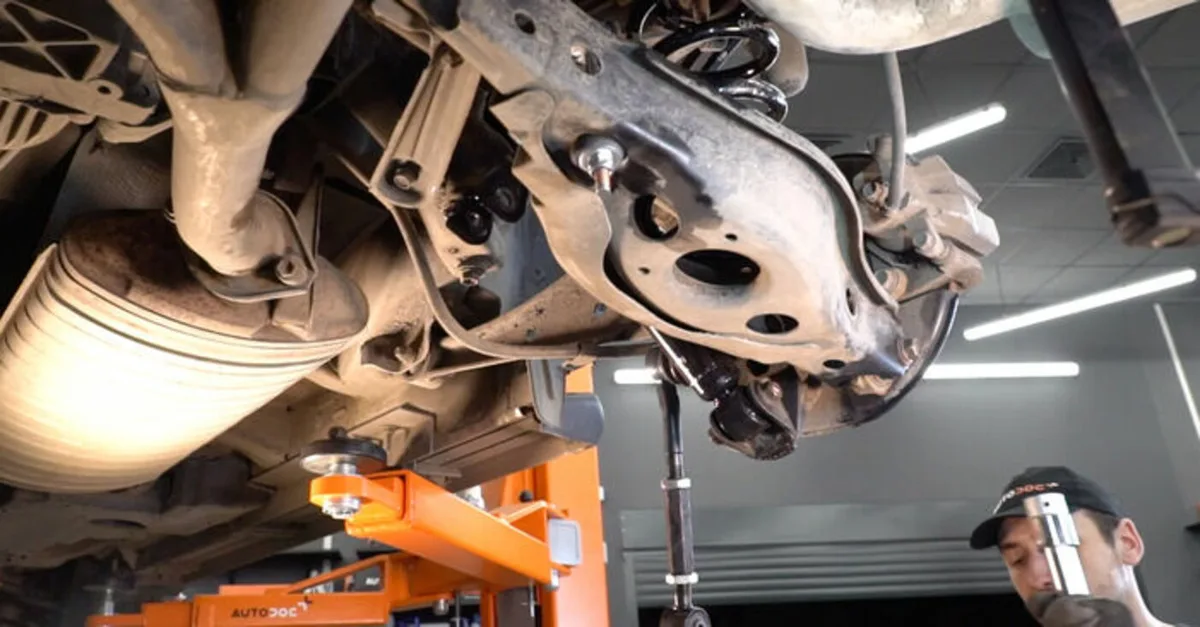
Lift the car or crawl under. Inspect rear lower control arms for flaking rust. Poke with a screwdriver.
Soft metal fails. Check brake lines for green crust. Check the EPS intermediate shaft near the steering rack for surface rust.
Rust there predicts recall 12V-081 recurrence.
Remove the cowl cover. Leaves and pine needles clog the drain. Water overflows onto the ECM and fuse box.
Corrosion there kills electronics. Clean it now or budget $1,200 for an ECM later. Check the windshield cowl seal for gaps.
Scan for pending codes with a $30 Bluetooth dongle. P0016 and P0018 mean V6 timing chain stretch. P0171 and P0174 lean codes often trace to vacuum leaks or MAF sensor.
U0100 lost communication codes point to water-damaged modules.
Verify all four tires match brand and tread depth. Mismatched tires on AWD models destroy the viscous coupling. Measure tread with a gauge.
Less than 4/32 inch means new tires soon. Factor $800 into your offer.
Ownership Reality: Fluid Specs, Severe Schedule, and 250K-Mile Longevity Data
Toyota specifies 0W-20 for the 2.5L and 5W-30 for the V6. Use SN Plus or SP rated oil. Change every 5,000 miles severe schedule.
That means short trips, cold starts, dusty roads, or towing. Most driving qualifies as severe.
Transmission fluid is Toyota WS only. Do not use universal fluid. Drain and fill every 30,000 miles on the V6.
Every 60,000 miles on the 2.5L. The 4-speed holds 3.7 quarts drain. The 5-speed holds 4.2 quarts.
A flush machine damages solenoids.
Coolant is Super Long Life pink. Replace at 100,000 miles then every 50,000. Brake fluid DOT 3 every three years.
Power steering fluid does not exist because EPS uses electric assist. Rear differential on AWD takes 75W-90 GL-5 every 30,000 miles if towing.
| Fluid | Type | Interval (Severe) | Capacity |
|---|---|---|---|
| Engine Oil 2.5L | 0W-20 SN+/SP | 5,000 mi | 4.6 qts |
| Engine Oil V6 | 5W-30 SN+/SP | 5,000 mi | 6.4 qts |
| Transmission WS | Toyota WS only | 30k V6 / 60k 2.5L | 3.7-4.2 qts drain |
| Coolant | Pink SLLC | 100k then 50k | 7.4 qts |
| Brake Fluid | DOT 3 | 3 years | 1 qt |
| Rear Diff (AWD) | 75W-90 GL-5 | 30k if towing | 0.8 qt |
Timing chains need no scheduled replacement. Water pump is timing-chain-driven on both engines. Replace at 150,000 miles as insurance.
Thermostat and radiator hoses at same interval. Original radiators often last 200,000 miles.
Spark plugs are iridium 120,000-mile rated. Replace at 100,000 for peace of mind. Use Denso FK20HBR11 for 2.5L.
Use Denso FK20HBR8 for V6. Coil packs fail randomly after 120,000 miles. Keep one spare in the glove box.
Aggregate owner data shows 2.5L engines reaching 250,000 miles with religious oil changes. V6 engines hit 220,000 before converter or chain work. Rust kills more 2011 RAV4s than mechanical failure.
Wash the undercarriage monthly in winter.
When to Walk Away vs. When to Negotiate: A Decision Framework for Buyers
Walk away if the VIN shows open Takata passenger inflator recall in Zone B states. Parts delays can leave the car undrivable for months. Walk away if rear control arms are perforated in a non-recall state.
Repair exceeds the car value.
Walk away if the 2.5L burns a quart in 800 miles during your test. That exceeds the TSB threshold and signals ring damage. Walk away if the V6 shudders at lock-up and the fluid smells burnt.
Converter debris has likely ruined the valve body.
Negotiate $2,500 off if the 2.5L has no consumption history but hits 120,000 miles. Budget the piston ring job. Negotiate $1,500 off if the V6 has 100,000 miles with no vacuum pump receipt.
Budget the pump and brake bleed.
Negotiate $800 off for cowl drain neglect with ECM corrosion signs. Clean it yourself in an hour. Negotiate $500 off for mismatched tires on AWD.
Replace all four immediately. Negotiate $300 off for missing severe-service fluid records. Do all fluids day one.
Buy confidently if all recalls are closed, consumption test passes, converter smooth, control arms solid, cowl clean, fluids documented. These examples exist. They command top dollar.
Pay it. The peace of mind is worth the premium.
FAQ: Quick Answers to the Most Common 2011 RAV4 Questions
Does the 2011 RAV4 have a timing belt or chain?
Both engines use timing chains. No scheduled replacement interval exists.
How many quarts of oil does the 2.5L take?
4.6 quarts with filter. Check the dipstick on level ground after five minutes.
Is the 2011 RAV4 AWD full-time or part-time?
Active Torque Control engages the rear only when slip is detected. It is not full-time.
What transmission fluid does the 2011 RAV4 use?
Toyota WS only. Never use Dexron, Mercon, or universal fluids.
How much does it cost to replace rear control arms?
$1,100 per side at a shop. Free in 22 salt-belt states under recall 15V-536.
Can I tow a trailer with the 2.5L four-cylinder?
Yes, 1,500 pounds maximum. Install a transmission cooler for any regular towing.