
If you own a 2008 Toyota Tundra and you're about to change the oil, you need to know one number before you even pop the hood. The 2008 Toyota Tundra oil capacity isn't the same across all trims, and pouring in the wrong amount can cause serious engine damage. Get it right, and your truck runs smoothly for another hundred thousand miles.
Get it wrong, and you're looking at foamed oil, blown seals, or worse.
Manufacturer specifications confirm that this generation came with three different engines, and each one takes a different amount of oil. As of 2026, these trucks are 18 years old, which means many have changed hands multiple times. You might not even know which engine is under your own hood.
Let's fix that right now.
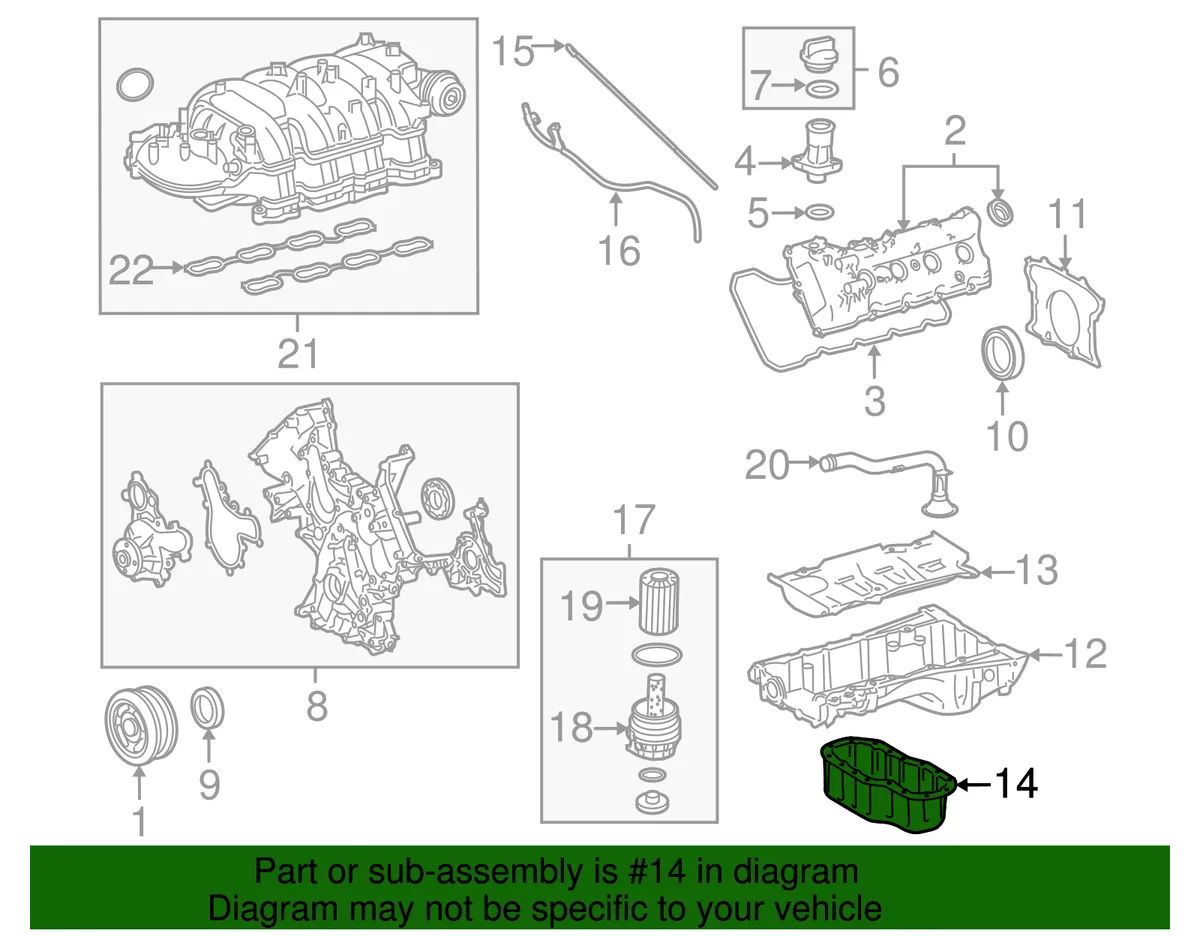
Image source: Web (Bing) / parts.frontiertoyota.com (Web image (fair-use with source credit))
Quick Answer
The 2008 Tundra takes between 5.5 and 7.6 quarts of 5W-20 oil depending on the engine. The 4.0L V6 needs 5.5 quarts. The 4.7L V8 needs 6.0 quarts.
The 5.7L V8 needs 7.6 quarts. Always check the dipstick after filling. Never pour without confirming your engine.
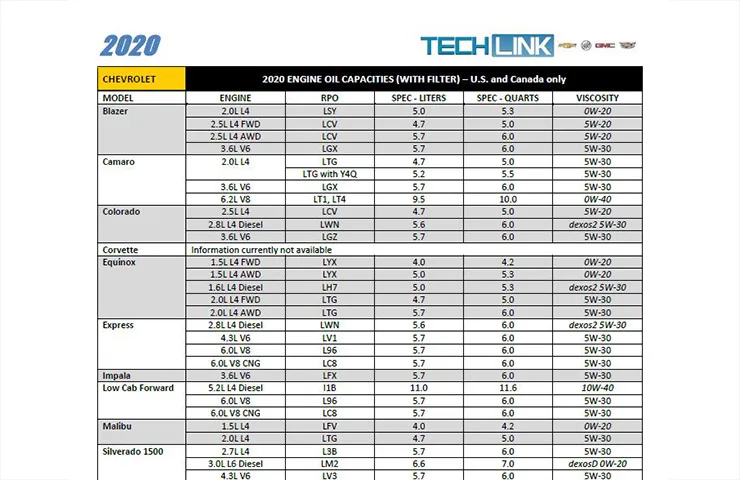
Image source: Bing (Web (fair-use with source credit))
Why Getting the Oil Capacity Wrong Can Cost You an Engine
This isn't a topic where being close enough works. Engines are designed around a specific oil volume for a reason. The oil pan, the pickup tube, and the windage tray all expect the correct level to maintain proper pressure and lubrication.
Too little oil starves the bearings and the camshaft. Metal parts touch metal parts. Heat spikes.
Within a few hundred miles of hard driving, you can spin a rod bearing or scuff a cylinder wall. That repair runs into the thousands.
Too much oil is just as dangerous. The crankshaft whips through the excess oil and aerates it. Aerated oil doesn't lubricate.
It also builds up pressure inside the crankcase, forcing oil past seals and gaskets. You get leaks you never had before, and the engine still isn't getting proper lubrication.
The stakes are high because this truck weighs over 5,000 pounds and often tows. If you're hauling a trailer on the highway and your oil level is wrong, you might not notice until the dash lights come on. By then, the damage is done.
The Three Engines Under the Hood – Spot Yours Before You Start
You need to identify your engine before you buy oil or touch a single bolt. The 2008 Tundra came with three options, and they look different under the hood. Here's how to tell them apart at a glance.
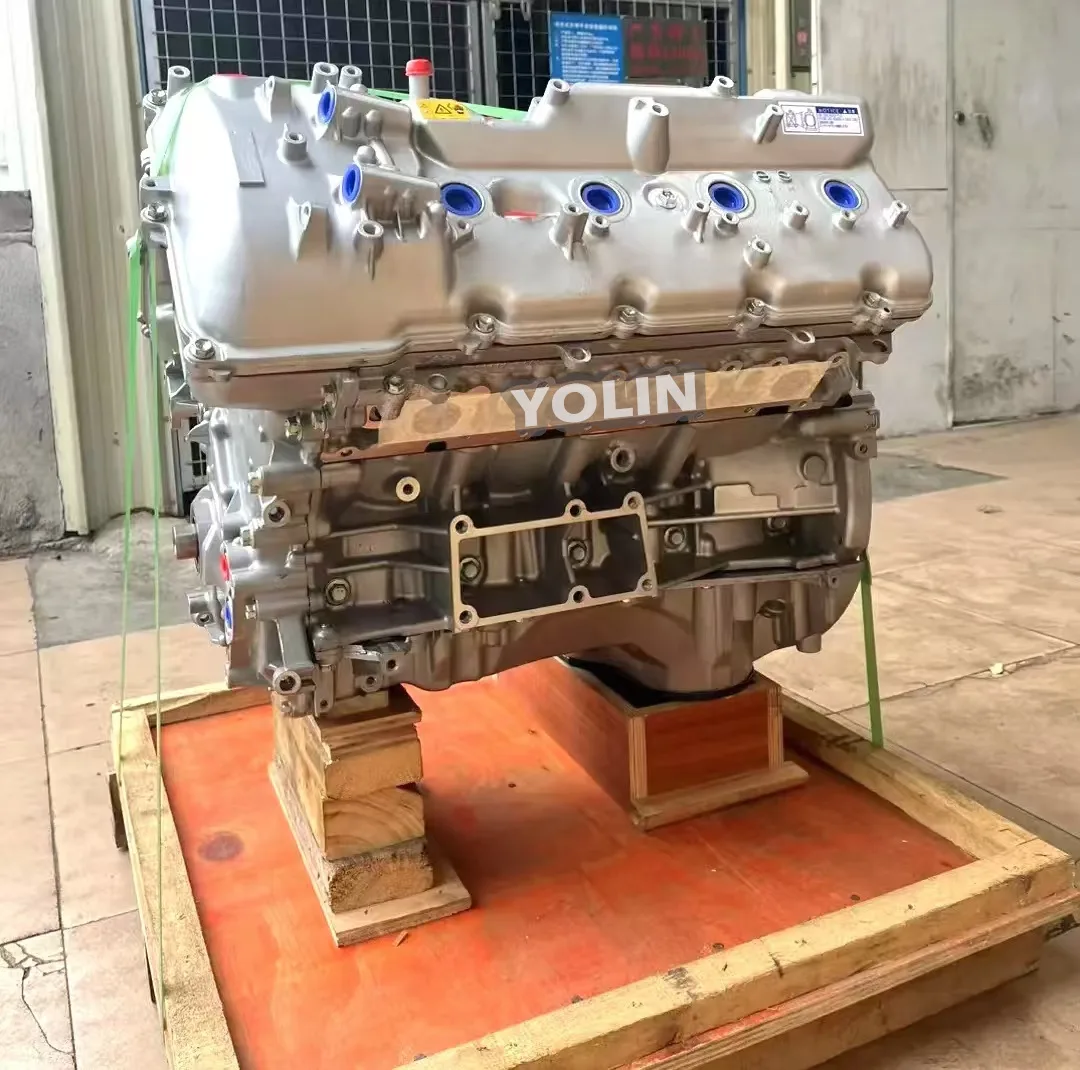
Image source: Web (Bing) / alibaba.com (Web image (fair-use with source credit))
4.0L V6 (1GR-FE) – Base and SR5 Trims
This is the smallest engine available. It was standard on base models and some SR5 trims. You'll spot it by the smaller plastic engine cover and the single exhaust downpipe.
The oil fill cap sits on the front of the valve cover, easy to reach. This engine takes 5.5 quarts of oil with a filter change.
If your truck has a V6 badge on the tailgate or a 4×4 decal on the rear fender, it's likely this one. The VIN code for this engine is a "1" in the eighth digit position. You can check your VIN against that digit if you're unsure.
4.7L V8 (2UZ-FE) – The Reliable Middle Ground
The 4.7L V8 was Toyota's workhorse engine. It appeared in many SR5 and Limited trims. It's physically larger than the V6, with two exhaust manifolds and a wider engine cover.
The oil capacity is 6.0 quarts with a filter.
A common point of confusion: this engine looks similar to the 5.7L at a quick glance. Look for the intake manifold shape. The 4.7L has a more narrow, upright intake.
The 5.7L is wider and flatter. The eighth VIN digit for this engine is a "B" or a "W" depending on the production year.
5.7L V8 (3UR-FE) – The Heavy Hauler
This is the big one. The 5.7L V8 came in Tundra models that were ordered for towing or maximum capability. It's the easiest to identify because the engine cover is massive and nearly fills the entire bay.
The oil fill cap is on the passenger side, toward the front. This engine takes 7.6 quarts of oil with a filter.
The 5.7L was standard on the 2008 Tundra Limited and Platinum trims, but it was also optional on SR5. Don't guess based on trim level alone. Pop the hood and look.
The eighth VIN digit for the 5.7L is "A" or "D".
Oil Type and Viscosity – 5W-20 Isn't a Suggestion
All three engines in the 2008 Tundra call for SAE 5W-20 motor oil. This is what Toyota specified for this model year, and it matters. The 5W-20 is thin enough to flow quickly during cold starts, which protects the timing chain and variable valve timing components.
It's also thick enough at operating temperature to maintain proper film strength on the bearings.
Using a heavier oil like 10W-30 or 10W-40 is a common mistake. Owners think older engines need thicker oil. That is not true for the 2008 Tundra.
The hydraulic tensioners and VVT actuators rely on the specific viscosity to work correctly. Switch to a heavier grade, and you risk timing chain noise or VVT rattle on cold starts.
The API rating should be at least SN or SN Plus. These ratings ensure the oil has the proper anti-wear additives and meets the latest standards for sludge protection. You'll see these ratings on the bottle's certification seal.
If the bottle only shows an older rating like SM or SL, skip it. The oil is outdated.
The exception: if you live in an extremely cold climate, you can use 0W-20 during winter months. It flows even better at subzero temperatures and still meets the 5W-20 protection levels once warm. Check your owner's manual for confirmation.
For normal seasonal conditions, stick with 5W-20 year-round.
Step-by-Step: How to Change Your Oil the Right Way
Now that you know which engine you have and what oil to buy, it's time to do the work. A correct oil change on a 2008 Tundra takes about 30 minutes and requires basic hand tools. Here is the exact process.
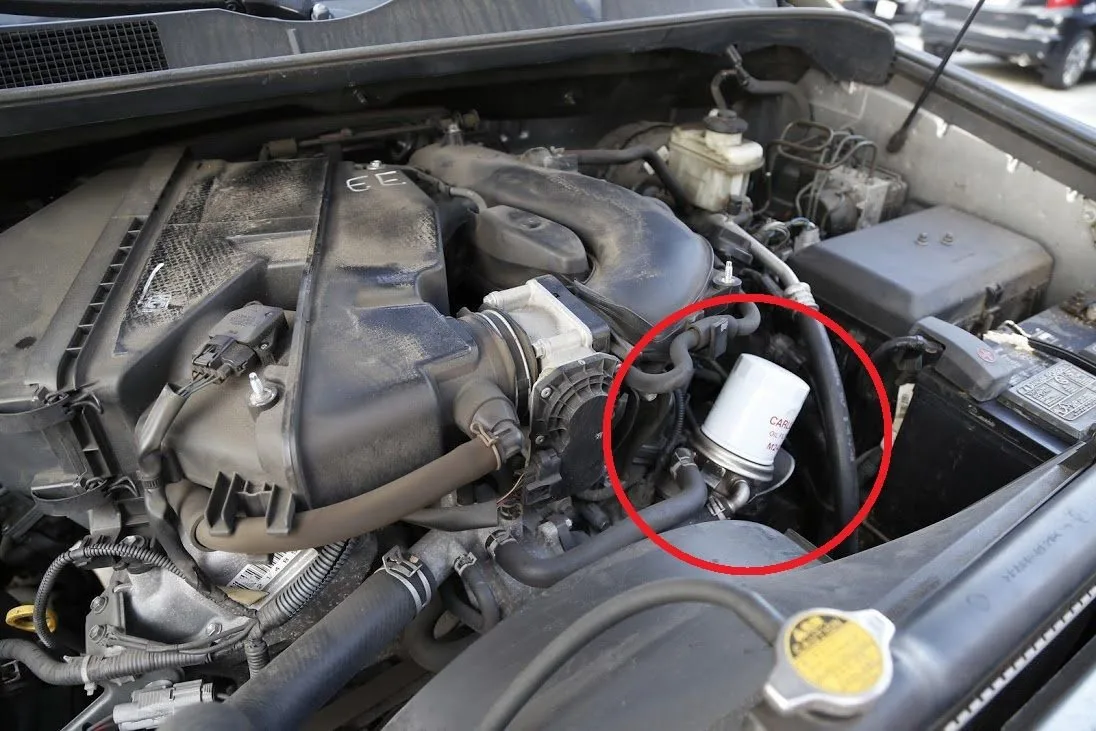
Image source: Web (Bing) / storage.googleapis.com (Web image (fair-use with source credit))
Prep and Tools You'll Need
Gather these before you start. Running to the store halfway through the job is frustrating and unnecessary.
| Item | Purpose |
|---|---|
| 5W-20 motor oil (correct quantity for your engine) | Fills the engine |
| OEM or high-quality oil filter | Filters contaminants |
| 15mm socket or wrench | Removes the oil drain plug |
| Oil filter wrench (if needed) | Loosens a tight filter |
| Drain pan (at least 8-quart capacity) | Catches old oil |
| New crush washer | Seals the drain plug |
| Funnel | Prevents spills when filling |
| Nitrile gloves | Keeps your hands clean |
| Shop rags | Cleanup and grip |
Make sure the truck is on level ground. If it's parked on a slope, the old oil won't drain fully and you'll misread the dipstick later. Warm the engine to operating temperature for about two minutes of idle, then shut it off.
Warm oil drains faster and carries more contaminants with it.
Drain the Old Oil Properly
Slide under the truck and locate the drain plug. It's on the bottom of the oil pan, facing the rear of the engine. Position your drain pan underneath it.
Use the 15mm socket to loosen the plug counterclockwise. Turn it by hand once it breaks loose.
Let the oil drain completely. This takes about three to five minutes for a warm engine. While it drains, inspect the old oil for metal shavings or a milky appearance.
A little bit of dark color is normal. Shiny metal particles or a creamy texture mean internal damage. If you see either, take the truck to a mechanic.
Replace the drain plug with a new crush washer. Torque it to 30 to 35 lb-ft. If you don't have a torque wrench, tighten it firmly with a 15mm ratchet.
Do not overtighten. Stripping the oil pan threads on an 18-year-old truck is a nightmare repair.
Replace the Filter Without Stripping Anything
The oil filter location depends on the engine layout. On the 5.7L V8, it's mounted on the front lower passenger side of the engine block. On the 4.7L and 4.0L, it's on the driver side near the exhaust manifold.
Reach up from underneath. Keep your catch pan under the filter area because more oil will spill out when you unscrew it.
Turn the filter counterclockwise by hand. If it's too tight, use an oil filter wrench. Once it comes loose, let the residual oil drain into the pan.
Before installing the new filter, do two things. First, smear a thin layer of fresh oil on the rubber gasket of the new filter. Second, fill the filter about halfway with fresh oil.
This prevents a dry start, where the engine runs for several seconds without oil pressure.
Screw the new filter on by hand until the gasket contacts the mounting surface. Tighten it another three-quarters of a turn by hand. Do not use a wrench for the final tightening.
Hand tight is enough.
Fill, Check, and Re-Check
Add the correct quantity of oil based on your engine. Pour slowly. Use a funnel to avoid spillage on the valve cover.
Start with the full spec from the table earlier. Then stop and check the dipstick.
Wait two minutes after pouring. Pull the dipstick out, wipe it clean, reinsert it fully, and pull it again. The oil level should be between the low and full marks.
Add a quarter quart at a time if it's low.
Start the engine and let it idle for 30 seconds. The oil pressure light should turn off immediately. If it stays on, shut the engine down and check for a serious leak.
After 30 seconds, shut off the engine. Wait two minutes, then recheck the dipstick. Top off if needed.
The final level should be at the full mark. Do not overfill. A quart too high is enough to cause the crankcase pressure problems described earlier.
The Most Common Mistakes DIY Owners Make
Even experienced DIY mechanics make errors on the 2008 Tundra. The truck has quirks that aren't obvious if you're used to smaller cars or different brands. Here are the three mistakes we see most often in owner forums and repair shops.
Overfilling Because of Bad Assumptions
The biggest mistake is assuming all V8s take the same amount of oil. A Ford or Chevy V8 might take 5 or 6 quarts. The 5.7L Tundra takes 7.6 quarts.
That difference catches people off guard.
Here's what happens. You buy a 5-quart jug and a 1-quart bottle. You pour the 5-quart jug in, then add the full 1-quart bottle.
That's 6 quarts. You check the dipstick and it reads low. So you add more.
By the time the dipstick reads full, you've dumped in almost 8 quarts without realizing it. Now you're overfilled.
The fix is simple. Measure before you pour. Know your engine's capacity from the table above.
Pour slowly and check the dipstick halfway through the fill. On the 5.7L, that means checking at around 4 quarts, then again at 6, then topping off to finish.
Skipping the Crush Washer
The drain plug on the 2008 Tundra uses a single-use aluminum crush washer. It compresses when you tighten the plug and creates a seal. If you reuse the old washer, it won't seal properly.
You'll get a slow drip. Over a week, that drip can cost you half a quart of oil.
A new crush washer costs about 50 cents at any auto parts store. Buy a pack of ten and keep them in your glove box. Replace it every single oil change.
Torque the plug to 30 to 35 lb-ft and the drip is gone forever.
Tightening the Filter with a Wrench
The oil filter should only be tightened by hand. The gasket is designed to seal with hand pressure. When you use a wrench, you compress the gasket too much.
The filter becomes impossible to remove on the next change. You'll end up puncturing the filter body with a screwdriver just to get leverage.
Hand tight plus a three-quarter turn after the gasket contacts is all you need. On the 5.7L V8, the filter is in a tight spot. You can barely get your hand on it.
That's fine. Use a filter wrench only to loosen the old one. Never to install the new one.
When to Change It – Normal vs. Severe Service Schedules
Toyota's recommended oil change interval for the 2008 Tundra is 5,000 miles for severe service and 7,500 miles for normal driving. Most trucks fall under severe service. Here's why.
Severe service includes any of these conditions.
- Short trips under 5 miles in normal temperatures
- Short trips under 10 miles in freezing temperatures
- Frequent stop-and-go traffic
- Towing a trailer or hauling heavy loads
- Driving on dusty or gravel roads
- Extended idling
- Using the truck for off-road driving
If you own a Tundra, you probably use it as a truck. That means you're likely in the severe service category. Change the oil every 5,000 miles or six months, whichever comes first.
The 5.7L V8 is especially hard on oil when towing. The engine runs hotter and the oil breaks down faster. If you tow a trailer more than a few times a year, consider changing the oil every 4,000 miles.
Synthetic oil helps extend this interval, but don't push it past 5,000 miles under heavy use.
Normal service is rare for this vehicle. It applies only if you drive mostly highway miles at steady speeds, in moderate temperatures, with no towing. If that describes your use, 7,500 miles is safe.
But check the dipstick monthly. Low oil level is more dangerous than old oil.
Conventional vs. Synthetic – Which Makes Sense for a 2008 Tundra?
This truck was built in 2008. It left the factory with conventional 5W-20 oil. But that doesn't mean you're stuck with conventional for the life of the truck.
Synthetic oil offers real benefits, especially for an engine with 150,000 miles or more.
| Factor | Conventional 5W-20 | Synthetic 5W-20 |
|---|---|---|
| Base cost per change | $25 to $35 | $45 to $65 |
| High-temp protection | Good | Excellent |
| Cold-start flow | Good | Superior |
| Sludge resistance | Moderate | High |
| Change interval (severe) | 5,000 miles | 5,000 to 7,500 miles |
| VVT system protection | Adequate | Better |
Synthetic oil handles heat better. The 5.7L V8 runs hot under load. Synthetic resists thermal breakdown and keeps its viscosity longer.
It also flows faster at cold startup, which reduces wear on the timing chain and VVT components.
If your Tundra has over 100,000 miles and you've been using conventional, you can switch to synthetic at any time. It won't cause leaks. That's an old myth.
Modern synthetic oils are compatible with the seals in this engine. Just pick a reputable brand that meets the API SN or SN Plus rating.
The one downside is cost. A full synthetic change on the 5.7L costs about $20 more than conventional. Over a year of driving, that's roughly $80 to $100 extra.
For many owners, the added protection is worth it. For a farm truck that sees light use, conventional is still fine.
Real-World Signs You Messed Up the Fill
You don't always know you made a mistake until the engine tells you. Here are the warning signs that your oil level is wrong on a 2008 Tundra.
Smoke from the exhaust. Blueish smoke on startup or acceleration means oil is getting into the combustion chamber. This happens when the crankcase pressure is too high from overfilling. The oil forces past the piston rings and burns.
Oil pressure light flickering. The oil pressure light comes on when pressure drops below about 5 psi. Underfilling causes low pressure at idle. Overfilling aerates the oil, which also drops pressure.
If the light flickers at idle but goes out when you rev the engine, check your oil level immediately.
Oil leaks you never had before. Too much oil builds pressure inside the crankcase. That pressure pushes oil past the rear main seal, the valve cover gaskets, and the oil pan gasket. If you suddenly see drips on your driveway after an oil change, you probably overfilled.
Rough idle or ticking noise. The VVT system relies on oil pressure to adjust valve timing. Wrong oil level or wrong viscosity starves the VVT actuators. You'll hear a ticking sound from the top of the engine, especially when cold.
Dipstick smells like fuel or looks milky. Fuel dilution happens when the oil never gets hot enough to burn off the fuel that seeps past the rings. This is common with short-trip driving. If the dipstick smells strongly of gasoline or looks like a milkshake, change the oil immediately and shorten your interval.
If you notice any of these signs, stop driving and check the dipstick. Correct the level. If the symptoms persist, take the truck to a mechanic.
Internal damage may have already started.
Still Unsure? When to Let a Pro Handle It
Not every oil change needs to be a DIY job. If you're not confident about which engine you have, or if the underside of your truck is rusted to the point where bolts won't budge, save yourself the headache.
Professional shops see 2008 Tundras regularly. They know the capacities. They have the tools to deal with seized drain plugs and tight filters.
A basic oil change for a Tundra runs about $70 to $100 at a shop. That's not much more than the cost of parts if you buy synthetic oil.
Consider a professional if any of these apply.
- The drain plug is rounded off or won't loosen
- You don't have a level place to park
- The truck has been sitting for months and the oil is thick sludge
- You're not sure if the previous owner used the correct oil type
- You stripped the oil pan threads before and don't want to risk it again
A shop can also perform a multi-point inspection while the truck is on the lift. They'll check for leaking seals, worn suspension components, and belt condition. That inspection alone is worth the labor cost on an 18-year-old vehicle.
Frequently Asked Questions
Can I use 0W-20 instead of 5W-20 in my 2008 Tundra?
Yes. 0W-20 is approved for use in the 2008 Tundra engines. It flows better in extreme cold and still meets the 5W-20 protection level once warm. Stick with 5W-20 for normal seasonal driving to keep the VVT system working correctly.
How do I know if my Tundra has the 5.7L engine?
Open the hood and look at the engine cover. The 5.7L has a massive plastic cover that reads "5.7L V8" on top. You can also check the eighth digit of your VIN.
If it's an "A" or "D," you have the 5.7L engine.
What happens if I put too much oil in my Tundra?
Overfilling causes the crankshaft to aerate the oil. This leads to low oil pressure, seal leaks, and potential bearing damage. If you've overfilled, drain the excess immediately.
Check the dipstick on level ground after the engine has been off for two minutes.
Is synthetic oil worth it for an older Tundra?
Yes. Synthetic oil resists thermal breakdown better than conventional oil. The 5.7L V8 runs hot under load.
Synthetic also flows faster at cold startup, which reduces timing chain and VVT wear. If your truck has over 100,000 miles, synthetic is a smart upgrade.
How often should I check the oil level on my 2008 Tundra?
Check the dipstick every other gas fill-up. The 5.7L V8 can consume oil between changes, especially if you tow regularly. A monthly check is the minimum.
Low oil level causes rapid wear long before the warning light comes on.
Can I switch from conventional to synthetic on a high-mileage Tundra?
Yes. Switching to synthetic on a high-mileage engine is safe and beneficial. The old myth about synthetic causing leaks in older engines is not true for modern formulations.
Use a synthetic 5W-20 with the API SN or SN Plus rating for best results.