
If you’ve ever popped the hood on a 2008 Toyota Camry and wondered exactly how much oil to pour in, you’re not alone. It’s one of those simple questions that can trip you up if you grab the wrong number. The 2008 toyota camry oil capacity depends entirely on which engine is under the hood, and getting it wrong can mean the difference between a smooth-running engine and a costly repair.
Manufacturer specifications confirm the 2.4L four-cylinder takes 4.5 quarts with a filter change, while the 3.5L V6 needs 5.8 quarts. Both engines call for 5W-30 viscosity oil as the primary recommendation. Let’s walk through exactly what you need to know before you pull out the drain pan.
Quick Answer
The 2008 Toyota Camry holds 4.5 quarts of oil for the 2.4L four-cylinder engine and 5.8 quarts for the 3.5L V6 engine. Use 5W-30 viscosity oil with an API SL or higher rating. Always check the dipstick after filling to confirm the level is correct.
Why Getting This Right Actually Matters
Oil is the lifeblood of your engine. That sounds dramatic, but it’s true. Every moving part inside the block relies on a thin film of oil to prevent metal-on-metal contact.
Too little oil and those parts wear fast. Too much oil and the crankshaft whips it into a foam that can’t lubricate properly.
The 2008 Camry is a well-built car, but it’s not immune to common oil-related problems. The 2.4L four-cylinder, known as the 2AZ-FE, has a reputation for burning oil at higher mileages. That means keeping the level right becomes even more critical as the odometer climbs past 100,000 miles.
This isn’t a “close enough” kind of job. A quart over or under can cause real trouble. The 3.5L V6 (2GR-FE) is more forgiving on consumption, but it still demands the exact fill for proper oil pressure.
Getting the capacity right is the first step to keeping either engine running reliably past 200,000 miles.
The Quick Answer: How Much Oil Your 2008 Camry Needs
Here’s the short version you can take to the auto parts store.
2.4L 4-Cylinder Specs
- Oil capacity with filter: 4.5 US quarts (4.3 liters)
- Oil capacity without filter: approximately 4.2 quarts
- Dry engine capacity (after rebuild): 5.1 quarts
- Recommended viscosity: 5W-30
- Oil type: conventional or synthetic, API SL or higher
3.5L V6 Specs
- Oil capacity with filter: 5.8 US quarts (5.5 liters)
- Oil capacity without filter: approximately 5.5 quarts
- Dry engine capacity (after rebuild): 6.4 quarts
- Recommended viscosity: 5W-30
- Oil type: conventional or synthetic, API SL or higher
Notice the “dry engine” numbers. Those are only relevant if the engine was fully disassembled and rebuilt. For a standard drain-and-fill oil change, always use the “with filter” number.
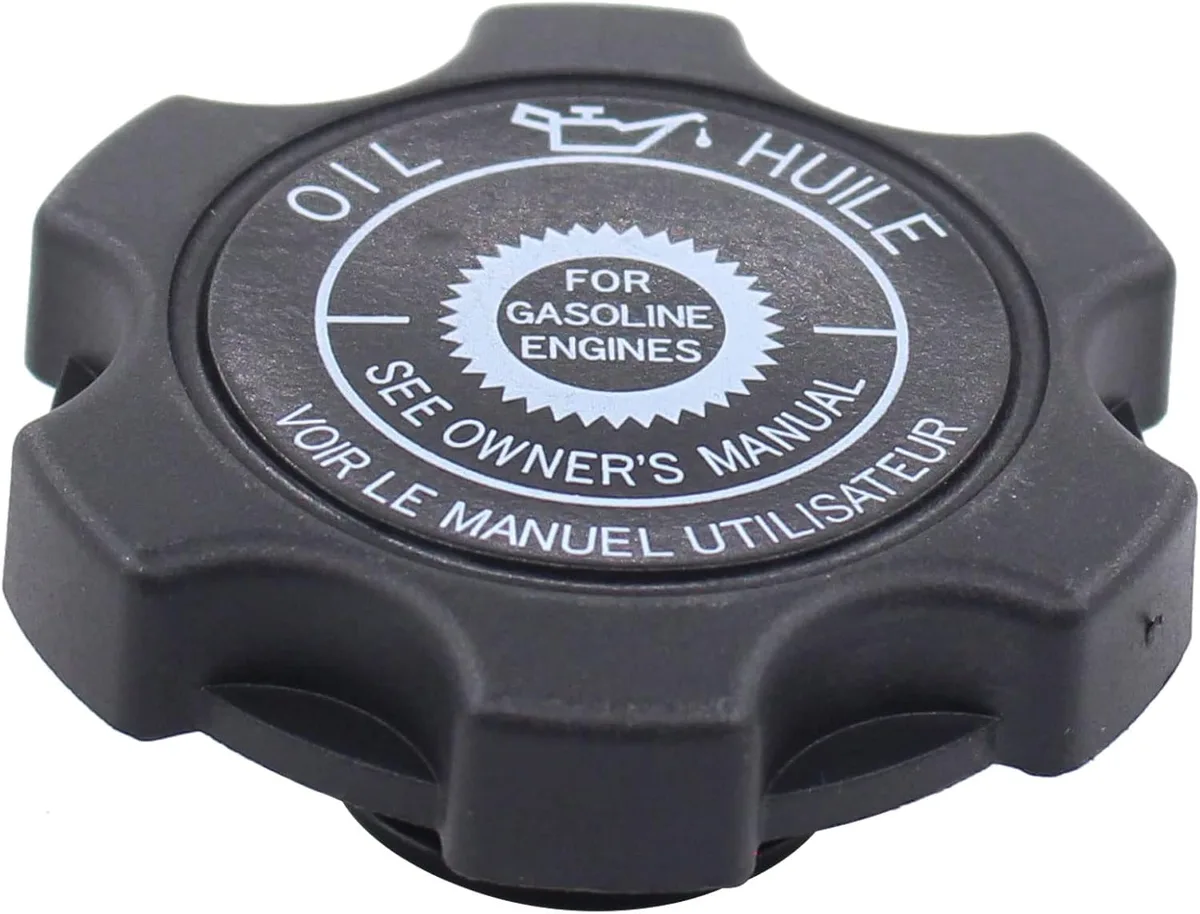
Image source: Bing (Web (fair-use with source credit))
What Type of Oil to Put In
Choosing the right oil isn’t just about viscosity. It’s about matching the oil’s performance specs to what the engine was designed for.
Viscosity: 5W-30 vs 0W-20
Toyota called for 5W-30 in the 2008 Camry. That’s the factory fill and the recommendation in the owner’s manual. Some later Camry models switched to 0W-20 for fuel economy, but your 2008 wasn’t designed for it.
Using 0W-20 won’t immediately destroy the engine, but it’s thinner than what the bearing clearances expect. In warm weather, that thinner film can lead to increased wear over time. Stick with 5W-30 unless you live in an extremely cold climate.
If winter temps regularly drop below -20°F, you can drop to 0W-30 for cold starts
. Switch back to 5W-30 for the warmer months.
Conventional vs Synthetic: Does It Matter?
Here’s the honest answer: conventional oil works fine in the 2008 Camry. The engine was designed and tested on conventional 5W-30. But synthetic offers real advantages.
- Better cold-start flow, synthetic pumps faster at low temperatures, reducing startup wear.
- Longer drain intervals, many synthetics are rated for 7,500 to 10,000 miles.
- Higher heat tolerance, synthetic resists breakdown better in hot driving conditions.
The trade-off is cost. A conventional oil change runs about $20 to $30 for DIY. Synthetic runs $35 to $55.
If you change oil every 5,000 miles with conventional, the engine will live a long life. Synthetic just gives you extra margin.
Most owners we’ve researched settle on a synthetic blend. It’s cheaper than full synthetic but still offers better protection than straight conventional. Castrol GTX High Mileage in 5W-30 is a popular choice for Camrys over 75,000 miles.
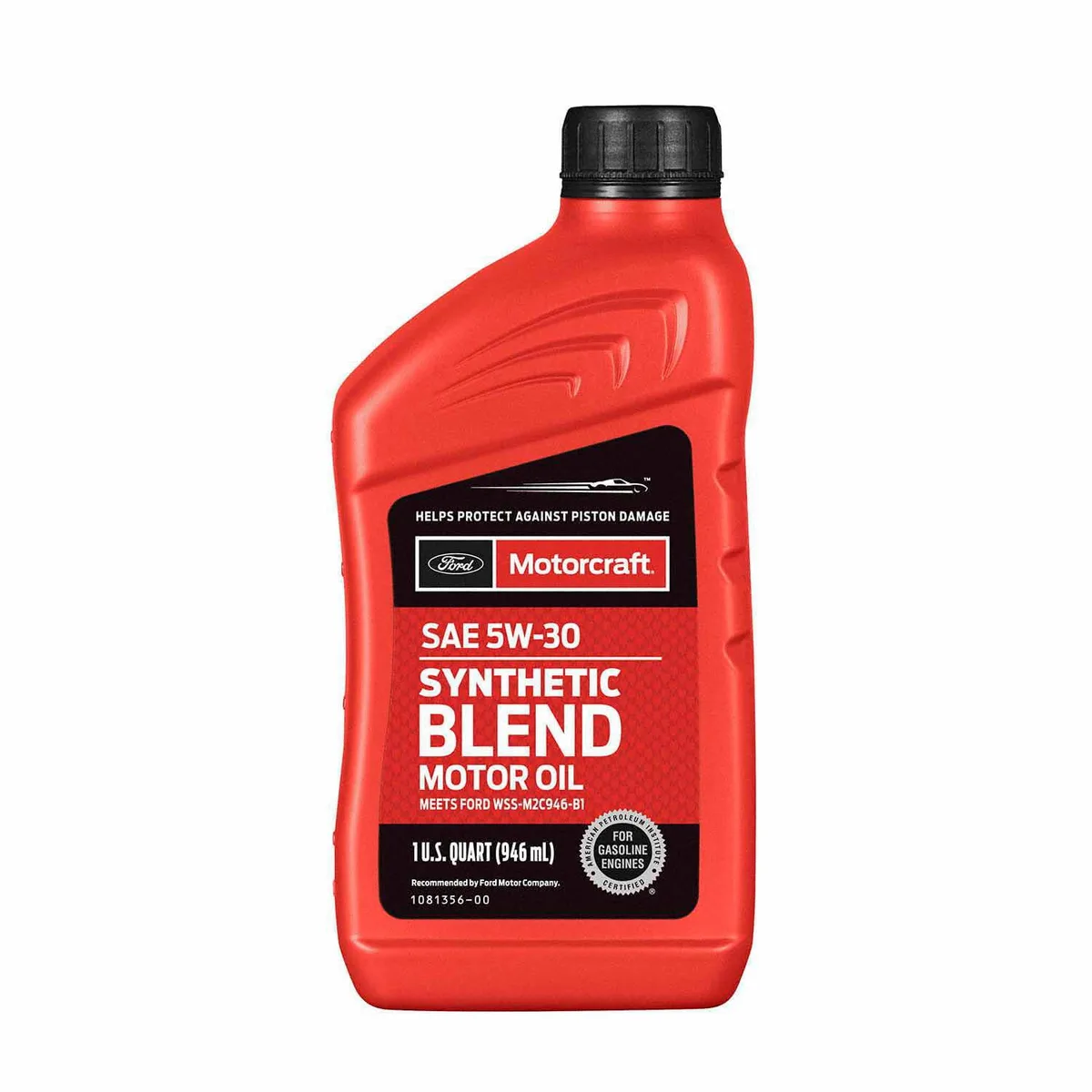
Image source: Bing (Web (fair-use with source credit))
Step-by-Step: How to Do the Oil Change Safely
You can do this job in about 30 minutes with basic tools. Here’s the exact process that keeps the engine safe.
What You’ll Need
- 5 quarts of 5W-30 oil (buy 6 for the V6 to be safe)
- Genuine Toyota oil filter or equivalent (part 04152-YZZA1)
- 17mm socket or wrench for the drain plug
- Oil filter wrench (cup-style or strap)
- Drain pan (at least 6-quart capacity)
- Funnel
- Crush washer for the drain plug (optional but recommended)
- Jack and jack stands or ramps
The Process
1. Warm up the engine. Run it for 2 to 3 minutes. Warm oil drains faster and carries more suspended contaminants.
Don’t run it hot, warm enough that the oil feels warm to the touch on the dipstick is perfect.
2. Get the car level and secure. Ramps are the easiest option. If using a jack, always support the car with jack stands.
Never work under a car supported only by a floor jack.
3. Remove the oil fill cap. Pull the cap off the valve cover. This lets air in so the oil drains freely.
Skip this step and you’ll get a slow, glugging drain.
4. Drain the old oil. Place the drain pan under the oil pan. Use the 17mm socket to loosen the drain plug.
Turn it by hand once loose. Watch for hot oil, it’ll be warm but shouldn’t burn. Let it drain completely, about 3 to 5 minutes.
5. Replace the crush washer and drain plug. The crush washer is a one-use item. If yours is flattened or damaged, replace it.
Torque the plug to 29 ft-lbs. If you don’t have a torque wrench, snug it firmly plus an eighth turn with a standard wrench. Do not overtighten, stripped oil pan threads are a nightmare.
6. Remove the old oil filter. On the 2.4L, the filter is on the front of the engine, accessible from above. On the 3.5L V6, it’s on the front lower area.
Use an oil filter wrench if it’s too tight to turn by hand. Expect some oil to spill, wrap a rag around it.
7. Pre-fill the new oil filter. Pour fresh oil into the new filter until it’s about half full. This prevents the engine from running dry for the first few seconds after startup.
Lubricate the rubber gasket on the filter with a thin coat of fresh oil.
8. Install the new filter. Screw it on by hand until the gasket contacts the mounting surface. Tighten another three-quarters turn by hand.
No wrench needed for the final tighten.
9. Add the new oil. Using a funnel, pour in 4 quarts for the 2.4L or 5 quarts for the V6. Check the dipstick.
Add more slowly, checking as you go, until the level reaches the upper hole or the “F” mark.
10. Check for leaks. Start the engine and let it run for 30 seconds. Look underneath for drips at the drain plug and oil filter.
Shut the engine off.
11. Recheck the level. Wait 2 minutes for the oil to settle. Pull the dipstick, wipe it, insert it fully, and read the level.
Add oil if needed to reach the full mark.
12. Reset the maintenance reminder. On the 2008 Camry, turn the ignition to ON (don’t start the engine). Press the odometer/trip button until “ODO” is displayed.
Turn the ignition OFF. Hold the trip button while turning the ignition back to ON. Continue holding for about 5 seconds until the maintenance light flashes and turns off.
The One Tool That Saves You a Headache (Oil Filter Wrench)
The oil filter on the 2.4L engine is mounted up front and is usually easy to reach by hand. But if the previous owner or a shop overtightened it, you’ll need a tool.
The 3.5L V6 filter location is tighter. You’ll thank yourself for having a proper filter wrench on hand before you start.
- For the 2.4L: a 64mm, 14-flute cup-style wrench fits the OEM filter perfectly.
- For the 3.5L: a strap-style or claw-style wrench works well in the tighter space.
- For both: the metal cap-style wrench is better than the adjustable claw type. It won’t slip and crush the filter.
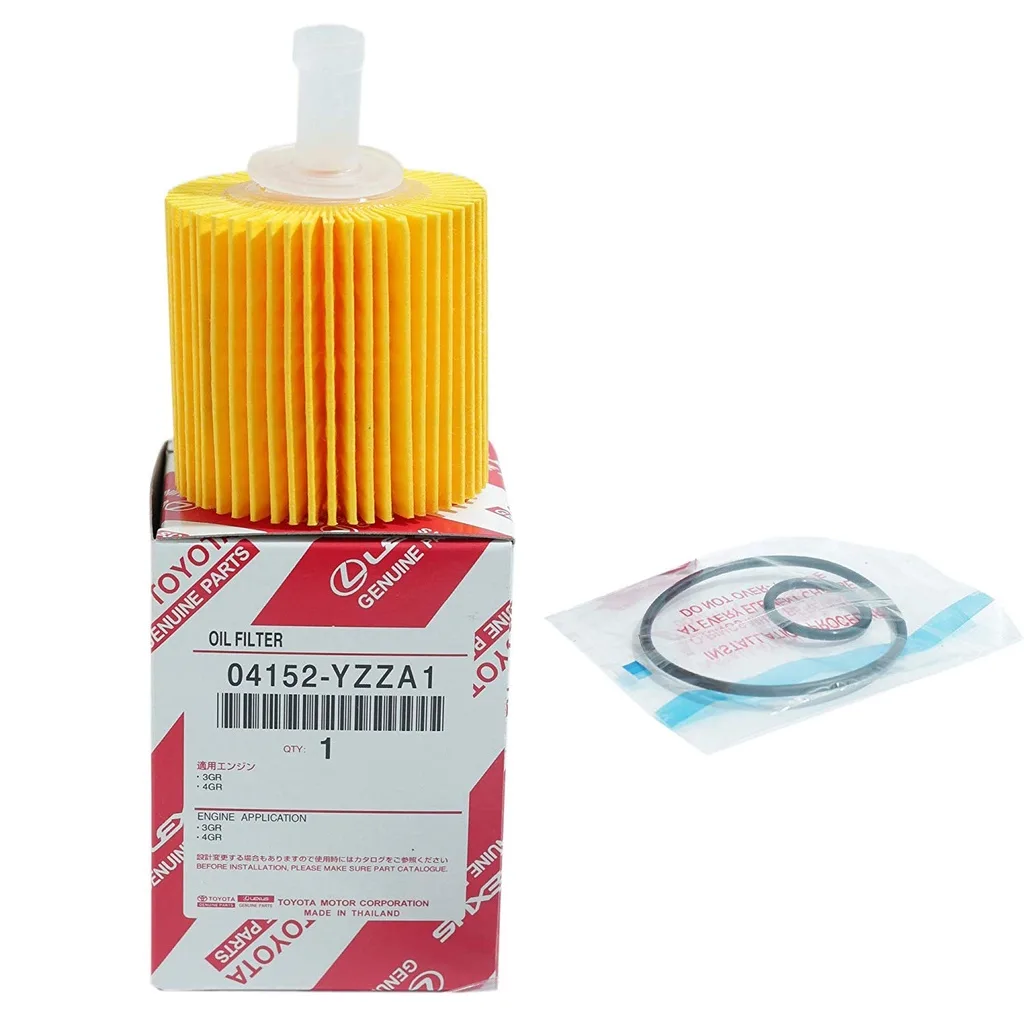
Image source: Bing (Web) / shopee.com.my (Web image (fair-use with source credit))
Common Mistakes That Kill Engines
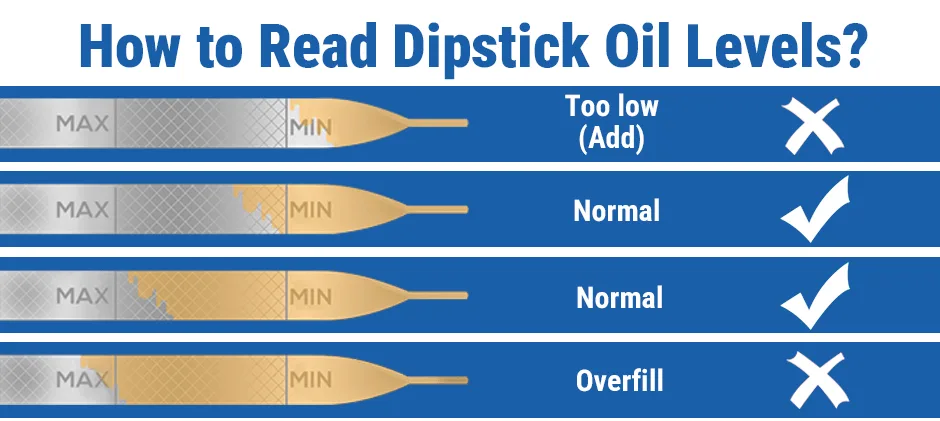
Image source: Bing (Web (fair-use with source credit))
We’ve seen these mistakes in countless owner forums and repair shops. They’re easy to avoid once you know what to watch for.
Overfilling
Adding too much oil causes the crankshaft to whip air into it. That aerated oil can’t lubricate properly. The engine runs hotter, and bearing surfaces wear faster.
Overfilling by a full quart can also force oil past seals, causing leaks where there weren’t any before.
The fix is simple. Fill to the spec, then check the dipstick. If you overfill, drain some out.
Don’t “let it burn off”, that’s a myth that damages the engine.
Underfilling
Running low on oil starves the engine of lubrication. The first sign is usually a ticking noise from the top end. Left unchecked, it leads to bearing knock and eventual engine failure.
The 2.4L engine burns oil at higher mileages. Check the level every 1,000 miles if your Camry has over 100,000 miles. Keep a quart in the trunk.
Wrong Filter
Oil filters aren’t one-size-fits-all. The wrong filter can have a different bypass pressure or thread size. A filter that doesn’t seal properly will leak oil slowly while driving.
You won’t notice until the dipstick reads low.
Stick with the genuine Toyota filter (04152-YZZA1) or a direct equivalent from a reputable brand. Avoid the cheapest no-name filters.
Stripping the Drain Plug
This is the most expensive simple mistake. Over tightening the drain plug strips the threads in the oil pan. Fixing it requires a thread repair kit or a new oil pan.
Use a torque wrench set to 29 ft-lbs. If you don’t have one, tighten the plug firmly with a standard wrench, then stop. The crush washer is what seals it, not brute force.
The 2.4L Oil Consumption Thing — What to Know
If you own the 2.4L four-cylinder, you’ve probably heard about oil consumption. It’s real. Toyota even issued a technical service bulletin for 2007 and 2008 models regarding excessive oil consumption.
The root cause is often the piston rings not sealing properly over time. This isn’t unusual for an engine that’s 18 years old, but it’s more common on this specific engine than most.
What to Do About It
- Check the oil every 500 to 1,000 miles. Make it a habit. The dipstick is your early warning system.
- Use a high-mileage oil. These contain seal conditioners that can reduce minor consumption.
- Switch to 5W-30 synthetic. It resists burning off at high temperatures better than conventional.
- Replace the PCV valve. A stuck PCV valve can increase oil consumption. It’s a $10 part and takes 5 minutes to replace.
If your Camry burns more than one quart every 1,000 miles, it’s worth having a mechanic look at it. You may need new piston rings or valve stem seals. That’s a big job, but it’s cheaper than replacing the whole engine.
When to Call a Shop Instead of DIY
Most 2008 Camry owners can handle an oil change in their driveway. But there are a few situations where a shop makes more sense.
- You don’t have level ground. Changing oil on an incline gives you a false dipstick reading.
- The drain plug is seized. If it won’t budge with reasonable force, stop. A shop has better tools and can extract a broken bolt.
- You see metal flakes in the old oil. That’s a sign of internal engine wear. A mechanic should diagnose it.
- You’re short on time and just need it done right. A quick-lube shop is fine for a basic oil change. Stick to a reputable chain or independent shop.
What Genuine Toyota Parts Cost vs Aftermarket
Here’s a rough breakdown of what you’ll spend for a DIY oil change on a 2008 Camry.
| Item | Genuine Toyota | Aftermarket (quality brand) |
|---|---|---|
| Oil filter (04152-YZZA1) | $6 – $10 | $4 – $8 (Purolator, Mobil 1, Fram) |
| 5 quarts 5W-30 conventional | — | $15 – $22 |
| 5 quarts 5W-30 synthetic | — | $28 – $45 |
| Drain plug crush washer | $1 – $2 | $1 – $2 (universal) |
| Total DIY cost (conventional) | $22 – $34 | $20 – $32 |
| Total DIY cost (synthetic) | $35 – $57 | $33 – $55 |
Quick-lube shops typically charge $40 to $70 for a conventional oil change on a 2008 Camry. You save about $15 to $30 doing it yourself. More importantly, you know exactly what oil and filter went in your engine.
Quick Reference Card
Keep this info in your phone or glove box.
- 2.4L 4-cylinder: 4.5 quarts with filter, 5W-30
- 3.5L V6: 5.8 quarts with filter, 5W-30
- Drain plug torque: 29 ft-lbs
- Oil filter torque: hand-tight plus 3/4 turn
- Recommended filter: Toyota 04152-YZZA1 or equivalent
- Oil change interval: 5,000 miles conventional, 7,500 miles synthetic
Frequently Asked Questions
Can I use synthetic oil in my 2008 Camry after using conventional?
Yes. Switching between conventional and synthetic is perfectly safe. The two oil types are compatible and won’t harm seals or gaskets.
Synthetic offers better protection and longer intervals.
What happens if I put 5W-20 instead of 5W-30 in my Camry?
The engine will run, but 5W-20 is thinner than specified. In warm weather, it may not provide enough film strength for proper bearing protection. Stick with 5W-30 for the best performance and longevity.
Does the 2008 Camry have an oil life monitor?
No, the 2008 Camry uses a simple maintenance reminder light, not a full oil life monitor. The light comes on every 5,000 miles as a timing-based reminder. Reset it after each oil change.
How do I know if I’ve overfilled the oil?
Check the dipstick. If the oil level is above the upper hole or the “F” mark, you’ve overfilled. Symptoms include a rough idle, blue smoke from the exhaust, and oil leaks around seals.
Drain the excess immediately.
Why does my 2008 Camry burn oil?
The 2.4L four-cylinder engine is known for oil consumption as it ages. Worn piston rings and valve stem seals are the most common causes. Check the oil regularly and consider switching to a high-mileage synthetic blend to reduce consumption.
Can I use 0W-20 in my 2008 Camry for better fuel economy?
You could, but Toyota did not recommend it for this engine. 0W-20 is thinner and may not provide adequate protection, especially in warm weather. Better stick with the factory-recommended 5W-30.
Still Not Sure? Walk Through This
If you’re standing in the auto parts aisle or staring under the hood, here’s a quick way to make sure you grab the right parts.
First, look at your engine. If the engine cover says “V6,” you have the 3.5L and need 5.8 quarts. If it says nothing or has a plastic cover with four spark plug wires visible on one side, it’s the 2.4L four-cylinder.
That one needs 4.5 quarts.
Still unsure? Check your VIN. The 8th digit tells you the engine.
A “Z” means the 2.4L four-cylinder. An “E” means the 3.5L V6. Write that number down and keep it with your maintenance records.
Disposing of Old Oil the Right Way
Used motor oil is hazardous waste. Pouring it down a drain or into the trash is illegal in most places and damages the environment.
Auto parts stores like AutoZone, Advance Auto Parts, and O’Reilly accept used oil for free. Many also take used oil filters. Just pour the drained oil into a clean, sealable container (the old oil bottles work fine) and drop it off.
Most municipalities have household hazardous waste drop-off sites as well. A quick search for “used oil disposal near me” will point you in the right direction. Never mix oil with antifreeze, brake fluid, or other chemicals.
That makes recycling impossible.
When to Change It Again
Oil change intervals depend on how you drive, not just mileage.
- Normal driving (mostly highway, moderate temps): 5,000 miles with conventional oil, 7,500 with synthetic.
- Severe driving (short trips under 5 miles, stop-and-go traffic, extreme heat or cold): 3,000 to 4,000 miles, regardless of oil type.
- High-mileage Camry (over 100,000 miles): Stick with 5,000 miles max. Check oil level every 1,000 miles.
The 2008 Camry’s maintenance light turns on every 5,000 miles as a reminder. That’s a reasonable schedule for most owners using conventional oil. If you switched to synthetic, you can comfortably stretch to 7,500 miles.
Just note the mileage on the oil change sticker so you don’t forget.
The Bottom Line on Oil and Your Camry
The 2008 Toyota Camry is a dependable car that rewards simple, consistent maintenance. Getting the oil capacity right is a small detail that makes a big difference. Use 4.5 quarts for the 2.4L and 5.8 quarts for the V6.
Stick with 5W-30. Check the dipstick after every fill and every thousand miles.
Do that, and this engine will take you well past 200,000 miles without complaint.
How Climate Affects Your Oil Choice
Cold weather thickens oil. Hot weather thins it. That's why viscosity ratings exist.
In northern states or Canada, 5W-30 flows well down to -20°F. If you regularly see colder temps, drop to 0W-30 for winter. Switch back for summer.
In hot climates like Arizona or Texas, stick with 5W-30 year-round. The "30" hot rating gives proper film strength when the engine runs at 200°F.
What About Oil Additives?
Skip them. Modern oils already contain all the detergents, anti-wear agents, and dispersants your engine needs.
Additives like STP or Lucas can actually throw off the carefully balanced chemistry. Manufacturer specifications indicate no additives are required or recommended.
Checking Oil Between Changes
Make it a 5-minute habit. Once a month, park on level ground, wait 2 minutes after the engine is warm, and check the dipstick.
The level should sit between the two holes or between the "L" and "F" marks. If it's below the lower mark, add half a quart and recheck.
Storing Extra Oil
Keep a quart in your trunk. Use a sealed bottle stored upright. Extreme heat or cold won't hurt unopened oil.
Check the bottle's date. Oil doesn't expire like milk, but it should be used within 5 years of purchase.
Final Thought
The 2008 Camry is a workhorse. Give it the right oil in the right amount, and it will keep running long after most cars have gone to the scrap yard. Four and a half quarts for the four-cylinder.
Five point eight for the V6. Five-thirty weight. Check it monthly.
That's the whole formula.