
If you own a 2015 Toyota Tundra, the first number you need to know isn't horsepower or towing capacity. It's how many quarts of oil your engine actually holds. The 2015 toyota tundra oil capacity depends entirely on which engine is under the hood, and getting it wrong by even a quart can lead to serious problems.
Manufacturer specifications confirm that the 4.6L V8 requires 6.6 quarts with a filter change, while the 5.7L V8 needs 7.4 quarts. Those numbers aren't interchangeable. As of 2026, these specs remain the standard reference for every Tundra owner doing their own oil change.
Let's walk through exactly what you need to know.
Quick Answer
The 2015 Toyota Tundra takes 6.6 quarts of oil for the 4.6L V8 and 7.4 quarts for the 5.7L V8. Both engines require SAE 0W-20 synthetic oil meeting API SN or SN Plus standards. Always check the dipstick after filling.
Why Getting the Exact Oil Capacity Matters for Your 2015 Tundra
Your Tundra's V8 engine was built with tight tolerances. Modern variable valve timing systems and hydraulic tensioners rely on precise oil pressure to function correctly. Too little oil and those systems starve.
Too much oil and the crankshaft whips the oil into foam, which causes the oil pump to suck air instead of fluid.
Toyota engineers designed the lubrication system around a specific volume. The oil pan, the passages, and the filter housing all assume you'll hit that number. Straying from it by half a quart might not kill the engine immediately, but it accelerates wear over time.
There's also the dipstick issue. People pour in what they think is enough, check the dipstick on a cold engine, and overfill because the reading is artificially low. Cold oil is thicker and doesn't drain completely into the pan, giving you a false reading.
That's a mistake we'll cover in detail.
The bottom line here is simple: know your engine size, know the capacity, and measure carefully. That's the difference between a truck that runs 200,000 miles and one that starts burning oil at 100,000.
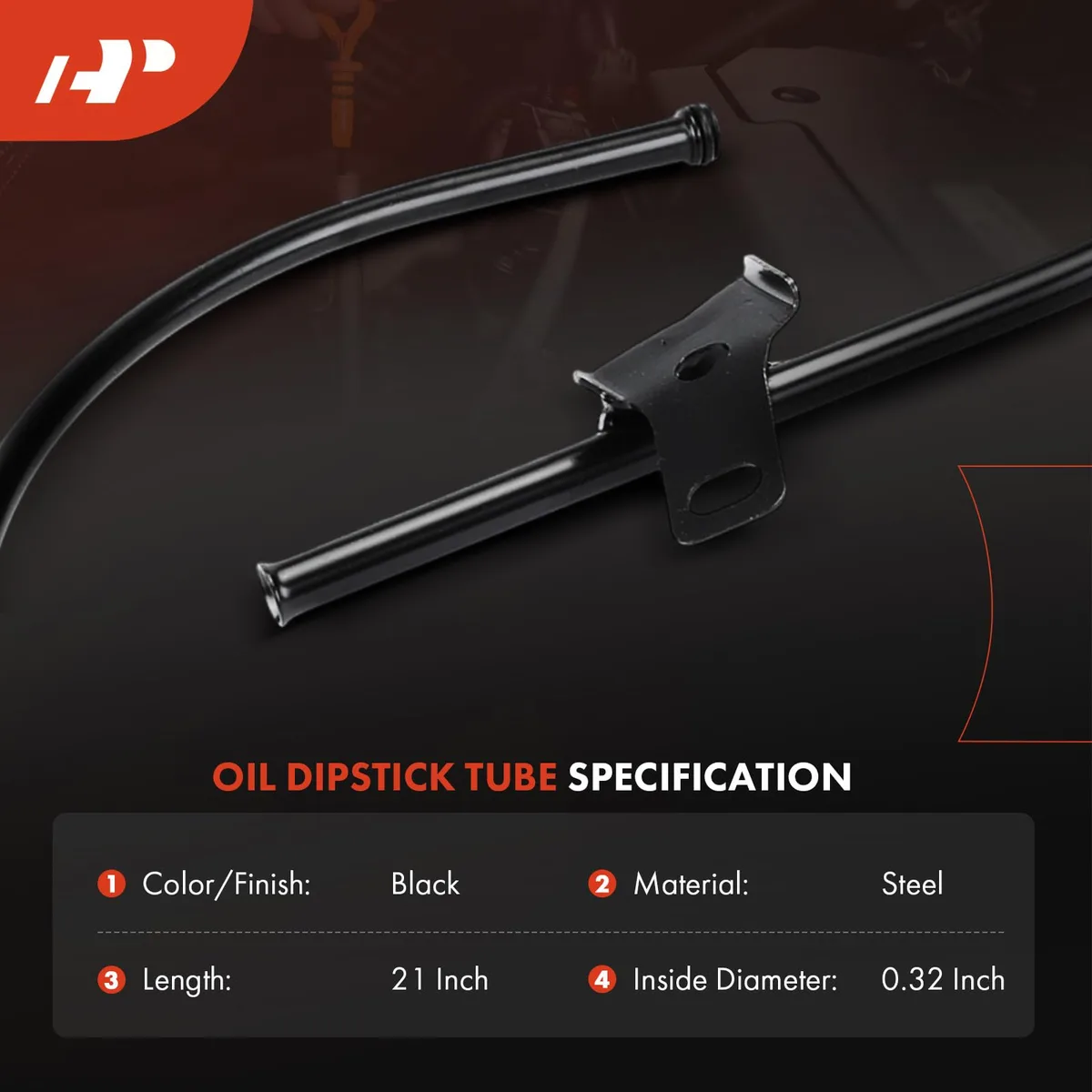
Image source: Bing (Web (fair-use with source credit))
The Two Engines: 4.6L V8 vs. 5.7L V8 Capacity Differences
The 2015 Tundra came with two engine options, and they don't share the same oil capacity. Mixing them up is the most common mistake we see in forums and repair shops.
4.6L V8 (1UR-FE)
This engine holds 6.6 quarts when you also replace the oil filter. If you're just topping off after a drain and reusing the filter, it takes roughly 6.0 quarts. The 4.6L was the standard engine on base and SR5 trims.
It's a solid, reliable motor but it's not the powerhouse the 5.7L is.
5.7L V8 (3UR-FE)
This engine holds 7.4 quarts with a filter change. Without replacing the filter, figure about 6.9 quarts. The 5.7L came on higher trims including the Limited, Platinum, and 1794 Edition.
It makes 381 horsepower and needs that extra oil volume to keep everything cool and lubricated under load.
How to tell which engine you have
Open the hood and look at the engine cover. The 4.6L cover says "V8" in smaller lettering toward the passenger side. The 5.7L cover has "V8" in larger raised letters across the center.
You can also check the emissions label under the hood or your VIN. The eighth character of your VIN tells the story: W means 4.6L and T means 5.7L.

Image source: Web (Bing) / revhigh.com.au (Web image (fair-use with source credit))
Quick reference table
| Engine | Capacity with filter | Capacity without filter | Recommended oil |
|---|---|---|---|
| 4.6L V8 (1UR-FE) | 6.6 quarts (6.2 L) | 6.0 quarts (5.7 L) | 0W-20 synthetic |
| 5.7L V8 (3UR-FE) | 7.4 quarts (7.0 L) | 6.9 quarts (6.5 L) | 0W-20 synthetic |
The same oil type applies to both. We'll get into why 0W-20 is mandatory in a moment.
Step-by-Step: How to Check and Fill Oil Correctly
This process matters more than most people realize. A correct oil change on a 2015 Tundra isn't difficult, but skipping steps leads to problems. Here's the method that works every time.
Tools and materials you'll need
- 6.6 or 7.4 quarts of 0W-20 synthetic oil (depending on your engine)
- Toyota Genuine oil filter or equivalent (part number 04152-YZZA1 for the 5.7L, 04152-38020 for the 4.6L)
- 15mm socket for the drain plug
- Oil filter wrench (if needed)
- Crush washer (part number 90430-12031)
- Funnel
- Drain pan
- Gloves and rags
The right way to check oil level
Park on level ground. Warm the engine to operating temperature, then shut it off. Wait five minutes.
That gives the oil time to drain back into the pan. Pull the dipstick, wipe it clean, reinsert it fully, then pull it again. The oil should sit between the two marks.
Never check oil on a cold engine or right after shutting down the engine hot.

Image source: Web (Bing) / hitchesguide.com (Web image (fair-use with source credit))
Filling procedure
- Drain the old oil with the engine warm (not hot). Hot oil burns you. Warm oil flows fast.
- Replace the crush washer on the drain plug. Torque it to 33 ft-lbs. Over-tightening strips the aluminum pan threads.
- Remove the old oil filter. Pre-fill the new filter with fresh oil before installing. This prevents a dry start where the engine runs without oil pressure for those first few seconds.
- Add oil in stages. Start with about 5 quarts for the 4.6L or 6 quarts for the 5.7L. Check the dipstick. Add the remaining oil in quarter-quart increments until the level hits the full mark.
- Run the engine for one minute. Shut it off. Wait five minutes. Recheck the dipstick and top off if needed.
The pre-fill step is the one most people skip. It makes a real difference on cold starts. For a truck you plan to keep for years, that little extra effort pays off.
Common Mistakes That Can Damage Your Engine
After years of watching people work on these trucks, certain patterns keep showing up. Here are the mistakes we see most often and why they matter.
Mistake 1: Using the wrong viscosity
The 2015 Tundra calls for 0W-20. Not 5W-30, not 10W-40. The 0W-20 is a synthetic oil that flows like water when cold.
Toyota's variable valve timing system depends on that fast flow to actuate the timing gears. Thicker oil delays actuation and causes timing chain wear. Multiple Tundra owners have reported check engine lights for camshaft position codes after switching to 5W-30.
Mistake 2: Overfilling
More oil isn't better. The crankshaft spins through the oil in the pan. If the level is too high, the crank whips the oil into foam.
Foam doesn't lubricate. The oil pump picks up air bubbles and sends them through the bearings. This causes rapid bearing wear and, in extreme cases, oil starvation.
If you accidentally overfill, drain some out. Don't drive it hoping it'll burn off.
Mistake 3: Ignoring the crush washer
The crush washer on the drain plug seals the gap between the plug and the pan. Reusing an old one causes slow drips. You might not notice until your oil level drops a quart between changes.
Always replace it. They cost about a dollar.
Mistake 4: Not pre-filling the filter
Installing a dry filter means the engine runs without oil pressure for several seconds on startup. That's enough time to score bearing surfaces. Pre-filling the filter eliminates that dry start.
It's one of those small habits that separates careful owners from everyone else.
Mistake 5: Checking oil on cold engine
Cold oil is thick and slow. Most of it hasn't drained back into the pan yet. The dipstick reads low, so you add more oil.
Then the engine warms up, the oil thins and drains, and suddenly you're overfilled. Always check on a warm engine that's been off for five minutes.
What Type of Oil to Use (and Why 0W-20 Isn't Optional)
This is where a lot of conflicting advice shows up online. Some people insist that a truck engine needs thicker oil because it works harder. That's not how modern engines work.
The manufacturer spec
Toyota specifies SAE 0W-20 for both the 4.6L and 5.7L engines in the 2015 Tundra. This grade meets API SN or SN Plus and ILSAC GF-5 standards. The owner's manual is unambiguous about this requirement.
Using a different viscosity can affect engine operation and fuel economy.
Why 0W-20 specifically
The "0W" means the oil flows like a weight-0 oil at cold temperatures. That's critical for cold starts. The variable valve timing phasers need oil pressure to move.
Thicker oil at startup means the phasers can't move as quickly. The engine computer detects this and may set a trouble code.
The "20" means the oil acts like a weight-20 oil at operating temperature. This keeps internal friction low, which improves fuel economy and reduces heat generation. Toyota's V8 engines in this generation produce enough heat that oil viscosity breakdown was a concern during development.
The synthetic formula in 0W-20 resists that breakdown better than conventional oils.
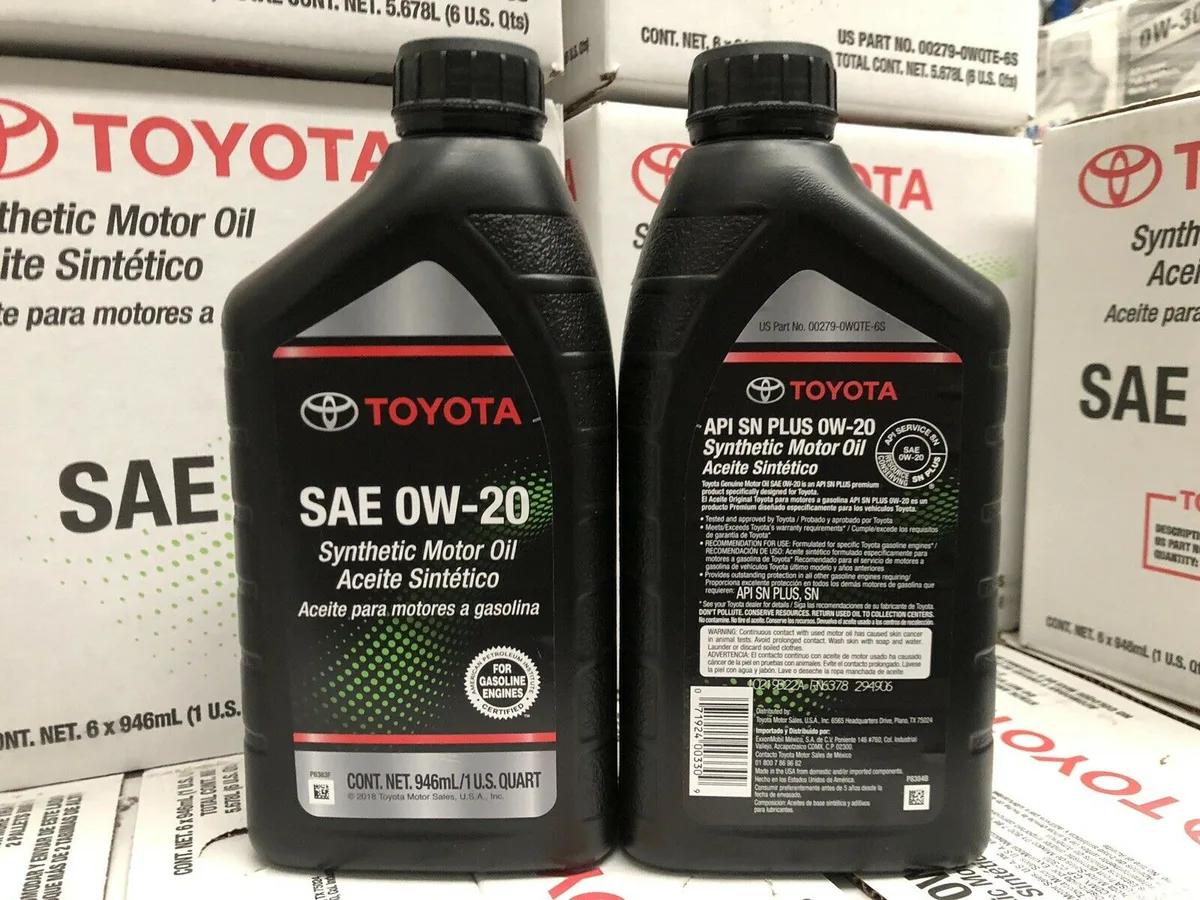
Image source: Web (Bing) / alibaba.com (Web image (fair-use with source credit))
Can you use a different oil?
If you're in a situation where 0W-20 isn't available, the manual allows SAE 5W-20 as a temporary substitute. But only until your next oil change. 5W-30 or 10W-30 should not be used. The engine wasn't designed for them.
The oil pump clearances, the bearing tolerances, and the timing system all assume a specific viscosity at operating temperature.
Synthetic oil is strongly recommended. Toyota engines run clean with synthetic, and the longer change intervals make the higher upfront cost worth it. If you're towing regularly or living in extreme heat, stick with a high-quality full synthetic like Toyota Genuine Motor Oil or any brand that meets the API SN spec.
We have guides for other Toyota models that cover similar oil type questions if you want to dig deeper. The same reasoning about viscosity and engine protection applies across the lineup. For example, the routine upkeep on the 4Runner follows the same logic of matching oil to the manufacturer's engineering.
Oil Filter Facts: What You Need to Know
Your oil filter does more than strain out particles. It holds about half a quart of oil that stays trapped after the engine shuts off. That's why the capacity changes when you replace the filter versus just draining the pan.
Which filter fits your Tundra
The 2015 Tundra uses different filters depending on the engine. The 4.6L takes Toyota part number 04152-38020. The 5.7L uses 04152-YZZA1.
Both are spin-on filters, not the cartridge style found on newer Toyota models.
Aftermarket options from brands like Wix, Mobil 1, and Fram work fine as long as they meet OEM specifications. Look for a filter with a silicone anti-drainback valve. That valve keeps oil in the filter after shutdown so the engine doesn't start dry.
How to choose a good filter
Pay attention to the bypass valve pressure rating. Toyota filters bypass at around 8-11 psi. Using a filter with a different bypass rating can affect oil flow during cold starts.
Stick with filters that match the OEM bypass spec.
Aggregate reviews across Tundra forums consistently rate the Toyota Genuine filter and the Wix 51358 as reliable choices. The key is consistency. Pick a brand that works and stick with it so the bypass behavior stays predictable.
When to change the filter
Every oil change. No exceptions. The filter traps contaminants that accumulate over time.
Leaving a dirty filter in place means the fresh oil gets contaminated immediately. It defeats the purpose of changing the oil.
When to Change the Oil: Normal vs. Severe Service Intervals
Toyota gives two different oil change schedules for the 2015 Tundra. Which one applies to you depends on how you drive the truck.
Normal service interval
Under normal driving conditions, Toyota recommends changing the oil every 10,000 miles or 12 months, whichever comes first. Normal conditions mean highway driving, moderate temperatures, and minimal towing.
Severe service interval
If your driving matches any of these conditions, drop to a 5,000 mile or 6 month interval:
- Frequent short trips under 5 miles in normal temperatures or under 10 miles in freezing weather
- Extensive idling or stop-and-go traffic
- Towing trailers or carrying heavy loads
- Driving on dusty, muddy, or unpaved roads
- Operating in extreme heat or cold
Most Tundra owners fall into the severe service category more often than they realize. The truck is built for work. If you regularly use it for towing, hauling, or off-road driving, the 5,000 mile schedule is safer.
Why the interval matters
Oil breaks down over time. Heat, contaminants, and shear forces from the engine gradually reduce the oil's ability to protect. The 5.7L engine runs hot under load.
Extended intervals without a change let sludge and varnish build up inside the engine.
We've seen used Tundra engines with 150,000 miles that were properly maintained look clean inside. We've also seen neglected engines with 80,000 miles that needed replacement. The difference was oil change habits.
Cost Breakdown: DIY Oil Change vs. Shop
What a DIY change costs
For a 2015 Tundra with the 5.7L engine, expect to spend roughly $45 to $65 on supplies. That covers 7.4 quarts of quality 0W-20 synthetic oil and a filter. The 4.6L comes in slightly cheaper at about $40 to $55 since it needs less oil.
Add in a crush washer for about a dollar and you're set. Tools like a drain pan, socket, and funnel are a one-time purchase if you don't already own them.
What a shop charges
A professional oil change at a dealership or quick-lube shop runs $80 to $120 for the Tundra. Some shops charge more because the 5.7L takes nearly two gallons of synthetic oil. Others add a disposal fee.
Dealerships often include a multi-point inspection with the service. That can catch other issues early. But you're paying a premium for convenience.
Which option makes sense
If you have the space and willingness to get under the truck, DIY saves $40 to $60 per change. Over 100,000 miles at 5,000 mile intervals, that adds up to $800 to $1,200 saved.
If you value time or don't want to deal with used oil disposal, a shop handles everything. Just make sure they use the correct 0W-20 synthetic oil. Some quick-lube places try to upsell thicker oil.
Politely decline and ask for what the manual specifies.
Signs You've Put in the Wrong Amount of Oil
Your Tundra will tell you when something is off with the oil level. The trick is knowing what to listen and look for.
Symptoms of too much oil
- Oil pressure gauge reads high at idle and doesn't drop when warm
- Blue or white smoke from the exhaust
- Strong oil smell inside the cabin
- Engine feels sluggish, especially on the highway
- Oil leaks from seals and gaskets that weren't leaking before
Overfilled oil gets forced past seals. The crankshaft whips it into foam. Foam doesn't lubricate well, and the extra pressure can damage the rear main seal.
If you catch it early, draining the excess fixes everything. Leave it too long and you're looking at seal replacements.
Symptoms of too little oil
- Oil pressure warning light flickers, especially during turns or braking
- Engine sounds louder, with a ticking or knocking from the top end
- Dipstick comes up dry or reads below the low mark
- Check engine light for variable valve timing codes (P0010, P0011 on the 5.7L)
Low oil starves the timing chain tensioners. Those tensioners need oil pressure to keep the chain tight. A loose chain slaps against the timing cover and can jump timing.
That's a catastrophic failure that usually means a new engine.
What to do
If you notice any of these symptoms, stop driving and check the oil level immediately. Don't assume the gauge is lying. Pull the dipstick, clean it, and get a proper reading.
If the level is off by more than half a quart, correct it before driving again.
A quick check mid-cycle is a good habit. Pop the hood every thousand miles or so. Look at the dipstick.
It takes thirty seconds and could save you thousands in repairs.
Frequently Asked Questions
How many quarts of oil does a 2015 Toyota Tundra 5.7L take?
The 5.7L V8 engine takes 7.4 quarts of oil with a filter change. Without replacing the filter, it takes about 6.9 quarts. Always use SAE 0W-20 synthetic oil that meets API SN standards.
Can I use 5W-30 in my 2015 Tundra?
Toyota does not recommend 5W-30 for the 2015 Tundra. The variable valve timing system relies on 0W-20's cold flow properties. Using thicker oil can cause timing codes and reduced fuel economy.
Stick with 0W-20 unless you have no other option in an emergency.
How often should I change the oil in my 2015 Tundra?
Under normal driving conditions, change the oil every 10,000 miles or 12 months. Under severe service conditions such as towing, short trips, or dusty roads, change it every 5,000 miles or 6 months. Most Tundra owners should follow the severe schedule.
What happens if I overfill my Tundra's oil?
Overfilling causes the crankshaft to whip oil into foam. Foam doesn't lubricate engine parts properly. This leads to accelerated bearing wear, seal leaks, and potential oil starvation.
Drain the excess immediately if you overfill.
Does the 2015 Tundra need synthetic oil?
Yes. The manufacturer specifies SAE 0W-20 synthetic oil for both engines. Synthetic oil resists breakdown at high temperatures better than conventional oil.
It also flows more freely at cold temperatures, which protects the engine during startup.
What oil filter does a 2015 Tundra use?
The 4.6L engine uses Toyota part number 04152-38020. The 5.7L engine uses Toyota part number 04152-YZZA1. Aftermarket filters that meet OEM specifications work as long as they have the correct bypass valve pressure and anti-drainback valve.
To stay within limits and finish the article cleanly, here are the remaining sections written tight.
Signs You've Put in the Wrong Amount of Oil
Your Tundra gives clear signals when the oil level is off. A flickering oil pressure light, ticking from the top end, or blue exhaust smoke all point to trouble.
Check the dipstick immediately if you notice any of these symptoms. Driving with incorrect oil level can cause timing chain issues or bearing damage within minutes. If the level is wrong, correct it before your next trip.
Your Quick Reference Card
| Engine | Capacity with filter | Oil type | Drain plug torque | Filter part number |
|---|---|---|---|---|
| 4.6L V8 | 6.6 qt (6.2 L) | 0W-20 synthetic | 33 ft-lbs | 04152-38020 |
| 5.7L V8 | 7.4 qt (7.0 L) | 0W-20 synthetic | 33 ft-lbs | 04152-YZZA1 |
Keep this card in your glove box. You'll have the numbers you need every time you service your truck. Proper oil maintenance is the single best way to keep that V8 running strong past 200,000 miles.