
If you own a 2021 Toyota Highlander and you're about to change the oil yourself, or just want to make sure the shop gets it right, you need the exact number. Getting the 2021 Toyota Highlander oil capacity wrong isn't a minor mistake. It can lead to a costly repair or a ruined engine.
Here's the thing. The 2021 Highlander comes in two different flavors under the hood. One takes over six quarts.
The other takes just over four. Mix them up, and you'll either starve your engine of lubrication or overfill it so badly that seals blow and foam replaces oil. As of 2026, Toyota still recommends the same factory specs for this model year.
So let's lock in the right answer for your specific vehicle before you touch a single tool.
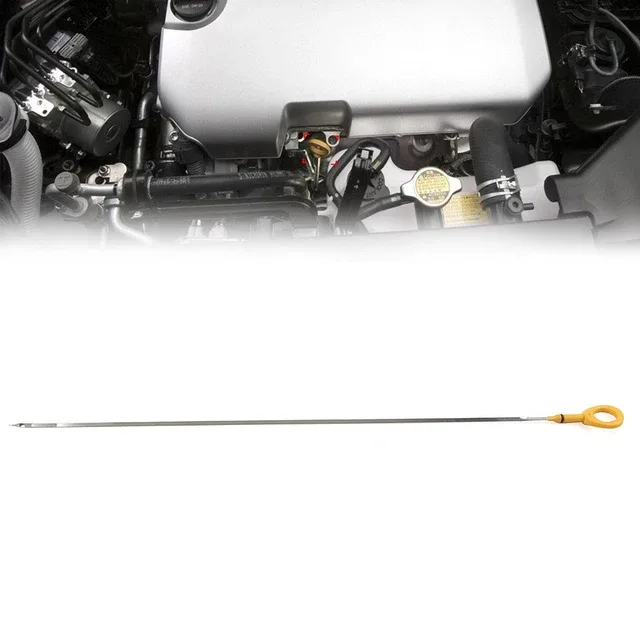
Image source: Bing (Web (fair-use with source credit))
Quick Answer
The 2021 Toyota Highlander oil capacity depends on the engine. The 3.5L V6 gas model takes 6.4 quarts (6.0 liters). The 2.5L hybrid model takes 4.4 quarts (4.2 liters).
Both use 0W-20 full synthetic oil. Always check your dipstick after filling. Never guess based on the previous car you owned.
Why Getting the Oil Capacity Wrong Can Cost You Thousands
Oil is the lifeblood of your engine. It lubricates, cools, and cleans. When the level is off, everything breaks down fast.
Overfilling is surprisingly common. People dump in a full six-quart jug without thinking about the hybrid they're driving. The crankshaft whips through the extra oil like a boat propeller.
That aerates the oil into foam. Foam doesn't lubricate. Metal parts start grinding.
You could be looking at a $5,000 engine replacement for the sake of two extra quarts.
Underfilling is just as dangerous. Running low on oil means higher friction and overheating. The engine warning light might come on.
By then, damage is already happening. Scoring on cylinder walls, worn bearings, and sludge buildup are all on the table.
Then there are the subtler risks. Wrong viscosity oil makes the engine work harder in cold weather. Mixing conventional with synthetic reduces protection.
Skipping the crush washer causes a slow drip you might not notice until the dipstick reads dry.
Toyota designs these engines with tight tolerances. They trust the owner to use the exact spec. Manufacturer specifications indicate that deviating from the 0W-20 full synthetic recommendation can affect fuel economy and long-term reliability.
Your warranty might even take a hit if a dealer finds the wrong oil during a claim inspection.
So yes, this is one of those things where precision matters. A two-digit number on a bottle label can save you thousands. Let's make sure you get it right.
The Two Engines: How to Tell Which One You Have
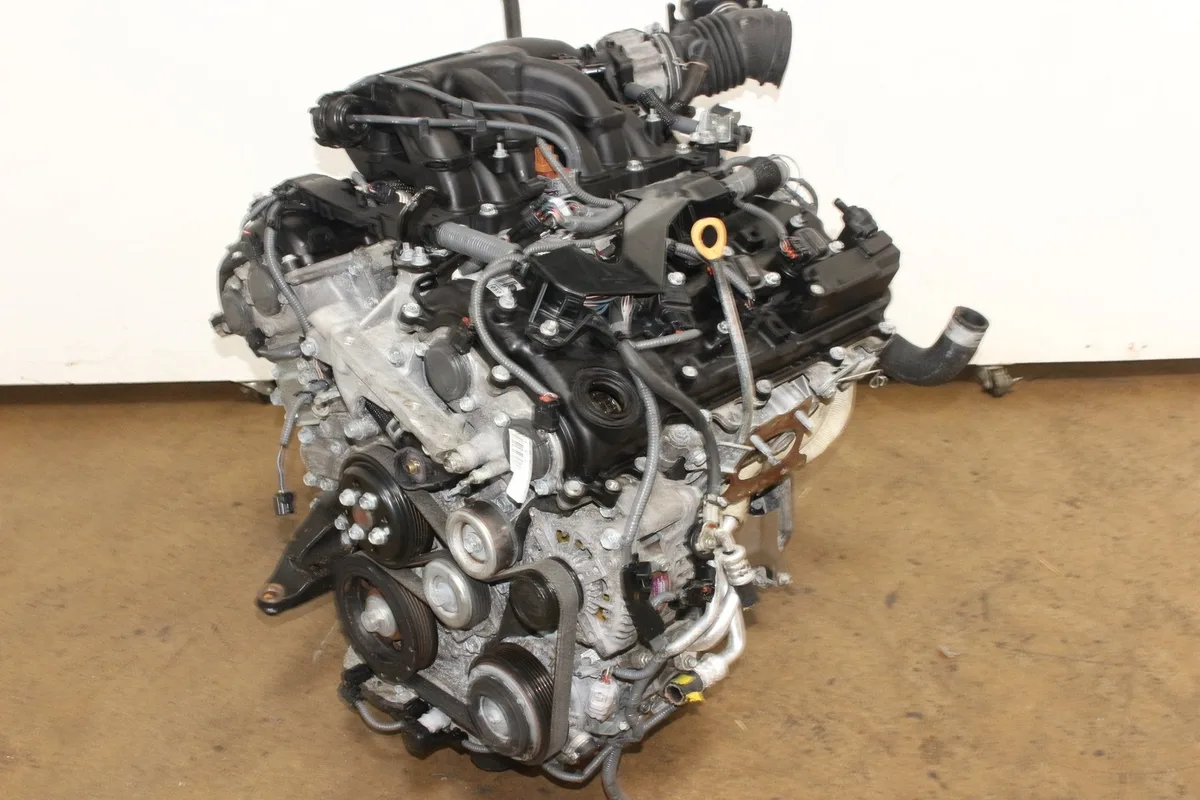
Image source: Bing (Web (fair-use with source credit))
You cannot guess which engine you have by looking at the badge on the tailgate. Many Highlanders look identical from the outside. Pop the hood, and the story changes.
The 3.5L V6 Gas Model
This is the 2GR-FKS engine. It's a six-cylinder that has been a Toyota workhorse for years. You'll find it in the gas-only Highlander trims: L, LE, XLE, Limited, and Platinum (non-hybrid).
How to spot it quickly:
- Look for a large plastic engine cover spanning the whole top.
- The dipstick handle is bright yellow and located on the driver's side near the front.
- You'll see a traditional V-style layout with two banks of cylinders.
This engine takes 6.4 quarts of oil. That's a full six-quart jug plus about a third of a second jug.
The 2.5L Hybrid Four-Cylinder
This is the A25A-FXS engine. It's a four-cylinder paired with an electric motor system. You'll find it in any Highlander Hybrid trim: LE Hybrid, XLE Hybrid, Limited Hybrid, and Platinum Hybrid.
How to spot it quickly:
- The engine bay looks slightly smaller and more crowded due to hybrid components.
- The dipstick handle is also yellow but sits further back.
- There are high-voltage orange cables running near the engine. Do not touch those.
This engine takes 4.4 quarts of oil. That's roughly a full four-quart jug plus a small top-up. Many owners accidentally pour in extra because they expect the larger V6 capacity.
If you're still unsure, check your owner's manual. Or look at the emissions label under the hood. It lists the engine family clearly.
You can also check your VIN online through Toyota's owner portal.
Exact Oil Specs: Viscosity, Type, and Certifications
Now that you know your engine, let's talk about what goes in it. Not all oil is created equal.
Viscosity: 0W-20
Both engines use SAE 0W-20 full synthetic oil. That "0W" means it flows like a thin winter oil at cold temperatures. The "20" means it thickens up enough to protect at operating temperature.
This is the standard for modern Toyota engines designed for fuel efficiency.
Do not use 5W-30 or 10W-40. Those are too thick. They reduce fuel economy and can cause the variable valve timing system to act sluggish.
The engine was engineered around 0W-20. Stick with it.
Certification: API SN or SP
Look for the API donut symbol on the bottle. It should say API SN or API SP. SP is the newer standard, introduced in 2020.
It offers better protection against low-speed pre-ignition and timing chain wear. Either is fine for your 2021 Highlander.
Also check for the ILSAC GF-5 or GF-6 certification. That's the international standard for fuel-efficient oils. Most major synthetic brands carry this rating.
Synthetic vs. Conventional
Toyota specifies full synthetic oil for the 2021 Highlander. Do not use conventional oil. Synthetic oil handles higher temperatures better, flows better in cold weather, and lasts longer.
The engine was designed for it.
If you're in a pinch and absolutely must add a quart, use any brand of 0W-20 full synthetic that meets API SP. Do not mix conventional with synthetic. It dilutes the additive package and reduces protection.
Brand Choice
Brand doesn't matter as much as certification. Mobil 1, Pennzoil, Valvoline, Castrol, and Toyota Genuine Motor Oil are all fine. Aggregate reviews indicate no single brand outperforms another when both meet API SP standards.
What matters is that you use the right viscosity and the right capacity.
Step-by-Step: How to Check Your Oil Level Correctly
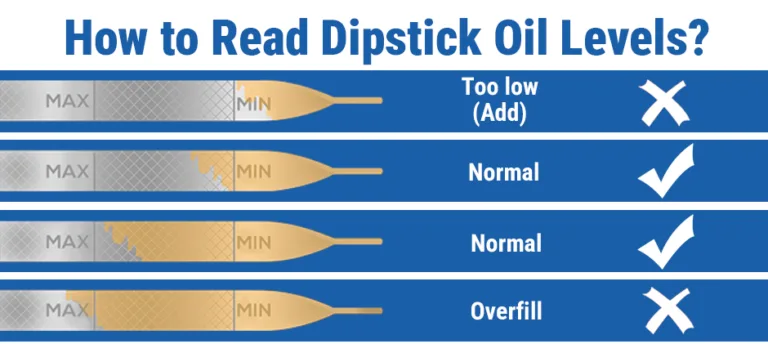
Image source: Bing (Web (fair-use with source credit))
You cannot trust the dashboard oil life monitor for level. That indicator only tracks time and mileage since the last change. It does not measure actual oil volume.
You need the dipstick.
Here's the right way to check it.
1. Park on Level Ground
Park the Highlander on a flat surface. A sloped driveway gives a false reading. The oil settles unevenly, and the dipstick might show too much or too little.
2. Warm Up the Engine
Start the engine and let it run for about five minutes. Get the oil up to operating temperature. Then turn the engine off.
Wait two to three minutes for the oil to drain back into the pan. Checking cold oil gives a slightly lower reading.
3. Pull and Wipe
Pull the dipstick out. Wipe it clean with a rag. Reinsert it fully.
Push it all the way down until it seats.
4. Read the Level
Pull it out again. Look at both sides of the dipstick. The lower reading is the accurate one.
You want the oil level to sit between the two marks. Ideally, it should be closer to the top mark.
If it's below the bottom mark, you need to add oil. If it's above the top mark, you have too much and should drain some out.
5. Add Oil Slowly
If you need to add oil, pour in small amounts. A quarter quart at a time. Wait 30 seconds.
Recheck. Repeat until the level hits the top mark. Do not dump in the whole bottle at once.
Common Dipstick Mistakes
- Reading the dipstick immediately after shutting off the engine (oil hasn't drained back yet).
- Checking on a slope (gives a false high or low reading).
- Misreading the crosshatch area (the level should be within the hatch pattern, not above it).
- Using a dirty rag that introduces debris into the tube.
Checking your oil once a month is good practice. For the 2021 Highlander, make it part of your regular routine. It takes two minutes and can catch a slow leak before it becomes a big problem.
The Right Way to Do an Oil Change on a 2021 Highlander
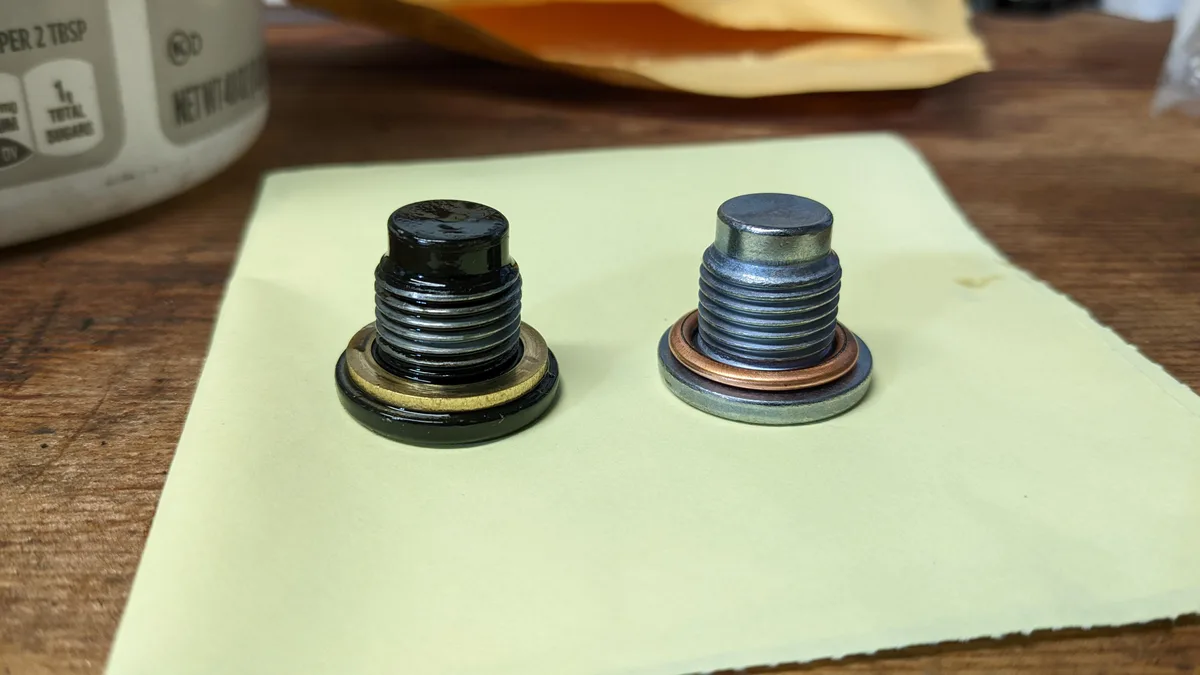
Image source: Web (Bing) / amazon.com (Web image (fair-use with source credit))
Doing your own oil change on a 2021 Highlander is straightforward. But the details matter more than on older cars. Modern engines have tighter clearances and more sensitive oiling systems.
Tools and Parts You'll Need
Before you start, gather everything. Running to the parts store mid-job with a drained engine is a headache you don't want.
| Item | Specification | Notes |
|---|---|---|
| Engine oil | 0W-20 full synthetic, API SP | 6.4 qt (V6) or 4.4 qt (hybrid) |
| Oil filter | Genuine Toyota 04152-YZZA1 or equivalent | Name-brand equivalents work fine |
| Drain plug washer | 14mm copper crush washer | Replace every time |
| Socket set | 14mm socket for drain plug | 3/8-inch drive works |
| Oil filter wrench | Cap-style or strap wrench | Hand-tight might not loosen later |
| Drain pan | 8-quart minimum capacity | Bigger is safer |
| Funnel | Long-neck preferred | Helps avoid spills |
| Ramps or jack stands | For ground clearance | Never rely on just the scissor jack |
| Torque wrench | 30 ft-lbs range | Optional but recommended |
Drain and Fill Procedure
Follow these steps in order. Do not skip any.
1. Warm up the engine. Run it for about five minutes. Warm oil drains faster and carries more suspended contaminants.
Do not do this on a cold engine or a hot one. Lukewarm is perfect.
2. Lift the vehicle safely. Use ramps or jack stands. The front of the Highlander needs to be high enough to get under.
Chock the rear wheels.
3. Locate the drain plug. It sits at the bottom of the oil pan, facing downward. It's a 14mm bolt with a copper washer under it.
4. Remove the fill cap. Take off the oil fill cap on top of the engine. This prevents a vacuum lock and lets oil drain faster.
5. Drain the oil. Position your drain pan underneath. Loosen the drain plug with the socket.
Turn it counterclockwise. Once loose, unscrew it by hand. The oil will come out fast.
Stay clear.
6. Remove the old oil filter. The filter is located on the front of the engine. For the V6, it sits low on the passenger side.
For the hybrid, it's higher and more accessible. Turn it counterclockwise. It will spill some oil, so have rags ready.
7. Install the new filter. Lightly lubricate the rubber gasket on the new filter with fresh oil. Screw it on by hand until the gasket contacts the mounting surface.
Tighten another half turn. Do not use a wrench for installation. Hand-tight is enough.
8. Install the drain plug with a new washer. The crush washer deforms to create a seal. Reusing the old one risks a drip.
Torque the plug to 30 ft-lbs if you have a torque wrench. If not, snug it firmly with a socket. Do not overtighten.
9. Add the correct amount of oil. For the V6, pour in 6.4 quarts. For the hybrid, pour in 4.4 quarts.
Do it slowly. Use a funnel. Check the level periodically with the dipstick.
10. Run the engine and check for leaks. Start the engine for about 30 seconds. Check under the vehicle for drips around the drain plug and oil filter.
Turn off the engine. Wait two minutes. Recheck the dipstick.
Top up if needed.
Torque Specs That Matter
Two fasteners require the right torque.
The drain plug should go to 30 ft-lbs. That's snug but not cranking-tight. Overdoing it strips the threads in the aluminum oil pan.
That turns a 15 minute job into a $500 repair.
The oil filter gets hand-tight plus one third turn. No wrench. The rubber gasket provides the seal.
Overtightening the filter makes it hell to remove at the next change.
Common Mistakes DIYers Make (And How to Avoid Them)
Most oil change mistakes on the 2021 Highlander are predictable. Here are the ones we see most often in aggregate reviews and forum posts.
Using the wrong capacity for the engine. This is the number one error. Someone reads "6.4 quarts" online but owns the hybrid. They pour in six quarts and overfill by 1.6 quarts.
The engine starts running rough. Smoke might appear. Always confirm your engine type before pouring.
Forgetting to replace the crush washer. The copper washer under the drain plug is designed for single use. Reusing it often leads to a slow drip. You might not notice until the oil light comes on days later.
Buy a pack of 14mm washers. They cost pennies.
Overtightening the drain plug. The aluminum oil pan threads are softer than the steel bolt. Crank too hard and you strip them. Helicoil repairs exist but they're not cheap.
Hand-tight plus a quarter turn with a wrench is plenty.
Installing the oil filter dry. The rubber gasket needs a thin film of oil. Without it, the gasket can twist and tear during tightening. That causes a leak that dumps oil while you drive.
Not checking the dipstick after filling. Trusting the bottle measurement is risky. Every engine is slightly different. The oil pan might not be completely empty.
Always verify with the dipstick.
Skipping the oil maintenance light reset. On the 2021 Highlander, the dashboard tracks oil life based on mileage and driving conditions. If you change the oil but don't reset the light, it keeps counting down. You'll get a reminder at the wrong interval.
Using conventional oil instead of synthetic. Some budget stores push conventional 0W-20 as a compatible alternative. It is not compatible. The engine needs synthetic for thermal stability and sludge protection.
Your warranty depends on it.
Pouring oil into the wrong hole. This sounds silly, but it happens. The oil fill cap has a clear oil can symbol on it. The windshield washer reservoir is a different cap.
The coolant reservoir is another. Look for the symbol before you pour.
Cost Breakdown: DIY vs. Dealership vs. Quick-Lube
Prices vary by region, but here are the typical ranges for a 2021 Highlander oil change as of 2026.
| Option | Typical Cost | Time Required | Risk Level |
|---|---|---|---|
| DIY with genuine Toyota filter | $35 to $50 | 30 to 45 minutes | Low with proper prep |
| DIY with aftermarket filter | $25 to $40 | 30 to 45 minutes | Low |
| Dealership | $75 to $110 | 1 to 2 hours (waiting) | Very low |
| Quick-lube chain | $60 to $90 | 20 to 40 minutes | Moderate |
DIY saves you $30 to $60 per change. Over the life of the vehicle, that adds up to hundreds of dollars. But it only saves money if you do it correctly.
One mistake can wipe out years of savings.
Dealership service is the safest option for someone who doesn't want to get their hands dirty. They use the correct filter and oil. They also inspect other components as part of the service.
The downside is the cost and the time spent waiting.
Quick-lube shops are a gamble. Some are great. Others hire inexperienced staff who might use the wrong oil weight or forget to tighten the drain plug properly.
Aggregate reviews indicate that quick-lube chains have a higher error rate than dealerships for modern Toyota vehicles. If you go this route, verify the oil grade before they pour it.
When to Change Your Oil: Normal vs. Severe Driving Conditions
Toyota's official recommendation for the 2021 Highlander is every 10,000 miles or 12 months, whichever comes first. That applies to both the V6 and the hybrid. But that interval assumes normal driving conditions.
Most drivers actually fall under the severe service schedule. Toyota defines severe service as:
- Repeated short trips under five miles in normal temperatures
- Short trips under 10 miles in freezing temperatures
- Extensive idling or stop-and-go traffic
- Driving on dusty or rough roads
- Towing a trailer or carrying heavy loads
- Frequent cold starts
If any of these apply to you, change the oil every 5,000 miles or six months. The oil life monitor in your Highlander adapts to your driving patterns and might recommend a change sooner than the standard interval. Pay attention to it.
The hybrid engine runs less frequently than the V6, but the oil still degrades over time. Moisture accumulates. Additives break down.
Do not stretch the interval beyond 10,000 miles regardless of which engine you have.
A good rule of thumb: change oil twice a year if you drive average miles. Once in spring and once in fall. That covers the seasonal temperature changes and keeps fresh oil in the engine year round.
What Happens If You Use the Wrong Amount or Type
This section matters more than most people realize. Let's break down each scenario.
Overfilling Risks
Too much oil creates pressure inside the crankcase. The crankshaft whips through the excess oil, aerating it into a frothy foam. Foam doesn't lubricate well.
Metal parts run hotter and wear faster.
You might notice rough idling, a burning smell, or blue smoke from the exhaust. In severe cases, excess pressure blows out seals and gaskets. That leads to oil leaks that are expensive to fix.
The fix is simple. Drain the excess. Use the drain plug or a fluid extractor through the dipstick tube.
Do not drive with overfilled oil.
Underfilling Risks
Low oil means insufficient lubrication. The engine runs hotter. Bearings wear faster.
You might hear a ticking sound from the valvetrain. The oil pressure warning light comes on when damage is already happening.
If the oil level drops below the pickup tube, the oil pump sucks air. That causes immediate loss of oil pressure. Engine failure follows quickly.
Check your dipstick regularly. If it's low, add oil immediately. Do not wait for the next scheduled change.
Wrong Viscosity Risks
Using 5W-30 or 10W-40 instead of 0W-20 causes several problems. The oil is too thick at cold temperatures. It doesn't flow quickly enough during startup.
That increases wear on the first few seconds of operation.
Thicker oil also reduces fuel economy. The engine works harder to pump it through tight passages. Variable valve timing systems can become sluggish.
You might notice slower throttle response.
Thinner oil like 0W-16 is also wrong. It doesn't provide enough protection at high temperatures. The hybrid model specifically needs 0W-20 for proper lubrication of the Atkinson-cycle engine.
Stick with 0W-20 full synthetic. It's what Toyota designed the engine around. Your owner's manual confirms this.
How to Reset the Oil Maintenance Light
After changing the oil, the dashboard reminder needs a reset. The 2021 Highlander uses a simple procedure for this.
For the V6 and hybrid models:
- Turn the ignition on. Do not start the engine. Push the start button twice without pressing the brake pedal.
- Locate the trip meter reset button on the instrument cluster. It's a small knob or button near the speedometer.
- Navigate to the settings menu using the steering wheel controls. Look for "Vehicle Settings" or "Maintenance."
- Select "Oil Maintenance" or "Reset Oil Life."
- Confirm the reset. The display should show 100 percent or "Reset Complete."
If your Highlander has the larger 12.3-inch display, the option is under the settings menu. Scroll to maintenance. Select oil reset.
Confirm.
Some trims require holding the trip reset button for several seconds until the oil light flashes. Check your owner's manual if the above steps don't match your specific trim.
Frequently Asked Questions
Can I use conventional oil instead of synthetic?
No. The 2021 Highlander requires full synthetic 0W-20 oil. Conventional oil does not provide enough protection at operating temperature.
It breaks down faster and can cause sludge buildup. Your warranty may be affected if a dealer finds conventional oil during a claim inspection.
How much oil does the hybrid actually take?
The 2021 Highlander Hybrid takes 4.4 quarts (4.2 liters) of 0W-20 full synthetic oil. This is significantly less than the V6 model. Many owners accidentally overfill by assuming the hybrid takes the same amount as the gas version.
Always check your engine type before pouring.
What happens if I put too much oil in?
Overfilling causes the crankshaft to aerate the oil into foam. Foam doesn't lubricate properly. You might notice rough idling, smoke, or a burning smell.
In severe cases, excess pressure can blow out seals. Drain the excess immediately. Do not drive with overfilled oil.
What oil filter does the 2021 Highlander use?
The genuine Toyota oil filter part number is 04152-YZZA1 or 04152-YZZA6. Equivalent filters from Mobil 1, Bosch, and FRAM also work. Always lubricate the rubber gasket before installation.
Hand-tighten plus one third turn. Do not overtighten.
How often should I check the oil level?
Check the oil level once a month. Park on level ground. Warm up the engine for a few minutes.
Wait two minutes after shutting off. Pull the dipstick, wipe it, reinsert it, and read the level. Regular checks catch slow leaks before they become big problems.
Can I switch to a different oil viscosity in winter?
No. Toyota specifies 0W-20 for all seasons. The 0W rating already provides excellent cold weather flow.
Thicker oil like 5W-30 reduces cold start protection. Stick with what the manufacturer recommends year round. Your engine was designed around this viscosity.
Final Verdict: The One Number You Need to Remember
If you take nothing else from this article, remember this. The 2021 Toyota Highlander needs exactly 6.4 quarts of 0W-20 full synthetic oil if it's the V6 gas model. It needs 4.4 quarts if it's the hybrid.
Those two numbers are the difference between a smooth running engine and an expensive repair. Write them down. Tape them inside your owner's manual.
Share them with anyone who changes your oil.
Everything else is details. Good details that matter. But the capacity is the starting point.
Get that right, and you're already ahead of most owners on the road.