
Image source: Bing (Web (fair-use with source credit))
If you own a 2023 Toyota Tacoma and plan to do your own oil changes, the first thing you need is the exact oil capacity. The 2023 toyota tacoma oil capacity is not a single number. It changes based on which engine your truck has.
Get it wrong and you could end up with too much oil in the crankcase or not enough. Both can cause expensive engine damage.
Manufacturer specifications confirm two distinct capacities. The 3.5L V6 takes 6.4 quarts of 0W-20 synthetic oil with a filter change. The 2.7L four-cylinder takes 5.0 quarts.
That is the kind of detail you need before you pop the hood. Let us walk through everything to get this right.
Quick Answer
The 2023 Tacoma holds either 6.4 quarts or 5.0 quarts. It depends on your engine. The V6 uses 6.4 quarts.
The four-cylinder uses 5.0 quarts. Both require 0W-20 full synthetic oil. Always check the dipstick after filling to confirm.
Why the Right Oil Capacity Matters for Your 2023 Tacoma
Oil lubricates moving parts, reduces friction, carries away heat, and keeps internal components clean. Getting the correct volume of oil into the engine is just as important as using the right viscosity.
Too little oil and the oil pump can suck air. That causes metal-on-metal contact. Parts wear faster.
The engine can overheat. In extreme cases, you can spin a bearing or seize the engine entirely.
Overfilling is just as dangerous. Extra oil gets whipped into foam by the rotating crankshaft. Foam does not lubricate well.
It also creates extra pressure inside the crankcase. That can blow out seals and gaskets. You end up with oil leaks everywhere.
Toyota engineers designed the 2023 Tacoma oil system with a specific sump volume. The oil pan, oil pump, pickup tube, and filter housing work together at that exact capacity. Stick to the numbers and your engine stays happy.
As of 2026, the specs remain unchanged for this generation.
If you are new to Toyota maintenance, the same approach applies to other models. Each has its own spec. Never assume one size fits all.
Decision Tree: Which Engine Does Your Tacoma Have?
You cannot guess the oil capacity. You need to know which engine is in your truck. The good news is that it is easy to find out.
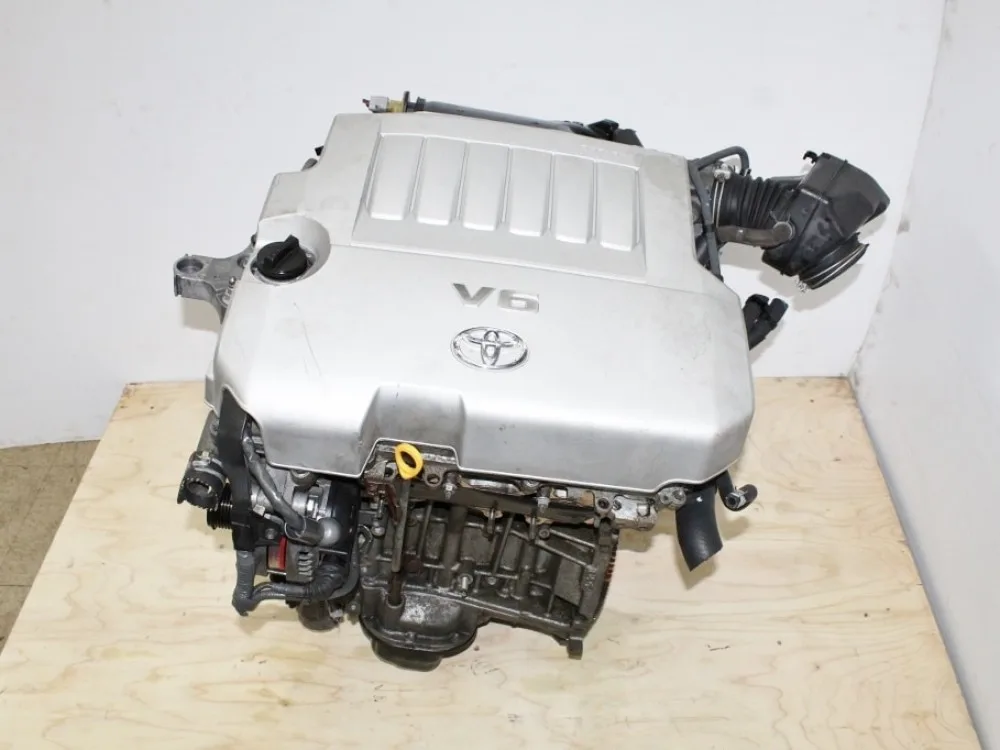
Image source: Bing (Web (fair-use with source credit))
The 3.5L V6 (2GR-FKS) – 6.4 Quarts
This is the most common engine in the 2023 Tacoma lineup. It produces 278 horsepower and 265 lb-ft of torque. You will find it in most trims, including the SR5, TRD Sport, TRD Off-Road, and TRD Pro.
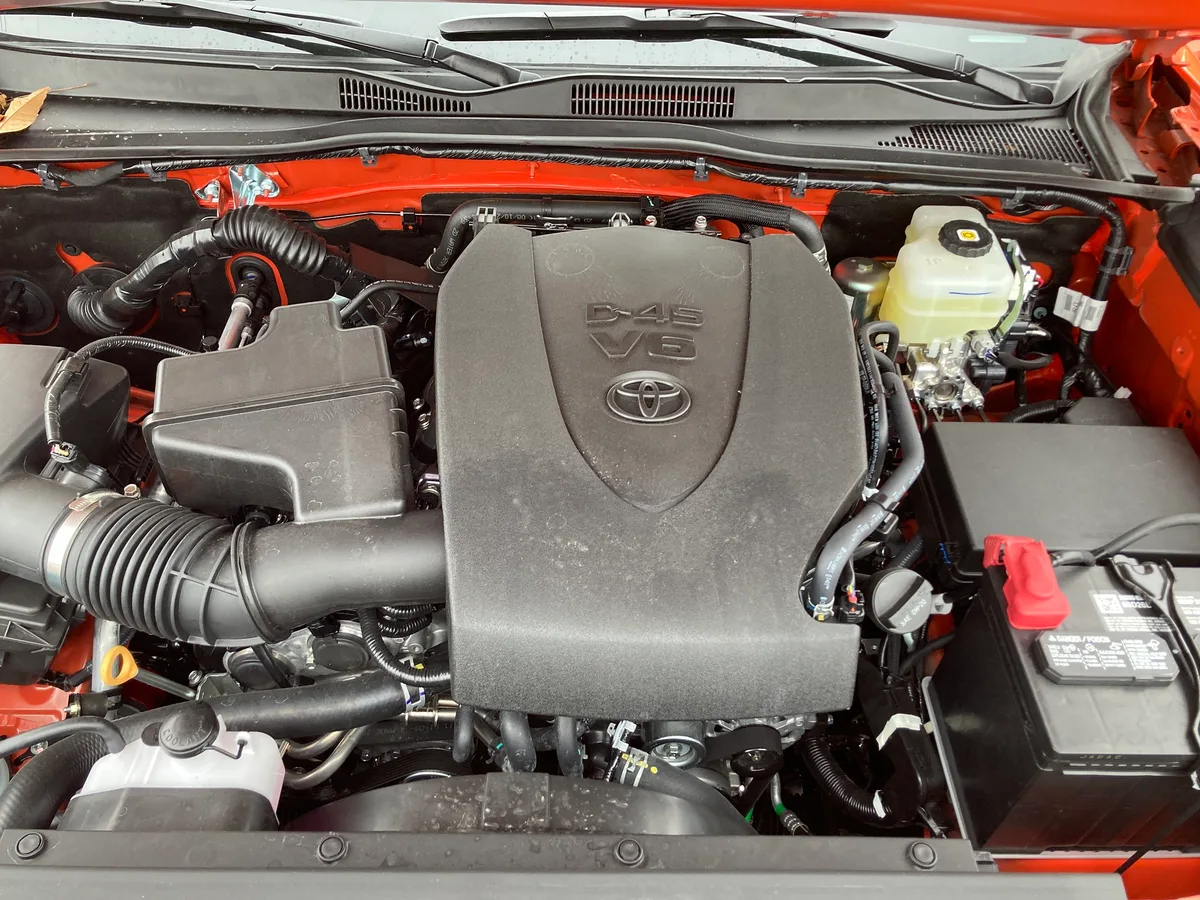
How to confirm you have the V6. Pop the hood. Look at the engine cover.
It will have a silver or black plastic cover with "V6" or "3.5L" molded into it. You can also check the eighth digit of your VIN. If it is a "J," you have the V6.
The dry fill capacity for this engine is 6.4 U.S. quarts. That includes the oil filter. If you are just topping off from a normal change, you will use about 6.0 to 6.3 quarts because some oil stays in the engine.
Always add a little less, then check the dipstick.
The 2.7L 4-Cylinder (2TR-FE) – 5.0 Quarts
This engine is the base option. It is a four-cylinder that produces 159 horsepower and 180 lb-ft of torque. It is known for being bulletproof reliable.
You will typically find it in lower trims like the SR.
How to confirm you have the four-cylinder. The engine cover will say "2.7L" or "DOHC 16V." There is no V6 badge. The VIN check is also reliable.
If the eighth digit is a "4," you have the four-cylinder.
The dry fill capacity for this engine is 5.0 U.S. quarts with the filter. Again, you will not get all the old oil out during a drain. Plan to add about 4.5 quarts initially, then check the dipstick.
Step-by-Step: How to Do a 2023 Tacoma Oil Change the Right Way
Now that you know your engine and its capacity, here is the full process. It takes about 30 minutes and saves you money compared to a shop.

Image source: Web (Bing) / storage.googleapis.com (Web image (fair-use with source credit))
What You Will Need
Before you start, gather everything. Running to the store mid-job is frustrating.
- 0W-20 full synthetic oil. Buy the correct quantity. For the V6, get 7 quarts to be safe. For the four-cylinder, get 6 quarts.
- A new oil filter. Use a Toyota OEM filter or a high-quality aftermarket one. The OEM part number is 04152-YZZA1 for the V6.
- A new drain plug washer. Toyota uses a crush washer. Always replace it.
- A 14mm socket for the V6 drain plug or an 18mm socket for the four-cylinder.
- An oil filter wrench. The housing is a cartridge type on most 2023 models.
- An oil catch pan. One that holds at least 8 quarts.
- A funnel. A long neck helps.
- Jack and jack stands or ramps. Never work under a vehicle supported only by a jack.
Step 1: Warm Up the Engine
Run the engine for two to three minutes. Warm oil drains faster and more completely. Do not let it get hot.
Just warm it up. Then turn it off and let it sit for a minute.
Step 2: Lift the Truck Safely
Park on level ground. Engage the parking brake. If you are using a jack, lift the front of the truck and place jack stands under the frame rails.
Ramps are easier if you have them. Never rely on the jack alone.
Step 3: Drain the Old Oil
Slide under the truck. Locate the oil drain plug at the bottom of the oil pan. Place your catch pan under it.
Use the correct socket to loosen the plug. Turn it counterclockwise by hand once it is loose. Let the oil drain completely.
This takes about five minutes.
Step 4: Replace the Drain Plug
Clean the threads on the plug. Slide on the new crush washer. Reinstall the plug and tighten it to 18 lb-ft for the V6 or 29 lb-ft for the four-cylinder.
If you do not have a torque wrench, snug it up firmly. Do not overtighten. You can strip the threads in the oil pan.
Step 5: Remove and Replace the Oil Filter
The oil filter housing is located on the front or side of the engine. Use the filter wrench to loosen it. Turn it by hand once loose.
Be careful. It will be full of oil. Let it drain into your catch pan.
Remove the old filter cartridge. Wipe the housing clean. Install the new filter cartridge.
Lubricate the new O-ring with a little fresh oil. Reinstall the housing and tighten it to 25 Nm (about 18 lb-ft). Hand tight is usually fine.
Step 6: Add the New Oil
Move to the top of the engine. Remove the oil filler cap. Place your funnel in the opening.
Add the initial amount. For the V6, start with 5.5 quarts. For the four-cylinder, start with 4.5 quarts.
Replace the filler cap.
Step 7: Check the Dipstick
Start the engine and let it run for 30 seconds. This fills the new oil filter. Turn off the engine.
Wait one minute for the oil to settle. Pull out the dipstick. Wipe it clean.
Insert it fully. Pull it out again.
Check the oil level. It should be between the low and full marks. If it is low, add oil in quarter-quart increments.
Check again. Repeat until it reads full. Do not overfill.
Step 8: Clean Up and Dispose
Wipe up any spilled oil. Remove the catch pan. Dispose of the used oil and filter properly.
Most auto parts stores accept used oil for free. Never pour it down a drain or on the ground.
Mistakes to Avoid: What DIYers Get Wrong With Tacoma Oil
Even experienced DIYers make mistakes. Here are the most common ones to watch out for.
Using the Wrong Viscosity
The 2023 Tacoma requires 0W-20 full synthetic oil. Do not use 5W-30 or 10W-30. These are too thick for the engine variable valve timing system.
They can cause reduced fuel economy and poor performance.
Forgetting the Crush Washer
The old crush washer gets compressed and hard. Reusing it can cause a slow leak. You might not notice it until the oil level drops dangerously low.
Always replace it. They cost about a dollar.
Overtightening the Drain Plug
The oil pan is made of aluminum. It is easy to strip the threads. Use a torque wrench.
If you do not have one, tighten the plug until it is snug, then give it a quarter turn. Do not use a breaker bar.
Double Gasketing the Oil Filter
This is a classic mistake. The old gasket sticks to the engine block. You install the new filter with its own gasket.
Now you have two gaskets. The seal leaks. Oil pours out.
Always check that the old gasket came off with the old filter.
Not Checking the Dipstick
Some people add the full capacity without checking. They assume the engine took all the oil. But unless you measured exactly what you drained, you are guessing.
Always check the dipstick. It is the only way to know for sure.
Using the Wrong Oil Filter
Aftermarket filters can vary in quality. Some do not have the correct bypass valve pressure. Stick with Toyota OEM filters or well-known brands like Mobil 1, Bosch, or Fram.
Verify the part number for your engine.
Specs & Data: 2023 Tacoma Oil Capacity, Viscosity, and Torque Values
Here is the complete reference table for a 2023 Tacoma oil change. Keep this handy when you shop for supplies or work under the truck.
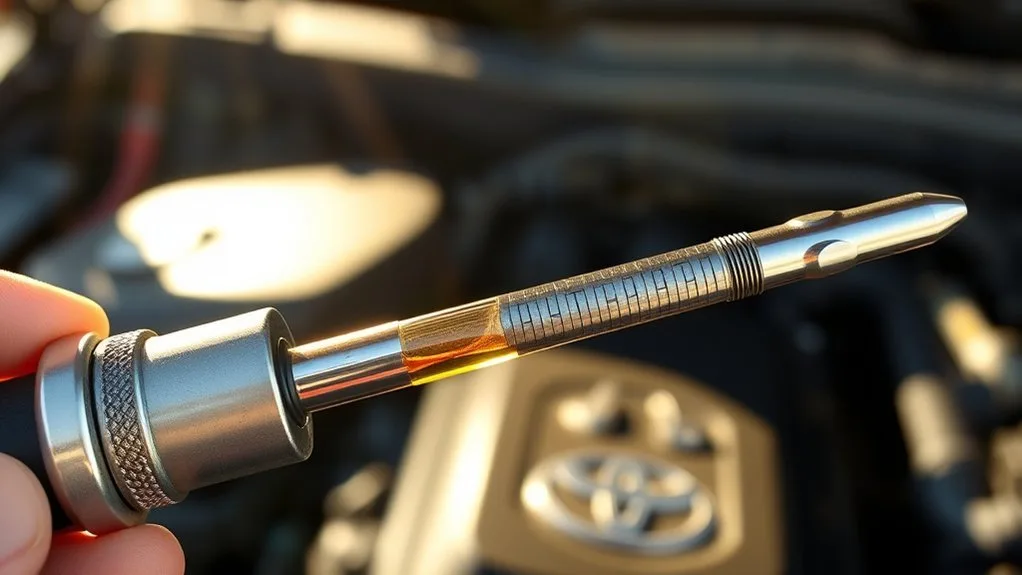
Image source: Web (Bing) / autoreviewnest.com (Web image (fair-use with source credit))
| Specification | 3.5L V6 (2GR-FKS) | 2.7L 4-Cylinder (2TR-FE) |
|---|---|---|
| Oil capacity (with filter) | 6.4 quarts (6.05 L) | 5.0 quarts (4.73 L) |
| Recommended oil viscosity | 0W-20 full synthetic | 0W-20 full synthetic |
| Oil quality standard | API SN Plus or ILSAC GF-6 | API SN Plus or ILSAC GF-6 |
| Drain plug torque | 18 lb-ft | 29 lb-ft |
| Drain plug socket size | 14mm | 18mm |
| Oil filter housing torque | 25 Nm (18 lb-ft) | 25 Nm (18 lb-ft) |
| Oil filter part number (OEM) | 04152-YZZA1 | 04152-YZZA1 |
Why do these numbers matter so much? Using the wrong viscosity or skipping the torque spec can lead to leaks or engine damage. The 0W-20 grade is thin enough for cold starts and thick enough at operating temperature.
Toyota engineers designed the variable valve timing system around this specific oil. Thicker oil can cause sluggish performance and reduced fuel economy.
The torque values are just as important. The oil pan is aluminum. Overtightening the drain plug strips the threads.
That means a new oil pan. Undertightening means a slow leak. Both are bad.
Expert Tips: Getting the Fill Perfect Every Time
Even with the right specs, the oil fill can go wrong. Here are the tricks that make the difference between a clean job and a mess.
Add oil in stages. Do not dump the entire bottle in at once. Pour in about 80 percent of the expected capacity.
Then check the dipstick. Add the rest in small increments. This prevents overfilling.
Use a long neck funnel. The oil filler opening on the 2023 Tacoma is tucked behind the engine cover. A standard funnel drips oil everywhere.
A flexible or long neck funnel reaches the opening without spilling.
Warm the engine first. Cold oil flows slowly. You might think the engine is full when it is not.
The oil level reading on the dipstick is only accurate when the oil is warm and has settled for a minute.
Check the dipstick twice. Pull it out, wipe it, insert it, pull it again. Read the level.
If you are between the low and full marks, you are fine. If you are at the low mark, add a quarter quart. If you are at the full mark, stop.
Keep a record. Write down the date, mileage, and oil type used. This helps you track intervals and spot trends.
If you see the oil level dropping between changes, you might have a leak.
Safety & Disposal: Staying Legal and Avoiding Burns
Working under a vehicle is dangerous. Oil changes involve hot fluids, heavy components, and flammable materials. Follow these rules to stay safe.
Never work under a vehicle supported only by a jack. Use jack stands or ramps. A jack can fail.
Jack stands are designed to hold the weight. Ramps are even simpler. Park on level ground and chock the rear wheels.
Let the engine cool slightly. Warm oil drains faster than cold oil. But hot oil can burn you.
Let the engine idle for two minutes, then shut it off. Wait five minutes. The oil will be warm but not scalding.
Wear gloves. Engine oil contains chemicals that can irritate your skin. Nitrile gloves are cheap and effective.
They also keep your hands clean.
Dispose of used oil properly. Used motor oil is a hazardous waste. It cannot go in the trash, down a drain, or on the ground.
One quart of oil can contaminate 250,000 gallons of water. Most auto parts stores accept used oil for free. The same goes for used oil filters.
Check with your local recycling center for drop-off locations.
The EPA sets guidelines for used oil disposal. The federal standard requires proper collection and recycling. Many states have additional regulations.
Staying compliant is simple. Collect the oil in a sealed container. Take it to a certified collection point.
Frequently Asked Questions
What happens if I put too much oil in my 2023 Tacoma?
Overfilling causes the crankshaft to whip the oil into foam. Foam does not lubricate well. The engine can overheat and suffer premature wear.
You might also blow out seals. If you overfill, drain the excess immediately.
Can I use 5W-30 instead of 0W-20 in my Tacoma?
Toyota recommends 0W-20 for the 2023 Tacoma. Using 5W-30 can cause poor fuel economy, reduced performance, and potential damage to the variable valve timing system. Stick with 0W-20 full synthetic for best results.
How often should I change the oil in a 2023 Tacoma?
Toyota recommends 10,000 miles for normal driving conditions. For severe duty, which includes towing, off-road driving, or extreme temperatures, change it every 5,000 miles. Check your owner manual for the exact schedule.
Do I need to use Toyota brand oil?
No. You can use any brand of 0W-20 full synthetic oil that meets API SN Plus or ILSAC GF-6 standards. Toyota brand oil is fine but not required.
Stick with a reputable brand like Mobil 1, Pennzoil, or Castrol.
Why does the dipstick show low oil after I added the full capacity?
The new oil filter absorbs some oil. Run the engine for 30 seconds, then turn it off. Wait one minute.
Check the dipstick again. The level should rise. If it is still low, add a quarter quart and recheck.
Can I use a different oil filter brand?
Yes, but use a high-quality filter. The OEM filter is 04152-YZZA1. Aftermarket brands like Mobil 1, Bosch, and Fram make compatible filters.
Avoid cheap no-name filters. They can have poor filtration and incorrect bypass valve pressure.
Final Verdict: Your Decision Guide for the 2023 Tacoma Oil Change
Here is the bottom line. The 2023 Tacoma oil capacity is either 6.4 quarts for the V6 or 5.0 quarts for the four-cylinder. Use 0W-20 full synthetic oil.
Replace the crush washer and oil filter every change. Check the dipstick. Dispose of the old oil properly.
If you are comfortable with basic tools, a DIY oil change is simple and saves money. If you are unsure, a shop can do it for about 80 to 120 dollars. The key is to get the right oil, the right amount, and the right procedure.
Keep your truck running smoothly. Change the oil on schedule. Use the correct capacity.
Your engine will thank you for years.