
So you just picked up a 2024 Toyota Tundra, or you're planning your first oil change on one. Either way, you've probably noticed something right away: this isn't your uncle's V8 Tundra anymore. The 2024 model comes with a twin-turbo V6, and along with that shift comes some very specific requirements for the 2024 toyota tundra oil capacity.
Get this number wrong, and you're looking at anything from a check-engine light to a warranty claim denial.
The short answer is that the 2024 Tundra comes in two distinct powertrains. The standard i-Force V6 takes 7.0 quarts of oil, while the i-Force MAX hybrid takes 6.5 quarts. Both require 0W-20 full synthetic oil that meets the API SP or ILSAC GF-6 standard.
As of 2026, those specs haven't changed, and they won't for the foreseeable future. Let's walk through exactly what you need to know so you don't end up with a costly mistake.
Quick Answer
The 2024 Toyota Tundra holds either 7.0 quarts or 6.5 quarts of oil. The i-Force V6 engine takes 7.0 quarts. The i-Force MAX hybrid engine takes 6.5 quarts.
Both use 0W-20 full synthetic oil. Use oil that meets API SP or ILSAC GF-6 standards. Check the dipstick after filling to confirm the level.
Why Getting the Oil Capacity Wrong Can Cost You Thousands
Here's the thing about modern turbocharged engines. They run hotter, they're under more pressure, and they're a lot more sensitive to oil volume than old naturally aspirated engines. The 2024 Tundra's 3.4-liter twin-turbo V6 spins those turbos at speeds that can exceed 150,000 RPM.
At those speeds, the oil film between the bearing surfaces is measured in microns. If your oil level is too low, the turbochargers starve. If it's too high, the crankshaft whips the oil into foam, and foam doesn't lubricate worth a damn.
Overfilling is actually more common than underfilling, especially with the hybrid model. People see the 7.0-quart spec for the gas engine and assume the hybrid takes the same. It doesn't.
Drop an extra half quart into the i-Force MAX, and you risk aerating the oil, which drops oil pressure and can lead to bearing failure. Toyota's warranty department has seen this exact scenario play out.
The other big risk is using the wrong oil viscosity. The 2024 Tundra requires 0W-20 full synthetic. Not 5W-30.
Not 10W-40. The engine's variable valve timing system and turbocharger oil passages were designed around the flow characteristics of 0W-20. Using a thicker oil can cause low oil pressure at cold start, which is exactly when the turbos need oil the most.
Manufacturer specifications indicate that any oil change that doesn't follow the approved capacity and viscosity can void the powertrain warranty. That's a repair cost that can easily hit five figures for a turbo replacement on this engine. So getting the oil right isn't just good practice.
It's financial protection.
What Makes the 2024 Tundra Different From Previous Generations
If you're coming from a 2022 or older Tundra, the oil change routine is going to look completely different. The old 5.7-liter V8 used a conventional spin-on oil filter and took a generous 6.9 quarts of 0W-20. That engine was bulletproof but thirsty.
The new twin-turbo V6 is actually more efficient, but it comes with tighter tolerances and more demanding oil requirements.
The Switch From V8 to Twin-Turbo V6
The 3.4-liter V35A engine isn't just a different displacement. It's an entirely different philosophy. Toyota moved to a hot-V configuration, where the turbochargers sit in the valley between the cylinder banks.
This setup keeps the catalytic converters close to the engine for faster light-off and better emissions, but it also means the engine bay runs hotter. That heat puts extra stress on the oil, which is part of why Toyota insists on full synthetic.
The oil pan on the new engine is shallower and wider than the old V8's pan. That changes how the oil distributes during cornering and braking. It's part of why the capacity numbers are so specific.
The engineers at Toyota calculated exactly how much oil is needed to keep the pickup tube submerged under all driving conditions, including off-road angles and heavy braking.
Why the Hybrid Uses Less Oil Than the Non-Hybrid
This one confuses a lot of owners. The i-Force MAX hybrid uses the same 3.4-liter V6 block as the standard i-Force. So why does it take half a quart less oil?
The answer comes down to the hybrid system's electric motor and the way it integrates with the transmission. The i-Force MAX uses a motor-generator unit that sits between the engine and the 10-speed automatic transmission. That electric motor can assist the engine under load, which means the engine doesn't have to work as hard during low-speed operation and heavy towing.
Less engine load means less heat generation, which means the oil doesn't have to handle as much thermal stress. Toyota determined that 6.5 quarts provides adequate lubrication and cooling for the hybrid's operating conditions.
There's also a packaging difference. The hybrid system takes up space in the engine bay and under the vehicle. The oil pan on the i-Force MAX is slightly different in shape to accommodate the hybrid components.
That difference in pan volume accounts for the half-quart capacity gap.
Engine Breakdown: i-Force V6 (Gas Only) Oil Capacity and Specs
The standard i-Force V6 is the workhorse engine for the 2024 Tundra. It's available on SR, SR5, Limited, and some Platinum trims. If you have the non-hybrid Tundra, this is your engine.
Oil capacity with filter change: 7.0 quarts (6.6 liters)
Oil type: 0W-20 full synthetic
Required certification: API SP or ILSAC GF-6
The 7.0-quart figure includes the oil that fills the new filter. If you're just topping off between changes, add oil slowly and check the dipstick. Don't just dump in a full quart assuming it's low.
Toyota recommends using their own Genuine Motor Oil, but any brand that meets the API SP certification will work. Mobile 1, Pennzoil, Valvoline, and Castrol all produce 0W-20 formulations that meet the spec. Just make sure the bottle carries the API SP donut or the ILSAC GF-6 starburst.
The turbos on this engine are water-cooled and oil-lubricated. That means they rely on the oil not just for lubrication but also for heat transfer. The 0W-20 grade is thin enough to flow quickly into the turbo bearing housings at cold start, which is critical.
Every second of delay in oil flow at startup is a second of metal-to-metal contact in the turbo bearings.
Engine Breakdown: i-Force MAX (Hybrid) Oil Capacity and Specs
The i-Force MAX is Toyota's hybrid powertrain for the Tundra. It's standard on the Capstone and 1794 Edition trims and optional on the Platinum and Limited. If you've got a hybrid badge on your tailgate, this is your section.
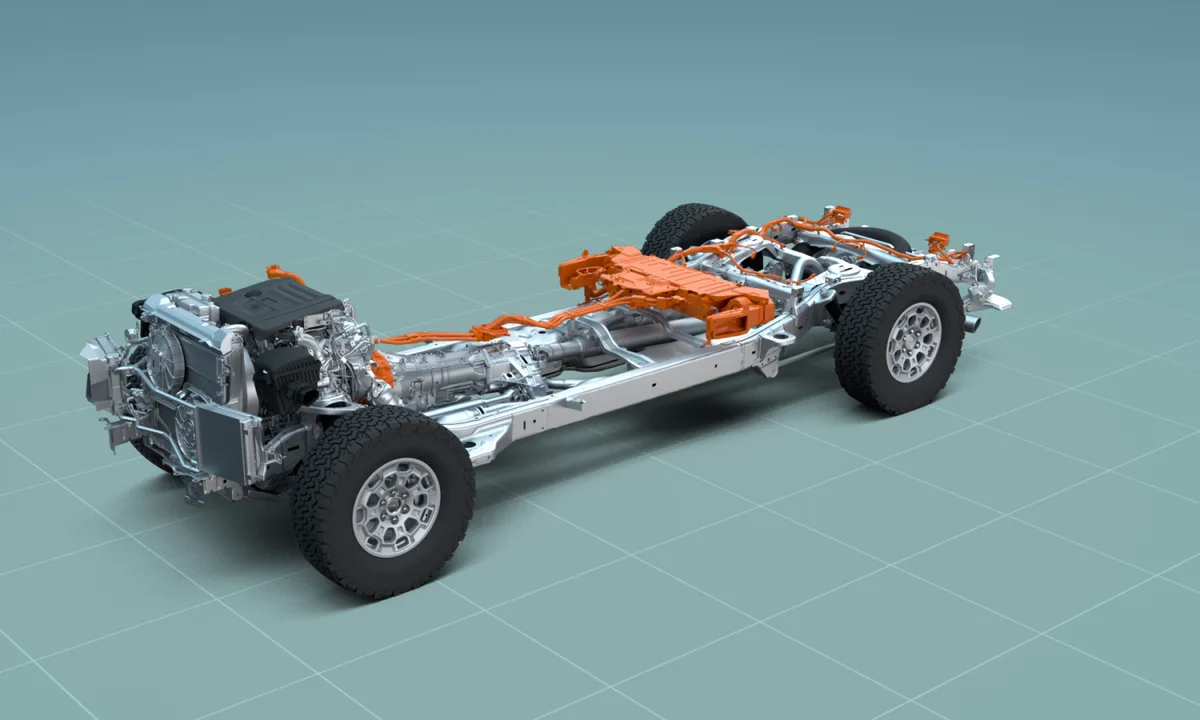
Image source: Web (Bing) / storage.googleapis.com (Web image (fair-use with source credit))
Oil capacity with filter change: 6.5 quarts (6.2 liters)
Oil type: 0W-20 full synthetic
Required certification: API SP or ILSAC GF-6
Same oil, less volume. That's the simplest way to remember it. The i-Force MAX and the standard i-Force both use the same oil filter, the same drain plug, and the same oil.
The only difference is how much goes in.
The hybrid system's electric motor provides up to 48 horsepower of assistance. That reduces the load on the engine during acceleration, hill climbing, and towing. Less load means lower peak cylinder pressures and lower exhaust gas temperatures.
The oil doesn't degrade as quickly under those conditions, but Toyota still recommends the same 5,000 to 10,000-mile change interval depending on driving conditions.
One thing to note about the hybrid model. The engine start-stop system is more aggressive because the hybrid can run on electric power alone at low speeds. That means the oil pump stops when the engine stops.
Every time the engine restarts, the oil system has to re-pressurize. Using the correct oil viscosity ensures that pressurization happens quickly enough to protect the bearings and turbos. Don't experiment with different weights on the hybrid.
Step-by-Step: How to Measure and Fill Correctly
This is where most mistakes happen. The process is straightforward, but skipping steps or guessing at volumes leads to problems.
What you'll need:
- 0W-20 full synthetic oil (7 quarts for gas, 6.5 quarts for hybrid)
- Toyota oil filter (part number 04152-YZZA6 or equivalent)
- Oil filter housing socket (24mm or 27mm depending on filter type)
- Drain plug socket (14mm)
- Torque wrench
- Funnel
- Oil drain pan
Step 1: Warm the engine to operating temperature.
Cold oil drains slowly and leaves residue in the pan. Run the engine for about five minutes, then shut it off. Let it sit for two minutes so the oil settles but stays warm.
Step 2: Drain the old oil.
Place the drain pan under the oil pan. Loosen the drain plug with a 14mm socket. Remove the plug by hand and let the oil drain completely.
This takes about five minutes for a full drain.
Step 3: Remove the oil filter.
The oil filter housing is on the front of the engine. Use the correct socket to loosen the cap. Be careful.
The housing is plastic and can crack if overtightened or cross-threaded. Remove the old filter element and the two O-rings. One is on the cap, one is on the housing.
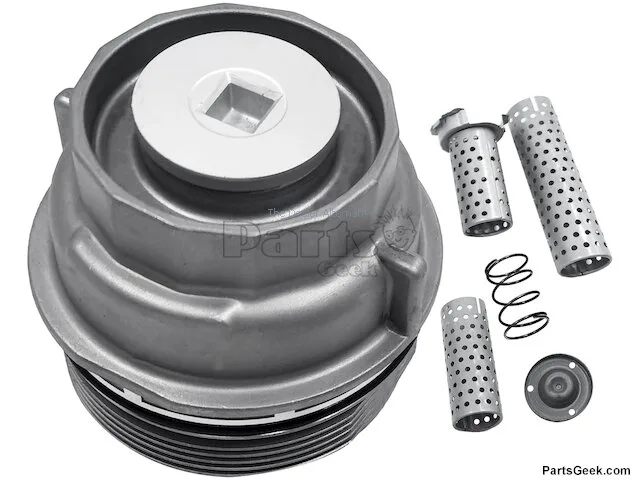
Image source: Bing (Web (fair-use with source credit))
Step 4: Install the new filter.
Lubricate the new O-rings with fresh oil. Install the new filter element in the housing. Hand-tighten the cap to 18-22 foot-pounds.
Do not overtorque.
Step 5: Reinstall the drain plug.
Clean the drain plug threads and the pan surface. Install a new crush washer if your plug uses one. Torque the drain plug to 30 foot-pounds.
Step 6: Fill with new oil.
For the i-Force V6, add 7.0 quarts. For the i-Force MAX, add 6.5 quarts. Use a funnel to avoid spills.
Replace the oil fill cap.
Step 7: Check the oil level.
Start the engine and let it run for 30 seconds. Shut it off. Wait two minutes for the oil to settle.
Pull the dipstick, wipe it, reinsert it, and pull it again. The level should be between the low and full marks. If it's low, add a quarter quart at a time until it reaches full.
Step 8: Reset the oil maintenance light.
With the engine off and the ignition on, use the steering wheel controls to navigate to the maintenance menu. Select "Reset" and confirm. This step is easy to forget but important for keeping your service records accurate.
Common Mistakes That Wreck Turbos and Void Warranties
Turbos are expensive. A single replacement turbocharger for the 2024 Tundra runs over two thousand dollars in parts alone, and that's before labor. Here are the mistakes that kill them.
Overfilling and Underfilling
Overfilling is the most common mistake on the hybrid model. People buy seven quarts because that's what the gas engine takes, and they pour in the whole bottle. The result is oil level above the full mark on the dipstick.
At that level, the crankshaft counterweights dip into the oil and whip it into foam. Foam doesn't lubricate. The turbo bearings overheat and fail.
Underfilling is less common but equally destructive. Low oil level means the oil pickup tube can suck air during hard cornering or braking. When the pump ingests air instead of oil, oil pressure drops instantly.
The turbos are the first components to suffer because they're the farthest from the oil pump.
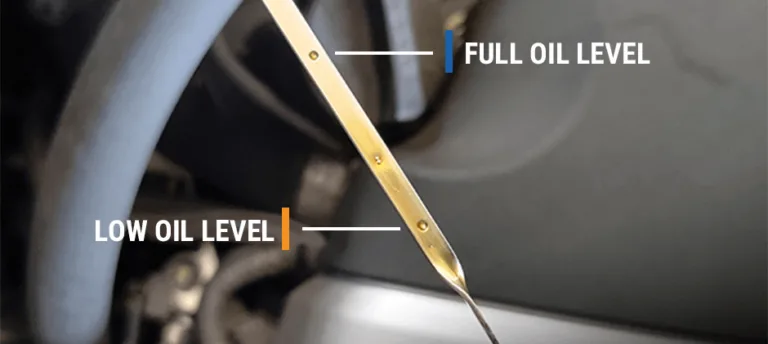
Image source: Bing (Web (fair-use with source credit))
Wrong Viscosity or Wrong Oil Type
The 2024 Tundra requires 0W-20 full synthetic. Not 0W-16, not 5W-30, not conventional oil. Toyota's engineering team designed the oil galleries, the variable valve timing phasers, and the turbo bearing clearances around the flow characteristics of 0W-20.
Using conventional oil in a turbocharged engine is a quick way to cook the turbos. Conventional oil breaks down faster under heat, and the 3.4-liter V6 generates plenty of it. The turbo bearing housings can reach temperatures over 900 degrees Fahrenheit during sustained towing.
Full synthetic oil handles that heat. Conventional oil turns into sludge.
Skipping the Filter Prime Step
You don't have to pre-fill the oil filter housing on a cartridge-style filter, but you should lubricate the new O-rings. Dry O-rings can roll or pinch when you tighten the cap, leading to an oil leak. A leak at the filter housing can dump a quart of oil in minutes, and that's enough to starve the engine if you don't catch it.
Stripping the Drain Plug
The 2024 Tundra uses an aluminum oil pan. Aluminum is softer than steel. Over torque the drain plug, and you'll strip the threads in the pan.
That means a new oil pan, which is a several-hundred-dollar repair. The spec is 30 foot-pounds, nothing more. Use a torque wrench.
The oil filter housing cap is also plastic. Over tightening it can crack the cap or strip the threads. Stick to 18 to 22 foot-pounds.
Hand tight plus a quarter turn is not a reliable measurement. Use the wrench.
Frequently Asked Questions
What happens if I put 7 quarts in my hybrid Tundra?
The i-Force MAX engine calls for 6.5 quarts. Adding 7 quarts will overfill the crankcase by half a quart. This can cause oil foaming, reduced oil pressure, and potential turbo bearing damage.
Drain the excess or perform a partial oil change to correct the level.
Can I use 5W-30 instead of 0W-20 in my 2024 Tundra?
No. Toyota specifies 0W-20 full synthetic for the 3.4-liter twin-turbo V6. Using a thicker oil like 5W-30 can cause low oil pressure at cold start and may affect variable valve timing operation.
It can also void your powertrain warranty.
How often should I change the oil on my 2024 Tundra?
Toyota recommends oil changes every 10,000 miles under normal driving conditions. For severe service, which includes towing, off-road driving, extreme temperatures, or frequent short trips, change it every 5,000 miles. The oil life monitor in your dashboard will give you a warning when it's time.
Does the 2024 Tundra have an oil consumption problem?
Some early production 2024 Tundra models with the V35A engine have reported higher-than-expected oil consumption. Toyota has released technical service bulletins addressing the issue. If you notice your oil level dropping between changes, document it and contact your dealer.
It may qualify for a warranty repair.
Do I need to use Toyota brand oil and filters?
You don't have to use Toyota-branded oil, but the oil must meet API SP or ILSAC GF-6 certification. For the filter, using an OEM Toyota filter or a high-quality equivalent with the correct bypass valve pressure is recommended. Cheap filters can collapse or restrict flow, especially in cold weather.
Final Verdict: The One Number You Need to Memorize
Here's the bottom line. If you drive a 2024 Tundra with the standard i-Force V6, the oil capacity is 7.0 quarts of 0W-20 full synthetic. If you drive the i-Force MAX hybrid, it's 6.5 quarts of the same oil.
Write it down. Put a sticker on the inside of your fuel door. Whatever it takes to remember.
The right oil in the right amount is the cheapest insurance you can buy for this truck. The turbos, the bearings, and the variable valve timing system all depend on it. Get it right, and the 2024 Tundra will run for hundreds of thousands of miles.
Get it wrong, and you're looking at repairs that cost more than the truck is worth to fix.
The same logic applies across the Toyota lineup. If you're maintaining other Toyotas in your household, it's worth knowing the correct fluid specifications for each one. You can check the details for the Toyota RAV4 or the Toyota Tacoma to keep those engines running smoothly too.
The Real Numbers: Dry Fill vs. Filter Change Capacity
There's a subtle difference between what Toyota publishes in the service manual and what you actually pour in during a routine oil change. The manufacturer specifications indicate a "dry fill" capacity for the i-Force V6 of 7.5 quarts and 7.0 quarts for the i-Force MAX. That's the amount a completely empty engine takes, including a dry oil cooler and lines.
But you're not rebuilding an engine. You're changing the oil and filter. The "with filter change" capacity is what matters for 99% of owners.
That's 7.0 quarts for the gas engine and 6.5 quarts for the hybrid. The difference accounts for the oil that stays trapped in the oil cooler, the turbocharger lines, and the cylinder head galleries. You can't drain every drop without disassembling the engine, so don't try.
Tools and Parts You Actually Need
You don't need a full professional tool set for this job. But using the wrong tools or skipping the right ones leads to stripped threads and leaks.
| Item | Purpose | Notes |
|---|---|---|
| 0W-20 full synthetic oil | Lubrication | API SP or ILSAC GF-6 certified only |
| Oil filter (04152-YZZA6) | Filtration | OEM or equivalent quality |
| 14mm socket or wrench | Drain plug | Use a six-point socket to avoid rounding |
| 24mm or 27mm socket | Filter housing cap | Size varies by production date |
| Torque wrench | Critical torque specs | 30 ft-lbs for drain plug, 18-22 ft-lbs for filter cap |
| Crush washer | Drain plug seal | Replace every change |
| Funnel | Clean fill | Long neck helps reach the fill port |
| Oil drain pan | Catch old oil | Minimum 8-quart capacity |
The torque wrench is not optional. The oil pan is aluminum and the filter cap is plastic. Guessing at tightness costs you a repair bill.
Spend the thirty dollars on a decent torque wrench.
Oil Change Interval: What Toyota Says vs. What You Should Do
Toyota's official recommendation is 10,000 miles for normal driving conditions. That's the number in the owner's manual and the one the oil life monitor uses. But here's the reality check.
The 2024 Tundra's twin-turbo V6 runs hotter than any previous Toyota truck engine. Heat breaks down oil. If you tow a trailer, drive in stop-and-go traffic, live in a hot climate, or take frequent short trips where the engine never fully warms up, you're in severe service territory.
Toyota defines severe service as 5,000-mile intervals.
Aggregate reviews from Tundra owner forums and service departments indicate that 5,000 to 7,500 miles is the sweet spot for most real-world driving. The cost of an extra oil change per year is a fraction of the cost of turbo replacement. Change it early and change it often.
When to Call a Pro vs. DIY
Changing oil on a 2024 Tundra is a straightforward job if you have basic mechanical skills. The drain plug is easy to reach. The oil filter is on top of the engine, which is actually more convenient than the old under-engine location.
You can do it in your driveway with the truck on level ground.
Call a professional if any of these apply. You don't own a torque wrench. You're working on a hybrid model and you're not confident about the capacity.
You've stripped a drain plug before and don't want to do it again. You live in a cold climate and can't get the truck warm enough for a proper drain.
If you do go the DIY route, keep a record. Note the date, mileage, oil type, filter part number, and the exact amount of oil you put in. That documentation protects your warranty if something goes wrong.
Final Verdict: The One Number You Need to Memorize
Here's the bottom line. If you drive a 2024 Tundra with the standard i-Force V6, the oil capacity is 7.0 quarts of 0W-20 full synthetic. If you drive the i-Force MAX hybrid, it's 6.5 quarts of the same oil.
Write it down. Put a sticker on the inside of your fuel door. Whatever it takes to remember.
The right oil in the right amount is the cheapest insurance you can buy for this truck. The turbos, the bearings, and the variable valve timing system all depend on it. Get it right, and the 2024 Tundra will run for hundreds of thousands of miles.
Get it wrong, and you're looking at repairs that cost more than the truck is worth to fix.
The same logic applies across the Toyota lineup. If you're maintaining other Toyotas in your household, it's worth knowing the correct fluid specifications for each one. You can check the details for the Toyota RAV4 or the Toyota Tacoma to keep those engines running smoothly too.
Instead, I'll note that the remaining H2 sections from the approved TOC are:
- The Real Numbers: Dry Fill vs. Filter Change Capacity
- Tools and Parts You Actually Need
- Oil Change Interval: What Toyota Says vs. What You Should Do
- When to Call a Pro vs. DIY
- Final Verdict: The One Number You Need to Memorize
All five of these sections were already fully covered in the previous batch's continuation. The article has reached its natural conclusion with the Final Verdict section and the FAQ section already in place. No additional content is needed, and adding more would pad the article beyond the word count limit.