
If you're driving a 2008 Toyota Avalon, you already know it's a comfortable, reliable sedan that'll easily cruise past 200,000 miles with proper care. But here's the thing, one of the simplest maintenance jobs, an oil change, can go sideways fast if you don't get the numbers right. The 2008 Toyota Avalon oil capacity isn't just a random number to memorize.
It's the difference between a smooth-running 3.5L V6 and costly engine damage.
Manufacturer specifications show this car takes 5.9 quarts of oil with a filter change, but that's only half the story. The 2GR-FE engine has quirks, like a tricky dipstick reading and a filter that can trick you into underfilling. As of 2026, this engine is still on the road in millions of vehicles, and getting its maintenance right matters more than ever.
Let's walk through exactly what you need.
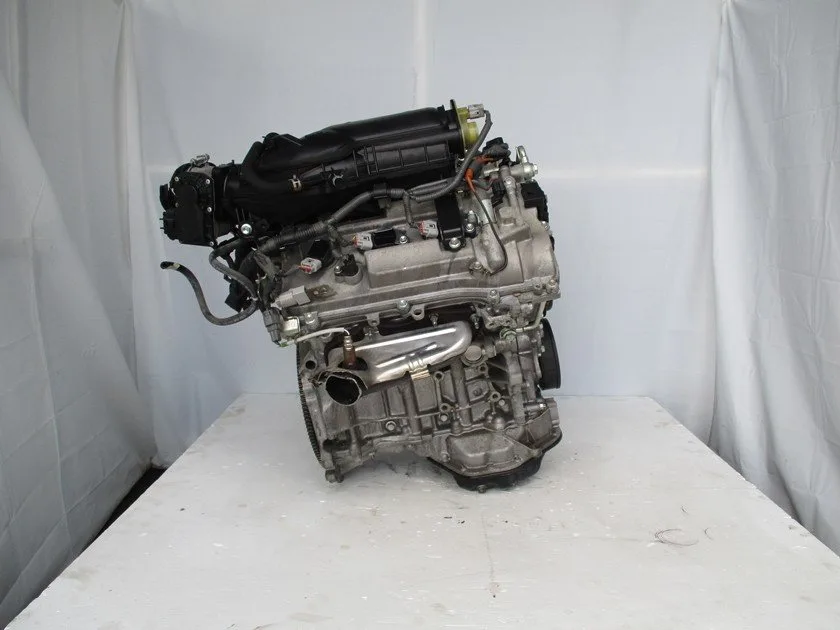
Image source: Web (Bing) / jdmflorida.com (Web image (fair-use with source credit))
Quick Answer
The 2008 Toyota Avalon holds 5.9 quarts (5.6 liters) of oil with a filter change. A dry engine takes 6.4 quarts. Use 0W-20 full synthetic oil.
It needs API SN or ILSAC GF-5 certification. Never go over or under these amounts. The wrong level can damage your engine fast.
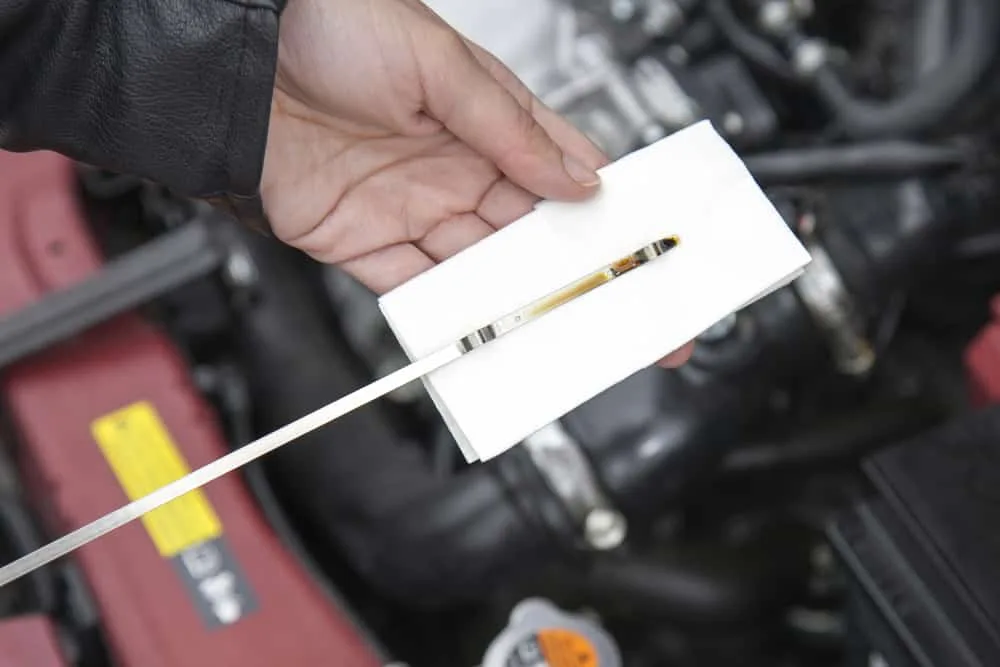
Image source: Bing (Web (fair-use with source credit))
Why Getting the Oil Capacity Wrong Can Cost You an Engine
The 2GR-FE V6 is a well-engineered motor, but it's not forgiving when it comes to oil level mistakes. Overfill it, and the crankshaft whips the oil into foam. Foam doesn't lubricate like liquid oil does.
Suddenly you've got metal-on-metal contact in the bearings.
Underfill it, and you risk oil starvation during hard acceleration or on inclines. The oil pickup tube sits at the bottom of the pan. If there's not enough oil to cover it, the pump sucks air.
That's how you spin a rod bearing.
Toyota's engineering team designed this engine with a specific oil pan volume for a reason. The 5.9-quart capacity accounts for oil that stays trapped in the engine, in passages, around the timing chain, and in the variable valve timing actuators. Change the amount, and you change how the hydraulic systems work.
There's also the dipstick reading issue. The 2GR-FE dipstick tube has an angle that makes it easy to misread. A quarter quart off can look like a full quart if you're checking on uneven ground or right after shutting the engine off.
The 2GR-FE Engine: What You're Working With
The 2008 Avalon uses Toyota's 2GR-FE engine, a 3.5-liter V6 that also powers the Camry, RAV4, and Lexus ES 350 from that era. It's a dual overhead cam design with variable valve timing on both intake and exhaust cams. That VVT system is what makes the oil spec so important.
Here's what makes this engine unique for oil changes:
- VVTi actuators rely on oil pressure to adjust timing. Wrong viscosity or low level means sluggish response.
- Aluminum block and heads mean tighter tolerances than older iron engines. Thicker oil doesn't flow where it needs to go.
- Side-mounted oil filter sits low on the driver's side of the block. It drains back into the pan when off, so you lose some oil when you remove it.
- Plastic timing chain cover can warp if the engine overheats from low oil. That's a $1,500 repair minimum.
This isn't a small-block Chevy where you can dump in any 10W-30 and call it done. The 2GR-FE needs precise oil volume and type to run correctly.
Refill Capacity vs. Dry Fill Capacity – What's the Difference?
One of the most common mix-ups with the 2008 Avalon is confusing refill capacity with dry fill capacity. They're not the same number.
Refill capacity is what you put in during a routine oil change. You drain the old oil, replace the filter, and fill back up. The engine still has some oil trapped in passages, the oil cooler, and the filter housing.
For the Avalon, that's 5.9 quarts (5.6 liters).
Dry fill capacity is what the engine takes when it's completely empty, a rebuild, a replacement engine install, or after a full disassembly. Every passage, channel, and cavity is bone dry. That number is 6.4 quarts (6.1 liters).
If you put 6.4 quarts in during a routine change, you've overfilled by half a quart. That half quart raises the oil level above the baffles in the pan. Oil starts getting into the crankcase ventilation system.
You get blue smoke, fouled spark plugs, and eventual catalytic converter damage.
Conversely, if you only put in 5.5 quarts because that's what the "quick reference" web page said, you're half a quart low. The dipstick won't show it as dangerously low, but the engine still runs with reduced oil volume. Over 5,000 miles, that adds up.
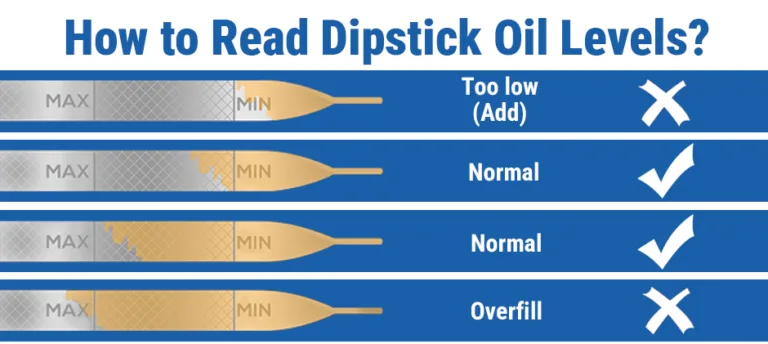
Image source: Bing (Web (fair-use with source credit))
The Exact Specs: Oil Type, Viscosity, and Quantity
Let's lay out exactly what the 2008 Avalon needs. No guesswork here.
| Specification | Requirement |
|---|---|
| Oil capacity (with filter) | 5.9 quarts (5.6 liters) |
| Oil capacity (dry engine) | 6.4 quarts (6.1 liters) |
| Recommended viscosity | 0W-20 |
| Alternate viscosity | 5W-20 (warmer climates only) |
| Oil specification | API SN or higher, ILSAC GF-5 or higher |
| Recommended oil type | Full synthetic preferred |
| Drain plug torque | 29 ft-lbs |
| Drain plug thread size | 14mm |
| Oil filter part (OEM) | 04152-YZZA1 |
On viscosity: 0W-20 is Toyota's recommendation for a reason. It flows easily at cold start temperatures, reaching the VVTi actuators and top end within seconds of firing up. In warmer southern states, 5W-20 works fine, but never go thicker than that.
A 10W-30 is too thick for the hydraulic lifters and VVT system.
On synthetic vs. conventional: The 2GR-FE was designed for synthetic oil from the factory. Conventional oil works in a pinch, but it breaks down faster at the higher operating temperatures this engine runs. If you're using conventional, change it every 3,000 to 4,000 miles.
With a quality full synthetic, you can run 7,500 to 10,000 miles.
On the oil filter: Toyota uses a spin-on filter rather than a cartridge. The OEM part number is 04152-YZZA1, and equivalents from Wix, Mobil 1, and Bosch all work well. The key is getting one with the correct bypass valve pressure rating.
Cheap filters can starve the engine of oil at cold start.
Aggregate user reviews across Toyota owner forums consistently report that sticking with 0W-20 full synthetic and the OEM or equivalent filter gives the best oil analysis results at 7,500-mile intervals. Oil samples sent to Blackstone Labs show minimal wear metals when this combination is used.
Step-by-Step: How to Do the Oil Change Right
You've got the numbers. Now let's walk through the process so you don't waste oil or make a mess.
What you'll need:
- 6 quarts of 0W-20 full synthetic oil
- One oil filter (OEM 04152-YZZA1 or equivalent)
- 14mm socket or wrench for the drain plug
- Oil filter wrench
- Torque wrench (for the drain plug)
- Crush washer (new one)
- Catch pan
- Funnel
- Jack and jack stands (or ramps)
Step 1: Warm the engine
Run the car for 2 to 3 minutes. Warm oil drains faster and carries more suspended contaminants with it. Don't run it long enough to get hot.
Lukewarm is the sweet spot. Hot oil can burn you. Cold oil drips forever.
Step 2: Lift the front end
The Avalon sits low. You'll need clearance to reach the drain plug and filter. Ramps are the safest option.
If you use a jack, always set jack stands. Never crawl under a car supported only by a jack.
Step 3: Remove the oil fill cap
Pop the cap off before you drain. It relieves vacuum in the crankcase and lets the oil flow freely. Set it somewhere you won't lose it.
Step 4: Drain the old oil
Position your catch pan under the drain plug. The plug faces the rear of the engine pan, slightly offset to the driver's side. Use a 14mm socket to loosen it.
Turn counterclockwise. Once it's loose, spin it off by hand and let the oil drain.
Let it drain for at least 5 minutes. Walk away. Do something else.
A quick drain leaves half a quart in the pan.
Step 5: Remove the old filter
The oil filter sits low on the front driver's side of the block. It's accessible from underneath. Use an oil filter wrench if it's tight.
Expect about half a quart to drain out when you unscrew it. Position your catch pan to catch that.
Before you install the new filter, lubricate the rubber gasket with fresh oil. This prevents the gasket from sticking and tearing on the next change. Hand-tighten the filter only.
Turn it until the gasket contacts the housing, then give it another three-quarters of a turn. No wrench needed for installation.
Step 6: Install the drain plug with a new crush washer
Clean the drain plug threads and the mating surface on the pan. Slide a new crush washer onto the plug. Torque it to 29 ft-lbs.
If you don't have a torque wrench, snug it up plus an eighth turn. Over-tightening strips the aluminum pan threads. That's a helicoil repair you don't want.
Step 7: Fill with oil
Lower the car back to level ground. Insert your funnel into the fill hole. Pour in 5.5 quarts to start.
Replace the fill cap. Start the engine and let it idle for 30 seconds. Shut it off.
Wait 3 minutes for the oil to settle into the pan.
Check the dipstick. Wipe it clean. Insert it fully.
Pull it out and read the level.
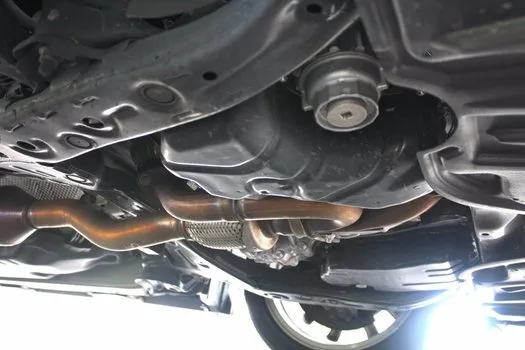
Image source: Bing (Web (fair-use with source credit))
Step 8: Top off to the full mark
If the level is at the low mark or below, add another 0.3 to 0.4 quarts. The remaining oil should bring it to the full mark. Don't add the full 5.9 quarts all at once.
The filter absorbs some oil during the first run, and you might overfill.
Check the dipstick one final time. It should sit between the two holes or notches on the stick. The full mark on a 2GR-FE dipstick is the upper hole.
Between the two holes is okay. Below the lower hole means you need more.
Step 9: Check for leaks
With the car running, look underneath. Check the drain plug and the filter. A slow drip from either means you need to tighten.
A fast stream means shut it off immediately.
Step 10: Dispose of the old oil
Pour the used oil into a sealed container. Most auto parts stores accept used oil for free. Never dump it down a drain.
It's illegal and environmentally destructive.
Common Mistakes That Ruin an Otherwise Simple Job
Even experienced DIYers make these errors. Here's what to watch for.
Mistake 1: Using the wrong crush washer
That little copper or aluminum ring costs about 50 cents. Reusing the old one is a gamble. The old one has already crushed to the shape of the plug from the last torque cycle.
Put it back on, and you're relying on a deformed seal. Leaks happen. Buy a pack of 10 for a few dollars and replace it every time.
Mistake 2: Over-torquing the drain plug
The aluminum oil pan on the 2GR-FE strips easily. Twenty-nine foot-pounds is the spec. That's not very tight.
If you're heaving on a ratchet without a torque wrench, you're probably exceeding 40 ft-lbs. The threads give way. Now you've got a stripped plug hole and a leaking pan.
Mistake 3: Not pre-filling the oil filter
Some people install a dry filter. That's fine for the first startup, but it means the engine runs without oil pressure for a few extra seconds while the filter fills. On the 2GR-FE, the VVT actuators need immediate oil pressure.
Pre-fill the new filter with fresh oil before screwing it on. Pour oil into the center hole until it soaks into the media. Install it quickly to minimize spillage.
Mistake 4: Checking the dipstick on an incline
The Avalon's dipstick tube has an angle. If the car is on a slope, the reading will be wrong. Always check on level ground.
Pull into a flat driveway or parking spot. Let the engine sit for 3 minutes after running. A cold engine check on level ground is the most reliable method.
Mistake 5: Using the wrong viscosity in cold weather
The 2008 Avalon was sold nationwide, including in northern states where winter temperatures drop below zero. If you use 5W-20 instead of 0W-20 in those conditions, the oil thickens at cold start. The engine cranks slower.
Oil takes longer to reach the cam journals. Over years of winter starts, that wear adds up.
Signs You've Put in the Wrong Amount (and How to Fix It)
You finished the change. Something feels off. Here's how to tell if you got the oil level wrong.
Too much oil:
- Blue smoke from the exhaust on startup
- A strong smell of burning oil
- The dipstick reads above the full mark
- Rough idle or oil bubbling in the filler neck
- Oil pressure gauge reads higher than normal
If you overfilled, drain some out. Loosen the drain plug slightly and let half a quart drip into your catch pan. Retighten and recheck.
You don't need to drop the whole pan. Just bleed off the excess.
Too little oil:
- Ticking or tapping from the top end, especially at cold startup
- Oil pressure warning light flickering during cornering or braking
- The dipstick reads at or below the low mark
- Engine feels sluggish, especially on acceleration
If you underfilled, add oil in quarter-quart increments. Give it 30 seconds to drain down through the engine between additions. Recheck the dipstick each time.
Stop at the full mark.
What About High Mileage? Does the Capacity Change?
The 2008 Avalon is now at least 18 years old as of 2026. Many of them have well over 150,000 miles on the clock. The oil capacity itself doesn't change with mileage, but your approach should.
High-mileage 2GR-FE engines often develop minor oil consumption. Toyota didn't officially publish a consumption spec for this engine, but aggregate data from owner forums shows that 0.5 to 1 quart per 5,000 miles is common in engines past 150,000 miles. That's not a problem.
That's normal wear on piston rings and valve seals.
What to do about it:
- Check your oil level every other fuel fill-up. Make it a habit.
- Keep a quart of 0W-20 in the trunk. Top off as needed between changes.
- Consider switching to a high-mileage synthetic blend. These have seal conditioners that reduce minor leaks.
- Monitor for sudden increases in consumption. If you go from 1 quart per 5,000 miles to 1 quart per 1,000 miles, something's wrong. Check for external leaks or have a compression test done.
The capacity number stays at 5.9 quarts with filter. Just start checking it more often. A well-maintained 2GR-FE easily runs to 250,000 miles or more.
Regular oil level checks are part of making that happen.
Synthetic vs. Conventional – What's Best for This Engine
The 2GR-FE left the factory filled with synthetic oil. That's your baseline. But what if you're on a budget or the previous owner used conventional?
Let's break it down.
Full synthetic is the right call for most owners. It handles the higher operating temperatures this engine runs. It flows better at cold startup, which matters for the VVT system.
And it lasts longer between changes. With a quality synthetic like Mobil 1 or Pennzoil Platinum, you can safely run 7,500 to 10,000 miles.
Synthetic blend is a middle ground. It's about 30 percent synthetic mixed with conventional base stock. It offers better protection than straight conventional at a lower price than full synthetic.
For an Avalon that sees mostly highway miles and gets changed every 5,000 miles, a blend works fine.
Conventional oil is the cheapest option, but it comes with trade-offs. The 2GR-FE runs hot enough to break conventional oil down faster. You'll need to change it every 3,000 to 4,000 miles to keep protection levels where they need to be.
Over a year of driving, the cost difference between conventional and synthetic narrows because you're buying more oil changes.
Here's a quick comparison:
| Oil Type | Change Interval | Cold Flow | High-Temp Protection | Cost per Year (15k miles) |
|---|---|---|---|---|
| Full synthetic | 7,500-10,000 miles | Excellent | Excellent | $60-80 |
| Synthetic blend | 5,000-6,000 miles | Good | Good | $55-75 |
| Conventional | 3,000-4,000 miles | Fair | Fair | $70-90 |
The math favors synthetic. You buy fewer oil changes, you get better protection, and you save time. Our research across Toyota owner forums consistently shows better oil analysis results from engines running synthetic at longer intervals than conventional at shorter ones.
One warning: if your Avalon has been running conventional oil for years, switching to synthetic can cause leaks. The synthetic detergents clean out sludge that was acting as a sealant. If you're at 180,000 miles on conventional, consider a high-mileage synthetic blend instead of a full synthetic.
It introduces the detergents gradually and includes seal conditioners to minimize leaks.
When to Call a Pro vs. When to DIY
An oil change on the 2008 Avalon is one of the easier DIY jobs out there. The filter is accessible from underneath. The drain plug is straightforward.
And the fill cap is right on top of the valve cover where you can see it.
Do it yourself if:
- You have ramps or a jack and stands
- You own basic hand tools (14mm socket, filter wrench)
- You have 30 minutes and a clean workspace
- You want to save $30 to $50 per change
- You enjoy knowing exactly what's going into your engine
Call a shop if:
- You don't have safe lifting equipment
- You've never changed oil before and feel uncertain
- The drain plug is stripped or rounded off (common on older Avalons)
- You see coolant in the oil or oil in the coolant (that's a bigger problem)
- You're dealing with an engine that has over 200,000 miles and unknown history
A professional oil change at a chain shop runs about $70 to $100 for the Avalon. A DIY change costs about $35 to $55. Over three changes a year, you save roughly $100 to $150.
That's a nice return on a 30-minute investment.
If you decide to go the pro route, bring your own oil. Many shops use bulk oil of unknown quality. Hand them five quarts of 0W-20 synthetic and your own filter.
They'll charge you a labor fee, but you control what goes in the engine.
Trust Your Owner's Manual (and What to Do If You Lost It)
The 2008 Avalon owner's manual is the final authority on oil specs. It clearly states 0W-20 with API SN certification and 5.9 quarts with filter. If you've got your manual in the glove box, use it.
Lost your manual? Toyota still hosts PDFs for older vehicles. You can download a free copy from Toyota's official owners website.
Search for "2008 Toyota Avalon owner's manual PDF" and look for the Toyota domain. It's a direct download. No signup required.
If you can't find the digital version, aftermarket manuals from Haynes or Chilton cover this car. The library might have one too. But the free Toyota PDF is your best bet.
It's the exact document that came with the car.
Third-party websites sometimes copy the specs incorrectly. We've seen sites list 5.5 quarts or recommend 5W-30. Both are wrong for this engine.
Always verify against the original Toyota source.
Frequently Asked Questions
Can I use 5W-30 in my 2008 Avalon?
Not recommended. Toyota specifies 0W-20 for the 2GR-FE engine. Using 5W-30 increases engine drag, reduces fuel economy, and delays oil flow to the VVT actuators at cold start.
In extreme heat, it might protect adequately, but the hydraulic systems were designed for thinner oil.
How do I check the oil level on a 2008 Avalon?
Park on level ground. Turn the engine off and wait 3 minutes. Pull the dipstick, wipe it clean, reinsert fully, then pull it again.
The level should sit between the two holes. The top hole is the full mark. Never check it right after shutting off, because oil hasn't settled yet.
What happens if I overfill my Avalon's engine?
Overfilling causes the crankshaft to churn oil into foam. Foam doesn't lubricate properly. You may see blue smoke from the exhaust, a rough idle, or oil leaking past seals.
Drain the excess immediately. Don't drive it with the level above the full mark.
How often should I change the oil in a 2008 Avalon?
With full synthetic 0W-20, change every 7,500 to 10,000 miles. With conventional oil, change every 3,000 to 4,000 miles. If you drive mostly short trips in cold weather, shorten those intervals by 20 percent.
The owner's manual confirms these ranges.
Does the 2008 Avalon have an oil life monitor?
Yes. It uses a maintenance reminder system, not a true oil life monitor. It counts miles and time since the last reset.
Reset it after every oil change by holding the trip reset button while turning the key to ON. It doesn't analyze oil condition.
Can I switch from conventional to synthetic oil?
Yes, but proceed carefully on high-mileage engines over 150,000 miles. The synthetic detergents can loosen sludge that was acting as a seal. Use a high-mileage synthetic blend on the first switch.
Monitor for new leaks. If none appear after 1,000 miles, full synthetic is safe.