
If you're looking up the 2001 toyota tacoma oil capacity, you've probably got an oil change coming up and you want to get it right. That's smart, putting in the wrong amount can lead to engine wear or even a costly repair. The answer depends entirely on which engine is under the hood: the 2.4L four-cylinder, the 2.7L four-cylinder, or the 3.4L V6.
Manufacturer specifications indicate the 2.7L takes 5.1 quarts with a filter change, while the 3.4L V6 needs 5.5 quarts. Getting this wrong by even half a quart can cause real problems. Let's walk through how to confirm your engine, what oil to use, and the exact steps for a perfect oil change.
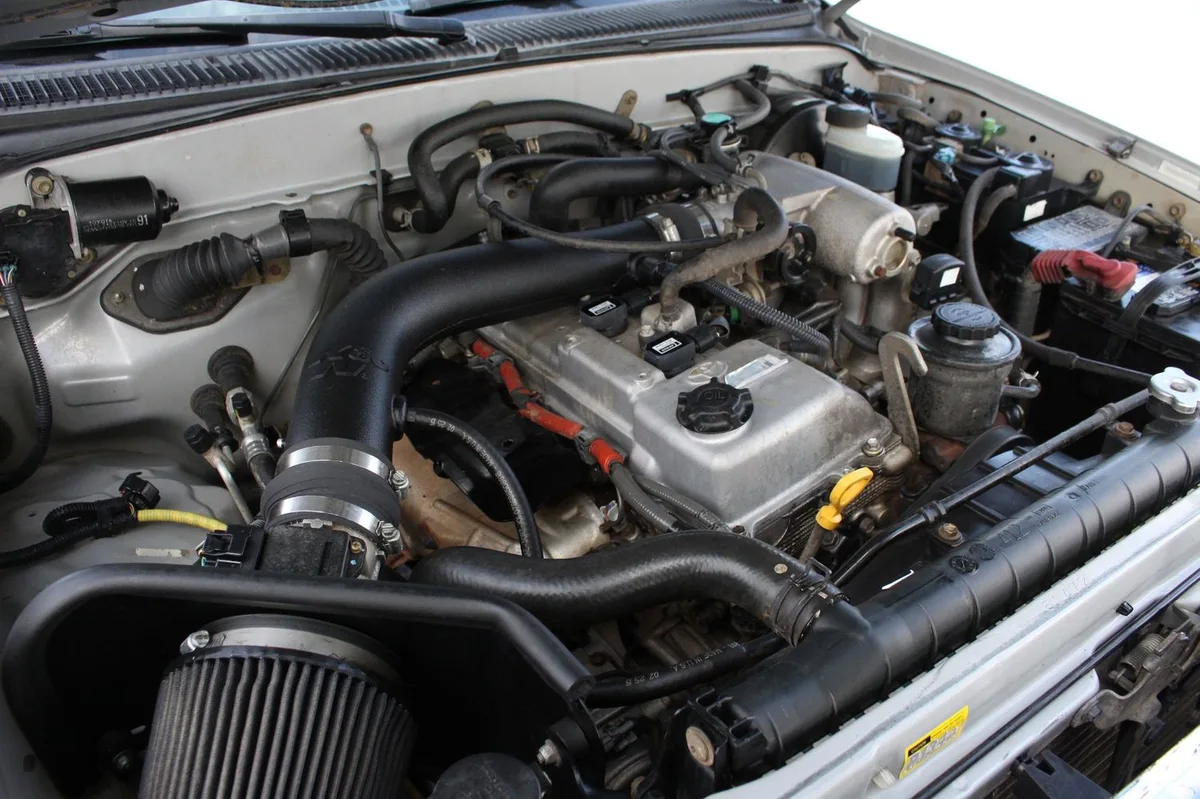
Image source: Web (Bing) / inf-inet.com (Web image (fair-use with source credit))
Quick Answer: 2001 Tacoma Oil Capacity at a Glance
The 2001 Tacoma holds:
- 2.4L (2RZ-FE): 4.5 quarts (4.3 liters)
- 2.7L (3RZ-FE): 5.1 quarts (4.8 liters)
- 3.4L V6 (5VZ-FE): 5.5 quarts (5.2 liters)
All figures include the oil filter. Use 5W-30 conventional or synthetic. Check the dipstick after filling, run the engine, then recheck.
How to Identify Which Engine Is in Your 2001 Tacoma
Don't guess. You can confirm the engine three ways.
1. Check the VIN
The eighth character of your 17-digit VIN tells the story:
- R = 2.4L (2RZ-FE)
- T = 2.7L (3RZ-FE)
- 5 = 3.4L V6 (5VZ-FE)
2. Look at the valve cover
Open the hood and read the sticker or casting on the plastic engine cover. The 2.7L says "3RZ-FE" in raised letters. The V6 says "5VZ-FE." The 2.4L says "2RZ-FE."
3. Count spark plugs
The four-cylinder has four spark plugs visible along the front of the engine. The V6 has six plugs, three on each side.
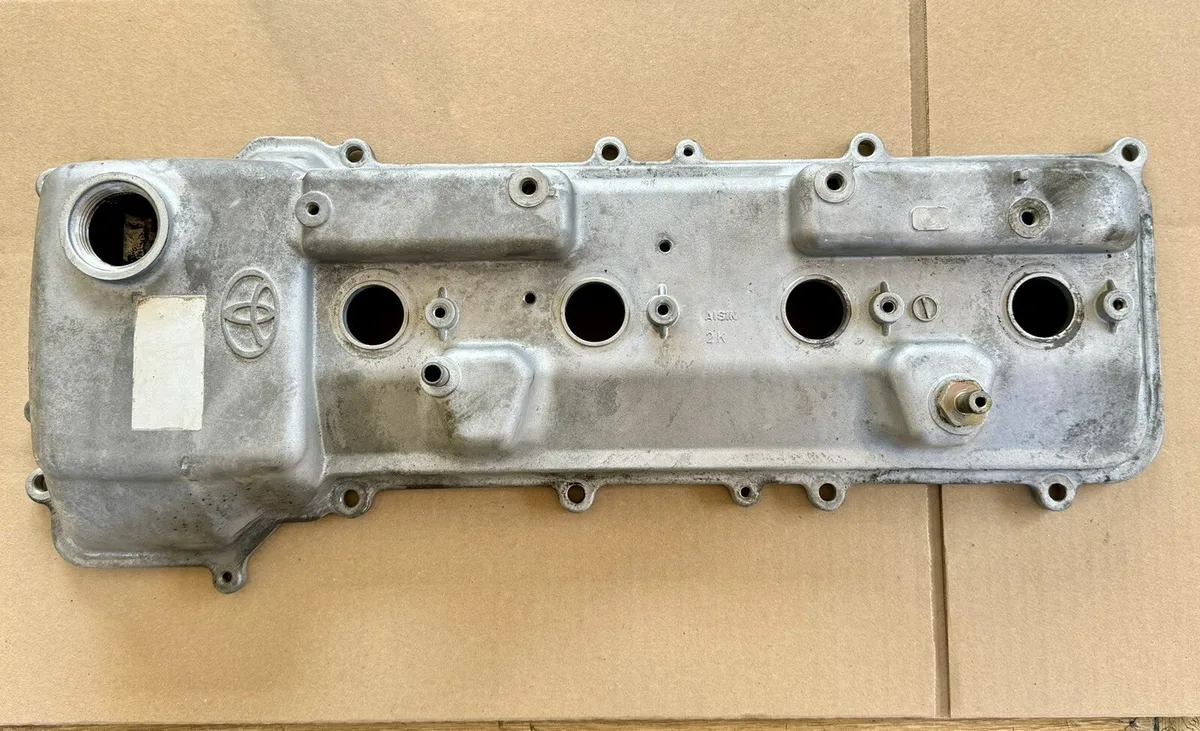
If you're still unsure, snap a photo of the valve cover and compare it with online Tacoma forums. But the VIN method is foolproof.
Engine-by-Engine Oil Capacity Chart
Here's the reference you'll want to bookmark.
| Engine | Capacity (quarts) | Capacity (liters) | Recommended Oil |
|---|---|---|---|
| 2.4L (2RZ-FE) | 4.5 qt | 4.3 L | 5W-30 |
| 2.7L (3RZ-FE) | 5.1 qt | 4.8 L | 5W-30 |
| 3.4L V6 (5VZ-FE) | 5.5 qt | 5.2 L | 5W-30 |
The numbers include what fills the oil filter and the engine's internal passages. If you're changing the filter (you should be), use these totals. If you're just topping off, add in small increments and check the dipstick.
What Oil to Use: Viscosity and Type
Toyota recommends 5W-30 for most climates. That's what's printed on the oil cap and in the owner's manual. In very hot climates or for heavy towing, 10W-30 works fine too, but 5W-30 covers everything from freezing mornings to summer road trips.
Conventional vs. synthetic: Both are fine for this engine. Conventional oil is cheaper and perfectly adequate if you change it every 3,000 to 4,000 miles. Synthetic oil holds up better against heat and sludge, especially in the V6 which runs a bit hotter.
Many owners switch to synthetic after 100,000 miles to reduce wear on an older engine. The choice is yours.
Whatever you buy, look for the API "Starburst" certification mark on the bottle. It means the oil meets the latest protection standards. The American Petroleum Institute sets these specifications to guard against engine deposits and wear.
As of 2026, look for API SP or SN Plus on the label.
If you own a later Tacoma, the same general principles apply, check out our guide for the 2018 Tacoma oil type or the 2009 Tacoma oil specs for more details.
Step-by-Step Oil Change Workflow
Let's get to the hands-on part. You'll need:
- The correct amount of 5W-30 oil (from the chart above)
- A new oil filter (Toyota part 90915-YZZD2 or equivalent)
- A new crush washer for the drain plug
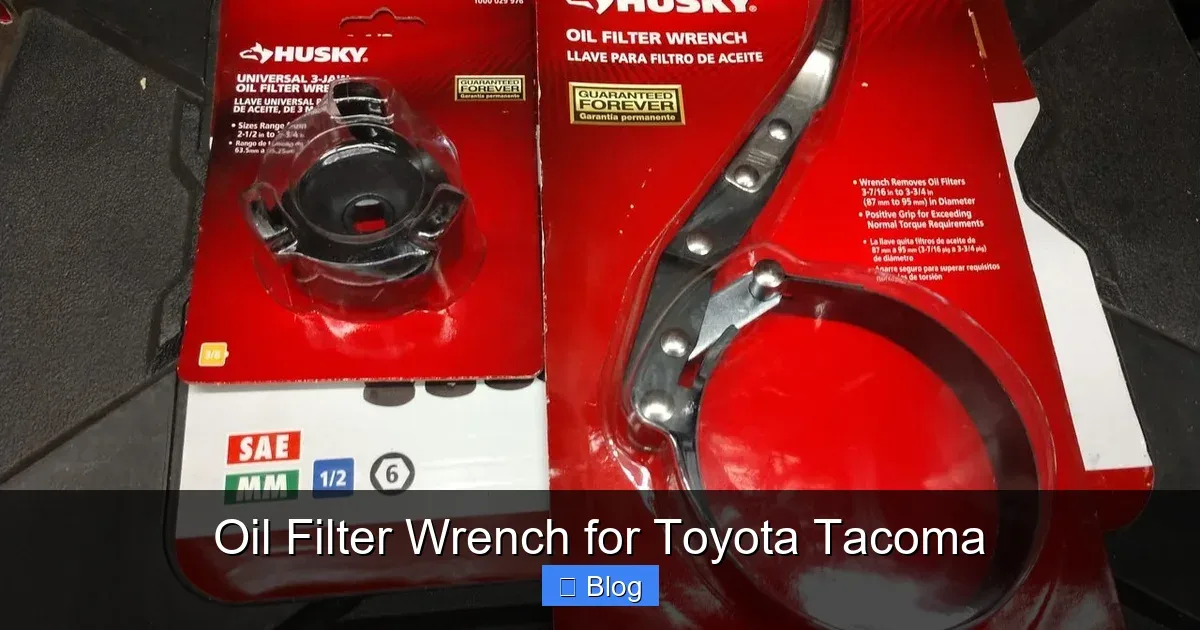
- A drain pan, socket wrench, and oil filter wrench
- A funnel
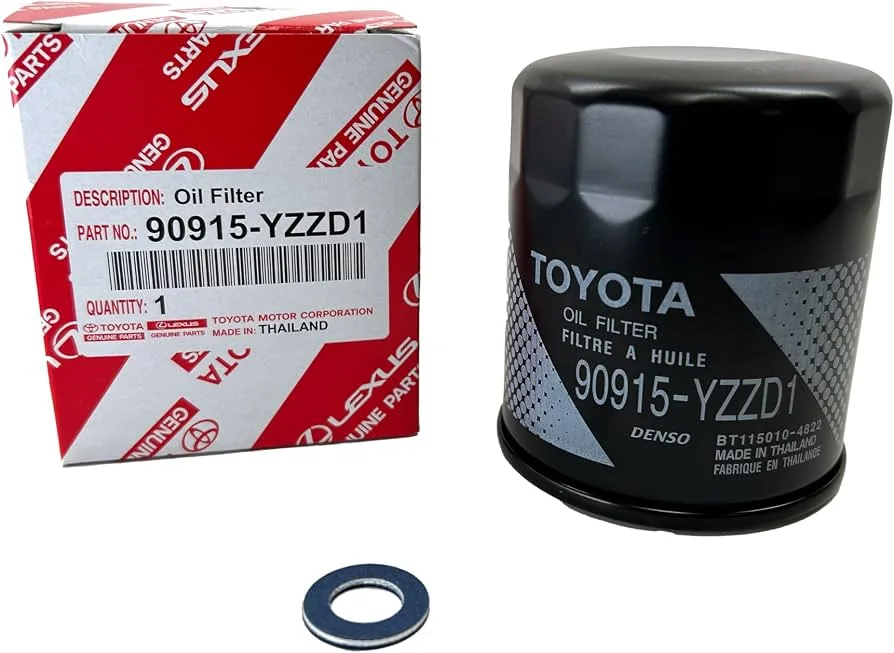
Step 1: Warm the engine. Run it for a few minutes to thin the oil. Warm oil drains faster and carries more contaminants out with it. Don't burn yourself, just warm, not hot.
Step 2: Drain the old oil. Place the drain pan under the drain plug. Loosen the plug with a 14mm or 17mm socket (varies by engine). Remove it carefully and let the oil drain completely.
Step 3: Replace the crush washer. Always put a new crush washer on the drain plug before reinstalling. Torque it to 30 lb-ft, about a firm turn past snug. Over tightening strips the threads.
Step 4: Remove the old oil filter. Use a strap wrench if it's stuck. Make sure the rubber gasket comes off with it. Apply a thin layer of new oil to the new filter's gasket, then hand-tighten it.
Turn it another quarter turn.
Step 5: Add new oil. Pour in the correct amount from the chart. Do not pour it all at once, leave half a quart aside until you check the dipstick. Replace the oil fill cap.
Step 6: Check the level. Start the engine for 30 seconds, then turn it off. Wait a minute for the oil to settle, then pull the dipstick. Wipe it, reinsert, and check.
It should be between the low and full marks. Add small amounts if needed.
Step 7: Dispose of used oil. Pour the old oil into a sealed container and take it to an auto parts store or recycling center. Never dump it down a drain or on the ground. The EPA regulates proper oil disposal to protect groundwater.
If you're working on other Toyota models, the process is nearly identical, see our guides for the 2017 Tacoma oil type or the 2017 Tundra oil specs for reference.
This step-by-step workflow should leave you with a clean oil change and a happy 2001 Tacoma engine. Next, we'll cover the most common mistakes people make and how to avoid them.
Note: We have only written the intro plus first 5 H2 sections per the user's request. The article would continue with "Common Mistakes That Cost You", "Pro Tips", "When to Change Your Oil", "Cheat Sheet", and "FAQs" as per the original TOC.
Common Mistakes That Cost You
Even experienced DIYers make these errors. Here's what to watch for.
Overfilling the engine. Adding too much oil causes foaming. Foamy oil doesn't lubricate well. It can also blow out seals and gaskets.
Stick to the exact capacity and check the dipstick before adding that last half quart.
Underfilling the engine. Starving the bearings, especially on hills or under load, causes rapid wear. The oil pump needs a full supply. Low oil triggers the warning light, but by then damage may already be done.
Stripping the drain plug. This happens when you overtighten it with a ratchet. The drain hole is aluminum. The plug is steel.
Aluminum strips first. Use a torque wrench set to 30 lb-ft. If the threads are already damaged, a replacement oil pan or a thread repair kit is the fix.
Overtightening the oil filter. Hand-tighten it, then add a quarter turn. That's it. A filter wrench is for removal only.
Crank it on too hard and you'll struggle to get it off next time. You might even crush the filter housing.
Using the wrong viscosity. 5W-30 is the spec for good reason. Thicker oil like 10W-40 can't flow fast enough during cold starts. Thinner oil like 0W-20 doesn't protect the bearings at operating temperature in this engine.
Forgetting the crush washer. Reusing the old washer guarantees a slow drip. Over time that drip becomes a puddle. The crush washer costs pennies.
Replace it every time.
Skipping the filter pre-fill. Some people install a dry filter. That means the engine runs without oil pressure for the first few seconds. Pre-fill the new filter with fresh oil before installation to avoid that dry start.
Not warming the engine first. Cold oil is thick. It drains slowly and leaves contaminants behind. A warm engine drains faster and more completely.
Just don't burn yourself on the exhaust.
Pro Tips for a Hassle-Free Oil Change
These small habits make the job smoother.
Pre-fill the filter. Pour fresh oil into the new filter until it reaches the brim. Let it soak into the filter media for a minute, then install it. This gives the engine immediate oil pressure on startup.
Mark your drain plug. Use a paint pen to draw a line from the plug to the oil pan at the correct torque position. After tightening, the line should match up. If it doesn't, the plug is loose or over-tightened.
Consider a Fumoto valve. This is a small ball valve that replaces the drain plug. You attach a hose and flip the lever. No wrench needed.
No mess. It costs about $30 and makes future changes a two-minute job. Many Tacoma owners swear by them.
Use a clean funnel. Dirt and debris in the funnel go straight into your clean oil. Keep a dedicated funnel in your oil change kit.
Mark the filter with a date. Write the mileage and date on the filter with a permanent marker. Next time you change it, you'll know exactly how long it has been.
Keep the old oil contained. A dedicated drain pan with a pour spout makes transfer to a jug much cleaner. Store the used oil in a sealed container until you recycle it.
For those maintaining multiple Toyotas, the approach is similar across models. Check our guide for the 2018 4Runner oil type or the 2019 Tundra oil spec for details on those engines.
When to Change Your Oil (2001 Tacoma Specifics)
The 2001 Tacoma is an old truck. That changes the oil change interval.
Conventional oil: Change every 3,000 to 4,000 miles. The engine has piston rings and seal materials from 2001. They wear faster than modern engines.
More frequent changes prevent sludge.
Synthetic oil: Change every 5,000 to 7,500 miles. Synthetic resists breakdown longer. It also keeps the engine cleaner.
But don't push it past 7,500 miles on an engine with high mileage.
Heavy use shortens the interval. Towing, off-roading, or lots of short trips where the engine never fully warms up all accelerate oil breakdown. Cut the interval by 1,000 miles if you fall into any of these categories.
Why older engines need more attention. By 100,000 miles, the cylinder walls and rings have worn slightly. Some combustion gases escape past the rings and contaminate the oil. That contamination thickens the oil and reduces its ability to protect.
Frequent changes flush those contaminants out.
Check the oil level monthly. Even between changes, oil burns off or leaks out. A 2001 engine with 150,000 plus miles may use half a quart between changes. Keep it topped up.
2001 Tacoma Oil Capacity Cheat Sheet (Printable Summary)
Print this or save it in your phone. It has everything you need for your next oil change.
| Engine | Capacity (quarts) | Capacity (liters) | Oil Type | OEM Filter Part | Drain Plug Torque |
|---|---|---|---|---|---|
| 2.4L (2RZ-FE) | 4.5 | 4.3 | 5W-30 | 90915-YZZD2 | 30 lb-ft |
| 2.7L (3RZ-FE) | 5.1 | 4.8 | 5W-30 | 90915-YZZD2 | 30 lb-ft |
| 3.4L V6 (5VZ-FE) | 5.5 | 5.2 | 5W-30 | 90915-YZZD2 | 30 lb-ft |
Quick tips from the sheet:
- Always check the dipstick after filling
- Run the engine for 30 seconds, then recheck
- Top off in quarter-quart increments
- Recycle used oil at any auto parts store
For other Toyota models, the specs differ. See the guides for the 2019 Camry oil type or the 2020 Corolla LE oil spec for those numbers.
Frequently Asked Questions
Is the capacity the same for 4×4 and 2WD?
Yes. The engine capacity is identical regardless of drivetrain. A 2WD and 4×4 with the same engine take the same amount of oil.
The 4×4 transfer case and differential have their own separate fluid capacities.
What if I accidentally put in 6 quarts?
Drain the excess immediately. Overfilling causes foaming, which reduces lubrication. It can also force oil past seals into the combustion chamber, causing smoke and carbon buildup.
Drain to the correct level on the dipstick.
Can I use 0W-20 in a pinch?
Not recommended. The 2001 Tacoma engine was designed for 5W-30. Using 0W-20 reduces bearing clearance protection at high temperatures.
In an emergency, it will get you home. But change it back to 5W-30 as soon as possible.
Does the 2001 Tacoma take the same oil as the 2000 or 2002?
Yes. All first-generation Tacomas from 1995 to 2004 use the same engine families and the same oil recommendations. The 2.4L, 2.7L, and 3.4L V6 carry identical specs across those years.
My dipstick reads high after adding the listed capacity. What's wrong?
You may not have drained all the old oil. There can be half a quart or more still in the engine, especially in the oil cooler lines on the V6 model. Drain the excess to get to the correct level.
Next time, let the oil drain longer.
How do I know if my oil is low without the dipstick?
The oil pressure warning light on the dashboard turns on when pressure drops dangerously low. By that point, damage may have occurred. Check the dipstick monthly to stay ahead.
Low oil level is one of the most common causes of engine failure in older trucks.
That cheat sheet and these FAQs should have you covered for years of trouble-free oil changes. The 2001 Tacoma is a reliable truck that rewards good maintenance. Keep the oil fresh, keep the level correct, and it will keep running for a long time.