
If you own a 2009 Toyota Tacoma, the single most important thing you can do for its engine is put the right oil in it. The 2009 toyota tacoma oil type isn't just a random number on a bottle. It is a carefully engineered specification that keeps your 2.7L four-cylinder or 4.0L V6 running reliably for hundreds of thousands of miles.
Toyota officially recommends SAE 5W-30 for both engines in this model year. That recommendation comes with specific API and ILSAC certification requirements. As of 2026, these trucks are between 17 and 18 years old.
Many are well past the 100,000-mile mark. Using the wrong oil at this stage can accelerate wear, clog variable valve timing components, and lead to costly repairs that could have been avoided.
Quick Answer
Toyota specifies SAE 5W-30 viscosity for the 2009 Tacoma. Both the 2.7L and 4.0L engines require this grade. The oil must meet API SN certification or newer.
Full synthetic is recommended but not required. Capacity is 5.7 quarts for the 2.7L and 6.1 quarts for the 4.0L with filter change.
Why Getting the Right Oil Matters for Your 2009 Tacoma
Engine oil does more than lubricate. It cleans, cools, and protects every internal moving part. The 1GR-FE V6 in your Tacoma uses a timing chain and variable valve timing system.
Those components rely on consistent oil pressure and the right viscosity to function correctly.
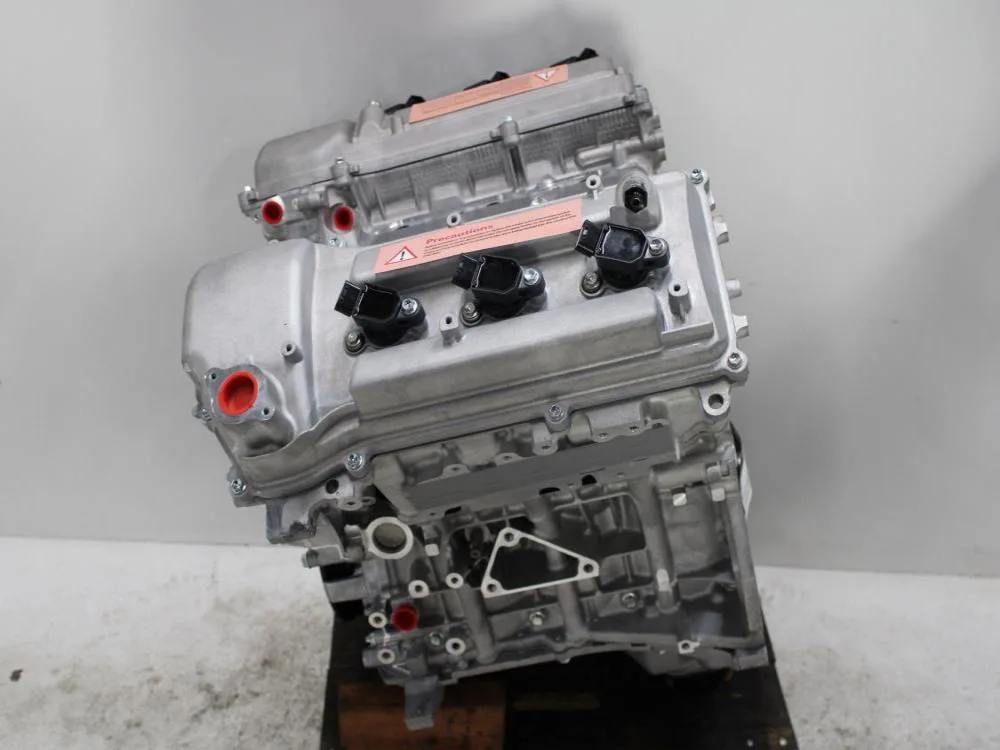
Image source: Web (Bing) / jdmengineschicago.com (Web image (fair-use with source credit))
Sludge buildup is a real concern on higher-mileage 1GR-FE engines that have seen irregular oil changes. The wrong oil, especially blends that don't meet the current API standard, can leave deposits that clog the oil control valves for the VVT system. That leads to rough idle, timing chain noise, and eventually a check engine light.
The 2.7L 2TR-FE is a rugged engine. It shares the same oil system architecture. It needs the same viscosity and certification.
Skimping on oil quality here means faster wear on the piston rings and valve seals, which leads to oil consumption. Once an engine starts burning oil, the damage is often permanent without a rebuild.
The Short Answer: What Oil Your Tacoma Actually Needs
Here is the direct specification from the 2009 Toyota Tacoma owner's manual. If you only remember one thing from this article, remember this table.
| Specification | Requirement |
|---|---|
| Viscosity | SAE 5W-30 |
| API Certification | API SN or newer (API SP is backward compatible) |
| ILSAC Standard | GF-5 or GF-6 |
| Capacity (2.7L I4) | 5.7 quarts with filter |
| Capacity (4.0L V6) | 6.1 quarts with filter |
| Recommended Type | Full synthetic preferred |
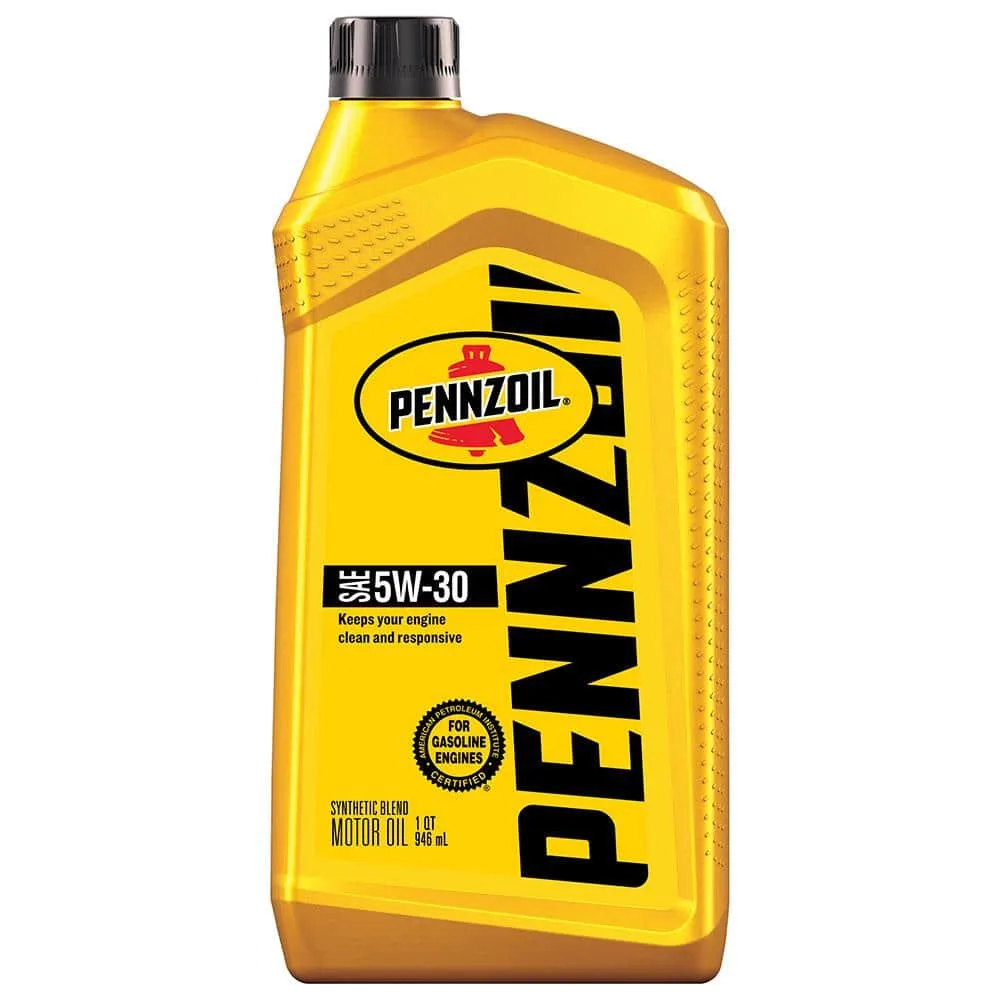
Image source: Web (Bing) / homedepot.com (Web image (fair-use with source credit))
The API donut symbol on the back of the bottle is what matters. If it says API SN, SN Plus, or SP, you are good. If it only says API SL or older, do not use it.
The oil has been reformulated multiple times since 2009 to improve sludge protection and reduce emissions system deposits.
ILSAC GF-5 and GF-6 are the fuel economy and protection standards that align with API SN and SP. Most modern synthetic oils carry both marks. A bottle labeled SN Plus was introduced around 2018 to address low-speed pre-ignition in turbo engines.
It is perfectly safe for your naturally aspirated Tacoma.
Understanding the 2.7L vs. 4.0L Difference
2.7L 2TR-FE Engine Specs
The 2.7L four-cylinder is the base engine in the 2009 Tacoma. It has a cast-iron block with a timing chain and a simple port-injection system. This engine is famously durable.
It has one quirk. It runs hot in the cylinder head area. That means oil breakdown can happen faster if you use cheap conventional oil and stretch change intervals.
Capacity is 5.7 quarts with a filter change. The oil filter is on the passenger side of the engine block, facing downward. It is easy to access.
The drain plug is a 14mm bolt on the rear of the oil pan. Torque spec is 29 ft-lbs. Do not guess this number.
Stripping the oil pan threads is common on these engines and requires a repair or replacement.
4.0L 1GR-FE Engine Specs
The 4.0L V6 is the workhorse of the Tacoma lineup. It uses an aluminum block with iron liners, dual overhead camshafts, and Toyota's VVT-i system on both intake and exhaust cams. This engine is more sensitive to oil quality than the 2.7L because of the VVT actuators.
Capacity is 6.1 quarts with a filter change. The oil filter sits on the driver side of the engine, near the front. It is also easy to reach.
The drain plug is the same 14mm bolt with the same 29 ft-lb torque spec.
The 1GR-FE has a known tendency to develop a timing chain rattle on cold starts if oil pressure drops too low overnight. This is often caused by an oil filter with a poor anti-drain back valve or oil that has broken down and lost viscosity. Using a quality synthetic oil and an OEM-grade filter is the best prevention.
Conventional vs. Synthetic: What's Best for Your Truck
When Conventional Makes Sense
Conventional 5W-30 that meets API SN is acceptable for your 2009 Tacoma. Toyota originally filled these engines with conventional oil from the factory. If you change your oil every 3,000 to 4,000 miles and your truck is in average condition, conventional oil will protect the engine adequately.
The tradeoff is shorter change intervals and less protection against sludge over long periods. For a daily driver that sees highway miles and consistent maintenance, conventional oil is fine. Many Tacoma owners have gone 200,000 miles on conventional oil with no issues.
It is not the wrong choice. It is not the optimal one either.
When Synthetic Is Worth the Money
Full synthetic 5W-30 is the better choice for most 2009 Tacomas. This is especially true if your truck has over 100,000 miles or sees severe service. Synthetic oil resists thermal breakdown better than conventional.
It flows more freely at cold temperatures, which means faster lubrication on startup. It also holds its viscosity longer, allowing you to safely extend change intervals to 7,500 miles with a quality filter.
For the 4.0L V6, synthetic oil provides better protection for the VVT actuators. The tighter molecular structure of synthetic base stocks resists shearing under high heat and high load. If you tow, haul heavy loads, or take your truck off-road, synthetic oil is the more reliable choice.
A synthetic blend sits in the middle. It offers some of the cold-flow benefits of full synthetic at a lower price point. Many high-mileage oils are blends with additives that help condition seals and reduce oil consumption.
These are a solid option for Tacomas between 75,000 and 150,000 miles.
High-Mileage Oil: Does Your Engine Need It?
If your 2009 Tacoma has over 100,000 miles, consider switching to a high-mileage synthetic blend. These formulations contain seal conditioners that help reduce minor oil leaks and slow oil consumption. They also have higher levels of detergents to clean existing deposits.
High-mileage oil is not a magic fix for a worn engine. If your Tacoma is already burning a quart every 1,000 miles, the damage is mechanical. No additive will reverse that.
But for preventive maintenance, high-mileage oil is a smart choice. It gives older seals a better chance of staying flexible and sealing properly.
The Viscosity Question: 5W-30 vs. Other Options
Why Toyota Recommends 5W-30
SAE 5W-30 is the viscosity grade Toyota specified for the 2009 Tacoma. It appears in the owner's manual and on the oil fill cap. The 5W means the oil behaves like a 5-weight oil at cold temperatures.
That provides easier cranking and faster circulation on winter mornings. The 30 means it thickens to a 30-weight oil at operating temperature. That provides adequate film strength for bearing protection.
This viscosity was chosen specifically for the bearing clearances and oil pump capacity of these engines. Going thicker, like 10W-40, can reduce flow at startup and cause faster wear during the critical first few seconds. Going thinner, like 0W-20, may not provide enough film strength under heavy load or high heat.
When 0W-20 or 10W-30 Makes Sense
Some Tacoma owners in extremely cold climates have used 0W-20 with no noticeable issues. Winter temperatures below minus 20 degrees Fahrenheit are the main reason. The thinner cold-weight oil flows more easily in extreme cold.
The Tacoma's oil pump can maintain adequate pressure. However, this is outside Toyota's official recommendation. If you try this, watch oil pressure closely and switch back to 5W-30 before summer.
10W-30 is sometimes used in high-mileage engines with looser bearing clearances. The slightly thicker hot viscosity can help maintain oil pressure in a worn engine. Again, this is a deviation from the spec.
If you use 10W-30, stick to a high-quality synthetic that still carries API SN certification.
The safest answer is 5W-30 year-round, regardless of climate. It works from minus 20 degrees Fahrenheit to over 100 degrees. That covers almost every driving environment in North America.
Step-by-Step: How to Change Your Oil the Right Way
Changing the oil on a 2009 Tacoma is straightforward. Both engines have easily accessible filters and drain plugs. You can do this job in about 30 minutes with basic hand tools.
Tools and Parts You'll Need
| Item | Details |
|---|---|
| 5W-30 oil | 6 quarts for either engine |
| Oil filter | OEM Toyota 04152-YZZA1 or equivalent |
| Drain plug gasket | Toyota part 90430-12031 (crush washer) |
| 14mm socket or wrench | For the drain plug |
| Oil filter wrench | Metal cap style works best |
| Drain pan | 8-quart minimum capacity |
| Funnel | Long neck helps avoid spills |
| Torque wrench | 29 ft-lbs for the drain plug |
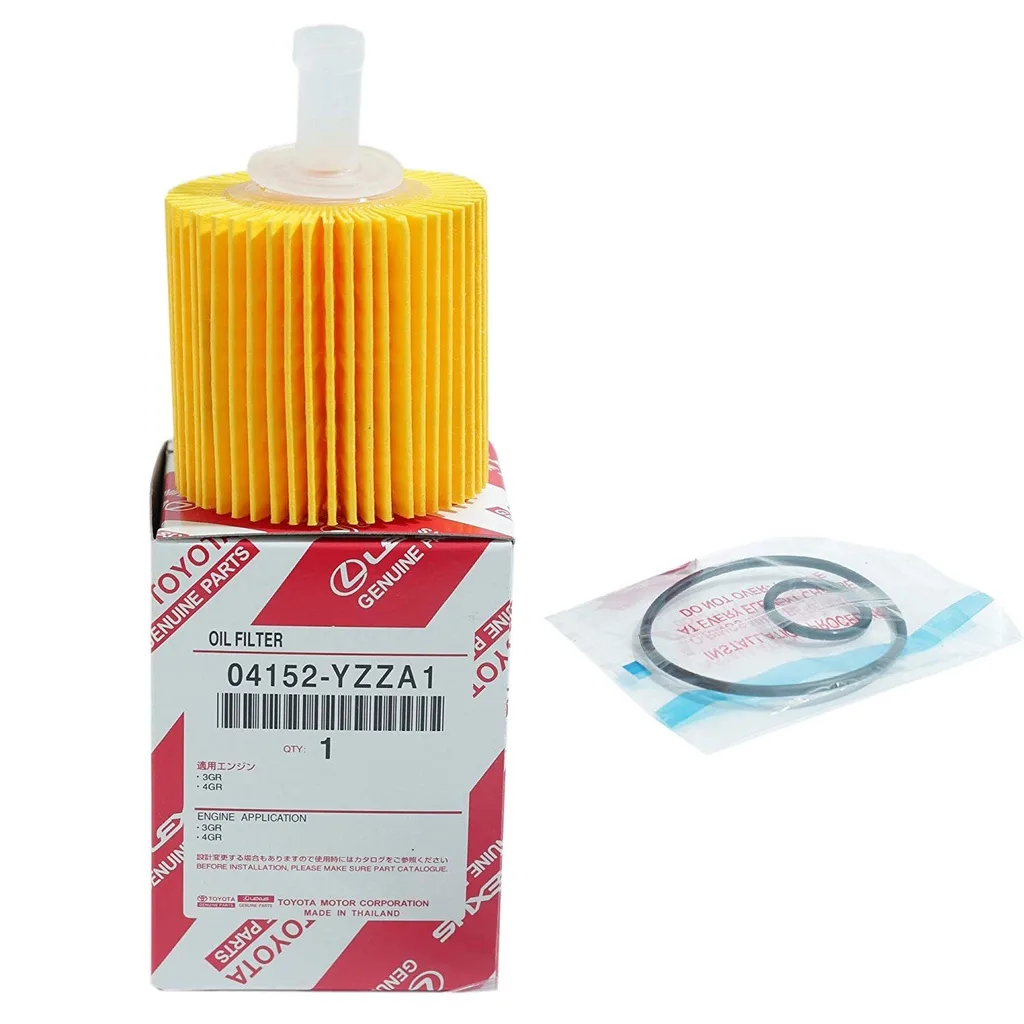
Image source: Web (Bing) / shopee.com.my (Web image (fair-use with source credit))
The OEM oil filter is worth the extra few dollars. It has the correct bypass valve pressure and a reliable anti-drain back valve. Aftermarket filters from major brands like Wix or Mobil 1 are acceptable.
Cheap no-name filters often lack proper bypass calibration and should be avoided.
The Drain and Fill Process
Warm up the engine for a couple of minutes. Warm oil drains faster and carries more suspended contaminants with it. Park on level ground and engage the parking brake.
Position your drain pan under the rear of the oil pan. The drain plug points slightly toward the driver side on both engines. Loosen it with a 14mm socket.
Turn it counterclockwise by hand once it breaks free. Keep pressure inward so oil runs down the threads, not your arm.
Let the oil drain completely. This takes about five minutes. While it drains, move to the oil filter.
Place the drain pan underneath it before loosening. Expect another half quart of oil to come out.
Remove the old filter. Lubricate the new filter's gasket with a dab of fresh oil. Screw it on by hand until the gasket contacts the mounting surface.
Tighten it another three-quarters turn by hand. Do not use a wrench unless you absolutely must.
Replace the drain plug gasket with a new crush washer. Torque the plug to 29 ft-lbs. Over tightening is the number one mistake.
The threads in the aluminum oil pan strip easily.
Pour in the new oil. The 2.7L takes 5.7 quarts. The 4.0L takes 6.1 quarts.
Add about half a quart less than capacity, check the dipstick, and top off. Run the engine for 30 seconds, shut it off, wait two minutes, and recheck the level.
Common Mistakes That Cost Tacoma Owners
Stripping the Drain Plug
This is the most expensive mistake you can make on an oil change. The oil pan on both engines is aluminum. The drain plug is steel.
Overtightening the steel bolt into the softer aluminum threads is a recipe for a stripped hole.
A stripped oil pan requires a thread repair insert, a new oil pan, or an oversize drain plug. Thread repair kits like Time-Sert work well if you catch it early. But the repair costs more than a torque wrench.
Spend the money on a torque wrench and use it every time.
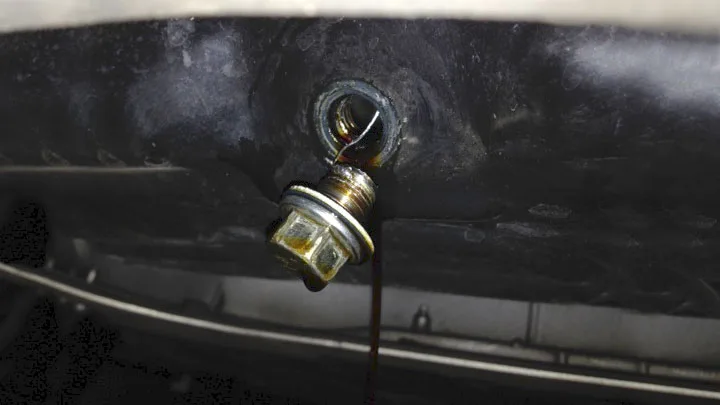
Image source: Web (Bing) / cartreatments.com (Web image (fair-use with source credit))
Using the Wrong Oil Filter
Not all oil filters are the same. The Tacoma's oil filter has a specific bypass valve pressure rating. If you use a filter with a lower bypass pressure, it can open early and send unfiltered oil through the engine.
If the bypass pressure is too high, the filter can restrict flow when the oil is cold.
Stick with the OEM filter or a premium aftermarket brand. Avoid the cheap filters at discount auto parts stores. Filter-related issues on the 1GR-FE often trace back to cheap filters with inconsistent bypass valves.
Ignoring the API Certification
The API donut on the bottle is not optional decoration. It tells you the oil has passed standardized tests for wear protection, sludge control, and deposit prevention. Oil that lacks current API certification may still meet the viscosity grade.
It has not been tested to the same standard.
Look for API SN, SN Plus, or SP on the back of the bottle. If you see API SL or older, keep shopping. The certification standard has improved significantly since your Tacoma was built.
Using the latest standard gives you better protection regardless of the engine's age.
How Often Should You Change It?
Normal Service Schedule
Toyota's normal service schedule recommends an oil change every 7,500 miles or 12 months, whichever comes first. This applies to trucks that see mostly highway driving in moderate climates with minimal idling.
With conventional oil, we would not push it that far. Even Toyota acknowledged that 7,500 miles was optimistic with conventional oil. Synthetic oil can handle that interval comfortably.
Conventional oil is better changed at 5,000 miles.
Severe Service Schedule
Most Tacoma owners fall into the severe service category. The manual defines severe service as frequent short trips under 10 miles, extended idling, driving in dusty conditions, towing, off-road use, or operating in extreme temperatures. If any of that describes your driving, use the severe schedule.
The severe schedule calls for oil changes every 5,000 miles or 6 months. This is the safer interval for most Tacomas. The 4.0L V6 benefits from the shorter interval because it runs hot and accumulates moisture faster during short trips.
If you use full synthetic oil and a quality filter, you can stretch to 7,500 miles even under severe conditions. The extra cost of more frequent changes with synthetic is minimal compared to the cost of engine repairs.
What Happens When You Get It Wrong
Short-Term Risks
Using the wrong viscosity can cause noticeable symptoms immediately. Too thick an oil like 10W-40 can trigger a check engine light on cold starts. The VVT actuators cannot move quickly enough.
Too thin an oil like 0W-20 can cause low oil pressure warnings under heavy load or high heat.
Incorrect API certification can lead to faster oil breakdown. Oil that breaks down loses its ability to cushion bearings and clean combustion deposits. Within a few thousand miles, you might notice increased engine noise, lower fuel economy, or dark oil that smells like fuel.
Long-Term Engine Damage
The 1GR-FE V6 is sensitive to oil neglect. Sludge buildup from old or wrong oil can clog the oil control valves for the VVT system. Once those valves stick, the timing chain can stretch from improper tension.
Timing chain replacement on this engine is an expensive job.
Oil consumption is another long-term consequence. Worn piston rings from inadequate lubrication allow oil to burn in the combustion chamber. You start adding a quart between changes.
Eventually you add a quart every 500 miles. By that point the engine needs a rebuild or replacement.
The 2.7L is more tolerant of oil mistakes, but it is not immune. Its cylinder head runs hot. Old oil can coke onto the valve stems.
That leads to stuck valves, which can cause piston-to-valve contact and catastrophic engine failure. A used 2.7L replacement engine starts around 1,500 dollars before labor.
Spending an extra 10 dollars on the right oil and changing it on time is the cheapest insurance you can buy for a 17-year-old truck.
Expert Tips for a Long-Lasting Engine
Cold Weather Considerations
In winter, your Tacoma needs oil that circulates quickly. SAE 5W-30 handles cold starts down to about minus 20 degrees Fahrenheit without issues. Below that, consider switching to 0W-30 for the season if you live in an extreme northern climate.
Let the engine idle for 30 to 60 seconds before driving. That gives the oil time to reach the VVT actuators and valve train. Extended idling beyond a minute is wasteful and can cause fuel dilution in the oil.
Hot Climate and Dusty Conditions
Heat accelerates oxidation and viscosity breakdown. If you live in Arizona, Texas, or Florida, stick with 5W-30 but change it closer to 5,000 miles. Dusty conditions are harder on the air filter than the oil.
Check your oil level more frequently if you drive on unpaved roads. Contaminated air can bypass a worn filter and reduce oil life.
High-Mileage Maintenance Tricks
Once your Tacoma passes 150,000 miles, take these extra steps. Use a high-mileage synthetic blend with seal conditioners. Check your oil level every other fuel fill.
The 1GR-FE can start consuming oil gradually without showing obvious leaks.
Add a bottle of quality fuel system cleaner to your gas tank every 5,000 miles. This keeps the intake valves and combustion chamber clean. Clean combustion reduces blow-by gas that contaminates the oil.
It is a small step that makes a measurable difference over time.
Quick Reference: Oil Specs for Both Engines
| Parameter | 2.7L 2TR-FE | 4.0L 1GR-FE |
|---|---|---|
| Viscosity | SAE 5W-30 | SAE 5W-30 |
| Capacity (with filter) | 5.7 quarts | 6.1 quarts |
| API Certification | SN or newer | SN or newer |
| ILSAC Standard | GF-5 or GF-6 | GF-5 or GF-6 |
| Oil filter part | 04152-YZZA1 | 04152-YZZA1 |
| Drain plug torque | 29 ft-lbs | 29 ft-lbs |
| Normal interval | 7,500 miles | 7,500 miles |
| Severe interval | 5,000 miles | 5,000 miles |
The oil filter is the same for both engines. The drain plug torque is identical. The only meaningful difference is capacity, and that difference is less than half a quart.
Final Verdict: What to Buy and Where to Start
Buy a 6-quart jug of full synthetic 5W-30 with API SP certification. Get an OEM Toyota oil filter or a premium aftermarket equivalent. Pick up a new crush washer for the drain plug.
That is everything you need.
If your truck has over 100,000 miles and you have been using conventional oil, switching to a high-mileage synthetic blend now will help. It will not reverse existing wear. It will slow further degradation.
The seal conditioners in high-mileage formulations are genuinely useful for older engines.
Check your oil level regularly. A 2009 Tacoma with proper maintenance will easily reach 250,000 miles. The ones that fail early almost always share one thing in common.
Inconsistent oil changes with the wrong oil.
Frequently Asked Questions
Can I use 0W-20 in my 2009 Tacoma?
Toyota does not recommend 0W-20 for this model year. It is thinner than the specified 5W-30 and may not provide adequate film strength under heavy load. Some owners use it in extreme cold but should switch back to 5W-30 for warmer months.
Is full synthetic worth the extra money?
Yes, especially for the 4.0L V6. Synthetic oil resists breakdown better, protects VVT components, and allows longer change intervals. The extra cost per change is roughly 15 to 20 dollars.
That is cheap insurance for a 17-year-old engine.
How often should I change the oil filter?
Every oil change. Never reuse an old filter. The filter traps contaminants that accumulate during the oil's service life.
A clogged filter can bypass and send unfiltered oil through your engine.
What happens if I use 10W-30 instead of 5W-30?
10W-30 is thicker at cold temperatures. This can slow oil circulation on startup and increase wear. It may also trigger VVT timing issues on cold starts.
Stick with 5W-30 unless you live in a consistently hot climate and have discussed it with a mechanic.
Can I switch from conventional to synthetic on a high-mileage engine?
Yes. Switching to synthetic on a high-mileage engine is safe and beneficial. It will not cause leaks.
The myth that synthetic oil causes leaks comes from its cleaning ability revealing existing leaks that were clogged with sludge. That is a good thing, not a problem.