
Image source: Bing (Web (fair-use with source credit))
If you own a 2005 Toyota Corolla, you already know why people love these cars. They run forever. But they only run forever if you put the right oil in them.
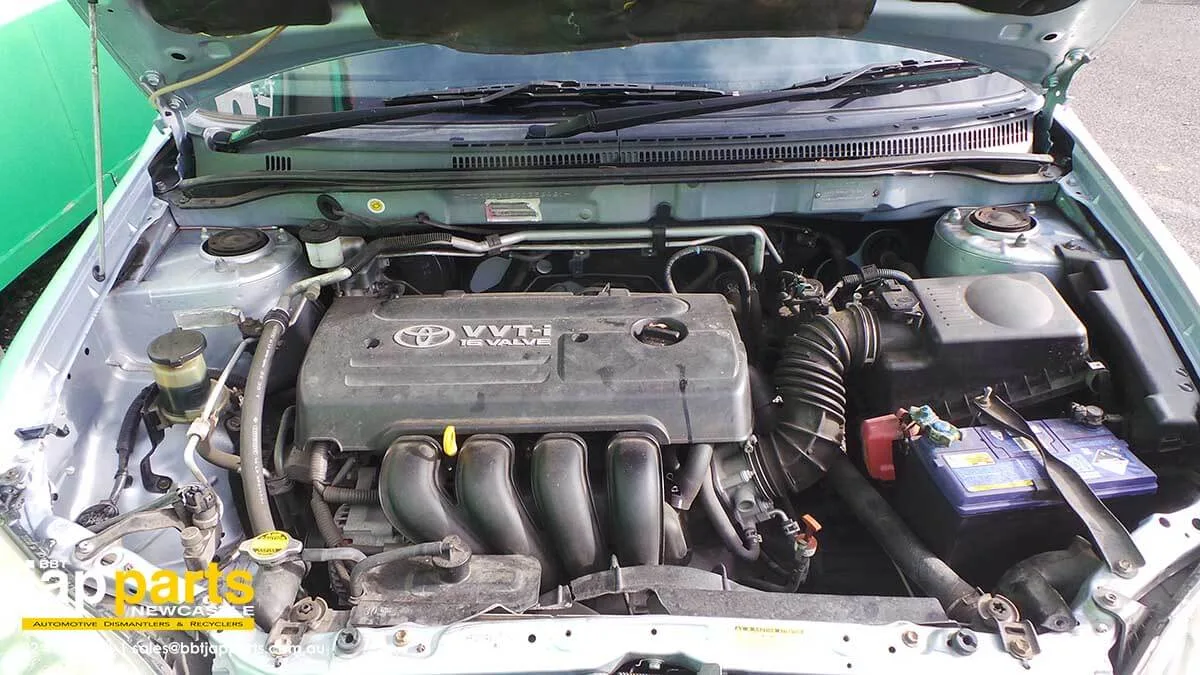
The 2005 toyota corolla oil type isn't a random suggestion from the previous owner. It's a specific specification that keeps the 1ZZ-FE engine from turning into a sludgy mess.
Toyota's engineers designed this engine around SAE 5W-30 viscosity with an API SL rating or higher. As of 2026, that engine is over twenty years old. The margin for error is thinner than it was when the car rolled off the lot.
Get it wrong and you're looking at accelerated wear, oil consumption, or worse. Let's walk through exactly what you need and why it matters.
Quick Answer
The 2005 Toyota Corolla takes SAE 5W-30 motor oil. It needs an API SL rating or higher. It needs an ILSAC GF-4 rating or higher.
The total capacity is 3.9 quarts with a filter change. Use conventional or synthetic based on your budget and climate.
Why Getting the Right Oil Matters
The 1ZZ-FE engine has a reputation. It's reliable. It's durable.
It's also known for one specific weakness. Sludge.
Back in the early 2000s, Toyota had a well-documented issue with engine sludge forming in some four-cylinder engines. The 1ZZ-FE was included in that conversation. The cause wasn't a design flaw in the oil passages.
It was a combination of extended oil change intervals and the wrong oil viscosity.
Toyota issued technical service bulletins addressing this. They recommended shorter oil change intervals and stressed the importance of using the correct viscosity and API rating. Skimping on oil quality is the fastest way to shorten this engine's life.
Your 2005 Corolla's engine has tight tolerances. The oil pump moves a specific weight of oil through small passages. Too thick and the oil struggles to reach the top end on cold starts.
Too thin and it doesn't maintain a protective film at operating temperature. Both scenarios lead to wear.
The 1ZZ-FE Engine: Why It's Picky About Oil
The 1ZZ-FE is a 1.8-liter inline-four that Toyota produced from 1998 through the mid-2000s. It's in nearly every Corolla and Matrix from that era. It's a good engine.
But it has quirks.
One quirk is the valve stem seals. They harden over time. When they harden, oil seeps past them and burns in the combustion chamber.
That's the blue smoke you might see at startup. The right oil viscosity slows this process down. Thicker oil doesn't seep past worn seals as easily.
But you can't dump in 10W-40 and call it a day. The engine needs 5W-30 for proper oil pressure at idle.
Another quirk is the PCV system. It gets clogged if oil sludge builds up. A clogged PCV valve causes crankcase pressure to build, which pushes oil past seals and gaskets.
You end up with leaks and oil consumption that trace back to an oil choice made five thousand miles ago.
Oil Viscosity: Why 5W-30 Is the Standard
The owner's manual for the 2005 Corolla recommends SAE 5W-30. That's the standard. It's what Toyota engineers tested the engine with.
It gives you the best balance of cold-start protection and high-temperature film strength.
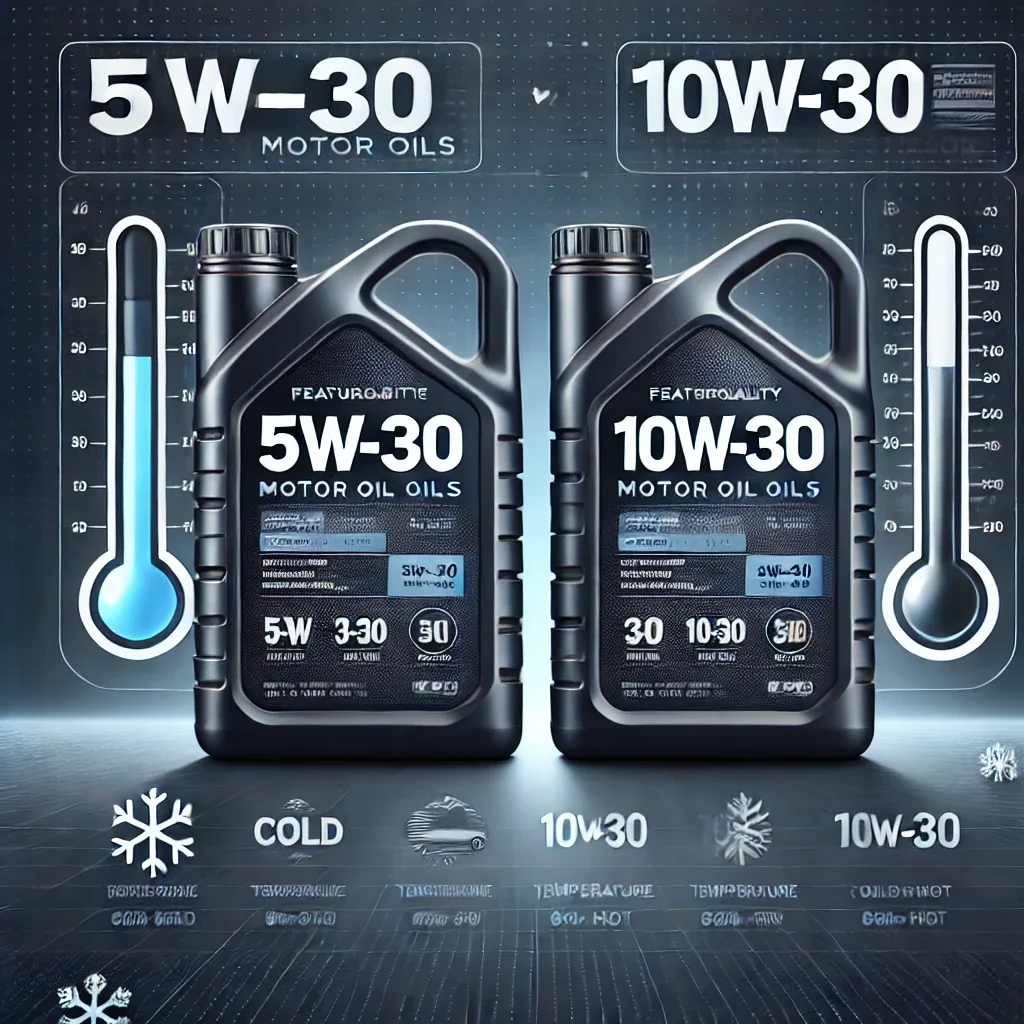
Image source: Web (Bing) / mechtrician.com (Web image (fair-use with source credit))
The "5W" part is the cold-weather viscosity rating. It tells you how the oil flows at low temperatures. A 5W oil flows better in the cold than a 10W oil.
The "30" part is the operating temperature viscosity. It tells you how thick the oil stays when the engine is hot.
How Temperature Affects Your Choice
The manual lists 10W-30 as an acceptable alternative under certain conditions. If you live where temperatures never drop below 0°F (-18°C), 10W-30 works fine. But most of us don't live in a place where it never gets cold.
Even in the southern United States, winter mornings can dip below freezing.
| Temperature Range | Recommended Viscosity | Notes |
|---|---|---|
| Above 0°F (-18°C) year-round | 5W-30 or 10W-30 | 10W-30 is acceptable but 5W-30 is still preferred |
| Below 0°F (-18°C) in winter | 5W-30 | Required for proper cold-start protection |
| High-mileage engine with oil consumption | 5W-30 high-mileage blend | Do not jump to 10W-40 without consulting a mechanic |
What Happens With the Wrong Viscosity
Using 10W-30 in cold weather doesn't destroy your engine immediately. But it causes more wear on every cold start. The oil is thicker at low temperatures.
It takes longer to reach the valvetrain. That extra fraction of a second of metal-on-metal contact adds up over thousands of starts.
Using 5W-20 is different. Some later Corollas used 5W-20. The 2005 model did not.
Putting 5W-20 in a 1ZZ-FE engine means the oil is thinner than the engine was designed for at operating temperature. Oil pressure drops. Bearing clearances lose their cushion.
This is a bad idea.
Using 10W-40 or 20W-50 is even worse. The oil pump struggles to push thick oil through small passages. You get low oil flow at idle.
You get higher operating temperatures. You might not see any warning lights until the damage is done.
API and ILSAC Ratings: The Letters That Matter
Viscosity is only half the equation. The API and ILSAC ratings on the bottle tell you whether the oil meets the protection standards your engine needs.
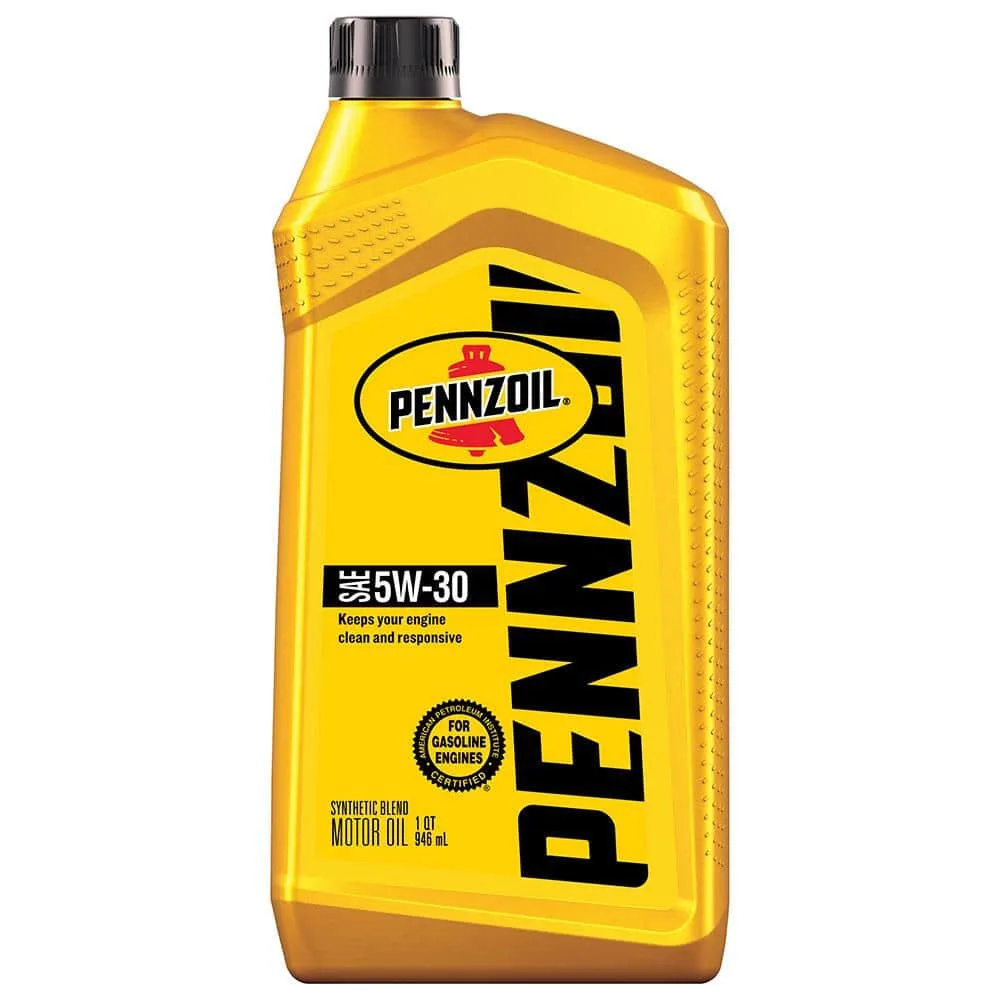
Image source: Web (Bing) / motoroilguide.com (Web image (fair-use with source credit))
Understanding the API Donut and ILSAC Starburst
Look at the back of any motor oil bottle. You'll see a circular symbol called the API donut. In the center is a service rating like SL, SM, SN, or SP.
For your 2005 Corolla, you need at least API SL.
API ratings are backward-compatible. SN and SP oils also meet the requirements for SL. You don't need to hunt for old bottles of SL oil.
Any modern oil with SN or SP is better. The newer ratings include improved anti-wear additives and better sludge protection.
Next to the API donut, you'll often see the ILSAC starburst. ILSAC GF-4 is the minimum for your Corolla. GF-5 and GF-6 are backward-compatible.
These ratings ensure the oil meets fuel economy standards and provides adequate protection for Japanese engines.
Why Backward Compatibility Works
Some people worry that newer oil formulations don't work in older engines. That's a myth. Oil formulations improve over time.
They don't remove protections that older engines need. Your Corolla is safe with any oil that carries API SN or SP and ILSAC GF-5 or GF-6. You'll find these on every major brand's shelf.
Conventional vs. Synthetic vs. High-Mileage
This is where opinions differ. Let's look at the facts.
Conventional Oil
Conventional 5W-30 meets the specifications your Corolla needs. It's cheaper. It works fine for standard five-thousand-mile intervals.
If your engine is healthy and doesn't burn oil, conventional oil is perfectly adequate.
The downside is that conventional oil breaks down faster under heat. It doesn't flow as well at extremely low temperatures. And it doesn't resist sludge formation as well as synthetic.
Full Synthetic
Full synthetic oil offers better cold-flow properties, higher heat tolerance, and superior sludge resistance. For a 2005 Corolla with over 100,000 miles, synthetic oil is a smart choice. It reduces startup wear.
It keeps the engine cleaner internally. It allows for longer drain intervals.
The cost difference is about ten to fifteen dollars per oil change. Spread over five thousand miles, that's negligible. Aggregate reviews from Corolla owners show that switching to synthetic reduces oil consumption and extends engine life.
High-Mileage Oil
High-mileage oils contain seal conditioners. These additives soften aged rubber seals and gaskets, which reduces leaks and oil consumption. If your 2005 Corolla has over 75,000 miles and you're seeing minor oil seepage, high-mileage oil is worth trying.
The seal conditioners won't fix a failed rear main seal or a cracked valve cover gasket. But for the typical age-related seepage around the valve cover and timing chain tensioner, they help.
| Oil Type | Best For | Typical Cost per Change (DIY) |
|---|---|---|
| Conventional | Low-mileage engines, tight budgets | $20-$30 |
| Synthetic blend | Moderate protection at mid-range cost | $30-$40 |
| Full synthetic | High-mileage engines, cold climates | $40-$55 |
| High-mileage | Engines over 75k miles with minor seepage | $35-$50 |
The Biggest Mistakes People Make
Even experienced DIYers get things wrong on the 1ZZ-FE. Here are the ones that hurt the most.
Using the Wrong Viscosity
Don't guess. Don't take advice from a forum post where someone claims 10W-40 fixed their lifter tick. It didn't fix it.
It masked it while the engine slowly wore itself out.
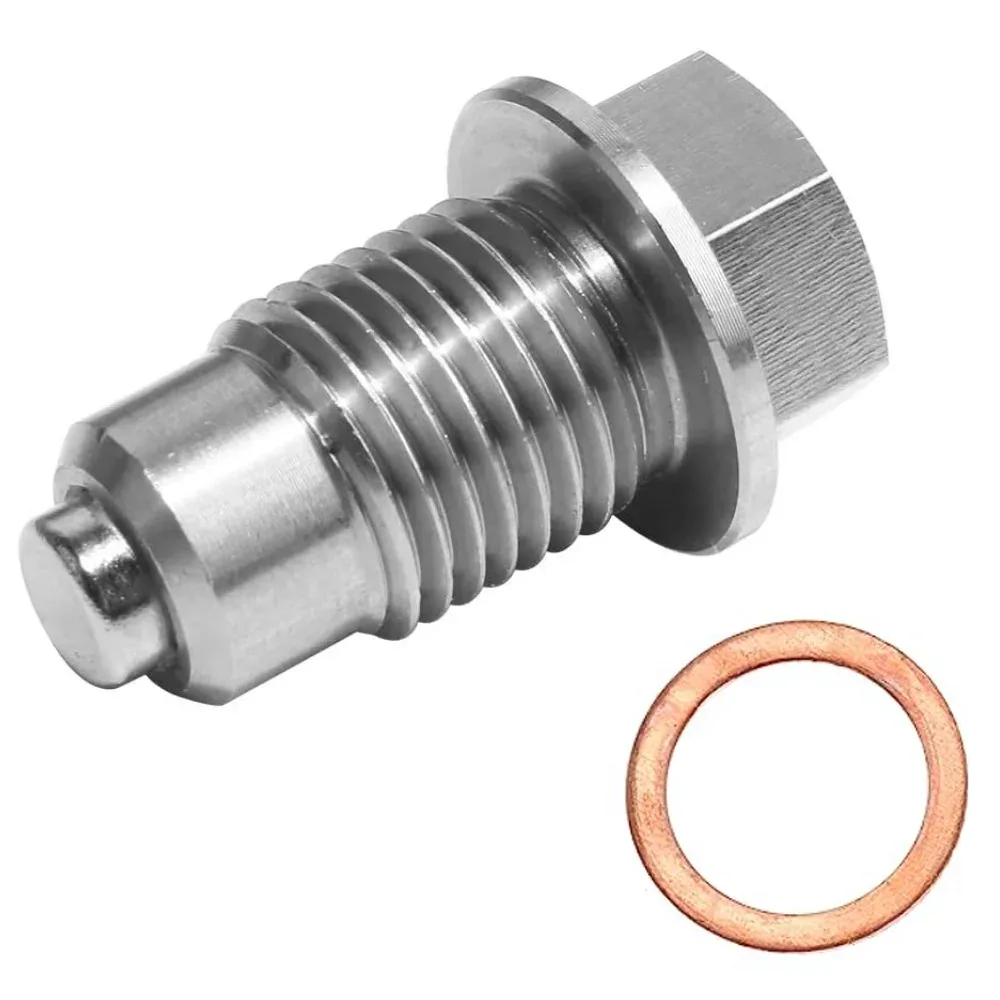
Image source: Web (Bing) / aliexpress.com (Web image (fair-use with source credit))
Skipping the Crush Washer
The drain plug on your Corolla uses a crush washer. It's a small copper or aluminum ring that deforms when you tighten the plug. That deformation creates the seal.
Use it again and it doesn't deform properly. You get a slow drip. Replace the crush washer every time.
They cost about fifty cents.
Overfilling or Underfilling
The 2005 Corolla takes 3.9 quarts with a filter change. That's the spec. Overfilling causes the crankshaft to whip the oil into foam.
Aerated oil doesn't lubricate properly. Underfilling starves the oil pickup. Both lead to bearing damage.
Use a measuring container. Pour slowly. Check the dipstick.
Forgetting to Prime the Oil Filter
Manufacturer specs indicate that filling the new oil filter with fresh oil before installation reduces the time the engine runs without oil pressure. It takes ten seconds. Do it.
Step-by-Step: How to Change the Oil Yourself
Changing the oil on a 2005 Corolla is one of the easiest maintenance jobs you can do. You need basic tools, about thirty minutes, and the willingness to get your hands dirty.
Tools and Parts You'll Need
| Item | Specification | Notes |
|---|---|---|
| Motor oil | 5W-30, API SL or higher, 4 quarts | 3.9 quarts needed with filter |
| Oil filter | OEM 90915-YZZD3 or equivalent | Hand-tighten only |
| Drain plug washer | 17mm copper or aluminum crush washer | Replace every time |
| Socket wrench | 16mm or 17mm socket | Double-check your plug size |
| Oil filter wrench | Cap-style or strap-style | Helps with stubborn filters |
| Drain pan | 5-quart capacity minimum | Catch all the old oil |
| Funnel | Standard size | Prevents mess when filling |
| Jack and jack stands | Or ramps | Never crawl under a car on a jack alone |
Manufacturer specs confirm the drain plug torque is 29 ft-lbs. The oil filter should be hand-tightened plus a quarter turn. Do not use a wrench to tighten the filter.
The Drain and Fill Process
Warm up the engine for a minute or two. Warm oil drains faster. Do not let it get hot enough to burn you.
Park on level ground. Get the front end up on ramps or jack stands. Chock the rear wheels.
Slide under the car. Locate the drain plug on the bottom of the oil pan. Position the drain pan underneath.
Loosen the plug with the socket wrench. Unscrew it by hand. The oil will start flowing immediately.
Let the oil drain completely. This takes about five minutes. While it drains, remove the old oil filter.
It's on the front of the engine block. Install the new filter. Fill it with fresh oil first.
Rub a thin layer of oil on the rubber gasket. Screw it on by hand until the gasket makes contact. Tighten another quarter turn.
Clean the drain plug area. Put the new crush washer on the plug. Screw it in by hand.
Torque it to 29 ft-lbs. Do not overtighten. Lower the car.
Open the hood. Remove the oil filler cap. Use the funnel to add 3.5 quarts.
Replace the cap. Start the engine. Let it run for thirty seconds.
The oil pressure light should go out immediately. Turn the engine off.
Wait five minutes for the oil to settle. Check the dipstick. Top off to the full mark.
How Often Should You Change the Oil?
The old rule was every three thousand miles. That rule came from a time when oil technology was primitive. Modern oils last longer.
Toyota's owner manual recommends five thousand miles for conventional oil and seven thousand five hundred for synthetic under normal conditions. Normal conditions mean highway driving, moderate temperatures, and gentle acceleration.
Severe service is different. Stop-and-go city driving, short trips under five miles, extreme heat, dusty roads, and frequent idling all count as severe. If your daily commute is ten minutes of bumper-to-bumper traffic, you're in severe service territory.
Severe service cuts the interval in half. Change conventional oil every three thousand to three thousand five hundred miles. Change synthetic every five thousand miles.
Aggregate reviews from Corolla forums show that owners who change oil every five thousand miles with synthetic consistently report engines lasting past two hundred fifty thousand miles.
Oil Consumption: What's Normal
The 1ZZ-FE engine consumes some oil by design. Toyota issued a technical bulletin acknowledging that oil consumption of up to one quart per thousand miles is considered normal. That sounds alarming.
But it's true.
The piston ring design allows a small amount of oil past the rings during normal operation. The PCV system recirculates crankcase vapors back into the intake. Those vapors contain oil.
It gets burned.
At what point is it a problem? If you're adding more than one quart every thousand miles, you have an issue. The valve stem seals are likely hardened.
The piston rings might be worn. Or the PCV valve could be clogged.
Check your oil level every time you fill up with gas. Keep a quart in the trunk. Top off as needed.
Running low on oil is far more damaging than burning a little oil between changes.
When to Call a Mechanic
Changing oil is simple. But some situations call for professional help.
If you can't get the drain plug loose without stripping it, stop. A rounded drain plug requires extraction tools. A stripped oil pan requires replacement.
A mechanic can handle this without turning a twenty-dollar job into a three-hundred-dollar repair.
If you see glitter in the drained oil, stop and call a shop. Sparkling oil means metal particles. That indicates bearing wear or internal damage.
Fresh oil won't fix that.
If the oil pressure light stays on after an oil change, do not drive the car. Something is wrong. It could be a clogged oil passage, a faulty oil pump, or an incorrectly installed filter.
A mechanic can diagnose it safely.
Final Verdict
Buy SAE 5W-30 motor oil with an API SN or SP rating and an ILSAC GF-5 or GF-6 certification. You need 3.9 quarts with a filter change. Use conventional if the engine is healthy and you're on a budget.
Use synthetic or high-mileage if the engine has over 100,000 miles. Replace the crush washer every time. Torque the drain plug to 29 ft-lbs.
Hand-tighten the oil filter. Change the oil every five thousand miles.
Follow those steps and your 1ZZ-FE engine will keep running the way Toyota designed it to. For decades.
Frequently Asked Questions
Can I use 5W-20 in my 2005 Corolla?
No. The 2005 Corolla requires 5W-30. Later models switched to 5W-20.
Your engine's bearing clearances and oil pump are designed for 5W-30. Using 5W-20 reduces oil pressure and increases wear.
How much oil does a 2005 Corolla take?
It takes 3.9 quarts with a filter change. If you are not changing the filter, it takes 3.7 quarts. Always check the dipstick after filling and top off as needed.
Is synthetic oil worth it for an older Corolla?
Yes. Aggregate reviews from owners show that synthetic oil reduces sludge formation, improves cold-start protection, and reduces oil consumption in high-mileage engines. The extra ten to fifteen dollars per change is worth it.
What happens if I use the wrong oil viscosity?
Using the wrong viscosity increases engine wear. Thicker oil reduces flow at startup. Thinner oil reduces film strength at operating temperature.
Both shorten engine life. Stick with 5W-30.
How do I know if my Corolla is burning too much oil?
Check the dipstick every time you fill up. If you add more than one quart between oil changes, monitor it closely. If you add more than one quart every thousand miles, inspect the PCV system and valve stem seals.
Should I use high-mileage oil?
If your Corolla has over 75,000 miles and you notice minor oil seepage or consumption, high-mileage oil helps. The seal conditioners soften aging gaskets. It is not a repair for major leaks but it reduces minor seepage.