
Using the wrong oil in your 2018 Toyota 4Runner isn't a minor mistake. It can lead to sludge buildup, timing chain wear, and a repair bill that runs into the thousands. The correct 2018 toyota 4runner oil type is SAE 0W-20 full synthetic, and it matters more than you might think.
The 4.0-liter 1GR-FE engine has tight tolerances and variable valve timing that depends on the right viscosity. Toyota specifies oil that meets API SN or higher and ILSAC GF-5 or higher standards. Getting this wrong can cost you real money, so let's cover exactly what you need.
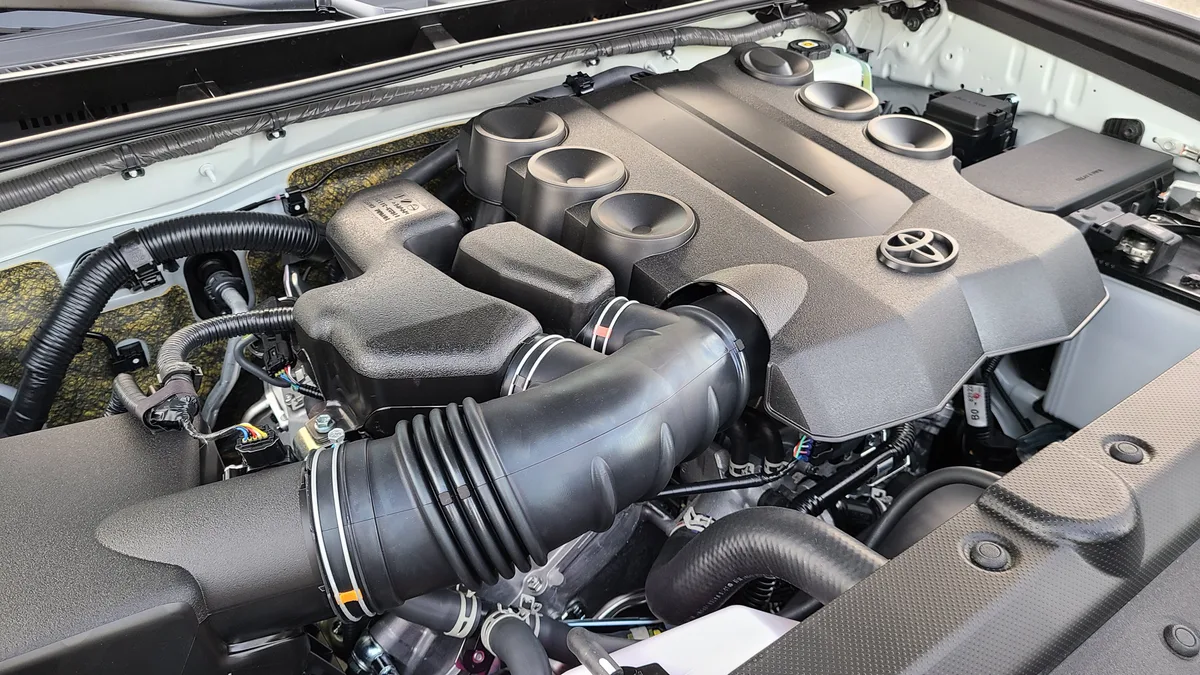
Image source: Bing (Web (fair-use with source credit))
Why Getting This Wrong Can Cost You Thousands
The 1GR-FE engine is famously reliable. But it's not indestructible. Using the wrong viscosity or a low-quality oil that doesn't meet API standards causes problems that show up slowly at first.
Sludge buildup is the biggest risk. When oil doesn't flow properly at cold temperatures or breaks down under heat, deposits form inside the engine. Those deposits clog oil passages and starve components like the timing chain tensioners and VVT-i actuators.
A VVT-i actuator replacement runs $800 to $1,200 per side. If sludge gets bad enough to require an engine rebuild, you're looking at $4,000 to $7,000 or more. The right oil prevents all of this.
Quick Answer: What Oil Does a 2018 Toyota 4Runner Take?
Use SAE 0W-20 full synthetic oil. It must meet API SN or higher. The engine holds 6.4 quarts with a filter change.
Toyota recommends 5,000-mile intervals for severe driving. Stick with 0W-20 unless 5W-20 is your only option.
The API certification seal on the bottle is your guarantee the oil meets industry standards. Don't buy oil without it.
Understanding the 1GR-FE Engine and Its Oil Needs
The 4.0-liter 1GR-FE is a dual overhead cam V6 with variable valve timing on both intake and exhaust cams. It's a robust engine that Toyota used in the 4Runner, Tacoma, and FJ Cruiser. But it has specific oil requirements that aren't just marketing suggestions.
The VVT-i system uses oil pressure to adjust cam timing. If the oil is too thick when cold, it can't flow through the small passages in the cam phasers quickly enough. That delays timing adjustments.
It can cause rough idle, reduced power, and timing chain noise on cold starts.
Toyota engineers designed the 1GR-FE around 0W-20 oil. The "0W" means it flows like a 0-weight oil when cold, providing quick lubrication at startup. The "20" means it maintains the viscosity of a 20-weight oil at operating temperature.
This balance protects the engine during cold starts while keeping oil pressure where it needs to be when hot.
The oil pump is a variable displacement design. It adjusts oil pressure based on engine demand. Using thicker oil than specified works against this system.
It causes higher parasitic drag and reduced fuel economy.
Full Synthetic vs. Conventional: Is the Upgrade Worth It?
Toyota doesn't require full synthetic oil. But they strongly recommend it. The owner's manual says to use oil with API certification, and most 0W-20 oils on the market are synthetic because conventional oil can't reliably meet that viscosity grade.
Full synthetic oil offers better protection at extreme temperatures. It resists thermal breakdown better than conventional oil. That matters when you're towing a trailer up a mountain pass in summer.
It also flows better at cold temperatures, reducing wear during those first few seconds after startup.
Conventional oil can work in theory, but it's hard to find 0W-20 in conventional form. Most 0W-20 oils are synthetic or synthetic blend because the viscosity requires refined base stocks. If you do find a conventional 0W-20, it likely won't hold up as well under high heat or extended drain intervals.
The cost difference is real. A full synthetic oil change with a quality filter runs about $50 to $70 for DIY. A conventional oil change might be $30 to $40.
But synthetic lasts longer and protects better. Over 100,000 miles, the extra cost is minimal compared to the potential engine damage.
For the 4Runner's 1GR-FE engine, full synthetic is the smart choice. It's what the oil system was designed for. Don't cheap out on oil to save $20 per change.
0W-20 vs. 5W-20: Which One Should You Actually Use?
Toyota's official recommendation is 0W-20. It's printed on the oil fill cap and listed in the owner's manual. But the manual also lists 5W-20 as an acceptable alternative if 0W-20 isn't available.
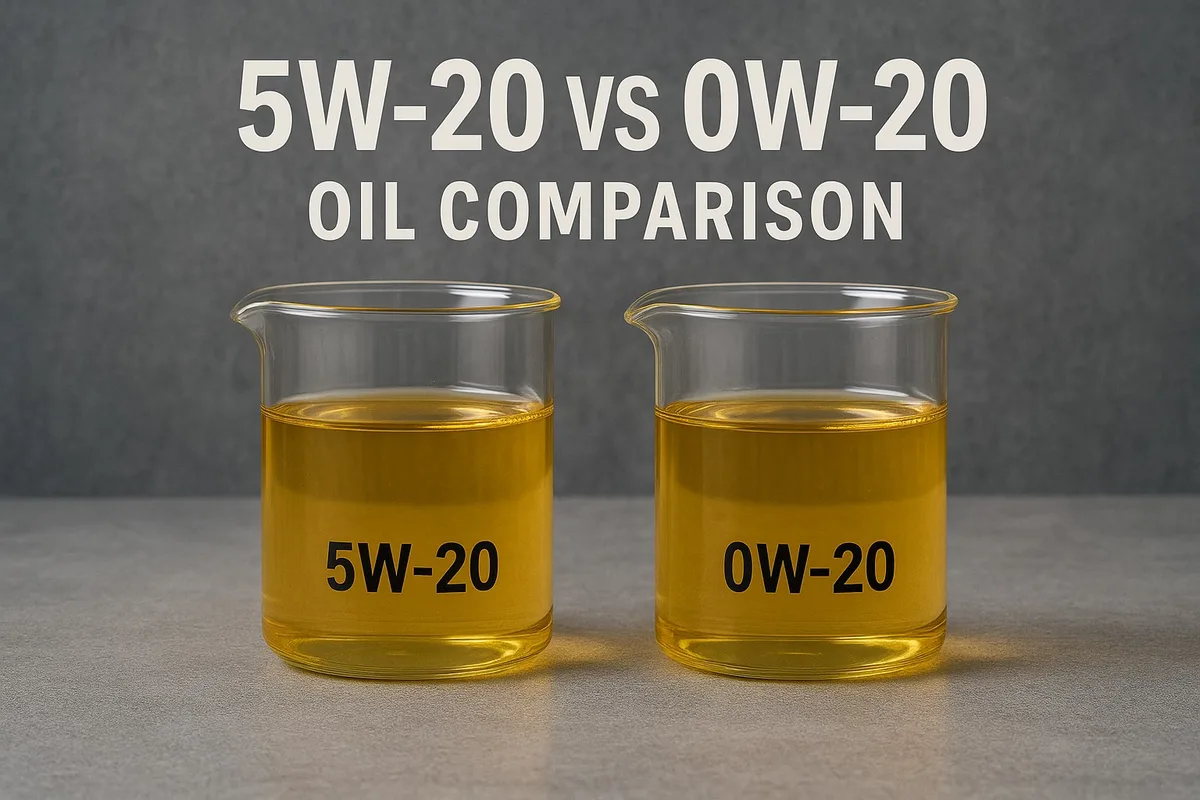
Image source: Web (Bing) / heavyvehicleinspection.com (Web image (fair-use with source credit))
Use 0W-20 when:
- You live in a cold climate where temperatures drop below freezing
- You want the best fuel economy
- You want to follow Toyota's primary recommendation
- You do mostly short trips where the engine doesn't fully warm up
5W-20 is acceptable when:
- 0W-20 is temporarily unavailable (like in a remote area)
- You live in a very hot climate year-round
- You're topping off between changes and can't find 0W-20
| Specification | 0W-20 | 5W-20 |
|---|---|---|
| Cold flow rating | 0-weight | 5-weight |
| Hot viscosity | 20-weight | 20-weight |
| Toyota primary spec | Yes | No (alternative) |
| Best for | Cold climates, all-season | Hot climates, emergency use |
| Fuel economy impact | Baseline | Slightly lower |
The bottom line: use 0W-20. It's what Toyota recommends and what the engine was designed for. Keep a quart of 5W-20 in the trunk for emergencies if you want, but don't make it your regular choice.
The Complete Oil Change Spec Sheet
Before you buy oil or start the job, you need the exact numbers. Guessing leads to overfilling, underfilling, or using the wrong filter.
| Specification | Value |
|---|---|
| Engine | 4.0L V6 1GR-FE |
| Oil capacity (with filter) | 6.4 US quarts (6.0 liters) |
| Recommended viscosity | SAE 0W-20 |
| Acceptable alternative | SAE 5W-20 |
| API certification | SN or higher (SP preferred) |
| ILSAC certification | GF-5 or higher (GF-6 preferred) |
| Oil filter torque | 18 ft-lbs (hand-tight plus 3/4 turn) |
| Drain plug torque | 27 ft-lbs |
| Drain plug washer | Replace every time (14mm) |
| Oil change interval | 5,000 miles (severe) / 10,000 miles (normal) |
The drain plug uses a 14mm wrench. The oil filter is a spin-on type on the passenger side of the engine block. You'll need a socket set, an oil filter wrench, and a drain pan that holds at least 8 quarts.
How to Change the Oil Yourself (Step-by-Step)
Changing the oil on a 4Runner is straightforward. You don't need special tools beyond a socket set, a filter wrench, and a jack if the truck sits low.
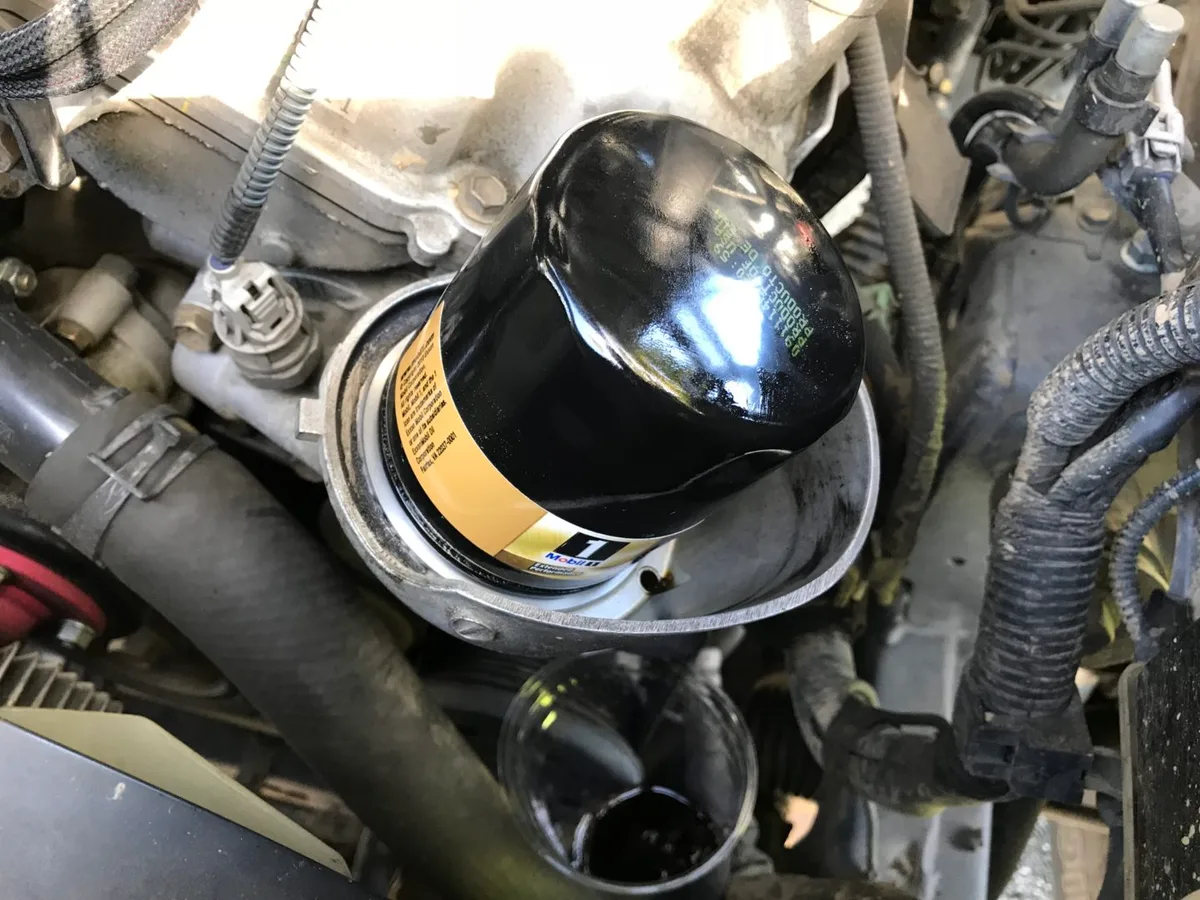
Image source: Web (Bing) / hitchesguide.com (Web image (fair-use with source credit))
Step 1: Warm up the engine. Run it for a few minutes until the oil is warm but not hot. Warm oil drains faster and carries more suspended contaminants.
Step 2: Lift and secure the vehicle. Use a jack and jack stands. Never crawl under a vehicle supported only by a jack. The 4Runner has good ground clearance, so you might not need to lift it at all.
Step 3: Drain the oil. Place the drain pan under the drain plug. Remove the plug with a 14mm socket. Let the oil drain completely.
Replace the drain plug washer with a new one. Torque the plug to 27 ft-lbs.
Step 4: Remove the oil filter. The filter is on the passenger side of the block. Use a filter wrench to loosen it. It will be full of oil, so angle it carefully into the drain pan.
Lubricate the new filter's gasket with fresh oil before installing. Hand-tighten plus 3/4 turn.
Step 5: Add new oil. Pour in 6.4 quarts of 0W-20 full synthetic. Replace the oil fill cap. Run the engine for 30 seconds, then shut it off.
Wait two minutes and check the dipstick. Add oil if needed to reach the full mark.
Step 6: Reset the maintenance light. Turn the ignition to ON without starting the engine. Press the trip odometer button until the odometer shows. Turn the ignition off.
Press and hold the trip button while turning the ignition back to ON. The light will flash and reset.
Common Mistakes 4Runner Owners Make With Oil
Even experienced DIYers make errors on this specific engine. Here are the ones we see most often.
Overfilling the oil. The 1GR-FE holds exactly 6.4 quarts with a filter. Adding an extra half quart because "it's better to have more" is wrong. Overfilling causes the crankshaft to whip the oil into a foam.
Foam doesn't lubricate. It leads to low oil pressure and accelerated wear.
Using the wrong filter. Some aftermarket filters have a different bypass valve pressure. The engine needs a filter that opens at the correct pressure to maintain oil flow to the VVT-i system. Stick with Toyota Genuine filters or high-quality equivalents that match the OEM spec.
Skipping the crush washer. The drain plug uses a copper or aluminum washer that deforms when torqued. Reusing it creates a leak path. A new washer costs about 50 cents.
The repair for a stripped oil pan is a few hundred dollars.
Ignoring the 5,000-mile interval. Toyota says 10,000 miles for normal driving and 5,000 for severe. Most 4Runner driving qualifies as severe. Short trips, towing, off-road dust, and stop-and-go traffic all count.
Use the shorter interval if you do any of these.
Mixing viscosities. Topping off with 5W-30 or 10W-30 because it's what's in the garage is a bad idea. The oil system is calibrated for 0W-20. Thicker oil reduces flow at cold start and increases engine drag.
Keep a spare quart of 0W-20 in the vehicle.
Oil Change Intervals for Towing, Off-Roading, and Extreme Conditions
When you tow a trailer, the engine runs hotter and under higher load for extended periods. The oil breaks down faster. The same applies to off-roading where the engine operates at high RPM in low range for hours at a time.
Toyota defines severe driving as conditions including dusty environments, frequent short trips, extensive idling, towing, or off-road use. The 4Runner is often used for all of these. The manual recommends 5,000-mile oil changes for severe service.
Some owners who frequently tow heavy loads or run in extreme heat prefer to change at 3,000 to 4,000 miles. That's conservative but not unreasonable. Oil analysis reports from heavily used 4Runners show that 0W-20 synthetic still has good viscosity retention at 5,000 miles, even under load.
Beyond that, the additive package starts to deplete.
If you live in a desert climate where summer temperatures exceed 100 degrees Fahrenheit regularly, consider a high-quality synthetic with a higher viscosity index. But the viscosity grade stays the same.
Choosing the Right Oil Filter for Your 4Runner
The oil filter matters as much as the oil itself. A cheap filter can bypass unfiltered oil into your engine or fail to hold oil for cold starts.
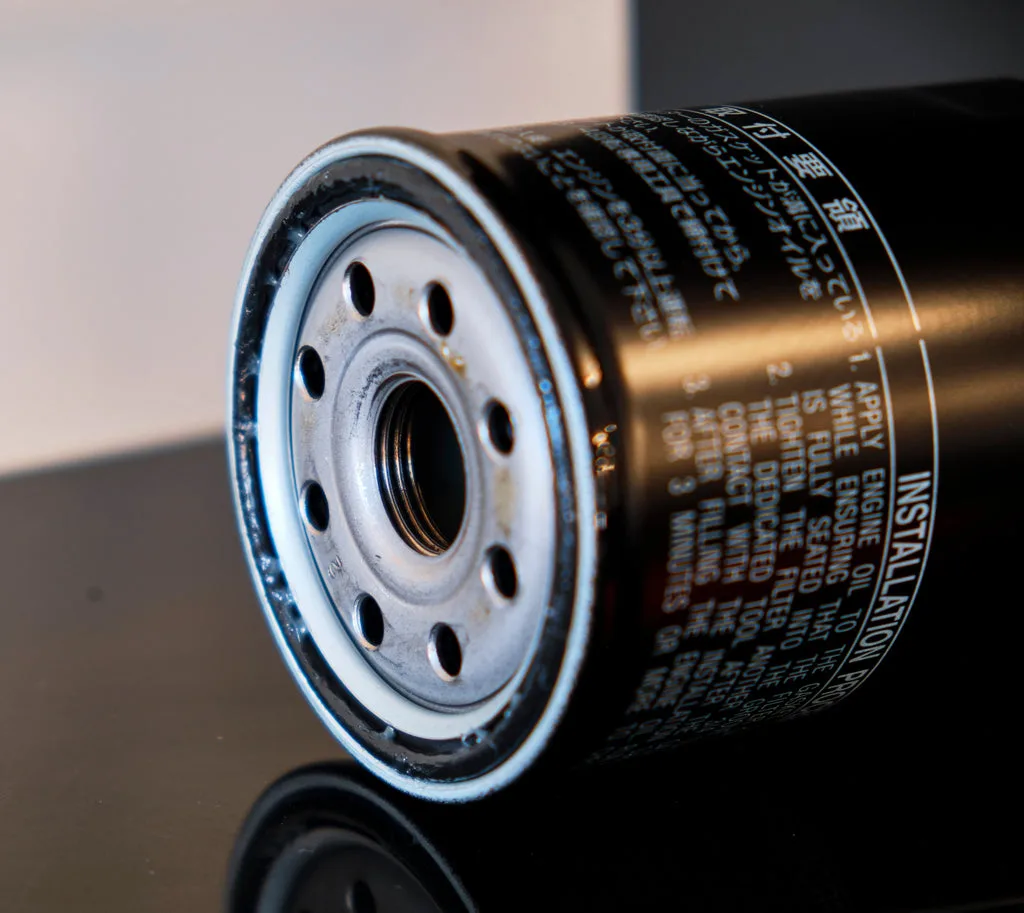
Image source: Web (Bing) / parts.jarvistoyota.com.au (Web image (fair-use with source credit))
The 1GR-FE engine needs a filter with the correct bypass valve pressure. If the bypass opens too early, unfiltered oil circulates. If it opens too late, oil starvation occurs during cold starts.
Toyota Genuine filters are the safe choice. They cost $8 to $12 and are built to exact specs. Quality aftermarket options like Wix, Purolator, and Mobil 1 also work well if they match the OEM specifications.
The filter is a spin-on type with a 3/4-inch thread. The torque spec is 18 ft-lbs or hand-tight plus 3/4 turn after the gasket contacts the mounting surface. Always lubricate the gasket with fresh oil before installation.
Oil Brand Options: What Actually Matters
Brand loyalty is strong in the 4Runner community. But the brand name matters less than the certification seals on the bottle.
Any oil that meets API SN or SP and ILSAC GF-5 or GF-6 is suitable. The bottle should display the API donut logo and the ILSAC starburst. These certifications mean the oil has passed standardized tests for viscosity, wear protection, and deposit control.
Major brands like Mobil 1, Pennzoil, Valvoline, Castrol, and Amazon Basics all offer 0W-20 full synthetic that meets these standards. Toyota Genuine Motor Oil is also a solid choice, though it's often priced higher than comparable alternatives.
The one thing to avoid is bargain-brand oil that lacks API certification. Some store brands and off-label oils may not carry the seal. If it's not on the bottle, don't use it.
Reading the Dipstick Correctly (It's Easy to Mess Up)
Checking the oil level sounds simple. But many 4Runner owners get it wrong and overfill or underfill as a result.
Always check the oil on a level surface. The engine should be warm and turned off for at least two minutes. Pull the dipstick, wipe it clean, insert it fully, then pull it again to read the level.
The 1GR-FE dipstick has two marks. The lower mark is the low level. The upper mark is the full level.
The distance between them represents about one quart of oil. The ideal level is between the two marks, closer to the upper mark.
A common mistake is checking the oil immediately after shutting off the engine. The oil hasn't drained back into the pan yet. The reading will show low, leading you to add oil unnecessarily.
Wait two minutes for an accurate reading.
What About High-Mileage Engines?
As the 1GR-FE passes 100,000 miles, some owners consider switching to high-mileage oil. These oils contain seal conditioners that can reduce minor leaks.
High-mileage oil is formulated with additives that help soften and swell dried-out seals. If your 4Runner has small oil leaks from the valve cover gaskets or rear main seal, high-mileage oil might help. But it's not a repair.
It's a temporary mitigation.
Stick with 0W-20 viscosity even in high-mileage formulations. Some high-mileage oils come in 5W-30 or 10W-30, which are too thick for the 1GR-FE. Look for a 0W-20 high-mileage oil with API SP certification.
If your engine doesn't leak oil, high-mileage oil offers no benefit. Standard full synthetic 0W-20 is perfectly adequate for a 200,000-mile 4Runner that's been maintained properly.
Oil Disposal: Don't Skip This Step
Used motor oil is classified as hazardous waste. Pouring it down a drain, onto the ground, or into a trash can is illegal in most jurisdictions. The fines can be substantial.
Most auto parts stores accept used oil for recycling at no charge. Transfer the used oil into a clean container with a tight lid. Old oil jugs work well for this.
Used oil filters are also recyclable. Drain the filter for 24 hours, then place it in a sealed plastic bag. Many parts stores accept them alongside the oil.
Proper disposal is simple and free. There's no excuse to skip it.
The Bottom Line: What to Buy and What to Ignore
Buy 0W-20 full synthetic oil with the API SP or SN certification seal. Buy a Toyota Genuine oil filter or a quality equivalent. Change both every 5,000 miles if you tow, off-road, or do short trips.
Ignore the marketing hype about "racing" oils and brand-specific claims that aren't backed by API certification. The 1GR-FE engine is not exotic. It needs clean oil at the right viscosity.
Everything else is noise.
Keep a spare quart of 0W-20 in the cargo area. Check the dipstick at every other fuel fill-up. Replace the crush washer at every change.
Do these simple things and your 4Runner will easily surpass 250,000 miles.
Frequently Asked Questions
Can I use 5W-30 in my 2018 4Runner?
No. Toyota specifies 0W-20 or 5W-20 as a temporary alternative. Using 5W-30 reduces fuel economy, increases cold-start wear, and can cause VVT-i timing issues.
Stick with the recommended viscosity.
How many quarts of oil does a 2018 4Runner need?
The engine holds 6.4 quarts with a filter change. Buy a 6-quart jug and a single quart bottle. The extra quart is useful for top-offs between changes.
Do I need to use Toyota brand oil?
No. Any major brand that meets API SN or SP and ILSAC GF-5 or GF-6 is fine. Toyota Genuine Motor Oil is a good choice but not required.
The certification seals matter more than the brand name.
Can I switch from synthetic to conventional oil?
You can, but it's not recommended. The 1GR-FE engine was designed around synthetic oil. Conventional oil breaks down faster under heat and may not provide adequate protection during extended towing or high-load driving.
How do I know if my oil is low?
Check the dipstick on a level surface with the engine warm and off for two minutes. If the oil level is at or below the lower mark, add oil. Do not overfill.
One quart brings the level from low to full.
What happens if I use the wrong oil filter?
A filter with the wrong bypass valve pressure can restrict oil flow or allow unfiltered oil to circulate. This can damage the VVT-i actuators and timing chain. Always use a filter that meets Toyota's OEM specifications.