
If you own a 2018 Toyota Corolla, the question of exactly which oil to put in it is not something you want to guess at. The 2018 toyota corolla oil type is a specific specification, and getting it wrong can cost you fuel economy, engine performance, and potentially thousands in repairs down the line. This is not a close enough situation.
Manufacturer specifications indicate the engine was designed around a thin, fully synthetic oil for fuel efficiency and cold-start protection. As of 2026, with many of these cars hitting higher mileage, using the correct oil is more important than ever. Here is exactly what you need to know.
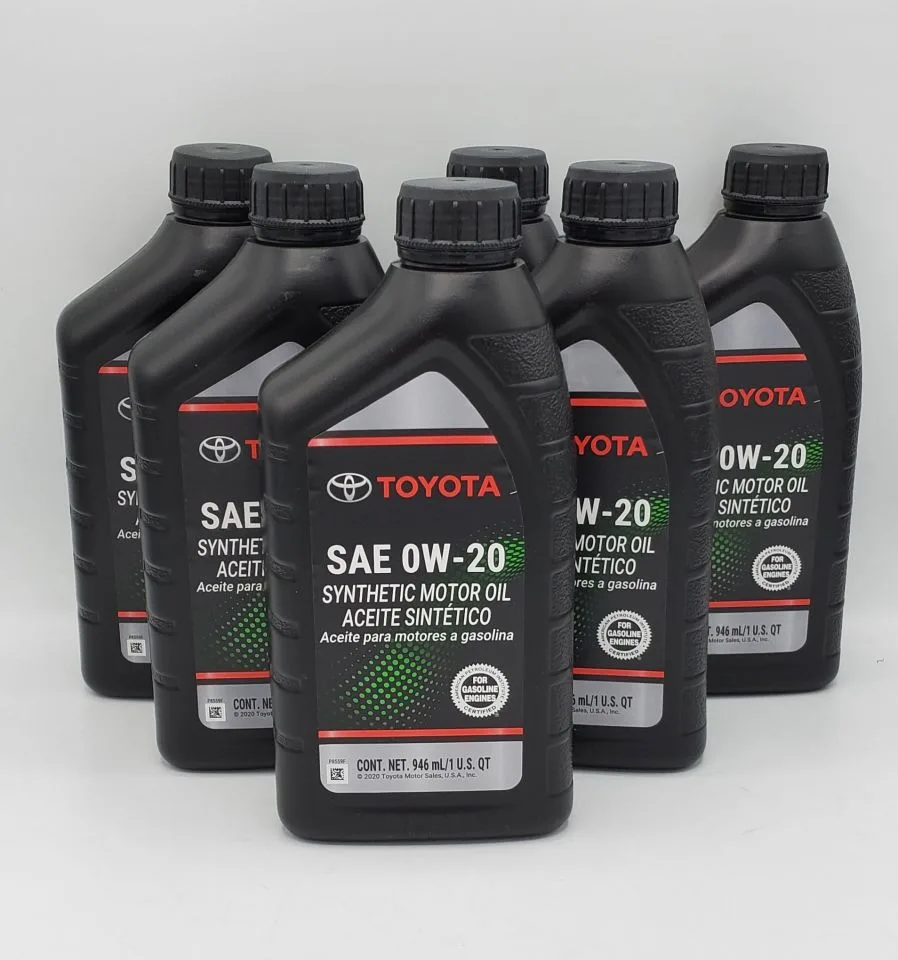
Image source: Web (Bing) / storage.googleapis.com (Web image (fair-use with source credit))
Quick Answer
Your 2018 Toyota Corolla requires SAE 0W-20 full synthetic motor oil. It must meet API SN or higher certification. The engine holds 4.4 quarts with a filter change.
Do not use conventional oil or a different viscosity.
Why Getting the Right Oil Matters
Oil is the lifeblood of your engine. But in a 2018 Corolla, it is more than just lubrication. The 2ZR-FAE engine uses variable valve timing (VVT-i) that relies on precise oil pressure.
The wrong oil viscosity means the VVT system cannot adjust timing correctly. That leads to sluggish acceleration, reduced fuel economy, and eventually, mechanical wear.
You might see someone online say they run 5W-30 without issues. That is survivorship bias. The engine will run, but it will run worse.
The oil pump is designed for a specific viscosity. Thicker oil does not flow fast enough through the tiny passages that control the VVT actuators. Over time, that causes premature wear on the timing chain and cam phasers.
The stakes are higher than most owners realize. This is not about brand loyalty. It is about following the engineering specs.
The 2ZR-FAE Engine: Why It Demands 0W-20 Synthetic
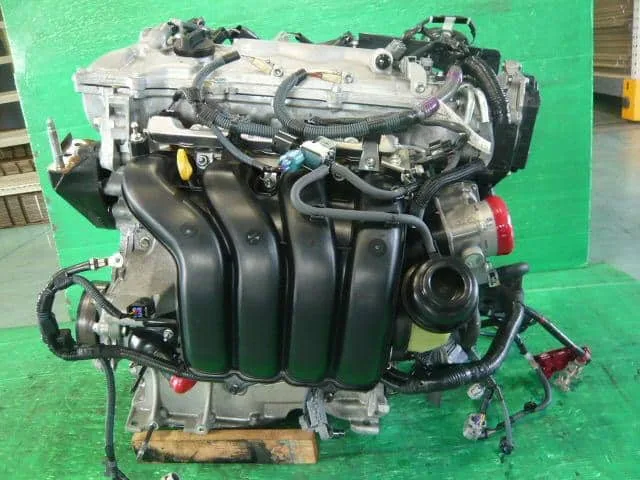
Image source: Bing (Web (fair-use with source credit))
The 2ZR-FAE is a 1.8-liter four-cylinder engine. It is a reliable workhorse, but it has specific design quirks. One of the biggest is its low-tension piston rings.
These rings are thinner and lighter than older designs. Their job is to reduce friction and improve fuel economy.
How Low-Tension Rings Work
The rings create a seal between the piston and the cylinder wall. Low-tension rings exert less outward force. That means less friction, but they rely on the oil viscosity to maintain that seal.
A thicker oil like 5W-30 creates too much drag. A thinner oil like 0W-20 allows the rings to move freely while still providing adequate sealing.
The VVT-i Factor
The variable valve timing system uses oil pressure to advance or retard the camshaft timing. The passages inside the VVT sprocket are incredibly small. They are designed for the flow characteristics of 0W-20.
Thicker oil drops pressure across those passages. The system becomes sluggish. You lose low-end torque and throttle response.
What the Manual Says
The owner's manual lists 0W-20 as the primary recommendation. It states that 5W-30 can be used in an emergency, but it must be replaced with 0W-20 at the next oil change. Toyota tested the engine with both viscosities and chose the one that maximized longevity and efficiency.
Oil Viscosity Explained
Oil viscosity is often misunderstood. People think thicker oil provides better protection. That is not how modern engines work.
Viscosity is simply a measure of resistance to flow.
What 0W-20 Means
0W means the oil behaves like a very thin grade at freezing temperatures. It flows easily when the engine is cold. That is critical for startup wear prevention.
Most engine wear occurs in the first 30 seconds after a cold start. The 20 means it maintains a certain thickness at operating temperature.
Why Not 5W-30
5W is thicker than 0W at freezing. Oil takes longer to reach critical parts on startup. The 30-grade oil is thicker at 212°F.
That increases parasitic drag on rotating parts. Toyota designed the engine around 0W-20 to meet fuel economy targets. Using 5W-30 can reduce MPG by 1 to 2 percent consistently.
The Role of Synthetic Base Oils
Full synthetic oil is not marketing hype. Synthetic base oils have a more uniform molecular structure. They resist thermal breakdown better.
They flow more consistently across a wide temperature range. That is why Toyota specifies full synthetic, not a blend.
The Complete Spec Sheet
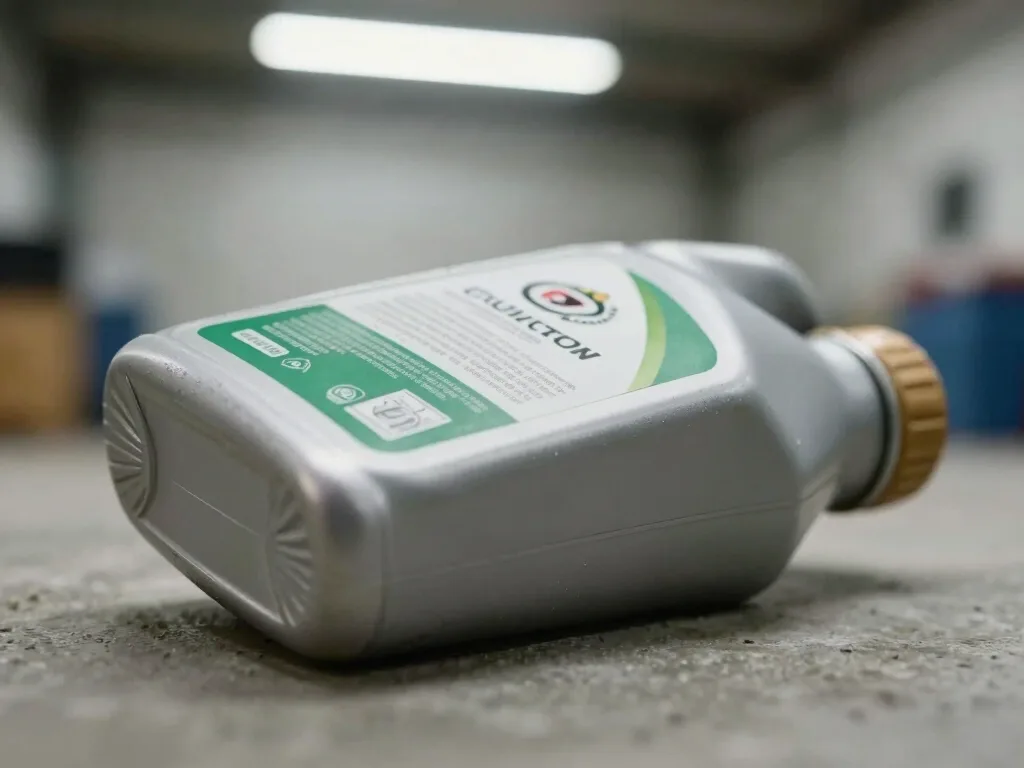
Image source: Web (Bing) / motoroilguide.com (Web image (fair-use with source credit))
Here is the exact specification you need to buy.
| Specification | Required Value |
|---|---|
| Viscosity | SAE 0W-20 |
| Oil Type | Full synthetic |
| API Certification | SN, SN Plus, or SP |
| ILSAC Certification | GF-5 or GF-6 |
| Capacity with filter | 4.4 US quarts (4.2 liters) |
| Capacity without filter | 4.2 US quarts (4.0 liters) |
| Drain plug torque | 29 ft-lbs (39 Nm) |
Decoding the API Label
Every bottle of motor oil has a donut-shaped label on the back. The top half shows the current service category. You need SN or higher.
The center shows the viscosity. The bottom shows whether it is Resource Conserving. If the bottle does not have the API starburst mark, do not buy it.
The Oil Filter Matters
The oil filter has a bypass valve that opens when the oil is cold and thick. Using a cheap filter with an incorrect bypass valve pressure can starve the engine of oil during cold starts. Stick with the OEM filter or a high-quality equivalent.
The part number is 04152-YZZA6.
Do Not Forget the Crush Washer
The drain plug has a crush washer that should be replaced every oil change. It costs less than a dollar. The part number is 90430-12031.
It is a 14mm copper or aluminum washer.
Step-by-Step: How to Change the Oil Yourself
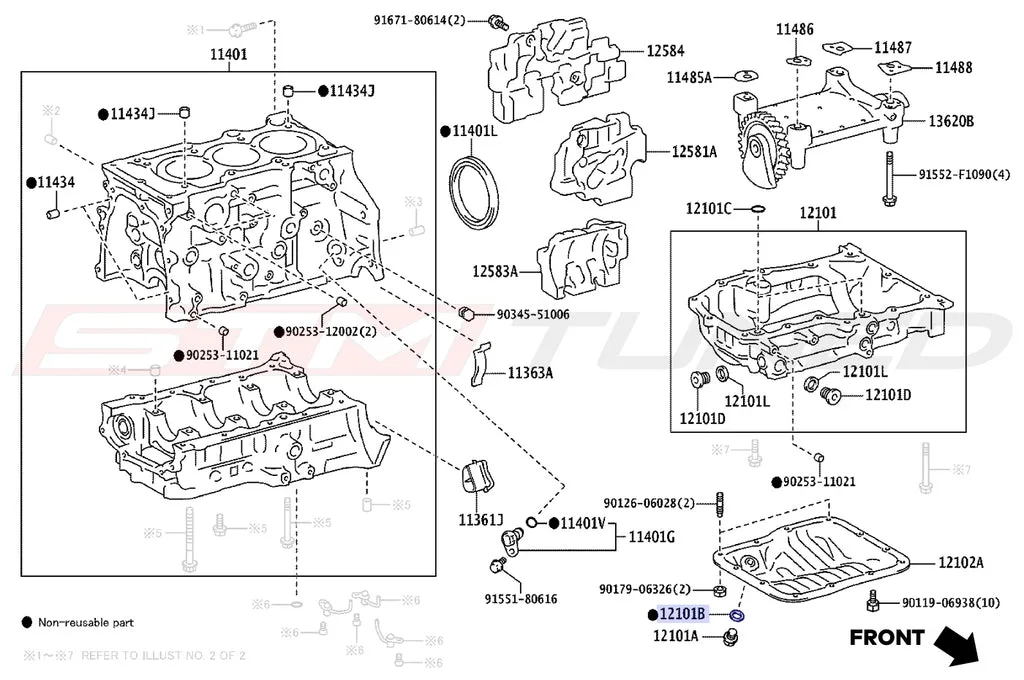
Image source: Web (Bing) / stmtuned.com (Web image (fair-use with source credit))
Changing your own oil saves money and ensures the right oil is used.
Tools and Materials
| Item | Notes |
|---|---|
| 14mm socket or wrench | For the drain plug |
| Oil filter wrench | Cup-style works best |
| Drain pan | Holds 5 quarts |
| Funnel | Long neck helps |
| Torque wrench | Optional but recommended |
| 4.4 quarts 0W-20 synthetic | API SN or SP |
| OEM oil filter | 04152-YZZA6 |
| New crush washer | 14mm copper or aluminum |
| Jack and jack stands | For clearance |
Step 1: Warm the Engine
Run the engine for two minutes. Warm oil drains faster and carries more contaminants. Do not run it until it is hot.
Warm oil is fine.
Step 2: Lift the Car Safely
Use a jack and jack stands. Never work under a car supported only by a hydraulic jack. Place the stands on the frame rails behind the front wheels.
Step 3: Drain the Old Oil
Locate the drain plug on the bottom of the oil pan. It is a 14mm bolt. Place your drain pan underneath.
Loosen the plug with the socket. Unscrew it by hand once it is loose. Let the oil drain for 10 minutes.
Step 4: Replace the Crush Washer
Remove the old washer from the plug. Slide the new one on. Hand-thread the plug back in until snug.
Torque it to 29 ft-lbs. If you do not have a torque wrench, tighten it firmly but do not overdo it.
Step 5: Remove the Oil Filter
The filter is on the front of the engine, accessible from underneath. Use the filter wrench to loosen it. Let it drain into the pan.
Remove the old o-ring from the housing.
Step 6: Prepare the New Filter
Lubricate the new o-ring with fresh oil. A thin film is enough. Fill the new filter about halfway with fresh oil.
This prevents a dry start.
Step 7: Install the New Filter
Hand-tighten the filter until the o-ring contacts the housing. Then tighten another three-quarter turn. Do not use the wrench here.
Step 8: Add the New Oil
Lower the car. Locate the oil fill cap on top of the valve cover. Remove it.
Insert a funnel. Pour in 4.4 quarts of 0W-20 synthetic. Replace the cap.
Step 9: Check for Leaks
Start the engine and let it run for 30 seconds. The oil pressure light should go out quickly. Check underneath for drips.
Turn off the engine.
Step 10: Check the Level
Wait two minutes for the oil to settle. Pull the dipstick, wipe it, reinsert it, and pull it again. The level should be between the low and high marks.
Step 11: Reset the Maintenance Light
Turn the ignition to ON without starting the engine. Press and hold the trip reset button for about 5 seconds. The light flashes and turns off.
Release the button.
Common Mistakes That Can Cost You an Engine
Using the Wrong Viscosity
This is the number one mistake. People grab 5W-30 because it is cheaper. The VVT system will not operate correctly.
Fuel economy drops. If you accidentally put in 5W-30, drive gently and change it out for 0W-20 as soon as possible.
Overfilling the Oil
More oil is not better. Overfilling causes the crankshaft to whip the oil into a froth. Aerated oil does not lubricate properly.
Check the dipstick after every fill.
Reusing the Crush Washer
The crush washer is designed for one-time use. It compresses and creates a seal. Reusing it causes a slow drip.
Buy a pack of five and keep them in your glove box.
Forgetting to Pre-Fill the Filter
A dry filter means the engine runs without oil pressure for a few seconds. Those seconds cause wear on bearings and the timing chain. Always fill the new filter about halfway.
Overtightening the Drain Plug
The oil pan is aluminum. It is soft. Over-torquing strips the threads.
That turns a simple oil change into a $500 repair. Torque it to 29 ft-lbs.
Synthetic vs. Conventional
The Chemical Difference
Conventional oil contains impurities and has an inconsistent molecular structure. Synthetic oil is engineered in a lab. Every molecule is the same size.
It flows more predictably and resists breakdown longer.
Heat Tolerance
The 2ZR-FAE engine runs hot to meet emissions standards. Conventional oil breaks down faster under that heat. It forms sludge and varnish deposits.
Synthetic oil handles sustained temperatures that would cook conventional oil.
Cold Start Protection
0W-20 conventional oil does not exist. The 0W viscosity requires a synthetic base stock. Conventional oil cannot achieve that cold flow rating while maintaining hot viscosity.
The Price Difference
| Oil Type | Cost per Change |
|---|---|
| Conventional 5W-30 | $20 to $30 |
| Full Synthetic 0W-20 | $35 to $50 |
| Synthetic Blend | $25 to $35 |
The difference per change is about $15. Over 150,000 miles, that is about $225 extra. Compare that to an engine replacement at $4,000.
When to Change It
Toyota recommends 10,000 miles or 12 months for normal service. That assumes highway driving in moderate climates.
Severe Service
Toyota defines severe service as repeated short trips under 5 miles, stop-and-go traffic in hot weather, driving on dusty roads, towing, or extended idling. If any of these apply, change the oil every 5,000 miles. Most Corolla owners fall into this category.
The Oil Life Monitor
The car has a maintenance reminder system. It calculates remaining oil life based on driving conditions. For highway drivers, follow the monitor.
For city drivers, change at 5,000 miles regardless.
Seasonal Considerations
In cold climates, change the oil before winter. Fresh 0W-20 flows better at freezing temperatures. In hot climates, keep the interval shorter if you do stop-and-go driving in summer traffic.
What Happens If You Use the Wrong Oil
Immediate Effects
Reduced fuel economy by 1 to 3 MPG. Slower throttle response. Slightly louder engine at idle.
Oil pressure warning light on cold starts.
Medium-Term Effects
Increased oil consumption. Carbon buildup on pistons. VVT actuator rattle on cold starts.
Timing chain tensioner noise.
Long-Term Effects
Sludge buildup in oil passages. Worn cam phasers. Premature timing chain stretch.
Reduced compression from ring wear.
The Real Cost
A neglected engine might still run. But it will burn a quart every 1,000 miles. It will have low power.
A used engine replacement costs $2,500 to $4,000 installed. The right oil costs $50 every 10,000 miles.
How Much It Costs
| Option | Cost | Risk |
|---|---|---|
| DIY | $44 to $71 | Low |
| Dealer | $70 to $100 | Medium |
| Quick Lube | $60 to $90 | High |
If you have basic tools, DIY is the best choice. You know exactly what went in. You save $30 to $50 per change.
FAQs
Can I use 5W-30 in an emergency?
Yes, but only temporarily. Switch back at the next oil change. Extended use reduces fuel economy and causes VVT system lag.
How do I reset the oil maintenance light?
Turn the ignition to ON without starting the engine. Press and hold the trip reset button for about 5 seconds. The light flashes and turns off.
What brand of oil does Toyota recommend?
Toyota recommends their Genuine Motor Oil. Any brand meeting API SN or SP with ILSAC GF-5 or GF-6 certification works.
Do I need to change the oil every 5,000 miles?
Only under severe service. The manual specifies 10,000 miles for normal highway driving. Most city drivers should use the 5,000-mile interval.
Can I switch from conventional to synthetic?
The 2018 Corolla requires full synthetic from the factory. If a previous owner used conventional, do a full drain and fill. Do not mix the two types.
What happens if I overfill the oil?
A small overfill of a quarter quart is usually fine. More than that causes foaming. If the dipstick shows above the full mark by more than a half inch, drain some out.
Final Verdict
Use 0W-20 full synthetic oil that meets API SN or higher. Change it every 5,000 to 10,000 miles depending on your driving. Never cut corners on the filter or crush washer.
Your 2018 Corolla will reward you with hundreds of thousands of reliable miles.