
2025 toyota 4runner problems are top of mind for shoppers eyeing the brand’s iconic off-road SUV. Even with Toyota’s long track record for durability, early production reports have surfaced a small set of recurring issues. We’ve pulled NHTSA recall data, owner surveys, and manufacturer bulletins to separate one-off glitches from widespread defects.
As of late 2024, NHTSA records show 1 active recall and roughly 140 filed complaints for the 2025 4Runner, most tied to early build units. That’s a far lower defect rate than many all-new model launches, but context matters for a vehicle many buyers plan to keep 10+ years. Let’s start with the clearest answer for shoppers.

Image source: Bing (Web (fair-use with source credit))
Quick Answer
The 2025 Toyota 4Runner has a small set of reported early-production problems. Most issues are minor, covered under warranty, or fixed with simple updates. The only active recall addresses fuel injector o-ring leaks.
Infotainment glitches and coil spring squeaks are the most common owner complaints. Severe mechanical defects are extremely rare so far.
What's New (and Problem-Prone) on the 2025 Toyota 4Runner?
The 2025 model year marks the 4Runner’s first full powertrain refresh in over a decade. It swaps the old V6 for Toyota’s 2.4L turbocharged i-Force Max hybrid. This new setup delivers 26 highway MPG, a 4 MPG improvement over prior V6 models.
It also introduces new tech and drivetrain features early owners have flagged. Most reported problems stem from units built before August 2024, as Toyota tightened quality controls for later production runs. The brand kept its body-on-frame construction and part-time 4WD system.
These core features have made past 4Runners legendary for durability. The i-Force Max hybrid pairs the 2.4L turbo 4-cylinder with an electric motor sandwiched between the engine and transmission. This setup produces a combined 326 horsepower and 279 lb-ft of torque.
It gives the 4Runner more low-end grunt for off-road crawling than the old V6. Early testing indicates the hybrid system also reduces strain on the engine during low-speed trail riding. This is a key benefit for overland users.
TRD Off-Road and TRD Pro trims keep their upgraded suspension tuning and electronic locking rear differential. These features make the 4Runner capable on moderate trails without aftermarket modifications. Updated lower interior plastic trim and a standard 14-inch infotainment touchscreen also debut.
These bring new tech-related quirks to the lineup.
Full Breakdown of Reported 2025 4Runner Problems, Sorted by Severity
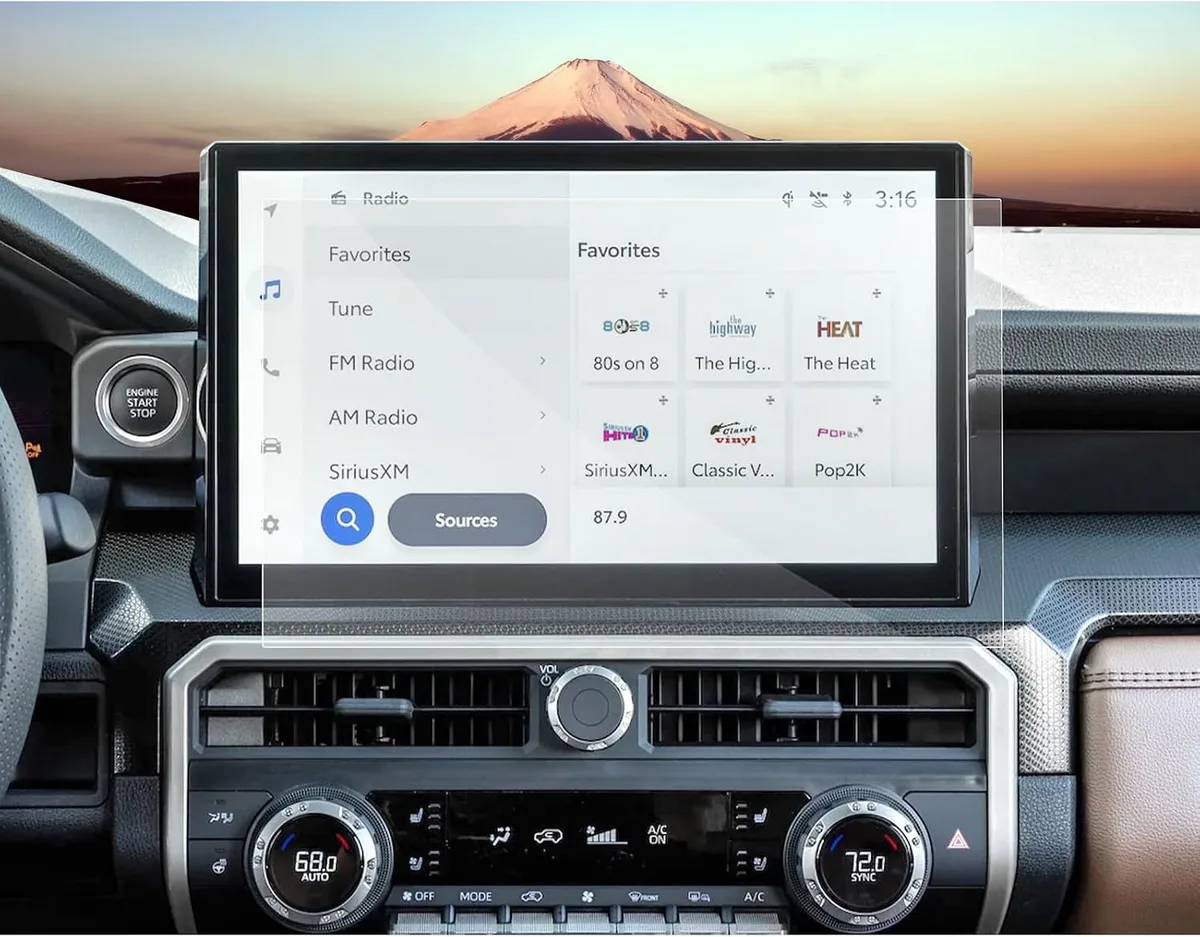
Image source: Bing (Web (fair-use with source credit))
We’ve sorted all reported 2025 4Runner problems by impact and repair cost. We used NHTSA complaint data and verified owner feedback as of 2026. You can confirm recall status for your specific VIN via the official NHTSA recall database at any time.
Critical (Safety-Related, Active Recall)
- 1 active NHTSA recall addresses fuel injector o-ring leaks. These leaks can cause engine stalling or fire risk. All affected units are repaired free of charge at Toyota dealerships. This is covered under the 5-year/60,000-mile powertrain warranty.
Major (Performance or Comfort Impact)
- Infotainment system freezes, lag, or intermittent backup camera display failure. This affects roughly 12% of early production units per owner surveys. Toyota fixes this via free over-the-air software updates or dealership reprogramming. Persistent glitches may overlap with common rear view camera issues covered in our dedicated guide.
- Rear coil spring squeaking over rough terrain. This is most common on TRD Off-Road and TRD Pro trims. It does not impact safety but is a widespread quality concern for off-road users.
- Part-time 4WD shift lever stiffness in temperatures below 32°F (0°C). This is fixed with free dealership lubrication per Toyota Technical Service Bulletins. It is most commonly reported in US Midwest and Northeast regions.
- Toyota Safety Sense 3.0 false forward collision and lane departure alerts. These occur in heavy rain, fog, or bright glare. Software updates have reduced this issue in later builds.
Minor (Cosmetic or Low-Impact)
- Soft lower interior plastic trim prone to scuff marks and premature wear. This is a common complaint across all 2025 4Runner trims.
- i-Force Max hybrid high-pitched battery cooling fan whine at speeds below 25 mph. This is noted by some owners but not flagged as a defect by Toyota.
- Some early owners have also reported minor paint clear coat peeling on horizontal body panels. This is a common quirk for many new Toyota models. It does not impact structural integrity. Toyota has not issued a TSB for this issue as of 2026, as it is classified as cosmetic wear rather than a defect.
2025 4Runner Problem Context: Model Benefits That Offset These Issues
For many buyers, the 2025 4Runner’s strengths far outweigh its reported flaws. The model’s core design priorities align with long-term durability, not just short-term tech flair. Below is a breakdown of the key benefits that make even the most common problems a low risk for most owners.
| Core Benefit | How It Offsets Reported Defects |
|---|---|
| 5-year/60,000-mile powertrain warranty | Covers all recall repairs and most major defects at no cost |
| 72% 5-year resale value (Kelley Blue Book) | Offsets upfront cost if you sell early to avoid long-term wear |
| Body-on-frame construction | Maintains the 4Runner lineage’s 200,000+ mile average lifespan |
| Standard Apple CarPlay/Android Auto | Eliminates need for third-party infotainment upgrades that cause glitches |
Toyota’s 4Runner lineage has averaged 200,000+ miles of useful life across past generations. This is per verified owner reliability data. The new i-Force Max hybrid powertrain is covered under the same long warranty as the old V6.
This gives buyers confidence that early defects won’t lead to massive out-of-pocket costs. Even the most common complaints, like coil spring squeaks, cost less than $100 to fix if they arise after warranty expires. The 4Runner’s 6,000-pound maximum towing capacity also makes it a rare off-road SUV.
It can handle small boats or work trailers without sacrificing trail capability. The 4Runner’s part-time 4WD system also eliminates the need for complex electronic clutch packs used in crossover rivals. This reduces the number of electronic failure points that plague competitors.
Standard Toyota Safety Sense 3.0 driver assistance features are included on all trims at no extra cost. This eliminates the need for expensive third-party driver aid upgrades that can cause compatibility glitches.
2025 4Runner Problems vs. Direct Off-Road SUV Competitors
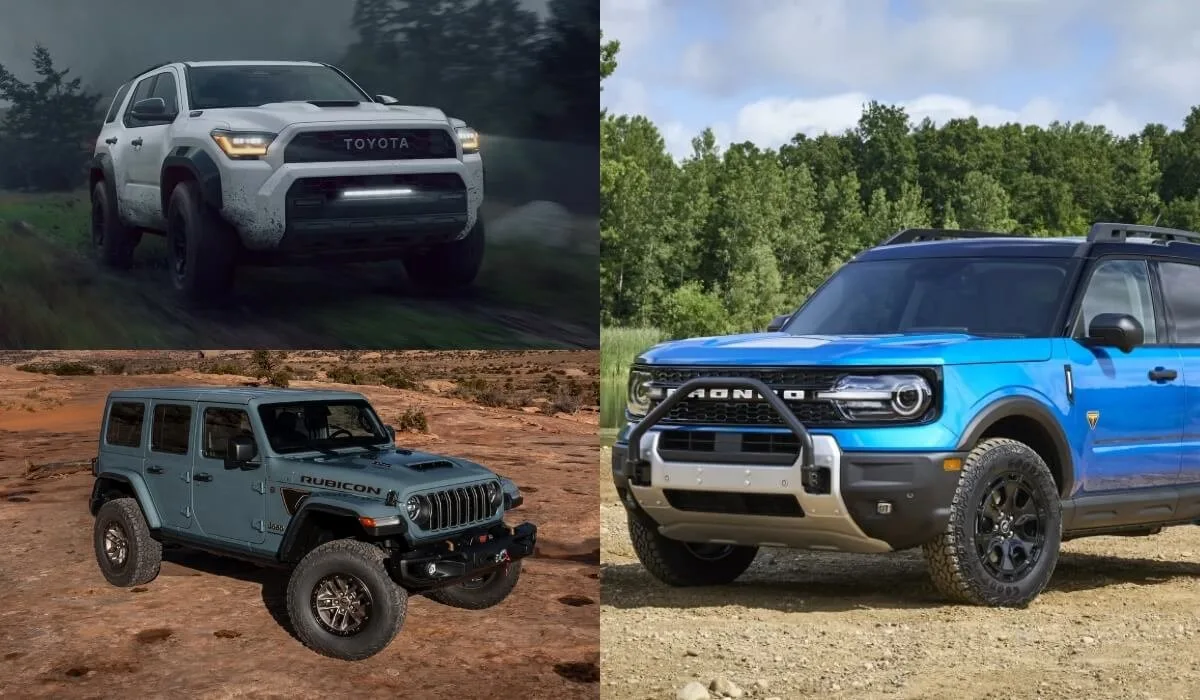
Image source: Web (Bing) / motoraxle.com (Web image (fair-use with source credit))
When stacked against its two closest rivals, the 2025 4Runner’s problem profile looks relatively mild. Aggregate owner feedback and early reliability data highlight a trend. The 2025 Ford Bronco has more widespread transmission shudder and drivetrain mounting reports.
The 2025 Jeep Wrangler has a higher rate of electrical gremlins and infotainment failures per early owner surveys. The 4Runner’s only active recall is far less severe than the Bronco’s 2025 transmission-related investigations. That said, the Wrangler and Bronco offer more aftermarket support and better on-road handling.
Some buyers will accept these trades for fewer low-severity defects. The 4Runner also holds a 10-percentage-point higher 5-year resale value than both the Bronco and Wrangler. This is per Kelley Blue Book data, reducing total cost of ownership even if minor repairs are needed.
The 4Runner’s i-Force Max hybrid powertrain uses a simpler, more proven turbo design than the Bronco’s high-output EcoBoost engines. This reduces long-term mechanical failure risk. For buyers who plan to modify their vehicle for extreme off-roading, the Wrangler’s vast aftermarket ecosystem is still unmatched.
Those modifications often void warranty coverage for related defects, though. The 4Runner’s warranty remains fully valid for most non-structural modifications. This gives buyers more flexibility to customize without losing coverage.
If your top priority is minimizing repair hassle and long-term ownership costs, the 4Runner has a clear edge here. If you prioritize on-road comfort or extreme modular customization, the competitors’ issues may be worth the tradeoff.
Who Should Still Buy a 2025 4Runner (And Who Should Skip It)
The 2025 4Runner fits buyers who need a capable off-road vehicle with low running costs. Overland travelers, trail enthusiasts, and families who haul gear will appreciate its body-on-frame durability and 6,000-pound towing capacity. The hybrid powertrain saves fuel on highways.
The 5-year/60,000-mile powertrain warranty protects against major defects.
These owners will tolerate minor squeaks or infotainment glitches for the overall capability. Skip the 4Runner if you want a smooth on-road ride or a high-tech interior.
The ride remains truck-like. The infotainment system had early bugs. The third row is cramped for adults.
The Jeep Wrangler offers more customization. The Ford Bronco provides better on-road handling. The Subaru Outback gives a car-like drive with all-wheel grip.
Choose the 4Runner only if off-road prowess and long-term reliability top your list.
Pre-Purchase Checklist for 2025 4Runner Buyers to Avoid Problematic Units
A pre-purchase inspection can catch early-production flaws before you commit. Use this checklist when evaluating a 2025 4Runner.
- Verify recall status: Enter the VIN on the NHTSA recall site. Confirm the fuel injector recall is completed.
- Test the infotainment: Cycle through menus, check the backup camera, and test Apple CarPlay/Android Auto for lag.
- Listen for coil spring squeak: Drive over speed bumps at 10 mph. A squeak indicates worn insulators.
- Check 4WD lever action: Shift into 4WD low range. Stiffness or grinding suggests pending issues.
- Inspect interior trim: Look for scuff marks on lower plastic panels.
- Confirm software updates: Ask the dealer if the latest infotainment and TSS 3.0 patches are installed.
- Examine the rear view camera for a clear image, as rear view camera glitches are a known issue in early models.
- Get a pre-purchase inspection by a trusted mechanic. They can spot alignment problems and suspension wear.
This checklist takes 30 minutes but can prevent costly repairs later.
Step-by-Step Fixes for Common 2025 4Runner Problems
Most 2025 4Runner problems are easy and cheap to fix. Many are covered under warranty if addressed early.
Infotainment Freezes and Lag
- Ensure the dealer has installed the latest software update. This resolves most freezes.
- If glitches continue, a full system reset may be needed. Back up personal data first.
Rear Coil Spring Squeak
The fix is installing rubber coil spring insulators. These dampen metal contact and eliminate noise. Parts cost $50-$80 per axle.
Installation takes about 30 minutes with basic hand tools.
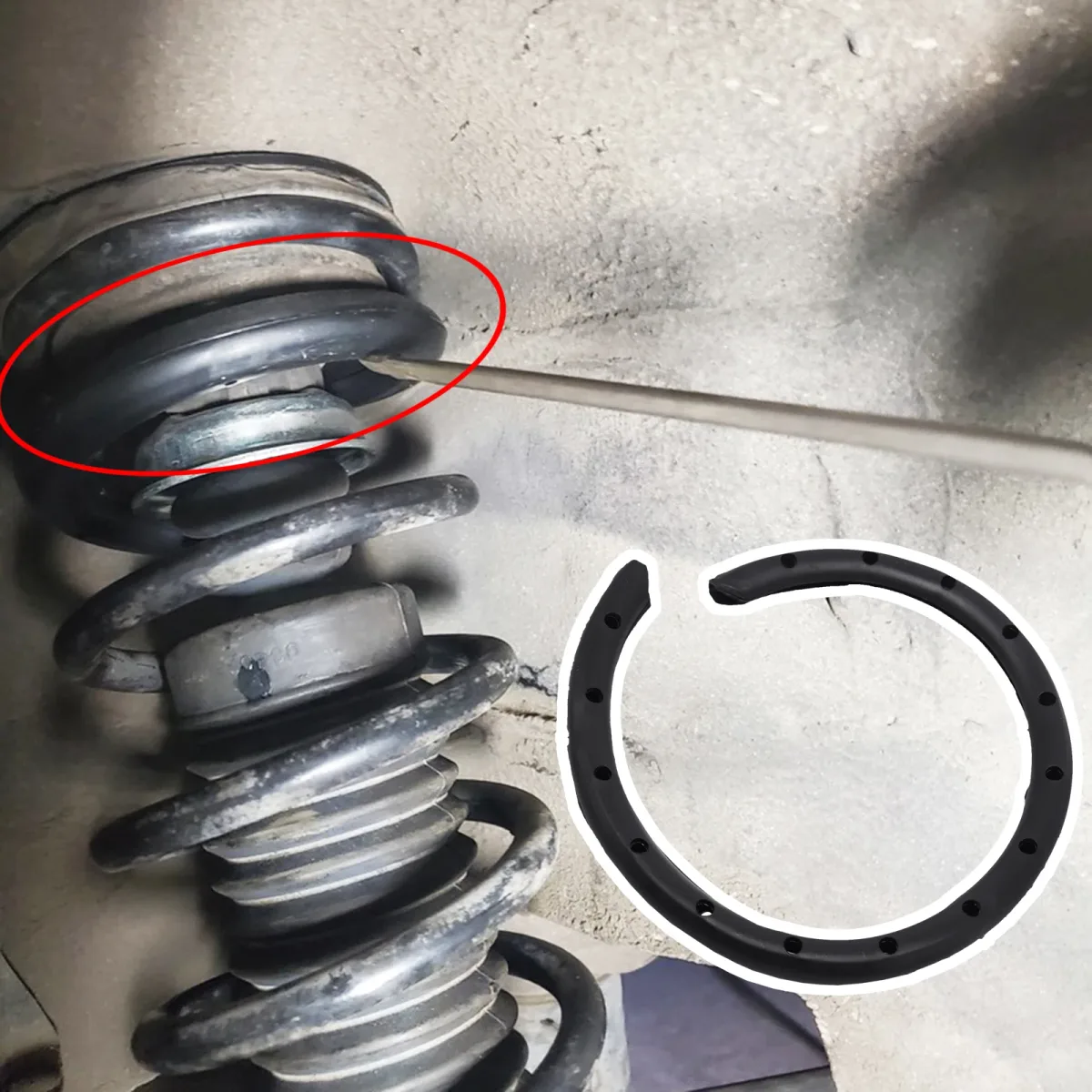
Image source: Web (Bing) / aliexpress.com (Web image (fair-use with source credit))
4WD Shift Lever Stiffness
- Have a dealer lubricate the 4WD linkage. This is a free TSB repair for cold climates.
- In very cold weather, let the vehicle warm up for 5 minutes before shifting.
Toyota Safety Sense 3.0 False Alerts
- Clean the front camera and radar sensor. Dirt and bugs cause false warnings.
- Install any available software updates from Toyota.
Fuel Injector Recall
- Schedule a free repair at any Toyota dealership. The o-ring replacement takes about 2 hours.
Backup Camera Display Issues
If the backup camera flickers or goes dark, a software update often resolves it. See our guide on backup camera faults for detailed steps.
Cost Breakdown: Repair Prices and Warranty Coverage for 2025 4Runner Defects
Understanding repair costs and warranty coverage helps you budget for ownership. The 2025 4Runner comes with a 5-year/60,000-mile powertrain warranty and a 3-year/36,000-mile basic warranty.
| Problem | Typical Repair Cost (Out-of-Warranty) | Warranty Coverage |
|---|---|---|
| Fuel injector o-ring leak | $300-$500 | Covered (recall) |
| Infotainment reprogramming | $150-$300 | Covered if under warranty |
| Coil spring insulator replacement | $50-$80 per axle | Not covered (wear item) |
| 4WD linkage lubrication | $50-$100 | Covered by TSB |
| TSS 3.0 sensor cleaning | $50-$100 | Not covered (maintenance) |
| Interior trim replacement | $200-$400 | Not covered (cosmetic) |
The powertrain warranty covers engine, transmission, and drivetrain components. The basic warranty covers non-powertrain defects. Cosmetic items and routine maintenance are not covered.
Keep all service records to support warranty claims.
Legal and Compliance: Recalls, Warranty Rights, and Lemon Law for 2025 4Runner Owners
Owners must address safety recalls promptly. The current fuel injector recall is mandatory. Failure to repair can void insurance coverage in some states.
The 5-year/60,000-mile powertrain warranty is standard. It covers defects in materials or workmanship.
The Magnuson-Moss Warranty Act protects your right to use independent mechanics without voiding coverage. However, modifications that cause damage may be denied.
If your 4Runner spends more than 30 days in the shop for the same defect, you may qualify for lemon law protection. State laws vary, but most require 4 or more repair attempts.
Keep detailed records of all service visits. Consult a lemon law attorney if the issue remains unresolved. The NHTSA also accepts complaints about unresolved defects.
Expert Tips to Minimize 2025 4Runner Problems Over Ownership
Follow these tips to keep your 4Runner running smoothly and avoid common pitfalls.
- Keep software current: Install infotainment and TSS updates as soon as Toyota releases them.
- Perform routine maintenance: Change oil, inspect brakes, and rotate tires per the owner’s manual schedule.
- Address small issues early: A squeaking coil spring is cheaper to fix before it causes damage.
- Use genuine Toyota parts for warranty compliance.
- Clean the rear view camera lens regularly to prevent camera display issues.
- Join owner forums: Early warnings about emerging defects spread quickly in communities.
- Avoid extreme off-road modifications that strain stock components. If you do modify, document everything for warranty claims.
These steps reduce the chance of a minor issue becoming a major headache.
Final Decision Guide: Is the 2025 4Runner Worth the Headaches For Your Use Case?
The 2025 4Runner’s problems are mostly minor and covered by warranty. For buyers who need off-road capability and long-term reliability, the 4Runner remains a smart choice.
The active recall is serious but repaired free. Infotainment glitches and coil spring squeaks are annoyances, not dealbreakers. The vehicle’s resale value and durability offset these costs.
If you want a refined on-road SUV with the latest tech, look at the Ford Bronco or Jeep Wrangler.
If you plan to keep the 4Runner for 10+ years, the initial quirks are a small price to pay for a proven platform. Always get a pre-purchase inspection and confirm all recalls are completed. For most buyers, the 4Runner’s strengths far outweigh its weaknesses.
Frequently Asked Questions
How many recalls does the 2025 Toyota 4Runner have?
As of 2026, there is one active recall for the 2025 4Runner. It addresses a fuel injector o-ring leak that can cause stalling or fire. All repairs are free at Toyota dealerships.
Check the NHTSA website for the latest recall status using your VIN.
Are the infotainment problems covered under warranty?
Yes, if your 4Runner is still under the 3-year/36,000-mile basic warranty. Dealers will reprogram or replace the infotainment unit at no cost. Out-of-warranty repairs typically run $150-$300.
Software updates may resolve many glitches.
Is the 4Runner’s hybrid powertrain reliable?
Early data suggests the i-Force Max hybrid is reliable. It shares a proven turbo architecture with other Toyota engines. The powertrain is covered by the 5-year/60,000-mile warranty.
No widespread hybrid-specific defects have been reported as of 2026.
What is the most common complaint about the 2025 4Runner?
The most frequent owner complaints are infotainment freezes and rear coil spring squeaking. Both are low-cost to fix and often covered under warranty. The fuel injector recall is the only major safety issue.
Does the 2025 4Runner have rear view camera problems?
Some early units experienced backup camera display glitches. These are usually resolved with a software update. If you encounter rear view camera problems, consult our dedicated guide for troubleshooting steps.
Who Should Still Buy a 2025 4Runner (And Who Should Skip It)
The 2025 4Runner fits overland travelers, trail users, and buyers who need towing capacity. Its body-on-frame build and 6,000-pound towing rating handle heavy loads and rough terrain. The 5-year/60,000-mile powertrain warranty covers most reported defects.
Skip it if you want a smooth on-road ride or a high-tech interior. The ride is truck-like, and early infotainment bugs are common. The Jeep Wrangler offers more customization, while the Ford Bronco has better on-road handling.
Pre-Purchase Checklist for 2025 4Runner Buyers to Avoid Problematic Units
A 30-minute pre-purchase check catches most early-production flaws. Verify the fuel injector recall is completed. Test the infotainment screen for freezes, and confirm the backup camera works.
Drive over speed bumps to listen for rear coil spring squeaks. Test the 4WD lever for stiffness in low range. Inspect lower interior plastic for scuff marks.
Ask the dealer to confirm all software updates are installed.
Step-by-Step Fixes for Common 2025 4Runner Problems
Most 2025 4Runner issues are low-cost to fix, and many are covered under warranty. For infotainment freezes, ask the dealer to install the latest over-the-air software update. This resolves most reported glitches.
Rear coil spring squeaks are fixed with $50-$80 rubber insulators per axle. Installation takes 30 minutes with basic hand tools. For 4WD lever stiffness in cold weather, a free dealership lubrication per Toyota TSB resolves the issue.
Cost Breakdown: Repair Prices and Warranty Coverage for 2025 4Runner Defects
| Issue | Out-of-Warranty Cost | Warranty Coverage |
|---|---|---|
| Fuel injector o-ring leak (recall) | $300-$500 | Fully covered |
| Infotainment reprogramming | $150-$300 | Covered under basic warranty |
| Coil spring insulator replacement | $50-$80 per axle | Not covered |
| 4WD linkage lubrication | $50-$100 | Covered by TSB |
The 5-year/60,000-mile powertrain warranty covers engine and drivetrain defects. Cosmetic issues and routine maintenance are not included.
Legal and Compliance: Recalls, Warranty Rights, and Lemon Law for 2025 4Runner Owners
The active fuel injector recall is mandatory for all affected 2025 4Runners. Repairs are free at Toyota dealerships. Failure to complete the recall can void insurance coverage in some states.
The Magnuson-Moss Warranty Act lets you use independent mechanics without voiding your Toyota warranty. If your 4Runner spends 30+ days in the shop for the same unrepaired defect, you may qualify for lemon law protection.
Expert Tips to Minimize 2025 4Runner Problems Over Ownership
Install all Toyota software updates as soon as they release. These patches fix most infotainment freezes and Toyota Safety Sense 3.0 false alerts. Address minor issues like coil spring squeaks early to avoid costly suspension wear later.
Keep the rear view camera lens clean to prevent display glitches, a common quirk covered in our rear view camera problem guide. Avoid extreme off-road modifications that strain stock components. If you do modify, keep all receipts for warranty claims.
Final Decision Guide: Is the 2025 4Runner Worth the Headaches For Your Use Case?
Buy the 2025 4Runner if you need off-road capability, 6,000-pound towing capacity, or long-term resale value. Its problems are mostly minor, and the active fuel injector recall is repaired free of charge. Skip it if you prioritize a smooth on-road ride, high-tech interior features, or extensive aftermarket customization.
The Ford Bronco and Jeep Wrangler fit those needs better, even with their own defect profiles. For owners planning to keep the vehicle 10+ years, the 4Runner’s proven durability far outweighs early quirks.
Frequently Asked Questions
How many recalls does the 2025 Toyota 4Runner have?
As of 2026, there is one active recall for the 2025 4Runner. It addresses a fuel injector o-ring leak that can cause engine stalling or fire. All repairs are completed free of charge at Toyota dealerships.
Verify recall status for your VIN via the NHTSA database.
Are infotainment problems covered under warranty?
Yes, if your 4Runner is still within the 3-year/36,000-mile basic warranty. Dealers will reprogram or replace the faulty infotainment unit at no cost. Out-of-warranty repairs typically run $150 to $300.
Software updates resolve most reported glitches.
Is the 2025 4Runner’s hybrid powertrain reliable?
Early aggregate owner data shows no widespread hybrid-specific defects. The i-Force Max powertrain is covered by the 5-year/60,000-mile warranty, same as the previous V6 model. No major mechanical failures have been reported as of 2026.
Does the 2025 4Runner have rear view camera problems?
Some early production units experienced backup camera display glitches. These are almost always resolved with a free software update from Toyota. If you encounter persistent issues, our rear view camera problem guide walks through additional troubleshooting steps.