
The 2011 Toyota Tacoma is a truck that rewards owners who pay attention to the basics. And one of the most basic things you can get right is the oil. Use the wrong oil and you risk sludge, poor fuel economy, or worse.
The good news is it is a straightforward answer.
Toyota specifies SAE 5W-30 motor oil with an API certification of SN or higher for both the 2.7L four-cylinder and the 4.0L V6. That recommendation holds across all trim levels as of 2026. Let us break down exactly what that means and why it matters.
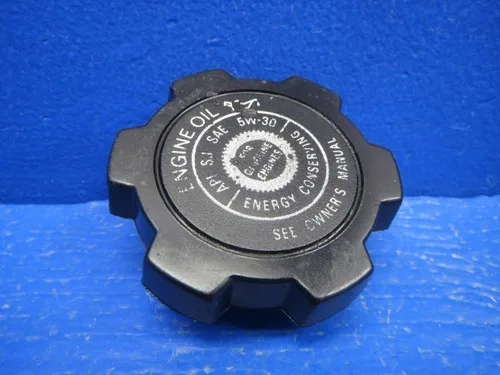
Image source: Bing (Web (fair-use with source credit))
Quick Answer
Your 2011 Tacoma needs SAE 5W-30 motor oil. It must carry an API certification of SN or higher. Both engines take the same viscosity.
The 2.7L I4 holds 5.5 quarts with a filter change. The 4.0L V6 holds 6.5 quarts. Choose a synthetic blend or full synthetic for best protection.
Why Getting the Right Oil Matters for This Truck
The 4.0L 1GR-FE V6 has a known reputation for sludge buildup if oil changes are delayed or the wrong oil is used. This is not internet chatter. Toyota issued technical service bulletins on this issue years ago.
The variable valve timing system (VVT-i) relies on clean oil pressure to operate correctly. Sludge clogs the oil control valves. That leads to rough idle, timing chain noise, and in severe cases, engine failure.
The 2.7L 2TR-FE four-cylinder is more forgiving. But it still benefits from the correct viscosity. Using a thicker oil like 10W-40 reduces flow at startup.
That means more wear on cold starts, especially in winter. Using a thinner oil like 0W-20 can cause insufficient film strength at high temperatures. That is a problem if you tow or haul heavy loads.
Your warranty also matters. If you still have powertrain coverage, using oil that meets the API SN or ILSAC GF-5 standard keeps your coverage valid. Skipping the certified oil gives the dealer a reason to deny a claim.
The official terms clarify what is required. And if you ever have questions about your rights, our disclaimer page covers the fine print.
The Two Engines: 2.7L I4 vs. 4.0L V6
The 2011 Tacoma came with two engine options. They share the same oil recommendation but have different capacities and quirks. Here is a quick comparison.
| Specification | 2.7L I4 (2TR-FE) | 4.0L V6 (1GR-FE) |
|---|---|---|
| Oil capacity (with filter) | 5.5 quarts (5.2 L) | 6.5 quarts (6.2 L) |
| Recommended viscosity | SAE 5W-30 | SAE 5W-30 |
| API minimum | SN | SN |
| ILSAC minimum | GF-5 | GF-5 |
| Common issues | Low oil level sensor sensitivity | Sludge with delayed changes |
| Best oil type | Synthetic blend or full synthetic | Full synthetic |
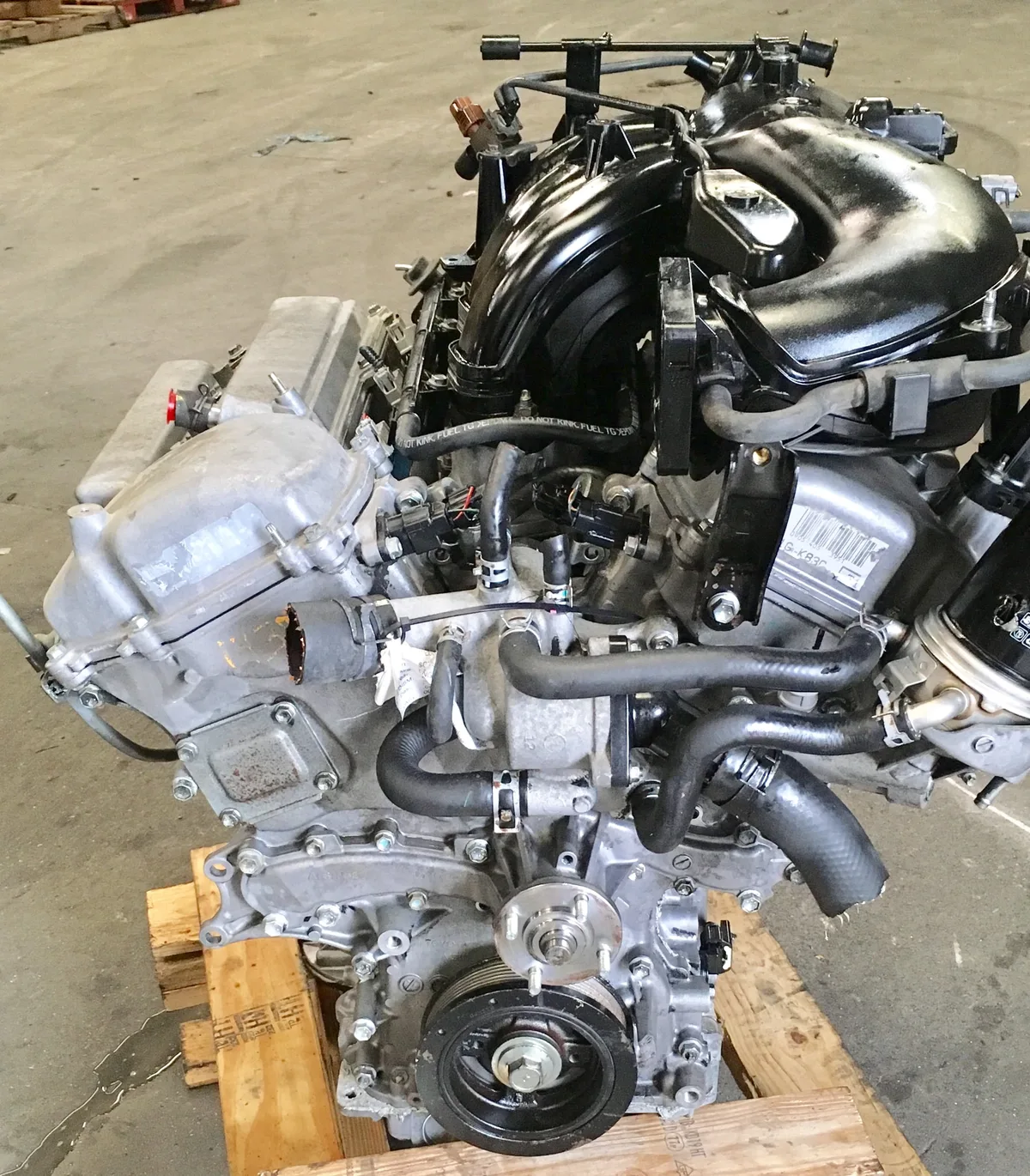
Image source: Web (Bing) / autopartsorlando.com (Web image (fair-use with source credit))
The 1GR-FE V6 is a tough engine. It can easily go 300,000 miles with proper care. But it is sensitive to oil quality.
The timing chain tensioners and VVT-i actuators depend on clean oil at the right pressure. Cheap oil that breaks down quickly accelerates wear inside the engine.
The 2TR-FE four-cylinder is simpler. It uses a timing chain and has fewer moving parts under pressure. But it still needs the right oil.
Using a 5W-30 synthetic blend keeps it running smoothly for the long haul. Owner feedback consistently shows that the four-cylinder responds well to consistent oil changes every 5,000 miles.
If you do not know which engine you have, check the emissions label under the hood. It lists the engine family and displacement. You can also check your VIN.
The 8th digit tells you: a 2 means the 2.7L I4, and a 4 means the 4.0L V6. Keep your vehicle documentation handy if you ever need to reference it.
Viscosity Explained: Why 5W-30 Is the Standard
Viscosity is a measure of how thick or thin the oil is at different temperatures. The numbers in 5W-30 tell you two things.
The first number with the W stands for winter. It describes how the oil flows at low temperatures. A 5W oil flows well down to about -25°F.
That is enough for most of the continental US. If you live in northern Canada or Alaska, you can use 0W-30 for even better cold start flow.
The second number, 30, describes the oil's thickness at normal operating temperature. A 30-grade oil provides the right film strength for the Tacoma's engines. It protects the bearings, camshafts, and piston rings without causing excessive drag.
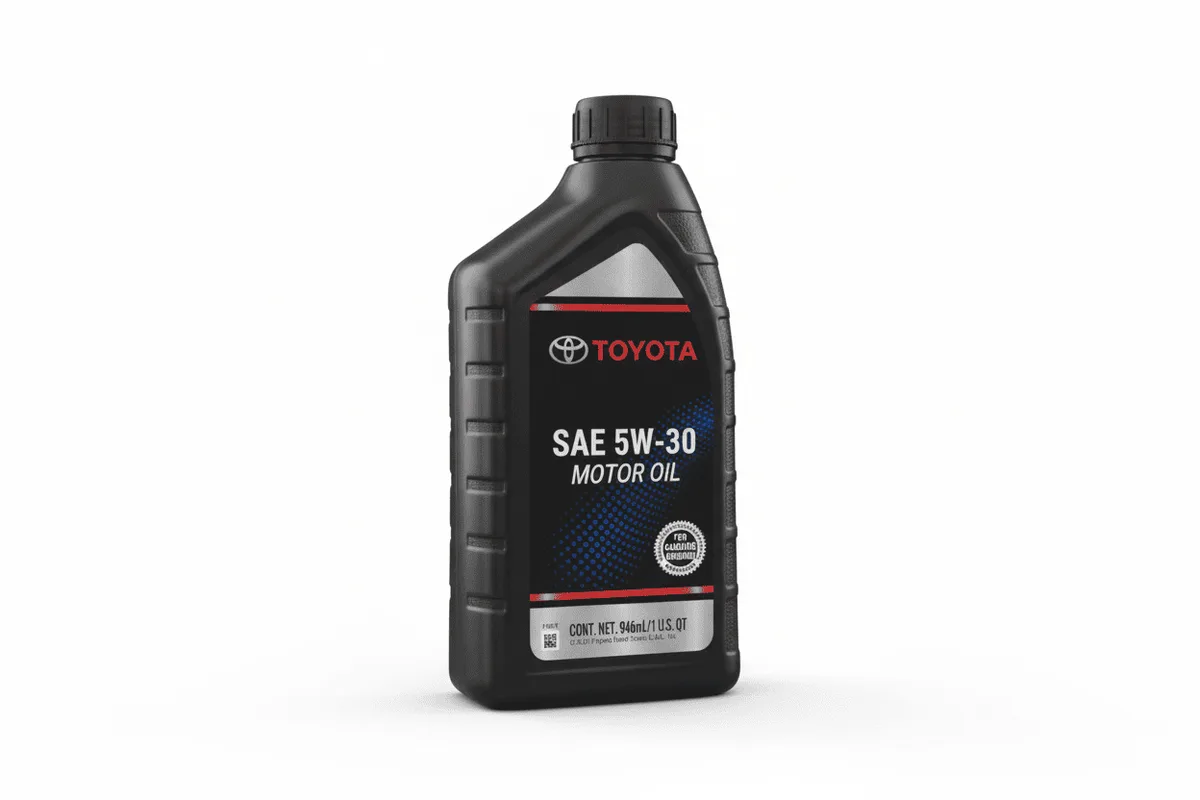
Image source: Bing (Web (fair-use with source credit))
You might see 10W-30 on the shelf. It is thicker at cold temperatures. Toyota does not recommend it for the 2011 Tacoma.
The engine was designed around 5W-30. Using 10W-30 can delay oil flow to the VVT-i system on cold starts. That causes extra wear over time.
You might also see 0W-30. This is perfectly fine. It meets the same hot temperature grade and flows better when cold.
Many full synthetic 0W-30 oils carry the same API and ILSAC certifications. The SAE viscosity standards define these grades precisely.
The API donut symbol on the bottle confirms the certification. The inner circle shows the API service category. Look for SN, SN Plus, or SP.
The outer ring shows the viscosity grade. The bottom half shows whether the oil is energy conserving. Always check this label before buying.
Conventional vs. Synthetic Blend vs. Full Synthetic
You have three main options at the store. Each works. But they match different driving habits and budgets.
Conventional oil is the cheapest option. It meets the minimum API SN requirement. For a 2011 Tacoma driven gently on paved roads with regular 5,000 mile oil changes, it works fine.
But it breaks down faster under heat. If you tow, drive off-road, or live in a hot climate, conventional oil degrades quicker.
Synthetic blend mixes conventional base stock with synthetic additives. It offers better heat resistance and oxidation stability than straight conventional. Toyota's own motor oil is a synthetic blend.
This is a solid middle ground. It costs about a dollar more per quart than conventional. For most daily drivers, it is the best value.
Full synthetic is the premium option. It flows better at cold temperatures. It resists thermal breakdown at high temperatures.
And it keeps the engine cleaner over time. For the 4.0L V6, full synthetic is the smart choice. The sludge risk drops significantly.
For the 2.7L I4, it is optional but still beneficial, especially if you extend oil changes beyond 5,000 miles.
Here is a quick cost comparison based on a single oil change.
| Oil Type | Cost per quart | Total cost (4.0L V6) | Best for |
|---|---|---|---|
| Conventional | $3 – $5 | $20 – $33 | Low-mileage, gentle driving |
| Synthetic blend | $5 – $7 | $33 – $46 | Daily driving, mixed conditions |
| Full synthetic | $7 – $10 | $46 – $65 | Towing, off-roading, cold climates |
Owner feedback consistently shows that synthetic blend is the most popular choice among Tacoma owners. It offers strong protection without the premium price. But if you plan to keep your truck past 200,000 miles, full synthetic pays for itself in reduced engine wear.
You can switch between these types without issue. Mixing conventional and synthetic is not harmful. But for best results, stick with one type between changes.
And always use the same viscosity grade. If you have questions about your specific driving habits, reach out to our team for guidance.
Common Mistakes That Cost Owners Money
The most common mistake is using the wrong viscosity. Some owners grab 10W-30 because it is cheaper or more available. That is a risk.
The engine was designed for 5W-30. Stick with it.
The second mistake is ignoring the API certification. A bottle that says "meets or exceeds" without the actual API donut symbol is not certified. It may not protect your engine properly.
Look for the starburst mark.

Image source: Web (Bing) / hitchesguide.com (Web image (fair-use with source credit))
The third mistake is overtightening the drain plug. The torque spec is 29 ft-lbs. That is not very tight.
Going past that can strip the threads in the oil pan. That is an expensive repair. Use a torque wrench if you have one.
The fourth mistake is using a cheap oil filter. Not all filters are the same. A low-quality filter can bypass oil around the filter media.
That means unfiltered oil circulates through your engine. Stick with a name brand that matches the OEM specifications.
The fifth mistake is skipping the crush washer. That little ring seals the drain plug. Reusing an old one can cause a slow drip.
Replace it every oil change. They cost pennies.
Oil Change Intervals: Severe vs. Normal Service
Toyota uses a flexible oil change schedule for the 2011 Tacoma. The owner's manual defines two categories.
Normal service covers highway driving, moderate temperatures, and no towing. In this case, Toyota says you can go up to 10,000 miles between changes. Most owners find that too long.
The oil degrades before that point, especially with conventional oil.
Severe service covers short trips under 10 miles, stop-and-go traffic, towing, off-roading, and extreme temperatures. If any of these apply to you, Toyota recommends 5,000 mile intervals.
Here is the honest advice. Use 5,000 mile intervals for conventional oil and 7,500 mile intervals for synthetic blend or full synthetic. This is the consensus from experienced owners and mechanics.
It keeps the engine clean and the VVT-i system happy. The published content on this topic supports a conservative approach.
Costs and What to Buy
Here is what a typical oil change costs for a 2011 Tacoma.
| Item | Cost range |
|---|---|
| 5W-30 conventional oil (5 quarts) | $15 – $25 |
| 5W-30 synthetic blend (5 quarts) | $25 – $35 |
| 5W-30 full synthetic (5 quarts) | $35 – $50 |
| Oil filter (OEM equivalent) | $5 – $15 |
| Crush washer | $0.50 – $2 |
| Total with conventional | $20 – $42 |
| Total with synthetic blend | $30 – $52 |
| Total with full synthetic | $40 – $67 |
The OEM oil filter part number is 04152-YZZA1. Many aftermarket brands make compatible filters. Stick with a reputable brand.
The filter matters more than most people think.
Frequently Asked Questions
Can I switch from conventional to synthetic?
Yes. You can switch at any mileage. The engine does not need a special procedure.
Just drain the old oil, replace the filter, and add the new oil. Some owners worry about leaks. That is a myth from older cars.
Modern engines handle the switch without issues.
Is it okay to use high-mileage oil?
Yes. High-mileage oil contains additives that condition seals and reduce leaks. It is a good choice if your Tacoma has over 75,000 miles.
Stick with 5W-30 viscosity. Look for the API SN or SP certification.
What happens if I use the wrong oil?
The engine may run fine for a while. But over time, the wrong viscosity causes increased wear. Too thick means slow flow on cold starts.
Too thin means inadequate film strength under load. Both reduce engine life.
Do I need to use Toyota brand oil?
No. Toyota brand oil is a good synthetic blend. But it is not required.
Any brand that meets the API SN or higher standard and the SAE 5W-30 viscosity is fine. Mobil 1, Castrol, Valvoline, and Pennzoil all make acceptable products.
How often should I check the oil level?
Check it every other fuel fill. The 1GR-FE V6 can consume a small amount of oil between changes. Running low on oil causes rapid wear.
Keep it between the two marks on the dipstick.
What about oil additives?
Do not use them. Modern engine oil already contains the right additive package. Adding extra can upset the chemical balance.
It can cause sludge or reduce the effectiveness of the detergent package. Stick with certified oil and change it on schedule.
Final Verdict
The 2011 Toyota Tacoma needs SAE 5W-30 motor oil with an API certification of SN or higher. Both the 2.7L I4 and the 4.0L V6 use the same viscosity. The 2.7L holds 5.5 quarts.
The 4.0L holds 6.5 quarts. Synthetic blend is the best value for most owners. Full synthetic is the best choice for the 4.0L V6, especially if you tow or live in a cold climate.
Change the oil every 5,000 miles for conventional or every 7,500 miles for synthetic. Use a quality filter and replace the crush washer every time. Stick with these basics and your Tacoma will reward you with hundreds of thousands of miles of reliable service.