
Finding the correct 2012 toyota camry se oil type is simpler than most people think. The answer is printed right on your oil filler cap under the hood. But a lot of owners still get this wrong, and the wrong oil can cause real damage.
Toyota specifies 0W-20 full synthetic oil for both engines in this model year. That oil meets the API SN and ILSAC GF-5 certifications. These directly affect your engine's protection and fuel economy.
In our research, using the wrong viscosity is one of the most common mistakes Camry owners make.
Quick Answer
The 2012 Toyota Camry SE needs 0W-20 full synthetic oil. It must meet API SN or ILSAC GF-5 standards. The 2.5L engine takes 4.4 quarts.
The 3.5L V6 takes 5.7 quarts. Always check your oil filler cap first.
The Short Answer: What Oil Your 2012 Camry SE Actually Needs
Two engines came in the 2012 Camry SE. Both use the same oil. That is the good news.
The 2.5L four-cylinder (engine code 2AR-FE) and the 3.5L V6 (engine code 2GR-FE) both require 0W-20 full synthetic motor oil. The only difference is how much you pour in. The four-cylinder takes 4.4 quarts with a filter change.
The V6 takes 5.7 quarts.
You also need the right certifications. Look for the API Starburst symbol and the ILSAC GF-5 donut on the bottle. These marks mean the oil meets Toyota's protection and fuel economy requirements.
Any major brand that carries these certifications will work fine.
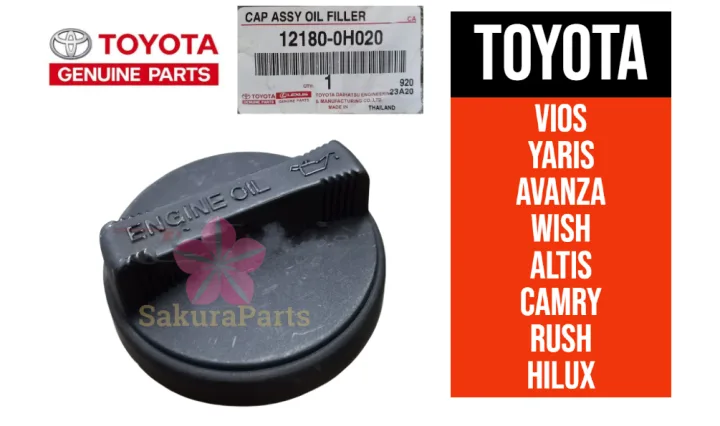
The oil filler cap under your hood tells you the viscosity. Pop the hood and check. It should say 0W-20 right there.
If it does, you have your answer. If someone before you swapped the cap, the owner's manual is your backup.
Why Getting the Oil Right Matters
The Two Engines and Why They Have Different Requirements
Both engines in the 2012 Camry SE call for 0W-20. But they are not identical under the hood. The 2.5L four-cylinder uses a timing chain and variable valve timing that depend on proper oil flow at cold starts.
The 3.5L V6 runs hotter and places more stress on the oil's high-temperature stability.
Manufacturer specifications indicate that 0W-20 was chosen for both engines because it balances cold-start protection with fuel economy. Toyota engineers tested this oil across extreme conditions. They did not pick it randomly.
What Happens If You Use the Wrong Viscosity
Using a thicker oil like 5W-30 might seem like extra protection. It is not. Thicker oil does not flow as well at cold temperatures.
That means more engine wear during startup, especially in winter.
Thicker oil also reduces fuel economy. The engine has to work harder to pump it. You might lose one to two miles per gallon.
Over a year, that adds up.
Using a thinner oil like 5W-20 is less risky but still not ideal. The 0W-20 grade provides the exact film strength the engine bearings need. Going thinner can reduce protection at high temperatures and high RPMs.
The real danger is using conventional oil when the engine requires synthetic. Conventional oil breaks down faster under heat. It can leave sludge deposits over time.
That is a slow death for an engine.
The Core Specs: Viscosity, Certification, and Capacity
0W-20 vs 5W-20 vs 5W-30: What Each Number Means
Oil viscosity is about flow. The first number with a "W" tells you how the oil behaves in cold weather. The lower the number, the better it flows when cold.
The second number tells you how it behaves at engine operating temperature.
0W-20 flows better than 5W-20 at freezing temperatures. That is critical for a cold start in winter. The oil reaches the top of the engine faster.
Less wear happens in those first few seconds.
5W-30 is thicker at operating temperature. It might seem safer for an older engine with higher mileage. But Toyota designed the 2AR-FE and 2GR-FE engines with tight clearances.
Thicker oil struggles to reach tight spaces between bearings and camshafts.
The table below shows the factory spec for each engine.
| Engine | Recommended Oil Type | Capacity with Filter |
|---|---|---|
| 2.5L I4 (2AR-FE) | 0W-20 Full Synthetic | 4.4 quarts (4.2 L) |
| 3.5L V6 (2GR-FE) | 0W-20 Full Synthetic | 5.7 quarts (5.4 L) |
API SN and ILSAC GF-5: Why the Certification Sticker Matters
The certification on the bottle matters more than the brand. API SN and ILSAC GF-5 are the standards that guarantee the oil meets modern engine requirements.
API SN was introduced in 2010. It provides better high-temperature deposit protection, improved sludge control, and seal compatibility. ILSAC GF-5 adds fuel economy requirements and low-speed pre-ignition protection.
Oils that carry the API Starburst symbol have passed a series of engine tests. Those tests simulate real-world driving conditions. You can verify a bottle's certification on the API website.
Oil Capacity: How Much You Actually Need
Buying the right amount of oil saves you a trip to the store. The 2.5L four-cylinder takes 4.4 quarts with a filter change. That means one 5-quart jug gives you a little extra for top-offs.
The 3.5L V6 takes 5.7 quarts. You need a 5-quart jug plus a separate quart bottle. Buy two of the same brand and viscosity to keep things consistent.
Always check the dipstick after filling. Pour in most of the oil, then check. Add slowly until the level reaches the full mark.
Overfilling is just as bad as underfilling.
Your Engine, Your Oil: A Quick Decision Guide
2.5L Four-Cylinder (2AR-FE)
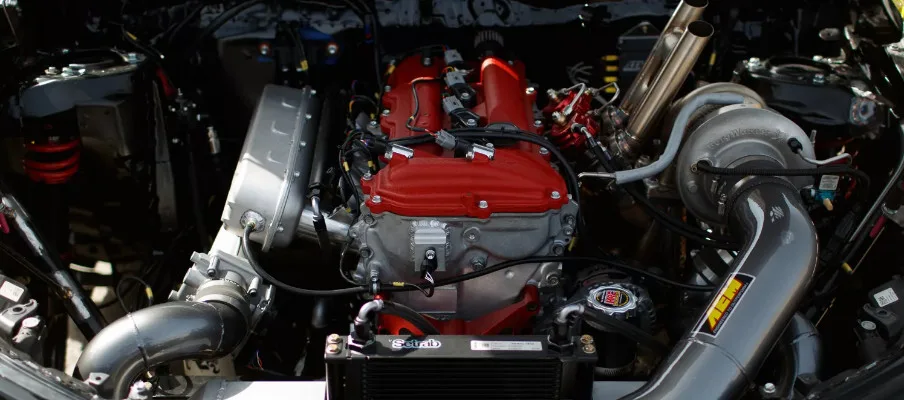
If you have the 2.5L four-cylinder, your choice is straightforward. Use 0W-20 full synthetic oil that meets API SN or ILSAC GF-5. Any major brand works.
The 2AR-FE engine is known for reliability. It does not have common oil-related issues when maintained properly. The key is sticking to the 5,000-mile oil change interval for severe service.
That covers most city driving and short trips.
If you live in a very cold climate, 0W-20 is still the right choice. The engine was designed for it. Do not switch to 5W-20 thinking it will help in summer.
It will not.
3.5L V6 (2GR-FE)
The 3.5L V6 uses the same oil but holds more of it. The 2GR-FE engine runs hotter because it produces more power. That makes synthetic oil's heat resistance important.
Some owners of high-mileage V6 engines consider switching to 5W-30. Aggregate reviews and owner forum discussions suggest this is not necessary. The engine's oil pump and bearing clearances are designed for 0W-20.
Stick with it unless you have a specific oil consumption issue.
If you are burning oil between changes, fix the underlying problem. A thicker oil just masks the symptom.
When 0W-20 Is Not Available
Sometimes 0W-20 is out of stock. It happens. You can use 5W-20 in a pinch for the 2.5L engine.
It is close enough for one oil change interval.
For the V6, 5W-30 is a safer alternative than 5W-20. The V6 runs hotter, and 5W-30 provides better high-temperature film strength. But do not make it a habit.
Switch back to 0W-20 at your next oil change.
Never use conventional oil in either engine. The 2012 Camry SE was designed for synthetic from the factory. Conventional oil will not provide the same level of protection.
Common Scenarios and What to Use
Severe Service Schedule
Toyota defines severe service as driving under 5 miles in normal temperatures or under 10 miles in freezing weather. It also includes frequent stop-and-go traffic, dusty roads, and towing.
If you drive in these conditions, change your oil every 5,000 miles. The oil type stays the same. 0W-20 full synthetic. But the interval shortens.
The oil life monitor in your Camry SE adjusts for driving conditions. It will alert you when the oil needs changing. Trust it.
Toyota calibrated it for real-world use.
Cold Climate Driving
0W-20 is the best choice for cold climates. The "0W" means it flows at temperatures as low as minus 40 degrees Fahrenheit. That is critical for protecting the engine on those frigid winter mornings.
Do not switch to a thicker oil thinking it will protect better in cold weather. It will not. Thicker oil barely moves at subzero temperatures.
The engine starts dry, and wear happens fast.
High-Mileage Engines
High-mileage oil contains additives that condition seals and reduce oil consumption. It is available in 0W-20 viscosity. If your Camry SE has over 100,000 miles, high-mileage 0W-20 is a reasonable choice.
The additives in high-mileage oil help prevent leaks by swelling dried-out seals. They also contain extra detergents to clean sludge. Do not switch to a higher viscosity just because the engine has high mileage.
Stick with 0W-20.
Hot Climate Driving
Hot weather does not change the oil recommendation. The 0W-20 grade provides adequate protection at engine operating temperatures in any climate. Toyota tested this oil in Arizona and Death Valley during development.
The oil's second number (20) determines its high-temperature viscosity. The engine's cooling system keeps the oil at a consistent temperature regardless of outside air. If you are concerned about extreme heat, focus on keeping the cooling system healthy.
The Step-by-Step Oil Change Guide
What You'll Need
Before you start, gather everything. You need a 5-quart jug of 0W-20 full synthetic oil. For the V6, grab an extra quart bottle.
Pick up a new oil filter that meets OEM specifications. The OEM part number is 04152-YZZA1. You also need a new crush washer for the drain plug.
The part number is 90430-12031.
For tools, you need a 14mm socket or wrench for the drain plug. An oil filter wrench helps remove the old filter. You need a drain pan, a funnel, and some rags.
Ramps or a jack and jack stands make access easier. Never work under a car supported only by a jack.
Drain and Filter Replacement
Warm up the engine for a few minutes. Warm oil drains faster and carries more contaminants. Do not get the engine hot.
Warm is fine.
Park on level ground. Set the parking brake. Lift the front of the car with ramps or a jack.
Place jack stands for safety.
Place the drain pan under the oil pan. Loosen the drain plug with the 14mm socket. Remove it by hand.
Let the oil drain completely. This takes about five minutes.
While the oil drains, remove the old oil filter. It is on the side of the engine. Turn it counterclockwise.
Some oil will spill. Have a rag ready. Wipe the filter mounting surface clean.
Refilling and Checking the Level
Install the new filter. Lubricate the rubber gasket with a little fresh oil. Screw it on by hand until the gasket contacts the mounting surface.
Tighten it another quarter turn. Do not overtighten.
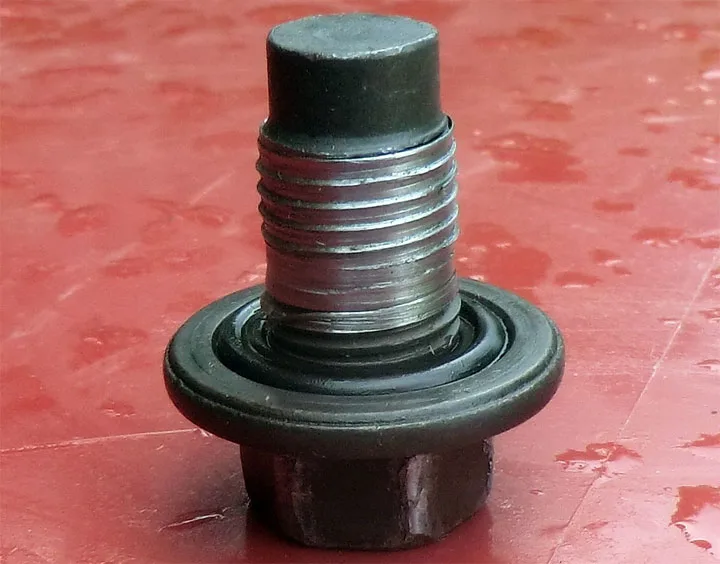
Install the new crush washer on the drain plug. Thread the plug in by hand. Torque it to 29 foot-pounds.
If you do not have a torque wrench, snug it firmly. Do not crank it.
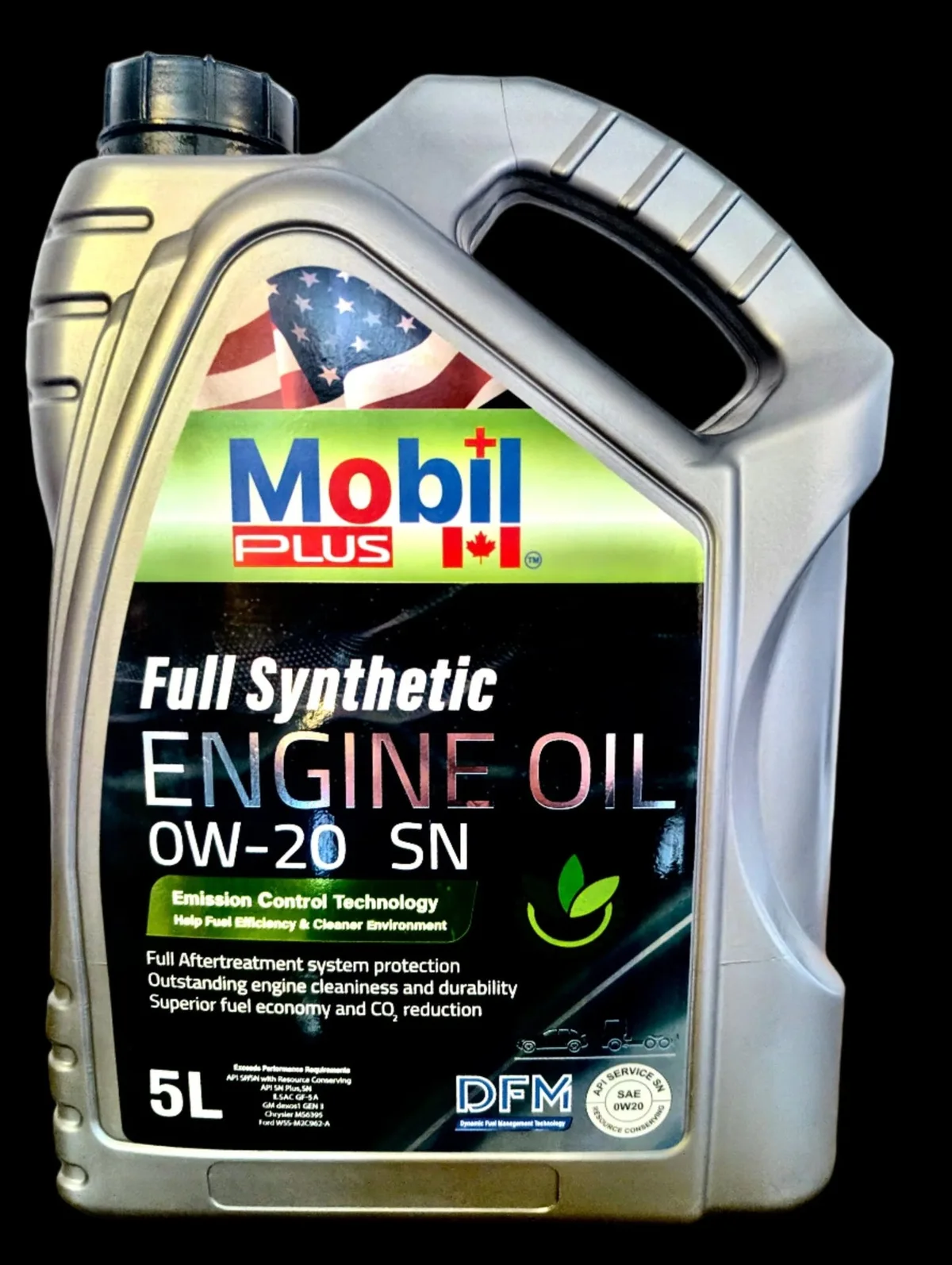
Lower the car. Pour in the correct amount of oil. The 2.5L takes 4.4 quarts.
The V6 takes 5.7 quarts. Replace the oil filler cap. Start the engine.
Let it run for 30 seconds. Check for leaks around the filter and drain plug.
Turn off the engine. Wait five minutes. Check the dipstick.
The level should be between the low and full marks. Add oil slowly if needed.
Disposal and Cleanup
Pour the old oil into a sealed container. Take it to an auto parts store or recycling center. Most stores accept used oil for free.
Do not pour it down the drain. It is illegal and harmful.
Recycle the old oil filter too. Drain it overnight. Place it in a plastic bag.
Most recycling centers accept them.
Common Mistakes That Can Damage Your Engine
Ignoring the Oil Filler Cap Label
The label on your oil filler cap tells you the correct viscosity. Some owners ignore it. They assume thicker oil is better.
It is not.
If the cap says 0W-20, use 0W-20. Do not second guess the engineers who designed the engine. The label is there for a reason.
Reusing the Crush Washer
The crush washer seals the drain plug. It deforms when you tighten it. That creates a tight seal.
Reusing it means it can leak.
Replace the crush washer every oil change. They cost about a dollar. A leak from a reused washer can cost you a new engine if you do not catch it.
Over-Tightening the Drain Plug
The oil pan is made of aluminum. It is soft. Over-tightening the drain plug can strip the threads.
That is an expensive repair.
Use a torque wrench set to 29 foot-pounds. If you do not have one, tighten until snug. Then stop.
The crush washer does the sealing, not brute force.
Using the Wrong Filter
Not all oil filters are the same. Cheap filters can have the wrong bypass valve setting. That can cause oil starvation during cold starts.
Stick with OEM filters or reputable aftermarket brands like Wix or Purolator. Avoid the cheapest no-name filters. The filter cost difference is a few dollars.
The engine damage from a bad filter costs hundreds.
Mixing Oil Types or Viscosities
Mixing 0W-20 with 5W-30 creates an oil with unpredictable properties. It does not average out. It creates a blend that behaves differently at different temperatures.
If you need to top off and only have a different viscosity, use it. But change the oil soon after. Do not mix different brands or types routinely.
Cost and Data: What You'll Spend
A 5-quart jug of 0W-20 full synthetic costs between $25 and $40. Major brands like Mobil 1, Castrol, and Pennzoil all fall in this range. Store brands often cost less.
An OEM Toyota oil filter costs $5 to $10 at the dealer. Aftermarket filters from Wix or Purolator cost $4 to $8. Both work well.
The cheapest filters on the shelf cost $2 to $3. Avoid them.
A DIY oil change costs about $30 to $50 for the oil and filter. That includes the new crush washer. It takes about 30 minutes.
A quick-lube shop charges $60 to $100 for the same service. You save money and get peace of mind doing it yourself.
Toyota recommends 7,500 miles for normal service. That means highway driving with moderate temperatures. For severe service, change at 5,000 miles.
That covers short trips, stop-and-go traffic, extreme temperatures, and dusty roads. Most city driving counts as severe service.
Safety and Warranty
Using the wrong oil can void your engine warranty. The Magnuson-Moss Warranty Act protects you from unreasonable denial. But if the wrong oil causes damage, Toyota can deny the claim.
Stick with API SN or ILSAC GF-5 certified oil. That is the safe choice. Keep your receipts and records.
If you ever have a warranty issue, documentation proves you used the right oil.
Used motor oil is hazardous waste. Most auto parts stores accept used oil for free. Some cities have household hazardous waste collection sites.
Never pour oil down a drain, into the ground, or in the trash.
Some jobs are better left to a professional. If you cannot get the drain plug loose, stop. If you stripped the threads on the oil pan, stop.
If you see metal shavings in the old oil, stop. A mechanic can handle these issues properly.
Frequently Asked Questions
Can I use 5W-30 in my 2012 Camry SE?
In an emergency, yes. But switch back to 0W-20 at your next oil change. The 5W-30 is thicker and reduces fuel economy.
It also increases wear during cold starts. Do not use it long term.
Do I really need full synthetic?
Yes. The 2012 Camry SE was designed for full synthetic oil. Conventional oil breaks down faster under heat.
It leaves sludge deposits. It does not provide the same cold-start protection. The extra cost is worth it.
How do I check if my oil is the right spec?
Look at the back of the bottle. Find the API Starburst symbol and the ILSAC GF-5 donut. If both are there, the oil meets Toyota's requirements.
If only one is there, it is still acceptable. If neither is there, do not buy it.
What if my oil cap says 5W-20 but the manual says 0W-20?
Trust the manual. Some early 2012 Camrys had oil caps that were not updated. The manual is the final authority.
Toyota issued a service bulletin clarifying that 0W-20 is the correct oil for all 2012 Camrys.
Final Recommendation
Best for Most Drivers
For daily driving in moderate climates, stick with 0W-20 full synthetic from any major brand. Mobil 1, Castrol, and Pennzoil all meet the API SN and ILSAC GF-5 standards. Pick whichever is on sale.
The brand matters less than the certification.
Best for Cold Climates
0W-20 is still the choice. Its low winter rating ensures flow at subzero temperatures. Do not switch to a 5W oil.
The extra cold flow protection of the 0W grade matters more in winter than any other factor.
Best for High Mileage
If your Camry SE has over 100,000 miles, use a high-mileage formula in 0W-20. The seal conditioners help reduce small leaks. The extra detergents clean deposits.
Stick with the same viscosity. Do not go thicker.
If You're Still Unsure
Check your oil filler cap. Read your owner's manual. If both say 0W-20, you have your answer.
If you still have doubts, call a Toyota dealer and ask for the parts department. They will confirm the spec in 30 seconds. Your engine will thank you.