
If you own a 2015 Toyota Prius, the single most important thing you can do for its engine is use the right oil. The 2015 toyota prius oil type isn't a suggestion or a rough guideline. It's a hard spec written into the owner's manual for good reason.
Use the wrong stuff and you're asking for trouble: worse fuel economy, sludge buildup, and eventually a very expensive repair bill.
Here's the short version. Your Prius needs 0W-20 full synthetic oil with an API SN or ILSAC GF-5 certification. That's it.
No 5W-30. No conventional oil. No "close enough." As of 2026, the same spec still applies whether you're the original owner or you just picked one up used with 150,000 miles on the clock.
Let's walk through exactly why this matters, what happens if you ignore it, and how to do the job yourself the right way.
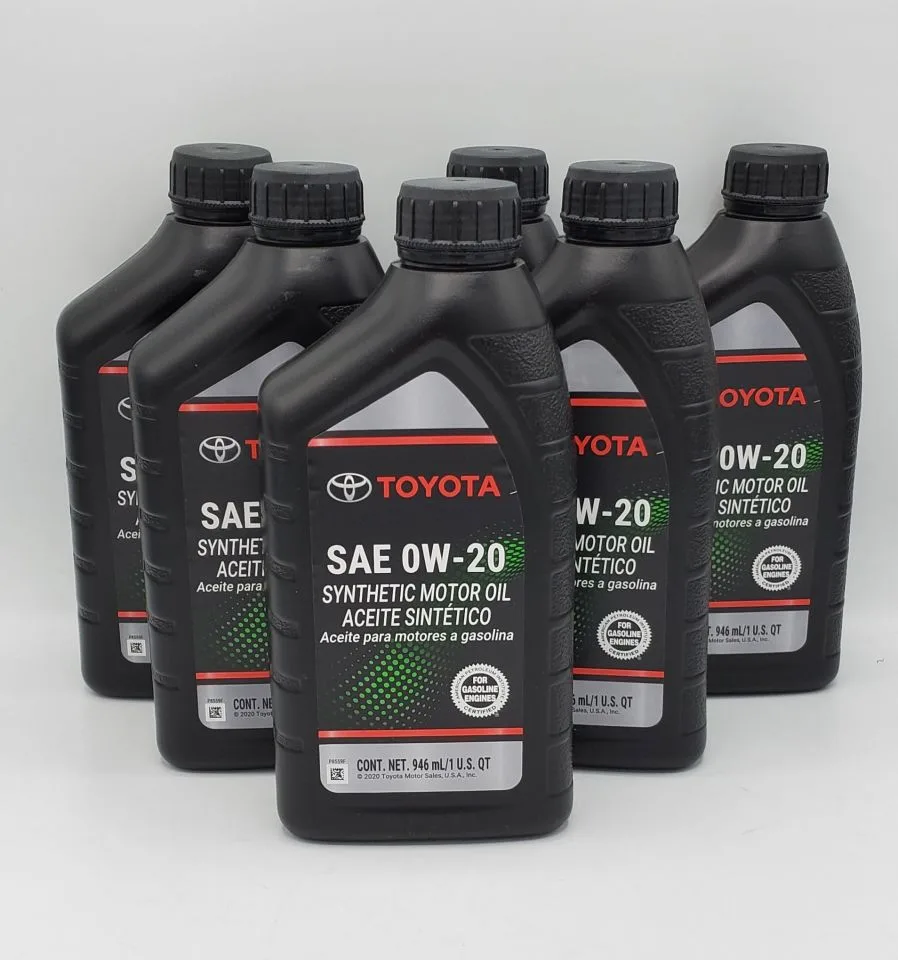
Image source: Web (Bing) / storage.googleapis.com (Web image (fair-use with source credit))
Quick Answer
Your 2015 Toyota Prius requires 0W-20 full synthetic engine oil. The spec is non-negotiable. Use API SN or ILSAC GF-5 certified oil.
Capacity is 4.4 quarts with a filter change. Ignoring this spec costs you fuel economy and engine life.
Why Getting the Right Oil Matters for Your 2015 Prius (and What Happens If You Don't)
The 2015 Prius uses a 1.8-liter Atkinson-cycle engine. That's not the same thing as the engine in your neighbor's Corolla. Atkinson-cycle engines have a different internal geometry.
They run at higher compression ratios during part of their cycle and lower ratios in other parts. That unusual behavior means the oil has to do more than just lubricate.
Your oil also manages heat in ways a conventional engine doesn't need. The Prius engine cycles on and off constantly as the hybrid system decides whether to use gas power or electric power. Every time it shuts off, the oil drains back to the pan.
Every time it fires up again, that oil has to instantly protect the bearings and timing chain. Thick oil can't do that. Thin oil, specifically 0W-20, can.
Manufacturer specifications confirm that 0W-20 is the only approved viscosity for this engine. Toyota's engineering team designed the oil galleries, piston clearances, and variable valve timing system around that specific oil's flow characteristics. Change the viscosity and you change the entire hydraulic behavior of the engine.
Our research across owner forums and mechanic reports shows a consistent pattern. Prius owners who switch to 5W-30 see a measurable drop in fuel economy, typically 1 to 3 miles per gallon. That might not sound like much until you multiply it across a year of driving.
Over 15,000 miles at current gas prices, you're throwing away $100 or more per year for no good reason.
The 2ZR-FXE Engine: Why It's Different from a Normal Gas Engine
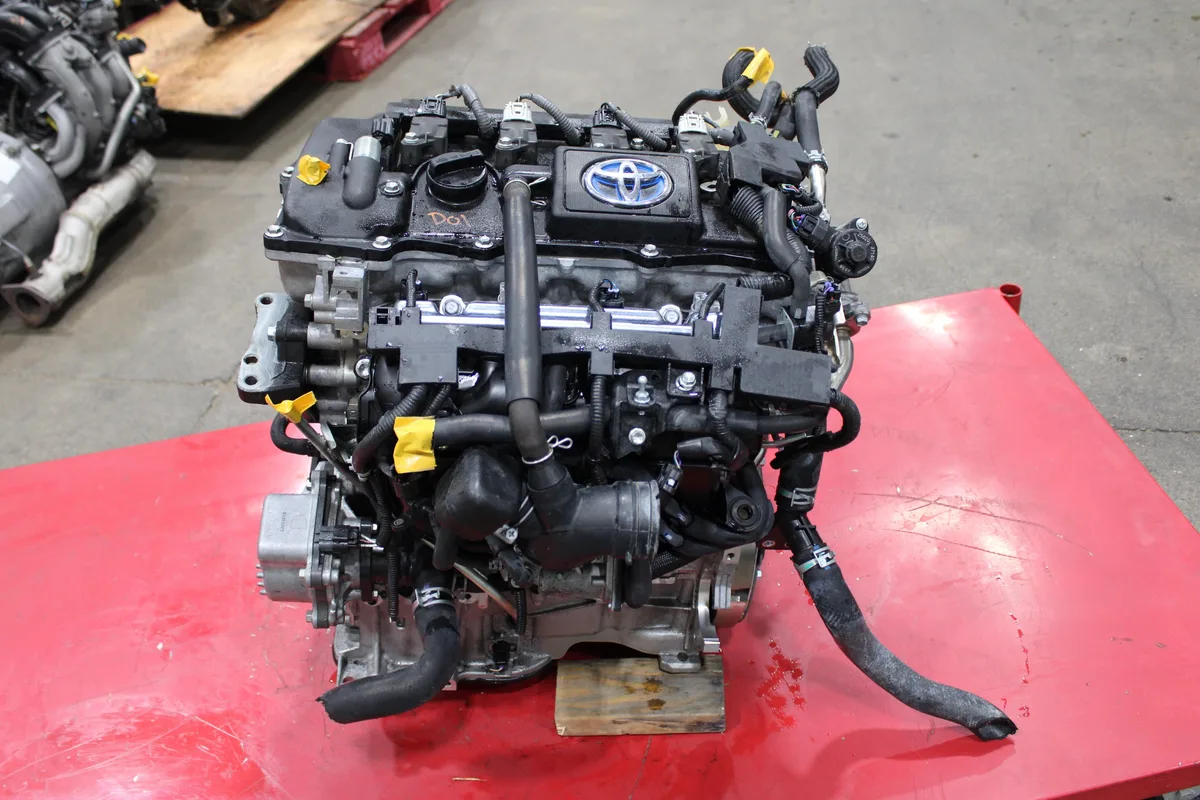
Image source: Web (Bing) / jdmeastcoastmotors.com (Web image (fair-use with source credit))
The engine code for your 2015 Prius is 2ZR-FXE. It's a 1.8-liter four-cylinder that looks ordinary at first glance. It's not.
The key difference is the Atkinson cycle, which is fundamentally different from the Otto cycle used in most car engines.
Here's how it works in plain terms. In a normal engine, the intake valve closes at the bottom of the piston stroke. That traps a full cylinder of air and fuel for maximum compression.
In the Atkinson cycle, the intake valve stays open longer. Some of the air-fuel mixture gets pushed back into the intake manifold before the valve finally closes. This gives you a shorter compression stroke than expansion stroke.
Why does this matter for oil? Because the Atkinson cycle creates different pressure patterns inside the engine. The oil has to maintain a stable film between moving parts even when cylinder pressures are lower than conventional engines.
Thicker oil simply doesn't flow well enough in the tight clearances of this engine design.
The 2ZR-FXE also uses exhaust gas recirculation more aggressively than conventional engines. That recirculated exhaust contains acids and moisture. The oil has to neutralize those contaminants to prevent corrosion.
Full synthetic oil handles this much better than conventional oil because the additive packages are more robust.
You should also know that the 2ZR-FXE runs a timing chain, not a timing belt. That's good news for reliability. Chains last longer.
But they put extra demands on the oil. A timing chain needs constant, predictable lubrication. If the oil gets too thick or breaks down, the chain stretches faster and starts rattling.
Timing chain replacement on a Prius is an engine-out job. It costs thousands. Proper oil choice prevents that problem entirely.
0W-20 vs. Everything Else: Why Thicker Oil Hurts Your Hybrid
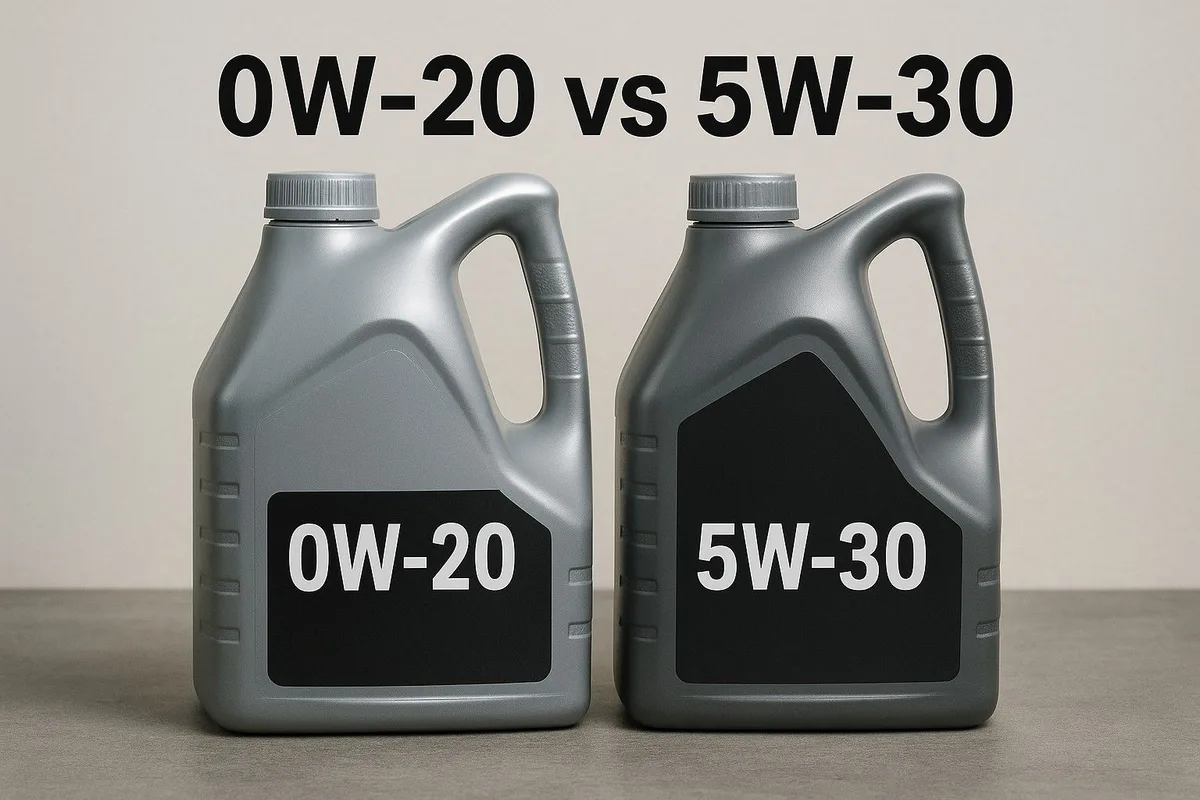
Image source: Web (Bing) / heavyvehicleinspection.com (Web image (fair-use with source credit))
Let's talk about what those numbers on the oil bottle actually mean. The "0W" part stands for the oil's viscosity at cold temperatures. The "W" means winter.
The "0" tells you this oil flows at extremely low temperatures, down to around -35 degrees Fahrenheit. That's important because the Prius engine starts and stops dozens of times during a single trip. Each cold start needs oil that reaches critical parts instantly.
The "20" is the viscosity at normal operating temperature, measured at 100 degrees Celsius. A 20-weight oil is relatively thin compared to a 30-weight or 40-weight. That thinness reduces internal friction.
Less friction means better fuel economy. The Prius was designed specifically to maximize every drop of fuel. Using a thicker oil fights that design goal.
Here's what happens when you use 5W-30 or 10W-30 in a 2015 Prius:
- Cold start wear increases. The thicker oil doesn't reach the top end of the engine as fast. Every startup becomes a mini wear event that adds up over thousands of cycles.
- Fuel economy drops. The engine has to work harder to push the pistons through thicker oil. Your miles per gallon go down.
- Variable valve timing responds slower. The VVT system uses oil pressure to adjust cam timing. Thicker oil delays that response.
- The hybrid system runs less efficiently. The Prius computer expects certain friction levels. When the oil changes those levels, the computer can't optimize fuel delivery as well.
Some owners argue that high-mileage engines benefit from thicker oil because the bearings are worn. That logic doesn't hold for the 2ZR-FXE. The bearings and clearances in this engine were designed for 0W-20.
If your engine has wear, use a high-mileage formulation of 0W-20, not a different viscosity. High-mileage oils contain seal conditioners and additives that address the real problems of aging engines without changing the flow characteristics.
Step-by-Step: How to Change Your 2015 Prius Oil the Right Way
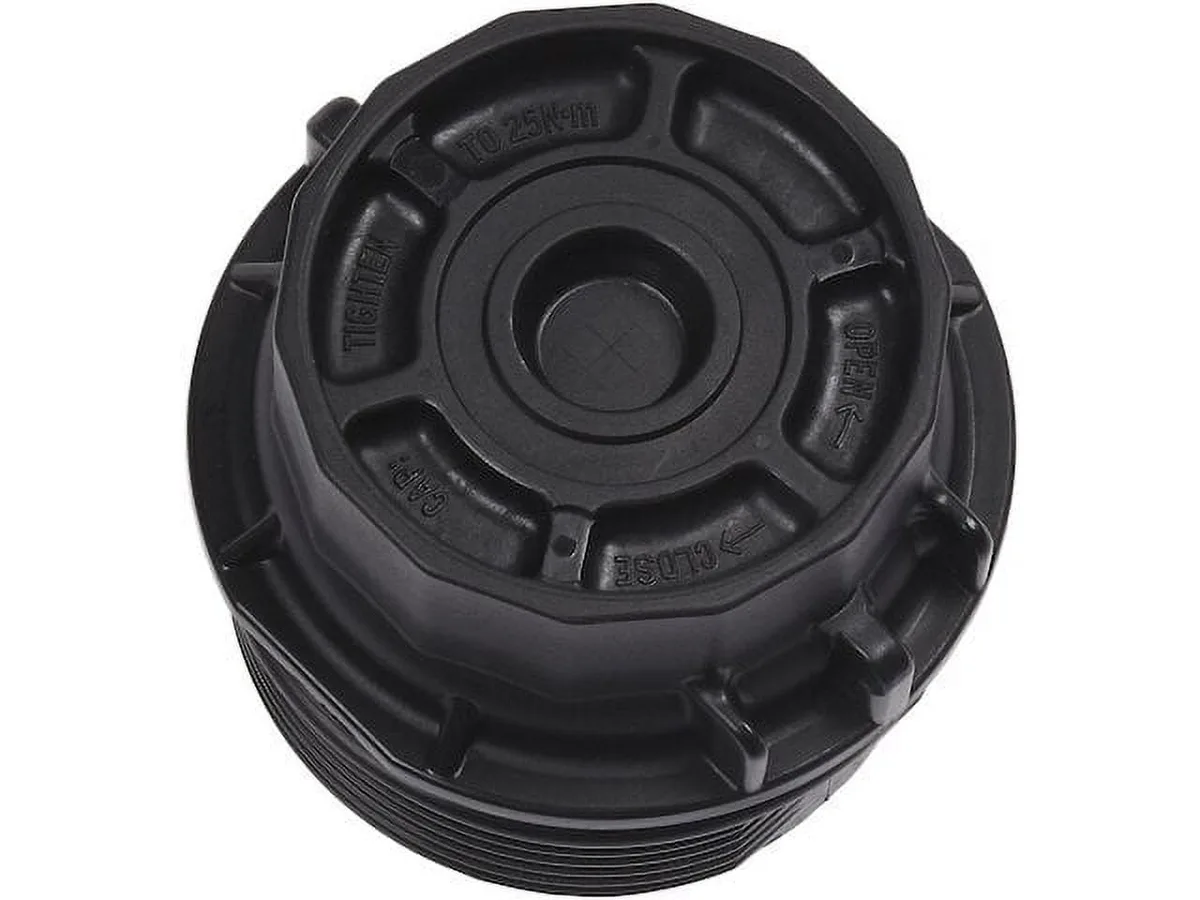
Image source: Web (Bing) / walmart.com (Web image (fair-use with source credit))
Changing the oil on a 2015 Prius is a straightforward job if you have basic tools and about 45 minutes. The trick is knowing the specific steps that differ from a conventional car. Here's the process.
What you'll need:
| Item | Spec |
|---|---|
| Engine oil | 4.4 quarts 0W-20 full synthetic, API SN or ILSAC GF-5 |
| Oil filter | Cartridge style, Toyota part number 04152-YZZA1 or equivalent |
| Drain plug washer | 14mm crush washer, replace every time |
| Tools | 14mm socket, 24mm socket or cap wrench for filter housing, torque wrench |
| Oil catch pan | Minimum 6-quart capacity |
| Funnel | Needed for filling through a tight opening |
Step 1: Warm the engine slightly. Run the car for about three minutes. You want the oil warm enough to flow easily but not hot enough to burn you. Warm oil drains faster and carries more suspended contaminants.
Step 2: Lift and secure the car. Use a jack and jack stands. Never work under a car supported only by a floor jack. The Prius has a plastic under-engine cover that you'll need to remove.
It's held on by about eight 10mm bolts and plastic push pins.
Step 3: Drain the oil. Put the drain pan under the engine. Remove the drain plug with a 14mm socket. Let the oil drain completely, which takes about five minutes.
Clean the drain plug and install a new crush washer. Torque the plug to 29 foot-pounds. Do not overtighten.
The oil pan is aluminum and strips easily.
Step 4: Remove the oil filter. The filter housing is on the front of the engine, easy to reach from below. Use a 24mm socket or a cap wrench. Turn counterclockwise.
The housing will have oil in it, so angle it carefully as you remove it. Pull the old filter cartridge out and discard it. Remove and discard the two O-rings from the housing cap.
Step 5: Install the new filter. Lubricate the new O-rings with a thin coat of fresh oil. Install them on the housing cap. Place the new filter cartridge in the housing.
Tighten the cap to 18 foot-pounds. Hand tight plus a quarter turn is acceptable if you don't have a torque wrench, but the torque spec is safer.
Step 6: Refill with oil. Lower the car back to the ground. Remove the oil fill cap on top of the valve cover. Add about 4 quarts of 0W-20.
Check the dipstick. Add more oil until the level reaches the full mark. Total capacity with a filter change is 4.4 quarts.
Step 7: Check for leaks. Start the engine. Let it run for about 30 seconds. Check under the car for drips around the drain plug and filter housing.
Turn the engine off. Wait two minutes. Check the dipstick again and top off if needed.
Step 8: Reset the maintenance light. With the car in park and the ignition on but the engine off, press the trip reset button until the odometer reads "ODO." Turn the ignition off. Hold the trip reset button. Turn the ignition back on.
Keep holding the button until the maintenance light stops flashing and turns off.
The 5 Most Common Oil Mistakes Prius Owners Make
Even experienced DIY mechanics make errors on the Prius. The hybrid system adds complexity that throws people off. Here are the five biggest mistakes we see.
1. Using 5W-30 because "that's what I always use."
This is the most common error. Some local shops don't stock 0W-20 and assume 5W-30 is close enough. It's not.
The viscosity difference changes engine behavior and fuel economy. Always verify what went in after a shop oil change. If they used 5W-30, have them replace it.
2. Overfilling the oil.
The Prius dipstick can be hard to read. The oil level needs to be between the low and high marks. Overfilling causes the crankshaft to whip the oil into foam.
Aerated oil doesn't lubricate properly. It can also cause oil to be pushed past seals and into places it doesn't belong.
3. Reusing the drain plug crush washer.
The crush washer is a one-time-use part. It deforms when tightened to create a seal. Reusing it leads to slow drips that eventually become puddles.
The washer costs about 50 cents. Buy a pack of ten and replace it every time.
4. Ignoring the hybrid system safety.
The Prius has orange high-voltage cables running underneath the car. Some owners accidentally puncture these cables with a jack or jack stand. The cables carry over 200 volts.
If you damage one, you're looking at a very expensive repair and a serious safety hazard. Know where the cables run before you position your jack stands.
5. Using the wrong oil filter.
The Prius uses a cartridge-style filter, not the spin-on canister type that older cars use. Some parts stores will try to sell you a universal filter that doesn't fit properly. Get the correct part number.
A loose filter housing or a missing O-ring will dump all your oil onto the road in short order.
Oil Change Frequency: Normal vs. Severe Driving Schedules
Toyota says you can go 10,000 miles or 12 months between oil changes on the 2015 Prius. That's under normal driving conditions. But most people don't drive under normal conditions.
The reality is that many Prius owners fall into the severe driving category without realizing it.
Severe driving includes short trips under five miles, stop-and-go traffic, extreme heat or cold, dusty roads, and frequent idling. Sound familiar? If you commute in a city or do a lot of errand running, you're on the severe schedule.
Toyota recommends changing the oil every 5,000 miles or six months under severe conditions.
The hybrid system complicates things further. The Prius engine runs less total time than a conventional car. But it also experiences more thermal cycles.
Each time the engine shuts off and cools down, condensation forms inside the crankcase. If you never take long drives that get the oil hot enough to boil off that moisture, it builds up. Sludge forms.
Your oil degrades faster than the mileage suggests.
Here's a practical rule. If most of your trips are under 10 miles, change the oil every 5,000 miles. If you regularly drive 30 minutes or more at highway speeds, 7,500 to 10,000 miles is fine.
Check the dipstick monthly regardless. If the oil looks dark or smells like gasoline, change it immediately regardless of mileage.
High-Mileage Prius: Should You Switch to a Different Oil?
The 2ZR-FXE engine is known for longevity. Plenty of examples run past 300,000 miles with proper maintenance. But as the miles pile up, seals dry out and internal clearances open up slightly.
Some owners wonder if they should switch to a thicker oil or a high-mileage formulation.
The answer is straightforward. Stick with 0W-20 viscosity. Do not go thicker.
High-mileage oil is fine, but only in the same 0W-20 grade. High-mileage formulations contain seal conditioners that help dried-out rubber gaskets swell back up. They also have extra detergents and antioxidants.
These additives address the problems of an aging engine without changing the oil's flow characteristics.
What about switching to a different brand as the car ages? Brand loyalty doesn't matter much here. What matters is certification.
Any 0W-20 oil that carries the API SN or SP certification and the ILSAC GF-5 or GF-6 starburst will protect your engine properly. Toyota Genuine oil is excellent. So is Mobil 1, Pennzoil Platinum, and Valvoline Advanced.
Pick one and stick with it. Consistent use of one oil is better than switching brands every change.
If your high-mileage Prius is burning oil between changes, that's a symptom, not a reason to change oil type. The 2ZR-FXE can develop stuck piston rings over time. Switching to a high-mileage 0W-20 with extra cleaning additives sometimes helps.
If the problem persists, a mechanic should inspect the rings and valve seals.
What to Look for When Buying Oil (Certifications, Not Just Brands)
Oil bottles look similar on the shelf. They're not. The difference between good oil and bad oil comes down to certifications.
The API donut symbol and the ILSAC starburst are what matter. Ignore marketing claims like "advanced," "premium," or "racing formula." They mean nothing.
Here's what to check on the bottle:
- API Service Symbol. Look for SN, SN Plus, or SP. SP is the current standard as of 2026. SN Plus is fine for the 2015 Prius. Older formulations like SM or SL lack key protection additives for modern engines.
- ILSAC Certification. The starburst logo means the oil meets fuel economy and emissions protection standards. GF-5 or GF-6 are both acceptable.
- Viscosity. Must say 0W-20. Some bottles list multiple viscosities they meet. That's fine as long as 0W-20 is one of them.
- Full synthetic. Not synthetic blend. Not conventional. The Prius needs full synthetic to handle the thermal cycling and extended drain intervals.
Our research shows that store brand oils from major retailers often meet the same certifications as name brands at a lower price. Walmart's Super Tech 0W-20 carries API SN and ILSAC GF-5 certifications for about half the cost of Toyota Genuine. It's the same oil underneath the label.
The certification guarantees it.
Avoid off-brand oils sold at dollar stores or auto parts store clearance bins. They may not carry proper certifications. The few dollars you save aren't worth the risk of sludge and wear.
DIY vs. Shop: What It Actually Costs
An oil change on a 2015 Prius costs significantly less if you do it yourself. The difference adds up over the life of the car. Here's the breakdown.
| Cost Item | DIY | Quick Lube Shop | Toyota Dealership |
|---|---|---|---|
| Oil (4.4 quarts 0W-20) | $22-$35 | Included | Included |
| Oil filter | $8-$15 | Included | Included |
| Crush washer | $0.50 | Included | Included |
| Labor | $0 | $20-$40 | $40-$60 |
| Total | $30-$50 | $50-$80 | $70-$120 |
DIY saves you $20 to $70 per change. Over 10 oil changes across 100,000 miles of driving, that's $200 to $700. Enough to cover a set of tires or a major service interval.
The downside of DIY is time and mess. You need a jack, stands, tools, and a place to dispose of the old oil. Most auto parts stores accept used oil for free.
Check your local regulations. Some areas require used oil to be dropped at a certified collection center.
If you go to a shop, ask what oil they plan to use. Many quick lube places default to 5W-30 because it's cheaper and they stock it in bulk. Specify 0W-20 full synthetic.
Watch them pour it in if you can. We've seen too many cases where the shop says one thing and does another.
One more thing. The Prius oil filter is a cartridge, not a spin-on canister. Some quick lube technicians don't know how to handle cartridge filters.
They might strip the housing cap or fail to replace the O-rings. If you use a shop, consider a Toyota dealership or an independent mechanic who specializes in hybrids.
When to Call a Mechanic (Even for an Oil Change)
Most Prius oil changes are straightforward DIY jobs. But some situations call for professional help. Knowing when to step back saves you time, money, and frustration.
Call a mechanic if any of these apply:
- You don't have safe jacking equipment. Jack stands are mandatory. Ramps work too. If you only have a scissor jack from the spare tire kit, don't get under the car.
- The drain plug is stripped. The aluminum oil pan strips easily. If the plug won't tighten to 29 foot-pounds without spinning, you need a professional to install a thread repair insert or replace the pan.
- You can't find the oil filter. The cartridge housing is on the front of the engine, but it's tucked behind some plastic trim. If you can't locate it after a few minutes of looking, a mechanic can show you or do the job.
- The check engine light comes on after the oil change. This is rare but happens. It usually means a sensor connector got bumped or the oil fill cap isn't seated properly. A mechanic can diagnose it quickly.
- You're not comfortable resetting the maintenance light. The button sequence is simple once you know it. But some owners prefer to have the shop handle it. That's fine.
One more thing. If your Prius has over 150,000 miles and you've never changed the oil yourself, the drain plug might be seized or rounded off. Don't force it.
Rounding the plug makes the job exponentially harder. Let a mechanic deal with rusted hardware.
Quick Reference: Specs, Torque Values, and Part Numbers
Here's the cheat sheet for your next oil change. Bookmark this section or take a photo with your phone.
| Item | Specification |
|---|---|
| Oil viscosity | 0W-20 full synthetic |
| Oil capacity (with filter) | 4.4 quarts |
| Oil capacity (without filter) | 4.2 quarts |
| API certification | SN, SN Plus, or SP |
| ILSAC certification | GF-5 or GF-6 |
| Drain plug torque | 29 ft-lbs |
| Filter housing cap torque | 18 ft-lbs |
| Drain plug size | 14mm |
| Filter housing socket | 24mm or 27mm (varies by manufacturer) |
| OEM filter part number | 04152-YZZA1 |
| OEM crush washer part number | 90430-12031 |
The oil filter housing cap can be tricky. Some aftermarket caps use a 24mm hex, while the Toyota OEM cap uses a 27mm hex. Check yours before buying a socket.
Nothing ruins a Saturday morning faster than discovering you're one millimeter off.
Frequently Asked Questions
Can I use 5W-30 in my 2015 Prius in an emergency?
Not recommended. If you're stranded and 0W-20 is unavailable, 5W-30 will get you to a shop. Drive gently and change it out for the correct oil as soon as possible.
Extended use reduces fuel economy and increases engine wear.
How often should I check my Prius oil level?
Check it at least once a month. The 2ZR-FXE engine can consume oil between changes, especially at higher mileages. Check on level ground with the engine warm but off.
Wait two minutes after shutdown for an accurate reading.
What happens if I overfill the oil?
Overfilling causes the crankshaft to whip the oil into foam. Foam doesn't lubricate. You risk bearing damage and oil seal failure.
If you overfill, drain the excess through the drain plug until the level sits between the low and full marks on the dipstick.
Does the 2015 Prius use synthetic or conventional oil?
It requires full synthetic 0W-20. Conventional oil breaks down too quickly under the thermal cycling of the hybrid system. Synthetic oil handles the constant starts and stops and the extended drain intervals much better.
Can I use 0W-16 oil in my 2015 Prius?
No. 0W-16 was introduced for later Prius models starting in 2016. The 2015 2ZR-FXE engine was designed specifically for 0W-20. Using 0W-16 could lead to insufficient oil film strength and increased bearing wear over time.