
Let's cut straight to it. If you own a 2016 Toyota 4Runner, the oil type you pour into that 4.0L V6 matters more than most owners realize. Use the wrong viscosity and you're not just risking a check engine light.
You're inviting premature wear on an engine that could otherwise run past 300,000 miles. The 2016 Toyota 4Runner oil type is SAE 0W-20 full synthetic. Anything else is a compromise.
This isn't your father's 4Runner. Toyota switched specifications for the 2016 model year, moving from 5W-30 to 0W-20 to meet stricter fuel economy targets and tighter internal engine tolerances. Per Toyota's own technical service bulletins and the owner's manual, deviating from 0W-20 affects cold-start protection, fuel efficiency, and long-term reliability.
Let's walk through exactly what you need to know so you never guess at the pump again.
Quick Answer
Your 2016 Toyota 4Runner requires SAE 0W-20 full synthetic motor oil. The engine holds 6.4 quarts with a filter change. Look for API SN or newer certification on the bottle.
ILSAC GF-5 or GF-6 rating is also required. Do not use 5W-30 or conventional oil. Toyota recommends an oil change every 10,000 miles under normal driving.
Switch to 5,000-mile intervals for severe service like towing or off-roading.
The Short Answer: What Oil Your 2016 4Runner Needs
If you only remember one thing from this guide, remember this. Your 2016 4Runner takes 0W-20 full synthetic oil. Period.
Not 5W-30. Not 10W-30. Not a blend.
Not conventional. The 1GR-FE engine was designed around the thinner 0W-20 formulation. Toyota's engineering team didn't make that choice lightly.
Why 0W-20? The "0W" means the oil flows like a weight-zero grade at cold temperatures. That's critical for startup protection, especially if you live somewhere with real winters.
The "20" means it maintains the right viscosity at operating temperature. Modern engines run tighter clearances than older designs. Thicker oil can't circulate fast enough through those narrow passages during cold starts.
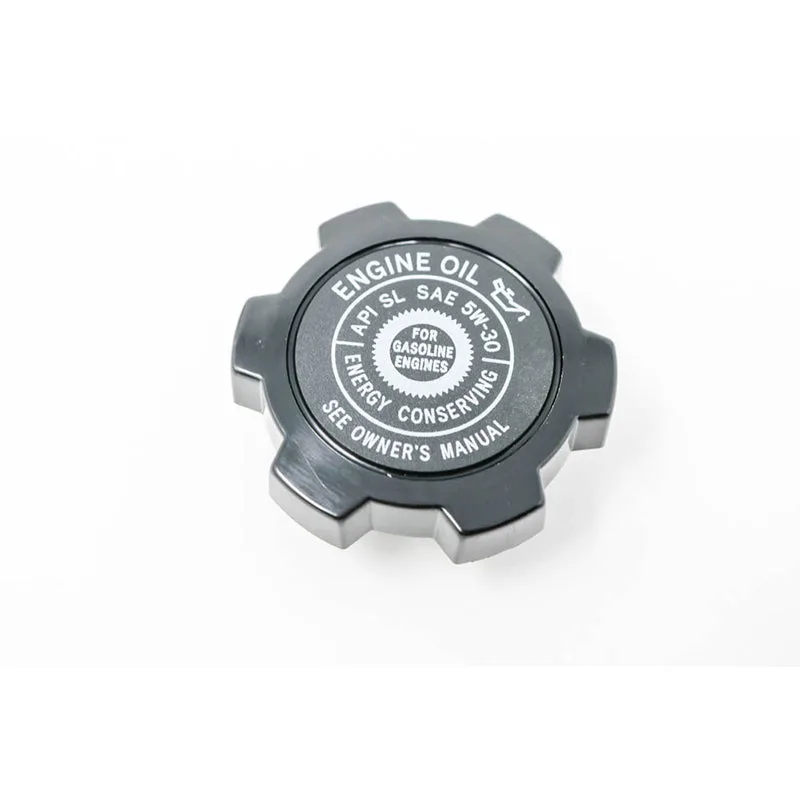
The oil fill cap under your hood will say 0W-20 right on it. If you pop the hood and see something different, someone before you made a mistake. Fix it.
Let's talk about certification. You want a bottle that carries the API starburst mark and the ILSAC certification. API SN is the minimum for your 2016 model.
API SP is newer and backwards-compatible. Any quality brand such as Mobil 1, Pennzoil, or Castrol that carries these certifications will perform exactly as your engine needs.
Why Getting the Wrong Oil Can Cost You Thousands
Here's where this gets real. The 1GR-FE engine is famously reliable. It has been around since 2002 and powers everything from Tacomas to Tundras to FJ Cruisers.
But that reputation came from a specific engineering approach. Toyota tightened bearing clearances and reduced oil pump capacity when they switched to 0W-20 for the 2016 model year.
Pour in 5W-30 and here's what happens. Cold startup oil pressure spikes higher than the system was designed for. The oil moves slower through the variable valve timing system.
Fuel economy drops by about 2 to 3 percent. Over time, the thicker oil can cause premature wear on the timing chain tensioners and VVT actuators.
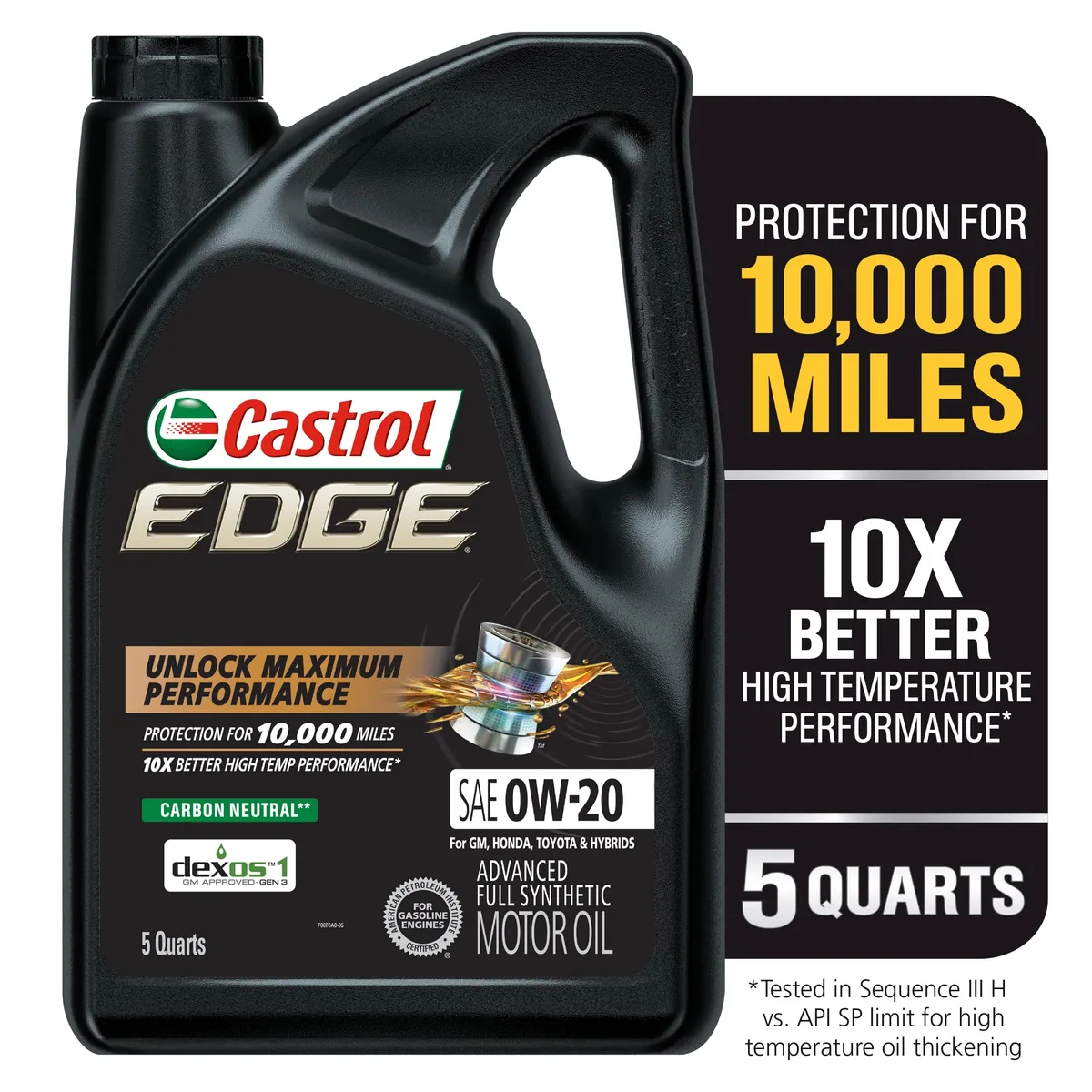
The flip side is also dangerous. Using a thinner oil like 0W-16 means inadequate film strength at high temperatures. Towing a trailer up a mountain pass with thin oil can lead to metal-on-metal contact inside the bearings.
That's a spun rod bearing waiting to happen. That repair runs north of $5,000.
The cost difference between 0W-20 and 5W-30 is roughly five dollars per oil change. The cost of an engine replacement is ten to fifteen thousand dollars. Do the math.
The Only Oil Viscosity You Should Use (0W-20)
Let's be absolutely clear. Toyota's official specification for the 2016 4Runner is SAE 0W-20. Full synthetic.
No exceptions for climate, towing, or driving style.
Toyota released Technical Service Bulletin EG006-13 to clarify this across multiple models. The bulletin confirms that 0W-20 is the required viscosity for the 1GR-FE engine starting with the 2016 model year. Earlier models used 5W-30 because their engine tolerances were different.
Yours are not.
Some owners argue that 5W-20 works fine. They're not wrong that the engine will run. But "runs" isn't the same as "runs optimally for 300,000 miles." Toyota's engineers spent millions optimizing oil viscosity for fuel economy, wear protection, and emissions.
Trust their work.
Here's a quick reference for what happens with each viscosity in your engine.
| Viscosity | Cold Start Protection | Hot Operating Protection | Fuel Economy | Warranty Safe |
|---|---|---|---|---|
| 0W-20 | Excellent | Correct spec | Best | Yes |
| 5W-20 | Good | Adequate | Slightly reduced | No |
| 5W-30 | Poor | Excessive pressure | Reduced | No |
| 0W-16 | Excellent | Insufficient | Improved | No |
The only acceptable emergency substitute is 5W-20. Use it only if 0W-20 is completely unavailable and you're stranded. Top off with 0W-20 as soon as possible.
Do not run a full oil change interval on anything other than 0W-20.
What the 1GR-FE Engine Actually Requires
The 1GR-FE is a 4.0-liter naturally aspirated V6. It's iron-block with aluminum heads. Dual overhead cams.
Four valves per cylinder. It makes 270 horsepower and 278 pound-feet of torque in the 2016 4Runner. It's not a high-strung performance engine.
It's a workhorse.
But workhorses still need the right lubricant. The 1GR-FE uses a variable valve timing system on the intake camshaft. That system is oil-pressure actuated.
The wrong oil viscosity means the VVT system doesn't phase correctly. That can trigger a P0012 or P0016 code and reduce performance.
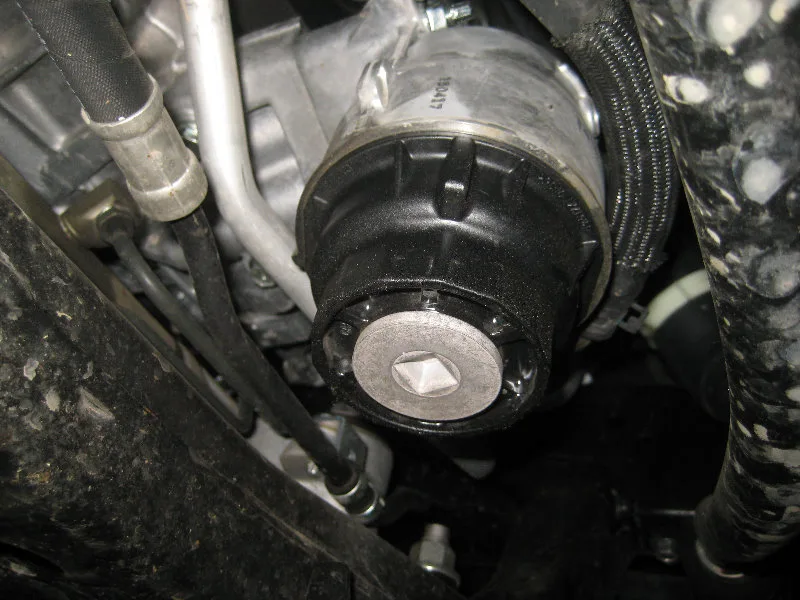
The oil filter matters too. Your 2016 4Runner uses a cartridge-style filter housing. Not a spin-on can.
The factory filter part number is 04152-YZZA1. Aftermarket equivalents from Wix, Purolator, and Mobil 1 work fine. The critical spec is the bypass valve pressure.
Toyota's filter bypasses at roughly 11 to 15 psi. Some cheap filters bypass at higher pressures, which means unfiltered oil circulates during cold starts.
Stick with quality filters. A difference of five dollars isn't worth reducing oil filtration.
The oil capacity is 6.4 quarts with the filter. Without the filter, it's 6.0 quarts. Always check your dipstick after filling.
The 1GR-FE has a reputation for consuming a small amount of oil, especially as mileage accumulates. Check your oil level every other fuel fill-up. Some owners report consumption of half a quart between 5,000-mile intervals once the engine passes 100,000 miles.
The Right Oil and Filter Brands for Your 4Runner
Any major brand that carries the API SN or SP certification with 0W-20 viscosity will serve your 4Runner well. Mobil 1, Pennzoil Platinum, Castrol Edge, and Valvoline Advanced all meet Toyota's specifications. The differences between them are marginal in street driving.
For filters, stick with Toyota's OEM cartridge or equivalents from Wix, Purolator Boss, or Mobil 1. These maintain the correct bypass pressure and filtration efficiency. Avoid no-name budget filters that may bypass incorrectly.
Your best value is a quality synthetic 0W-20 paired with a mid-tier filter. Change both at every interval. Reusing a filter to save eight dollars is false economy when the labor is already done.
Common Mistakes That Shorten Engine Life
Let's run through the most frequent errors we see in owner forums and service bay notes. Avoid these and your 4Runner will outlast your payments by a decade.
Mistake one: using 5W-30 because "that's what Toyota always used." This is the most common error by far. Older Toyota V6 engines did use 5W-30. The 1GR-FE in 2005 through 2015 models also used it.
But Toyota changed the spec for 2016. If you inherited a 4Runner from someone who didn't know about the change, check what's in there right now.
Mistake two: mixing synthetic and conventional oil. It won't blow up immediately. But mixing reduces the additive package effectiveness. It lowers the overall performance to the level of the weaker oil.
Always top off with the same type and viscosity that's already in the crankcase.
Mistake three: ignoring the severe service interval. Toyota says 10,000 miles for normal driving. But normal driving means highway cruising in moderate climates with no towing. If you idle in traffic, drive short trips under five miles, tow a trailer, or drive on dirt roads, you're in severe service.
Switch to 5,000-mile intervals. Oil is cheaper than bearings.
Mistake four: using a filter that doesn't match OEM specs. The bypass pressure matters. So does the filter media quality. Cheap fiber filters shed material over time.
Stick with known brands. The penalty for a bad filter shows up at 200,000 miles as sludge and wear.
Mistake five: overfilling the crankcase. The 1GR-FE holds 6.4 quarts. That's a specific number. Adding an extra half quart causes foaming, reduced oil pressure, and potential seal damage.
Drain and measure. Fill to the full mark on the dipstick. Stop there.
Step-by-Step: How to Change Oil the Safe Way
Changing your own oil saves money and guarantees it's done right. Here's the process for the 2016 4Runner, verified against Toyota's service manual.
What you'll need:
- 6.4 quarts of 0W-20 full synthetic oil
- Toyota-compatible oil filter (04152-YZZA1 or equivalent)
- 24mm socket for the drain plug
- Oil filter cap wrench (64mm, 14-flute or 15-flute depending on cap)
- Torque wrench
- Drain pan
- Funnel
- Nitrile gloves
The process:
- Run the engine for two minutes to warm the oil. Warm oil drains faster and carries more suspended contaminants.
- Jack up the front of the vehicle and secure it on jack stands. The 4Runner has good ground clearance, but you still want safe access.
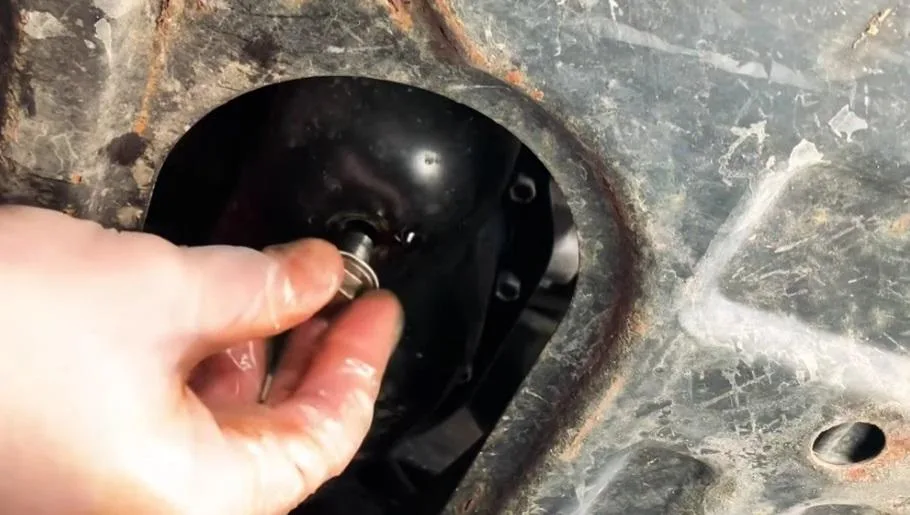
- Locate the drain plug on the passenger side of the oil pan. It's a 24mm bolt facing downward.
- Place your drain pan underneath. Remove the plug with the socket. Let the oil drain for at least five minutes.
- While the oil drains, remove the filter housing. It's on the front of the engine, driver's side, accessible from above. Turn it counterclockwise with the cap wrench.
- Replace the filter element and the O-rings. The large O-ring goes on the housing cap. The small one goes on the center post. Lubricate the O-rings with fresh oil before installing.
- Torque the filter cap to 18 foot-pounds. Do not overtighten. The plastic housing cracks easily.
- Torque the drain plug to 29 foot-pounds. This is critical. Under-torque means leaks. Over-torque strips the oil pan threads.
- Lower the vehicle. Add 6 quarts of oil through the fill cap. Start the engine and let it run for 30 seconds.
- Shut off the engine. Wait two minutes. Check the dipstick. Add the remaining 0.4 quarts as needed to reach the full mark.
The whole job takes about 30 minutes for someone who has done it before. An hour if it's your first time. You'll save roughly 40 to 60 dollars compared to a quick-lube shop.
And you'll know exactly what's in your engine.
Expert Tips for Towing, Off-Roading, and Cold Climates
Your 2016 4Runner is built for adventure. But adventure puts unique stress on the oil system. Here's how to adapt your maintenance for real-world conditions.
Towing. The 4Runner is rated to tow up to 5,000 pounds. That's a heavy load for a V6. Under towing conditions, oil temperatures can exceed 250 degrees Fahrenheit.
High heat accelerates oil breakdown. If you tow regularly, change oil every 4,000 to 5,000 miles without exception.
Off-roading. Slow-speed crawling and steep angles cause oil starvation at the pickup tube. Toyota designed the 1GR-FE oil pan with baffles, but extreme angles still risk a momentary loss of oil pressure. If you off-road hard, maintain the full 6.4 quarts at all times.
Cold climates. 0W-20 excels here. The zero-weight cold rating means the oil flows readily at -30 degrees Fahrenheit. Still, let the engine idle for 30 to 60 seconds before driving in extreme cold.
That's enough time for oil to reach every bearing surface. Extended idling beyond one minute wastes fuel without additional benefit.
Hot climates. 0W-20 is still correct. The oil's high-temperature viscosity is the same as any 20-weight oil. As long as you use full synthetic, the thermal stability is sufficient for ambient temperatures above 110 degrees Fahrenheit.
Stay diligent with your change intervals. Heat accelerates oxidation.
Dusty conditions. If you drive on dirt roads regularly, change your air filter at every oil change. Dust contamination accelerates oil degradation. Check for visible dirt on the dipstick.
If the oil looks dark or gritty before your normal interval, change it early.
Oil Capacity, Intervals, and Certification Specs
Let's nail down the exact numbers. Your 2016 4Runner holds 6.4 quarts of oil with a filter change. Without the filter, it's 6.0 quarts.
These aren't suggestions. They're the engineered capacity for the 1GR-FE's oil pan and lubrication system.
Toyota recommends a 10,000-mile oil change interval for normal driving. That's one oil change per year for the average driver. But here's the catch.
Normal driving means highway cruising at moderate speeds in temperate climates with no trailer behind you.
| Driving Condition | Recommended Interval | Oil Type |
|---|---|---|
| Normal (highway, moderate climate) | 10,000 miles or 12 months | 0W-20 full synthetic |
| Severe (towing, short trips, dust, extreme temps) | 5,000 miles or 6 months | 0W-20 full synthetic |
| Off-road or heavy dust | 3,000 to 4,000 miles | 0W-20 full synthetic |
The certification on the bottle matters. Look for the API starburst with SN or SP designation. ILSAC GF-5 or GF-6 is also required.
These certifications guarantee the oil meets minimum standards for fuel economy, deposit control, and wear protection.
Some budget oils carry the right viscosity but skip the certification. Avoid them. The certification costs money to obtain.
Brands that skip it are cutting corners somewhere.
When to Ignore "Severe Service" and When to Follow It
Toyota's severe service schedule causes confusion. Many owners assume it doesn't apply to them. It probably does.
Severe service means any of the following: trips shorter than five miles in normal temperatures, trips shorter than 10 miles in freezing weather, extended idling, driving on dusty roads, towing a trailer, or driving in stop-and-go traffic. Sound familiar? Most daily commutes tick at least two of these boxes.
Here's the honest breakdown. If you drive 15 miles each way on the highway without traffic, you're in normal service. Change oil every 10,000 miles.
If you drive 10 miles each way with traffic lights and a cold engine, you're in severe service. Change every 5,000 miles.
The cost difference is roughly 60 dollars per year. The protection difference is significant. Frequent short trips never allow the oil to reach full operating temperature.
Water and fuel accumulate in the crankcase. Acids form. The oil degrades faster than the mileage suggests.
When in doubt, drop to the 5,000-mile schedule. It's cheap insurance for a 300,000-mile engine.
Warranty Concerns: What Toyota Can Actually Deny
Your 2016 4Runner's powertrain warranty covered five years or 60,000 miles from the original sale date. As of 2026, that warranty has expired for nearly every 4Runner on the road. But warranty concerns don't end with the factory coverage.
If you purchased a certified pre-owned vehicle with an extended warranty, the terms still apply. Using the wrong oil viscosity can void coverage on engine-related claims. Extended warranty companies are strict about documented maintenance.
They will ask for receipts showing the correct viscosity and certification.
Toyota can also deny goodwill repairs if a dealer finds evidence of improper lubrication. Goodwill is when Toyota pays for repairs outside the warranty period. It's not guaranteed, but it happens.
Using the right oil keeps that door open.
Keep records. Save your oil purchase receipts. Note the date and mileage of each change in a logbook or app.
If you ever need to make a warranty or goodwill claim, that documentation is your proof.
How to Spot Bad Advice Online (and Avoid It)
The internet is full of 4Runner oil advice. Some of it is excellent. Some of it will cost you an engine.
Here's how to tell the difference.
Bad advice usually starts with "I've been running 5W-30 for 50,000 miles with no issues." That's survivor bias talking. The engine hasn't failed yet, but the wear is accumulating silently. Oil-related damage shows up at 150,000 miles.
Not 50,000.
Another red flag is advice that ignores manufacturer specifications. Toyota publishes owner's manuals and service bulletins for a reason. They spent millions engineering the 1GR-FE.
They know what it needs. When a forum poster contradicts Toyota's published spec, trust the manufacturer.
Look for advice that cites specific sources. "Per Toyota TSB EG006-13" is better than "a mechanic told me." Check the dates on the information. Oil specifications change over time.
Advice from 2014 about a 2016 vehicle is outdated by definition.
Stick with verified sources. The owner's manual in your glove box is the final authority. For our terms of use and how we handle information accuracy, check our disclaimer.
Quick Reference: Oil Change Checklist for the 2016 4Runner
Use this checklist before every oil change. Print it. Keep it in your garage.
Before you start:
- Confirm you have 6.4 quarts of 0W-20 full synthetic oil
- Confirm your filter matches OEM spec (04152-YZZA1 or equivalent)
- Verify you have a 24mm socket, torque wrench, and filter cap wrench
- Warm the engine for two minutes
During the change:
- Drain oil for at least five minutes
- Replace both filter O-rings
- Lubricate O-rings with fresh oil
- Torque drain plug to 29 foot-pounds
- Torque filter cap to 18 foot-pounds
After the change:
- Add 6 quarts, start engine, check for leaks
- Shut off, wait two minutes, check dipstick
- Add remaining 0.4 quarts if needed
- Reset oil maintenance light if equipped
- Record date, mileage, and oil brand in your log
Between changes:
- Check oil level every other fuel fill-up
- Watch for consumption above half a quart per 5,000 miles
- Change oil immediately if it smells like fuel or looks milky
Frequently Asked Questions
Can I use 5W-30 in my 2016 4Runner in an emergency?
In a true emergency where 0W-20 is unavailable, you can use 5W-20 as a temporary substitute. Do not use 5W-30. The thicker oil causes improper VVT actuation and reduced fuel economy.
Drain and replace with 0W-20 as soon as possible.
How often should I check my 4Runner's oil level?
Check your oil level every other fuel fill-up. The 1GR-FE engine can consume oil as it ages, especially past 100,000 miles. Catching low oil early prevents bearing damage and extends engine life significantly.
What happens if I mix synthetic and conventional oil?
Mixing synthetic and conventional oil dilutes the additive package. The blend performs worse than pure synthetic. It won't destroy your engine immediately, but it reduces protection.
Stick with one type throughout the oil change interval.
Does my 2016 4Runner need a special oil filter?
The 4Runner requires a cartridge-style filter with specific bypass pressure specs. The factory part is 04152-YZZA1. Quality aftermarket filters from Wix, Purolator, or Mobil 1 meet the same standards.
Avoid no-name budget filters that may bypass incorrectly.
Is the oil change interval really 10,000 miles?
Only under normal driving conditions. Most daily driving qualifies as severe service. If you do short trips, tow, idle frequently, or drive on dirt roads, change oil every 5,000 miles.
The extra cost is minimal compared to engine repair bills.
Your Verified Final Takeaway
Your 2016 Toyota 4Runner needs 0W-20 full synthetic oil. Not 5W-30. Not conventional.
The 1GR-FE engine was designed around this viscosity. Toyota's engineering data supports it.
Change oil every 5,000 miles if you drive in severe conditions. Use a quality filter that matches OEM specs. Keep records of every change.
Check your oil level regularly.
Do those four things consistently and your 4Runner will easily surpass 250,000 miles. Skip them and you're gambling with a $10,000 engine. The choice is straightforward.
So is the oil. Pour in 0W-20, drive with confidence, and enjoy one of the most reliable SUVs ever built.