
If you own a 2016 Toyota Corolla, figuring out the exact 2016 toyota corolla oil type is one of the most important things you can do for your engine. The wrong oil can cost you fuel economy, shorten your engine's life, and even void your warranty.
The short version is that your Corolla needs SAE 0W-20 full synthetic motor oil that meets API SN or SN Plus and ILSAC GF-5 standards. Capacity with a filter change is 4.4 quarts. Let us walk through everything you need to know.
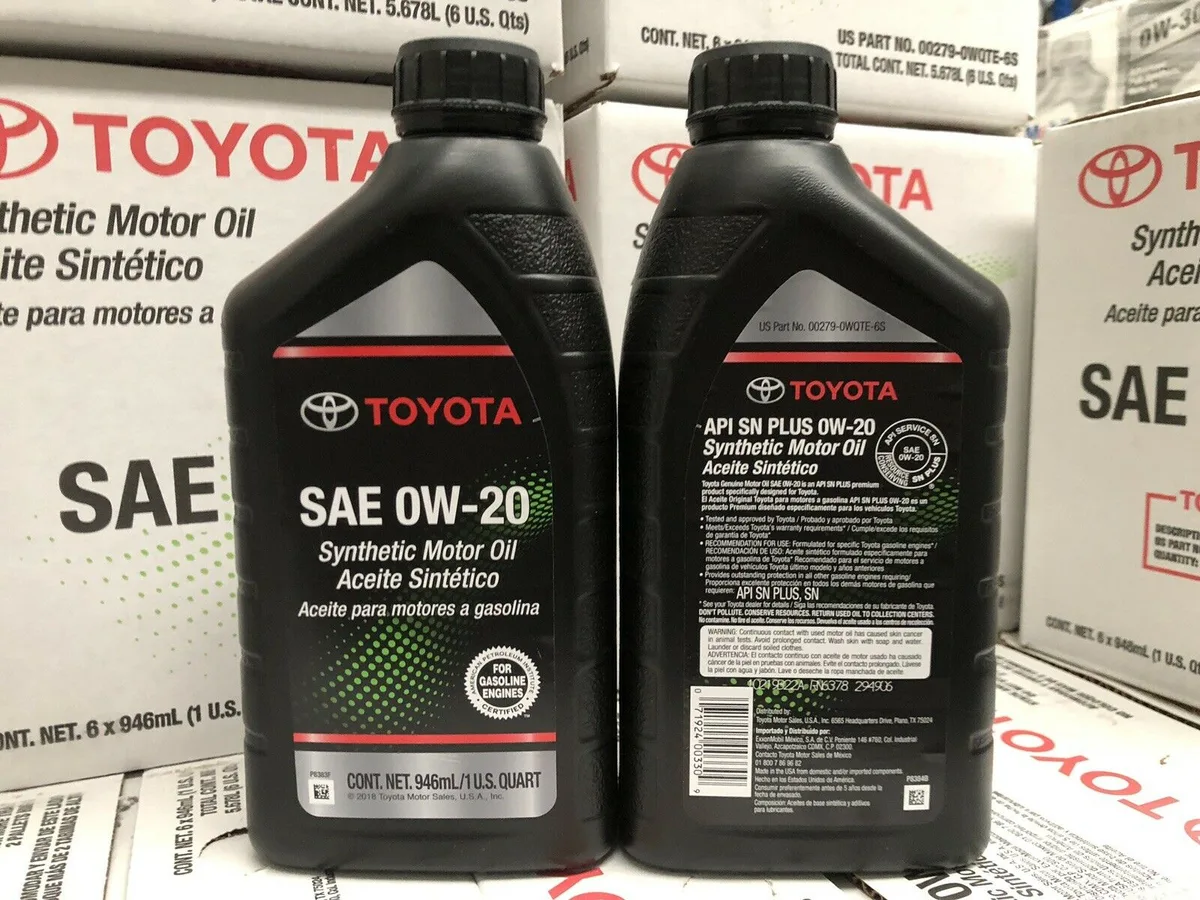
Image source: Web (Bing) / alibaba.com (Web image (fair-use with source credit))
Quick Answer
Your 2016 Toyota Corolla requires 0W-20 full synthetic oil. It needs API SN or SN Plus certification. It also needs ILSAC GF-5 approval.
Capacity with a filter change is 4.4 quarts. Do not use conventional oil. Do not use a thicker weight like 5W-30 unless absolutely necessary in an emergency.
The 2ZR-FE Engine: Why It Is Picky About Oil
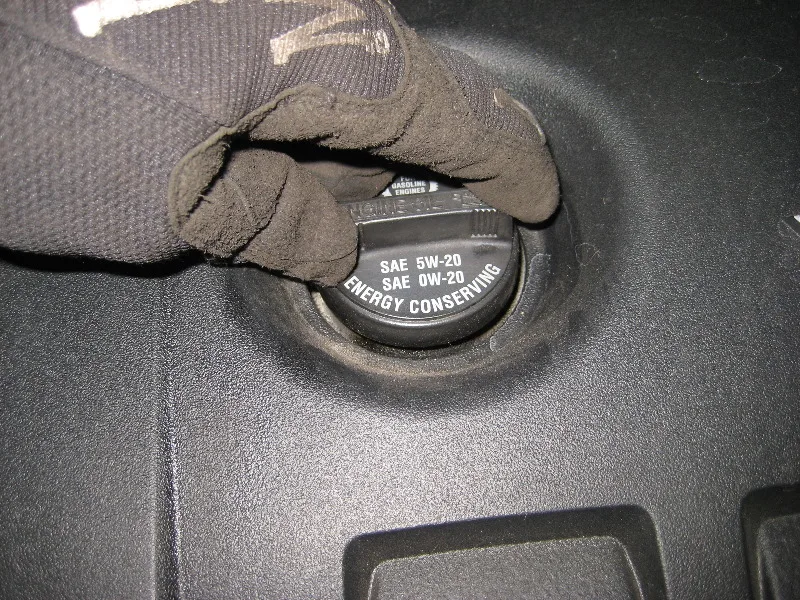
Image source: Bing (Web (fair-use with source credit))
Your Corolla runs the 1.8-liter 2ZR-FE four-cylinder engine. It is a modern, tightly built motor with precise tolerances. The oil galleries are narrow.
The variable valve timing system relies on oil pressure. The piston rings are designed for a specific viscosity range.
If you pour in a thicker oil like 10W-30, it struggles to flow through those narrow passages when cold. On a winter morning, that thick oil takes several seconds longer to reach critical components like the camshaft journals and timing chain tensioner. Those seconds cause measurable wear over the life of the engine.
If you pour in a thinner oil like 0W-16, the high-temperature protection drops below what the bearings need during sustained highway driving. Toyota settled on 0W-20 because it gives the best balance of cold flow protection and high-temperature film strength.
Check your oil fill cap. It shows 0W-20 molded right into the plastic. That is your engine telling you what it wants.
Full Synthetic vs. Conventional
The 2ZR-FE engine was designed for full synthetic oil. Conventional oil contains inconsistent molecular chains that break down faster under heat. Sludge forms.
Varnish builds up. Oil consumption rises.
Synthetic oil is engineered with uniform molecules. It resists thermal breakdown. It flows better at low temperatures.
It maintains viscosity at high temperatures. For an engine that calls for 0W-20, synthetic is not a luxury. It is a requirement.
Toyota specifies that the oil must be API certified and ILSAC GF-5 certified. Both logos appear on the back of any quality synthetic oil bottle. The API donut and the ILSAC starburst are your guarantee that the oil meets the performance requirements your engine needs.
Full synthetic is what the engine was validated with. Blend oils mix conventional and synthetic base stocks. They do not offer the same cold flow or high-temperature stability.
Spend the extra few dollars.
0W-20 vs. 5W-30: What Happens If You Use the Wrong Viscosity
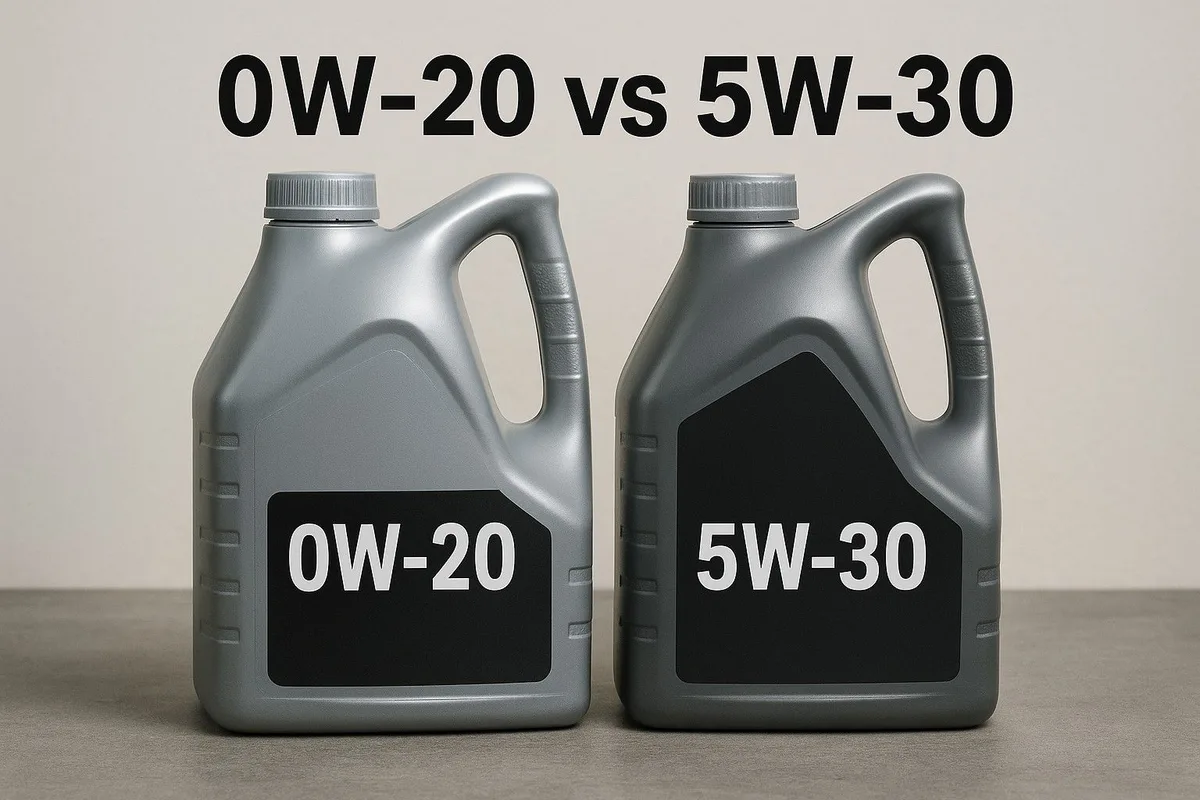
Image source: Web (Bing) / heavyvehicleinspection.com (Web image (fair-use with source credit))
The 2016 Corolla calls for 0W-20. Older Corollas used 5W-30. That is true for models from the 1990s and early 2000s.
It is not true for your car.
The 0W means the oil flows like a 0-weight oil when cold. It pumps instantly through the engine on a cold start. The 20 means at operating temperature, it behaves like a 20-weight oil.
That is thin enough to reduce internal drag and save fuel, but thick enough to maintain a protective film.
5W-30 is thicker at both ends. It is thicker when cold, which delays oil flow on startup. It is thicker at operating temperature, which increases friction.
Expect about a 2 to 3 percent drop in fuel economy if you use 5W-30 instead of 0W-20.
If you are stranded and only 5W-30 is available, use it temporarily. Toyota allows 5W-20 as an alternative if 0W-20 is not available. Use 5W-30 only in an emergency.
Change back to 0W-20 at your next oil change.
Oil Change Intervals: Normal vs. Severe Driving Conditions
Toyota says your Corolla can go 10,000 miles between oil changes under normal driving conditions. That is the number on your dashboard maintenance reminder.
Toyota defines severe driving as any of the following:
- Frequent short trips under 5 miles, especially in cold weather
- Extended idling or stop-and-go traffic
- Driving on dusty or gravel roads
- Towing a trailer or carrying heavy loads
- Driving in extreme hot or cold temperatures
If any of that sounds like your daily commute, you are on the severe schedule. Change your oil every 5,000 miles, not 10,000. Short trips never allow the oil to reach full operating temperature long enough to boil off moisture and fuel dilution.
Dusty conditions load the oil with abrasive particles.
Be honest with yourself. If your average trip to work is under 20 minutes, or you live in a place with harsh winters, you are in the severe category. Do not stretch it to 10,000 miles to save money.
Do not trust the oil life monitor blindly. It uses an algorithm based on driving patterns, but it is conservative. Many owners report the monitor says 50 percent life remaining when the oil is already dark and starting to break down.
Use the monitor as a guide. If you drive severe conditions, change at 5,000 miles regardless of what the display says.
Step-by-Step: How to Change Your Oil the Right Way
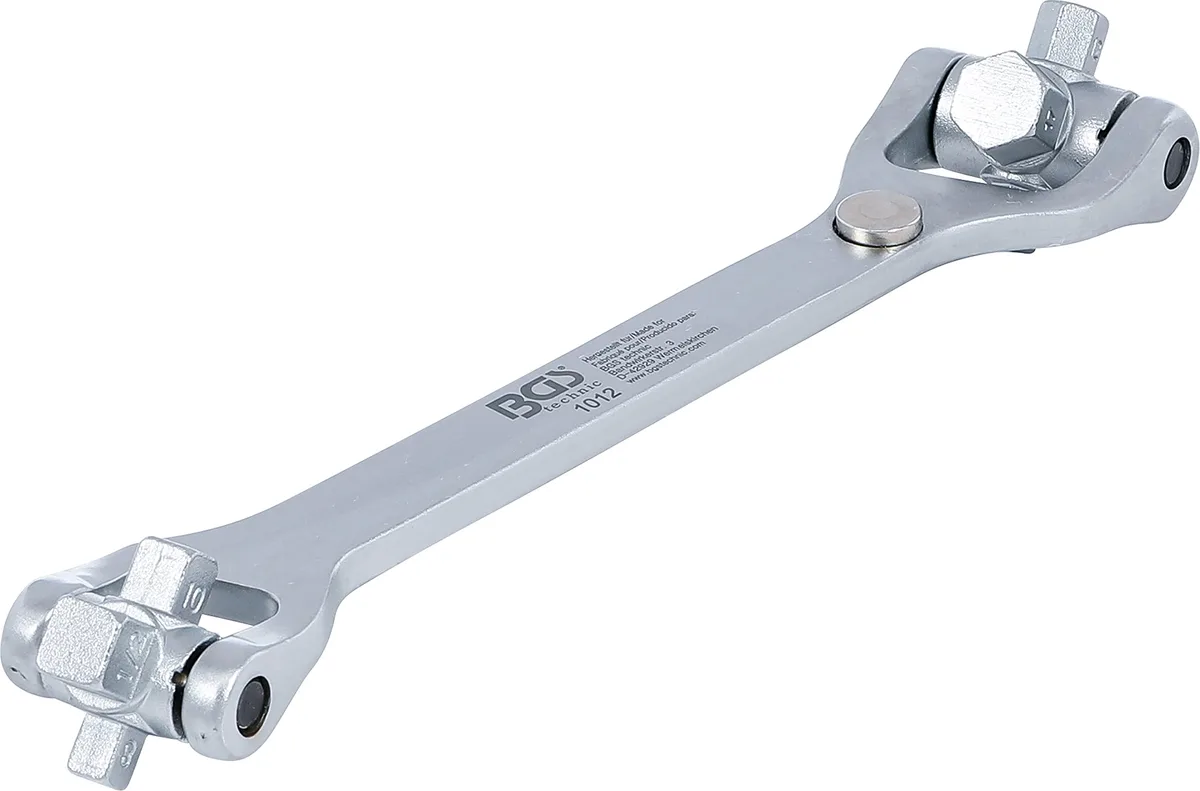
Image source: Bing (Web (fair-use with source credit))
What you will need:
- 5 quarts of 0W-20 full synthetic oil
- A quality oil filter that meets OEM specs
- A 14mm socket or wrench for the drain plug
- An oil filter wrench
- A drain pan that holds at least 6 quarts
- A new crush washer for the drain plug (Toyota part number 90430-12031)
- Funnel, rags, and gloves
Step 1: Warm up the engine for two to three minutes. Warm oil drains quickly and carries contaminants with it.
Step 2: Remove the oil fill cap to relieve pressure and help the oil drain faster.
Step 3: Locate the drain plug on the passenger side of the oil pan. Use your 14mm socket to loosen it counterclockwise. Unscrew it by hand and let the oil flow.
Step 4: Replace the crush washer. Do not skip this. Torque the drain plug to 30 foot-pounds.
If you do not have a torque wrench, snug it firmly but do not crank it.
Step 5: Remove the old oil filter from the front of the engine. Use your filter wrench to break it loose. Wipe the mounting surface clean.
Step 6: Rub a thin layer of fresh oil on the rubber gasket of the new filter. Screw it on by hand until the gasket contacts the mounting surface. Tighten another three-quarters of a turn.
Step 7: Pour in about 4 quarts. Check the dipstick. Add more slowly until the level sits between the low and full marks.
Step 8: Start the engine and check for leaks. Let it run for about 30 seconds. Look for drips around the drain plug and filter.
Shut it off, wait two minutes, and recheck the dipstick.
Step 9: Reset the oil maintenance light. With the ignition off, press and hold the trip reset button. Turn the ignition to the ON position without starting the engine.
Keep holding until the light resets.
Common Mistakes That Shorten Your Engine's Life
Using the wrong viscosity. 0W-20 is not optional. Thicker oil means slower flow and more wear on cold starts.
Overfilling the oil. If the level goes above the full mark, the crankshaft whips the oil into foam. Foam does not lubricate. Drain some out before you drive.
Skipping the crush washer. A leaking drain plug can empty your oil pan overnight. Replace it every time.
Using a cheap filter. Some budget filters lack proper anti-drainback valves. Your engine starts dry every morning. Stick with Toyota OEM, WIX, Purolator, or Bosch.
Ignoring the severe service schedule. If you drive short trips, change your oil every 5,000 miles. That is what the engine needs.
What to Look for When Buying Oil
Flip the bottle over and look for two things. The API Service Symbol, or donut, shows the oil meets API SN or SN Plus standards. The ILSAC Certification Mark, which looks like a starburst, shows ILSAC GF-5 approval.
Any oil carrying both marks is good enough for your Corolla.
Brand does not matter nearly as much as certification. Toyota Genuine Motor Oil, Mobil 1, Pennzoil Platinum, Castrol Edge, Valvoline Advanced. Pick whichever is on sale.
Look for the words full synthetic on the front. Do not buy synthetic blend or high mileage unless your car has over 75,000 miles and you specifically want high-mileage oil.
High-Mileage Considerations
Once your Corolla passes 75,000 to 100,000 miles, you might consider high-mileage oil. These oils contain seal conditioners that can reduce minor leaks. They also often have higher levels of detergents.
If your engine is not leaking or burning oil, stick with standard full synthetic 0W-20. If you notice the oil level dropping between changes or see small drips, high-mileage oil might help. Make sure the bottle says 0W-20.
Do not accidentally grab 5W-30 high-mileage oil.
When to Call a Mechanic vs. Doing It Yourself
If you have the tools, a flat place to park, and thirty minutes, changing your own oil is easy. The 2ZR-FE engine has an accessible filter and drain plug.
Call a mechanic if you do not have a safe place to work, you stripped the drain plug, the filter is stuck, or you want professional disposal of the old oil.
A shop will charge between $60 and $90. Doing it yourself costs about $35 to $55.
Quick Reference: Oil Specs at a Glance
| Specification | Detail |
|---|---|
| Viscosity | SAE 0W-20 |
| Oil type | Full synthetic |
| Capacity with filter | 4.4 US quarts (4.2 liters) |
| API certification | SN or SN Plus |
| ILSAC certification | GF-5 |
| Drain plug torque | 30 ft-lbs |
| Drain plug size | 14mm |
| Filter part number (OEM) | 04152-YZZA1 |
| Normal change interval | 10,000 miles |
| Severe change interval | 5,000 miles |
| Emergency alternative | 5W-20 (single fill only) |
Frequently Asked Questions
Can I use 5W-30 in my 2016 Corolla?
Toyota does not recommend 5W-30 for this engine. It is thicker than the designed spec and will reduce fuel economy. In an emergency, use it for one change interval, then switch back to 0W-20.
How many quarts does a 2016 Corolla take?
With a filter change, the engine holds 4.4 US quarts. Buy a 5-quart jug. You will have a little left over for topping off between changes.
What happens if I use conventional oil instead of synthetic?
The engine was designed for full synthetic oil. Conventional oil breaks down faster, creates more sludge, and does not flow as well at cold temperatures. You will see increased engine wear over time.
How do I reset the oil light on a 2016 Corolla?
Turn the ignition off. Press and hold the trip reset button. Turn the key to the ON position without starting the engine.
Keep holding the button until the maintenance light turns off.
Is Toyota Genuine Motor Oil required?
No, but it is the safest choice. Any brand with API SN and ILSAC GF-5 certifications on the bottle will work. Mobil 1, Pennzoil, Castrol, and Valvoline are all proven options.
How often should I check my oil level between changes?
Check it once a month, or every other time you fill up with gas. The 2ZR-FE engine generally does not consume much oil. It is cheap insurance to catch a slow leak early.