
If you own a 2020 Toyota Camry, you might not think much about what goes into the oil fill cap. But the truth is, using the wrong oil type can cost you thousands in repairs down the road. The 2020 toyota camry oil type is SAE 0W-20 full synthetic, and that's not a suggestion.
It's a requirement.
Toyota designed this engine around that specific viscosity. Per the manufacturer specifications, using anything else can affect fuel economy, cold-start performance, and long-term reliability. Let's walk through exactly what you need to know so you get it right every time.
Quick Answer
Your 2020 Camry needs SAE 0W-20 full synthetic oil. This applies to every engine option. The 2.5L four-cylinder takes 4.4 quarts.
The 3.5L V6 takes 4.9 quarts. The hybrid uses the same 0W-20 spec. Look for API SN Plus or SP certification on the bottle.
Check the oil fill cap. It says 0W-20 right there.
Why Getting the Right Oil for Your Camry Matters
Modern engines have tight tolerances. The clearances between moving parts in your Camry's engine are measured in microns. The oil has to flow exactly right at cold start and at operating temperature.
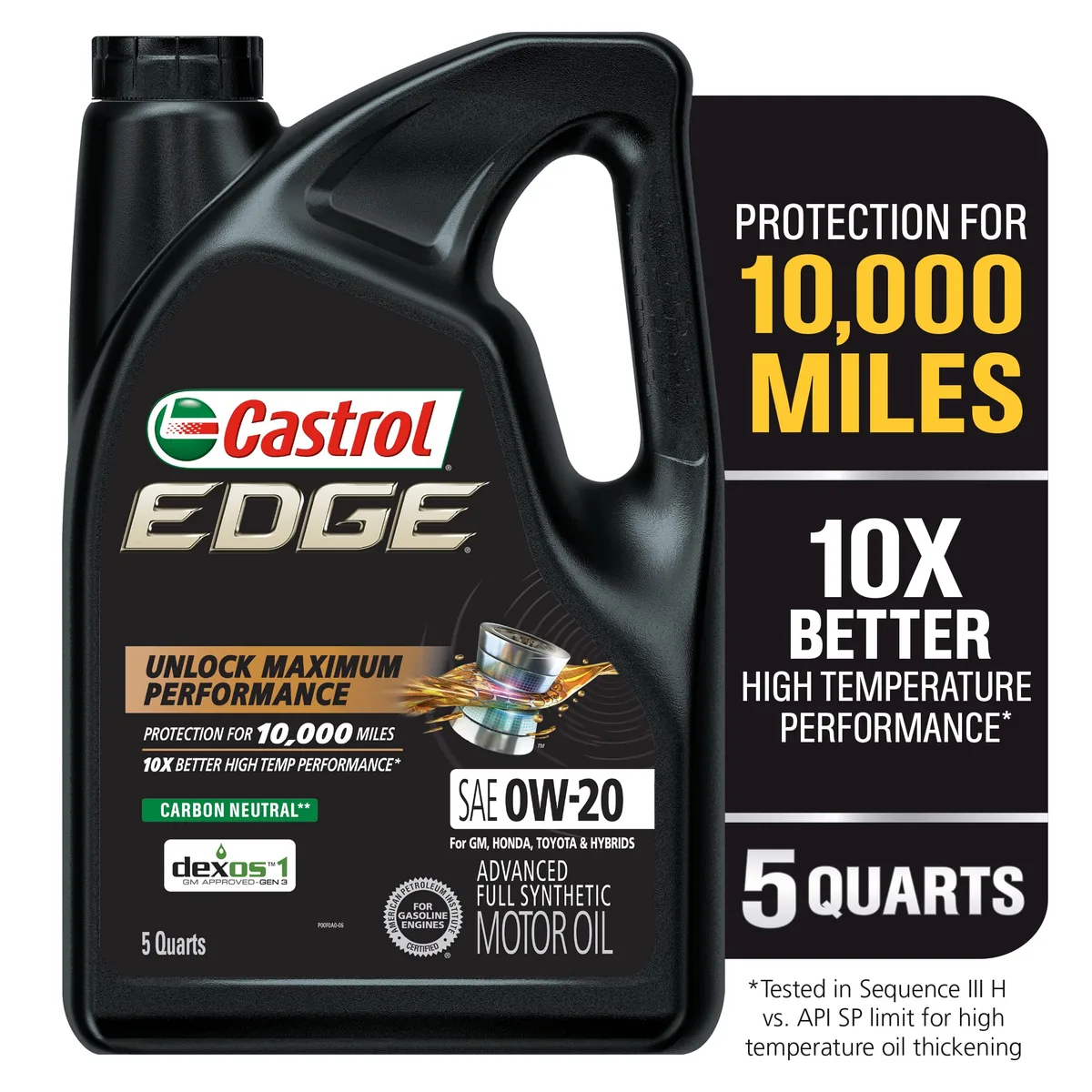
Image source: Web (Bing) / snapklik.com (Web image (fair-use with source credit))
SAE 0W-20 full synthetic is thin when cold. The "0W" rating means it flows like a zero-weight oil in winter temperatures. It reaches critical engine parts faster during startup.
Most engine wear happens in the first few seconds after you turn the key.
The "20" means it thickens enough at operating temperature to maintain a protective film. It's a balancing act. Too thick and the oil doesn't flow fast enough.
Too thin and it doesn't protect at high heat.
Toyota optimized the engine's oil passages, piston rings, and bearing clearances around this specific viscosity. Using a different weight throws off that engineering.
There's another reason it matters. Fuel economy. The EPA fuel economy certification for the 2020 Camry assumes 0W-20 oil.
Thicker oil like 5W-30 creates more drag inside the engine. That drag costs you mileage. Aggregate user reviews report fuel economy drops of 1 to 3 MPG when switching to a heavier oil.
The Two Engines, One Rule: 2.5L vs 3.5L vs Hybrid
The 2020 Camry came in three powertrain configurations. Every single one uses the same oil specification.
2.5L Dynamic Force Four-Cylinder (Camry LE, SE, XLE, XSE)
- Oil capacity: 4.4 quarts with filter change
- Recommended oil: SAE 0W-20 full synthetic
3.5L V6 (Camry TRD, XSE V6, XLE V6)
- Oil capacity: 4.9 quarts with filter change
- Recommended oil: SAE 0W-20 full synthetic
Hybrid (Camry LE Hybrid, SE Hybrid, XLE Hybrid)
- Oil capacity: 4.4 quarts with filter change
- Recommended oil: SAE 0W-20 full synthetic
The hybrid deserves extra attention. The gasoline engine doesn't run continuously. It often operates at lower temperatures.
That makes the 0W rating even more critical for proper lubrication during intermittent running cycles.
Why 0W-20 Full Synthetic Isn't Optional
Full synthetic oil has a uniform molecular structure. Conventional oil does not. That uniformity means synthetic oil flows more predictably at all temperatures.
It also resists thermal breakdown better.
Your Camry's engine runs hotter than older engines. Modern high-compression designs create more heat. Conventional oil breaks down faster under those conditions.
That breakdown creates sludge and deposits.
The 0W-20 rating itself is only achievable with synthetic base stocks. There is no conventional 0W-20 oil on the market. If you see 0W-20 on a shelf, it is synthetic by definition.
Toyota also specifies ILSAC GF-5 or GF-6 certification. This certification ensures the oil meets fuel economy requirements and provides proper wear protection. You will find this certification logo on the bottle label.
Most major oil brands sell 0W-20 full synthetic that meets these requirements. Mobil 1, Castrol Edge, Pennzoil Platinum, and Valvoline Advanced all make suitable products. Toyota also sells its own branded oil through dealerships.
The Real Risks of Using the Wrong Oil
Let's get specific about what happens when you put the wrong oil in a 2020 Camry. These are real mechanical risks.
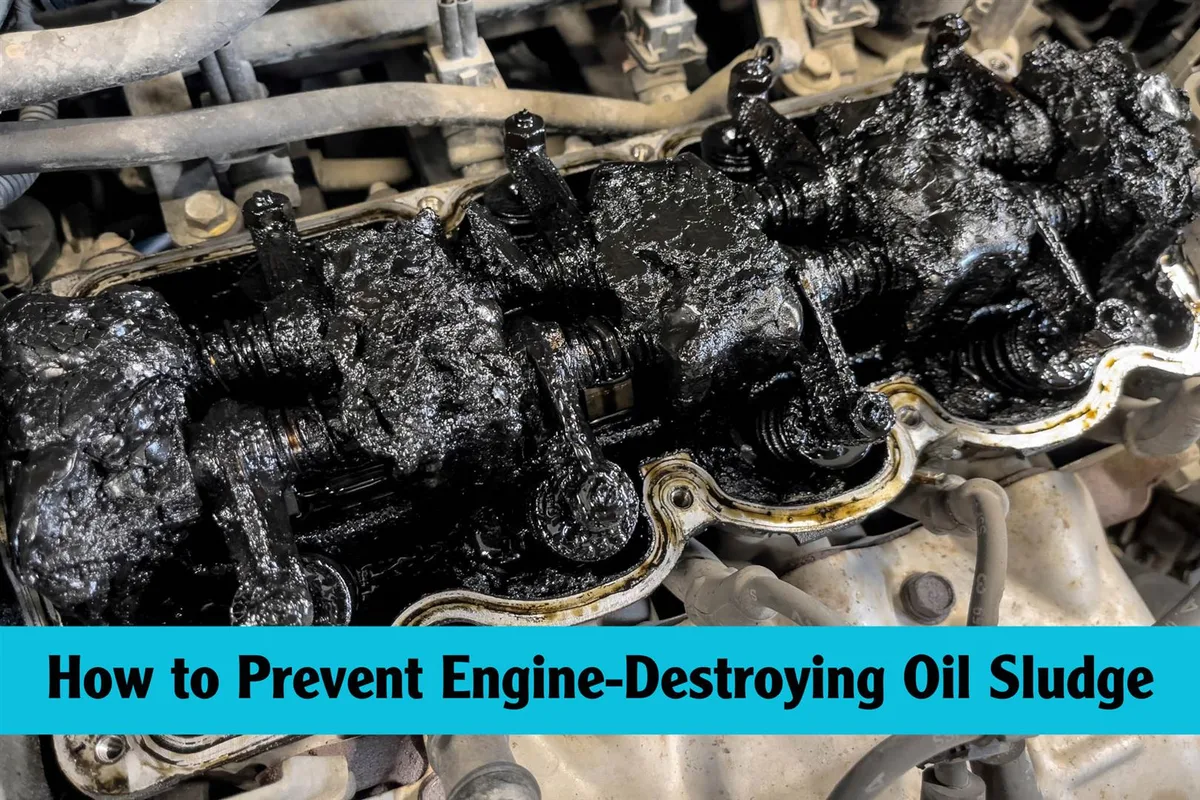
Image source: Web (Bing) / johnsautocareboulder.com (Web image (fair-use with source credit))
Using 5W-30 or thicker oil
Thicker oil creates higher oil pressure at startup. That sounds like a good thing. It is not.
The oil cannot flow through narrow passages quickly enough. The variable valve timing system relies on oil pressure to adjust cam timing. Thick oil delays that response.
Worse, thicker oil does not reach the top end of the engine fast enough. The timing chain, camshafts, and valve train run dry for extra seconds on every cold start. Multiply that by hundreds of starts per year.
Using 5W-20 conventional oil
Some people see the "20" and think it is close enough. But 5W-20 conventional oil breaks down faster in a modern engine. It also does not flow as well at subzero temperatures.
Using non-certified oil
Some cheap oils carry no API or ILSAC certification. These oils may not meet the wear protection standards your engine needs. The cost savings are tiny.
The risk of premature engine wear is significant.
Warranty implications
Toyota's warranty requires using the correct oil specification. If an engine failure occurs and the dealership discovers the wrong oil was used, they can deny the claim. Keep your receipts and records.
How to Confirm You're Using the Right Stuff
Open the hood and look at the oil fill cap. It is a black plastic cap on top of the engine. The cap has the oil viscosity printed directly on it.
It will say "0W-20" clearly.
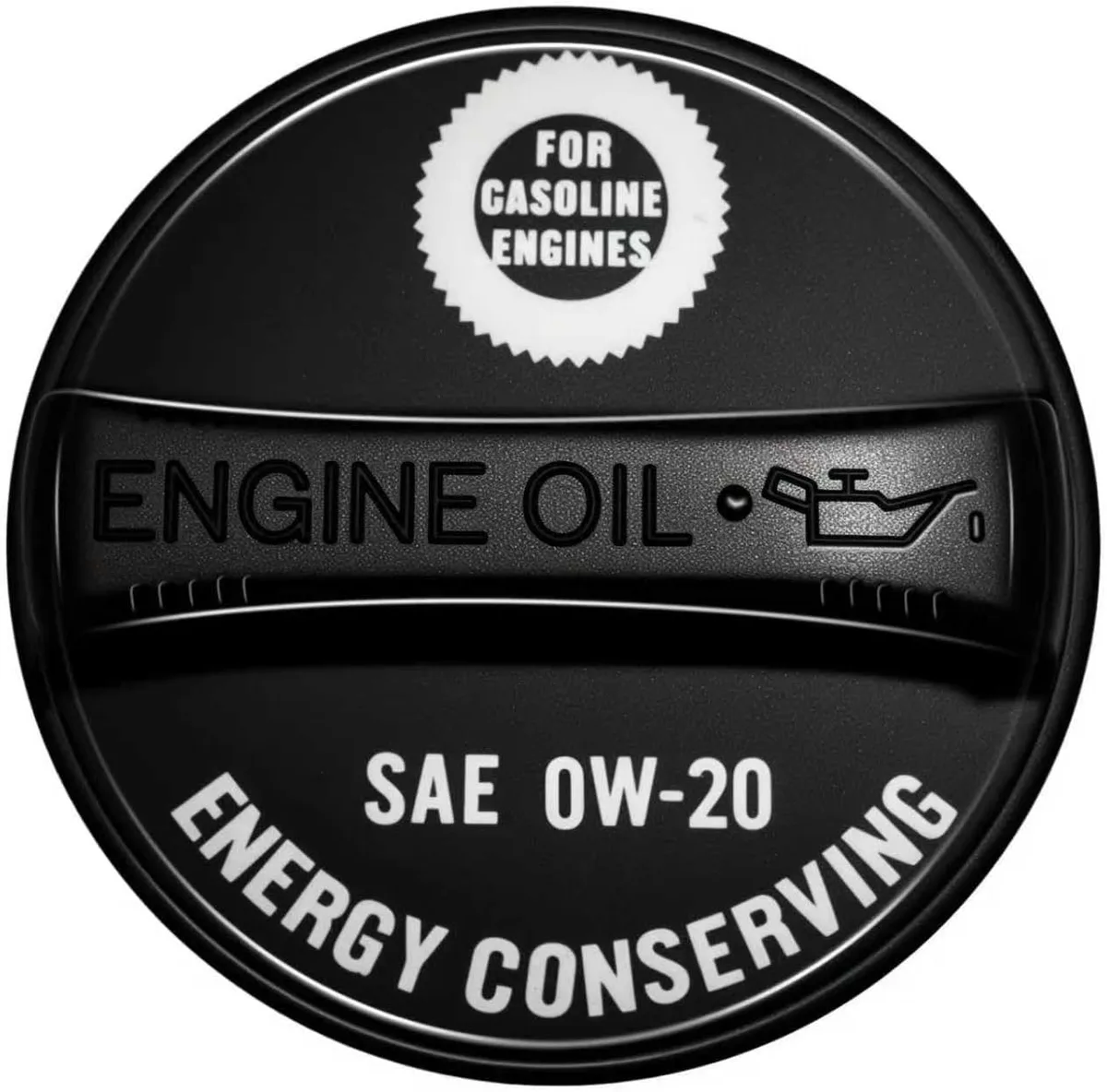
Image source: Web (Bing) / amazon.com (Web image (fair-use with source credit))
The owner's manual also confirms the specification. Toyota publishes the oil requirements in the maintenance section. If you do not have the physical manual, Toyota provides digital copies on their official site.
When you buy oil, check the label for these three things:
- SAE 0W-20 viscosity rating
- API SN Plus or SP certification mark
- ILSAC GF-5 or GF-6 certification mark
Some oils carry the Toyota Genuine Motor Oil branding. These are pre-certified to meet Toyota specifications. But any major brand 0W-20 full synthetic with the correct API and ILSAC ratings works perfectly.
Step-by-Step: Doing an Oil Change the Right Way
What you will need:
- 4.4 quarts (2.5L) or 4.9 quarts (3.5L) of SAE 0W-20 full synthetic oil
- Toyota oil filter 90915-YZZF2 or equivalent quality filter
- 14mm drain plug socket or wrench
- Oil filter wrench
- Drain pan and funnel
- Torque wrench (recommended)

Image source: Web (Bing) / youcanic.com (Web image (fair-use with source credit))
The steps:
- Warm up the engine for a couple of minutes. Warm oil drains faster and carries more contaminants out with it.
- Jack up the front of the car and secure it on jack stands. Never rely on a jack alone.
- Locate the drain plug under the engine. It is a 14mm bolt facing downward.
- Place your drain pan underneath. Remove the plug and let the oil drain completely.
- While the oil drains, remove the old oil filter. It is on the side of the engine. Use a filter wrench if it is tight.
- Lubricate the gasket on the new filter with a little fresh oil. Screw it on hand-tight plus three-quarters of a turn.
- Reinstall the drain plug. Torque it to 29 foot-pounds. Do not overtighten it.
- Fill the engine with oil through the fill cap. Add a little less than the full capacity first.
- Check the dipstick. Add more oil until it reaches the full mark.
- Start the engine and let it run for 30 seconds. Check for leaks around the filter and drain plug.
- Turn off the engine. Wait a minute. Check the dipstick again and top off if needed.
The whole process takes about 30 to 45 minutes your first time.
Common Mistakes That Cost Camry Owners Real Money
Using the wrong viscosity. A 5W-30 bottle looks similar on the shelf. But it is the wrong oil for your engine. Always check the label three times before pouring.
Overfilling the engine. Too much oil creates pressure inside the crankcase. It can force oil past seals and gaskets. It can also cause the crankshaft to foam the oil.
Reusing the old drain plug gasket. The crush washer is designed for one-time use. Reusing it increases the chance of a slow leak. Replace it every change.
Skipping the filter change. The old filter contains contaminated oil and debris. Always change the filter with every oil change.
Forgetting to reset the maintenance light. The procedure is in the owner's manual. It takes about 10 seconds.
Using cheap oil filters. A low-quality filter can collapse or bypass unfiltered oil into the engine. Stick with a reputable brand.
When to Change the Oil
Toyota recommends every 10,000 miles or 12 months under normal driving conditions.
But "normal" driving is less common than you think.
Conditions that require shorter intervals:
- Frequent short trips under 5 miles
- Stop-and-go city traffic
- Extreme hot or cold weather
- Towing or carrying heavy loads
- Driving on dusty or unpaved roads
- Frequent idling
If your driving matches any of these, change the oil every 5,000 to 7,500 miles. The oil life monitoring system in the Camry tracks engine conditions and adjusts the reminder. Pay attention to it.
What About Aftermarket Oils and Filters?
You do not have to use Toyota branded oil. Any major brand 0W-20 full synthetic with the correct API and ILSAC certifications works perfectly.
Good aftermarket options:
- Mobil 1 Advanced Fuel Economy 0W-20
- Castrol Edge 0W-20
- Pennzoil Platinum 0W-20
- Valvoline Advanced 0W-20
Oil filters:
- Toyota Genuine 90915-YZZF2 (OEM)
- Mobil 1 M1-110
- Wix 57048
- Purolator PL14615
The OEM Toyota filter includes a silicone anti-drainback valve that prevents dry starts. Some aftermarket filters use cheaper materials. Stick with a known brand.
The Bottom Line
The 2020 Toyota Camry requires SAE 0W-20 full synthetic oil. Every engine, every trim, every climate. No exceptions.
Using the correct oil protects your engine, maintains your fuel economy, and keeps your warranty intact. Check your oil fill cap to confirm the spec. Buy a quality 0W-20 full synthetic from a trusted brand.
Change it on schedule. Keep records of every change.
Your Camry is built to last well over 200,000 miles with proper care. Using the right oil is a big part of that equation.
Frequently Asked Questions
Can I use 5W-30 instead of 0W-20 in my 2020 Camry?
No. Toyota specifically recommends 0W-20 full synthetic for this engine. Using 5W-30 can reduce fuel economy, increase engine wear on cold starts, and potentially affect the variable valve timing system.
How much oil does a 2020 Toyota Camry take?
The 2.5L four-cylinder engine takes 4.4 quarts with a filter change. The 3.5L V6 takes 4.9 quarts. The hybrid uses the same 4.4 quarts as the four-cylinder.
What happens if I put conventional oil in my Camry?
Conventional oil does not meet the flow requirements of the 0W-20 specification. It breaks down faster under high heat and can cause sludge buildup over time. Always use full synthetic.
How often should I change the oil in my 2020 Camry?
Toyota recommends every 10,000 miles or 12 months under normal driving. For severe driving conditions like frequent short trips or extreme temperatures, change it every 5,000 to 7,500 miles.
Does the 2020 Camry hybrid use a different oil type?
No. The hybrid uses the same SAE 0W-20 full synthetic oil as the non-hybrid models.
Can I use a different brand of oil filter than Toyota Genuine?
Yes. Many aftermarket filters meet or exceed OEM specifications. Stick with reputable brands like Mobil 1, Wix, or Purolator.
Avoid no-name budget filters that may use inferior materials.