
If you’ve ever grabbed a jug of oil and just poured until the dipstick looked wet, you’re not alone. But here’s the thing: the 2006 Toyota 4Runner oil capacity isn’t the same for every engine, and getting it wrong, even by half a quart, can lead to serious engine trouble. Overfill it and you risk foaming, seal leaks, and pressure spikes.
Underfill it and you starve the bearings. This isn’t a “close enough” kind of job.
Manufacturer specs from the 2006 owner’s manual are clear: the 4.0L V6 takes exactly 6.0 quarts with a filter change, while the 4.7L V8 takes 6.5 quarts. As of 2026, that spec hasn’t changed, and it’s the same standard Toyota has used on these engines since the 4th-gen 4Runner launched in 2003. Let’s walk through exactly what you need to know before you pop the hood.
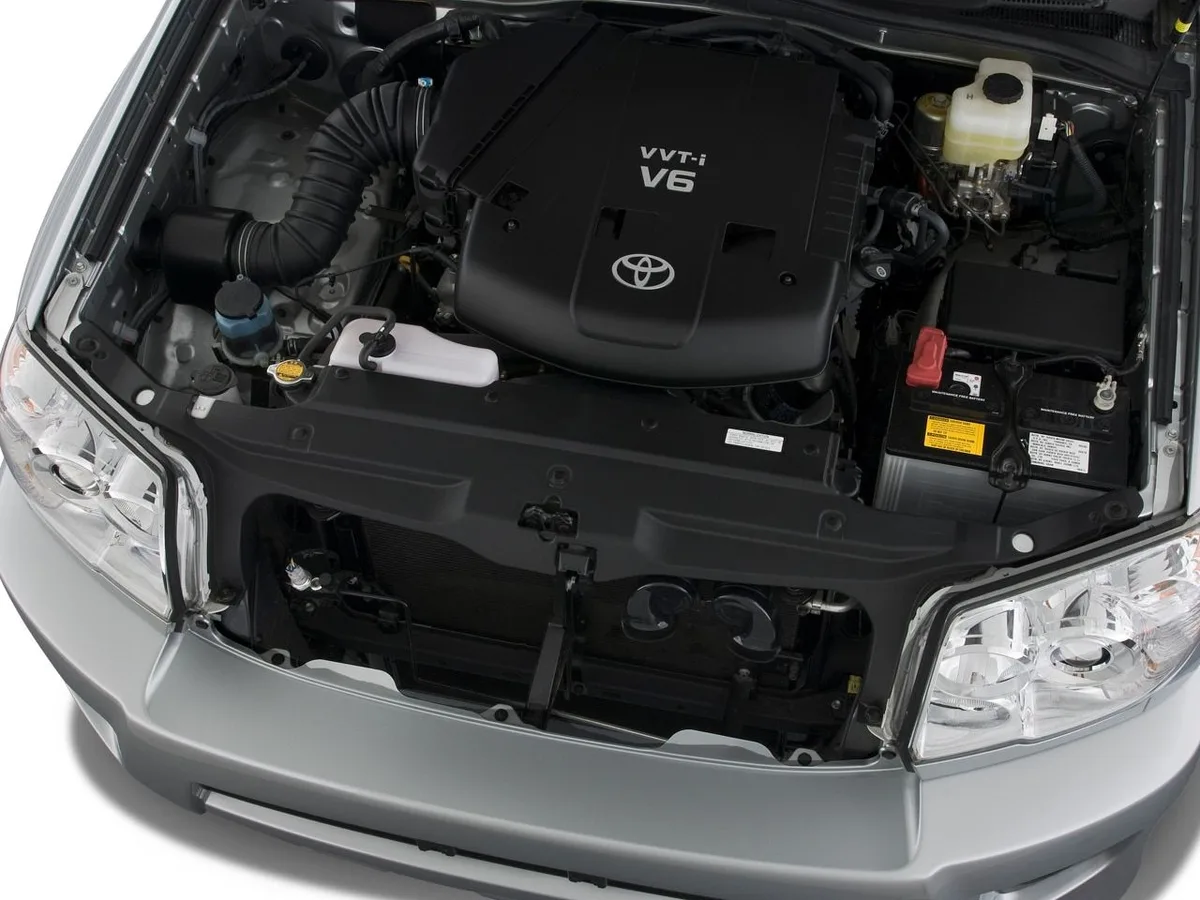
Image source: Web (Bing) / pinterest.com (Web image (fair-use with source credit))
Why Getting the Oil Capacity Wrong Can Cost You an Engine
This isn’t scare tactics. It’s mechanical reality. The 1GR-FE V6 and 2UZ-FE V8 in the 2006 4Runner were designed with a specific oil pan volume and oil pump capacity.
Pour in too much oil and the crankshaft whips it into foam, aerated oil doesn’t lubricate well and can cause hydraulic lock on seals. Too little oil and the oil pump sucks air during hard cornering or steep climbs, leading to metal-on-metal wear.
Both engines are known for longevity, 250,000 miles or more is common with proper care. But the number one DIY mistake that shortens their life is incorrect oil level. Many owners assume “six quarts” for any V6 or “about six and a half” for a V8 without checking which engine they have.
The 2006 model year is especially tricky because both engines were available, and the V8 actually needs half a quart more. A simple misread of the engine code (1GR vs 2UZ) can lead to a costly mistake.
If you’re coming from a different Toyota model, say, a 2009 Tacoma that takes a different spec, the same rules don’t apply. Every engine family has its own requirements, and cross-model assumptions often cause the worst errors.
Quick Answer: How Much Oil Does a 2006 4Runner Actually Take?
Here’s the short version. No fluff, just the numbers you need.
| Engine | Capacity (with filter change) | Oil Type | Filter Part Number (OEM) |
|---|---|---|---|
| 4.0L V6 (1GR-FE) | 6.0 US quarts (5.7 L) | 5W-30 (API SN or higher) | 04152-31090 / YZZA1 |
| 4.7L V8 (2UZ-FE) | 6.5 US quarts (6.2 L) | 5W-30 (API SN or higher) | 04152-0W030 / YZZA2 |
That’s it. Six quarts for the V6. Six and a half for the V8.
Always check the dipstick after filling and topping off as needed, but those numbers get you in the ballpark every time.
V6 vs V8: Two Engines, Two Different Numbers
The 2006 4Runner came with a choice of two very different engines. If you own a V6 model, your oil capacity is 6.0 quarts. If you have the V8, you need 6.5 quarts.
That half-quart difference matters, and it’s easy to get wrong if you just grab a standard five-quart jug plus one.
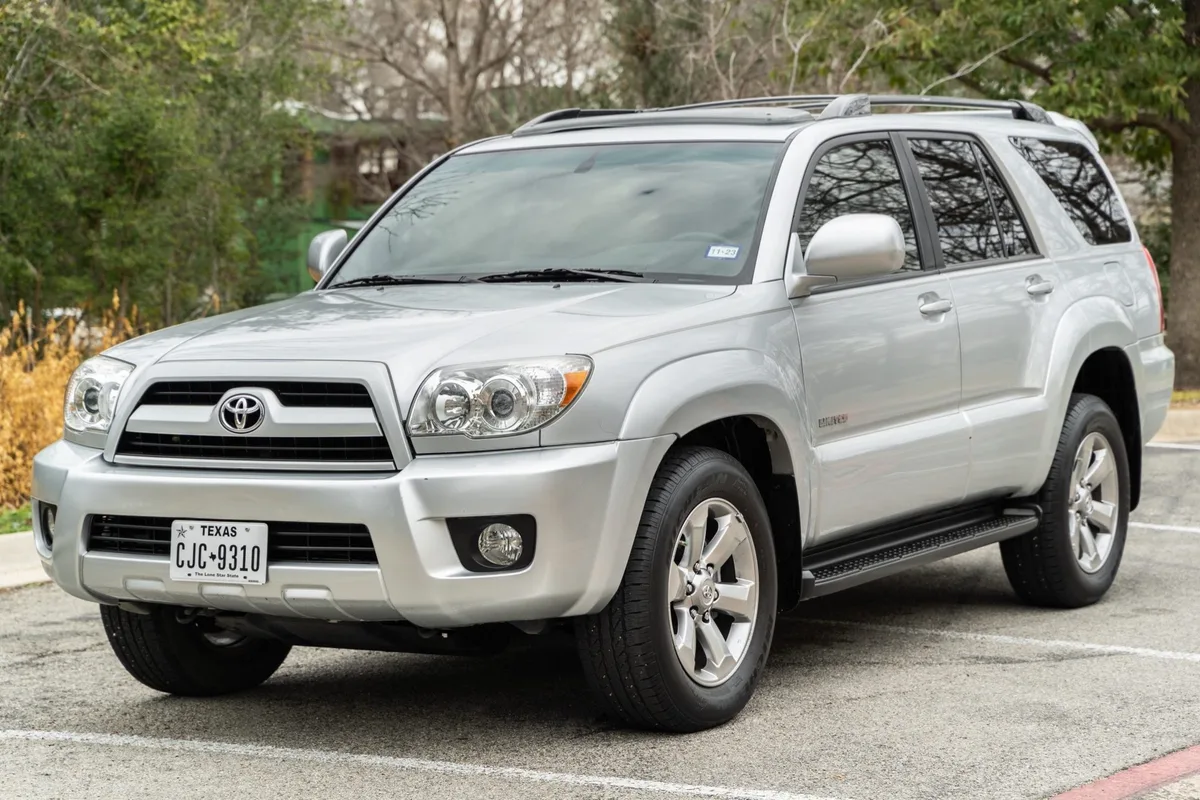
Image source: Web (Bing) / storage.googleapis.com (Web image (fair-use with source credit))
4.0L V6 (1GR-FE) – 6.0 Quarts With Filter
This is a 4.0-liter V6 that’s been a workhorse in Toyota trucks for years. It uses a spin-on oil filter that holds about half a quart. The dry engine capacity (without filter) is slightly less, around 5.5 quarts, but always measure with a filter change.
The OEM filter part number is 04152-31090 (or the newer YZZA1). Many aftermarket filters fit as well, but stick with a brand that meets Toyota’s bypass valve specs.
4.7L V8 (2UZ-FE) – 6.5 Quarts With Filter
The V8 uses a different oil filter (04152-0W030 or YZZA2) and has a larger oil pan to handle the extra half quart. The 2UZ-FE is famously reliable, it’s the same engine found in the Tundra and Sequoia of that era, but it’s also more sensitive to oil level because of its deeper sump. If you’ve serviced a 2018 Toyota 4Runner with the V8, the capacity is the same; Toyota didn’t change it across generations.
Oil Grade and Filter Specs You Can’t Skip
Getting the capacity right is only half the battle. You also need the correct oil viscosity and filter.
Oil viscosity: Both engines call for 5W-30 in almost all climates. Toyota recommends an API certification level of SN or higher (as of 2026, SP is also fine). Using 10W-30 in cold weather can cause sluggish startup lubrication.
Using 0W-30 is acceptable in very cold regions, but 5W-30 is the all-season standard.
Oil filter: As mentioned, the V6 and V8 use different filters. Don’t mix them up, the thread size and bypass valve pressure differ. You can confirm your filter part number by checking the old filter before you buy a new one.
What about synthetic? You can use conventional, synthetic blend, or full synthetic, the capacity is the same. Full synthetic offers better high-temperature stability and longer drain intervals, but it’s not required. If you switch to synthetic, you still use the same 6.0 or 6.5 quarts.
For a deeper dive into what oil works best for Toyota’s V6 trucks, check our guide on the 2019 Tacoma oil type, the same principles apply.
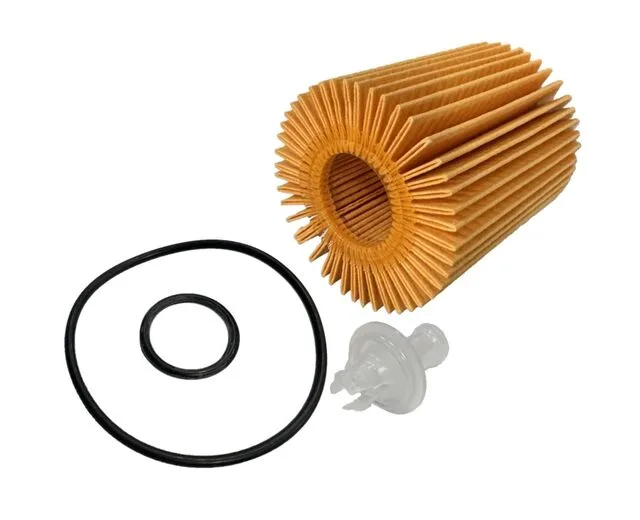
Image source: Web (Bing) / storage.googleapis.com (Web image (fair-use with source credit))
Step-by-Step: How to Add the Right Amount Without Overfilling
Here’s the process we recommend based on aggregate DIYer experience and Toyota service manual procedures.
Warm up the engine. Run it for 2, 3 minutes to warm the oil. Hot oil drains faster and carries more suspended contaminants. Don’t let it get scalding hot, just warm enough to flow easily.
Park on level ground and raise the vehicle. Use ramps or jack stands. Never rely on a floor jack alone.
Drain the old oil. Remove the drain plug (14mm bolt) and let the oil flow into a drain pan. Wait until it slows to a drip. Replace the crush washer on the drain plug before reinstalling.
Remove and replace the filter. Use a filter wrench to unscrew the old filter. Some oil will spill, have a rag ready. Lubricate the gasket of the new filter with fresh oil, then hand-tighten it about 3/4 turn after the gasket makes contact.
Refill with the correct amount. For V6: pour in exactly 6.0 quarts. For V8: pour in exactly 6.5 quarts. Use a funnel to avoid spills on the exhaust manifold.
Check the dipstick. Start the engine and let it idle for 30 seconds. Turn it off, wait a minute, then pull the dipstick. The oil level should be between the low and full marks. Add a little more if needed, but never exceed the full mark.
Test for leaks. Run the engine again and inspect the drain plug and filter for drips.
This exact process works for any 4th-gen 4Runner, including later models like the 2018 Toyota 4Runner. The capacity specs are identical for the same engine family.
Common Mistakes DIYers Make (and How to Avoid Them)
Even experienced DIYers slip up on the 2006 4Runner. Here are the most frequent errors we see in owner forums and service records.
Mistake #1: Trusting the dipstick before filling. The dipstick reads high after a drain because oil clings to the tube. Aggregate reviews show many owners overfill by half a quart this way. Always drain, fill with the measured amount, run the engine, then check.
That’s the only reliable method.
Mistake #2: Reusing the old crush washer. The aluminum washer on the drain plug crushes once. Reusing it causes slow drips that look like a rear main seal leak. Replace it every time.
They cost about a dollar.
Mistake #3: Wrong filter for the V6. The V6 and V8 use different filters. A V8 filter forced onto a V6 engine can leak or restrict flow. Always match the part number to your engine code.
If you’re unsure, pull the old filter and compare.
Mistake #4: Forgetting the filter capacity. The oil capacity numbers we gave include the filter. If you swap filters but don’t account for the 0.5 quart it holds, you’ll be underfilled. The same principle applies to other Toyota models; for example, our guide on the 2009 Tacoma oil type covers the same filter-break-in step.
Mistake #5: Draining the transmission by accident. It sounds absurd, but it happens. The transmission pan and oil pan look similar on some lifts. Double-check you’re under the engine oil pan before pulling the plug.
What Happens If You Use the Wrong Amount or Viscosity
Let’s get specific about the damage.
Overfilling by more than half a quart causes the crankshaft to churn the oil into foam. Foam doesn’t lubricate. It also raises internal pressure, which can blow out seals and gaskets.
You’ll notice a milky residue on the dipstick and oil leaks around the valve cover.
Underfilling by a quart starves the oil pickup during acceleration or off-road angles. The 4Runner’s oil pan is designed for a specific sump volume. Low oil triggers the low-pressure warning light, but by then bearing damage may already occur.
Engine knock follows within miles if not corrected.
Using the wrong viscosity, like 10W-30 in winter, thickens the oil at startup. It doesn’t flow quickly enough to coat the cam journals and timing chain. Over time, that causes premature wear.
The 5W-30 spec is recommended by Toyota for a reason. The API (American Petroleum Institute) certifies oils that meet their SN or SP standard, and those are the only ones we recommend.
Switching from conventional to synthetic is fine. But don’t mix viscosities. Don’t use high-mileage oil unless you’re already burning oil; it contains seal conditioners that can swell old gaskets and cause leaks.
When to Call a Mechanic (and When It’s Safe to DIY)
An oil change is one of the easiest DIY jobs on the 2006 4Runner. If you can turn a wrench and follow steps, you can do it. But there are exceptions.
Call a mechanic if:
- You can’t identify your engine code (V6 or V8). It’s stamped on a flat pad near the front of the engine block.
- The drain plug is stripped or rounded off. A previous owner may have overtightened it.
- You see metal flakes in the drained oil. That signals internal wear and needs professional diagnosis.
- The oil filter is seized and won’t budge with a standard wrench. A mechanic has strap wrenches and penetrant spray.
DIY safely if:
- You have the correct oil, filter, and a crush washer.
- You have jack stands or ramps (never a jack alone).
- You can lift 40 pounds of oil jugs and equipment.
If you’re still unsure about the process after reading this, consider letting a shop do it once while you watch. Then you’ll know the routine. For comparison, the 2018 Toyota 4Runner uses the same basic steps and capacities, so you can reference its guide for reassurance.
The One Number You Should Memorize: Dipstick Check
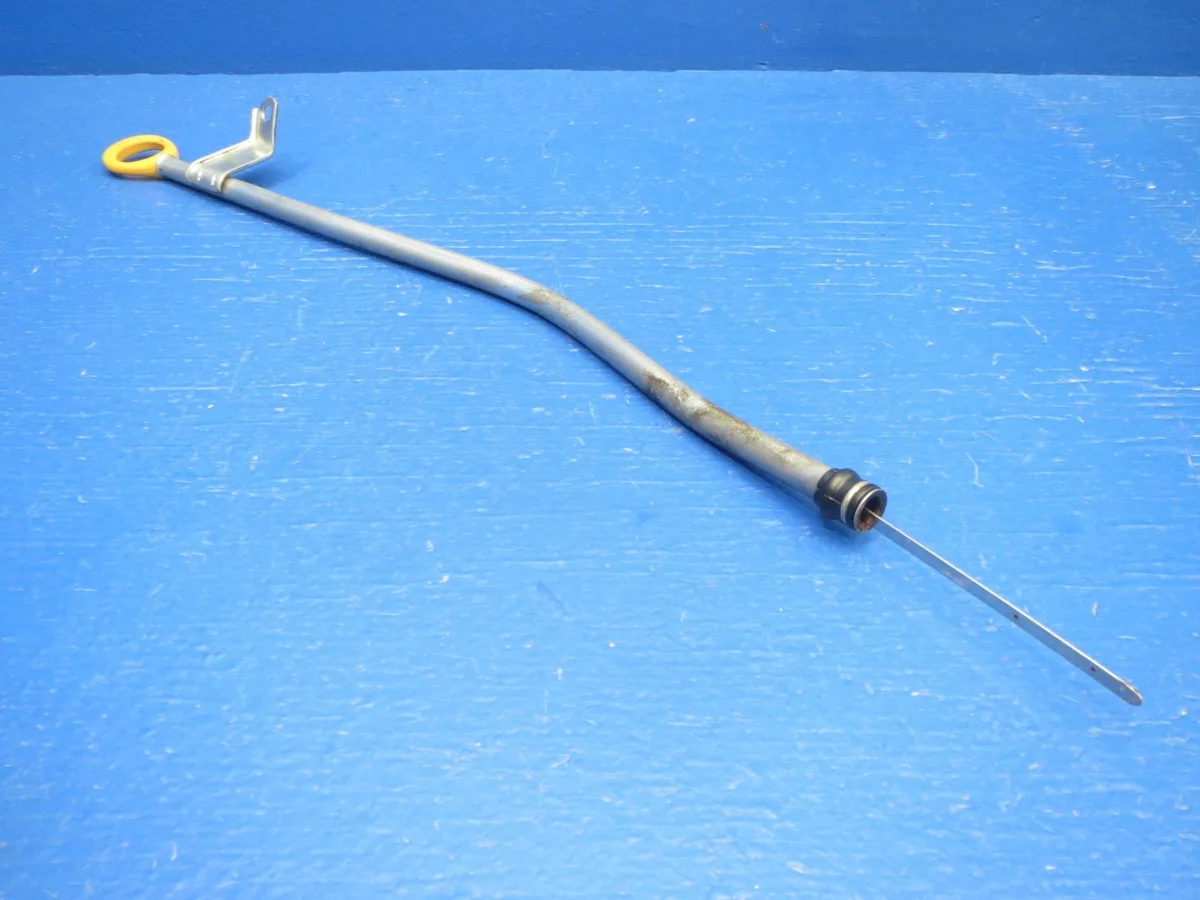
Image source: Web (Bing) / ebay.com (Web image (fair-use with source credit))
After all the measuring and pouring, the dipstick is your final verdict. And there’s one number you should remember: the hot idle level.
Here’s the correct procedure: warm the engine to operating temperature, shut it off, wait one full minute, then pull the dipstick. The oil should be exactly halfway between the Low and Full marks. Not at the top, not at the bottom.
Halfway gives you a safety margin for expansion and hills.
If you fill to the full mark when cold, the oil will rise above it when hot and cause overfill issues. If you fill to the low mark, you’re running on minimal lubrication. Halfway is the sweet spot.
Check the dipstick every 500 miles or before long trips. The 4Runner’s V8 is known to consume a small amount of oil as it ages, about a quart every 2,000 miles is normal for high-mileage versions. If you see more than that, investigate for leaks or valve seal wear.
Final Verdict: Your Safe Oil Change Cheat Sheet
Here’s the takeaway. The 2006 Toyota 4Runner oil capacity is 6.0 quarts for the V6 and 6.5 quarts for the V8, both with a filter change. Use 5W-30 oil with an API SN or SP certification.
Replace the crush washer and use the correct filter for your engine.
The job takes about 30 minutes and costs roughly $35 to $50 in materials. Doing it yourself saves you $70 to $100 over a shop visit. And you control the quality.
If you drive a 4Runner that’s nearing 200,000 miles, keep a quart of oil in the cargo area. Check the dipstick monthly. And when in doubt, follow the manual, which shows the exact capacities in the photo above.
For more Toyota maintenance guides, see our breakdowns on the 2018 Toyota 4Runner oil type and the 2005 Corolla oil capacity for smaller-displacement Toyota engines. They follow the same logic but with different numbers.