
Image source: Web (Bing) / alibaba.com (Web image (fair-use with source credit))
If you own a 2008 Toyota Prius, you already know it is a fuel-sipping machine that asks for very little in return. But the one thing it absolutely needs to keep running smoothly is the correct engine oil. A lot of owners accidentally use the wrong viscosity, and that mistake can quietly shorten the life of that reliable hybrid engine.
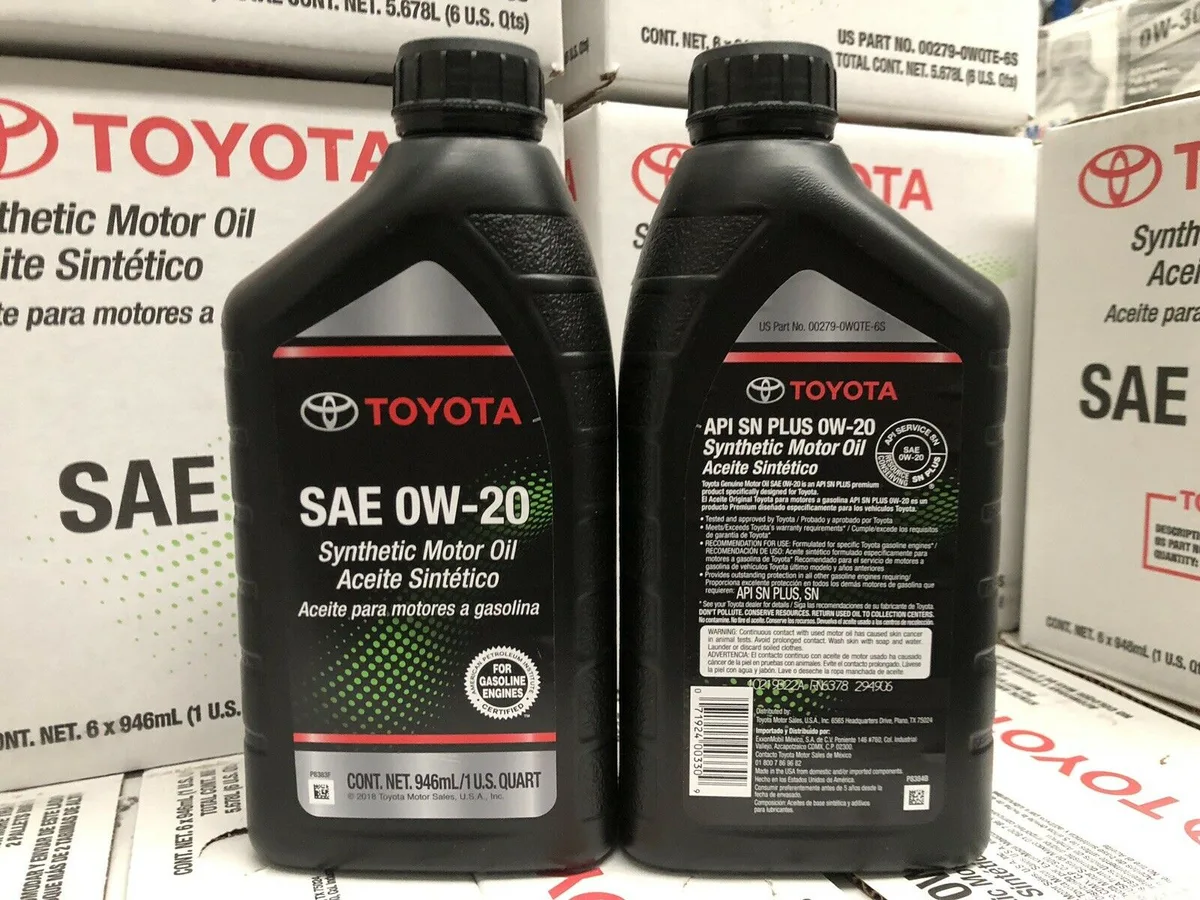
The right oil for the 2008 Toyota Prius is SAE 0W-20 full synthetic motor oil with an API "SN" or higher rating and ILSAC GF-5 certification. This specific oil is designed for the 1.5-liter 1NZ-FXE Atkinson-cycle engine. Using anything thicker can cost you fuel economy and cause long-term wear.
As of 2026, this recommendation still holds strong across every Toyota service bulletin and owner's manual for this generation. Let us break down why it matters and how to get it right.
Quick Answer
The 2008 Toyota Prius takes SAE 0W-20 full synthetic oil. It needs 4.4 quarts with a filter change. The oil must meet API "SN" or higher and ILSAC GF-5 or GF-6 standards.
Do not use 5W-30 or 10W-30. They are too thick for this engine. Thick oil reduces fuel economy and stresses the variable valve timing system.
Why Getting the Wrong Oil Can Cost You Big
It sounds dramatic, but the oil you pour into a 2008 Prius makes a real difference. The 1NZ-FXE engine is not the same as a standard four-cylinder from a Corolla or Civic. It runs on an Atkinson cycle, which means it spends more time with the intake valve open.
That design creates a unique operating temperature range and oil flow pattern.
Here is what happens when you use the wrong oil:
- Fuel economy drops. The Prius earned its reputation on efficiency. Thicker oil creates more drag inside the engine. Owners who switch to 5W-30 report losing 2 to 4 miles per gallon.
- Cold-start wear increases. The 0W in 0W-20 means the oil stays thin when cold. On a winter morning, that thin oil reaches bearings and valve train parts within seconds. A thicker oil like 5W-30 takes longer to flow.
- Variable valve timing suffers. The Prius uses Toyota's VVT-i system. It relies on oil pressure to adjust cam timing. The wrong viscosity can delay or slow that adjustment.
- Sludge forms faster. Hybrid engines run through heat cycles differently. The engine stops and starts frequently. Full synthetic 0W-20 resists sludge formation under those conditions. Conventional oil or wrong viscosity grades accelerate sludge buildup.
The repair bill for a sludge-clogged 1NZ-FXE engine often exceeds the car's value. A $30 oil change is cheap insurance.
What Oil Does a 2008 Prius Actually Need?
The manufacturer specification is clear: SAE 0W-20 full synthetic motor oil. This is the only viscosity Toyota recommends for the 2008 Prius in its owner's manual and service literature.
Here are the exact specs you need to look for on the bottle:
| Requirement | Specification |
|---|---|
| Viscosity | SAE 0W-20 |
| Type | Full synthetic |
| API Rating | SN or SP (SP is the current standard as of 2026) |
| ILSAC Rating | GF-5 or GF-6 |
| Capacity (with filter) | 4.4 quarts (4.2 liters) |
| Capacity (without filter) | 4.0 quarts |
You might see 5W-20 listed in some older databases as an alternative. Toyota did allow 5W-20 for short-term use if 0W-20 was unavailable. But that was back when 0W-20 was harder to find.
Today, every auto parts store carries it. There is no reason to use anything else.
Check the bottle for the API "donut" logo and the ILSAC starburst mark. Those certifications mean the oil has passed the right tests. No certification, no guarantee.
Why 0W-20? The 1NZ-FXE Engine Explained Simply
The 2008 Prius uses a 1.5-liter engine called the 1NZ-FXE. It is not a normal four-cylinder. Toyota designed it specifically for hybrid duty.
Understanding a little about how it works explains why the oil choice matters so much.
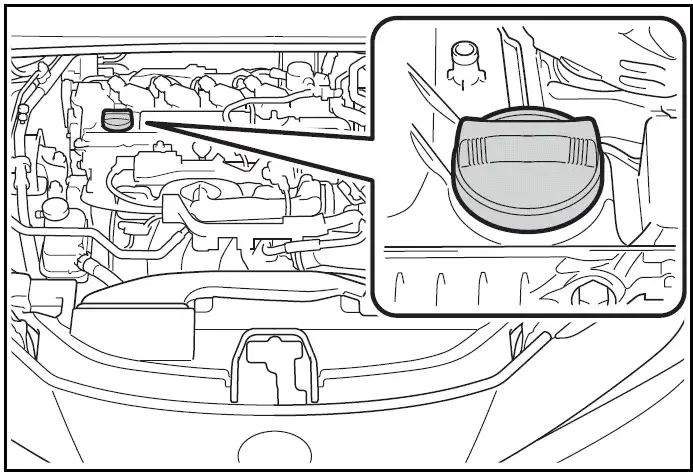
Image source: Bing (Web (fair-use with source credit))
Atkinson cycle versus Otto cycle. Most car engines run on the Otto cycle. They close the intake valve right after the piston starts compressing. The Atkinson cycle holds that intake valve open longer.
That changes the compression ratio and makes the engine more efficient. It also changes how heat builds up inside the engine.
Frequent stopping and starting. A Prius engine does not run all the time. It shuts off at stoplights and during low-speed cruising. The engine restarts when you need more power or the battery needs charging.
Each restart is a cold start for the oil, at least in terms of oil pressure. A thin oil like 0W-20 gets moving fast enough to protect the engine on those hundreds of daily restarts.
Tighter tolerances. Toyota built the 1NZ-FXE with very tight clearances between moving parts. Thinner oil flows into those gaps easily. Thicker oil has a harder time getting where it needs to go.
Over time, that means increased wear on bearings and piston rings.
Variable valve timing dependence. The VVT-i system adjusts the intake camshaft timing based on driving conditions. It uses oil pressure to move the actuator. The wrong oil viscosity can slow that response.
The engine is not running as efficiently as it should.
The short version is this: Toyota engineered this engine around 0W-20. Sticking with it keeps everything working the way it was designed to.
How to Do an Oil Change on a 2008 Prius (The Right Way)
Changing the oil on a 2008 Prius is straightforward. You can do it yourself with basic tools and about 45 minutes. The main difference from a conventional car is the cartridge-style oil filter located on top of the engine.
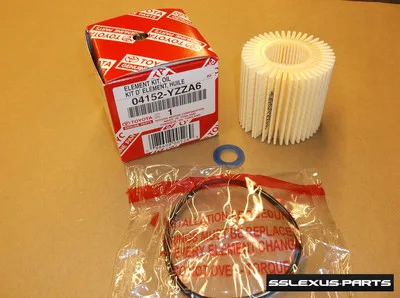
Image source: Bing (Web (fair-use with source credit))
What you will need:
- 4.4 quarts of SAE 0W-20 full synthetic oil
- Toyota oil filter (part number 04152-YZZA6 or 04152-0V010) or a high-quality aftermarket equivalent
- New drain plug gasket (Toyota part number 90430-12031 or a universal 14mm copper washer)
- 14mm socket or wrench for the drain plug
- Oil filter cap wrench (64mm, 14-flute or 15-flute depending on your filter)
- Drain pan
- Funnel
- Jack and jack stands or ramps (the Prius sits low)
Step-by-step process:
- Warm the engine. Run the car for a few minutes to warm the oil. Warm oil drains faster and carries more contaminants.
- Lift the front of the car. Use ramps or a jack with stands. Never crawl under a car supported only by a jack. The Prius has a plastic under-engine cover you will need to remove.
- Remove the under-engine cover. It is held on by plastic push clips and a few 10mm bolts. A flathead screwdriver works for the clips. Set the cover aside.
- Drain the old oil. Place your drain pan under the drain plug. The plug is on the passenger side of the oil pan. Use the 14mm socket to loosen it. Let the oil drain completely, about 10 minutes.
- Replace the drain plug gasket. The old gasket is crushed and should not be reused. Slide on the new gasket and tighten the plug to 29 ft-lbs. Do not overtighten. The oil pan threads are aluminum and strip easily.
- Change the oil filter. The filter is on top of the engine. It is a plastic cartridge housing with a metal or plastic cap. Use the 64mm filter wrench to loosen the cap. Remove the cap and pull out the old filter element. Discard the old O-rings. Install the new filter element and lubricate the new O-rings with fresh oil. Tighten the cap to 18 ft-lbs.
- Add new oil. Lower the car. Remove the yellow oil fill cap on the valve cover. Insert a funnel and add 4.2 quarts to start. Replace the cap.
- Check the level. Start the engine and let it run for 30 seconds. Turn it off and wait 2 minutes for the oil to settle. Pull the dipstick, wipe it, reinsert it, and check the level. Add oil as needed to reach the full mark. The total capacity is 4.4 quarts.
- Reset the maintenance light. With the car off, press the trip reset button. Turn the key to the "on" position without starting the engine. Hold the button until the maintenance light stops flashing. Release the button.
- Reinstall the under-engine cover. Snap the clips back in and tighten the bolts.
A note on the oil filter. The top-mounted cartridge filter is one of the best design features on this car. You do not need to crawl underneath to change it. Just make sure you buy the right filter.
Some aftermarket filters have a different bypass valve specification. Toyota genuine filters are inexpensive and reliable. Stick with those if you are unsure.
Common Oil Mistakes That Kill Prius Engines
Even experienced DIYers make mistakes on the 2008 Prius. A few of these errors can cause real damage. Here are the most common ones and how to avoid them.
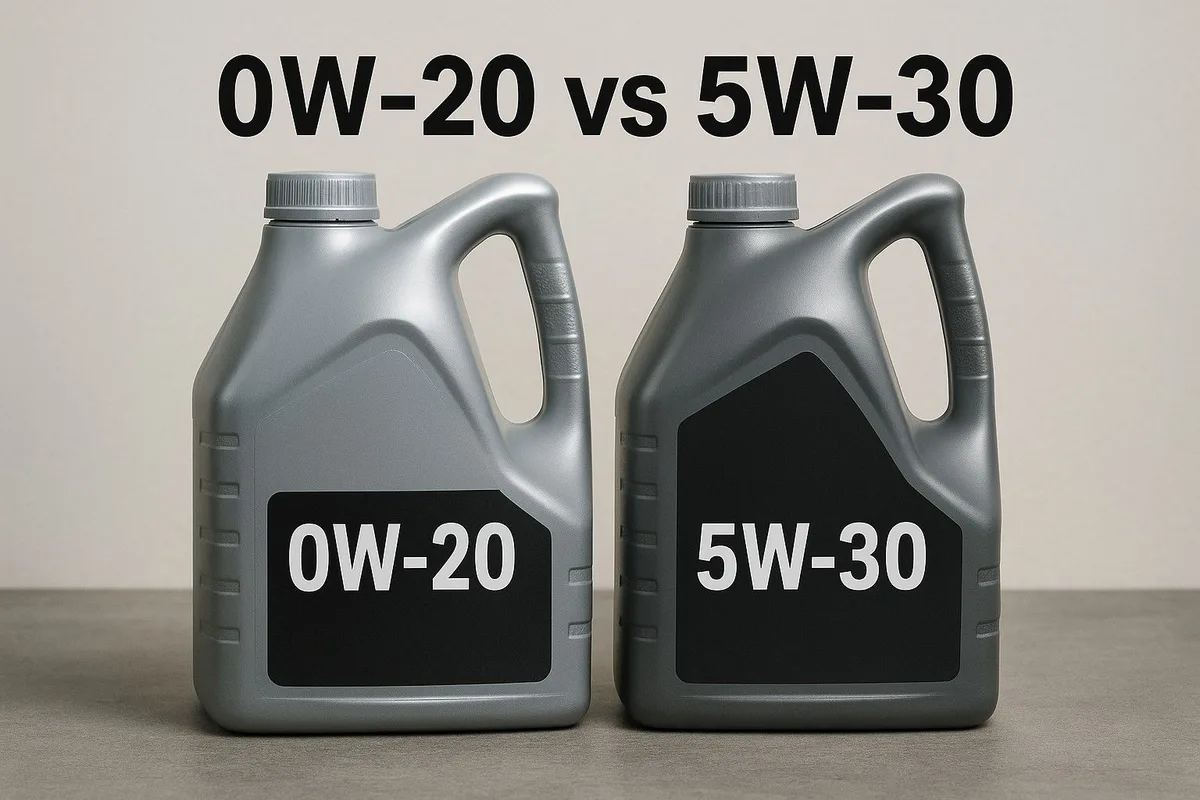
Image source: Bing (Web (fair-use with source credit))
Using 5W-30 or 10W-30. This is the number one mistake. Someone reads "Toyota" and grabs the 5W-30 they used in their old Camry. It does not work the same way in a Prius.
The thicker oil increases internal drag, reduces fuel economy, and strains the VVT system. Do not do it. If a mechanic tries to put 5W-30 in your Prius, stop them.
Mixing oil viscosities. Topping off with 5W-30 because it is what you have in the garage changes the overall viscosity of the oil in the engine. The blend will not behave like pure 0W-20. It will be thicker.
Keep a quart of 0W-20 in the trunk for top-offs between changes.
Overfilling. The 2008 Prius only holds 4.4 quarts. Adding an extra half quart might seem harmless. It is not.
Excess oil can foam inside the crankcase. Foam does not lubricate well. In extreme cases, it can force oil past seals and into the intake system.
Measure carefully. Check the dipstick after filling.
Using conventional oil instead of synthetic. Some owners try to save $10 by buying conventional 0W-20. That is a mistake. Conventional oil breaks down faster under the heat cycling of a hybrid engine.
It also forms sludge more easily. The 1NZ-FXE engine has narrow oil passages that sludge can clog. Full synthetic is required, not optional.
Ignoring the oil change interval. Toyota says every 10,000 miles for normal service. That is based on ideal driving conditions. Most Prius driving counts as severe service.
Short trips, stop-and-go traffic, and frequent cold starts all fall under severe. Change the oil every 5,000 miles. It is cheap peace of mind for an engine that can easily last 250,000 miles with proper care.
Reusing the old drain plug gasket. The copper or aluminum gasket crushes when you tighten it. It seals because it deforms. Reusing it means you are relying on a deformed piece of metal to seal again.
It will leak eventually. Gaskets cost pennies. Replace it every time.
Forgetting to reset the maintenance light. The light staying on does not hurt the car. But it is easy to lose track of your mileage since the last change. Get in the habit of resetting it every time.
It takes two seconds and keeps your maintenance schedule straight.
Oil Specs, Capacity, and Costs at a Glance
Let us put all the numbers in one place so you can reference them quickly.
| Specification | Value |
|---|---|
| Recommended viscosity | SAE 0W-20 |
| Oil type | Full synthetic only |
| API certification | SN or SP |
| ILSAC certification | GF-5 or GF-6 |
| Total capacity with filter | 4.4 quarts (4.2 liters) |
| Total capacity without filter | 4.0 quarts (3.8 liters) |
| Drain plug torque | 29 ft-lbs |
| Oil filter cap torque | 18 ft-lbs |
| Recommended interval (normal) | 10,000 miles |
| Recommended interval (severe) | 5,000 miles |
| Drain plug size | 14mm |
| Oil filter wrench size | 64mm (14 or 15 flute) |
What about cost? A 5-quart jug of quality 0W-20 full synthetic runs $22 to $35 at most auto parts stores. A Toyota genuine oil filter costs around $8 to $12. The drain plug gasket is under $2.
Total for a DIY change is roughly $30 to $45.
Compare that to a shop. Most quick-lube places charge $60 to $90 for a synthetic oil change on a Prius. Doing it yourself saves money and ensures the right oil goes in.
Just be careful with shops that default to 5W-30. It happens more often than you would think.
What If You Can't Find 0W-20? Alternatives and When They're Safe
This question comes up a lot. You are on a road trip. The nearest auto parts store is 50 miles away.
They only have 5W-20 on the shelf. What do you do?
The short answer: 5W-20 is acceptable in a pinch. Toyota officially allowed 5W-20 as an alternative in older owner's manuals when 0W-20 was not available. The caveat is that you should switch back to 0W-20 at your next oil change. Do not run 5W-20 for multiple intervals.
What about 5W-30? No. Do not use it. The viscosity difference is too large.
It will affect fuel economy and put extra stress on the VVT system. If 5W-30 is the only option, buy a quart of it to get you to the nearest shop that carries 0W-20. Do not fill the whole crankcase with it.
What about high-mileage oil? Once your Prius passes 150,000 miles, you might consider a high-mileage formulation of 0W-20. These oils have additives that condition old seals and reduce leaks. Just make sure it is still full synthetic and carries the API SN or SP rating.
Do not switch to a thicker viscosity thinking it protects better. It does not.
What about synthetic blends? Some brands sell a blend of conventional and synthetic oil. Avoid these in the Prius. The blend does not hold up to the heat cycling as well as full synthetic.
The price difference is usually only a few dollars. Spend the extra money.
The rule of thumb: Stick with 0W-20 full synthetic. Use 5W-20 only in an emergency. Never use 5W-30 or 10W-30.
Your engine will thank you at 200,000 miles.
Warranty, Emissions, and Legal Considerations
Most 2008 Prius models are well past their factory warranty period. But there are still a few things to consider before pouring just any oil in.
Extended warranties and used car warranties. If you bought a used Prius with an extended warranty, read the fine print. Some warranties require proof of proper maintenance. That includes using the manufacturer-recommended oil viscosity and type.
Save your receipts and note the oil specs on each one. A denied claim over a $30 oil change would sting.
Emissions system protection. The 1NZ-FXE engine routes blow-by gases through the PCV system and back into the intake. The wrong oil can create deposits on the intake valves and oxygen sensors. Over time, that can trigger a check engine light.
The fix is not cheap. Stick with the correct oil to keep the emissions system clean.
Oil disposal laws. Used motor oil is classified as hazardous waste in most jurisdictions. Dumping it down a drain or on the ground is illegal. It can carry fines and environmental penalties.
Most auto parts stores accept used oil for free. Some municipalities have collection centers. Drain your oil into a clean container and drop it off.
It takes five minutes and keeps groundwater clean.
The Toyota specification. Toyota has its own oil testing standards beyond API and ILSAC. Their genuine motor oil meets those standards. Most major brands like Mobil 1, Pennzoil Platinum, and Castrol Edge also meet them.
Look for the phrase "meets or exceeds Toyota specifications" on the bottle. If you see that, you are good.
Frequently Asked Questions
Can I use 5W-30 in my 2008 Prius?
No. Toyota recommends 0W-20 full synthetic for the 1NZ-FXE engine. Using 5W-30 reduces fuel economy by 2 to 4 miles per gallon and increases wear on the variable valve timing system.
It is not worth the risk.
How often should I change the oil in my 2008 Prius?
Toyota recommends every 10,000 miles for normal driving. But most Prius driving counts as severe service. Short trips, stop-and-go traffic, and extreme temperatures all fall under severe.
Change it every 5,000 miles for best engine life.
How much oil does a 2008 Prius take?
The engine holds 4.4 quarts of oil with a filter change. That includes the oil that stays in the filter housing. Without a filter change, it takes about 4.0 quarts.
Always check the dipstick after filling to confirm the correct level.
What happens if I put the wrong oil in my Prius?
Thicker oil like 5W-30 reduces fuel economy and increases engine wear. It can also cause the VVT system to respond slowly, leading to rough idle or sluggish acceleration. Over time, the wrong oil promotes sludge buildup in the narrow passages of the 1NZ-FXE engine.
Do I need to use Toyota brand oil?
No. You can use any brand of 0W-20 full synthetic that meets API SN or SP and ILSAC GF-5 or GF-6 standards. Toyota genuine oil is excellent, but Mobil 1, Pennzoil Platinum, Castrol Edge, and Valvoline all make compatible products.
Just check the label for the certifications.
Is full synthetic really necessary for a 2008 Prius?
Yes. The 1NZ-FXE engine runs through frequent heat cycles as the hybrid system starts and stops the engine. Full synthetic oil resists breakdown and sludge formation under those conditions far better than conventional oil.
The extra few dollars per change are worth it for engine longevity.
Your Quick Decision Guide: Picking the Right Oil for Your 2008 Prius
Here is a simple decision guide for any situation you might find yourself in.
- At the store buying oil for a routine change? Buy 4.4 quarts of SAE 0W-20 full synthetic. Check for API SN or SP and ILSAC GF-5 or GF-6 on the label.
- On a road trip and the store only has 5W-20? It is acceptable for one interval. Use it, then switch back to 0W-20 at your next change.
- The store only has 5W-30? Buy one quart to top off if you are low. Do not fill the engine with it. Find a store with 0W-20 as soon as possible.
- Your Prius has over 150,000 miles? Stick with 0W-20 full synthetic. Consider a high-mileage formulation of the same viscosity. Do not switch to a thicker oil.
- A shop recommends 5W-30 for your Prius? Politely decline. Tell them the manufacturer specifies 0W-20 full synthetic. If they argue, take your car elsewhere.
- You are unsure what the previous owner used? Do an oil change immediately. Drain whatever is in there and fill with 0W-20 full synthetic. Reset the maintenance light and start fresh.
The 2008 Prius is a well-engineered car that rewards good maintenance. Use the right oil, change it on schedule, and that 1NZ-FXE engine will easily carry you past 200,000 miles. Skimp on the oil, and you are gambling with a costly repair.
The choice is simple. Choose 0W-20 every time.