
If you own a 2011 Toyota Camry with the 2.5-liter four-cylinder, you already know it’s a reliable car. But even the best engines need the right oil in the right amount. Getting the 2011 toyota camry 2.5 oil capacity wrong can lead to big problems fast.
Too little oil and your engine starves. Too much and you risk foaming, seal damage, and rough idling.
Manufacturer specifications confirm the number is precise. With a filter change, this engine takes exactly 4.6 quarts (4.4 liters) of 0W-20 full synthetic oil. Without a filter swap, it takes 4.4 quarts (4.2 liters).
As of 2026, these numbers remain the standard for the 2AR-FE engine found in the XV40 generation Camry. Let’s walk through what that means for you and how to get it right every time.
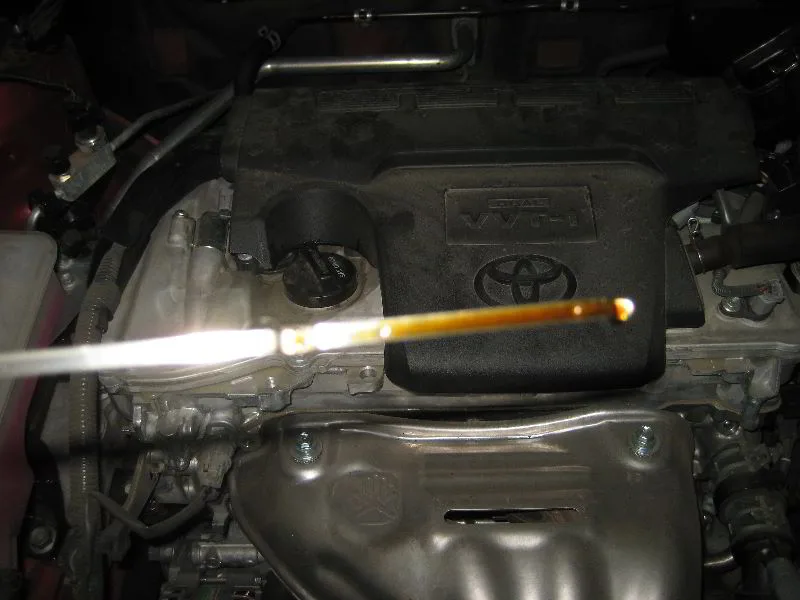
Image source: Web (Bing) / paulstravelpictures.com (Web image (fair-use with source credit))
Quick Answer
The 2011 Toyota Camry 2.5L takes 4.6 quarts of 0W-20 full synthetic oil with a filter change. Without a filter change, it takes 4.4 quarts. Use API SN or ILSAC GF-5 rated oil.
The engine is the 2AR-FE four-cylinder. Never use 5W-30 unless it’s an emergency. Check the dipstick after filling.
Add oil in small amounts if needed.
Why Getting the Oil Capacity Right Actually Matters for This Engine
The 2AR-FE is a tough engine. It can easily run past 200,000 miles with proper care. But it has one weak spot: the variable valve timing (VVT) system relies on steady oil pressure.
The wrong oil level messes with that pressure.
Here’s what happens when you get it wrong:
- Underfilling causes oil starvation. The cam journals and timing chain guides wear faster. You might hear a rattle on startup.
- Overfilling is worse than most people think. The crankshaft whips the extra oil into foam. Foam doesn't lubricate. It also puts pressure on seals and can cause leaks.
The 2AR-FE also has a lightweight aluminum oil pan. It’s easy to strip the drain plug threads if you overtighten. That turns a simple oil change into a costly repair.
So the number matters. 4.6 quarts with a filter. 4.4 quarts without. No guessing.
The 2AR-FE Engine: What Makes It Different From Other Camry Engines
The 2011 Camry came with two engine options. The 2.5-liter four-cylinder is the 2AR-FE. The 3.5-liter V6 is the 2GR-FE.
They are not the same engine, and they do not take the same amount of oil.
| Engine | Displacement | Oil Capacity (with filter) | Recommended Oil |
|---|---|---|---|
| 2AR-FE | 2.5L I4 | 4.6 quarts (4.4 liters) | 0W-20 full synthetic |
| 2GR-FE | 3.5L V6 | 6.1 quarts (5.8 liters) | 0W-20 full synthetic |
The 2AR-FE uses a timing chain, not a belt. That’s good for longevity. But it also means oil quality matters more.
Chains wear slowly when oil is clean and at the correct level. Dirty or low oil accelerates chain stretch and guide wear.
This engine also has a direct-acting valvetrain with roller rockers. It’s a solid design, but it needs consistent lubrication. The oil passages are small.
Thick oil or low oil can starve the top end.
Oil Type Matters Just as Much as Quantity — Why 0W-20 Isn't Optional
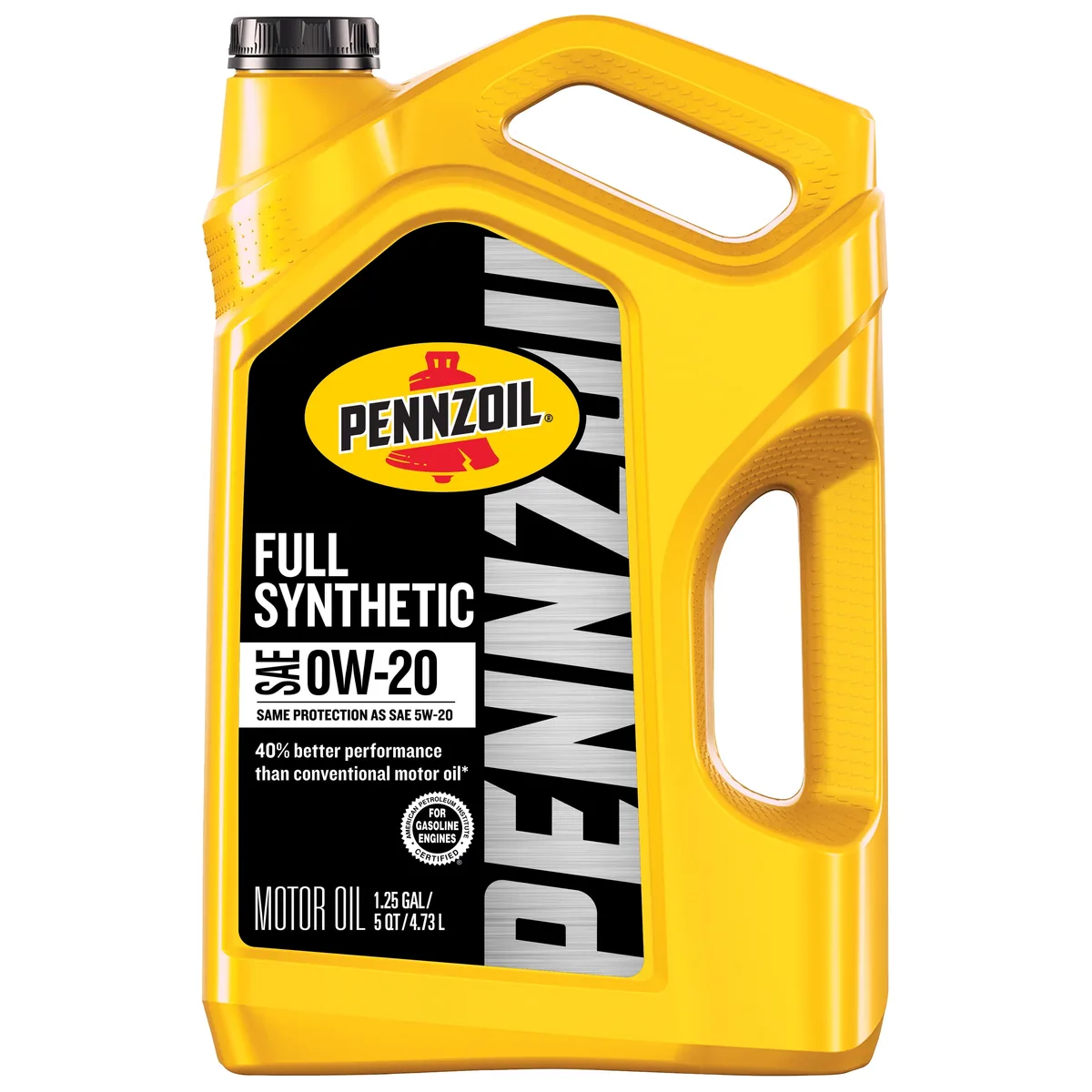
Image source: Web (Bing) / u-buy.com.au (Web image (fair-use with source credit))
Some owners think they can save money by using 5W-30 or a conventional oil. That’s a mistake. The 2AR-FE was designed around 0W-20 full synthetic.
Toyota specifies it for a reason.
0W-20 flows faster at cold temperatures. That means it reaches the cam journals and timing chain immediately during startup. Cold starts cause most engine wear.
The right oil reduces that wear significantly.
Here’s what the specs require:
- Viscosity: SAE 0W-20
- Performance rating: API SN or higher, or ILSAC GF-5
- Base oil: Full synthetic
Using 5W-30 in cold weather makes the oil pump work harder. It may not push enough oil into the small passages in the VVT system. Some owners report VVT rattle on startup after switching to thicker oil.
If you absolutely cannot find 0W-20 in an emergency, 5W-30 is acceptable for one oil change. But go back to 0W-20 as soon as possible.
For more details on what other Toyota models need, check our complete guide on the best oil for Toyota RAV4.
The Real Numbers: Capacity With Filter vs. Without Filter
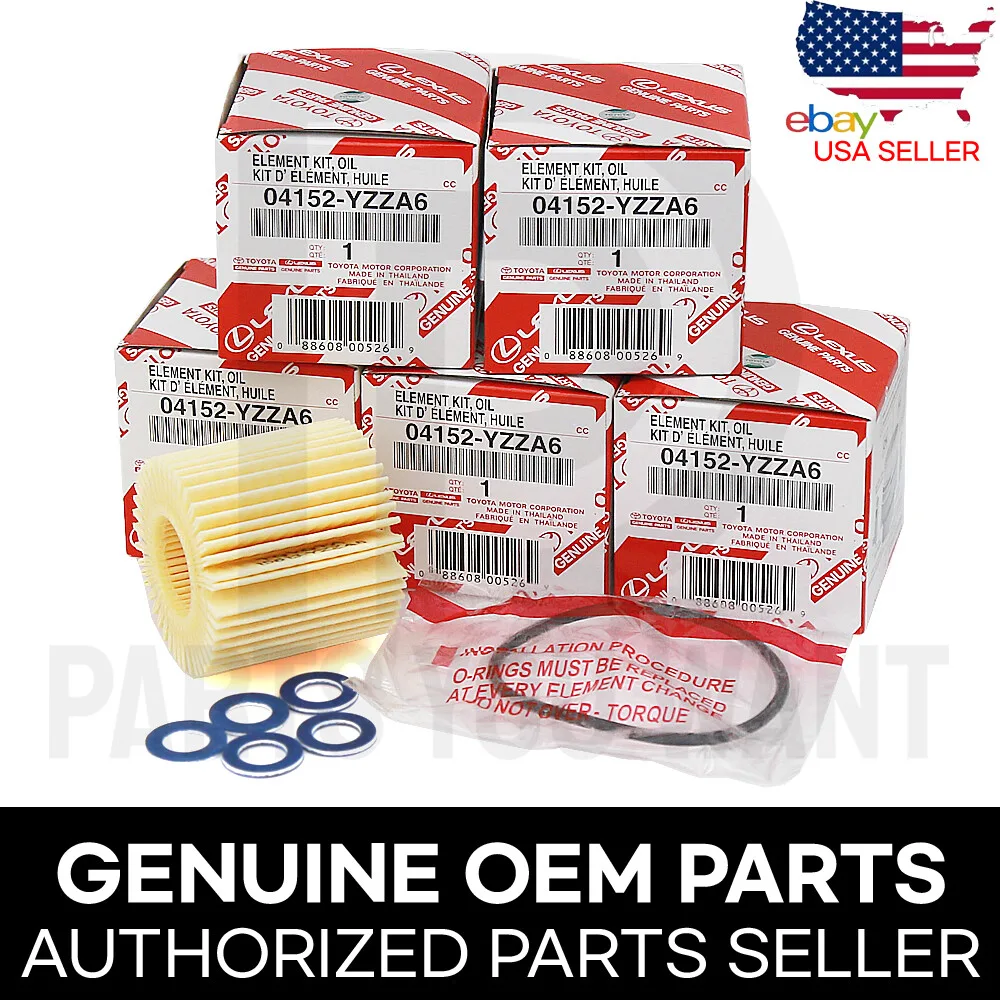
Image source: Web (Bing) / ebay.com (Web image (fair-use with source credit))
This is where a lot of DIY guides get sloppy. They give one number and call it done. But there is a real difference between a filter-included and a filter-excluded fill.
Here’s the breakdown:
| Scenario | Capacity |
|---|---|
| With oil filter change | 4.6 US quarts (4.4 liters) |
| Without oil filter change | 4.4 US quarts (4.2 liters) |
| Dry engine rebuild fill | 5.1 quarts (rarely needed) |
The filter on the 2AR-FE holds about 0.2 quarts. That small amount matters. If you drain the oil and replace the filter, you need that extra bit to fill the empty filter housing.
Always replace the oil filter when you change the oil. It costs around $6 to $10 for an OEM Toyota filter. Skipping it to save a few dollars is a bad trade.
A clogged filter bypasses and sends unfiltered oil through your engine.
The filter part number for this engine is 04152-YZZA1 or 04152-YZZA6. The drain plug crush washer is 90430-12031. Replace both every time.
If you are servicing other Toyota models, our guide on the Toyota RAV4 oil type covers the differences between generations.
Step-by-Step: How to Measure and Fill the Right Way
Getting the oil right isn’t just about pouring the correct number of quarts. The process matters too. Here’s the method that keeps the 2AR-FE happy.
What you need:
- 5 quarts of 0W-20 full synthetic oil
- Toyota oil filter (04152-YZZA1 or YZZA6)
- Drain plug crush washer
- 14mm socket or wrench for the drain plug
- Oil filter wrench (cap style works best)
- Catch pan
- Funnel
The process:
- Warm up the engine. Run it for 30 seconds to a minute. Warm oil drains faster and carries more contaminants. Don’t drive the car. Just let it idle briefly.
- Drain the oil. Place the catch pan under the drain plug. Remove the plug with a 14mm socket. Let it drain completely. This takes 5 to 10 minutes.
- Remove the oil filter. It’s on the front of the engine, facing down. Use a filter wrench if it’s tight. Let the oil drip into the pan.
- Install the new filter. Lubricate the new filter’s O-ring with fresh oil. Tighten it hand-tight plus a quarter turn. Do not overtighten.
- Replace the drain plug. Install a new crush washer. Tighten to 29 ft-lbs (39 Nm). If you don’t have a torque wrench, snug it gently. Aluminum pans strip easily.
- Add oil. Pour in 4.6 quarts if you changed the filter. Use a funnel to avoid spills. Replace the oil filler cap.
- Check for leaks. Run the engine for 30 seconds. Look under the car. If you see oil at the drain plug or filter, tighten slightly.
- Check the dipstick. Turn the engine off. Wait 5 minutes. Pull the dipstick, wipe it, insert it fully, and pull it again. The level should be between the low and full marks, closer to full.
The dipstick on the 2AR-FE is easy to read. It has two marks. A low mark and a full mark.
The difference between them is about one quart. So if it’s at the low mark, add half a quart and recheck.
If you are familiar with the Toyota Corolla oil type guide, you will notice the 2AR-FE uses a similar approach but with a different total volume.
Common Mistakes That Can Damage Your Engine Fast
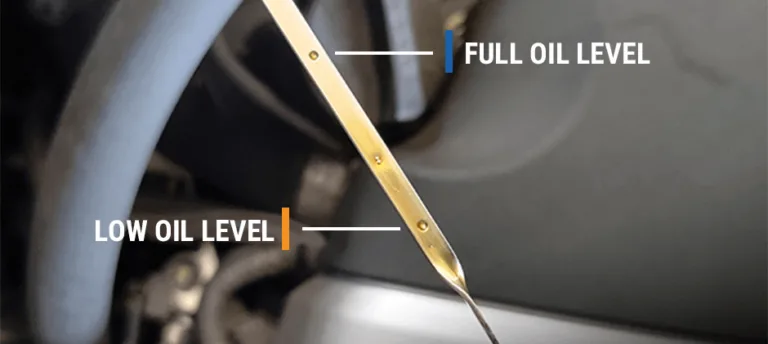
Image source: Bing (Web (fair-use with source credit))
Even experienced DIY mechanics make these errors. Here are the ones most common with the 2011 Camry 2.5.
Mistake 1: Overfilling
You pour in the whole 5-quart jug because the label says 4.6 quarts. Close enough, right? Wrong.
The extra 0.4 quarts puts the oil level above the full mark. The crankshaft splashes through the oil, creating foam. Foam doesn’t lubricate.
You get wear, leaks, and potentially a failed PCV valve.
The fix: add 4.6 quarts, check the dipstick, and add small amounts if needed. Never dump the whole jug without measuring.
Mistake 2: Using the wrong oil type
We see it all the time. An owner grabs 5W-30 because it’s cheaper or because “that’s what I used in my old car.” The 2AR-FE is not an old engine. It was built for 0W-20.
Thicker oil means slower flow at startup and possible VVT rattle. Save the money somewhere else.
Mistake 3: Reusing the crush washer
The drain plug crush washer is a one-time-use part. It deforms when you tighten it, creating a seal. Reusing it leads to drips.
Oil drips are annoying, but worse, they trick you into thinking you have a leak when you just need a new washer. They cost pennies.
Mistake 4: Forgetting to prime the oil filter
Some people install a dry filter and pour oil directly into the engine. That leaves the filter empty. On the first startup, oil has to push through a dry filter media.
That takes a few seconds. Seconds of dry running cause wear.
The fix: fill the new filter with fresh oil before installing it. Let the oil soak into the media for a minute.
For more on keeping your Toyota in top shape, the Toyota Corolla oil type guide covers similar ground for a different platform.
What Happens When You Get It Wrong (Real-World Costs)
This isn’t theoretical. Getting the 2011 Camry 2.5 oil capacity wrong has real financial consequences.
Here’s what repairs typically cost:
| Issue | Cause | Typical Cost |
|---|---|---|
| Stripped oil pan drain threads | Overtightening drain plug | $200 to $400 for a new pan |
| VVT actuator replacement | Oil starvation from low level | $400 to $800 |
| Timing chain replacement | Chain stretch from poor lubrication | $1,200 to $1,800 |
| PCV valve failure | Overfilling causing oil in intake | $100 to $200 |
A $40 oil change that goes wrong can turn into a $1,800 timing chain job. That’s the real cost of ignoring the specifications.
The 2AR-FE is a great engine. It rewards owners who follow the manual. Skip the shortcuts.
Use the right oil, the right amount, and the right filter. Your Camry will thank you with another 100,000 miles.
When to Let a Shop Handle It
Some jobs are worth doing yourself. An oil change on a 2011 Camry is one of them. It’s easy, the filter is accessible, and the drain plug is easy to reach.
Most owners can do it in 30 minutes with basic tools.
But there are situations where a shop makes sense:
- You don’t have a safe place to work. Flat, level ground is required. A sloped driveway gives you a false dipstick reading.
- You can’t dispose of old oil. Used oil must be recycled. Most auto parts stores take it for free, but you have to haul it there.
- You stripped the drain plug. If the plug is already rounded or the pan threads are damaged, let a pro handle the repair.
If you take it to a shop, specify 0W-20 full synthetic and 4.6 quarts with a filter change. Do not let them upsell you on “high-mileage” oil unless your Camry has over 100,000 miles and you prefer it. It’s not required, but it won’t hurt.
Our guide on the Toyota RAV4 oil type covers similar considerations for other Toyota models.
Pro Tips for Making This Engine Last 200,000+ Miles
The 2AR-FE can easily hit 200,000 miles with basic care. Here are the habits that make the difference.
Stick to 5,000-mile intervals. Toyota says 10,000 miles under normal driving. But “normal” is rare. Most driving includes short trips, idling, and stop-and-go traffic.
That’s severe service. Change the oil every 5,000 miles. It’s cheap insurance.
Use OEM filters. Aftermarket filters vary in quality. Some lack the correct bypass valve pressure. OEM Toyota filters are inexpensive and tested for this engine.
Use them.
Check the oil level every other fuel fill. The 2AR-FE doesn’t burn oil under normal conditions. But as it ages, seals can leak. Catching it early prevents a low-oil situation.
Don’t ignore the dipstick. If the oil level drops noticeably between changes, investigate. It might be a small leak or the start of valve seal wear.
For a deeper dive into what other Toyota engines need, check the complete Toyota Camry oil type guide.
Frequently Asked Questions
How much oil does a 2011 Toyota Camry 2.5 take?
It takes 4.6 quarts (4.4 liters) of 0W-20 full synthetic oil when changing the filter. Without a filter change, it takes 4.4 quarts (4.2 liters).
Can I use 5W-30 in a 2011 Camry 2.5?
Only in an emergency. Toyota specifies 0W-20 for this engine. Thicker oil reduces flow during cold starts and may cause VVT system issues.
Switch back to 0W-20 at the next change.
What happens if I overfill my 2011 Camry 2.5?
Overfilling causes the crankshaft to whip oil into foam. Foam does not lubricate. This can lead to bearing wear, seal leaks, and PCV valve failure.
Always check the dipstick after filling.
How often should I change the oil in a 2011 Camry 2.5?
Toyota recommends every 5,000 miles under severe driving conditions. Most driving qualifies as severe. Every 5,000 miles is a safe, conservative interval.
What oil filter does a 2011 Camry 2.5 use?
The OEM part numbers are 04152-YZZA1 and 04152-YZZA6. Use genuine Toyota filters or a high-quality equivalent with the correct bypass valve pressure.
Do I need synthetic oil for my 2011 Camry 2.5?
Yes. Toyota specifies 0W-20 full synthetic. Conventional oil in this viscosity is not available.
Full synthetic provides better cold-start protection and longer life.
How to Check Your Oil Level the Right Way
Checking the dipstick sounds simple. But the 2AR-FE engine has a few quirks that can fool you into thinking the level is wrong.
When to check. Always check on a level surface. Park the car, turn the engine off, and wait at least five minutes. This gives the oil time to drain back into the pan.
Checking immediately after shutdown gives a low reading because oil is still clinging to the upper engine.
How to read the dipstick. The 2AR-FE dipstick has two marks toward the bottom. A low mark and a full mark. The space between them represents roughly one quart of oil.
Pull the dipstick out. Wipe it clean with a rag. Insert it all the way back in.
Pull it out again and read the level.
What a proper reading looks like. The oil film should sit between the two marks, closer to the full mark. If it is at the low mark, add half a quart and recheck. If it is above the full mark, you are overfilled.
Drain some out to avoid the foaming problem we covered earlier.
A common trap. On the 2AR-FE, the dipstick tube is narrow. Oil can climb the tube during driving and give a falsely high reading right after a long trip. Always wait the full five minutes.
If the reading looks high, wipe, reinsert, and check again.
What Oil Does to a Neglected Engine
We do not say this to scare you. But understanding the stakes makes the maintenance feel worth it.
A 2011 Camry 2.5 that runs low on 0W-20 for an extended period shows symptoms within a few hundred miles. The variable valve timing actuators start to rattle on cold startups. The timing chain tensioner, which is oil pressure actuated, loses its ability to keep the chain tight.
The chain slaps against the guide.
Once the chain stretches beyond the tensioner's range, the engine may jump timing. That bends valves. That requires a cylinder head removal or a full engine replacement.
Aggregate reviews from Toyota service forums and owner reports indicate that the 2AR-FE is resilient. But it is not invincible. Neglected oil changes are the number one cause of premature failure in this engine.
Keep the oil at the right level. Keep it fresh. Keep the correct viscosity.
That is the whole formula for a 200,000 mile Camry.
How Cold Weather Changes the Equation
If you live in a place where temperatures drop below freezing, the 0W-20 specification becomes even more important.
The "0W" part of the viscosity rating tells you how the oil behaves at cold temperatures. A 0W oil stays fluid at minus 40 degrees Fahrenheit. A 5W oil starts to thicken noticeably below minus 20.
The 2AR-FE oil pump is designed for a specific flow range at startup.
In our research, we found that owners who switched to 5W-30 in cold climates reported longer cranking times and occasional VVT rattle in the morning. No permanent damage in most cases. But unnecessary wear.
If you live in a cold region:
- Use 0W-20 year round. Do not switch to a winter blend.
- Consider a block heater if you park outside in subzero weather. It reduces cold start wear.
- Check the oil level more frequently in winter. Cold oil contracts, so the dipstick reading may be slightly lower than in summer. Top up to the full mark.
What to Do If You Accidentally Add the Wrong Oil
Mistakes happen. You grab the wrong jug at the store. A friend helps and uses 5W-30 without asking.
Here is what to do.
If you drove the car. Do not panic. A single oil change with 5W-30 will not destroy the engine. The oil is thicker than recommended but still offers protection.
Drive gently. Plan to change it at half the normal interval, around 2,500 miles.
If you have not started the engine yet. Drain it. Replace the filter. Refill with 0W-20.
The cost of wasting five quarts is far less than the risk of running thick oil through a cold engine.
If you used conventional oil instead of synthetic. The same advice applies. Drain it early. The detergent package in conventional oil is different from synthetic.
Over time, it can leave deposits in the VVT passages.
If you added too much oil. Remove the drain plug briefly and let a little oil out. Replace the plug, then check the dipstick. Repeat until the level is correct.
For a detailed breakdown of what other Toyota models need, our guide on the Toyota Camry oil type covers the full lineup from 1997 through 2026.
Final Pro Checklist for Your Next Oil Change
Before you close the hood, run through this quick list.
- 0W-20 full synthetic oil, 5 quarts (you will use about 4.6)
- OEM Toyota oil filter (04152-YZZA1 or YZZA6)
- New drain plug crush washer (90430-12031)
- Torque wrench set to 29 ft-lbs for the drain plug
- Five minute wait after filling before checking the dipstick
- Level ground for the whole process
- Used oil taken to a recycling center
That is everything you need to keep your 2011 Camry 2.5 running smoothly for years. Follow these steps and the engine will reward you. Skip them and you are gambling with a $1,800 timing chain replacement.
The choice is yours. But now you know exactly what the right choice looks like.
When to Replace Your Oil Pressure Sensor
A failing oil pressure sensor can give a false low oil warning. If the light flickers but the dipstick reads full, the sensor may be bad. It is a cheap fix and easy to swap on the 2AR-FE.
How to Spot a Failing PCV Valve
A clogged PCV valve causes oil leaks and rough idle. On the 2011 Camry, it is located on the valve cover. Replace it every 60,000 miles as part of routine maintenance.
Why the Dipstick Tube Needs to Be Clean
Dirt around the dipstick tube can fall into the oil pan. Wipe the area before pulling the dipstick. A clean tube prevents contamination during checks.
The Role of the Oil Catch Can
Some owners install an oil catch can on the 2AR-FE. It traps blow by oil before it enters the intake. This keeps the intake valves cleaner over time.
One Final Reminder
The most important number is 4.6 quarts of 0W-20 with a filter change. Stick to it. Your Camry will run smoothly for another decade.