
If you own a 2011 Toyota Tundra, knowing the right 2011 toyota tundra oil type isn't just about following the manual. It's about keeping your engine running smoothly for years to come. Get it wrong, and you face reduced fuel economy, increased wear, or worse.
Toyota's official spec for the 5.7L and 4.6L V8 engines is SAE 0W-20 synthetic oil carrying the API SN or SP rating. The 4.0L V6 uses 5W-30. But there's more to the story than just those numbers.
Let's break down what each engine needs and why it matters.
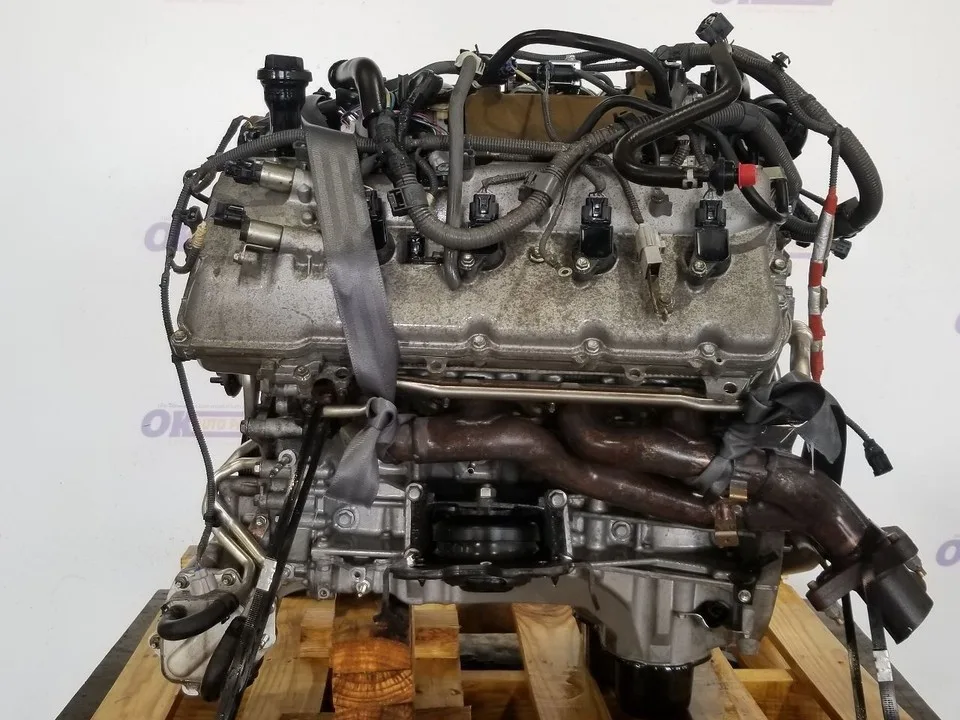
Image source: Bing (Web (fair-use with source credit))
Why Getting the Right Oil Matters for Your 2011 Tundra
Your Tundra's engine is a precision piece of machinery. The 5.7L i-Force V8, for example, relies on Variable Valve Timing with intelligence (VVT-i). That system uses oil pressure to adjust cam timing on the fly.
Wrong oil means wrong pressure, which means sluggish performance and potential timing chain issues.
| What You Risk | What Happens |
|---|---|
| Sludge buildup | Varnish deposits clog oil passages, starving critical components |
| VVT-i malfunction | Cam timing goes off, triggering check engine lights and rough idle |
| Increased engine wear | Metal-on-metal contact accelerates during cold starts |
| Oil consumption spike | The 5.7L already has a reputation for burning oil; wrong oil makes it worse |
| Voided warranty | If you're still under a service contract, non-spec oil can void coverage |
The 5.7L engine, in particular, has a known oil consumption issue. Toyota even issued a technical service bulletin (TSB) about it. Using the right oil viscosity and checking your level regularly can slow that consumption down.
Ignoring it means topping off every few hundred miles.
Saving a few bucks here isn't worth the risk. The wrong oil shortens engine life. The right oil keeps your Tundra rolling past 200,000 miles.
The Quick Answer: What Oil Your 2011 Tundra Takes
The 5.7L and 4.6L V8 engines need SAE 0W-20 synthetic oil. The 4.0L V6 uses SAE 5W-30. Look for API SN or SP certification.
Your oil capacity is between 5.5 and 6.9 quarts. Always check your owner's manual before buying.
The Three Engine Options and Their Oil Specs
Your 2011 Tundra came with one of three engines. Each one has different oil requirements. Getting them mixed up is a common mistake, so here's the breakdown.
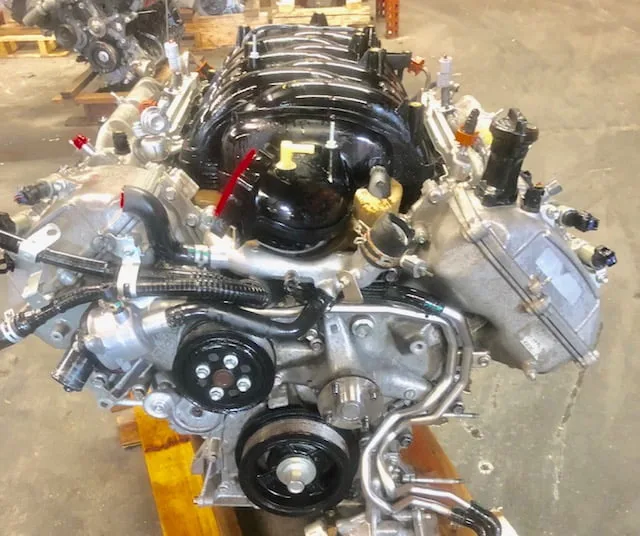
Image source: Web (Bing) / autopartsorlando.com (Web image (fair-use with source credit))
5.7L V8 (i-Force)
This is the big one. The 5.7L makes 381 horsepower and 401 lb-ft of torque. It's a beast for towing, but it's also picky about oil.
- Viscosity: SAE 0W-20
- Oil capacity: 6.9 quarts (with filter)
- Oil type: Full synthetic only
- API rating: SN or SP
- ILSAC rating: GF-5 or GF-6
4.6L V8
The 4.6L is a smaller V8, making 310 horsepower. It's smoother and more fuel efficient than the 5.7L. But the oil specs are nearly identical.
- Viscosity: SAE 0W-20
- Oil capacity: 6.1 quarts (with filter)
- Oil type: Full synthetic recommended
- API rating: SN or SP
- ILSAC rating: GF-5 or GF-6
4.0L V6
The 4.0L V6 is the base engine. It's a solid workhorse, but it's simpler than the V8s. That means you have a bit more flexibility with oil.
- Viscosity: SAE 5W-30
- Oil capacity: 5.5 quarts (with filter)
- Oil type: Conventional or synthetic
- API rating: SN or SP
- ILSAC rating: GF-5 or GF-6
Viscosity: 0W-20 vs 5W-30 – What's the Real Difference?
The "W" stands for winter. The number before it is the cold viscosity rating. The number after is the hot viscosity rating.
0W-20 flows like a 0-weight oil when cold and like a 20-weight at operating temperature. 5W-30 flows like a 5-weight when cold and like a 30-weight when hot.
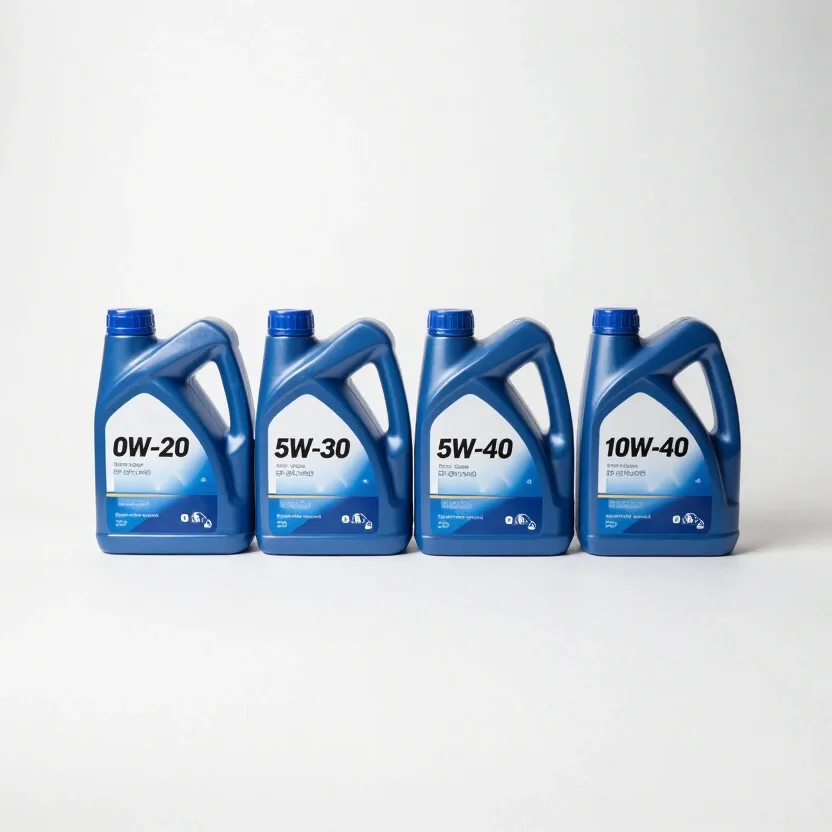
Image source: Bing (Web (fair-use with source credit))
0W-20 is thinner at cold start. That means it reaches critical engine parts faster on a freezing morning. The VVT-i system on the 5.7L and 4.6L engines depends on that quick flow.
5W-30 is thicker at operating temperature. It provides more cushion between moving parts. But it also creates more drag, which can reduce fuel economy slightly.
When should you use 5W-30 instead of 0W-20?
- If you live in a very hot climate (desert southwest, for example)
- If you're towing heavy loads regularly and your engine runs hot
- If 0W-20 is simply not available and you need to top off
Toyota designed the 5.7L and 4.6L engines to run on 0W-20. They tested it. They certified it.
Using 5W-30 full time means you trade cold start protection for a slight hot weather safety margin. For most people, stick with 0W-20.
The 4.0L V6 is different. It was designed for 5W-30. You can use 0W-20 in it if you live in a very cold climate, but it's not the official spec.
Stick with what the manual says.
Synthetic vs. Conventional Oil: What Your Tundra Actually Needs
For the 5.7L and 4.6L V8 engines: Use full synthetic oil. Period. These engines have tight tolerances and variable valve timing.
Synthetic oil handles heat better, resists breakdown longer, and flows better at cold start. The official Toyota spec calls for synthetic. Ignoring that is asking for trouble.
For the 4.0L V6 engine: Conventional oil is fine. This engine is older technology with looser tolerances. You can use a synthetic blend or full synthetic if you want, but it's not required.
Many owners report perfectly good engine life with conventional 5W-30 changed every 5,000 miles.
What about high-mileage oil?
If your Tundra has over 75,000 miles, consider switching to a high-mileage synthetic blend. These oils have seal conditioners that help reduce leaks and oil consumption. The 5.7L engine, in particular, benefits from high-mileage oil because of its known oil consumption issues.
What about synthetic blends?
Synthetic blends are a mix of conventional and synthetic base stocks. They offer some of the benefits of full synthetic at a lower price. For the 4.6L and 5.7L engines, a synthetic blend is better than conventional, but full synthetic is still the best choice.
For the 4.0L, a synthetic blend is a nice upgrade without breaking the bank.
| Oil Type | Cost per Quart | Typical Change Cost (DIY) | Change Interval |
|---|---|---|---|
| Conventional 5W-30 | $3-$5 | $20-$30 | 3,000-5,000 miles |
| Synthetic blend | $5-$7 | $35-$50 | 5,000-7,500 miles |
| Full synthetic 0W-20 | $7-$10 | $55-$75 | 7,500-10,000 miles |
The American Petroleum Institute's testing shows that full synthetic oils handle heat better and resist breakdown. That matters when you're towing a heavy trailer up a mountain pass in July.
The extra $20 per oil change is worth it for the peace of mind. Especially if you plan to keep your Tundra for the long haul.
How to Change the Oil in Your 2011 Tundra (The Right Way)
Changing your own oil saves money and gives you control over what goes in the engine. The process is straightforward, but a few Tundra-specific details matter.
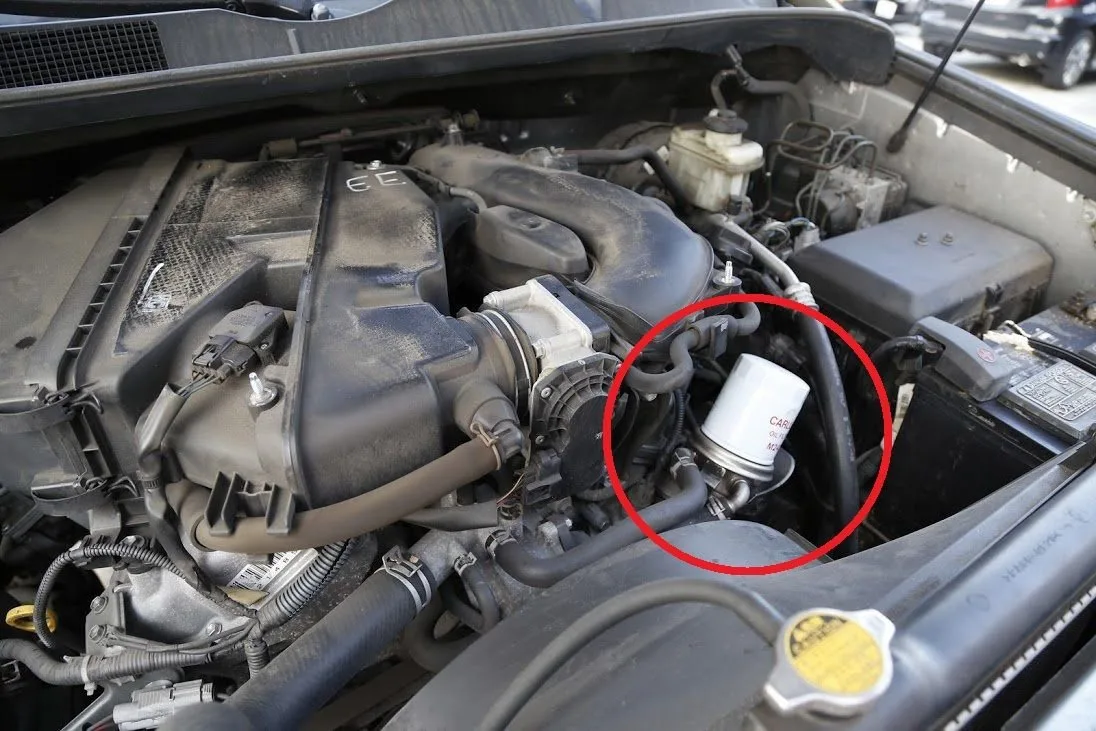
Image source: Web (Bing) / hitchesguide.com (Web image (fair-use with source credit))
What You'll Need
- 6 to 7 quarts of the correct oil (check your engine size)
- A Toyota-spec oil filter (04152-YZZA1 or equivalent)
- A 14mm socket for the drain plug
- An oil filter wrench (metal cap style works best)
- A drain pan and funnel
- Jack stands and a floor jack (never trust the spare tire jack alone)
The Step-by-Step
Warm the engine for a minute or two. Hot oil drains faster and more completely. Then get the truck on level ground and lift the front end securely.
Drain the old oil. Slide under the truck and locate the drain plug on the oil pan. It's a 14mm bolt facing the rear. Loosen it with the socket, then unscrew it by hand.
Let the oil drain fully. Replace the crush washer on the plug (Toyota recommends a new one each time). Torque it to 30 ft-lbs.
Not tighter.
Replace the oil filter. The filter is on the passenger side of the engine block, accessible from underneath. Use the filter wrench to loosen it. Spin it off by hand.
Some oil will spill. Wipe the mounting surface clean. Lubricate the new filter's gasket with fresh oil.
Hand-tighten it until the gasket contacts the mounting surface, then give it another 3/4 turn. No wrenches needed for tightening.
Add the new oil. Remove the oil fill cap on the valve cover. Insert a funnel. Pour in the recommended amount.
For the 5.7L, that's 6.9 quarts. Start with 6.5, check the dipstick, then add the rest in small increments. Replace the cap.
Check for leaks. Start the engine and let it run for 30 seconds. Look under the truck for drips around the drain plug and filter. Shut it off, wait a minute, then check the dipstick.
Top off if needed.
Reset the maintenance light. With the ignition off, press and hold the trip reset button. Turn the key to the ON position. Continue holding the button until the oil light blinks and turns off.
Release and cycle the key.
Mistakes That Can Kill Your Tundra's Engine
Using the wrong viscosity. The 5.7L and 4.6L engines need 0W-20. Using 10W-30 or 20W-50 thickens the oil too much at cold start. The VVT-i system can't adjust timing properly.
You'll get a check engine light and reduced performance.
Overfilling the crankcase. Adding too much oil creates foam. Foam doesn't lubricate. The oil pump can cavitate, starving bearings of oil.
If you overfill, drain the excess immediately. A quart over is bad news.
Skipping the filter change. The oil filter traps contaminants. Leaving an old filter in place during a change means all that dirty oil residue gets dumped right back into the fresh oil. Replace the filter every time.
Using a non-Toyota filter that doesn't fit. Some aftermarket filters are slightly shorter or have a different bypass valve setting. They can cause low oil pressure at idle. Stick with the Toyota-spec filter or a known high-quality equivalent.
Ignoring the crush washer. The drain plug uses a crush washer that seals the joint. Reusing it leads to slow leaks. You might not notice until the oil level drops dangerously low.
Replace it every change. They cost about a dollar.
Tightening the drain plug like a gorilla. The aluminum oil pan threads strip easily. The spec is 30 ft-lbs. That's hand tight with a short ratchet.
Over-torquing strips the threads and forces a new oil pan. That's a $300 mistake.
Oil Capacity, Filter, and Change Intervals
| Engine | Oil Capacity (with filter) | Recommended Viscosity | Oil Filter Part | Change Interval (Normal) | Change Interval (Severe) |
|---|---|---|---|---|---|
| 5.7L V8 | 6.9 quarts | 0W-20 synthetic | 04152-YZZA1 | 10,000 miles | 5,000 miles |
| 4.6L V8 | 6.1 quarts | 0W-20 synthetic | 04152-YZZA1 | 10,000 miles | 5,000 miles |
| 4.0L V6 | 5.5 quarts | 5W-30 conventional | 04152-YZZA1 | 7,500 miles | 5,000 miles |
What counts as "severe" driving? Toyota defines severe as: frequent short trips (under 5 miles), extended idling, driving in dusty conditions, towing heavy loads, or operating in extreme heat or cold. If you drive a Tundra in the real world, you're probably in the severe category. Most owners are.
Drop to the 5,000 mile interval and call it good.
The oil filter for all three engines is the same. That makes things simple. The Toyota 04152-YZZA1 is the factory part.
You can also use a premium aftermarket filter from brands like Wix or Purolator. Just make sure it's the correct size and has the right bypass valve pressure.
High-Mileage Tundra? Here's What to Consider
If your Tundra has crossed the 75,000 mile mark, you're in high-mileage territory. The 5.7L engine, in particular, benefits from a few adjustments.
Switch to a high-mileage oil. High-mileage formulations contain seal conditioners that soften and swell dried-out gaskets. This helps reduce oil leaks. For the 5.7L, use a high-mileage full synthetic 0W-20.
For the 4.0L, a high-mileage conventional or synthetic blend in 5W-30 works well.
Shorten your change interval. At 100,000 miles, drop to 5,000 miles regardless of driving conditions. Older oil breaks down faster. Keeping fresh oil in the crankcase reduces wear on bearings and rings.
Watch for consumption. The 5.7L engine is known to burn oil as it ages. Check your dipstick every other fuel fill-up. If you notice the level dropping between changes, top off with the same viscosity and brand.
Don't mix different viscosities.
Consider a heavier oil in summer. Some owners of high-mileage 5.7L engines switch to 5W-30 during the hottest months. The thicker oil helps maintain oil pressure in worn engines. It's a workaround, not a fix.
If you try it, switch back to 0W-20 in winter.
Check the PCV valve. A clogged PCV valve creates crankcase pressure that forces oil past seals. It's a cheap part that's easy to replace. Do it at 100,000 miles as part of your routine maintenance.
What About the 5.7L Oil Consumption Issue?
This deserves its own section because it's the most common complaint among 5.7L Tundra owners. The engine burns oil. Some trucks burn a quart every 1,000 miles.
Others are fine.
Toyota addressed this with a technical service bulletin (TSB-0060-14). The fix involves replacing the pistons and piston rings with an updated design. But that's a major engine job.
Most owners don't bother unless the consumption is severe.
What you can do to manage it:
- Check your oil level every 500 miles. Make it a habit.
- Keep a quart of 0W-20 in the truck at all times.
- Use a high-mileage oil that includes seal conditioners.
- Stick to the 5,000 mile change interval. Fresh oil burns slower.
- Avoid extended idling. The engine runs richer at idle, which washes oil off cylinder walls.
If you're consuming more than a quart every 1,000 miles, it's worth having a compression test done. Low compression in one cylinder points to a ring or valve issue. That's beyond what oil choice can fix.
At that point, you're looking at an engine rebuild or replacement.
For most owners, keeping up with oil level checks and using the right oil keeps the truck running fine. The 5.7L is a durable engine. It just happens to sip oil as it ages.
Cold Climate vs Hot Climate: Does It Change Your Oil Choice?
Yes, but only at the edges. Toyota spec'd 0W-20 for the 5.7L and 4.6L engines to work across all climates. That's the right choice for most owners.
If you live in a place like Fairbanks where winter temps hit 40 below, 0W-20 is still your best bet. It flows at those temperatures. A 5W-30 would turn to sludge and leave your VVT-i system starving for oil pressure on startup.
For extreme heat, like towing a trailer through Death Valley in August, some owners switch to 5W-30 during summer months. The thicker oil maintains film strength at higher oil temperatures. It's a reasonable workaround, but switch back to 0W-20 when the weather cools.
The VVT-i system is calibrated for 0W-20.
Pro Tips from the Tundra Community
Keep a quart in the truck. The 5.7L engine burns oil. You'll eventually need to top off between changes. Keep the same brand and viscosity in the cab.
Use a fumoto valve. This is a ball valve that replaces the drain plug. It makes oil changes a 30 second job. No mess.
No crush washer. Just flip the lever.
Mark your filter with a paint pen. Write the date and mileage on the filter housing. You'll know exactly when it was last changed. It's a simple habit that saves guesswork.
Warm the oil before draining. A 30 second idle is enough. Cold oil is thick and clings to the pan. Hot oil drains faster and more completely.
You'll get a full extra 1/4 quart out.
Frequently Asked Questions
Can I use 5W-30 instead of 0W-20 in my 2011 Tundra?
Yes, but only as a temporary measure. The 5.7L and 4.6L engines are designed for 0W-20. Using 5W-30 long term can reduce fuel economy and affect VVT-i performance.
Switch back at your next change.
How often should I change the oil in my 2011 Tundra?
Toyota says 10,000 miles for normal driving. But most owners should stick to 5,000 miles. Short trips, towing, idling, and dust all count as severe driving.
Fresh oil is cheap insurance.
What oil filter does a 2011 Tundra use?
The factory part number is 04152-YZZA1. It fits all three engines. You can also use a quality aftermarket filter, but make sure it matches the OEM specs for bypass valve pressure and flow rate.
Why does my 5.7L Tundra burn oil?
It's a known issue. The 5.7L engine has a tendency to consume oil as it ages. Toyota issued a TSB for it.
Check your oil level every 500 miles and keep a quart handy. It's not a sign of imminent failure, just a quirk of this engine.
Is synthetic oil worth the extra cost for my Tundra?
For the 5.7L and 4.6L engines, yes. Full synthetic 0W-20 is required. For the 4.0L V6, conventional 5W-30 works fine.
Synthetic offers better protection, but it's not necessary for that engine.
Your Final Verdict: Which Oil to Buy
For a 2011 Tundra with the 5.7L or 4.6L V8, buy a 5 quart jug of full synthetic 0W-20 with API SN or SP certification. Any major brand works. Toyota Genuine, Mobil 1, Pennzoil, Castrol, or Valvoline are all fine.
For the 4.0L V6, buy a 5 quart jug of 5W-30 conventional or synthetic blend. Stick with the same API rating.
Don't overthink it. The right viscosity, the right certification, and the right interval matter more than the brand. Change it every 5,000 miles, check the dipstick regularly, and your Tundra will reward you with hundreds of thousands of miles.