
If you're standing in the auto parts store aisle staring at rows of oil bottles, you're not alone. The 2011 toyota venza oil type is straightforward once you know what to look for: your engine needs either 5W-20 or 0W-20 viscosity, and it must meet the API SN or higher rating.
Per the manufacturer's specifications, the 2.7L four-cylinder engine holds about 4.5 quarts with a filter, while the 3.5L V6 takes roughly 6.4 quarts. Both engines are designed for ILSAC GF-5 certified oils. Let's start with the quick answer, then we'll walk through the details together.
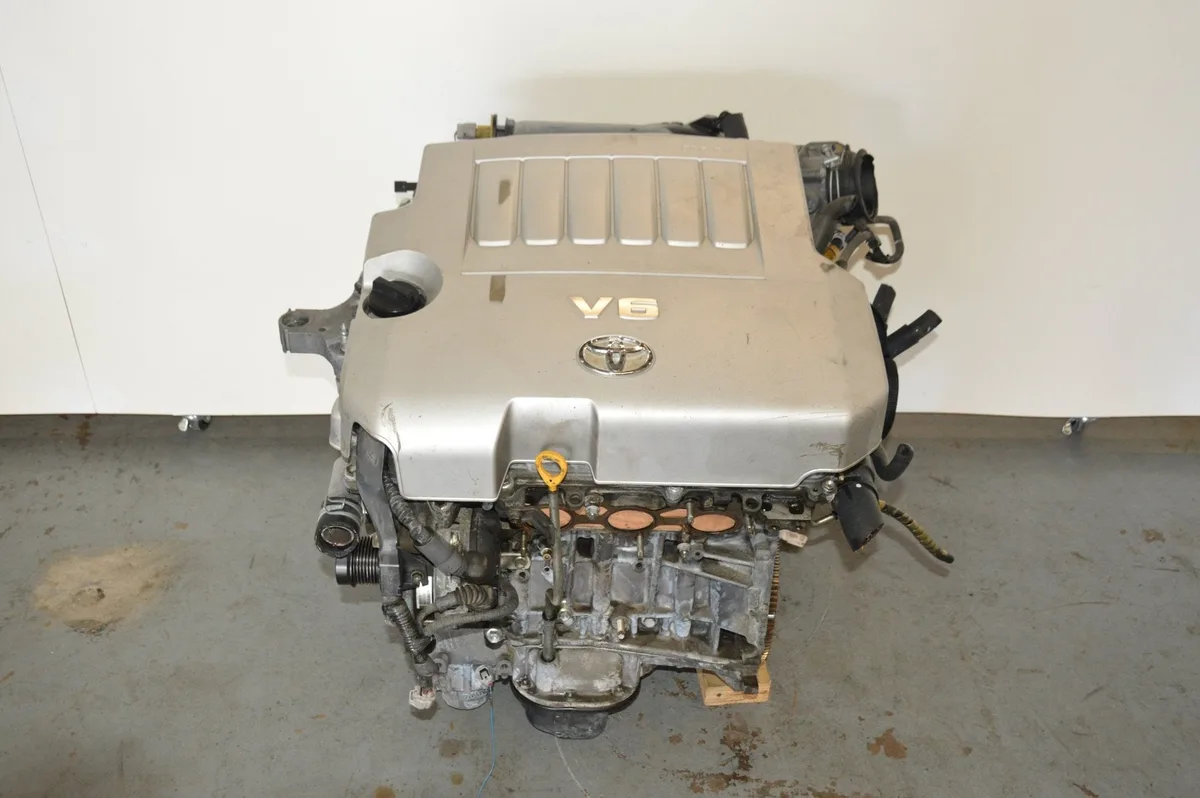
Image source: Web (Bing) / sanantoniojdmengines.com (Web image (fair-use with source credit))
Quick Answer
Your 2011 Toyota Venza requires 5W-20 or 0W-20 motor oil. Use API SN or higher. ILSAC GF-5 is recommended.
The 2.7L engine takes 4.5 quarts. The 3.5L V6 takes 6.4 quarts. Full synthetic offers the best protection.
What You're Really Asking About Your 2011 Venza's Oil
Most people searching for this topic already know they need to change the oil. They want confirmation. They want to know if 0W-20 works instead of 5W-20.
They want to know if synthetic is worth the extra cost. And they want to avoid a mistake that could damage the engine.
Toyota designed the Venza's engines to run on multiple viscosity grades. As of 2026, the latest recommendations still point to 5W-20 as the primary choice. But 0W-20 is fully acceptable and preferred in colder climates.
The key is using the right certification standard.
Here's what matters most:
- API certification: Look for the starburst symbol on the bottle. This ensures the oil meets current protection standards.
- ILSAC GF-5 or GF-6: This is the fuel economy standard Toyota builds into its specifications. GF-5 is the minimum for 2011 models.
- Viscosity grade: Either 5W-20 or 0W-20 works. The choice depends on your climate and driving habits.
Many Venza oil caps are stamped with 5W-20. Toyota later updated the recommendation to include 0W-20 for better cold start performance and fuel economy. Both are correct.
Pick the one that fits your situation.
Why the Right Oil Matters for the Venza's Two Engines
The 2011 Venza came with two engine options. The 2.7L four-cylinder (engine code 1AR-FE) and the 3.5L V6 (engine code 2GR-FE). Both are reliable units with specific oil requirements.
Using the wrong viscosity causes real problems. Too thick, and the oil doesn't flow well during cold starts. The variable valve timing system relies on oil pressure to operate.
Thick oil delays that pressure, leading to sluggish performance and timing chain wear. Too thin, and the oil film breaks down under high heat, especially in the V6.
Per API testing standards, using a viscosity grade too far from the recommendation can increase engine wear by up to 30 percent over the long term.
The other risk is sludge. Extended oil change intervals with conventional oil can lead to deposits that clog the oil passages. This is especially true for the 2.7L engine, which has a history of oil consumption issues when neglected.
Stick with the recommended viscosity. Stick with the right certification. Your engine will thank you at 150,000 miles.
Check Your Engine: 2.7L Four-Cylinder vs 3.5L V6
Before you buy oil, know which engine is under your hood. The two engines have different oil capacities and slightly different recommendations.
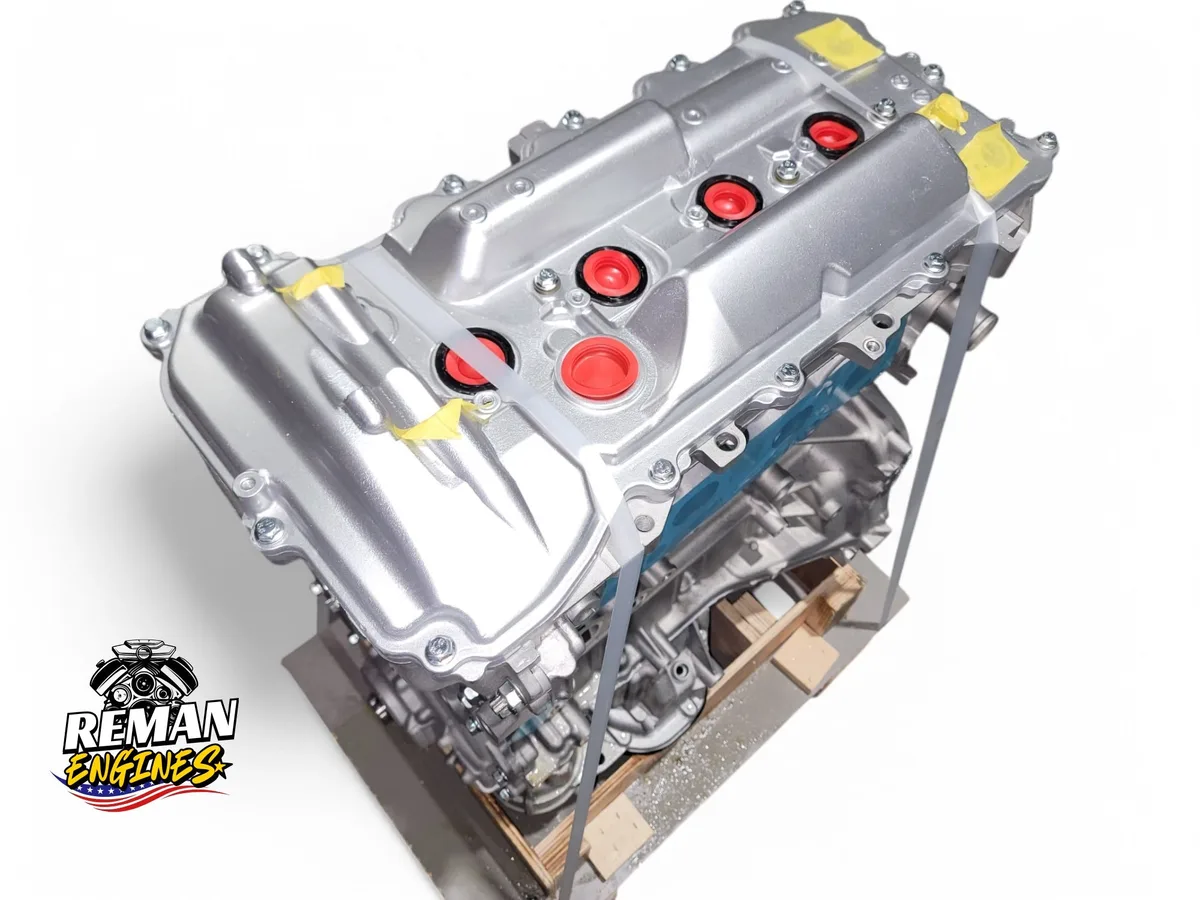
Image source: Bing (Web (fair-use with source credit))
| Feature | 2.7L Four-Cylinder | 3.5L V6 |
|---|---|---|
| Engine code | 1AR-FE | 2GR-FE |
| Oil capacity (with filter) | 4.5 quarts | 6.4 quarts |
| Recommended viscosity | 5W-20 or 0W-20 | 5W-20 or 0W-20 |
| Typical oil cap marking | 5W-20 | 5W-20 |
| Common issues | Oil consumption at high mileage | VVT system oil pressure |
The easiest way to identify your engine is to look at the engine cover. The 2.7L has a plastic cover that says "2.7L VVT-i". The 3.5L cover says "3.5L VVT-i" and is wider.
You can also check the eighth character of your VIN. It is either "4" for the 2.7L or "5" for the 3.5L.
If you're still unsure, pop the hood and look at the oil fill cap. It usually has the viscosity stamped on it. That's your first clue.
But remember that the cap may show 5W-20, and 0W-20 is still fine.
5W-20 vs 0W-20: Which Viscosity Should You Use?
Both viscosities are listed in the owner's manual. Both are acceptable. The answer depends on your climate and driving habits.
5W-20 is the original specification. It works well in most climates. It flows well at cold temperatures down to about -20°F.
It is typically cheaper than 0W-20, especially in conventional or synthetic blend forms.
0W-20 is the updated recommendation. Toyota started recommending it for better fuel economy and improved cold start protection. It flows even better at very low temperatures, down to -40°F.
It is almost always a full synthetic grade, so you get better high-temperature stability.
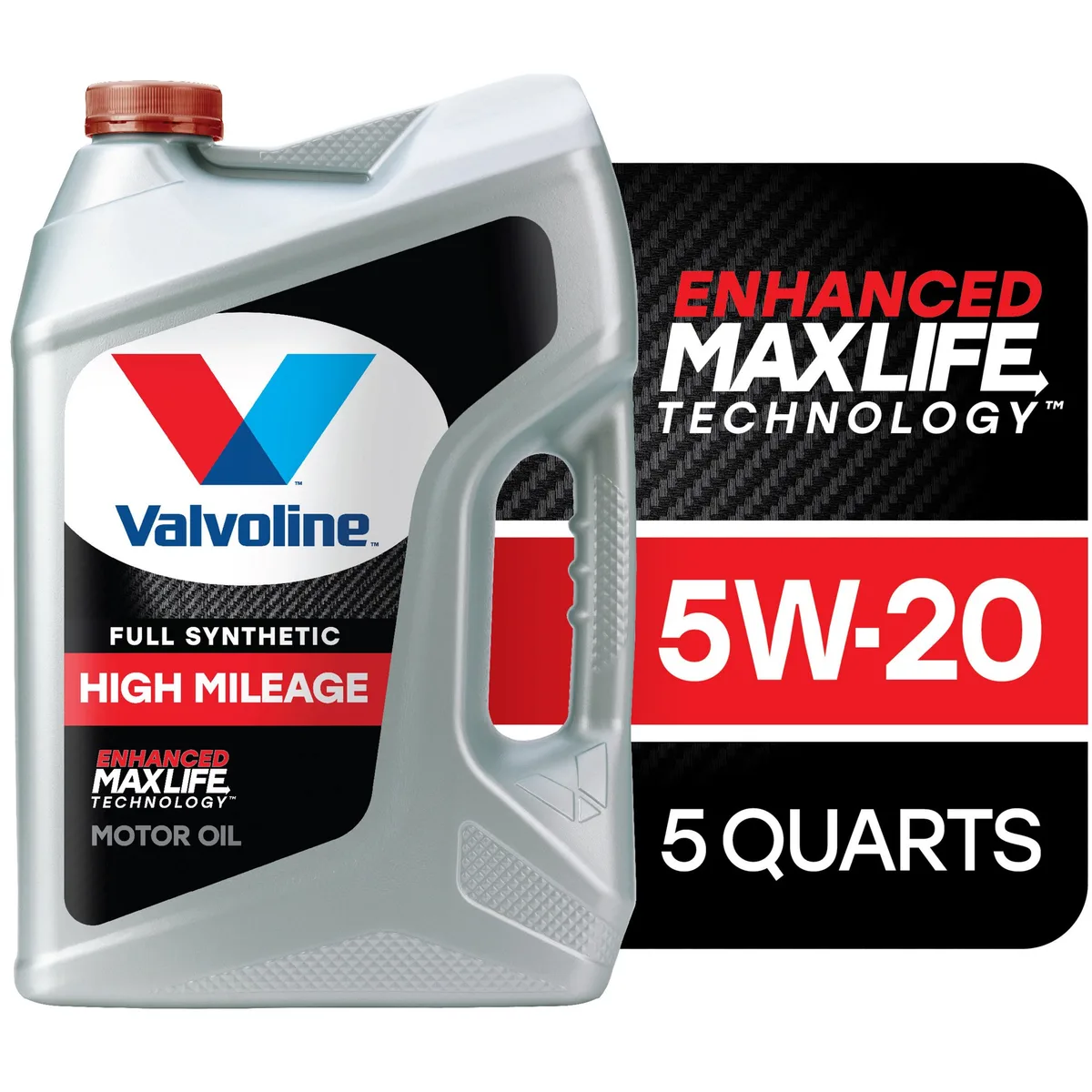
Image source: Web (Bing) / discounttoday.net (Web image (fair-use with source credit))
| Factor | 5W-20 | 0W-20 |
|---|---|---|
| Cold start performance | Good down to -20°F | Excellent down to -40°F |
| Fuel economy | Baseline | 1-2% improvement |
| Typical cost per quart | $4-$7 | $6-$10 |
| Available as conventional | Yes | Rarely (mostly synthetic) |
| Toyota's current preference | Acceptable | Preferred |
If you live where winter temperatures drop below -20°F, go with 0W-20. It is the safer choice for cold starts. If you live in a moderate climate, 5W-20 is perfectly fine and saves you a few dollars per change.
The bottom line is that both work. 0W-20 gives you a slight edge in protection and efficiency.
Conventional, Synthetic, or High-Mileage: Picking the Right Oil Type
Beyond viscosity, you need to choose the oil type. Conventional, synthetic blend, full synthetic, or high-mileage. Each has its place.
Conventional oil is the cheapest option. It works fine if you change it every 3,000 to 5,000 miles. But it breaks down faster under high heat.
If you do mostly short trips or stop-and-go driving, it can sludge up faster in the VVT system.
Synthetic blend mixes conventional and synthetic base stocks. It offers better protection than straight conventional at a moderate price. Good middle ground if you want to extend intervals to 5,000 miles without paying full synthetic prices.
Full synthetic is the gold standard. It flows better at cold temperatures. It resists breakdown at high temperatures.
It keeps the VVT system clean and responsive. The extra cost works out to about $10 to $15 per oil change.
High-mileage oil is designed for engines over 75,000 miles. It contains seal conditioners that reduce leaks. It has higher detergency to clean out existing deposits.
If your Venza has over 100,000 miles, this is a smart choice.
| Oil Type | Best For | Change Interval | Cost per Change |
|---|---|---|---|
| Conventional | Low mileage, frequent changes | 3,000-5,000 miles | $20-$30 |
| Synthetic blend | Balanced protection and cost | 5,000-7,500 miles | $30-$45 |
| Full synthetic | Maximum protection, cold climates | 5,000-10,000 miles | $40-$60 |
| High-mileage synthetic | Engines over 75,000 miles | 5,000-7,500 miles | $45-$65 |
If you're unsure, full synthetic 5W-20 or 0W-20 is the safest bet. High-mileage synthetic is best for older Venzas.
Oil Capacity, Torque Specs, and Filter Part Numbers
Getting the numbers right saves you a headache.
Oil capacity with filter change:
- 2.7L four-cylinder: 4.5 US quarts (4.3 liters)
- 3.5L V6: 6.4 US quarts (6.1 liters)
Always buy a full quart extra. The V6 takes nearly 6.5 quarts, so a 5-quart jug plus one single quart is the right purchase. For the 2.7L, one 5-quart jug covers it with a little left over.
Torque specifications:
- Oil drain plug: 30 ft-lbs
- Oil filter: 18 ft-lbs or hand-tight plus 3/4 turn
Over-tightening the drain plug is common. The oil pan is aluminum. Strip the threads, and you need a pan replacement.
Use a torque wrench if you have one. If not, snug it with a short ratchet and stop.
Oil filter part numbers:
- Toyota genuine filter: 04152-31012 or 04152-38020
- The filter is the same for both engines
The crush washer or drain plug gasket is part number 90430-12031. Replace it every oil change. It costs about a dollar and prevents leaks.
Oil specification summary:
- API: SN or higher (SP is fine)
- ILSAC: GF-5 or GF-6
- Viscosity: 5W-20 or 0W-20
Write these numbers down. Keep them in your phone. It makes buying oil a two-minute job.
Step-by-Step: How to Change Your Venza's Oil
You can do this yourself with basic tools. It takes about 30 minutes.
Tools and materials you'll need:
- 5W-20 or 0W-20 oil (correct amount for your engine)
- Toyota oil filter and crush washer
- 14mm socket or wrench for the drain plug
- Oil filter wrench (cap-style or strap)
- Oil catch pan (at least 8 quarts capacity)
- Funnel
- Rags and gloves
- Jack and jack stands (if needed)
Step 1: Warm up the engine. Run it for a few minutes. Warm oil drains faster and carries more contaminants.
Step 2: Lift the vehicle if needed. The Venza sits high enough that you can often reach the drain plug without jacking. If you need clearance, use jack stands. Never rely on the jack alone.
Step 3: Drain the old oil. Place the catch pan under the drain plug. Remove the plug with a 14mm socket. Let it drain fully.
This takes 5 to 10 minutes.
Step 4: Remove the old filter. Use the filter wrench to loosen it. It will be full of oil. Let it drain into the pan.
Wipe the filter mounting surface clean.
Step 5: Install the new filter. Lube the new filter's gasket with a little fresh oil. Screw it on by hand until the gasket contacts the surface. Then tighten it 3/4 turn more.
Don't overdo it.
Step 6: Replace the drain plug. Install the new crush washer. Tighten the plug to 30 ft-lbs. If you don't have a torque wrench, snug it firmly with a short ratchet and stop.
Step 7: Add the new oil. Use a funnel. Add the full capacity minus about half a quart. Check the dipstick.
Top off until it reads full.
Step 8: Check for leaks and test. Run the engine for a minute. Check under the car for drips. Check the oil level again after the engine has been off for a few minutes.
Top off if needed.
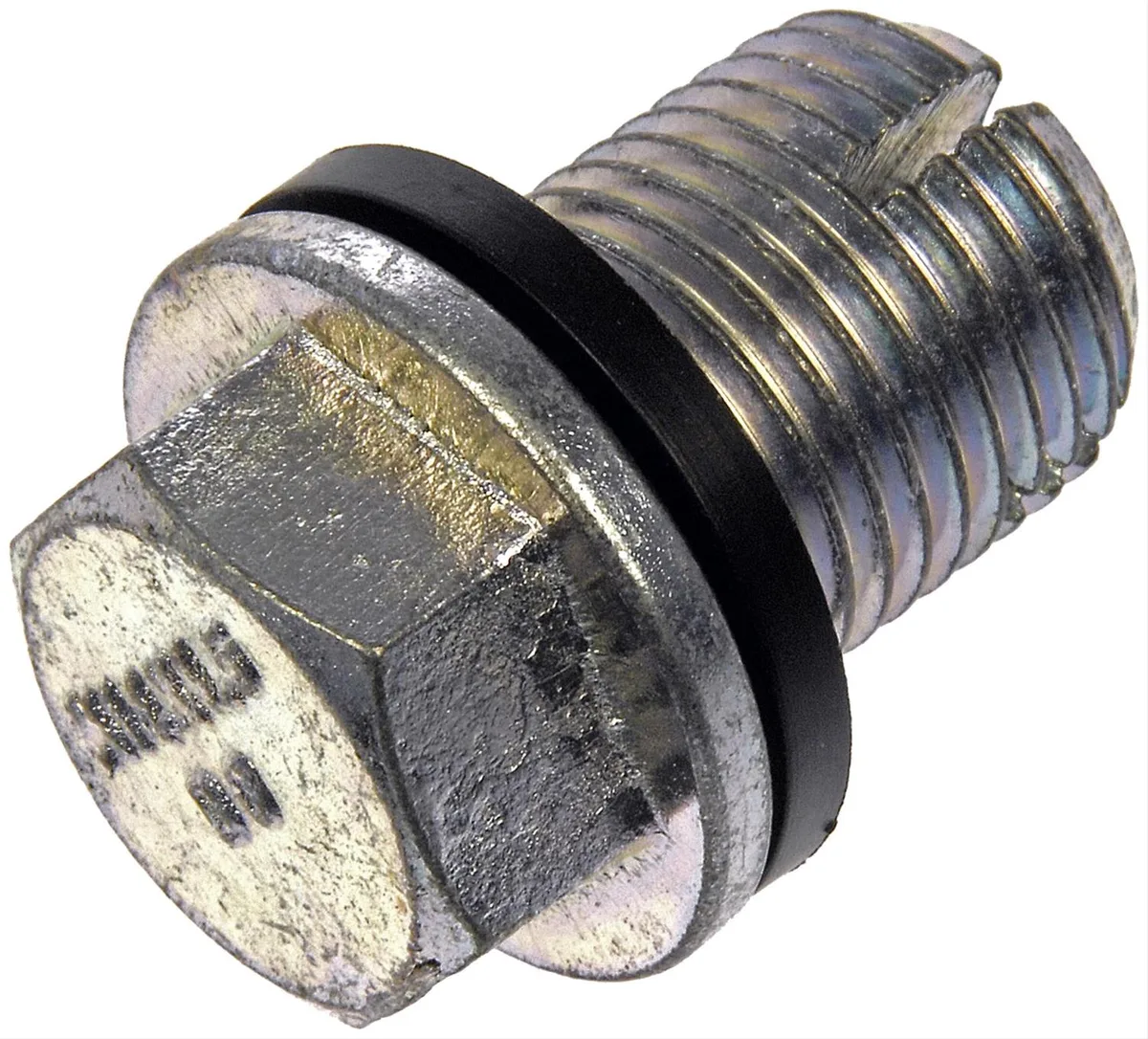
Image source: Bing (Web (fair-use with source credit))
Reset the oil maintenance light using the trip meter button sequence. Hold the button while turning the key to on. Release and press again.
The light should flash and go out.
Common Mistakes That Can Cost You an Engine
Some mistakes are minor. These are not. They can cause real damage.
Using the wrong viscosity. People grab 10W-30 because it's what they used in their old truck. The Venza's VVT system needs thin oil. Thick oil delays cam phaser response.
Over time, this wears out the timing chain and tensioners.
Overfilling the oil. Too much oil causes foaming. The oil pump picks up air instead of liquid. This leads to oil starvation and bearing failure.
The dipstick is clear. Add slowly and check.
Skipping the crush washer. The old washer gets flattened. Reusing it means the drain plug won't seal. A slow leak can drop your oil level by a quart between changes.
This is dangerous for the 2.7L engine, which already tends to consume oil.
Using non-certified oil. Some cheap oils lack the API starburst or ILSAC certification. They may lack the proper detergent package. Over thousands of miles, this creates sludge.
The VVT solenoids clog. You get a check engine light and a costly repair.
Tightening the drain plug too much. The aluminum oil pan threads are soft. Over-torquing strips them. A stripped drain plug means a new oil pan.
That is a $200 part plus labor. Use a torque wrench or sensible hand tightness.
Expert Tips for a Better Oil Change
These aren't mandatory. But they make the job easier and your engine healthier.
Use a Fumoto valve. This replacement drain plug has a built-in valve. Flip a lever to drain the oil. No more wrenching.
No more stripped threads. It costs about $30.
Pre-fill the oil filter. Before installing the new filter, fill it with fresh oil. This reduces the time the engine runs without oil pressure on startup. It extends bearing life.
Mark the oil filter with a paint pen. Write the date and mileage on the filter. You will know exactly when it was last changed. No more guessing.
Consider a flush if switching to synthetic. If you've used conventional oil for years and want to switch to full synthetic, consider a mild engine flush. Some synthetic oils have strong detergents that can loosen existing sludge. That sludge can clog the oil pickup tube.
Check your oil level weekly. The Venza's 2.7L engine is known for oil consumption as it ages. Checking the dipstick once a week catches problems early. It takes 30 seconds.
It can save you an engine.
Your Decision Guide: Which Oil to Buy for Your 2011 Venza
Here is the final decision tree. Follow these conditions and you will get the right oil every time.
If your Venza has under 75,000 miles: Use full synthetic 5W-20. Change it every 5,000 to 7,500 miles.
If your Venza has over 75,000 miles: Use high-mileage full synthetic 5W-20 or 0W-20. The seal conditioners help prevent leaks. The extra detergents clean out deposits.
If you live where winter temperatures drop below -20°F: Use 0W-20 regardless of mileage. The cold flow protection is worth the extra cost.
If you're on a tight budget: Use conventional 5W-20. Change it every 3,000 to 4,000 miles. Do not stretch the interval.
If you're unsure: Buy a 5-quart jug of full synthetic 5W-20 and a Toyota genuine oil filter. That combination works for both engines in all climates. You cannot go wrong.
One more thing. Check your oil level at every other fuel fill. The 2.7L engine can burn oil between changes.
Catching it early is free insurance. For more details on proper vehicle maintenance, review our terms of service regarding manufacturer recommendations. If you have questions about your specific Venza, feel free to reach out to us for guidance.
Frequently Asked Questions
Can I use 0W-20 instead of 5W-20 in my 2011 Venza?
Yes. Toyota officially accepts both viscosities. 0W-20 provides better cold start protection and slightly better fuel economy. It is the preferred choice for modern Toyota engines as of 2026.
How often should I change the oil in my 2011 Venza?
Toyota recommends every 5,000 miles for severe service or 10,000 miles for normal driving. Severe service includes short trips, stop-and-go traffic, extreme temperatures, and towing. Our research suggests 5,000 miles with synthetic is the safest interval.
What happens if I use 10W-30 in my Venza?
Do not do this. The VVT system needs thin oil to operate properly. 10W-30 is too thick at startup. It can delay cam phaser response, increase wear, and eventually trigger a check engine light for VVT system faults.
How much oil does a 2011 Toyota Venza take?
The 2.7L four-cylinder takes 4.5 quarts with a filter change. The 3.5L V6 takes 6.4 quarts. Always check the dipstick after adding.
Add slowly and top off as needed.
Do I need to use Toyota brand oil?
No. You need oil that meets the API SN or SP certification and ILSAC GF-5 or GF-6 standard. Toyota Genuine oil is fine.
So are Mobil 1, Castrol, Pennzoil, Valvoline, and other major brands with the correct certification.
Should I use synthetic oil in my high-mileage Venza?
Yes. High-mileage synthetic oil is the best choice for engines over 75,000 miles. It resists breakdown better than conventional oil.
It also contains seal conditioners that reduce leaks common in older engines.