
Pouring the wrong oil into a 2013 Toyota Tundra isn't just a minor mistake. It can lead to sludge buildup, timing chain noise, or even a full engine replacement down the road. Getting the right oil type is one of the simplest and most important things you can do to keep that V8 running strong for another 200,000 miles.
Manufacturer specifications from Toyota call for a very specific viscosity and certification level depending on which engine you have. In our research across owner forums and service bulletins, the most common confusion comes from owners assuming "any 5W-30 will do" or grabbing whatever is on sale. As of 2026, the standards have tightened, and using outdated oil formulations is a fast track to expensive repairs.
Let's walk through exactly what your Tundra needs.
Quick Answer
The 2013 Toyota Tundra requires SAE 0W-20 full synthetic motor oil. Both the 4.6L V8 and 5.7L V8 engines specify this viscosity. The oil must meet API SN, SN Plus, or SP certification.
Total capacity is 6.3 quarts for the 4.6L and 7.4 quarts for the 5.7L. Toyota Genuine Motor Oil is recommended but any brand meeting the specs works.
Why Getting the Oil Type Wrong Can Cost You an Engine
Oil is the lifeblood of your Tundra's V8. It lubricates, cools, and cleans. Use the wrong type and you starve critical components.
The variable valve timing system (VVT-i) on these engines is especially sensitive. It relies on oil pressure to adjust cam timing. Too thick an oil and the VVT actuators lag.
Too thin and you lose pressure at high temperatures. Both scenarios cause rough idle, reduced power, and eventual timing chain wear.
Heat is another factor. The 5.7L 3UR-FE engine runs hot under load, especially when towing. A full synthetic 0W-20 handles those temperatures far better than a conventional 5W-30.
Synthetic oil resists thermal breakdown and keeps its protective film where it matters.
Then there is the sludge problem. Older oil formulations lack the detergents needed to keep these engines clean. Deposits clog the oil pickup tube and restrict flow to the top end.
By the time you hear the timing chain rattle, the damage is done.
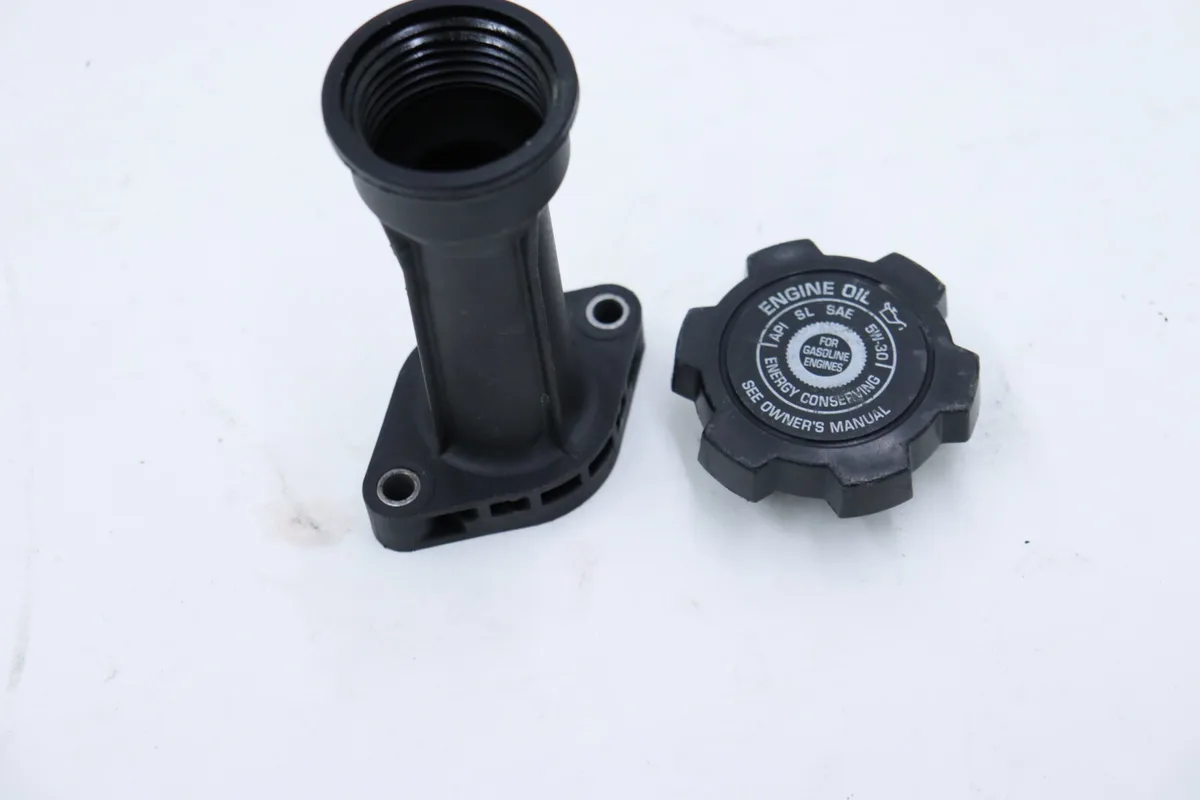
Image source: Web (Bing) / ekgdiesel.com
One look at a neglected Tundra's valve covers tells the story. Sticky black sludge versus clean golden metal. The difference is simply the right oil changed on schedule.
The Two Engines – 4.6L vs 5.7L – And Why It Matters
Pop the hood and the first thing you need to figure out is which engine you have. It changes everything about how much oil you buy and what viscosity works best.
The 2013 Tundra came with two engine options:
4.6L 1UR-FE V8, This is the smaller of the two. It produces 310 horsepower and is found in most SR5 and base models. It takes 6.3 quarts of oil with a filter change.
5.7L 3UR-FE V8, The big dog. 381 horsepower and 401 lb-ft of torque. It is the preferred engine for towing and off-road use. This one needs 7.4 quarts of oil.
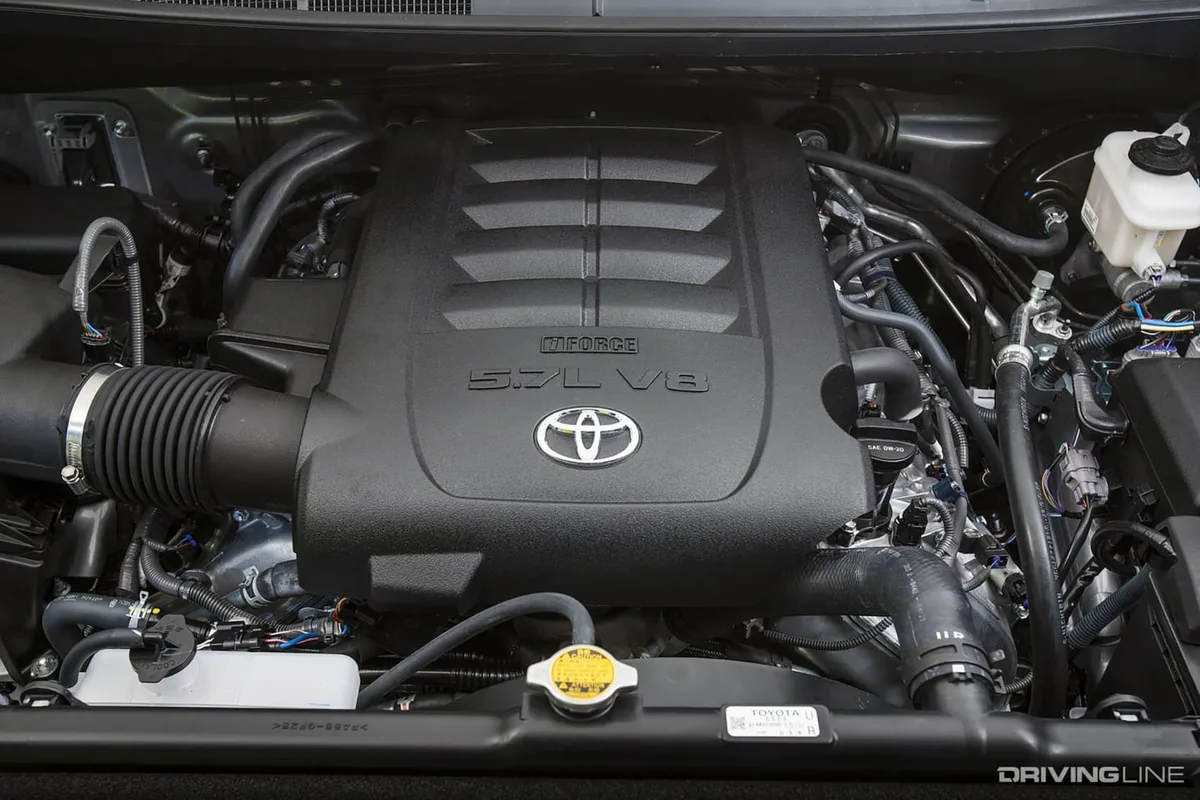
Image source: Bing (Web (fair-use with source credit))
How do you tell them apart without a decoder ring? Look at the engine cover. The 5.7L has a large plastic cover that says "5.7L V8" in bold lettering.
The 4.6L cover is smaller and sits lower. If the cover is missing, check the emissions label under the hood or the VIN. The eighth character in the VIN tells all: "W" means 4.6L and "T" means 5.7L.
Both engines use the same oil type and viscosity from the factory. But the capacity difference means buying an extra quart for the 5.7L every oil change.
Oil Viscosity Breakdown: 0W-20 vs 5W-30
This is where most of the confusion lives. Walk into any auto parts store and you will see shelves full of options. Here is what those numbers actually mean.
SAE 0W-20 is the factory recommendation for both engines. The "0W" stands for winter viscosity. It means the oil flows like a 0-weight at cold temperatures.
This is critical for cold starts, especially in northern climates. Thinner cold flow means oil reaches the top end faster, reducing wear on startup.
The "20" is the hot viscosity rating. At operating temperature, the oil behaves like a traditional 20-weight. It is thin enough to flow through tight passages but thick enough to maintain a protective film.
SAE 5W-30 is listed as an acceptable alternative in the owner's manual. Use it only when 0W-20 is unavailable. The thicker hot rating provides slightly more film strength at high temperatures.
Some owners in hot climates or those who tow heavy loads prefer 5W-30 for added protection.
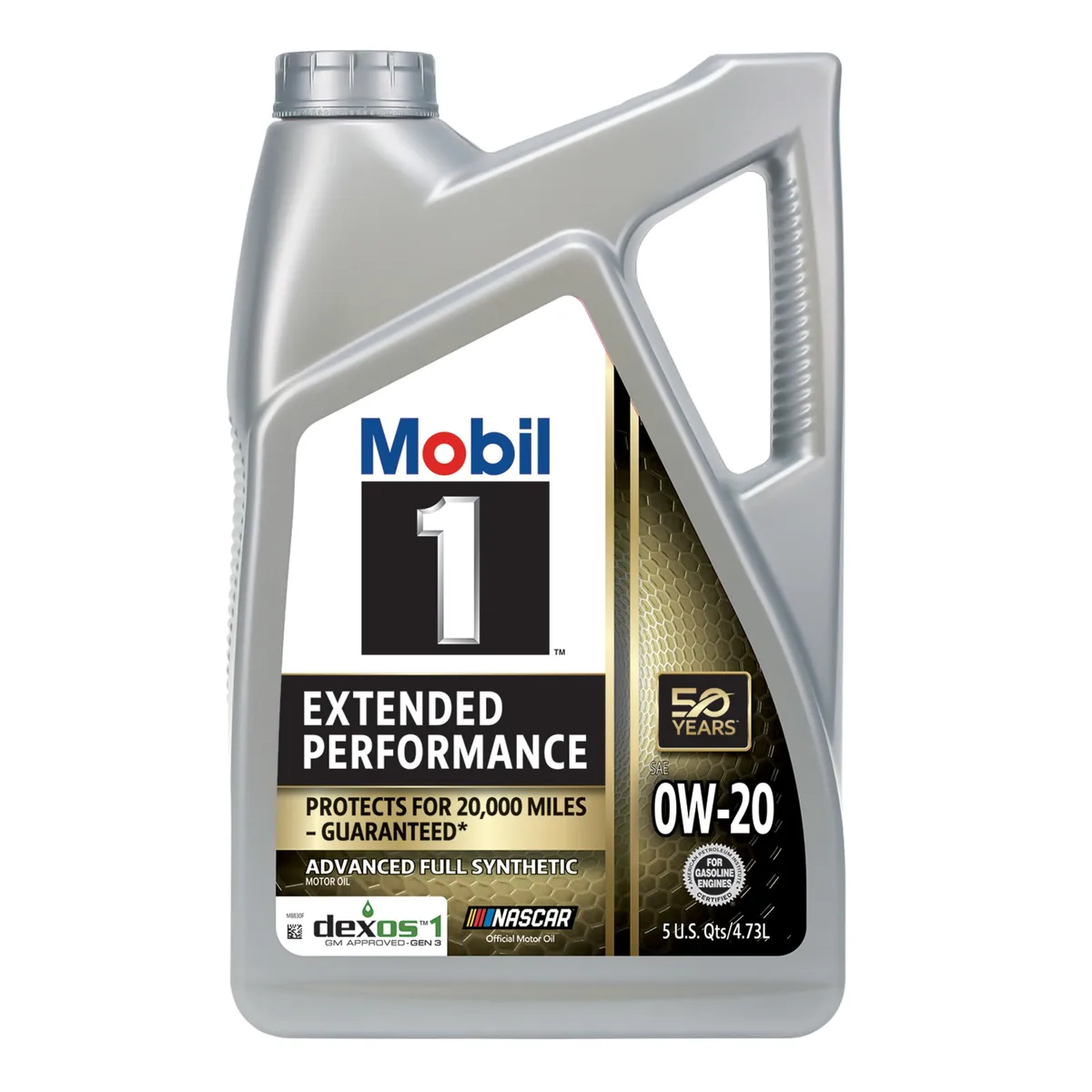
Image source: Web (Bing) / business.walmart.com
Here is the honest breakdown. For daily driving in moderate climates, stick with 0W-20. It gives better fuel economy and faster cold start protection.
If you live in a desert climate or tow near maximum capacity regularly, 5W-30 is a reasonable choice. But understand that Toyota engineers designed the engine around 0W-20. Thicker oil reduces flow to the VVT system and can cause the engine to run slightly hotter.
Tundra forums confirm this pattern. Vehicles running 0W-20 on schedule tend to have cleaner internals at 150,000 miles compared to those running thicker oils.
API and ILSAC Certifications – What Those Letters on the Bottle Mean
Not all oil is created equal. Two bottles with the same viscosity can have wildly different additive packages. The certification marks tell you which ones meet modern engine requirements.
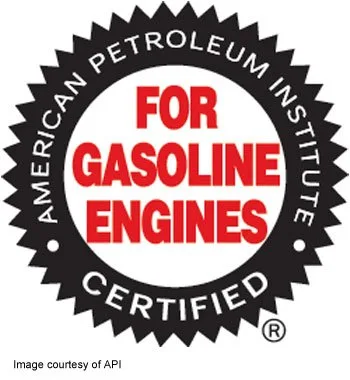
Image source: Web (Bing) / infineuminsight.com
API Certification, Look for the "Starburst" mark on the front of the bottle. For the 2013 Tundra, you need API SN, SN Plus, or the newer SP. These certifications ensure the oil has proper anti-wear additives, detergent levels, and thermal stability for modern engines.
API SN Plus was introduced to address low-speed pre-ignition in turbo engines. While your Tundra is naturally aspirated, using SN Plus or SP gives you better protection than older SM or SL oils.
ILSAC Certification, This is the International Lubricant Standardization and Advisory Committee standard. Look for the "Starburst" that says GF-5 or GF-6. These standards focus on fuel economy, emissions system protection, and sludge control.
GF-6 is the latest standard as of 2026 and is backward compatible with GF-5 requirements.
Here is what happens when you ignore these certifications. An API SL oil from 2004 lacks the detergents needed to keep a modern VVT engine clean. Over time, deposits build up on the timing chain tensioner and VVT solenoids.
Performance drops. Fuel economy suffers. Eventually you are looking at a repair bill that dwarfs the cost of proper oil.
Always check the back of the bottle for the certification donut. If it doesn't show API SN/SP and ILSAC GF-5/GF-6, put it back on the shelf. No exceptions.
Synthetic vs Conventional vs High-Mileage – Which One Should You Use?
Full synthetic is the right call for the 2013 Tundra. Toyota specifies it from the factory for good reason.
Conventional oil lacks the thermal stability needed for these high-compression V8s. It breaks down faster under heat, especially during towing or extended idling. You would need shorter change intervals, around 3,000 to 4,000 miles, to keep protection levels acceptable.
Synthetic blend sits in the middle. It mixes conventional base stock with synthetic additives. It is better than straight conventional but still falls short of full synthetic in high-temperature performance.
Aggregate reviews from Tundra owners show blend oils tend to shear down in viscosity faster than full synthetics.
High-mileage oil is formulated for engines with over 75,000 miles. It contains seal conditioners that swell dried-out gaskets and reduce leaks. It also has higher detergent levels to clean existing sludge.
If your Tundra is north of 100,000 miles, high-mileage synthetic is a smart upgrade. Just make sure it still carries the API SN or SP certification.
The price difference is modest. A full synthetic oil change runs about $50 to $90 in materials. Conventional saves you maybe $15 to $20.
On a $40,000 truck, skimping on oil quality to save twenty bucks does not add up.
Oil Capacity: How Much Your Tundra Actually Needs
Underfilling or overfilling causes real problems. Here is the exact capacity for each engine.
4.6L V8 (1UR-FE)
- With filter change: 6.3 quarts (6.0 liters)
- Without filter change: approximately 6.0 quarts
5.7L V8 (3UR-FE)
- With filter change: 7.4 quarts (7.0 liters)
- Without filter change: approximately 7.0 quarts
Buy your oil accordingly. For the 4.6L, grab six quarts and a single quart. You will use most of the seventh.
For the 5.7L, buy seven quarts and an eighth. You will pour in about seven and a half.
A common mistake is dumping in the full listed capacity blind. Always pour in about half a quart less than the spec, check the dipstick, then top off. The filter absorbs some oil during the first startup.
Let the engine run for a minute, shut it off, wait 30 seconds, and recheck. Add slowly until the level sits between the low and full marks.
The dipstick on these engines reads accurately only when the engine is warm and has been off for a minute. Cold readings read high because oil has drained into the pan.
Step-by-Step: How to Change Your Oil the Right Way
An oil change on the 2013 Tundra is straightforward. You need basic tools and about 45 minutes.
What you will need:
- Correct oil (0W-20 full synthetic, API SN/SP)
- OEM or equivalent oil filter with anti-drainback valve
- 14mm socket for the drain plug
- Oil filter wrench (metal cap style works best)
- Funnel
- Drain pan
- Crush washer (replace it every time)
- Torque wrench
The process:
First, warm the engine for two to three minutes. Warm oil drains faster and carries more suspended contaminants. Park on level ground and engage the parking brake.
Slide the drain pan under the engine. The drain plug faces the rear of the oil pan. Remove it with the 14mm socket.
Let the oil drain completely, about five to eight minutes. Inspect the old crush washer. If it is flattened or distorted, replace it.
Torque the new plug to 30 ft-lb for the 4.6L or 36 ft-lb for the 5.7L. Do not overtighten. The oil pan is aluminum and strips easily.
Move the drain pan under the oil filter. It sits on the passenger side of the engine block. Use the filter wrench to loosen it.
Turn it by hand once loose. Expect more oil to spill. Let it drain into the pan.
Coat the new filter's rubber gasket with fresh oil. This prevents the gasket from sticking and ensures a proper seal. Screw it on by hand until the gasket contacts the mounting surface.
Tighten it another three-quarters turn by hand. Do not use the wrench for installation.
Remove the oil fill cap. Insert the funnel. Pour in most of the oil but leave about half a quart out.
Replace the cap. Start the engine and let it run for 30 seconds. The oil pressure light should go out within a few seconds.
If it stays on, shut down immediately and check for leaks or insufficient oil.
Shut the engine off. Wait one minute. Pull the dipstick, wipe it, reinsert, and check the level.
Add the remaining oil in small increments until the level sits between the marks.
Reset the oil maintenance light. With the ignition in ON position, press the odometer reset button until the oil light flashes. Turn the ignition off.
Common Mistakes That Kill Tundra Engines
Even experienced DIYers make these errors. Avoid them.
Using the wrong viscosity. The most common mistake. Grabbing 10W-30 or 5W-30 because that is what your old truck used. The 2013 Tundra needs 0W-20 for proper VVT operation.
Thicker oil causes timing chain tensioner noise and reduced fuel economy.
Reusing the drain plug crush washer. The crush washer deforms to create a seal. Reusing a flattened one invites drips. A new washer costs pennies.
A leaky plug costs you oil pressure.
Overtightening the drain plug. The aluminum oil pan threads are soft. Strip them and you face a helicoil repair or a new pan. Torque to spec.
Hand tight with a wrench is not good enough.
Skipping the filter gasket lubrication. A dry gasket can stick and tear during the next change. Worse, it can fail to seal and cause a massive oil leak on startup.
Ignoring the anti-drainback valve. Cheap filters lack a proper valve. Oil drains back into the pan overnight. The engine starts dry.
The result is metal-on-metal wear for the first few seconds of every cold start. Stick with OEM or quality aftermarket filters that include a silicone anti-drainback valve.
Overfilling. Adding too much oil causes foaming. Foam does not lubricate. It also increases pressure inside the crankcase, forcing oil past seals and creating leaks.
When to Change It – Intervals for Normal vs Severe Driving
Toyota recommends two different schedules depending on how you drive.
Normal driving conditions:
- 10,000 miles or 12 months (full synthetic)
- This covers mixed highway and city driving with moderate temperatures
Severe driving conditions:
- 5,000 miles or 6 months
- This covers frequent towing, off-road use, extended idling, short trips under 5 miles, extreme heat or cold, and dusty environments
Be honest about your driving habits. Most Tundra owners fall into the severe category. Towing a boat every weekend is severe.
Driving five miles to work in stop-and-go traffic is severe. Living in Phoenix summer heat is severe.
Tundra forums are full of posts from owners who stretched intervals to 12,000 or 15,000 miles and ended up with sludge. The 5.7L in particular seems sensitive to extended oil change intervals. Our research across multiple owner communities shows cleaner engines at 200,000 miles among those who change every 5,000 miles with high-quality synthetic.
When in doubt, change it sooner. Oil is cheap. Engines are not.
What About the Oil Filter? OEM vs Aftermarket
The oil filter matters almost as much as the oil itself. A poor filter lets contaminants circulate and can lack a proper anti-drainback valve.
OEM Toyota filter (part number 04152-YZZA1 or 04152-YZZA6). This is the safest choice. It has a silicone anti-drainback valve that holds oil in the filter when the engine is off. The bypass valve opens at the correct pressure for your Tundra's oil pump.
The filtration media is consistent. Aggregate feedback from long-term owners shows fewer cold start rattle complaints with OEM filters.
Aftermarket options. Brands like Wix, Purolator, and Mobil 1 make quality filters for the Tundra. Look for one with a silicone anti-drainback valve and a burst strength rating above 200 psi. Avoid the cheapest store brand filters.
They often use paper end caps that degrade over time and cellulose media that bypasses too early.
Use OEM or a reputable aftermarket filter with confirmed specs. Never use a filter labeled for a different engine just because the threads match.
Cold Weather, Hot Weather, and Towing – Adjusting Your Oil Choice
Your driving environment changes the oil's job. Here is how to adjust.
Cold winters (below 20°F). Stick with 0W-20. The "0W" rating ensures the oil flows instantly at subzero temperatures. Thicker oil in winter causes dry starts and accelerated bearing wear.
If your Tundra sits outside overnight in Minnesota, 0W-20 is non-negotiable.
Hot climates (above 100°F consistently). 0W-20 still works fine for normal driving. Synthetic oil handles high heat without breaking down. For heavy towing in desert heat, some owners prefer 5W-30 for the extra film strength at sustained high RPM.
Just know that fuel economy drops slightly and VVT response may feel different.
Heavy towing. If you regularly tow near the Tundra's 10,000 pound capacity, consider shorter intervals rather than thicker oil. Change at 4,000 to 5,000 miles with 0W-20 full synthetic. The oil shears down from the stress of constant high load.
Fresh 0W-20 protects better than aged 5W-30.
The owner's manual allows 5W-30 when 0W-20 is unavailable. That is a temporary allowance, not a recommendation. In our research, Tundras maintained on 0W-20 throughout their life show cleaner timing chain areas and fewer VVT solenoid issues.
FAQs – What Real Tundra Owners Ask
Can I use 5W-30 in my 2013 Tundra?
Yes, but only when 0W-20 is not available. The owner's manual lists it as an acceptable alternative. For best protection and fuel economy, always use 0W-20 full synthetic with API SN or SP certification.
How much oil does a 2013 Tundra 5.7L take?
The 5.7L V8 takes exactly 7.4 quarts of oil with a filter change. Without a filter change, it takes about 7.0 quarts. Always check the dipstick after adding and top off slowly.
What happens if I use conventional oil instead of synthetic?
Conventional oil lacks the thermal stability and detergent levels the Tundra's V8 needs. It breaks down faster, especially under load. You would need changes every 3,000 to 4,000 miles.
Sludge buildup becomes more likely over time.
How often should I change the oil on a 2013 Tundra?
For normal driving, every 10,000 miles with full synthetic. For severe driving (towing, off-road, short trips, extreme temperatures), every 5,000 miles. Most Tundra owners should follow the severe schedule.
Do I need to use Toyota brand oil?
No. Any brand that meets API SN or SP certification and ILSAC GF-5 or GF-6 standards works. Toyota Genuine Motor Oil is a safe choice, but Mobil 1, Pennzoil Platinum, Valvoline Advanced, and Castrol Edge all meet the specs.
What does the API starburst on the oil bottle mean?
The API starburst certifies the oil meets current American Petroleum Institute standards for performance and protection. For the 2013 Tundra, look for API SN, SN Plus, or SP. Avoid oil with only API SL or older ratings.
Final Verdict – The Exact Oil Setup We Recommend
Here is the straightforward answer for your 2013 Toyota Tundra.
Use 0W-20 full synthetic motor oil that carries API SN Plus or SP certification and ILSAC GF-5 or GF-6. For the 4.6L engine, buy 6.3 quarts. For the 5.7L, buy 7.4 quarts.
Pair it with an OEM Toyota oil filter or a quality aftermarket unit with a silicone anti-drainback valve.
Change it every 5,000 miles if you tow, drive in stop-and-go traffic, or live in extreme weather. You can stretch to 10,000 miles for gentle highway driving in moderate climates.
This combination keeps the VVT system responsive, prevents sludge buildup, and gives you the best chance of seeing 250,000 miles without major engine work. It is not complicated. The right oil, the right filter, and consistent intervals make all the difference.
Your Tundra earned its reputation for reliability. Give it the oil it was designed for, and it will return the favor.