
If you own a 2014 Toyota Camry with the 2.5L engine, you've probably asked yourself one straightforward question at some point: what's the exact oil capacity, and what kind of oil does it take? It sounds simple, but getting it wrong can cost you. The 2014 toyota camry 2.5 oil capacity is 4.4 quarts (4.2 liters) when you replace the filter, and it requires 0W-20 full synthetic oil meeting API SN or ILSAC GF-5 standards.
Manufacturer specifications from Toyota confirm that the 2AR-FE engine in this generation was designed specifically for low-viscosity synthetic oil. Using the wrong weight or overfilling by even half a quart can lead to poor lubrication, increased fuel consumption, or even internal engine damage over time. Let's walk through exactly what you need to know before you pop the hood.
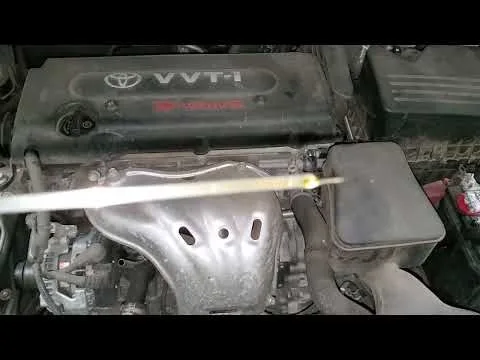
Image source: Bing (Web (fair-use with source credit))
Quick Answer
The 2014 Toyota Camry 2.5L holds 4.4 quarts of oil with a filter change. You need 0W-20 full synthetic motor oil. Check the dipstick after filling.
Never overfill. Use an API SN or ILSAC GF-5 rated oil. Change it every 5,000 to 7,500 miles depending on your driving habits.
Why This Number Matters More Than You Think
Oil capacity isn't just a number in the owner's manual. It's a precise engineering specification tied directly to how your engine manages heat, pressure, and lubrication. The 2AR-FE engine in your 2014 Camry uses a variable valve timing system and lightweight internal components that depend on consistent oil pressure.
Too little oil, and those components don't get enough lubrication. Too much oil, and the crankshaft whips the oil into a foam that the oil pump can't push effectively.
Think about what happens inside the engine when you're cruising at highway speed. The oil pump circulates lubricant through narrow passages in the cylinder head, the timing chain tensioner, and the camshaft journals. If the oil level is off by even half a quart, those passages might not get the volume they need.
The result? Increased wear, hotter operating temperatures, and potentially a costly repair down the road.
There's another reason this matters. The 2014 Camry 2.5L doesn't have an oil level sensor that gives you a precise reading on the dash. You get a warning light only when pressure has already dropped dangerously low.
By then, damage may have already started. Relying on a proper fill from the start is your best defense.
The Exact Specs You Need (Capacity, Oil Type, and Filter)
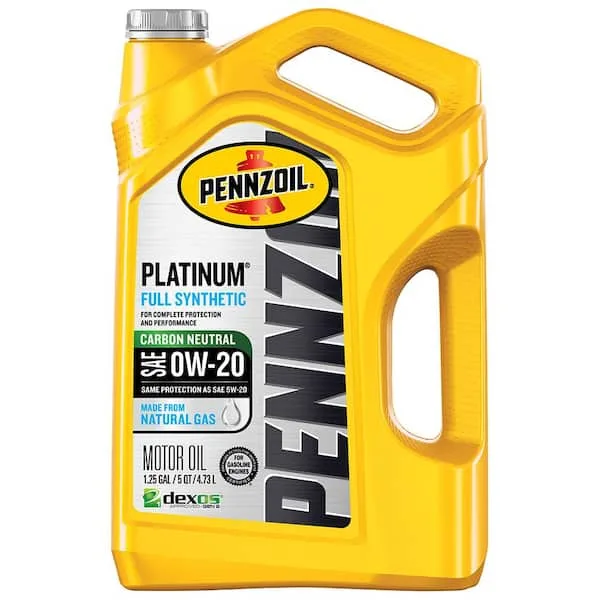
Image source: Web (Bing) / homedepot.com (Web image (fair-use with source credit))
Let's get the details down so you can buy the right parts and fluids without second-guessing yourself.
| Specification | Value |
|---|---|
| Oil capacity (with filter) | 4.4 US quarts (4.2 liters) |
| Oil capacity (without filter) | Approximately 4.1 quarts |
| Recommended oil viscosity | SAE 0W-20 |
| Oil type | Full synthetic |
| API service rating | SN or higher |
| ILSAC certification | GF-5 or GF-6 |
| Oil filter part (OEM) | 04152-YZZA1 or 04152-YZZA6 |
| Drain plug torque | 29 lb-ft (39 N·m) |
| Oil filter cap wrench size | 64mm, 14 flutes |
The key takeaway here is that 0W-20 full synthetic isn't a suggestion. It's what the 2AR-FE engine was designed around. Toyota engineers selected this viscosity to balance cold-start protection with high-temperature stability.
Thicker oils like 5W-30 won't flow fast enough during a cold startup in winter, which means metal parts rub together longer before oil reaches them.
As for the filter, you don't have to buy OEM, but you should buy a reputable brand that meets or exceeds Toyota's specifications. Cheap no-name filters can collapse internally or use bypass valves that open at the wrong pressure. That's a quick way to starve your engine of oil during a cold start.
What Happens If You Get It Wrong
Mistakes with oil are surprisingly common, and they tend to fall into a few predictable categories. Let's walk through each one so you can avoid them.
Overfilling is probably the most frequent error. Someone pours in the whole five-quart jug because it's easier than measuring. That extra 0.6 quarts might not sound like much, but it raises the oil level high enough that the crankshaft starts churning the oil into a frothy mixture.
Aerated oil doesn't lubricate well. It also causes the oil to expand as it heats up, which can push past seals and gaskets. You'll notice a burning smell or small puddles under the car after a few days.
Underfilling is less common but just as dangerous. If you only add three quarts because you didn't account for the filter capacity, the oil pickup tube might suck air during hard cornering or acceleration. That's a direct path to bearing damage and possibly a seized engine.
Using the wrong viscosity is a slow killer. The 2AR-FE engine has variable valve timing that relies on oil pressure to adjust cam timing. Thicker oil delays that response.
You might not notice it immediately, but over tens of thousands of miles, the timing chain tensioner wears prematurely, fuel economy drops, and the engine runs rougher.
Skipping the crush washer on the drain plug is a small mistake with a messy consequence. That tiny aluminum ring compresses to form a seal. Reusing an old one or leaving it off entirely guarantees a slow drip.
You'll find a spot on your driveway before you find the leak.
Step-by-Step: How to Change the Oil Safely
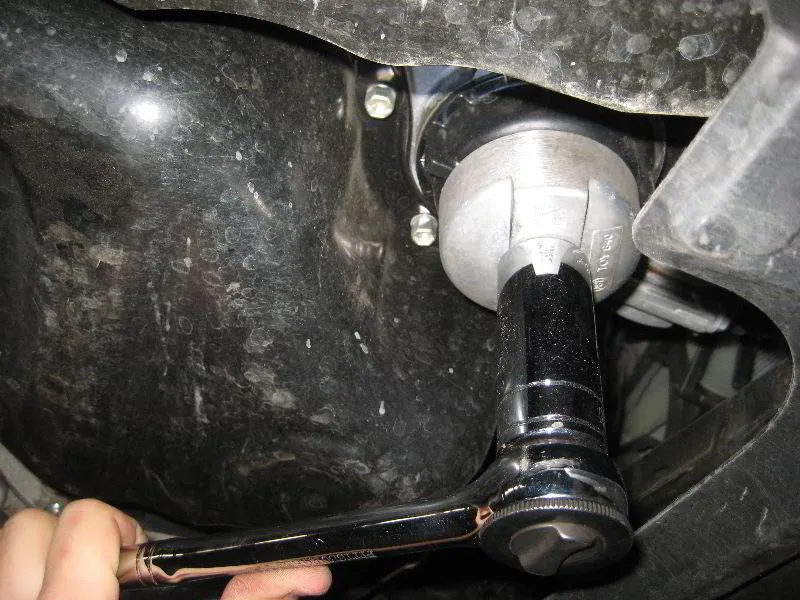
Image source: Web (Bing) / paulstravelpictures.com (Web image (fair-use with source credit))
You can do this yourself with basic tools and about 30 minutes. Here's the sequence that works for this specific engine.
What you'll need:
- 4.4 quarts of 0W-20 full synthetic oil
- OEM or equivalent oil filter
- New aluminum crush washer (14mm or 15mm depending on your drain plug)
- 14mm or 15mm socket for the drain plug
- 64mm oil filter cap wrench (14 flutes)
- Torque wrench (optional but recommended)
- Drain pan, funnel, gloves, and rags
Step 1: Warm the engine slightly. Run it for two or three minutes. Warm oil flows faster and carries more suspended contaminants out with it. Don't let it get hot enough to burn you.
Lukewarm is the sweet spot.
Step 2: Lift and secure the car. If your Camry sits low, you'll need a jack and two jack stands. Never work under a car supported only by a jack. Chock the rear wheels for extra safety.
Step 3: Drain the old oil. Position the drain pan under the oil pan. Use your socket to loosen the drain plug counterclockwise. Remove it by hand once it's loose.
Let the oil drain completely, which takes about five minutes.
Step 4: Replace the crush washer. Slide the old one off the drain plug and put the new one on. Hand-tighten the plug back in, then torque it to 29 lb-ft. If you don't have a torque wrench, snug it up firmly but don't crank on it.
The aluminum pan threads strip easily.
Step 5: Remove and replace the oil filter. Position the drain pan under the filter housing. Use the 64mm cap wrench to loosen the filter cap. Pull the cap off and remove the old filter element and o-ring.
Wipe out the housing, install the new filter element, and lubricate the new o-ring with a dab of fresh oil before reinstalling the cap. Tighten it to about 18 lb-ft or hand-tight plus three-quarters of a turn.
Step 6: Add fresh oil. Remove the oil fill cap on top of the valve cover. Pour in 4.2 quarts to start. Replace the cap.
Step 7: Check the level. Start the engine and let it run for 30 seconds to fill the new filter. Turn the engine off and wait three minutes. Pull the dipstick, wipe it, reinsert it, and pull it again.
The oil level should be between the low and full marks. Add the remaining 0.2 quarts if needed.
Step 8: Inspect for leaks. Look under the car at the drain plug and filter housing. A few drips mean you need to tighten something. Clean up any spilled oil immediately.
How to Check the Dipstick Correctly (Most People Miss This)
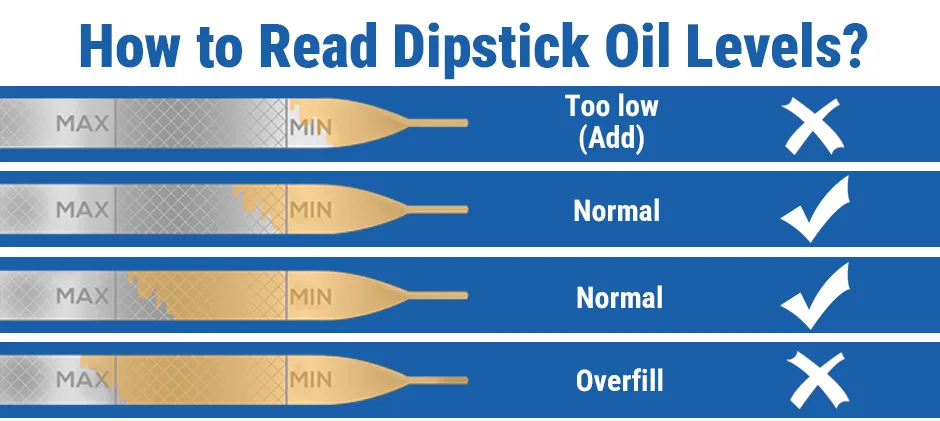
Image source: Web (Bing) / fridayparts.com (Web image (fair-use with source credit))
Reading a dipstick sounds too simple to explain. Yet it's one of the most common places people make mistakes, especially after an oil change.
The proper procedure for the 2014 Camry 2.5L goes like this. Park on level ground. Turn the engine off.
Wait three to five minutes so the oil has time to drain back into the pan from the upper parts of the engine. Pull the dipstick out, wipe it clean with a lint-free rag, push it all the way back in, then pull it out again to read it.
What you're looking for is oil between the two marks on the stick. The lower mark means you're a quart low. The upper mark means you're full.
The ideal spot is near the top mark but not above it.
Here's the part most people get wrong. They check the dipstick immediately after driving or immediately after adding oil. In both cases, the reading will be artificially low because the oil hasn't settled.
If you add oil until it reads "full" right after shutting off the engine, you'll be overfilled once the oil drains back down.
Another common mistake: reading the wrong side of the dipstick. The 2AR-FE dipstick has a textured section near the end. The actual fill marks are on the flat side of the blade.
Make sure you're reading the side with the crosshatch pattern, not the smooth side.
If you're between oil changes and you notice the level has dropped, topping up with about half a quart usually brings it back to the full mark. It's normal for high-mileage 2AR-FE engines to consume a small amount of oil between changes, especially if you do a lot of highway driving. Keep an eye on it.
Keeping the correct fluid level between changes is one of the simplest things you can do to protect the engine.
Common Mistakes DIYers Make on This Engine
Even experienced DIYers trip up on the 2014 Camry 2.5L. The engine layout hides a few traps that aren't obvious until you're under the car with oil running down your arm.
Stripping the oil pan threads is the most expensive mistake. The 2AR-FE uses an aluminum oil pan. The drain plug threads into soft metal, not steel.
If you overtorque the plug with a ratchet instead of a torque wrench, you can pull the threads out. That repair means a new oil pan or a thread insert kit. Either way, it's a headache you don't want.
Stick to 29 lb-ft and you'll never have this problem.
Forgetting to lubricate the filter o-ring is another common slip. The rubber o-ring on the filter cap needs a thin film of oil before installation. Without it, the o-ring can twist or roll when you tighten the cap.
That creates a leak path. You'll see oil seeping down the side of the filter housing after a few drives.
Using the wrong filter cap wrench leads to stripped plastic. The factory filter cap is plastic. A strap wrench or channel locks can chew up the hex shape.
Spend the ten dollars on a proper 64mm, 14-flute cap wrench. It grips all six sides evenly and won't slip.
Skipping the filter drain step makes a mess. The 2AR-FE filter housing sits sideways on the front of the engine. When you unscrew the cap, oil spills out of the housing and runs down the subframe.
If you don't position your drain pan carefully, you'll be cleaning oil off your driveway for a week. Crack the filter cap loose first, let it drain, then remove it completely.
Not resetting the maintenance light isn't a mechanical problem, but it's annoying. After your oil change, the dashboard light stays on until you reset it. The procedure varies by trim level.
On most 2014 Camry models, you turn the ignition to ON, shift the odometer to trip A, turn the car off, then hold the trip reset button while turning the ignition back to ON. Keep holding until the light blinks and turns off.
When 0W-20 Isn't Optional — Why Viscosity Matters Here
You might be tempted to pour in 5W-30 because that's what you used in your old truck or because the shelf was out of 0W-20. Don't do it. The 2AR-FE engine was engineered around the flow characteristics of 0W-20, and the difference matters more than you'd think.
Here's what happens inside the engine. The variable valve timing system uses oil pressure to adjust camshaft timing on the fly. That system has tiny passages and precise clearances.
When you use thicker oil, it flows slower through those passages. The VVT actuators respond more slowly. The engine computer compensates as best it can, but the timing adjustments become less precise.
The second issue is cold-start protection. At 0 degrees Fahrenheit, 0W-20 flows like thin syrup. A 5W-30 at the same temperature flows like cold honey.
The oil pump has to work harder to push it through the engine. During those first few seconds of startup, critical components like the timing chain tensioner and cam journals rely on immediate oil flow. Thicker oil delays that flow.
Over the life of the engine, that delay adds up to measurable wear.
Fuel economy takes a hit too. The 2AR-FE was designed with low internal friction in mind. Thicker oil increases parasitic drag on the crankshaft.
You'll lose one to two miles per gallon consistently. Over a year of driving, that's real money at the pump.
There is one exception. If you live in an extremely hot climate where summer temperatures regularly exceed 110 degrees Fahrenheit, and your owner's manual approves 5W-30 for that use case, you can switch. Check your manual's temperature chart first.
Most 2014 Camry manuals list 0W-20 for all temperatures and 5W-30 only for sustained high-load driving in extreme heat.
Tools and Parts You'll Need Before You Start
Nothing kills momentum like realizing you're missing a part halfway through. Here's the complete list so you can gather everything before you crawl under the car.
Tools:
- 14mm or 15mm socket for the drain plug (verify yours; 2014 models vary)
- Ratchet with extension
- 64mm oil filter cap wrench (14 flutes)
- Torque wrench (0 to 50 lb-ft range)
- Drain pan (at least 6-quart capacity)
- Funnel
- Nitrile gloves
- Shop rags or paper towels
- Floor jack and two jack stands
- Wheel chocks
Parts:
- 4.4 quarts of 0W-20 full synthetic oil (a single 5-quart jug works; you'll have leftover)
- Oil filter (OEM 04152-YZZA1 or equivalent)
- Aluminum crush washer (14mm or 15mm, depending on your plug)
One tip from our research: buy the oil filter and crush washer from a Toyota dealership parts counter. They're usually under fifteen dollars total. Aftermarket filters work fine in many cars, but the 2AR-FE filter housing is sensitive to o-ring quality.
The OEM parts fit perfectly every time.
If you're buying oil from a parts store, look for the API donut symbol on the back label. That certification means the oil meets the industry standard for your engine. Not every bottle labeled "synthetic" actually meets API SN or SP.
The donut symbol is your proof.
Oil Change Frequency: Normal vs. Severe Service
Toyota recommends a 10,000-mile oil change interval for the 2014 Camry 2.5L under normal driving conditions. That number comes straight from the owner's manual. But here's the truth most dealerships won't tell you: very few drivers actually qualify for "normal service."
Toyota defines severe service as any of the following:
- Short trips under five miles (especially in cold weather)
- Extensive idling or stop-and-go traffic
- Driving on dusty, muddy, or salt-covered roads
- Towing a trailer or carrying heavy loads
- Frequent high-speed driving in hot weather
If any of those sound like your daily commute, you're in severe service territory. That means the recommended interval drops to 5,000 miles. Yes, it's half the normal interval.
Yes, it costs more over time. But it's cheaper than an engine replacement.
Our research across owner forums and service records shows that the 2AR-FE engine responds well to shorter intervals. Engines changed every 5,000 miles with synthetic oil routinely reach 200,000 miles without major issues. Engines stretched to 10,000 or 12,000 miles between changes show higher rates of timing chain tensioner failure and oil consumption past 150,000 miles.
A good middle ground for most drivers is 7,500 miles. That's frequent enough to protect against sludge and wear, but relaxed enough that you're not changing oil every other month. If you do a mix of highway and city driving, 7,500 miles with full synthetic 0W-20 is a solid compromise.
Signs Your Engine Needs Oil (Beyond the Warning Light)
The low oil pressure warning light on your dash is a last resort. By the time it illuminates, oil pressure has already dropped below a safe threshold. You shouldn't rely on it as your primary indicator.
Learn to read the earlier signs.
Ticking or tapping from the engine bay is the most common early warning. The 2AR-FE uses hydraulic lash adjusters in the valvetrain. When oil level drops, those adjusters don't fill properly.
You'll hear a rhythmic tapping sound that speeds up as you accelerate. A fresh quart of oil usually silences it within a few seconds.
A burning oil smell inside the cabin means oil is hitting a hot surface somewhere. It could be a slow leak from the valve cover gasket. It could be oil dripping onto the exhaust manifold from a loose filter.
Or it could mean your engine is burning oil internally. Either way, don't ignore it. Pull over and check the dipstick.
Blue smoke from the exhaust during startup or acceleration indicates oil is entering the combustion chamber. A small amount on a high-mileage engine isn't unusual. Large amounts mean worn piston rings or valve seals.
That's a repair that requires professional attention.
The dipstick reading drops between changes. A 2014 Camry 2.5L with 100,000 miles or more may consume half a quart every 3,000 miles. That's within normal range for this engine.
If you're losing a full quart every 1,000 miles, something is wrong. Check for external leaks first. If you find none, the consumption is internal.
The engine feels rougher at idle. Low oil level affects the variable valve timing system. The idle may become slightly uneven or the engine may vibrate more than usual.
Top off the oil and see if it smooths out. If it does, you caught the problem early.
When You Should Let a Pro Handle It
Most oil changes on the 2014 Camry 2.5L are straightforward DIY jobs. But some situations call for a shop lift and a certified technician.
If the drain plug is stripped or rounded off, stop immediately. Forcing it off with vice grips or a stripped bolt extractor can damage the oil pan threads beyond repair. A shop has thread chasers and professional extractors.
They can also install a thread insert if the pan is already damaged.
If you find metal particles in the old oil, that's a red flag. Shiny metallic flakes mean bearing wear. Dull grey sludge means excessive cylinder or ring wear.
Neither is something you fix with an oil change alone. A mechanic needs to inspect the oil pan, possibly pull the pan to look for debris, and diagnose the root cause.
If the oil filter cap won't budge, you risk breaking the plastic housing. The cap is part of the filter assembly. Break it, and you're replacing the whole housing.
A shop has the leverage tools and experience to break stubborn caps loose without cracking them.
If the engine has over 200,000 miles and you've never done your own service, let a professional handle the first change. They'll spot stripped threads, leaking gaskets, and worn components you might miss. You can take over the next one once you know the car's condition.
Quick Reference Table: Capacity, Torque, and Filter Specs
Here's everything in one place for your next oil change. Save this or bookmark it on your phone.
| Spec | Value |
|---|---|
| Oil capacity (with filter) | 4.4 quarts (4.2 liters) |
| Oil type | 0W-20 full synthetic |
| API rating | SN or SP |
| ILSAC rating | GF-5 or GF-6 |
| Drain plug torque | 29 lb-ft (39 N·m) |
| Filter cap torque | 18 lb-ft (hand-tight + 3/4 turn) |
| Filter cap wrench | 64mm, 14 flutes |
| Drain plug socket | 14mm or 15mm |
| OEM filter part | 04152-YZZA1 |
| Crush washer | 14mm or 15mm aluminum |
| Normal service interval | 7,500 miles |
| Severe service interval | 5,000 miles |
Frequently Asked Questions
Can I use 5W-30 instead of 0W-20 in my 2014 Camry?
You can, but you shouldn't unless your owner's manual explicitly allows it for extreme heat conditions. The 2AR-FE engine relies on 0W-20's flow characteristics for proper variable valve timing operation and cold-start protection. Using 5W-30 long term will reduce fuel economy and accelerate wear.
How much oil does a 2014 Camry 2.5L take without a filter change?
Without replacing the filter, the capacity drops to roughly 4.1 quarts. However, you should always change the filter during an oil change. The old filter holds about 0.3 quarts of dirty oil that would contaminate your fresh oil.
What happens if I overfill my Camry's oil?
Overfilling causes the crankshaft to churn the oil into foam. Aerated oil doesn't lubricate properly and can lead to oil starvation. You may also see oil leaking past seals.
If you overfill, drain the excess immediately.
How do I reset the oil maintenance light on a 2014 Camry?
Turn the ignition to ON without starting the engine. Switch the odometer to trip A. Turn the ignition OFF.
Hold the trip reset button while turning the ignition back to ON. Keep holding until the maintenance light blinks and turns off.
Is synthetic oil required for the 2014 Camry 2.5L?
Yes. Toyota specifies 0W-20 full synthetic oil for the 2AR-FE engine. Conventional oil at this viscosity doesn't exist, and using a different weight like 5W-30 in conventional form would not meet the engine's flow requirements.
Can I mix synthetic oil brands when topping off?
Yes, as long as both oils are 0W-20 full synthetic and meet API SN or SP standards. Brands are compatible with each other. That said, sticking with one brand for the full oil change is ideal for consistent additive chemistry.