
The 2015 toyota corolla problems list is longer than most owners expect for a Toyota. The 11th generation received a mid-cycle facelift that added a CVT with a launch gear and an available Valvematic engine. Those changes introduced new failure patterns that do not exist on the 2014 model.
We have analyzed NHTSA complaints TSBs and recall data to separate the critical risks from the nuisance issues.
The 2015 Corolla carries seven safety recalls as of 2026 and three of them involve Takata airbag inflators that can rupture and send metal fragments into the cabin. The CVT warranty extension expired in 2023 leaving owners exposed to four thousand dollar transmission replacements. This guide walks through each problem in order of severity so you can protect yourself or negotiate a fair price.
Quick Answer
The 2015 Toyota Corolla has three Takata airbag recalls that pose injury risk. The CVT judders and fails between 85000 and 115000 miles. The 1.8L engine burns oil at one quart per 1200 miles on many units.
Steering clunks and EVAP purge valve failures are common. Dashboard cracking and rodent wiring damage add unexpected costs.
Why Getting This Right Matters: Safety Recalls & Five-Figure Repair Bills
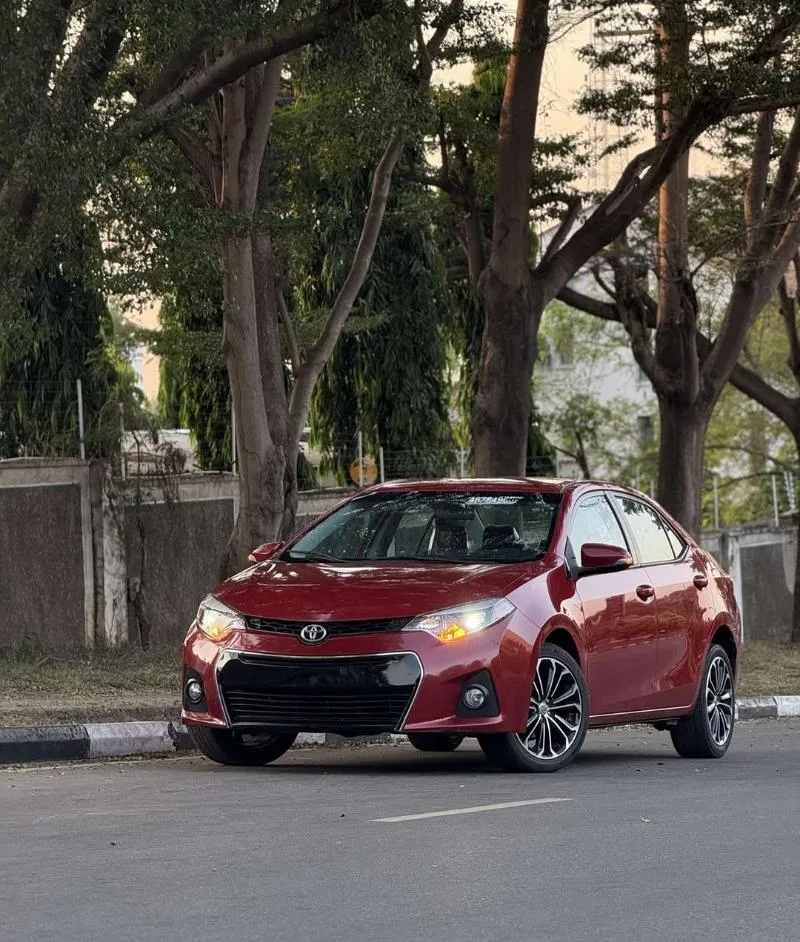
A missed Takata recall can turn a minor crash into a fatality. The driver inflator in the 2015 Corolla uses a PSDI-5 propellant that degrades in heat and humidity. NHTSA data shows this inflator type has the highest rupture rate of any Takata design.
Three separate recalls cover the driver side passenger side and replacement inflators installed during earlier repairs. Check your VIN at NHTSA.gov before you drive another mile.
The CVT failure cluster is the most expensive non-safety issue. Aggregate complaint data shows a sharp spike in transmission replacements between 85000 and 115000 miles. Dealer replacement cost ranges from 4200 to 5800 dollars.
Independent shops charge 2800 to 3500 dollars for a used unit. The special service campaign that extended CVT coverage to 10 years or 150000 miles expired in 2023. Most owners discovering the problem now have zero manufacturer support.
Oil consumption can destroy the engine if ignored. Toyota considers one quart per 1200 miles excessive. The TSB EG001-17 piston ring replacement program ended years ago.
Goodwill assistance requires documented consumption over 1000 miles at a dealership. Without records you pay for a short block or a used engine out of pocket.
Rust belt owners face brake line and fuel line corrosion that can cause sudden loss of braking or fuel delivery. Frame perforation has been reported on high mileage units in salt states. A pre-purchase lift inspection is not optional in these regions.
It is the difference between a ten thousand dollar car and a parts car.
The 2015 Corolla in Context: Facelift Changes, Trim Differences & Powertrain Basics
The 2015 model year introduced the mid-cycle facelift for the 11th generation. The front fascia headlights and hood were redesigned. The interior received a new dash trim and available 6.1 inch Entune touchscreen.
The biggest mechanical change was the CVT. The K312 unit added a physical first gear for launch before switching to belt drive. This launch gear reduces low speed shudder but adds a clutch pack that wears.
Two engines were offered. The base 2ZR-FE uses Valvematic variable valve lift on the LE Eco trim only. That version produces 140 horsepower versus 132 for the standard valve train.
All other trims L LE S and S Plus use the conventional valve train. Both engines share the same bottom end with a timing chain. No timing belt replacement is ever required.
Transmission choices are the K312 CVT or a 6 speed manual. The manual is rare and generally trouble free. The CVT holds 7.4 quarts of Toyota WS fluid.
There is no dipstick. Fluid level is set by an overflow plug on the side of the case. Toyota calls it lifetime fluid but the TSB TC010-19 recommends inspection every 30000 miles and replacement at 60000 miles for severe service.
Trim level determines brake configuration. The LE Eco and S trims get four wheel disc brakes. The L and LE trims retain rear drums.
Disc brake models suffer from premature rear pad wear caused by caliper slide pin corrosion. Drum brake models need shoe adjustment every 20000 miles to maintain pedal feel.
No 2015 Corolla came with Toyota Safety Sense. The pre-collision system lane departure alert and automatic high beams debuted on the 2016.5 model year. This omission affects insurance rates and resale value.
The IIHS small overlap front test rating is Marginal without the updated structure and airbag tuning that arrived with TSS-P.
The Non-Negotiable First Step: Run Your VIN for Takata Airbag Recalls

Open NHTSA.gov/recalls and enter your 17 digit VIN. Do this before you test drive before you negotiate before you hand over cash. The 2015 Corolla has three active Takata recalls.
Recall 19V-693 covers the driver frontal airbag inflator. Recall 20V-118 covers the passenger frontal airbag inflator. Recall 21V-219 covers replacement inflators installed during the first two recalls that were later found to be defective.
The driver inflator sits inside the steering wheel hub. The passenger inflator sits behind the glove box door. Both use ammonium nitrate propellant without a drying agent.
Long term exposure to heat and humidity causes the propellant to burn too fast. The metal housing ruptures and shoots fragments toward the occupant. NHTSA confirms 27 deaths and over 400 injuries in the US linked to Takata inflators.
Toyota will tow your car to a dealer for free repair. Parts are available now. The repair takes about two hours.
Do not accept a loaner car without confirming the loaner has no open recalls. Some dealers have loaned vehicles with unrepaired Takata inflators. Verify the loaner VIN too.
If you bought the car used and never got the recall notice you are still eligible. The remedy is free regardless of ownership history. Call Toyota Customer Experience at 800-331-4331 if a dealer refuses.
Reference the recall numbers above. Escalate to the regional manager if needed. This is not negotiable.
CVT Judder, Shudder & Premature Failure: Symptoms, TSBs & The 10-Year Warranty That Expired

The CVT judder feels like driving over rumble strips at 25 to 45 mph under light throttle. It is the torque converter lockup clutch engaging and slipping. TSB TC008-17 released a software update that changes lockup timing.
The update helps early cases but does not fix worn clutch material. TSB TC010-19 revised the fluid specification and added a warmer to reduce viscosity breakdown.
Whining noise from the transmission at highway speed indicates primary pulley bearing wear. The bearing supports the driven pulley shaft. When it fails the belt loses tension and slips.
Metal debris circulates through the valve body and destroys solenoids. Complete loss of forward motion follows. NHTSA ODI investigation PE22-007 documents this failure pattern.
The special service campaign 90L then 90M extended CVT warranty to 10 years or 150000 miles. It expired December 31 2023. Vehicles outside that window have no coverage.
Toyota goodwill after expiration is rare and requires a full dealer service history. Independent transmission shops report that a rebuilt K312 with updated bearings and clutch packs lasts 80000 to 100000 miles.
Fluid changes every 60000 miles using genuine Toyota WS fluid are the only proven prevention. The overflow plug method requires the car level at operating temperature. Drain refill and repeat until fluid runs clean.
Three drain cycles replaces roughly 60 percent of the fluid. Do not use aftermarket universal CVT fluid. The friction modifiers differ and cause shudder.
Test drive protocol for buyers. Accelerate gently from 20 to 50 mph. Hold steady throttle at 35 mph for 30 seconds.
Feel for vibration through the floor and seat. Listen for whine that rises with speed not engine rpm. Check Carfax for CVT replacement history.
A unit replaced under campaign 90M is a positive sign if the work was recent.
Oil Consumption: The 1-Quart Threshold, Piston Ring Design & Documenting for Goodwill
The 2ZR-FE engine in the 2015 Corolla uses low tension piston rings to reduce friction. This design improves fuel economy by roughly one mpg but allows oil to pass the rings under high vacuum. The LE Eco Valvematic engine runs higher intake vacuum at part load making it more prone to consumption.
Owners report one quart every 800 to 2000 miles.
Toyota TSB EG001-17 defines excessive consumption as more than one quart per 1200 miles. The test procedure requires a dealer oil change then return at 1000 miles for measurement. You must not add oil between visits.
The dealer documents the level and submits a goodwill request. Approval is not guaranteed. The piston ring replacement kit includes revised rings and a new PCV valve.
Document everything yourself. Check oil every 500 miles on a cold engine on level ground. Record date mileage and level.
Take photos of the dipstick. Keep receipts for every quart added. This log is your leverage for goodwill or lemon law.
Three documented consumption tests over 1000 miles each meet the threshold in most states.
Do not switch to thicker oil. The 0W-20 specification is mandatory for proper VVT-i operation. Thicker oil starves the variable valve timing actuator and causes cam phaser rattle.
Use only API SN Plus or SP rated 0W-20. Synthetic is required. Change interval is 5000 miles or 6 months whichever comes first.
Severe service drops it to 3000 miles.
Catch can installation helps reduce intake valve deposits from oil vapor but does not stop ring consumption. The PCV system pulls vapor from the crankcase into the intake. A quality catch can traps liquid oil before it reaches the valves.
Clean the can every 3000 miles. This is a maintenance item not a fix.
If consumption exceeds one quart per 500 miles the catalytic converter will clog. The P0420 code will set. Converter replacement is 1200 to 1800 dollars at an independent shop.
Address consumption before it destroys the cat. A used engine from a 2014 to 2016 Corolla with 60000 miles costs 1500 to 2200 dollars plus labor.
Steering Clunk, Uneven Brake Wear & EVAP Purge Valve: The $500–$1,500 Nuisance Cluster
The steering intermediate shaft clunk appears on low speed turns and parking maneuvers. The noise comes from the splined connection between the steering column and the electric power steering rack input shaft. TSB SR001-17 describes a revised shaft with updated spline geometry and a damping ring.
Dealer replacement costs 350 to 550 dollars. An independent shop charges 200 to 350 dollars using the updated Toyota part number 45210-02140.
Rear brake wear on disc models is uneven and premature. The caliper slide pins corrode and seize causing the inner pad to wear twice as fast as the outer. Pad replacement at 20000 miles is common.
The fix is cleaning and lubricating the pins with Toyota rubber grease 08887-01206 at every pad change. Replace the caliper bracket hardware kit if the boots are torn. Drum brake models need manual adjustment every 20000 miles.
The self adjuster rarely works on this generation.
EVAP purge valve failure sets codes P0441 P0455 or P0456. The valve sticks open allowing fuel vapor into the intake during refueling. Symptoms include rough idle after fill up hard starting and fuel smell.
TSB EG017-16 supersedes the valve with an updated design. The part costs 45 dollars. Labor is 0.5 hours.
The charcoal canister rarely fails but can saturate if the valve is ignored for months. Canister replacement adds 300 dollars.
These three issues often appear together between 60000 and 90000 miles. Budget 800 to 1500 dollars to resolve all three at an independent shop. Dealers charge 1200 to 2200 dollars.
The repairs are straightforward for a competent DIYer with basic tools and a scan tool that reads live data.
Dashboard Cracking & Soy-Based Wiring: Heat Damage & Rodent Magnets
The instrument panel substrate develops hairline cracks across the top surface and around the passenger airbag door. The cracks start near the defroster vents where heat cycles are most extreme. UV exposure accelerates the breakdown.
No recall or TSB addresses this. Dashboard replacement costs 1100 to 1600 dollars parts and labor. A dash cover installed early hides the cracks and slows further damage.
Rodent wiring damage is pervasive in this generation. The wiring harness insulation uses a soy based compound that attracts mice and rats. They nest in the engine bay and chew through harnesses near the firewall and under the intake manifold.
A complete engine harness replacement runs 1800 to 3500 dollars at a dealer. Independent shops can splice repairs for 600 to 1200 dollars if the damage is localized.
Prevention is cheaper than repair. Wrap exposed harness sections with Toyota rodent tape part number 08826-00101. The tape contains capsaicin that deters chewing.
Install metal mesh over the fresh air intake and any gaps in the firewall. Park inside a garage when possible. Use ultrasonic repellents in the engine bay.
Check for droppings and nesting material at every oil change.
Insurance comprehensive coverage often pays for rodent damage minus the deductible. Document the damage with photos before repairs. Some insurers require a pest control report.
Keep receipts for prevention supplies. They support the claim that you took reasonable steps.
Pre-Purchase Inspection: 12-Point Test Drive & Lift Checklist for Buyers
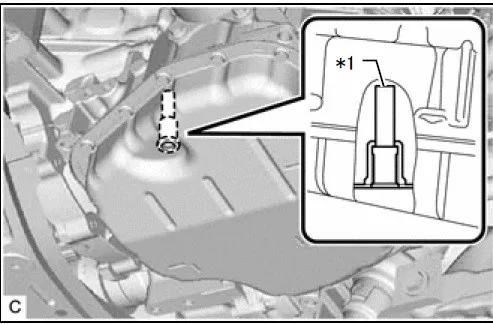
Bring a scan tool that reads live data and pending codes. A basic code reader misses CVT temperature data and fuel trim values. The inspection takes 45 minutes.
Do not skip the lift portion. Rust belt cars hide brake line rot and frame perforation above the rear axle.
- Cold start. Listen for timing chain rattle on the first three seconds. Check for blue smoke at startup indicating valve stem seals.
- CVT test. Drive 20 to 50 mph at light throttle. Hold 35 mph for 30 seconds. Feel for judder. Watch CVT fluid temperature on the scan tool. It should stabilize below 190 F.
- Steering check. Turn lock to lock at idle. Listen for clunk at the rack input shaft. Feel for notchiness in the electric assist.
- Brake test. Panic stop from 40 mph. Pedal should be firm. No pull. Check rear pad thickness through the caliper window. Inner pad wears first.
- EVAP monitor. Fill the tank. Drive 15 minutes. Check for pending P0441. Rough idle after fill up confirms a stuck purge valve.
- Oil consumption ask. Request the last three oil change receipts. Look for top offs between services.
- Recall verification. Run the VIN on NHTSA.gov. Confirm all three Takata recalls are complete. Check for CVT campaign 90M completion.
- Lift inspection. Brake lines for rust pitting. Fuel lines for crust. Control arm brackets for perforation. Frame rails for scaling rust. CV axles for torn boots. Subframe for heavy corrosion.
- Dashboard check. Shine a flashlight across the top pad. Hairline cracks glow. Check the passenger airbag door seam.
- Wiring inspection. Pull back the engine bay loom wrap. Look for chewed insulation near the firewall grommets and injector harness.
- Tire date codes. DOT code older than six years means budget for tires. Uneven wear indicates alignment or suspension issues.
- Fluid condition. CVT fluid should be pink not brown. Coolant pink not rusty. Brake fluid clear not black.
Walk away if the CVT judders the frame is perforated or the dash is shattered. Negotiate 1500 off for purge valve steering shaft or rear brake work. A clean car with documented recall completion and fresh CVT fluid is worth a premium.
Maintenance That Actually Prevents Failure: CVT Fluid, Oil Intervals & Rodent Tape
CVT fluid change at 60000 miles is the single most effective prevention. Use only genuine Toyota WS fluid. The overflow plug method requires the vehicle level on stands at operating temperature.
Drain refill repeat three times. This replaces roughly 60 percent of the fluid. A full flush machine is not required and can dislodge debris that clogs the valve body.
Cost is 120 dollars in fluid and 1 hour labor.
Engine oil every 5000 miles with 0W-20 synthetic API SP. Do not extend to 10000 miles even with synthetic. The low tension rings load up with carbon and lose seal.
Short trips and cold starts accelerate this. Check the level every 1000 miles. Top off immediately.
One quart low reduces oil pressure to the VVT-i actuator and the timing chain tensioner.
Brake fluid every 2 years or 30000 miles. The DOT 3 fluid absorbs water and corrodes the rear caliper pistons and slide pins. Flush until fluid runs clear at all four corners.
Use a pressure bleeder or two person method. Cost is 20 dollars in fluid.
Coolant at 100000 miles then every 50000 miles. Use Toyota Super Long Life Coolant pink premix. The water pump weep hole seeps around 80000 miles.
Replace the pump at the first sign of crust. Pump cost 60 dollars labor 2 hours.
Rodent tape on all exposed harness sections. Replace tape annually. The capsaicin leaches out.
Metal mesh on the fresh air intake. Check the engine bay for nests at every oil change. A 10 dollar roll of tape prevents a 2000 dollar harness repair.
Cabin air filter every 15000 miles. The blower motor resistor fails when the filter clogs and restricts airflow. Resistor cost 35 dollars.
Filter cost 15 dollars.
When to Escalate: Goodwill Claims, Lemon Law Thresholds & Independent Specialist Shops
Start with the service advisor. Present your documented oil consumption log or CVT judder video. Request a goodwill case number.
Toyota Customer Experience 800-331-4331 opens a case if the dealer refuses. Provide the case number to the service manager. Escalate to the district service manager if the dealer still declines.
The district manager has authority to approve goodwill up to 100 percent of parts.
Lemon law varies by state. Most require three repair attempts for the same defect or 30 cumulative days out of service within the warranty period. The 2015 Corolla is outside the factory warranty but the CVT campaign 90M created a de facto warranty that expired 2023.
Some states extend lemon protection for safety defects regardless of mileage. The Takata recalls are safety defects. Consult a lemon law attorney for a free case review.
Most work on contingency.
Independent transmission specialists who focus on Toyota CVTs are your best option for CVT failure. They rebuild the K312 with updated bearings clutch packs and valve body solenoids. A quality rebuild with 12 month 12000 mile warranty costs 2800 to 3500 dollars.
Ask for the shop's Toyota CVT rebuild count. Avoid general transmission shops that rebuild everything. They lack the specific tooling and software.
Engine rebuild specialists can install the revised piston ring kit for 1800 to 2500 dollars if the block is not scored. A used 2ZR-FE from a 2014 to 2016 donor with 60000 miles costs 1500 to 2200 dollars installed. Verify the donor engine consumption history if possible.
Compression test and leak down test before install.
Document every interaction. Email confirmations. Photos of parts.
Written estimates. This paper trail is your leverage for goodwill lemon law or small claims court. Small claims limit is 5000 to 10000 dollars depending on state.
You can represent yourself. Bring the TSBs recall letters and your maintenance log.
Quick-Reference Decision Matrix: Repair Cost vs. Vehicle Value by Mileage Band
| Mileage Band | Typical Private Party Value | CVT Rebuild | Engine Ring Job | Dashboard + Wiring | Verdict |
|---|---|---|---|---|---|
| 70k–90k | $12,500 | $3,200 | $2,200 | $2,500 | Fix CVT if juddering. Preventive fluid change. |
| 90k–115k | $11,000 | $3,200 | $2,200 | $2,500 | High CVT failure risk. Budget for rebuild. |
| 115k–140k | $9,500 | $3,200 | $2,200 | $2,500 | Repair cost exceeds 30% value. Consider replacement. |
| 140k+ | $7,500 | $3,200 | $2,200 | $2,500 | Major repair not justified. Run until failure. |
Values are 2024 national averages for clean title accident free LE trim. S Plus and LE Eco add 500 to 1000 dollars. Rust belt deduct 1500 to 2500 dollars.
One owner service records add 500 dollars.
If the CVT has already been rebuilt under campaign 90M and the work is documented add 1500 dollars to value. The updated internals are more durable. If the engine received the piston ring kit add 1000 dollars.
These repairs reset the clock on the two biggest failure modes.
Do not sink money into a car with frame perforation or a salvage title. The structural risk outweighs any repair savings. Walk away from flood cars.
The CVT valve body and EPS rack corrode internally. Problems appear months later.
Frequently Asked Questions
Does the 2015 Corolla have a timing belt or chain?
The 2ZR-FE engine uses a timing chain. No scheduled replacement interval exists. Chain stretch is rare before 200000 miles.
How often should I change the CVT fluid?
Every 60000 miles using genuine Toyota WS fluid. The overflow plug method replaces about 60 percent per service.
What does the CVT judder feel like?
A vibration like driving over rumble strips at 25 to 45 mph under light throttle. It is the torque converter lockup clutch slipping.
Is the Takata recall repair really free?
Yes. Toyota covers parts labor and towing. The remedy is free regardless of ownership history or mileage.
Can I use aftermarket CVT fluid?
No. Universal CVT fluids have different friction modifiers. They cause shudder and accelerate clutch wear.
Use only Toyota WS.
What is the oil consumption threshold for goodwill?
Toyota defines excessive as more than one quart per 1200 miles documented over a 1000 mile dealer monitored test.