
If you own a 2015 Toyota Sienna, you already know it's a reliable workhorse. But when it comes time to change the oil, one wrong move can turn that dependable minivan into a costly headache. The exact 2015 Toyota Sienna oil capacity is 6.4 quarts (6.0 liters) with a filter change, using 0W-20 synthetic oil.
That number matters more than most people realize.
Manufacturer specifications from Toyota confirm this figure for the 3.5L V6 2GR-FE engine that lives under your hood. Getting it wrong by even a quart can lead to serious engine trouble. The good news is that this is a straightforward job you can handle yourself, as long as you know exactly what you're working with and what pitfalls to avoid.
Let's walk through everything you need.
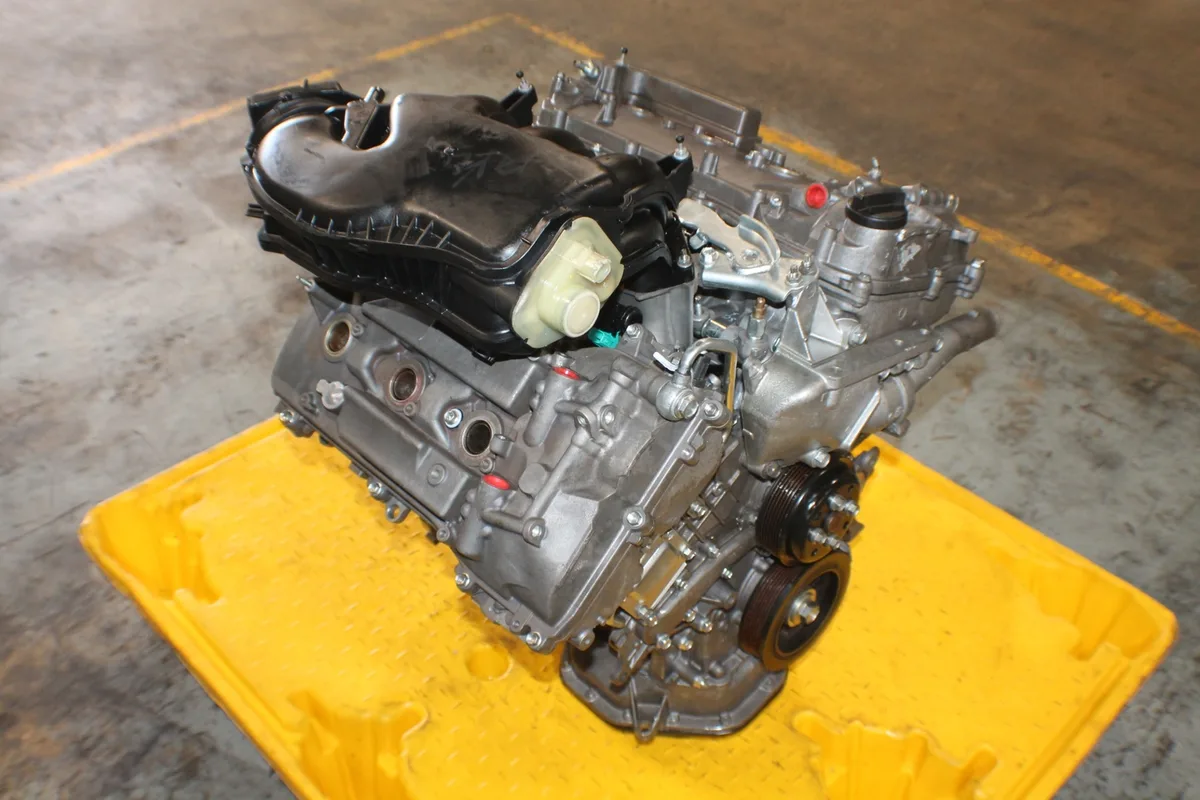
Image source: Web (Bing) / hitchesguide.com (Web image (fair-use with source credit))
Quick Answer
Your 2015 Toyota Sienna takes exactly 6.4 quarts of 0W-20 synthetic oil. That's with a new filter installed. Without the filter, you need about 5.9 quarts.
Always use API SN or higher rated oil. Double check with the dipstick after filling.
Why Getting the Oil Capacity Right Matters for Your 2015 Sienna
Think of engine oil as the lifeblood of that 3.5L V6. It lubricates, cools, and cleans dozens of moving parts operating at high speed and temperature. Too little oil means metal rubbing against metal.
Too much oil creates excess pressure that can blow out seals and cause foaming, which starves the engine of lubrication.
The 2GR-FE engine in your Sienna is known for its durability. Plenty of them have gone well past 200,000 miles with proper maintenance. But that longevity starts with accurate oil changes.
A single overfill or underfill event probably won't destroy your engine overnight. Repeated mistakes absolutely will.
Our research shows this is one of the most common DIY oil change errors. People grab whatever oil they have on the shelf, guess at the amount, and hope for the best. That approach works fine on a lawnmower.
On a $40,000 minivan that hauls your family? Not so much.
The 2GR-FE Engine: What You're Working With
The 2015 Sienna came with a single engine option across all trims. It's the Toyota 2GR-FE, a 3.5-liter V6 that puts out 266 horsepower. This same engine family has powered everything from the Camry to the Highlander, and it earned a reputation for being tough.
Here's what you need to know about this engine for oil change purposes:
| Characteristic | Specification |
|---|---|
| Engine code | 2GR-FE |
| Displacement | 3.5 liters (3456 cc) |
| Recommended oil | SAE 0W-20 synthetic |
| Capacity with filter | 6.4 quarts (6.0 liters) |
| Capacity without filter | 5.9 quarts (5.6 liters) |
| Dry fill capacity | ~6.9 quarts (6.5 liters) |
| API rating | SN or higher |
| ILSAC rating | GF-5 or higher |
The "dry fill" number matters only if you're building an engine from scratch. For an oil change, you're looking at the first two numbers. And yes, the AWD version uses the exact same oil capacity.
No differences there.
One thing that confuses people is the difference between the standard 5W-20 they might have used in older Toyotas and the 0W-20 required here. The 0W-20 flows better at cold temperatures, which means faster lubrication on startup and slightly better fuel economy. Toyota switched to this spec for a reason.
Stick with it.
The Right Oil for the Job: Viscosity, Type, and Certifications
Not all oil is created equal. Your Sienna's engine was designed around specific oil properties, and deviating from them costs you performance and protection.
Viscosity: 0W-20
The "0W" means the oil pumps easily in freezing weather. The "20" means it thins to a specific viscosity at operating temperature. Using 5W-30 or 10W-30, which some people grab out of habit, creates more internal drag and can reduce fuel economy by 1 to 3 percent.
In extreme cold, it can also delay oil flow to critical engine parts during startup.
That said, if you absolutely cannot find 0W-20 and need to top off in an emergency, 5W-20 is acceptable. Don't make a habit of it.
Type: Full synthetic or synthetic blend
Toyota recommends synthetic oil for the 2GR-FE. Conventional oil works in a pinch but breaks down faster under the heat this engine generates. Synthetic oil also handles the longer 10,000-mile change intervals that Toyota specifies.
Certifications to look for
Every bottle of oil sold in the US carries a starburst symbol from the American Petroleum Institute (API). For your Sienna, you need API SN or SP. You should also see the ILSAC GF-5 or GF-6 certification mark.
These aren't marketing labels. They're engineering standards that guarantee the oil meets specific performance requirements.
If you see a bottle labeled "API SN Plus" or "API SP," either one works fine. The newer SP rating includes extra protection against low-speed pre-ignition, which matters more for turbocharged engines but doesn't hurt yours.
Step-by-Step: How to Do an Accurate Oil Change on a 2015 Sienna
This is a straightforward job. The Sienna gives you decent clearance underneath, and everything is easy to reach. Plan for about 45 minutes if it's your first time, less once you've done it before.
What You'll Need
| Item | Details |
|---|---|
| 0W-20 synthetic oil | 6 quarts to start, plus a separate quart for topping off |
| Oil filter | OEM Toyota 04152-YZZA1 or equivalent quality aftermarket |
| Crush washer | 14mm inner diameter, M14-1.5 thread |
| 19mm socket or wrench | For the drain plug |
| Oil filter wrench | For removing the old filter (cup style or strap) |
| Drain pan | At least 8-quart capacity |
| Funnel | For clean pouring |
| Jack and jack stands | If you need extra clearance |
| Shop rags or gloves | Because oil gets everywhere |
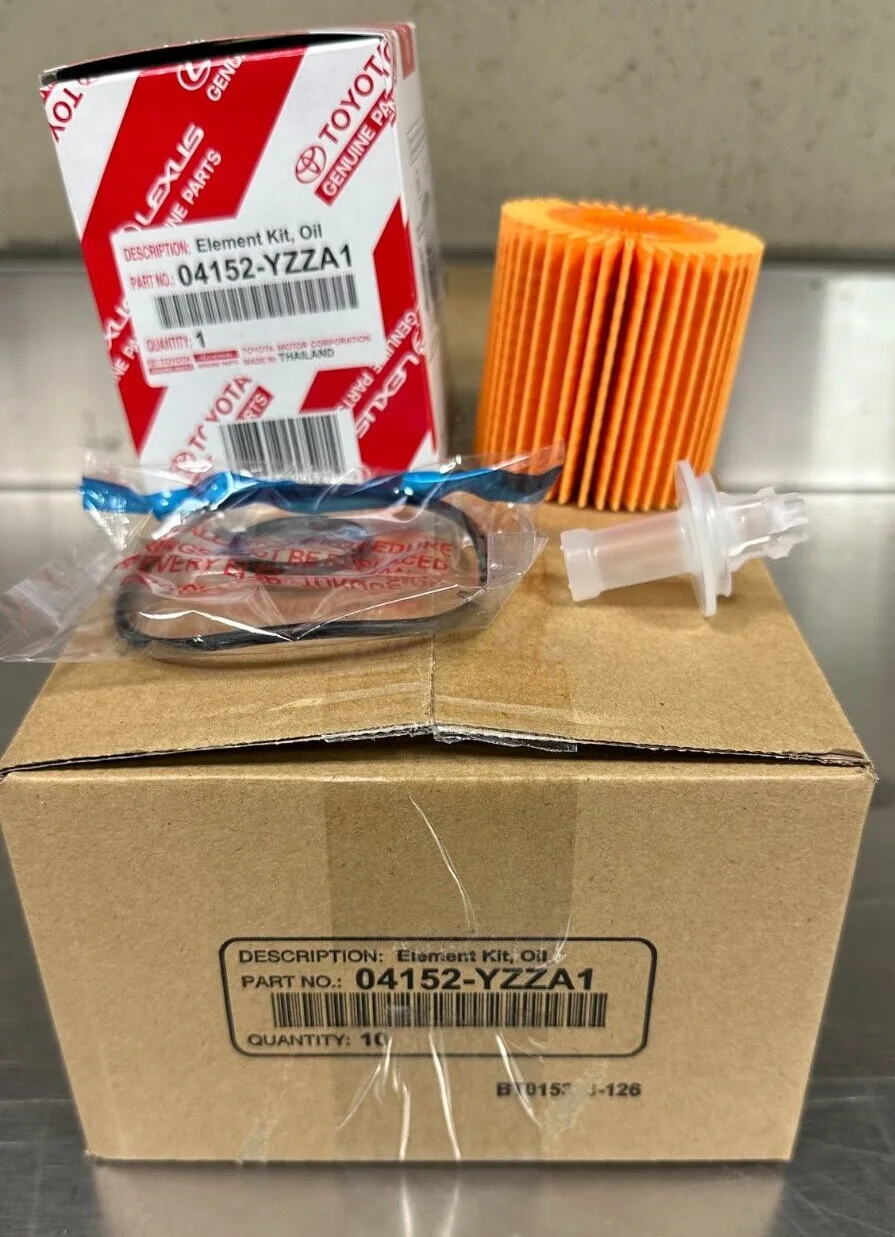
That oil filter number is important. The 04152-YZZA1 is the current OEM part. Some aftermarket filters also work, but stick with well-known brands.
A cheap filter can collapse internally and bypass unfiltered oil into your engine.
The Drain and Fill Process
Step 1: Warm up the engine. Run it for about five minutes. Warm oil drains faster and carries more suspended contaminants. But don't let it get hot enough to burn you.
Step 2: Park on level ground and secure the vehicle. If you need to lift the front, use jack stands. Never trust a jack alone.
Step 3: Remove the oil fill cap. This lets air in and helps the oil drain cleanly.
Step 4: Get under the vehicle and locate the drain plug. It's a 19mm bolt on the bottom of the oil pan, facing the rear of the engine.
Step 5: Position your drain pan and remove the plug. Turn counterclockwise. The oil comes out fast, so have your pan positioned right.
Step 6: Remove the old oil filter. It's on the front of the engine, accessible from above or below. Use your filter wrench if it's tight. Expect some oil to spill when it comes off.
Step 7: Let everything drain for at least five minutes. Ten minutes is better. Give gravity time to do its job.
Step 8: Install the new crush washer on the drain plug. Hand tighten it, then torque to 29 ft-lbs. Don't overtighten. Stripping the oil pan threads is a nightmare to fix.
Step 9: Lubricate the new filter gasket with fresh oil. Apply a thin coat to the rubber ring. Screw it on hand tight, then give it another three-quarters turn. Torque spec is 18 ft-lbs if you're using a tool.
Step 10: Pour in 6 quarts of oil. Replace the fill cap. Run the engine for 30 seconds to fill the new filter. Shut it off and wait five minutes.
Checking the Dipstick Correctly
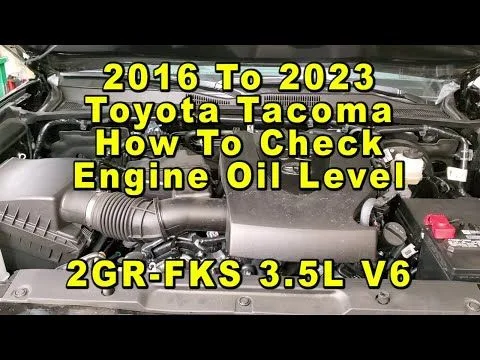
This is where people mess up. The dipstick on the 2GR-FE is near the front of the engine, and it has two marks: a lower "Add" mark and an upper "Full" mark.
Pull the dipstick. Wipe it clean. Insert it fully.
Pull it again and read the level. If it's between the two marks, you're fine. If it's at the lower mark, add half a quart and check again.
If it's at the Full mark, you're done.
Never check the oil right after shutting off the engine. Oil hasn't drained back into the pan yet, and you'll get a falsely low reading. Wait the full five minutes.
The Real Numbers: Dry Fill vs. Refill Capacity Explained
This distinction causes confusion every single day in driveways across America.
Refill capacity is what you need for a routine oil change. You drain the old oil, replace the filter, and pour in fresh oil. That number is 6.4 quarts.
Dry fill capacity is what the engine holds when it's completely empty. New engine, rebuilt engine, or an engine that's been fully disassembled and cleaned. That number is approximately 6.9 quarts.
The difference exists because you can never drain 100 percent of the old oil. Some stays in the oil cooler, the passages, and various nooks in the engine block. That leftover oil is fine.
It mixes with your fresh oil and causes no problems.
Here's the practical takeaway. If you pour in 6.4 quarts, you'll be in the right range. Check the dipstick.
If it's a hair low, add from the extra quart you bought. If it's right at the Full mark, you nailed it. Don't dump the entire extra quart in just because you have it.
Common Mistakes That Cost You an Engine
Overfilling: Why More Isn't Better
Your instinct might be to add a little extra "just to be safe." Resist it. Overfilling causes the crankshaft to whip the oil into a froth. Aerated oil doesn't lubricate properly.
It also increases internal pressure, which can push oil past seals and gaskets. You'll see blue smoke from the exhaust and oil leaks forming.
If you accidentally overfill, don't panic. Use a fluid extractor or loosen the drain plug just enough to let some oil trickle out. Let it drain into a clean container so you can measure what came out.
Underfilling: The Silent Killer
Running low on oil starves the engine. Low oil pressure means metal parts don't get their protective film. You'll hear it as a ticking or knocking sound, especially at idle.
If the oil light comes on, shut the engine off immediately.
This is why you always check the dipstick after every oil change. Every single time.
Using the Wrong Oil Weight
Pouring in 5W-30 or 10W-30 because "that's what I had" increases engine wear. Thicker oil doesn't flow fast enough through the tight clearances of the 2GR-FE. On cold starts, critical components go without lubrication for precious extra seconds.
Over time, that adds up.
Reusing the Crush Washer

That little copper or aluminum ring on your drain plug is a one-time-use part. When you tighten it, it compresses to form a seal. Reusing a crushed washer means it won't seal properly.
You'll get a slow drip that leaves a stain on your driveway and slowly drops your oil level.
Replace it. They cost about a dollar.
When to Change the Oil: Intervals for Real-World Driving
Toyota says every 10,000 miles or 12 months, whichever comes first. That's for "normal" driving conditions.
Here's the reality. Most people drive under "severe" conditions without realizing it. Severe service includes:
- Frequent short trips under 10 miles
- Stop-and-go city traffic
- Driving in extreme heat or cold
- Towing a trailer or carrying heavy loads
- Driving on dusty or gravel roads
If any of these describe your driving, cut the interval to 5,000 miles. The cost of an extra oil change every year is trivial compared to the cost of engine repairs.
The 2GR-FE handles higher mileage well, but only when the oil stays clean. Dark, gritty oil is past its useful life. Change it.
Cost Breakdown: DIY vs. Shop vs. Dealer
| Option | Cost Range | What You Get |
|---|---|---|
| DIY | $35 to $50 | Oil, filter, crush washer, 45 minutes of your time |
| Quick lube shop | $60 to $90 | Basic service, maybe a fluid top-off |
| Toyota dealer | $80 to $120 | OEM parts, inspection, tire rotation sometimes included |
DIY saves you $30 to $70 each time. Over five years of ownership, that adds up to real money. Plus you know exactly what went into your engine.
If you go to a shop, bring your own oil and filter. Some shops use bulk oil of unknown quality and budget filters. You have the right to specify what goes into your car.
What About the AWD Model? Any Differences?
None. The all-wheel-drive Sienna uses the exact same engine with the same oil capacity. The only difference is underbody shielding.
The AWD model has extra covers that you may need to remove to access the drain plug and filter.
Take your time with those covers. They're plastic and the clips break easily. A replacement set costs more than you'd expect.
When to Call a Mechanic Instead of DIY
Some situations call for professional help. If you live in an apartment complex with no driveway, a shop is easier than finding a safe spot on the street. If your Sienna has unusually high mileage and you're nervous about stripping the drain plug, let a pro handle it.
Also, if you're physically unable to get under the vehicle safely, don't risk it. Jack stands are safe when used correctly, but a car falling on you is fatal. Know your limits.
The Final Verdict: Simple Steps for a Long-Lasting Engine
Your 2015 Toyota Sienna wants exactly one thing from you: 6.4 quarts of 0W-20 synthetic oil every 5,000 to 10,000 miles with a new filter and a fresh crush washer. That's it. That single maintenance item, done correctly and consistently, is the biggest factor in whether this engine sees 150,000 miles or 300,000 miles.
Keep your oil fresh, your filter quality, and your dipstick readings accurate. The Sienna will reward you with years of reliable service. If you need to top up between changes, check our guide on the right oil specs for other Toyota models like the Camry or RAV4 for comparison.
And for a full breakdown of what goes into your Sienna specifically, our Toyota Sienna oil type guide covers everything you need to know.
Frequently Asked Questions
How much oil does a 2015 Toyota Sienna take?
It takes 6.4 quarts (6.0 liters) of 0W-20 synthetic oil with a filter change. Without the filter, it takes about 5.9 quarts.
What kind of oil does a 2015 Toyota Sienna need?
It needs SAE 0W-20 full synthetic oil with API SN or SP certification. Toyota Genuine Motor Oil is ideal but any quality brand meeting those specs works fine.
Can I use 5W-20 instead of 0W-20 in my 2015 Sienna?
In an emergency, yes. For regular use, stick with 0W-20. The 5W-20 is thicker at cold temperatures and reduces fuel economy slightly.
How often should I change the oil in my 2015 Toyota Sienna?
Toyota says every 10,000 miles. For severe driving conditions like short trips, towing, or extreme temperatures, change it every 5,000 miles.
Does the AWD version take a different amount of oil?
No. The AWD and FWD Sienna both use 6.4 quarts of the same 0W-20 oil. The only difference is extra underbody shielding on the AWD model.
What oil filter does a 2015 Toyota Sienna use?
The OEM part number is 04152-YZZA1. Quality aftermarket options include Mobil 1 M1-209 and Fram Ultra XG10575.
How to Dispose of Used Oil and Filters Properly
Used motor oil is hazardous waste. Pouring it down a drain or tossing it in the trash is illegal in most states. The fines can be steep, and the environmental damage is real.
Here's what to do. Collect your drained oil in a clean, sealable container. An empty 5-quart oil jug works perfectly.
Take it to any auto parts store like AutoZone or O'Reilly. They accept used oil for free.
The oil filter needs special treatment too. Drain it overnight by poking a hole in the dome and setting it upside down in the used oil container. Then drop it in the filter recycling bin at the same store.
Most chains recycle them into scrap metal.
Never mix used oil with antifreeze, solvent, or water. That makes it unrecyclable and creates a disposal nightmare.
How to Spot a Failing Oil Filter Before It Causes Damage
Your oil filter works silently until it doesn't. A clogged or failing filter triggers its bypass valve, sending unfiltered oil straight to your engine. That's better than no oil at all, but it's still bad.
Watch for these warning signs. A rattling noise from the valvetrain can mean the filter is restricting flow. Low oil pressure at idle is another red flag.
If the filter looks dented or leaking, replace it immediately.
The OEM Toyota 04152-YZZA1 filter has a built-in anti-drainback valve. That keeps oil in the passages so your engine gets lubrication instantly on startup. Cheap filters sometimes skip this feature.
Don't save two dollars just to add wear.
Does Outside Temperature Affect Your Oil Choice?
Yes, and it matters more than most people think. The "0W" in 0W-20 means the oil stays fluid down to minus 40 degrees Fahrenheit. That's critical for winter starts in cold climates.
If you live in the South or Southwest, you might wonder if 5W-20 works instead. It does, but with a trade-off. The 5W-20 is slightly thicker when cold, which means slower oil flow during those first critical seconds after startup.
In a warm climate that difference is minor. In Minnesota in January, it's significant.
For towing in hot weather, some owners consider a heavier weight. Don't. The 2GR-FE engine has variable valve timing and tight oil passages designed specifically for 0W-20.
Thicker oil can delay VVT operation and reduce power.
Signs Your Sienna Needs an Immediate Oil Change
The low oil pressure light is the most obvious signal. If that comes on while driving, pull over and shut the engine off. Do not drive even a mile to "get home." Call a tow truck.
Other signs are less urgent but still important. A ticking or tapping sound from the top of the engine usually means low oil level or degraded oil. Dark, gritty oil on the dipstick means it's past its service life.
A burning oil smell inside the cabin can indicate a leak dripping onto hot exhaust components.
Trust the dipstick more than the oil life monitor. Toyota's system calculates remaining life based on engine cycles and temperature, but it doesn't measure actual oil condition. If the oil looks dirty, change it regardless of what the display says.
Long-Term Maintenance Tips for the 2GR-FE Engine
This engine rewards consistent care. Beyond regular oil changes, a few extra steps keep it running past 250,000 miles.
Replace the PCV valve every 60,000 miles. A stuck PCV valve causes pressure buildup that forces oil past seals. You'll see leaks around the valve cover and rear main seal.
Check the serpentine belt at every oil change. A broken belt takes out the water pump and alternator simultaneously. That's a tow truck call and a big repair bill.
Flush the cooling system every 30,000 miles. Overheating damages oil and accelerates wear. The 2GR-FE runs hot by design, so clean coolant is essential.
Use Toyota's recommended spark plugs at 120,000 miles. Misfires dump unburned fuel into the oil, thinning it and reducing lubrication.
Keep the correct fluid level in the transmission too. A failing transmission stresses the engine. Check our guide on other Toyota models for reference on fluid specs if you're comparing across vehicles.