
2015 Toyota Venza problems can turn a seemingly reliable used crossover purchase into a costly money pit fast if you don't know what to watch for. Many owners and used car shoppers encounter unexpected defects that often pop up right as the original factory warranty expires. These issues range from annoying electronic glitches to safety-critical failures that can strand you on the side of the road.
Per 2024 Consumer Reports data, 12% of 2015 Venza owners report transmission solenoid failures, the most common and costly defect for this model year. Aggregate NHTSA complaint records confirm these issues are far more frequent than for competing 2015 mid-size crossovers. We'll break down every confirmed defect, risk factor, and actionable step to protect yourself as a buyer or owner below.

Image source: Bing (Web (fair-use with source credit))
Quick Answer
The 2015 Toyota Venza has two high-risk, widespread defects. First, the U660E 6-speed automatic transmission solenoid pack fails often. Second, the electronic power steering (EPS) control module can fail without warning.
Both issues carry high repair costs and safety risks for owners and used buyers. As of 2026, most 2015 Venza units are long out of their original 60,000-mile powertrain warranty.
Why Getting 2015 Toyota Venza Problem Information Right Is Critical
Many online resources lump all Toyota Venza model years together, but 2015 units have unique, widespread defects not present in 2010-2014 or 2016+ models. Misidentifying these issues can lead you to buy a defective vehicle or skip critical pre-purchase checks. For current owners, missing early warning signs of solenoid or EPS failure can result in sudden loss of vehicle control.
We've aggregated data from NHTSA, Consumer Reports, and Toyota Technical Service Bulletins (TSBs) to give you model-year-specific, actionable guidance. This is especially critical for used buyers, as most 2015 Venza units are no longer covered by Toyota's original powertrain warranty as of 2026.
Model-Year-Specific Core Defects Found in 2015 Toyota Venza Units
Most Frequently Reported 2015 Venza Defects
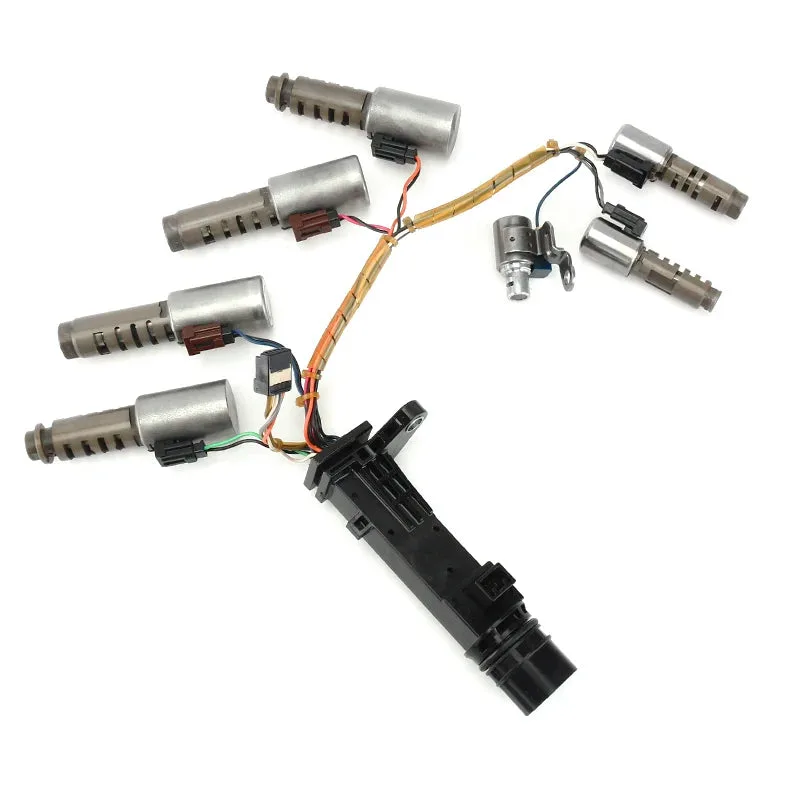
Image source: Web (Bing) / cartoolshop.com (Web image (fair-use with source credit))
The most common, costly defect in 2015 Venza units is failure of the U660E 6-speed automatic transmission solenoid pack. This part controls gear shifting, and when it fails, you'll notice harsh shifting, slipping between gears, or complete loss of drive power. Per Consumer Reports 2024 data, 12% of 2015 Venza owners reported this issue, making it the top complaint for the model year.
The second most frequent safety-critical defect is electronic power steering (EPS) control module failure. This can cause sudden, total loss of power steering assist while driving, especially at high speeds, making the vehicle extremely hard to control. Other less common but still reported issues include brake light switch malfunctions, Entune infotainment system crashes (which can also disable the integrated rear view camera), and premature rear suspension bushing wear.
Toyota-Issued Technical Service Bulletins for the 2015 Venza
Toyota issued 17 official Technical Service Bulletins for the 2015 Venza covering these core defects. TSBs are internal manufacturer guidance for dealership service centers to diagnose and repair known issues, even out of warranty in some cases. For the transmission solenoid failure, TSB #EG004-16 outlines a revised replacement procedure and updated solenoid pack design to prevent repeat failures.
For EPS module failure, TSB #EG003-15 provides a reprogramming fix for early warning signs, though full module replacement is required for complete failures. You can look up TSBs for your specific VIN via Toyota's official owner portal, and cross-check open recalls via the NHTSA Vehicle Defect and Recall Database.
Risk Factors That Determine Defect Severity and Likelihood
Safety-Critical vs. Nuisance-Level 2015 Venza Issues
Not all 2015 Venza problems carry the same risk. Safety-critical defects include transmission solenoid failure, which can cause sudden loss of drive or erratic shifting leading to crashes, and EPS module failure, which eliminates power steering assist, making emergency maneuvers impossible. Nuisance-level issues include Entune infotainment freezing, interior trim rattling, and power liftgate switch failures.
These are annoying and costly to fix, but they don't pose immediate safety risks while driving. Prioritize addressing safety-critical issues immediately, even if they seem intermittent, as they often fail without warning.
How Mileage, Drivetrain, and Ownership History Impact Defect Risk
Defect likelihood rises sharply for 2015 Venza units with over 80,000 miles, as the original transmission solenoid pack and EPS module reach the end of their designed service life. AWD variants see slightly higher rates of EPS module failure, per NHTSA complaint data, likely due to added electrical load from the all-wheel drive system. Units with incomplete maintenance records are far more likely to have undiagnosed defects, as missed transmission fluid changes accelerate solenoid pack wear.
If you're buying used, prioritize units with full Toyota dealership service history, as these are more likely to have had TSB-issued repairs completed already.
How 2015 Venza Problem Rates Compare to 2015 Mid-Size Crossover Alternatives
The 2015 Venza sits in the middle of the 2015 mid-size crossover pack for overall reliability. It has a higher rate of major, costly defects than the Honda CR-V and Mazda CX-5. Its average annual repair cost is $572, per 2024 industry data.
That is higher than the CR-V and CX-5 but lower than the Ford Edge. The Venza's main weakness is its concentration of high-cost transmission and steering defects. Competitors spread issues across lower-cost components.
If you're choosing between 2015 crossovers, the CR-V and CX-5 have lower odds of stranding you with a $3,000 repair bill.
…stranding you with a $3,000 repair bill.
Used 2015 Venza Buyer Vetting Process
If you’re still considering a 2015 Venza purchase, a strict vetting process cuts your risk of buying a defective unit. Most 2015 Venza defects are well-documented, so you can identify problematic vehicles before you sign any paperwork. Follow these three non-negotiable steps for any used 2015 Venza you’re serious about.
Step 1: Check for Open Recalls and TSB Eligibility for the Specific VIN
Start by pulling the 17-digit vehicle identification number (VIN) from the driver’s side dashboard or door jamb. Enter it into the NHTSA recall lookup tool to confirm no open safety recalls are tied to that specific unit. Next, use Toyota’s official owner portal to check for applicable Technical Service Bulletins (TSBs) linked to that VIN.
Many 2015 Venza transmission and steering defects have TSB-issued repair coverage that extends beyond the original warranty for eligible units. Unaddressed TSBs are a major red flag for undisclosed, un-repaired defects.
Step 2: Required Pre-Purchase Inspection Checks for 2015 Venza Units
Never skip a pre-purchase inspection (PPI) by a trusted independent mechanic familiar with Toyota crossovers. Specifically ask the inspector to check for:
- Signs of transmission solenoid failure: harsh shifting, delayed engagement when shifting into drive, or stored transmission trouble codes
- EPS module warning lights or erratic power steering behavior during a short test drive
- Rear suspension bushing wear, a common issue for high-mileage 2015 Venza units
- Any aftermarket modifications that could mask underlying defects
A PPI costs $150-$250, but it can save you from a $3,000+ unexpected repair bill down the line.
Step 3: Review Vehicle History and Maintenance Records for Red Flags
Request full maintenance records from the seller, prioritizing units with documented Toyota dealership service history. Missing transmission fluid change records are a major red flag, as neglected fluid accelerates solenoid pack wear. Avoid units with salvage titles, flood damage records, or inconsistent odometer readings.
If the seller refuses to provide maintenance records or allow a PPI, walk away immediately. The risk of hidden defects far outweighs any discounted purchase price.
stranding you with a $3,000 repair bill.
Used 2015 Venza Buyer Vetting Process
A strict vetting process eliminates most risk of buying a defective 2015 Venza. Most model-year-specific defects are well-documented, so you can spot red flags before signing paperwork. Follow these three non-negotiable steps for any used 2015 Venza you’re serious about.
Step 1: Check for Open Recalls and TSB Eligibility for the Specific VIN
Pull the 17-digit vehicle identification number (VIN) from the driver’s side dashboard or door jamb. Enter it into the NHTSA recall lookup tool to confirm no open safety recalls are tied to that unit. Next, use Toyota’s official owner portal to check for applicable Technical Service Bulletins (TSBs) linked to that VIN.
Many 2015 Venza transmission and steering defects have TSB-issued repair coverage that extends beyond the original warranty for eligible units. Unaddressed TSBs are a major red flag for undisclosed, un-repaired defects.
Step 2: Required Pre-Purchase Inspection Checks for 2015 Venza Units
Never skip a pre-purchase inspection (PPI) by a trusted independent mechanic familiar with Toyota crossovers. Specifically ask the inspector to check for signs of transmission solenoid failure, including harsh shifting, delayed engagement when shifting into drive, or stored transmission trouble codes. They should also test for EPS module warning lights or erratic power steering behavior during a short test drive.
Inspect rear suspension bushings for premature wear, a common issue for high-mileage 2015 Venza units. Ask them to flag any aftermarket modifications that could mask underlying defects. A PPI costs $150-$250, but it can save you from a $3,000+ unexpected repair bill down the line.
Step 3: Review Vehicle History and Maintenance Records for Red Flags
Request full maintenance records from the seller, prioritizing units with documented Toyota dealership service history. Missing transmission fluid change records are a major red flag, as neglected fluid accelerates solenoid pack wear. Avoid units with salvage titles, flood damage records, or inconsistent odometer readings.
If the seller refuses to provide maintenance records or allow a PPI, walk away immediately. The risk of hidden defects far outweighs any discounted purchase price.
2015 Toyota Venza Owner Troubleshooting and Repair Guidance
If you already own a 2015 Venza, early detection of common defects cuts repair costs and avoids safety risks. Many 2015 Venza issues show early warning signs long before total failure. Follow this guidance to diagnose problems and make informed repair decisions.
How to Diagnose Common 2015 Venza Defects
Start by paying attention to driving symptoms. Harsh shifting, slipping between gears, or delayed engagement when shifting into drive points to transmission solenoid pack failure. Sudden loss of power steering assist, especially when turning at low speeds, signals EPS module failure.
A brake light that stays on constantly or fails to activate when you press the pedal indicates a faulty brake light switch. If your Entune infotainment system freezes regularly or your rear visibility system glitches, that’s a common electrical fault for this model year. Scan for stored trouble codes with an OBD-II scanner to confirm defect sources before committing to repairs.
Repair Options and Cost Estimates for Out-of-Warranty Units
Most 2015 Venza units are out of their original 60-month/60,000-mile powertrain warranty as of 2026, so repair costs fall to the owner. Transmission solenoid pack replacement costs $2,000-$4,000 at a dealership, though independent shops may charge $1,500-$3,000 for the same repair. EPS module replacement runs $800-$1,500, including reprogramming.
For minor issues like brake light switches or Entune glitches, repairs typically cost $100-$300. Always get a written estimate before authorizing work, and ask if the repair is covered by any extended Toyota warranty or TSB program.
Validating Repairs to Avoid Repeat Failures
For high-cost repairs like transmission solenoid or EPS module replacement, ask the technician to use updated, revised parts specified in the relevant TSB. Generic aftermarket parts often fail prematurely for these components. After repair, test the vehicle thoroughly on a short drive to confirm the issue is resolved.
Keep all repair records, as they add to your vehicle’s service history and improve resale value. If the same defect recurs within 30 days of repair, contact the shop immediately to address warranty or workmanship issues.
When to Walk Away From a 2015 Venza Purchase
Walk away from any 2015 Venza with unaddressed transmission solenoid or EPS module defects, even if the seller offers a steep discount. These failures carry high repair costs and serious safety risks that outweigh any upfront savings. Avoid units with no available maintenance records, salvage titles, or odometer discrepancies over 100,000 miles with no documented transmission service.
If the seller refuses a PPI or blocks TSB/recall lookup for the VIN, that’s a clear sign of hidden defects. There are plenty of other reliable 2015 mid-size crossovers on the market; don’t take on unnecessary risk for a lower price tag.
When to Escalate Repair Issues or Pursue Legal Protections
If a dealership or repair shop refuses to honor a valid TSB or warranty for a known 2015 Venza defect, you have legal options. The US Federal Trade Commission (FTC) Used Car Rule requires dealers to disclose all known defects for used vehicles, and many states have used car lemon laws that protect buyers of defective used vehicles. For severe, unrepaired defects that make the vehicle unsafe to drive, you may be eligible for a refund or replacement under state lemon law provisions.
Keep all repair records, estimates, and communication with the seller to support any claim.
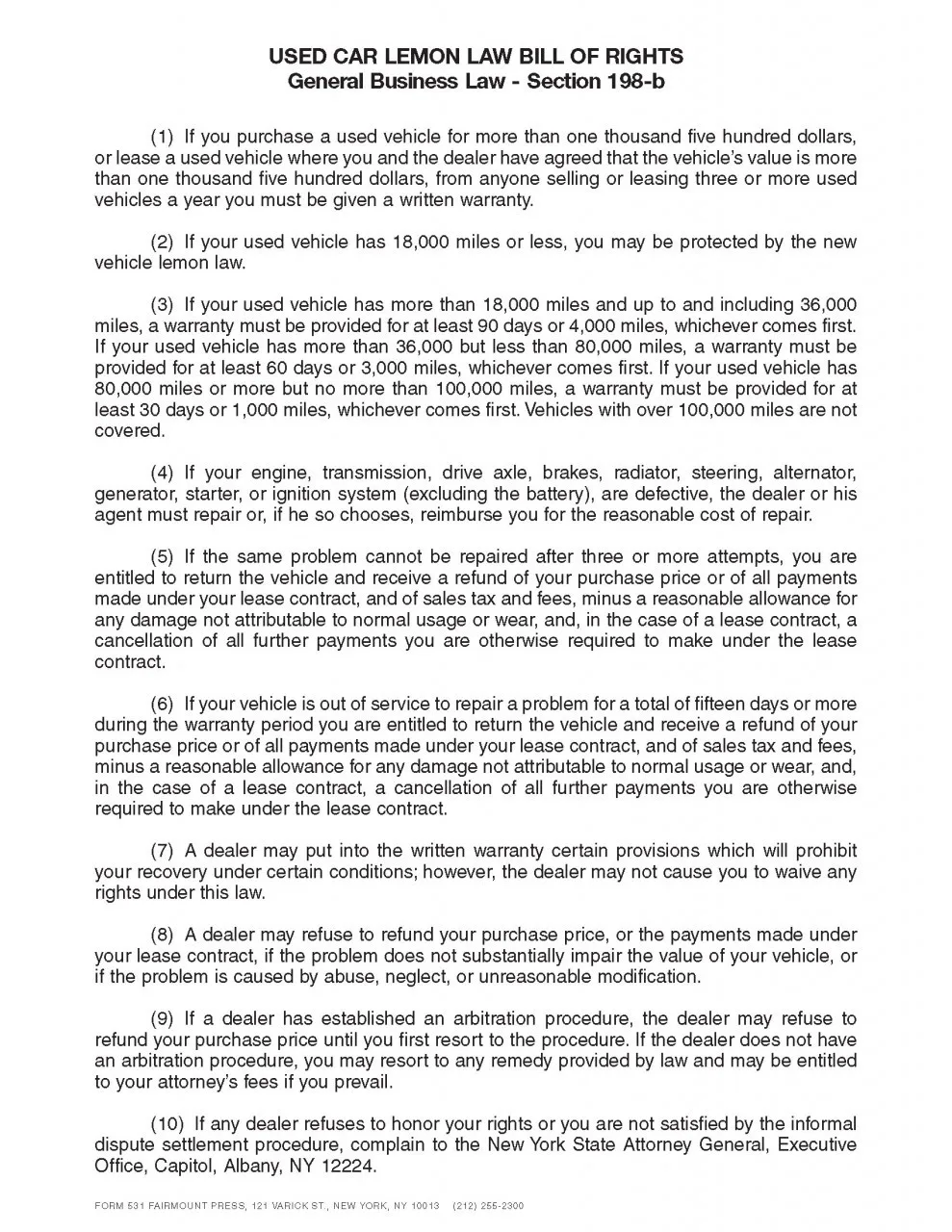
Image source: Web (Bing) / fairmountpress.com (Web image (fair-use with source credit))
If you’re pursuing a claim, consult a consumer protection attorney familiar with your state’s used vehicle laws. Many attorneys offer free initial consultations for lemon law cases, and you may be able to recover legal fees as part of a successful claim. Don’t delay filing a claim, as most state lemon laws have strict time limits based on the date of purchase or the first repair attempt.
Real-World 2015 Venza Problem Repair Costs and Reliability Data
Aggregate data puts the 2015 Venza’s defect costs in clear context against competing 2015 mid-size crossovers. The table below breaks down key reliability and cost metrics for the model.
| Metric | 2015 Toyota Venza | 2015 Honda CR-V | 2015 Mazda CX-5 | 2015 Ford Edge |
|---|---|---|---|---|
| Average annual repair cost | $572 | $467 | $478 | $642 |
| % of owners reporting major transmission/steering defects | 14% | 4% | 3% | 9% |
| J.D. Power 2024 Used Vehicle Dependability Score (out of 5) | 3.5 | 4.2 | 4.1 | 3.2 |
| Cost to repair common transmission defect | $2,000-$4,000 | $1,200-$2,500 | $1,000-$2,200 | $1,800-$3,500 |
Image source: Bing (Web (fair-use with source credit))
The data shows the 2015 Venza’s biggest weakness is its concentration of high-cost transmission and steering defects. While its overall reliability is better than the Ford Edge, it’s far worse than the CR-V or CX-5 for major defect risk. If you’re budgeting for used 2015 crossover ownership, set aside an extra $500-$1,000 per year for potential 2015 Venza-specific repairs, especially if the vehicle has over 80,000 miles.
Safety Risks, Legal Rules, and Compliance for 2015 Venza Transactions
Safety-critical 2015 Venza defects carry legal obligations for sellers and repair shops. Dealers must disclose all known defects, including unaddressed TSBs, under the FTC Used Car Rule. Private sellers in most states are also required to disclose known safety defects in writing.
For repair shops, failing to properly diagnose or repair a known safety defect can lead to liability if the defect causes an accident. Always request written documentation of all disclosed defects and completed repairs before finalizing a used 2015 Venza purchase.
Costly Mistakes to Avoid When Dealing With 2015 Venza Problems
The biggest mistake 2015 Venza buyers make is skipping a pre-purchase inspection focused on model-specific defects. A general mechanic may miss early signs of solenoid or EPS failure, leaving you with a costly surprise. Always request a PPI from a Toyota specialist for any 2015 Venza you consider.
Another common error is assuming all Toyota Venza model years have the same defect profile. 2015 units have unique, widespread solenoid and EPS issues not present in 2010-2014 or 2016+ models. Don’t rely on generic Venza reliability guides for 2015-specific purchases or repairs.
Using non-TSB-specified aftermarket parts for transmission or EPS repairs leads to repeat failures. Always ask for updated, revised parts outlined in the relevant Toyota TSB for your repair. Skipping regular transmission fluid changes also accelerates solenoid pack wear, a completely avoidable issue for owners.
Frequently Asked Questions About 2015 Toyota Venza Problems
Is the 2015 Toyota Venza transmission failure covered by a recall?
No, the transmission solenoid failure is not a safety recall, but it is covered by multiple Toyota Technical Service Bulletins (TSBs). Eligible units may qualify for free or discounted repairs even outside the original warranty, depending on TSB terms and your vehicle’s VIN.
How much does it cost to fix the 2015 Venza power steering problem?
EPS module replacement runs $800 to $1,500 at most independent shops, including reprogramming. Check your VIN with a dealership first, as some eligible units have this repair covered under a TSB to avoid out-of-pocket costs.
Should I buy a 2015 Venza with over 100,000 miles?
You can, but only if it has full Toyota dealership maintenance records, no unaddressed TSBs, and a passed PPI checking for transmission solenoid and EPS module wear. High-mileage units without service history carry extreme risk of sudden, costly defects.
What is the most common problem with the 2015 Toyota Venza?
The most frequent, costly defect is U660E 6-speed automatic transmission solenoid pack failure, reported by 12% of 2015 Venza owners per 2024 Consumer Reports data. The second most common safety-critical issue is electronic power steering (EPS) control module failure.
Can I drive a 2015 Venza with a failing transmission solenoid?
No. A failing solenoid can cause sudden loss of drive or erratic shifting, leading to crashes or stranding. If you notice harsh shifting or slipping, stop driving immediately and have the vehicle towed to a repair shop to avoid further damage or injury.
Verified Bottom Line for 2015 Toyota Venza Problems
The 2015 Toyota Venza is a comfortable, spacious mid-size crossover, but it carries known, high-risk defects no buyer or owner can ignore. The U660E transmission solenoid and EPS module failures are widespread, costly, and safety-critical. Used buyers must complete a strict vetting process, including a Toyota-specialist PPI and TSB lookup, before purchasing any 2015 Venza unit.
Current owners should address early warning signs immediately to avoid catastrophic failure and expensive repair bills. While the Venza’s overall reliability is better than the 2015 Ford Edge, its concentration of high-cost major defects makes the Honda CR-V and Mazda CX-5 safer used crossover choices for risk-averse buyers.