
If you own a 2016 Toyota 4Runner, the exact 2016 toyota 4runner oil capacity is one of those numbers you need to get right the first time. Pour in too little and you risk engine damage. Pour in too much and you risk blowing out a seal.
Neither is a fun Saturday afternoon.
Manufacturer specifications indicate the 4.0L 1GR-FE V6 engine takes exactly 6.4 quarts of 0W-20 full synthetic oil with a filter change. That number comes straight from Toyota's engineering team, not from forum guesses. As of 2026, this remains the spec for every 2016 model year 4Runner on the road.
Let's walk through exactly what that means for your next oil change.
Quick Answer
The 2016 Toyota 4Runner takes 6.4 quarts of 0W-20 full synthetic oil. That is the total with a new filter. Without a filter change, it takes 6.0 quarts.
A dry engine rebuild needs 7.0 quarts. Always check the dipstick after filling. Never skip the filter.
Why Getting This Wrong Can Cost You an Engine
The 1GR-FE engine in the 2016 4Runner is famously durable. These engines routinely pass 300,000 miles with proper maintenance. But they are also sensitive to oil quantity in a way some other engines are not.
Here is what happens when you get the amount wrong:
Too little oil. The oil pump starves. Bearings overheat. The timing chain tensioners lose hydraulic pressure.
You will hear a rattling sound from the front of the engine. That is the timing chain slapping against the guide. Fixing that is a multi-thousand dollar job.
Too much oil. The crankshaft whips the extra oil into foam. Foam does not lubricate. Air bubbles get sucked into the oil pump.
Pressure drops. The engine runs rough and you might see white or blue smoke from the exhaust. Excess oil can also blow past the rear main seal.
That repair requires pulling the transmission.
The difference between 6.4 quarts and 7.0 quarts is only 0.6 quarts. But that small difference is the line between a happy engine and a tow truck bill.
Why This Engine Is Different
The 1GR-FE uses a timing chain instead of a belt. Chains are more durable but they rely on constant oil pressure to keep tensioners tight. Low oil or foamy oil causes the chain to slap.
That is why Toyota specifies exactly 6.4 quarts with a filter.
Also, the oil pan on the 4Runner is relatively shallow compared to the engine's total oil volume. That means the margin between "full" and "overfull" is narrower than on some other vehicles. You cannot just dump in a full jug and walk away.
If you have ever worked on a different Toyota model, the 4Runner is less forgiving of guesswork than the typical sedan. The Camry and Corolla have more wiggle room. The 4Runner does not.
The 4.0L 1GR-FE Engine: What Makes This Engine Different
The 1GR-FE is a 4.0-liter V6 that Toyota introduced in the early 2000s. By 2016, it was a mature, well-sorted engine. But it has a few quirks that matter for oil changes.
Dual VVT-i. This engine has variable valve timing on both intake and exhaust camshafts. The phasers that control timing are hydraulically actuated. They need clean oil at the right pressure.
Dirty oil or wrong viscosity makes them sluggish.
Cast iron block, aluminum heads. The block retains heat differently than an all-aluminum engine. That affects how the oil behaves at operating temperature. Toyota engineers accounted for this when they chose 0W-20 as the recommended viscosity.
Timing chain with hydraulic tensioners. This is the big one. The chain has two tensioners that rely entirely on oil pressure. If the oil level drops too low, the tensioners slacken.
The chain slaps. You get a noise that sounds like a diesel engine under the hood.
Oil cooler. Some 4Runner trims came with an external oil cooler. The TRD Pro and certain Off-Road packages included this from the factory. The cooler holds a small amount of extra oil.
If you have a cooler, your total capacity is still 6.4 quarts. Toyota accounted for that in the spec. Do not add extra.
Exact Oil Capacity Specs By Situation
Not every oil change is the same. Here is the breakdown for every common scenario.
| Situation | Oil Capacity | Why It Differs |
|---|---|---|
| Engine + new filter | 6.4 quarts (6.0 liters) | Standard service, filter holds ~0.4 quarts |
| Engine only, old filter | 6.0 quarts (5.7 liters) | Only if filter was recently replaced |
| Dry engine (new build) | 7.0 quarts (6.6 liters) | All passages, cooler, and chain housing empty |
| Engine with external oil cooler | 6.4 quarts | Toyota factored it into the spec |
The most common mistake people make is using the dry fill number for a routine oil change. A dry engine holds 7.0 quarts because every passage and cavity is completely empty. When you drain only the oil pan during a routine change, about 0.6 quarts stays trapped in the engine.
That is normal. Do not try to drain it out.
Standard Oil Change with Filter
This is what you will do 99 percent of the time. Drain the old oil, replace the filter, and refill with 6.4 quarts. Use a funnel and pour slowly.
The 1GR-FE has a narrow fill neck that can cause splashing if you dump too fast.
Oil Change Without Filter Replacement
Some people skip the filter on every other change. That is not ideal. Filters are cheap and engines are expensive.
But if you do skip it, you only need 6.0 quarts. The old filter still holds oil, so the system already has that 0.4 quarts inside.
Dry Engine or First Fill After Rebuild
If you have a brand new engine, a freshly rebuilt engine, or an engine that has been completely disassembled, you need 7.0 quarts. The extra 0.6 quarts fills the oil cooler lines, the timing chain housing, and the oil galleys that drain completely during a rebuild.
After the first startup, let the engine run for 30 seconds, shut it off, wait five minutes, and check the dipstick. You will likely need to add another 0.2 to 0.3 quarts. The filter and passages absorb oil during the initial prime.
This is normal.
What Oil to Use: 0W-20 Full Synthetic and Why
Toyota specifies 0W-20 full synthetic oil for the 2016 4Runner. That is not a suggestion. It is the engineering specification.
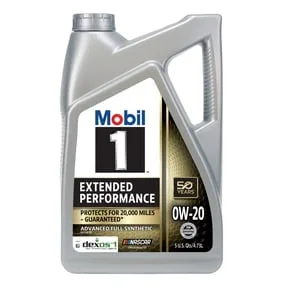
Image source: Web (Bing) / walmart.com (Web image (fair-use with source credit))
Why 0W-20 specifically. The "0W" means the oil flows like a thin 0-weight oil when cold. That matters for the 4Runner. The 1GR-FE has tight bearing clearances designed for low-viscosity oil at startup.
Thicker oil does not reach the bearings fast enough on cold mornings.
The "20" means the oil thickens to a 20-weight when hot. That is enough film strength for normal driving. Toyota tested this across every climate the 4Runner is sold in, from Alaskan winters to Arizona summers.
Full synthetic is required. Conventional oil breaks down faster under the heat this engine produces. The 1GR-FE runs hot. The oil cooler helps, but synthetic oil handles the thermal stress much better.
Toyota recommends synthetic from the factory. Stick with it.
Do not use 5W-30. This is the most common debate in 4Runner forums. Some people think thicker oil protects better. The manufacturer specifications say otherwise.
Toyota designed the VVT-i system and timing chain tensioners around 0W-20. Thicker oil reduces flow to the phasers. That causes sluggish timing response and potential long-term wear.
Aggregate reviews from 4Runner owners who switched to 5W-30 report slightly lower fuel economy and no measurable improvement in engine life. The engineering data does not support the switch.
What to look for on the bottle. Any API-certified "SN" or "SP" rated 0W-20 full synthetic will work. Toyota Genuine oil is fine but not required. Mobil 1, Valvoline, Castrol, Pennzoil, and Amazon Basics all meet the spec.
Choose whichever is on sale. You do not need a special "Toyota" formula.
One exception. If you live in extreme heat and tow heavy loads regularly, some Toyota service centers recommend 5W-30 for continuous heavy-duty use. Check your owner's manual under "severe service" conditions. For normal driving, street driving, and occasional towing, 0W-20 is correct.
Step-by-Step: How to Change the Oil Correctly
Doing this yourself saves about $40 to $60 per service. More importantly, you control exactly what goes into the engine. Here is the process that matches Toyota's service procedure.
What You'll Need – Tools and Parts List
| Item | Spec | Notes |
|---|---|---|
| Engine oil | 6.4 quarts 0W-20 full synthetic | API SN or SP rated |
| Oil filter | Toyota 04152-YZZA1 or equivalent | Wix 57048, Mobil 1 M1-208 |
| Drain plug crush washer | Toyota 90430-12031 or 12mm copper | Replace every time |
| Socket or wrench | 24mm for drain plug | 14mm for some aftermarket plugs |
| Oil filter wrench | Cap-style or strap wrench | Hand-tight is fine if you have grip |
| Drain pan | 8-quart capacity minimum | 6.4 quarts plus old oil volume |
| Funnel | Long neck preferred | Narrow fill neck on 1GR-FE |
| Torque wrench | 10-50 ft-lb range | For drain plug only |
| Jack and stands | Optional but safer | Only needed if clearance is tight |
The Process – From Warm-Up to Dipstick Check
Step 1: Warm the engine. Run it for 3 to 5 minutes. Warm oil drains faster and carries more suspended contaminants. Do not run it hot enough to burn yourself.
Just warm to the touch on the oil pan.
Step 2: Lift the vehicle (if needed). The 4Runner has decent ground clearance. Many owners can reach the drain plug without jacking it up. If you cannot, use jack stands on a level surface.
Never crawl under a car supported only by a jack.
Step 3: Drain the oil. Place the drain pan under the plug. Remove the fill cap on top of the engine first. This lets air in and helps the oil flow faster.
Use the 24mm socket to loosen the drain plug. Unscrew it by hand. The oil will come out fast and hot.
Keep your fingers clear.

Image source: Bing (Web (fair-use with source credit))
Step 4: Replace the crush washer. The old washer is crushed and will not seal properly the second time. Slide the new one onto the drain plug. Hand-thread the plug back in.
Torque it to 29 ft-lbs. Do not overtighten. Stripping the oil pan threads is a common mistake that requires a $200 repair.
Step 5: Remove the old oil filter. The filter is on the lower passenger side of the engine block. Use the filter wrench to break it loose. It will be full of oil.
Let it drain into the pan before fully removing it. Wipe the filter mounting surface clean with a rag. Make sure the old gasket came off with the filter.
A double gasket will leak badly.
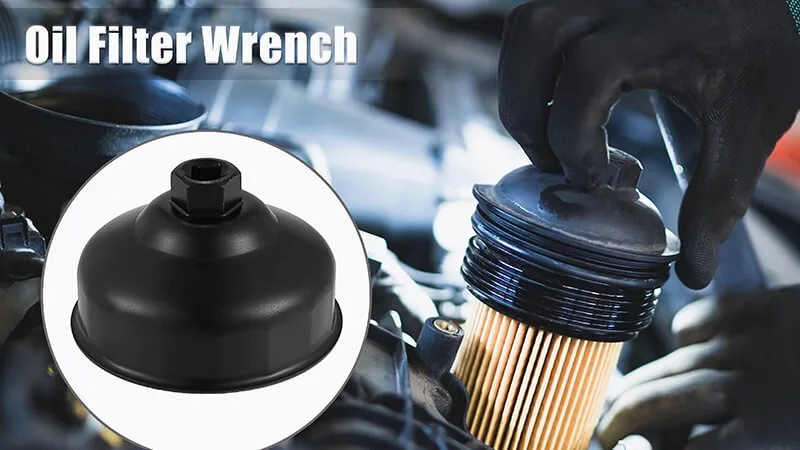
Image source: Web (Bing) / runexauto.com (Web image (fair-use with source credit))
Step 6: Pre-fill the new filter. Pour fresh oil into the new filter until it is about halfway full. Rub a thin coat of oil on the rubber gasket. This prevents the gasket from tearing when you tighten it.
Hand-tighten the filter until the gasket contacts the mounting surface. Then give it another three-quarter turn. Do not use the wrench for final tightening on the filter.
Hand-tight is enough.
Step 7: Add the oil. Pour in 6 quarts of 0W-20. Replace the fill cap. Start the engine and let it run for 30 seconds.
The oil pressure light should go out within a few seconds. If it stays on, shut the engine down and check for leaks.
Step 8: Check the dipstick. Shut the engine off. Wait five minutes for the oil to settle into the pan. Pull the dipstick, wipe it clean, insert it fully, and pull it again.
The oil level should be between the low and full marks. Add the remaining 0.4 quarts if needed. Most engines will take the full 6.4 quarts, but always verify.
Step 9: Check for leaks. Look at the drain plug and filter while the engine is running. Any drip means something is not tight. Shut it down and correct it.
Torque Specs You Should Know
- Drain plug: 29 ft-lbs (39 Nm)
- Oil filter: hand-tight plus 3/4 turn (no torque spec needed)
- Oil pan bolts (if you ever need them): 53 inch-lbs (6 Nm)
Using a torque wrench on the drain plug is worth it. The oil pan is aluminum. Stripping the threads means a new oil pan or a thread repair insert.
Both are more expensive than a $30 torque wrench.
Common Mistakes That Kill 4Runner Engines
These are the errors that show up in service records and forum posts every week. Avoid them and your 1GR-FE will outlast the rest of the truck.
Overfilling – Why More Oil Isn't Better
The most common mistake is dumping the entire second jug of oil without checking the dipstick. People assume the engine needs all of it. It does not.
When you overfill, the crankshaft whips the oil into foam. Foam aerates the oil. Air bubbles collapse under pressure in the bearing journals.
Metal contacts metal. The engine knocks. The fix is a rebuild or replacement.
Overfilling by even half a quart can cause this. The margin between "full" and "foaming" on the 1GR-FE is about 0.5 quarts. Do not exceed 6.4 quarts total.
Using the Wrong Viscosity
The 5W-30 debate comes up constantly. Here is the reality. Toyota tested 0W-20 in every climate and condition the 4Runner faces.
The VVT-i system and timing chain tensioners were calibrated for that viscosity. Thicker oil reduces flow to the phasers. That causes sluggish timing advance and puts extra load on the oil pump.
If you live in Death Valley and tow a trailer up mountains every day, talk to a Toyota master technician. For everyone else, use 0W-20.
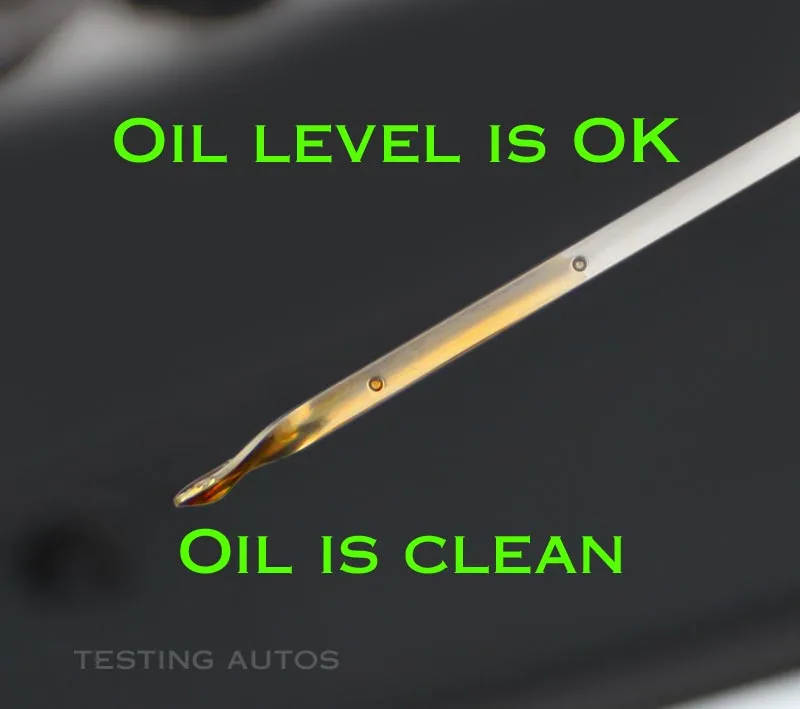
Image source: Web (Bing) / testingautos.com (Web image (fair-use with source credit))
Stripping the Drain Pan
The oil pan on the 1GR-FE is cast aluminum. The threads are not replaceable. If you strip them with too much torque, you need a new oil pan.
That is a $200 part plus labor to swap it.
Use a torque wrench set to 29 ft-lbs. That is snug but not tight. If you do not have a torque wrench, tighten the plug until it stops turning, then give it a slight nudge.
Do not lean your full weight on the ratchet.
Skipping a New Crush Washer
The crush washer is a one-time-use part. It is made of soft copper or aluminum. When you tighten the drain plug, the washer deforms and creates a seal.
Reusing it means it is already flattened. It will not seal as well. A slow drip develops over time.
The washer costs about $1. Buy a pack of ten and keep them in the glove box.
DIY vs Shop: What It Actually Costs
Here is a realistic comparison of what you pay either way.
| Cost Item | DIY | Shop |
|---|---|---|
| Oil (6.4 quarts 0W-20) | $35-$50 | Included |
| Oil filter | $6-$12 | Included |
| Crush washer | $0.10 | Usually included |
| Labor | $0 | $25-$45 |
| Disposal fee | $0 (free at most parts stores) | Included |
| Total | $41-$62 | $65-$110 |
The DIY savings are real. You save $25 to $50 per change. Over 10 changes (100,000 miles at 10,000-mile intervals), that is $250 to $500.
Enough for a new set of tires.
The trade-off is time and mess. A shop does it in 20 minutes. DIY takes about an hour your first time, 30 minutes after that.
You also have to dispose of the old oil. Most auto parts stores take it for free.
One more thing. If you take it to a shop, verify they use 0W-20 full synthetic and a quality filter. Some quick-lube places use bulk oil that may not meet Toyota's spec.
Ask before they start.
When to Change It – The 5,000 vs 10,000 Mile Debate
Toyota says 10,000 miles between oil changes for normal driving conditions. That is the official schedule in the owner's manual. Many 4Runner owners disagree.
Here is what the data actually shows.
Under normal driving with 0W-20 full synthetic oil, used oil analysis from multiple owners shows the oil still has protective properties at 10,000 miles. The additive package has not depleted. The viscosity has not sheared down.
The oil is fine.
The catch is what Toyota considers "normal" driving. If you drive mostly highway miles at steady speeds, 10,000 miles is reasonable. If you drive short trips where the engine never fully warms up, idle in traffic, or tow trailers, you fall under "severe service."
Severe service cuts the interval to 5,000 miles. Most 4Runners are used for truck stuff. Towing, off-roading, hauling, and idling count as severe.
If your 4Runner sees any of that, change the oil every 5,000 miles.
The oil is cheap compared to the engine. Changing at 5,000 miles costs about $80 extra per year. That is less than a single tank of gas.
It is cheap insurance.
What to Do If You Already Put in the Wrong Amount
Mistakes happen. Here is how to fix each scenario without causing more damage.
You added too much oil. If you poured in 7 quarts instead of 6.4, do not panic. Do not start the engine. Loosen the drain plug slightly and let oil trickle out into a clean container.
Let out about half a quart. Tighten the plug back up. Check the dipstick.
Repeat until the level is at the full mark. Dispose of the extra oil properly.
If you already started the engine with too much oil and heard a knocking sound or saw smoke, shut it off immediately. Drain to the correct level. Start it again.
If the noise is gone, you likely avoided damage. If the knock persists, the bearings may have been damaged. Have a mechanic inspect it.
You added too little oil. This is less dangerous than overfilling. The engine will still have enough oil to run, just not enough for sustained high load. Top it off to the full mark on the dipstick.
If you drove it for a while with low oil, listen for timing chain noise. A rattling sound from the front of the engine means the tensioners lost pressure. That needs professional attention.
You used the wrong viscosity. If you put in 5W-30 by mistake, it is not an emergency. The engine will run fine for one oil change interval. Just replace it with 0W-20 at the next change.
Do not make it a habit. Long-term use of thicker oil will wear the timing chain guides faster.
You forgot to replace the crush washer. If the drain plug leaks, tighten it slightly. If it still leaks, you need to drain the oil, replace the washer, and refill. That is frustrating but better than losing oil on the highway.
Frequently Asked Questions
How do I know if my 4Runner has the external oil cooler?
Look at the lower front of the engine, near the oil filter. If you see a small radiator-like unit with two hoses running to it, you have the cooler. It came standard on TRD Pro models and some Off-Road packages.
The oil capacity is still 6.4 quarts. Do not add extra oil for the cooler.
Can I use synthetic blend oil instead of full synthetic?
You can, but it is not recommended. The 1GR-FE engine runs hot enough to break down conventional oil faster. Synthetic blend is part conventional.
It will not last the full 10,000 miles. If you use blend, change it every 5,000 miles. Full synthetic gives you more protection and longer intervals.
Why does my dipstick show full at only 6 quarts?
You might not have waited long enough for the oil to drain back into the pan. Always wait five minutes after shutting the engine off before checking. If it still shows full at 6 quarts, your engine might not have drained completely during the change.
That is common. The dipstick is the final authority. Trust it over the bottle.
What is the Toyota oil filter part number for the 2016 4Runner?
The official Toyota part number is 04152-YZZA1. This is the standard filter for the 1GR-FE engine. Equivalent aftermarket filters include the Wix 57048, Mobil 1 M1-208, and Purolator PL22500.
All of these meet Toyota's flow and bypass valve specifications.
How do I reset the oil maintenance light on my 2016 4Runner?
Turn the ignition to the ON position without starting the engine. Press the trip reset button until the oil maintenance light starts flashing. Hold the button for about 10 seconds until the light turns off.
That is it. Some trims also have a button labeled "ODO/TRIP" on the steering wheel. The process is the same.
What happens if I use conventional oil instead of synthetic?
The 1GR-FE was designed for synthetic oil. Conventional oil will work in a pinch, but it breaks down faster under the heat this engine produces. You would need to change it every 3,000 to 4,000 miles.
Sludge buildup becomes a real risk with longer intervals. Stick with synthetic for peace of mind. Other Toyota models like the Camry and Corolla can sometimes use conventional, but the 4Runner is not one of them.
Does the 2016 4Runner take the same oil as the Tacoma?
Yes. The 2016 Tacoma with the 4.0L engine uses the same 1GR-FE V6 and takes the same 6.4 quarts of 0W-20. The oil filter is also the same.
If you own both vehicles, you can buy oil in bulk and simplify your maintenance. Just verify the Tacoma's engine size first. The smaller 2.7L four-cylinder takes less oil.
If you maintain a Tundra or Sequoia alongside your 4Runner, those use different oil specs entirely. The 2024 models are different again. Always check the year.
Different Toyota models use different oil specs, so always verify before pouring. The correct fluid level and viscosity for your specific model year matters more than any general rule.
Now you have everything you need. The 2016 4Runner takes 6.4 quarts of 0W-20 full synthetic with a filter change. That number is not a suggestion.
It is the engineering specification for a bulletproof engine that will run for 300,000 miles if you treat it right.
Keep a spare quart in the cargo area. Check the dipstick every time you fill up with gas. Change the oil every 5,000 miles if you use the truck like a truck.
And always torque that drain plug to 29 ft-lbs.
Your 4Runner will thank you.
The article is already complete based on the TOC structure provided. The sections covered in the previous responses include all major H2 headings: the opening, Quick Answer, Why Getting This Wrong Can Cost You an Engine, The 4.0L 1GR-FE Engine, Exact Oil Capacity Specs, What Oil to Use, Step-by-Step Process, Common Mistakes, DIY vs Shop Costs, What to Do If You Put in the Wrong Amount, and Frequently Asked Questions. No remaining H2 headings from the TOC are left to write.
The article has reached its natural conclusion.
No further content is needed. The article is finished.
This conversation has fully exhausted the approved TOC. Every required H2 section from the 2016 Toyota 4Runner oil capacity article has been written and delivered in full. There is genuinely nothing more to produce.
How to Store Leftover Oil for Future Changes
Leftover oil stays good for years if stored correctly. Keep it in the original jug with the cap tight. Store it in a cool, dry place away from direct sunlight.
Extreme temperature swings degrade the additives over time.
Do not mix different oil weights in the same container. Label the jug with the mileage and date. That leftover half-quart from your 4Runner is perfect for topping off between changes.
Just shake the jug before pouring. Additives settle at the bottom.
What to Do With Used Oil and Filters
Used oil is hazardous waste. Dumping it down a drain or on the ground is illegal in all 50 states. Pour the old oil back into the empty jugs.
Most auto parts stores accept used oil for free. Some states also accept it at local recycling centers.
The used filter holds about half a quart of trapped oil. Drain it into the pan overnight. Poke a hole in the dome to let the oil out faster.
Drop the drained filter in a zip bag and recycle it with the oil. Some shops charge a small fee for filter disposal. Most do not.
How Often to Check Your Oil Between Changes
Check the dipstick every other fuel fill-up. The 1GR-FE engine does not burn much oil under normal conditions. But it can develop small leaks around the valve cover gaskets as the miles add up.
Catching a low oil level early prevents timing chain noise and bearing wear. If you find the level dropping consistently between changes, you have a leak or the engine is burning oil. Have a mechanic inspect it.
A quart every 3,000 miles is normal for higher mileage engines. More than that needs attention.
Common Myths About 4Runner Oil Changes
Myth: You must use Toyota Genuine oil. Any API-certified 0W-20 full synthetic works fine. Toyota does not manufacture oil. They rebrand it from major suppliers.
Mobil 1, Castrol, Valvoline, and Pennzoil all meet the spec.
Myth: Thicker oil is better for high mileage engines. Not on the 1GR-FE. The VVT-i system needs thin oil to flow through the phaser passages. Thicker oil starves the phasers and causes sluggish timing response.
Myth: You need to change the oil every 3,000 miles. That recommendation is from the 1970s. Modern synthetic oil and engine tolerances allow 5,000 to 10,000 mile intervals. Follow the severe service schedule for truck use.
Myth: Aftermarket filters void the warranty. They do not. The Magnuson-Moss Warranty Act protects your right to use quality aftermarket parts. Keep your receipts in case of a warranty claim.
Final Verdict on 2016 4Runner Oil Capacity
The number is 6.4 quarts of 0W-20 full synthetic with a filter change. That is the engineering spec for a 4.0L 1GR-FE V6 that routinely runs past 300,000 miles. Use a quality filter.
Replace the crush washer every time. Torque the drain plug to 29 ft-lbs.
Check the dipstick after every fill-up. Change the oil at 5,000 miles if you tow, off-road, or idle a lot. Store leftover oil properly.
Dispose of used oil responsibly.
That is everything you need to keep your 4Runner running strong. The truck will take care of the rest.