
If you own a 2016 Toyota Sienna, keeping that 3.5L V6 running smoothly starts with one simple thing: putting in the right amount of the right oil. The 2016 toyota sienna oil capacity isn't just a random number, it's a specific spec that changes depending on whether your minivan is front-wheel drive or all-wheel drive. Get it wrong, and you're looking at everything from poor performance to expensive engine damage.
Manufacturer specifications indicate the 2GR-FE engine in this model year requires 0W-20 full synthetic oil. The dry fill capacity sits at 5.7 quarts for FWD models and 6.1 quarts for AWD versions. Those numbers matter more than you might think.
Let's walk through exactly what you need to know before you pop that hood.
Quick Answer
The 2016 Toyota Sienna oil capacity is 5.7 quarts for FWD models. AWD models hold 6.1 quarts. Both use 0W-20 full synthetic oil.
Always check your dipstick after filling. Never overfill. Use an API-certified oil filter.
That's the short version. The details below will save you headaches.
Why Getting the Oil Capacity Right Matters for Your 2016 Sienna
Your Sienna's 2GR-FE engine is a workhorse. It's the same 3.5L V6 found in several Toyota models of that era, and it's known for lasting well past 200,000 miles with proper care. The catch is that it's also sensitive to oil level errors in ways older engines weren't.
Overfilling is the bigger risk in our experience. When you dump in too much oil, the crankshaft whips it into a froth. That aerated oil doesn't lubricate bearings the way it should.
Air bubbles collapse under pressure, and metal contacts metal. That's how you accelerate wear on rod bearings and main bearings. A quart too much can also push oil past piston rings, leading to burning oil and clogged catalytic converters down the road.
Underfilling is equally dangerous. Low oil level means the oil pump can suck air during hard cornering or steep inclines. The variable valve timing system on the 2GR-FE relies on steady oil pressure to adjust cam timing.
Starve it of oil, and you get rough idle, reduced power, and eventually timing chain rattle. That repair runs into the thousands.
The simple fix is knowing the exact capacity for your specific Sienna trim. Not close. Not approximately.
Exact.
The 2GR-FE Engine: What You're Working With
Toyota introduced the 2GR-FE in 2005 and used it across multiple platforms through the 2010s. For the 2016 Sienna, it produces 266 horsepower and 245 lb-ft of torque. It's a stout aluminum-block V6 with dual overhead cams and four valves per cylinder.
What makes this engine different from older Toyota V6s is its tight internal clearances. The 2GR-FE was designed around 0W-20 oil from the factory. Thicker oil, like 5W-30, doesn't flow quickly enough through the narrow oil passages during cold starts.
That delay in lubrication causes measurable wear on startup, especially in colder climates.
The oil pump on this engine is variable displacement. It adjusts pressure based on demand, which improves fuel economy but also means the system is more sensitive to viscosity changes. Stick with what Toyota designed it for.
We'll cover why shortly.
One thing you'll notice when working on this engine is how accessible the oil filter is. It's a spin-on type located on the front of the engine block, just under the intake manifold. You can reach it from above without jacking the vehicle, though draining the oil is easier with the front end on ramps.
FWD vs. AWD: The Critical Capacity Difference
Here's where most of the confusion comes from. The 2016 Sienna was available in both front-wheel drive and all-wheel drive configurations. The engine is identical in both.
The oil pan is not.
FWD Capacity (5.7 Quarts)
Front-wheel drive Siennas use a standard oil pan that holds enough oil to keep the engine happy under normal driving conditions. The dry fill capacity, meaning a completely empty engine with a new filter, is 5.7 quarts.
For a routine oil change where you've drained the old oil but haven't disassembled anything, you'll need right around 5.5 quarts. The leftover quarter quart stays in the oil cooler lines and engine passages. That's normal.
You fill to the dipstick mark, not to an arbitrary bottle count.
AWD Capacity (6.1 Quarts)
All-wheel drive models have a different oil pan. It's deeper in some areas and shaped differently to clear the front differential and driveshaft components. This extra volume adds 0.4 quarts to the total capacity.
The dry fill spec is 6.1 quarts.
If you own an AWD Sienna and follow FWD instructions, you'll be about half a quart low. That's enough to trigger the low oil pressure warning on steep grades or during aggressive driving. People often mistake this for a sensor issue when the real problem is simply not enough oil.
Here's a quick reference table:
| Configuration | Dry Fill Capacity | Typical Service Fill |
|---|---|---|
| FWD (2016) | 5.7 quarts | 5.5 quarts |
| AWD (2016) | 6.1 quarts | 5.9 quarts |
The easiest way to confirm which you have? Look under the back of the vehicle. If you see a rear differential and axles going to the rear wheels, it's AWD.
No rear drivetrain components means FWD. You can also check your VIN or the build sheet.
The Right Oil: Why 0W-20 Isn't Optional
Toyota specified 0W-20 full synthetic for the 2016 Sienna, and that is not a suggestion. It's an engineering requirement baked into the engine's design.
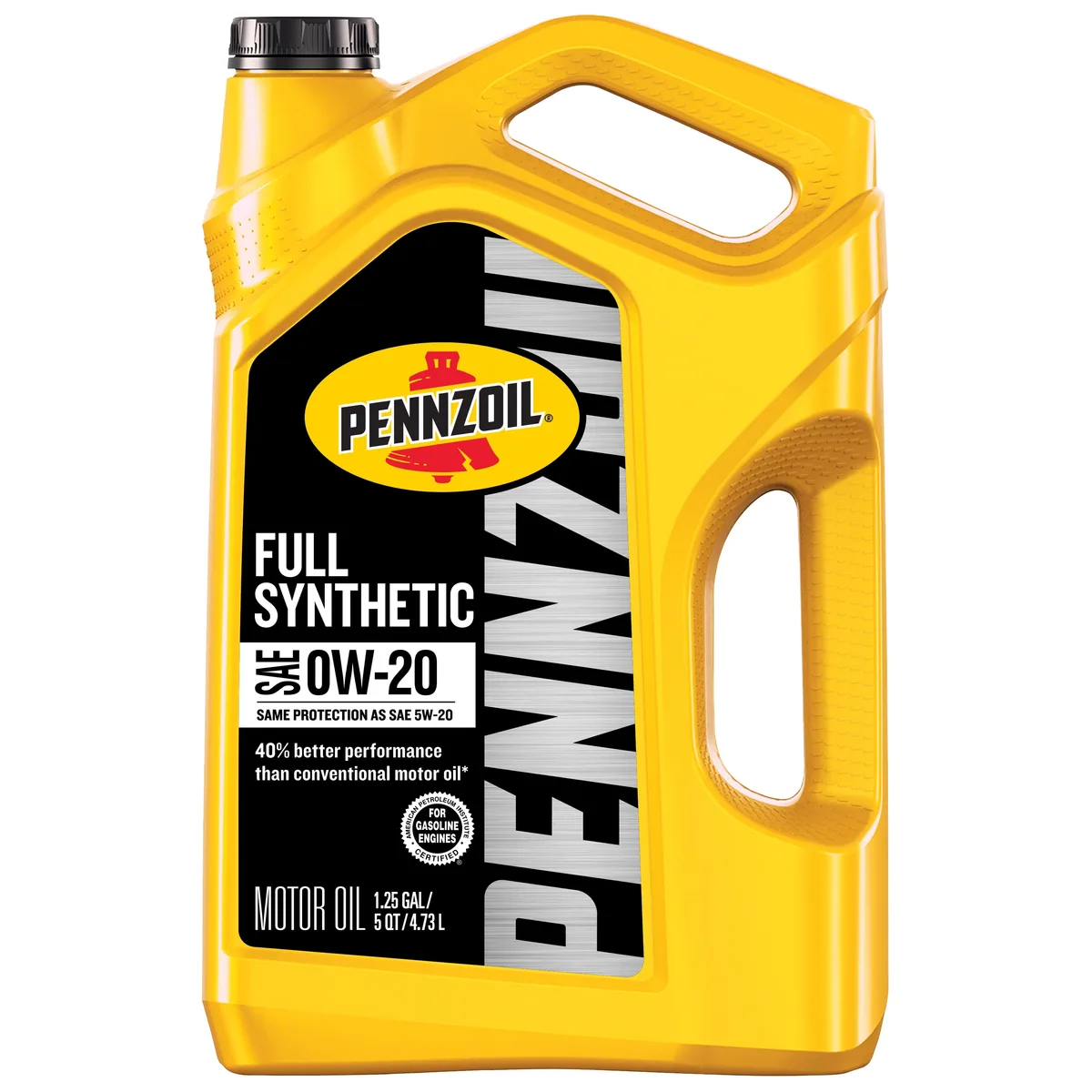
The "0W" part means the oil flows like a weight-zero grade at cold temperatures. This is critical for the 2GR-FE because its oil passages are narrower than engines designed for thicker oil. At freezing temperatures, a 5W-30 oil is significantly thicker and takes longer to reach critical components on startup.
That delay adds up over hundreds of cold starts.
The "20" part means the oil behaves like a 20-weight at operating temperature. This provides enough viscosity to maintain a protective film on bearings and cylinder walls while still allowing the variable valve timing system to function properly. Thicker oil at operating temperature can slow down oil flow through the VVT actuators, causing sluggish cam timing response.
Per API SN and ILSAC GF-5 standards, the oil must also meet specific wear protection and fuel economy requirements. Most major brands like Pennzoil, Mobil 1, and Valvoline produce 0W-20 that meets these specs. Toyota's own branded oil is typically manufactured by ExxonMobil.
Any API-certified 0W-20 full synthetic from a reputable brand will work fine.
What about high-mileage formulations? If your Sienna has over 75,000 miles, a high-mileage 0W-20 is a reasonable choice. These formulations include seal conditioners that can help reduce minor leaks.
Just make sure it's still 0W-20 and still API certified.
Step-by-Step: How to Check and Fill Properly
Checking your oil level correctly is the single most important skill for keeping your Sienna healthy. It sounds basic, but a surprising number of people read the dipstick wrong.
Tools You'll Need
- Clean rag or paper towel
- Your oil of choice (0W-20 full synthetic)
- Funnel with a flexible neck
- Gloves (optional but recommended)
The Checking Procedure
Park on level ground. This matters more than you think. Even a slight incline can skew the reading by half a quart or more.
Warm the engine to normal operating temperature, then shut it off. Wait three to five minutes for the oil to drain back into the pan.
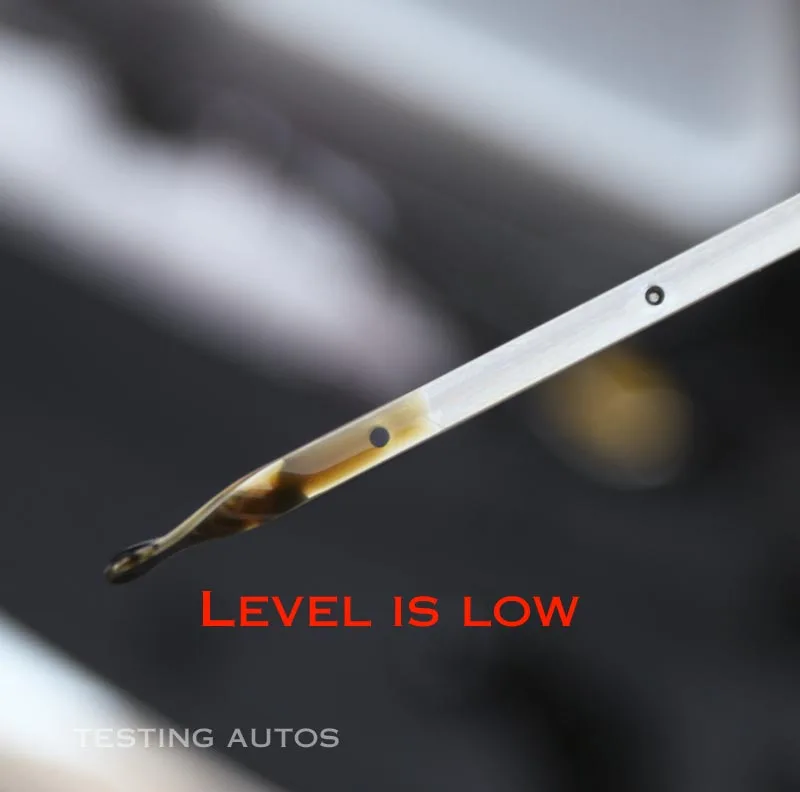
Pull the dipstick out. Wipe it clean with your rag. Insert it fully, then pull it out again.
Read the level where the oil film ends. The dipstick has two marks: a low mark and a high mark. The ideal level is between them, closer to the high mark.
Never above the high mark.
If the level is at or below the low mark, you need to add oil. If it's above the high mark, you need to drain some out before driving.
The Filling Procedure
Remove the oil fill cap on top of the valve cover. Insert your funnel. Add oil in half-quart increments.
Check the dipstick after each addition. It's far easier to add a little more than to drain excess.
For a complete oil change, start with about 5 quarts for FWD or 5.5 quarts for AWD. Run the engine for 30 seconds to fill the new filter and oil passages. Shut it off, wait three minutes, then check the dipstick.
Top off as needed.
The dipstick has a crosshatched area between the low and high marks. This entire zone is safe. The difference between low and high is typically about one quart.
Aim for the upper half of the crosshatch.
One more thing: do not trust the "oil level" display on some aftermarket gauges or phone apps. They are rarely accurate. The physical dipstick is your only reliable source of truth.
Common Mistakes That Cost Sienna Owners
Let's talk about the errors people make. Some are harmless. These are not.
Overfilling and Underfilling
We touched on this earlier, but it's worth repeating because it's the most common mistake. Overfilling by even half a quart can cause foaming. Foaming oil doesn't lubricate.
Foaming oil also triggers the check engine light in some Siennas because the VVT system detects erratic oil pressure.
Underfilling is sneakier. Your Sienna will run fine for weeks with half a quart low. Then you hit a long uphill grade on the highway, the oil sloshes away from the pickup tube, and the oil pressure light flickers.
By the time you notice, bearing wear has already started.
The fix is simple. Measure twice. Fill slowly.
Check the dipstick before you button everything up.
Wrong Viscosity
We see this a lot. Someone grabs 5W-30 because that's what their old pickup truck takes. Or they use 10W-40 because a mechanic friend told them "thicker oil is better for high mileage." That advice is wrong for the 2GR-FE.
Thicker oil at cold startup means the VVT actuators don't get enough flow. The engine runs rough until it warms up. The variable displacement oil pump also works harder than necessary, which can actually reduce oil pressure at idle.
Using the wrong viscosity won't destroy your engine overnight. But over 50,000 miles of cold starts with 5W-30, you're adding measurable wear to timing chain guides and cam phasers. Stick with 0W-20.
It's inexpensive insurance.
Stripped Drain Plug
This one hurts. The oil pan on the 2GR-FE is aluminum. The drain plug threads are steel.
When you torque the plug too hard, the softer aluminum threads strip out. Now you have an oil leak that requires a new oil pan or a thread repair insert.
The factory torque spec for the drain plug is 27 ft-lbs. That's not "hand tight plus a grunt." That's a specific number. Use a torque wrench.
If the threads already feel crunchy when you thread the plug in, stop. There's a good chance the previous owner overtightened it. You might need a thread chaser to clean the pan threads before installing a new plug and crush washer.
Torque Specs You Can't Ignore
Speaking of torque, here are the exact numbers you need for a proper oil change on the 2016 Sienna.
| Component | Torque Spec | Tool Required |
|---|---|---|
| Oil drain plug | 27 ft-lbs | Torque wrench with 14mm socket |
| Oil filter (spin-on) | 18 ft-lbs or hand tight plus 3/4 turn | Oil filter wrench (cap style preferred) |
| Oil fill cap | Hand tight | None |
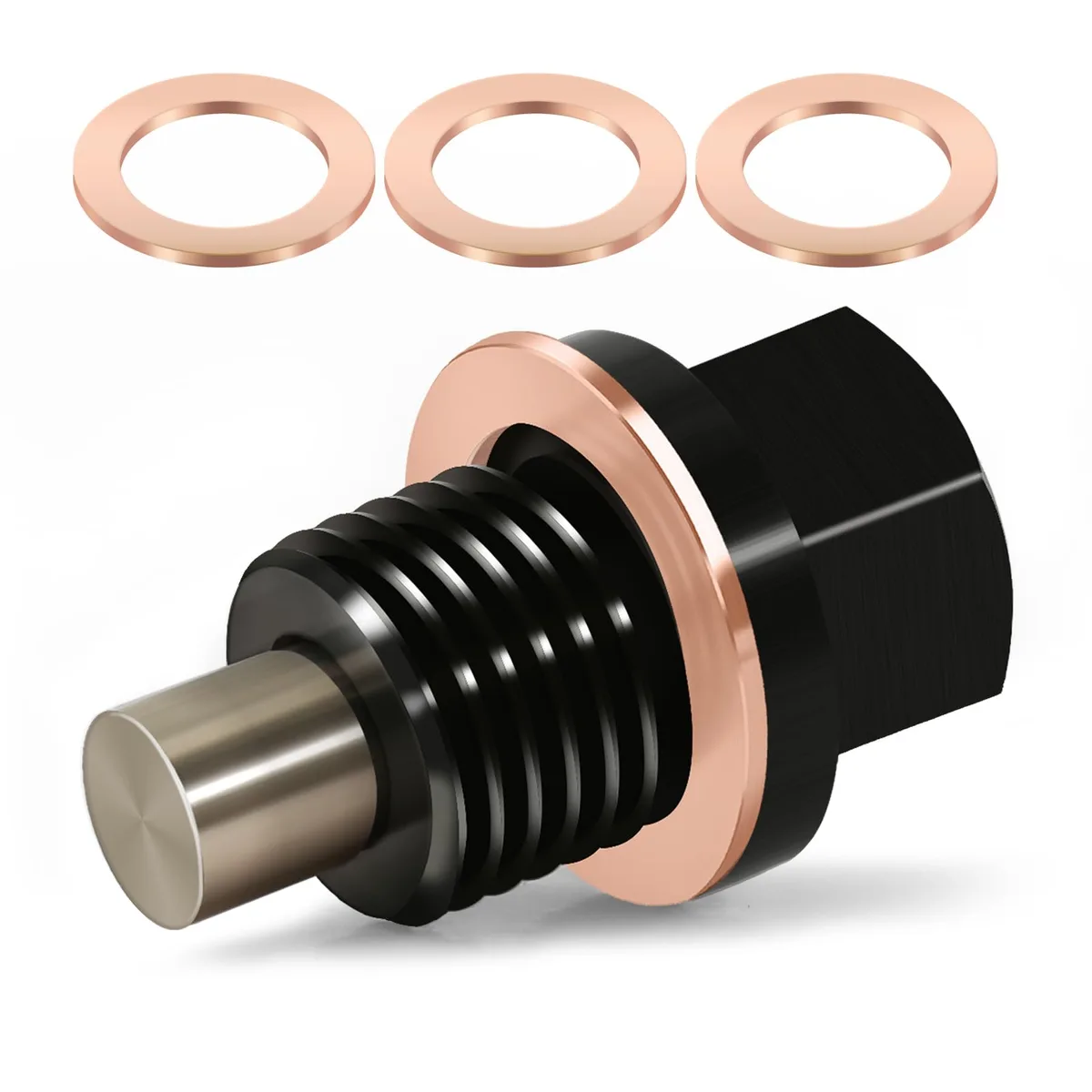
The drain plug uses a 14mm hex head. Always replace the crush washer. That small copper or aluminum ring deforms when you tighten the plug, creating a seal.
Reusing an old crush washer is the most common cause of slow oil pan leaks. A pack of 10 costs a few dollars online.
The oil filter spins on by hand until the gasket contacts the mounting surface. Then you give it another three-quarters turn. If you overtighten it, you risk crushing the gasket or cracking the filter housing.
If you undertighten it, you get a leak that can dump several quarts in minutes.
One more thing. The oil filter cap wrench size for the 2GR-FE is 65mm or 2.5 inches. Buy the right one before you start.
Using a strap wrench or channel locks usually ends with a mangled filter and a mess.
Oil Change Interval: Manufacturer vs. Real-World Driving
Toyota says 10,000 miles between oil changes for the 2016 Sienna under normal driving conditions. That's the official recommendation. But here's what the manual's fine print says about "severe service."
Severe service includes:
- Frequent short trips under 5 miles
- Extensive idling
- Driving in dusty or sandy conditions
- Repeated trailer towing
- Extreme cold or hot climates
- Stop-and-go city driving
If any of these describe your driving, Toyota recommends 5,000-mile intervals. That's half the normal schedule.
Our research shows that most Sienna owners fall into the severe service category without realizing it. A daily 15-minute commute in city traffic with a cold engine counts. So does school pickup lines with the engine running.
So does highway driving in 100-degree summer heat.
The safe play is 5,000 to 7,500 miles with 0W-20 full synthetic. Oil is cheap. The 2GR-FE engine is not.
As of 2026, a used replacement engine for a 2016 Sienna runs $4,000 to $6,000 installed. A few extra oil changes over the life of the vehicle is a fraction of that cost.
If you want to be really precise, send an oil sample to a lab at your next change. They'll tell you exactly how much wear metal is in the oil and whether your interval is safe to extend. Blackstone Laboratories and similar services charge about $35 per test.
That's cheap certainty.
When to Call a Mechanic vs. DIY
An oil change on a 2016 Sienna is one of the easier DIY jobs out there. The filter is accessible from above. The drain plug is visible without crawling under too far.
Ramps make the job trivial.
You should DIY if:
- You have basic hand tools and ramps
- You can follow torque specs
- You're comfortable getting under the vehicle
- You have a place to dispose of used oil
You should call a mechanic if:
- You don't have a level surface to work on
- The drain plug is already damaged or rounded off
- You're unsure about the AWD vs FWD capacity difference
- You don't want to deal with used oil disposal
- The undercarriage has significant rust
One scenario that trips people up. If your Sienna has a skid plate or undercover panel, some trims do, you'll need to remove it to access the drain plug. That usually means a few 10mm bolts.
It's not hard, but it adds 10 minutes to the job. If you're not expecting it, you might think you're stuck.
For the first oil change on a new-to-you Sienna, consider having a shop do it once. Watch what they do. Ask questions.
Then decide if you want to take over from there. That approach avoids the learning curve mistakes on your own vehicle.
The more you do it, the easier it gets. An oil change on this engine takes about 15 minutes once you've done it a couple times. The hardest part is remembering to buy the correct crush washer.
FAQs Sienna Owners Actually Ask
Can I use 5W-30 in a pinch?
In an absolute emergency, yes. It won't destroy your engine in 500 miles. But drain it and replace it with 0W-20 as soon as you can.
The 2GR-FE's variable valve timing system relies on the thinner oil to flow through tiny passages. Thicker oil delays VVT response and increases cold-start wear.
Why does my dipstick show different levels hot vs. cold?
That's normal. Oil expands when hot, so the level reads slightly higher. Always check your oil with the engine warm and off for three to five minutes.
That's the manufacturer's recommended method. Checking cold will give you a false low reading.
Do I need to reset anything after an oil change?
The 2016 Sienna doesn't have a digital oil life monitor that needs resetting on the dash. You just change the oil and go. Some newer Toyotas do, but your model year uses a simple mileage-based reminder.
Keep a log in your glove box or phone.
What happens if I put in too much oil?
The crankshaft whips the excess oil into foam. Foam doesn't lubricate. You'll eventually see the check engine light and may hear a knocking sound from the engine.
Drain the excess immediately. Running even 50 miles overfilled can damage bearings.
Can I switch between conventional and synthetic oil?
The engine was designed for full synthetic 0W-20. Switching to conventional oil of the same viscosity is not recommended. Conventional oil breaks down faster under heat and doesn't flow as well at cold temperatures.
Stick with full synthetic.
How do I know if my oil filter is the right one?
Look for the OEM part number 04152-YZZA1 or a direct cross-reference from a major brand. The thread size is 3/4-16 UNF. The gasket diameter is about 2.7 inches.
If the filter doesn't match these dimensions, don't force it. Wrong filters leak.
Final Verdict: Keeping Your Sienna's Engine Happy
The 2016 Toyota Sienna is a reliable vehicle when you treat it right. The oil capacity question is straightforward once you know your drivetrain. FWD takes 5.7 quarts dry.
AWD takes 6.1 quarts. Both use 0W-20 full synthetic.
Check your oil monthly. Change it every 5,000 to 7,500 miles. Use a torque wrench on the drain plug.
Replace the crush washer every time. These small habits keep the 2GR-FE running past 200,000 miles without major repairs.
If you're also maintaining other Toyota models in your household, the same principles apply. The modern 0W-20 requirement is shared across many of their engines. Check our guides for the proper oil specs on your specific Sienna model year, or see what the Toyota RAV4 requires for comparison.
The Toyota Camry oil type guide covers the sedans. And if you're working on a truck, the Tacoma oil guide has the details you need.
One quart off can cost thousands. Get it right, drive with confidence, and your Sienna will reward you with miles of trouble-free service.