
If you own a 2017 Toyota Corolla, you already know it's one of the most reliable cars on the road. But that reliability depends on one simple decision you make every few months. The 2017 Toyota Corolla oil type you choose directly affects how long that 1.8-liter engine keeps running without expensive problems.
Toyota specifies SAE 0W-20 full synthetic motor oil for this engine. This isn't a suggestion. The 2ZR-FE engine was designed around that specific viscosity.
Use the wrong oil and you'll see worse fuel economy, faster wear on cold starts, and eventually sludge buildup that no mechanic can fully fix. As of 2026, this spec hasn't changed. Let's walk through exactly what you need, why it matters, and how to get it right every time.
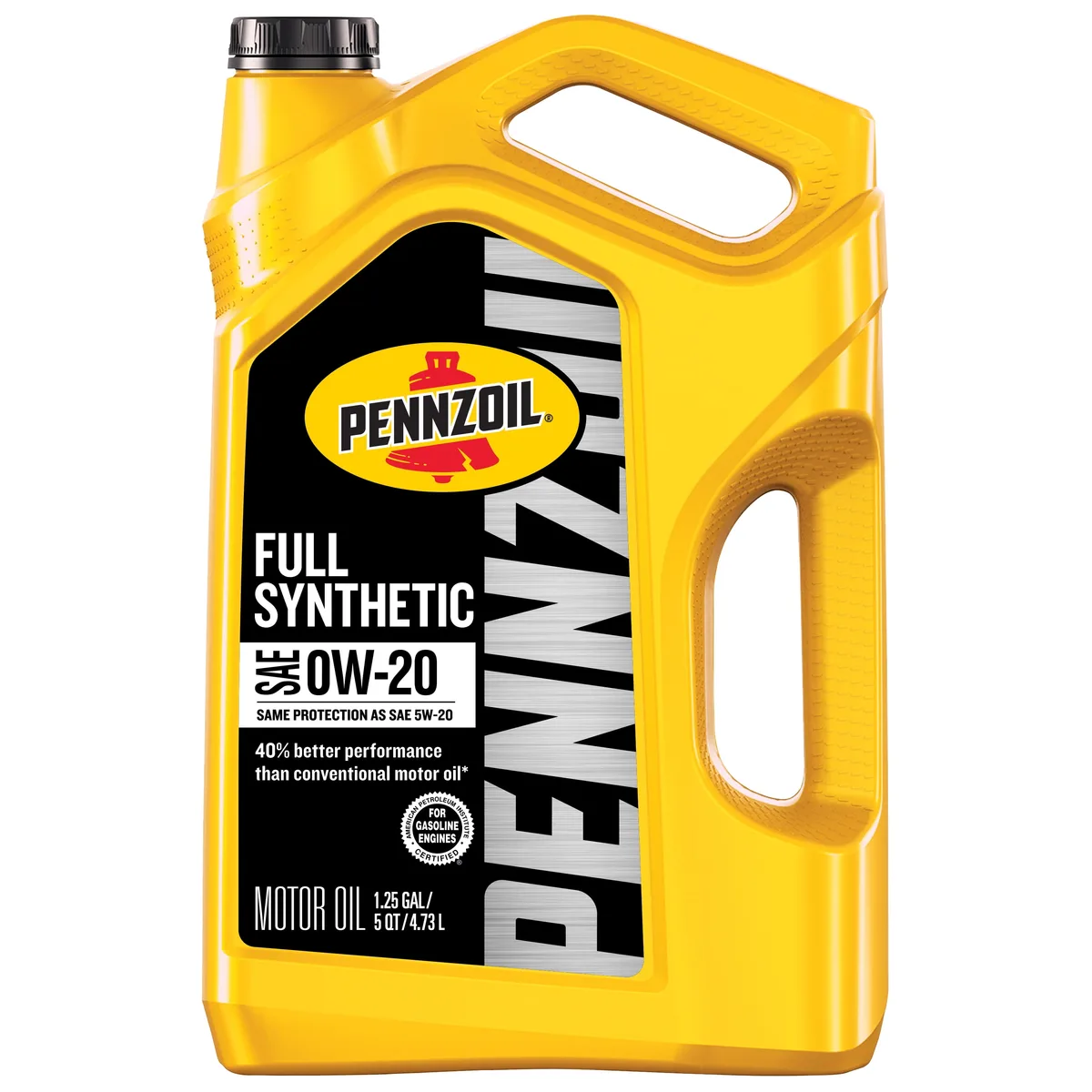
Image source: Web (Bing) / walmart.com (Web image (fair-use with source credit))
Quick Answer
The 2017 Toyota Corolla takes SAE 0W-20 full synthetic engine oil. It must meet ILSAC GF-5 or API SN certification standards. Total capacity is 4.4 quarts with a filter change.
Use 4.0 quarts if you're not replacing the filter. Don't substitute 5W-30 or any thicker viscosity. The engine was built for thin oil that flows instantly at startup.
Why Getting the Right Oil Matters for Your 2017 Corolla
Oil is the lifeblood of your engine. That's not a metaphor. The 2ZR-FE engine in your Corolla has tight tolerances between moving parts.
Clearances measured in thousandths of an inch. When you pour in the right oil, it slides into every gap instantly. When you pour in the wrong oil, those gaps stay dry for precious seconds.
Every cold start with thick oil causes metal-on-metal contact. Over time that adds up. You'll hear it first as a slight rattle on cold mornings.
Then comes the knocking. Then comes a repair bill that costs more than the car is worth.
Owners who stick with the manufacturer spec get 200,000 miles or more without major engine work. Those who guess at the right oil are the ones posting "engine seized" threads at 130,000 miles.
Toyota spent millions engineering this engine. The oil recommendation in your owner's manual isn't a suggestion. It's the result of real testing under real conditions.
What Happens If You Use the Wrong Oil
Three common mistakes people make when choosing oil for their 2017 Corolla. Each one causes a different kind of damage.
Using Thicker Oil (5W-30 or 10W-30)
Someone told you "thicker oil protects better." That's true for a 1968 Mustang. It's terrible advice for a modern engine with variable valve timing.
Thicker oil doesn't flow fast enough through the narrow oil passages in the 2ZR-FE engine. The variable valve timing system relies on oil pressure to function. Slow-flowing oil means delayed timing adjustments.
That kills fuel economy and increases emissions.
Worse, thick oil at cold startup doesn't reach the camshaft bearings quickly. Those bearings take the most wear during the first 30 seconds of operation. With 5W-30, that wear window stretches longer.
Using Conventional Oil Instead of Synthetic
Conventional oil breaks down faster under high heat. The 2ZR-FE runs hot. It's a high-compression engine designed for efficiency.
That means higher cylinder head temperatures.
Conventional oil turns into sludge when it oxidizes. Sludge clogs oil passages. Clogged passages starve bearings of lubrication.
Starved bearings fail.
Toyota didn't recommend synthetic to upsell you. They recommended it because the engine needs it to stay clean for 10,000 miles between changes. Conventional oil would be sludge by 5,000 miles.
Understanding the 2ZR-FE Engine and Its Oil Needs
Let's get specific about what makes this engine different. The 2ZR-FE is a 1.8-liter four-cylinder with dual variable valve timing. That dual VVT-i system is the key.
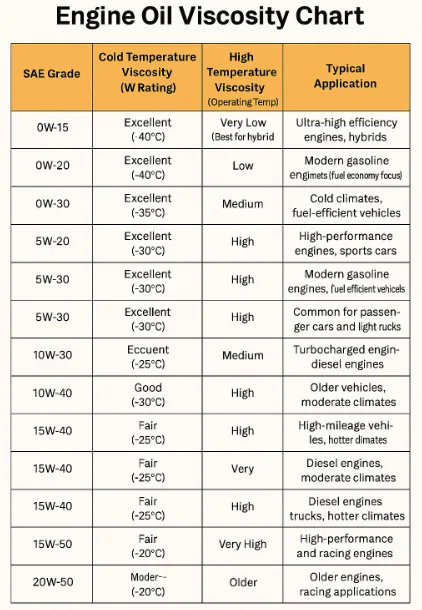
Image source: Web (Bing) / engineoiljournal.com (Web image (fair-use with source credit))
Each camshaft has an oil-pressure-actuated phaser. These phasers advance or retard cam timing based on driving conditions. They need fast, consistent oil pressure to work.
Here's where viscosity matters. The "0W" in 0W-20 tells you the oil stays thin at freezing temperatures. At 0 degrees Fahrenheit, 0W-20 flows like cold maple syrup. 5W-30 flows more like cold honey.
That difference matters when you turn the key on a winter morning.
The "20" tells you the viscosity at operating temperature. At 212 degrees Fahrenheit, 0W-20 maintains a specific thickness. The 2ZR-FE's oil pump and bearing clearances are designed around that exact thickness.
Using oil with a "30" hot rating means the oil pump has to work harder to push thicker fluid through the same passages. That wastes horsepower. It also means the oil takes longer to reach the VVT phasers, causing delayed timing response.
What the Viscosity Chart Actually Shows
The chart above shows that 0W-20 stays in the ideal viscosity range across a wider temperature band than thicker oils. It's thin enough to flow at -30 degrees. It's thick enough to protect at 240 degrees.
5W-20 is the acceptable backup. It's slightly thicker at cold temperatures but still within the safe range. Toyota lists 5W-20 as an alternative if 0W-20 isn't available.
5W-30 should never go in your Corolla. It's too thick at every temperature. Your fuel economy drops by about 2 miles per gallon.
Cold-start wear increases. The VVT system responds slower. There's no upside.
Full Synthetic vs. Synthetic Blend vs. Conventional
This is the second biggest source of confusion. Let's settle it with facts.
| Oil Type | Cold Flow | High-Temp Protection | Sludge Resistance | Change Interval | Cost per Quart |
|---|---|---|---|---|---|
| Full Synthetic 0W-20 | Excellent | Excellent | Excellent | 10,000 miles | $6-$8 |
| Synthetic Blend 0W-20 | Good | Good | Good | 7,500 miles | $4-$6 |
| Conventional 0W-20 | Poor | Poor | Poor | 5,000 miles | $3-$5 |
What Toyota Actually Requires
The owner's manual says "Toyota Genuine Motor Oil or equivalent." That equivalent must be full synthetic meeting ILSAC GF-5. Not synthetic blend. Not conventional.
Full synthetic.
Why? Because the 2ZR-FE has a timing chain that needs clean oil to last 200,000 miles. Conventional oil leaves carbon deposits on the chain guides.
Those deposits wear down the plastic guides. Worn guides let the chain slap. Chain slap means a $2,000 repair.
What You Can Get Away With
Synthetic blend 0W-20 is better than nothing. If you're in a pinch and the store only has blend, it'll work for one change. But don't make it a habit.
Blend has less detergent additive. It doesn't hold suspended contaminants as well. It oxidizes faster.
Conventional 0W-20 is a bad idea. It exists mostly for older engines that were designed for conventional oil. Your 2017 Corolla wasn't.
The synthetic base stock is what keeps the oil from turning to sludge at 5,000 miles.
What You Should Never Use
Anything marked "high mileage" without checking the label. Some high-mileage oils have seal conditioners that can swell modern gaskets. Swollen gaskets leak.
Leaks lose oil. Low oil kills engines.
Anything with a viscosity rating that doesn't have "0W" or "5W" as the cold rating. If the bottle says 10W anything, put it back. It'll be like pouring cold honey into your engine on a winter morning.
Oil Capacity: How Much You'll Need
Here are the exact numbers you need when buying oil and doing the change yourself.
With Filter Change
You need 4.4 quarts. Buy a 5-quart jug. You'll use most of it.
The leftover half quart is useful for topping off between changes.
Without Filter Change
You need 4.0 quarts. But honestly, always change the filter. It costs $8 to $12.
It takes two extra minutes. Skipping it leaves a quart of dirty oil in the engine to contaminate your fresh oil.
Why the Extra 0.4 Quarts Matters
The oil filter holds roughly 0.3 to 0.4 quarts. When you replace it, that volume is empty. The first startup fills the filter before sending oil to the rest of the engine.
If you pour in exactly 4 quarts with a new filter, you'll be slightly low. The dipstick will show between low and full. That's safe but not ideal.
Pour the full 4.4 quarts, run the engine for two minutes, shut it off, wait five minutes, and check the dipstick. It should be right at the full mark.
Step-by-Step: How to Change the Oil Yourself
Changing your own oil saves money and guarantees it's done right. Here's the process for a 2017 Corolla.
Tools and Parts You'll Need
- 5 quarts of 0W-20 full synthetic oil meeting ILSAC GF-5
- Oil filter (Toyota part 04152-YZZA1 or equivalent)
- Drain plug crush washer (part 90430-12031 or equivalent)
- 14mm socket or wrench for the drain plug
- Oil filter wrench (if the filter is tight)
- Drain pan (at least 6-quart capacity)
- Funnel
- Ramps or jack stands (never work under a car supported only by a jack)
- Gloves and shop rags
Step 1: Prepare the Car
Run the engine for five minutes to warm the oil. Warm oil drains faster and carries more suspended contaminants. Park on level ground.
Engage the parking brake. If using ramps, drive up slowly. If using a jack, use jack stands.
Step 2: Drain the Old Oil
Place the drain pan under the engine. Locate the drain plug on the bottom of the oil pan. It's a 14mm bolt.
Loosen it with a socket or wrench. Once loose, unscrew it by hand. Let the oil drain completely.
This takes about five minutes.
Step 3: Replace the Crush Washer
Remove the old crush washer from the drain plug. It's a thin copper or aluminum ring. Install the new one.
This step prevents leaks. Don't skip it.
Step 4: Remove and Replace the Oil Filter
The oil filter is on the front of the engine, near the bottom. You can reach it from underneath. Turn it counterclockwise by hand.
If it's too tight, use an oil filter wrench. Some oil will spill. That's normal.
Let it drain into the pan.
Before installing the new filter, rub a little fresh oil on the rubber gasket. This keeps the gasket from sticking. Screw the new filter on by hand until it contacts the mounting surface.
Then tighten it another two-thirds of a turn. Don't overtighten.
Step 5: Reinstall the Drain Plug
Screw the drain plug back in with the new crush washer. Tighten it to 20 Nm (14 ft-lb). If you don't have a torque wrench, snug it up firmly.
Stop when you feel resistance. Overtightening strips the threads in the oil pan.
Step 6: Add New Oil
Remove the oil fill cap on top of the valve cover. Insert a funnel. Pour in about 4.2 quarts.
Replace the cap. Run the engine for two minutes. Shut it off.
Wait five minutes.
Step 7: Check the Level
Pull the dipstick. Wipe it clean. Insert it fully.
Pull it again. The oil level should be between the low and full marks. If it's low, add another half quart.
Recheck. Repeat until the level is at the full mark.
Step 8: Reset the Oil Maintenance Light
Turn the ignition to ON without starting the engine. Press the odometer button until the trip odometer shows. Turn the ignition OFF.
Hold the odometer button. Turn the ignition back to ON. Continue holding the button for about five seconds.
The maintenance light will flash and then turn off.
The Oil Filter: Why It's Not Optional
The oil filter catches contaminants that would otherwise circulate through your engine. Metal particles, carbon bits, and sludge all get trapped in the filter media. Without it, those particles score bearing surfaces and clog oil passages.
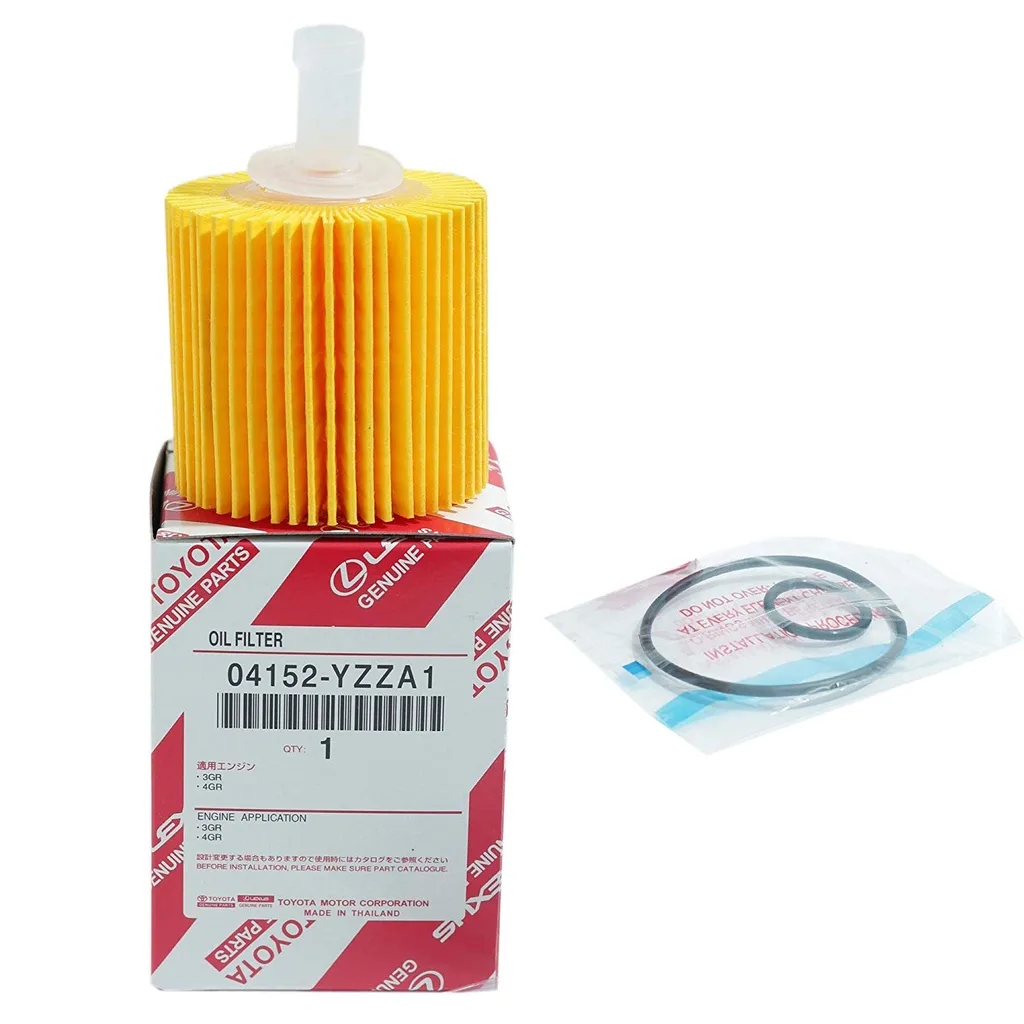
Image source: Web (Bing) / shopee.com.my (Web image (fair-use with source credit))
Genuine Toyota Filter vs. Aftermarket
The factory oil filter for the 2017 Corolla is part number 04152-YZZA1. It has a bypass valve calibrated to open at the right pressure. It uses the correct filter media density for this engine's oil flow rate.
Aftermarket filters from brands like Fram, Mobil 1, and Bosch work fine as long as they match the OEM specs. The key spec is the bypass valve pressure. If the bypass opens too early, unfiltered oil circulates.
If it opens too late, the filter can collapse.
What Happens With a Cheap Filter
A filter with poor media density lets particles pass through. A filter with a weak bypass valve fails when the oil is cold and thick. A filter with a bad anti-drainback valve lets oil drain out of the filter when the engine is off.
That means dry starts.
The anti-drainback valve matters on the 2ZR-FE because the filter mounts horizontally. Without a good valve, the filter empties every time you park. On restart, the engine runs without filter pressure for several seconds.
When to Change It: Intervals That Actually Make Sense
Toyota recommends 10,000 miles between oil changes for normal driving. But here's the catch. Most people don't drive "normally."
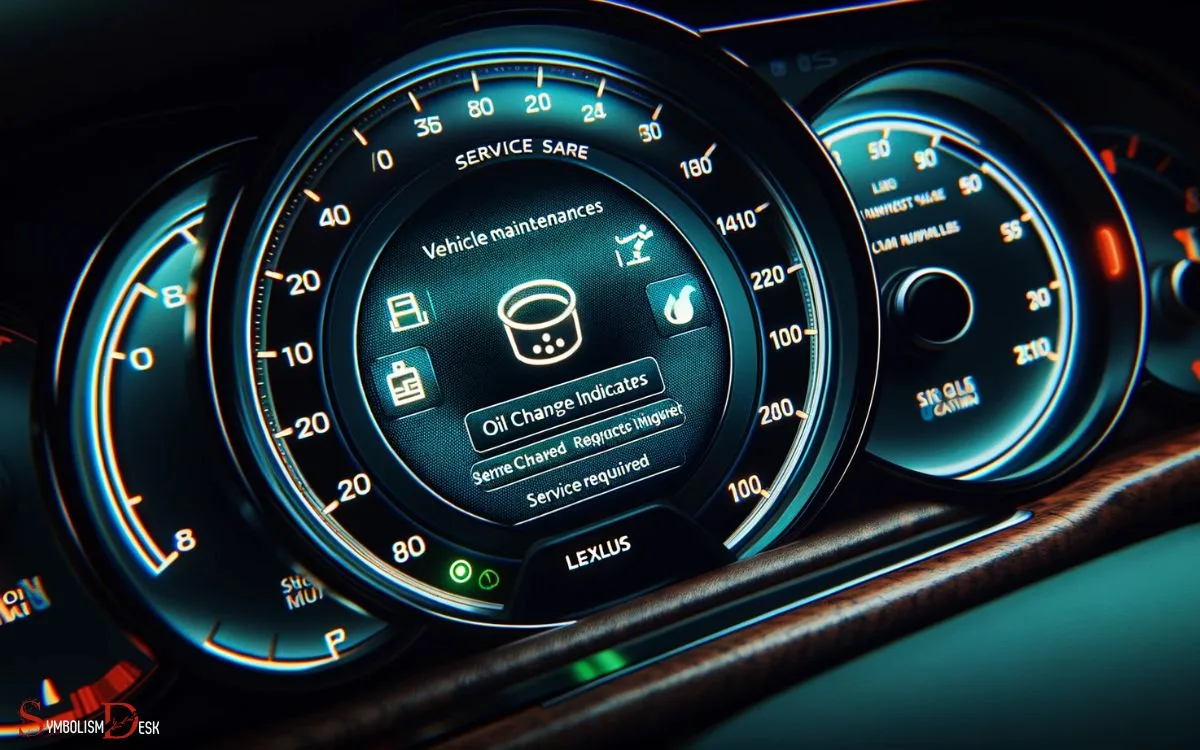
Image source: Bing (Web (fair-use with source credit))
Normal Driving
Normal driving means highway cruising at steady speeds. Minimal stop-and-go traffic. Moderate outside temperatures.
No towing. Consistent 20-plus mile trips that let the engine fully warm up.
If this describes your commute, 10,000 miles on full synthetic is fine.
Severe Service
Most driving counts as severe service. Here's what qualifies according to Toyota's own maintenance schedule:
- Short trips under 10 miles
- Extended idling in traffic
- Driving in dusty or sandy conditions
- Extreme hot or cold weather
- Mountain driving with steep grades
- Towing or carrying heavy loads
- Repeated high-speed driving
If any of these describe your driving, you're in the severe service category. Change your oil every 5,000 miles.
The Oil Change Reminder Light
The 2017 Corolla has an oil maintenance reminder system. It's programmed for 5,000 miles by default. The light comes on to remind you.
Many owners reset it and assume they're good for another 5,000. But that light is set for severe service.
If you drive mostly highway miles, you can reset the light and safely go 10,000 miles. The choice is yours. But when in doubt, change it at 5,000.
Oil is cheap. Engines are not.
What Counts as Severe Service (It's Probably You)
Let's be honest. Most people in suburban or urban areas hit at least one severe service condition. Your 15-minute commute in stop-and-go traffic counts.
Your grocery run with the A/C blasting counts. Your drive through a construction zone counts.
Don't feel bad about changing oil at 5,000 miles. You're protecting your investment. The extra $30 per year in oil costs is nothing compared to an engine replacement.
High-Mileage Oil: When Should You Switch?
High-mileage oil contains additives designed for older engines. Seal conditioners that swell dried-out gaskets. Detergents that clean decades of sludge.
Friction modifiers that reduce wear on worn surfaces.
Is It Worth It for a 2017 Corolla?
Probably not yet. The 2017 Corolla is only about nine years old as of 2026. Engines at this age don't typically have dried-out seals or significant sludge buildup.
If your Corolla has over 100,000 miles and you notice minor oil consumption (half a quart between changes), high-mileage oil might help. The seal conditioners can reduce small leaks around valve cover gaskets and rear main seals.
If your Corolla has under 100,000 miles and doesn't consume oil, stick with standard full synthetic 0W-20. The extra additives in high-mileage oil aren't helping and may cause gasket swelling in a healthy engine.
What High-Mileage Oil Actually Does
High-mileage oils have higher levels of zinc and phosphorus for wear protection. They also have more detergent to clean existing deposits. And they have seal conditioners that cause rubber gaskets to swell slightly.
The swelling is useful on a 15-year-old engine with dried-out gaskets. It's unnecessary on a 9-year-old engine with healthy seals. In some cases, it can cause gaskets to swell too much and crack.
Stick with standard 0W-20 until you reach 120,000 miles or notice oil consumption. Then consider switching to a high-mileage formula.
Common Mistakes DIYers Make
Even experienced DIY mechanics make mistakes on their Corolla. Here are the most common ones.
Using the Wrong Viscosity "Because It's Cheaper"
5W-30 is often on sale. 0W-20 is more expensive. The savings aren't worth the engine wear. You save $5 on the oil change and lose $500 in premature engine wear.
Bad math.
Over-Tightening the Drain Plug
The oil pan is aluminum. The drain plug threads into a steel insert pressed into the aluminum. Tighten too hard and the insert spins.
Spinning insert means a new oil pan. New oil pan means $400 plus labor.
Tighten the plug to 20 Nm. If you don't have a torque wrench, snug it up and stop when the crush washer contacts the pan. One more quarter turn is plenty.
Skipping the Crush Washer Replacement
The crush washer is a one-time-use part. It deforms when you tighten the plug, creating a perfect seal. Reusing it means it doesn't deform again.
You get a slow drip. Slow drips become puddles.
Buy a pack of ten crush washers for $5. Keep them in your glove box. Replace one every oil change.
Forgetting to Reset the Maintenance Light
Many owners change the oil but skip the reset. The light keeps blinking, driving them crazy. Or worse, they ignore it and forget when the next change is due.
The reset process takes ten seconds. Do it every time.
Frequently Asked Questions
Can I use 5W-30 in my 2017 Toyota Corolla?
No. Toyota specifies 0W-20 for this engine. Using 5W-30 reduces fuel economy by about 2 mpg and increases cold-start wear.
The thicker oil doesn't flow fast enough through the VVT system, causing delayed timing response.
How many quarts of oil does a 2017 Corolla need?
4.4 quarts with a filter change. 4.0 quarts without a filter change. Buy a 5-quart jug of 0W-20 full synthetic and use most of it. Save the leftover for topping off between changes.
What happens if I use conventional oil instead of synthetic?
Conventional oil breaks down faster in the 2ZR-FE engine. It turns to sludge by 5,000 miles, clogging oil passages and starving bearings. Toyota requires full synthetic to maintain the 10,000-mile change interval and keep the engine clean.
How often should I change the oil in my 2017 Corolla?
Every 10,000 miles for normal highway driving. Every 5,000 miles for severe service (short trips, stop-and-go traffic, extreme temperatures, dust, towing). Most drivers fall into the severe service category.
Does the 2017 Corolla have an oil life monitor?
Yes. The oil maintenance reminder system is programmed for 5,000 miles. It illuminates the maintenance required light when it's time for a change.
You can reset it manually after each oil change.
Is 0W-20 full synthetic required or just recommended?
It's required to maintain the factory warranty and recommended change interval. Toyota's owner's manual explicitly states to use 0W-20 full synthetic meeting ILSAC GF-5. Using anything else risks engine damage and warranty denial.