
If you own a 2019 Toyota Corolla and you're about to change the oil yourself, there's one number you need to get right. The 2019 Toyota corolla oil capacity isn't the same for every trim level, and pouring in the wrong amount can cause real damage. Too little oil and your engine starves.
Too much and you risk foaming, leaks, and blown seals. Either way, it's an expensive mistake.
Manufacturer specifications indicate that the 1.8L engine found in most LE and XLE trims holds right around 4.4 quarts with a filter change. But the 2.0L engine in the SE and XSE models takes about 4.6 quarts. As of 2026, these figures remain the standard for proper servicing.
Let's break down exactly what your car needs and how to do it safely.
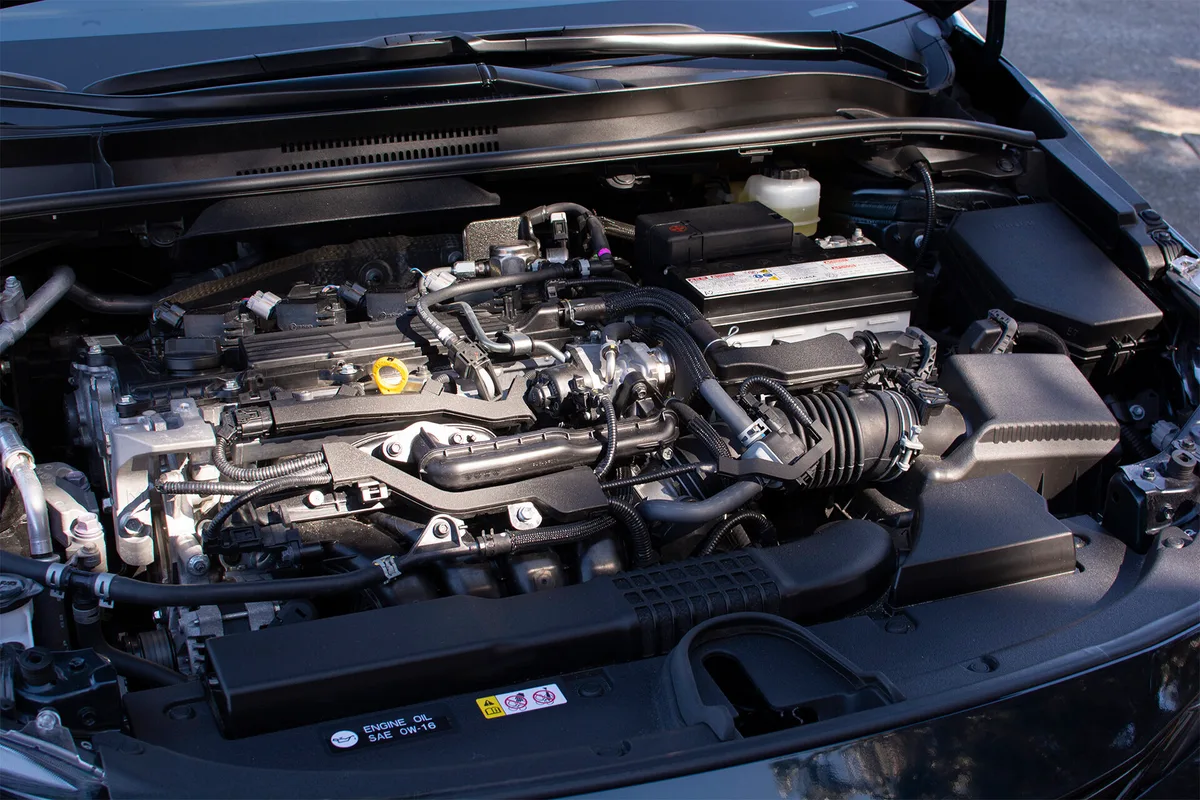
Image source: Bing (Web (fair-use with source credit))
Quick Answer
The 2019 Toyota Corolla oil capacity is 4.4 quarts for the 1.8L engine. The 2.0L engine holds 4.6 quarts. Both figures include the oil filter.
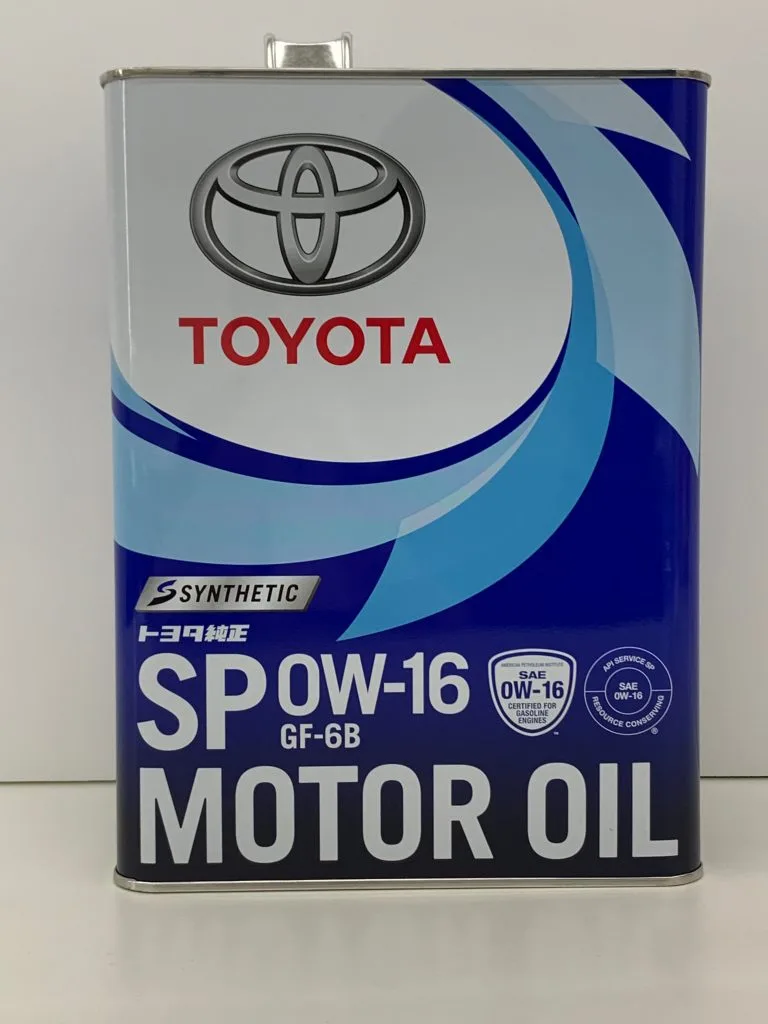
Use SAE 0W-16 synthetic oil with API SN Plus certification. Never use conventional oil. Check your dipstick after filling.
Why Getting the Oil Capacity Wrong Can Cost You an Engine
This isn't a minor detail. Modern engines run tight tolerances, and the oil system is designed around a specific volume. If you're off by even half a quart, you're asking for trouble.
Here's what happens when you get it wrong:
- Underfilling. The oil pump can't maintain proper pressure. Metal parts grind together. You'll hear knocking before the engine seizes.
- Overfilling. The crankshaft whips the oil into foam. Air bubbles get pulled into the pump. Oil pressure drops, and lubrication fails.
- Wrong viscosity. Using 5W-30 or 10W-40 in an engine designed for 0W-16 starves critical components during cold starts. The oil is too thick to flow through narrow passages.
The 2019 Corolla's 2ZR-FAE and M20A-FKS engines both rely on variable valve timing systems that need precise oil pressure. Even a small error in capacity or viscosity can throw off the timing actuators. That's not a cheap fix.
Aggregate reviews from Corolla forums and service records show that overfilling is the most common DIY mistake. People assume "a little extra" is safe. It isn't.
Stick to the spec exactly.
The Quick Answer: 2019 Toyota Corolla Oil Capacity at a Glance
Let's get the numbers on the table. These figures come straight from the Toyota owner's manual and service literature.
1.8L 2ZR-FAE Engine (LE, XLE, Base Hatchback)
This is the workhorse engine found in most 2019 Corollas. It's a four-cylinder with a timing chain and a proven reputation for reliability.
| Measurement | Value |
|---|---|
| Capacity with filter | 4.4 US quarts |
| Capacity without filter | 4.2 US quarts |
| Dry fill (engine rebuild) | 4.9 US quarts |
| Recommended oil | SAE 0W-16 |
| Acceptable alternative | SAE 0W-20 |
| API certification | SN Plus or higher |
Don't confuse "with filter" and "dry fill." If you're just doing a standard oil change, you'll drain the old oil but some stays in the engine. Use the 4.4-quart figure. The dry fill number only matters if you're building a fresh engine.
2.0L M20A-FKS Engine (SE, XSE Hatchback and Sedan)
The 2.0L engine is a newer design with a different oil circuit. It needs slightly more oil and has its own dipstick markings.
| Measurement | Value |
|---|---|
| Capacity with filter | 4.6 US quarts |
| Capacity without filter | 4.4 US quarts |
| Dry fill (engine rebuild) | 5.1 US quarts |
| Recommended oil | SAE 0W-16 |
| Acceptable alternative | SAE 0W-20 |
| API certification | SN Plus or higher |
Note that the 2.0L engine uses a cartridge-style oil filter on some trims, not the traditional spin-on can. That changes how you remove and install it. We'll cover that in the step-by-step section.
If you're unsure which engine you have, check your VIN or look at the engine cover. The 1.8L says "2ZR-FAE" on a sticker near the timing cover. The 2.0L says "M20A-FKS."
Oil Type Matters Just as Much as the Amount
You can pour the exact right volume into your engine and still cause damage if you use the wrong oil. The 2019 Corolla requires specific properties that aren't just suggestions.
Why Toyota Requires 0W-16 (and When 0W-20 Is Acceptable)
Toyota switched to 0W-16 for the 2018 model year on most of its passenger cars. The reason is fuel economy. Thinner oil creates less drag on moving parts, which saves gas.
The EPA's CAFE standards pushed automakers toward lower-viscosity oils across the board.
But there's a mechanical reason too. The 2ZR-FAE engine uses a roller-rocker valvetrain and small oil galleries. Thick oil doesn't circulate fast enough during cold starts.
You get momentary metal-on-metal contact until the oil warms up. Over thousands of starts, that adds up to wear.
Here's the practical breakdown:
- 0W-16 is the standard. Use it for normal driving in most climates.
- 0W-20 is acceptable. If you can't find 0W-16, 0W-20 won't hurt the engine. It's slightly thicker at operating temperature, which may cost you 1-2 MPG.
- 5W-30 is a no-go. Never use it. The cold-flow properties are wrong for this engine. The oil won't reach critical areas during startup.
If you live in a very hot climate, some Toyota service bulletins mention that 0W-20 provides better high-temperature shear stability. That's the only case where 0W-20 might actually be preferable. For everyone else, stick with 0W-16.
API and ILSAC Certifications – Not All Oil Is the Same
You'll see API donuts and ILSAC starbursts on oil bottles. These aren't marketing stickers. They're certifications that the oil meets minimum standards for your engine.
The 2019 Corolla requires API SN Plus or higher. SN Plus was introduced in 2018 to address low-speed pre-ignition (LSPI) in turbocharged engines, but the additive package also benefits naturally aspirated engines by reducing wear.
ILSAC GF-5 or GF-6 is the equivalent standard. Most modern synthetic oils carry both certifications.
What to look for on the bottle:
- API SN Plus, SP, or higher
- ILSAC GF-5 or GF-6
- Label that says "Certified for gasoline engines"
Avoid "racing oil," "high-mileage" formulations without the right certifications, or any oil that doesn't list API or ILSAC approval. If you're looking for a complete breakdown on modern Toyota oil specs, the guide on what type of oil a 2021 Toyota Camry needs covers similar ground.
The Right Way to Check Your Oil Level
You can't trust the dipstick reading if you check it wrong. Even with the correct capacity, a bad reading leads to overfilling or underfilling.
Why the Dipstick Lies When the Engine Is Cold
Cold oil drains slowly. If you check the dipstick after the car has sat overnight, the oil has fully settled into the pan. You'll get a reading that's slightly above the actual operating level.
That tricks you into adding less oil than needed.
Here's the correct procedure:
- Park on level ground.
- Run the engine for 2-3 minutes to warm the oil.
- Turn off the engine and wait 1-2 minutes.
- Pull the dipstick, wipe it clean, insert fully, then pull again.
- Read the level at the highest point of the oil film.
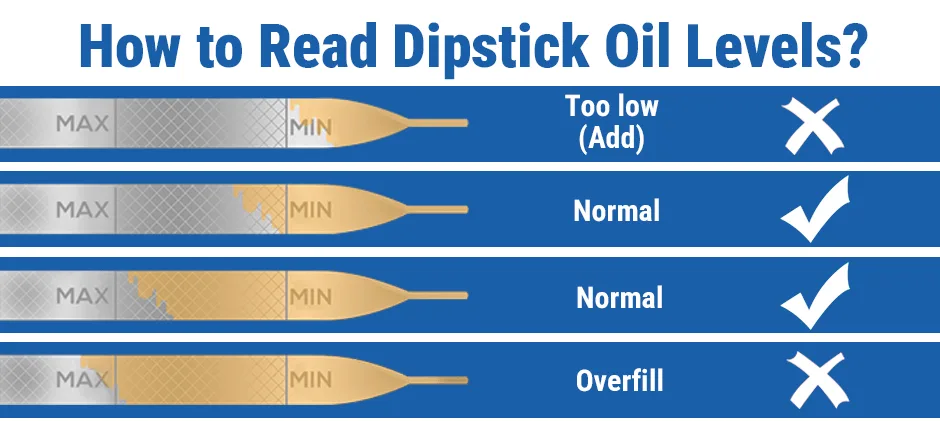
The dipstick has two marks: a lower "low" mark and an upper "full" mark. The oil should sit between them, closer to the top. If it's at the low mark, you're about a quart down.
Warm oil is thin and spreads evenly on the dipstick. Cold oil clumps and gives you a false high reading. Trust the warm check only.
Some owners also reset the oil maintenance light after a change. That's a separate step, but it's worth knowing about if you plan to keep the car long-term. The guide on Toyota Corolla oil type for later model years goes into the full procedure.
Step-by-Step: How to Change Your Oil Safely and Accurately
This is the part where most DIYers go wrong. It's not hard, but you need the right sequence and the right tools.
Tools and Parts You'll Need
Before you start, gather everything in one place.
| Item | Notes |
|---|---|
| 4.4 or 4.6 quarts 0W-16 synthetic oil | Buy exactly the amount for your engine |
| Genuine Toyota oil filter (90915-YZZD2) | Or equivalent with the same specs |
| Drain plug gasket (90430-12031) | Aluminum crush washer, single use only |
| 14mm socket or wrench | For the drain plug |
| Oil filter wrench | For spin-on filters; not needed for cartridge type |
| Drain pan | At least 6-quart capacity |
| Funnel | Long neck preferred |
| Jack and jack stands (or ramps) | If low ground clearance |
| Nitrile gloves | Optional but recommended |
A lot of people reuse the old crush washer. Don't do it. They deform on the first torque and won't seal properly the second time.
A slow drip over days means you're losing oil without noticing.
The Draining Process
- Warm the engine to operating temperature (5 minutes of driving or 3 minutes of idling).
- Turn it off and let it sit for 2 minutes.
- Raise the front of the car if needed. Use jack stands, never just a scissor jack.
- Place the drain pan under the drain plug.
- Remove the drain plug with a 14mm socket. Turn counterclockwise.
- Let the oil drain for at least 5 minutes. Longer is better.
- Remove the old crush washer from the drain plug.
- Install the new crush washer and tighten the plug to 30 ft-lbs. Don't guess.
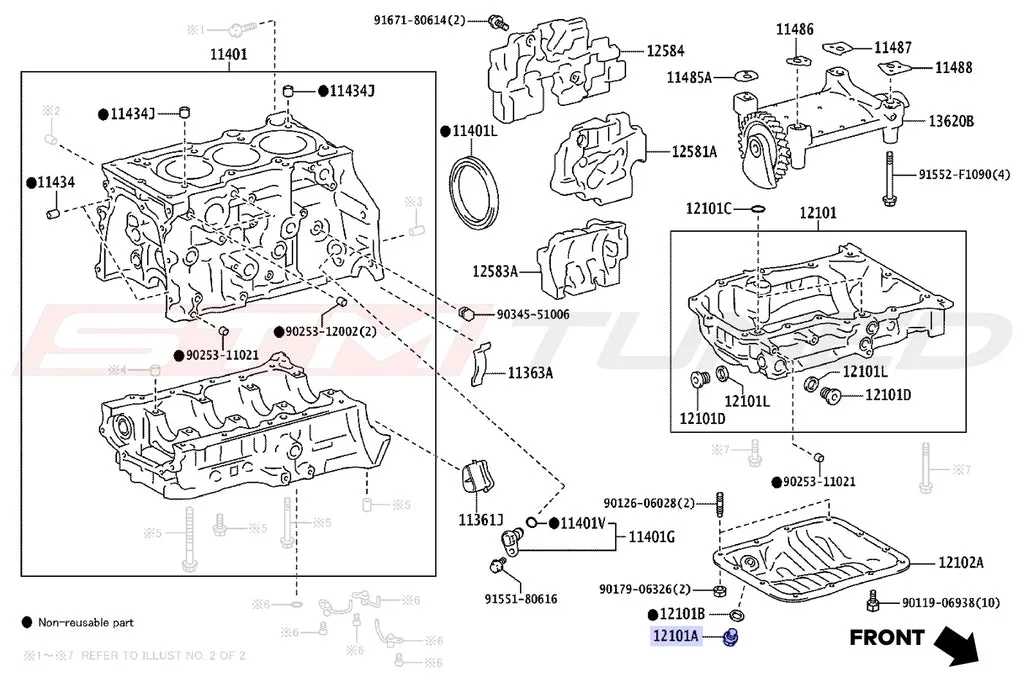
The drain plug is on the passenger side of the oil pan. It's easy to reach. The bolt head is clearly visible once you're under the car.
The Filter Swap
The oil filter location depends on your engine:
- 1.8L engine: Spin-on filter, located on the front of the engine block near the exhaust manifold. Easy to access from above with a long-arm filter wrench.
- 2.0L engine: Cartridge-style filter housing, located on the lower front of the engine. Requires a 64mm socket or a special cap wrench.
For the spin-on type, remove the old filter by turning counterclockwise. Some oil will spill. Let it drain into the pan.
Before installing the new filter, rub a thin coat of fresh oil on the rubber gasket. Hand-tighten it, then give it another 1/3 turn.
For the cartridge type, remove the housing cap with the socket. Pull out the old filter element. Replace the O-rings on the cap (they come with the filter).
Torque the cap to 18 ft-lbs or hand-tight plus 1/4 turn.
Don't overtighten the filter housing. It's plastic on the 2.0L engine and cracks easily.
Filling to the Correct Capacity
- Lower the car back to the ground.
- Remove the oil fill cap (the yellow or black cap on top of the valve cover).
- Insert a funnel and pour in the correct amount.
| Engine | Pour this amount first |
|---|---|
| 1.8L | 4 quarts |
| 2.0L | 4 quarts |
Stop at 4 quarts. You'll add the rest after checking.
Replace the fill cap and run the engine for 30 seconds. This circulates oil through the filter and fills the passages. Then turn it off.
The Final Dipstick Check
- Wait 1 minute for the oil to settle.
- Pull the dipstick, wipe, reinsert, and check.
- The level should be near the top mark but not above it.
- If it's below the middle mark, add 0.2 quarts at a time.
- Recheck after each addition.
Most people will need the full 4.4 or 4.6 quarts. But it's safer to add slowly. Overfilling requires draining and starting over.
Common Mistakes That Lead to Engine Damage
We've seen these mistakes on forums and in service bays. They're easy to make and expensive to fix.
Overfilling – Why More Isn't Better
The crankshaft spins through the oil in the pan. When there's too much oil, the crankshaft whips it into foam. Foam doesn't lubricate.
Signs of overfilling:
- Oil pressure warning light flickers
- Engine sounds rough at idle
- Blue smoke from the exhaust
- Oil leaks from seals
If you realize you've overfilled, drain some out immediately. Don't drive it.
Underfilling – The Silent Killer
Running low on oil causes metal-to-metal contact. The bearings, camshafts, and piston rings wear rapidly. You might not notice until the engine starts knocking.
Underfilling usually happens when someone buys a single 5-quart jug and doesn't realize the engine takes less than that. They pour the whole jug in and stop, but they've already added 0.6 quarts too much. Or they buy 4 quarts, pour it all, and don't check the dipstick.
Then they're short.
Always measure. Don't guess.
Stripping the Drain Plug or Cracking the Filter Housing
The drain plug torque is 30 ft-lbs. That's hand-tight with a ratchet, not gorilla-tight. If you use a breaker bar or a long extension, you'll strip the threads in the oil pan.
That's a pan replacement job.
The same goes for the cartridge filter housing. It's plastic and designed for 18 ft-lbs. Over-tighten it, and the cap cracks.
Then you get a massive oil leak.
When to Change the Oil – Real-World Intervals
Toyota recommends changing the oil every 10,000 miles or 12 months, whichever comes first. That's the official maintenance schedule in the owner's manual. But real-world driving doesn't always match the ideal conditions Toyota assumes.
Normal Driving vs. Severe Driving Conditions
The 10,000-mile interval only applies to "normal" driving conditions. What counts as severe? Plenty of daily situations.
Severe conditions include:
- Short trips under 5 miles in cold weather
- Stop-and-go city traffic
- Driving on dusty or gravel roads
- Frequent highway towing
- Extended idling in traffic
If any of these describe your commute, you should change the oil at 5,000 miles instead. Aggregate reviews from Corolla owners show that most fall into the severe category without realizing it.
Here's a simple rule. If your engine doesn't reach full operating temperature for at least 20 minutes on most drives, you're in severe service. The oil never gets hot enough to burn off moisture and fuel contaminants.
That reduces its effectiveness long before 10,000 miles.
The 0W-16 oil is thin. It breaks down faster under heat than thicker oils. So if you live in a hot climate or drive aggressively, consider 7,500-mile intervals as a middle ground.
You should also change the filter every time you change the oil. Don't skip it. The filter traps debris and can only hold so much before it bypasses unfiltered oil into the engine.
What If You Have the Hybrid? A Quick Note
The 2019 Corolla Hybrid uses a different powertrain than the standard gas models. It has a 1.8L Atkinson-cycle engine that runs on the same 0W-16 oil.
The oil capacity is slightly different due to the hybrid system layout. The hybrid holds about 4.0 quarts with a filter change, not the 4.4 quarts of the standard 1.8L.
Why the difference? The hybrid engine doesn't run continuously. The electric motor handles low-speed driving, so the gas engine operates less.
With fewer total engine hours, the oil volume can be smaller.
Check your dipstick after adding 3.8 quarts. Then top off slowly. The hybrid's dipstick markings are calibrated for its specific volume.
One more thing about the hybrid. The engine cycles on and off frequently. That means oil pressure builds and drops repeatedly.
Using the correct viscosity is even more critical here. 0W-20 is safe, but 0W-16 provides faster pressure recovery at each restart.
If you're curious about how these specs compare to Toyota's other hybrid models, the breakdown on what oil type the 2025 Camry Hybrid needs covers similar ground.
Signs You May Have Already Used the Wrong Oil or Amount
Not sure if you messed up? Your car will tell you. Here are the warning signs.
- Loud knocking or ticking at startup. That's metal touching metal. The oil is either too thick to flow or the level is too low.
- Blue smoke from the exhaust. Oil is burning in the combustion chamber. This can happen if the level is too high and oil gets past the piston rings.
- Oil pressure warning light. This is the most serious sign. Pull over and shut off the engine immediately.
- Sludge under the oil cap. Thick, dark buildup means the oil has degraded or you've used the wrong type.
- Strong smell of burning oil. A leak from overfilling or a damaged filter housing.
If you notice any of these, stop driving. Drain the oil and start fresh. It costs less than a new engine.
The Toyota owner's manual also lists the correct dipstick markings for each engine. If your dipstick shows oil at the "F" mark but the engine runs rough, you might have misidentified the engine type. Double-check the VIN against the specs in the earlier sections.
Cost Breakdown – DIY vs. Dealer vs. Quick Lube
The 2019 Corolla is cheap to maintain compared to most cars. But the cost varies a lot depending on who does the work.
| Service method | Estimated cost |
|---|---|
| DIY with Toyota Genuine oil | $35 to $45 |
| DIY with premium synthetic (Mobil 1, Pennzoil) | $30 to $40 |
| Quick-lube chain | $60 to $80 |
| Toyota dealership | $70 to $100 |
The DIY savings are obvious. But there's a catch. Dealerships use Toyota Genuine 0W-16 and genuine filters.
Quick-lube shops sometimes use bulk oil that doesn't carry the right certifications. You pay less upfront but risk long-term wear.
If you go DIY, count on about $40 total for the oil and filter. That's for the full 5 quarts (you'll have a little left over) and a filter from the auto parts store.
The time investment is about 30 minutes for someone who's done it before. An hour if it's your first time. That's not bad for saving $40 to $60 per change.
Over 100,000 miles of ownership, DIY saves you between $400 and $600. That covers a set of tires or a major service down the road.
For a detailed cost comparison across Toyota models, the guide on Toyota Corolla oil type and maintenance covers the full service history.
Where to Find the Exact Specs for Your Specific Car
No article can cover every variation. If you want the absolute final word on your specific car, go to the source.
Your owner's manual. It's in the glove box. Section 8 or 9 covers fluid capacities. It lists the exact oil type and capacity for your VIN.
Toyota's official website. You can enter your VIN and pull up the maintenance schedule. It will tell you the recommended oil and interval.
The oil fill cap. On most 2019 Corollas, the oil fill cap has the viscosity printed on it. If it says 0W-16, that's what goes in. If it says 0W-20, someone may have changed the cap.
Still follow the manual.
Toyota dealership parts counter. Call them with your VIN. They'll tell you the exact capacity and part numbers for the filter and gasket.
Don't trust third-party websites that list generic specs. They often confuse trims and model years. The only numbers you can rely on come from Toyota's official documentation.
If you're still unsure, you can check the service sticker under the hood. Some dealerships place one that shows the last oil change specs. That gives you a starting point.
The Bottom Line – One Number Won't Fit All Corollas
The 2019 Corolla isn't a single car. It's a family with different engines, transmissions, and fuel systems. That means one oil capacity number doesn't cover every trim.
1.8L owners need 4.4 quarts of 0W-16. 2.0L owners need 4.6 quarts. Hybrid owners need about 4.0 quarts. And anyone who ignores the difference risks engine damage.
Trust your owner's manual. Trust the dipstick. Trust the oil fill cap.
Don't trust generic internet lists that lump all Corollas together.
One final reminder. Always check the oil level after every change. It takes 30 seconds and saves thousands of dollars in repairs.
That's the single best habit you can build as a Corolla owner.
Frequently Asked Questions
Can I use 5W-30 in my 2019 Corolla?
No. The engine is designed for 0W-16 or 0W-20 at most. Using 5W-30 causes poor cold-start lubrication and increased engine wear over time.
How much oil does a 2019 Corolla SE take?
The SE trim uses the 2.0L M20A-FKS engine. It holds 4.6 quarts of oil with a filter change. Always use 0W-16 synthetic oil.
What happens if I overfill my Corolla's oil?
Overfilling causes the crankshaft to whip oil into foam. Foam doesn't lubricate properly. You may see a flickering oil pressure light or blue exhaust smoke.
Drain the excess immediately.
Is 0W-20 okay if I can't find 0W-16?
Yes. Toyota lists 0W-20 as an acceptable alternative. You may lose 1-2 MPG, but the engine will run safely.
Switch back to 0W-16 at the next change.
How often should I change the oil in my 2019 Corolla?
Toyota recommends every 10,000 miles for normal driving. If you do mostly short trips or city driving, change it every 5,000 miles. Always change the filter at the same time.
Does the 2019 Corolla hybrid take the same oil?
Mostly. It uses the same 0W-16 viscosity but holds about 4.0 quarts instead of 4.4. Check the dipstick carefully since the hybrid's oil capacity is smaller.