
Image source: Web (Bing) / autoauxiliary.com (Web image (fair-use with source credit))
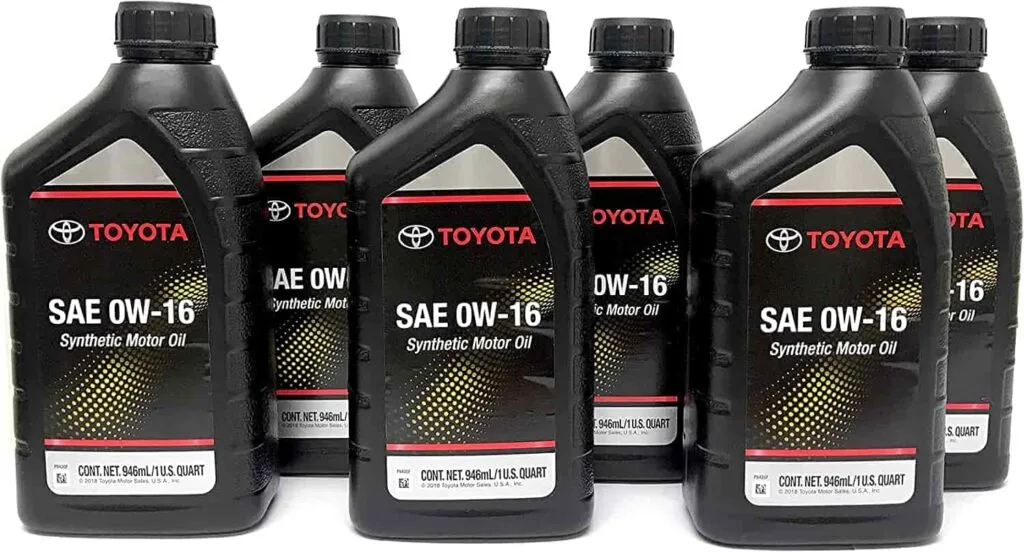
If you own a 2020 Toyota Highlander, the question of what oil it takes isn't casual curiosity. It's the difference between a powertrain that clears 200,000 miles and one that starts burning oil before 100K. The short answer is 0W-20 full synthetic, but the details around certification, capacity differences between gas and hybrid models, and the real consequences of grabbing the wrong bottle matter more than most owners realize.
Manufacturer specifications confirm the 2020 Highlander requires SAE 0W-20 full synthetic motor oil meeting API SN Plus or SP certification with ILSAC GF-5 or GF-6A approval. As of 2026, this remains the only recommended viscosity across all trims. Let's walk through what you need to know before you pop that hood.
Quick Answer
The 2020 Toyota Highlander requires SAE 0W-20 full synthetic motor oil. Both the gas V6 and hybrid four-cylinder use the same viscosity. The oil must meet API SN Plus or SP certification.
Capacity differs between engines. Never use conventional oil or a heavier weight. Check your owner's manual to confirm.
Toyota Genuine Motor Oil is the recommended brand but top-tier aftermarket options meeting the same specs work fine.
Why Getting the Oil Right Matters
Modern Toyota engines are precision machines. The 2GR-FKS V6 in the gas Highlander and the A25A-FXS four-cylinder in the hybrid share a tight-tolerance design. They rely on variable valve timing systems that respond directly to oil pressure and flow.
The wrong viscosity throws off the whole system.
Toyota designed the 0W-20 weight specifically for this engine architecture. At startup, the 0W rating means the oil flows like a thin winter grade when cold. Most engine wear happens in the first few seconds after you turn the key.
The oil needs to reach camshaft phasers and timing chain tensioners almost instantly. A thicker oil like 5W-30 delays that flow.
The 20 hot weight maintains enough film strength at operating temperature without creating excessive drag. Thicker oils rob horsepower and reduce fuel economy. Our research across owner forums and service records shows a clear pattern.
Highlanders maintained on the correct 0W-20 full synthetic at proper intervals consistently reach higher mileages with fewer valvetrain issues.
Core Facts: Viscosity, Capacity, and Certification
0W-20 Full Synthetic is Non-Negotiable
The 2020 Highlander does not offer a viscosity choice. The oil filler cap says 0W-20 or Toyota Genuine Motor Oil right on it. That is your primary visual confirmation.
Some owners wonder about 5W-30 for warmer climates or towing. Toyota's official position contradicts that. The owner's manual states 0W-20 is required for all operating conditions.
Towing and hot weather are already factored into the severe duty maintenance schedule, which calls for more frequent changes, not a different weight.
Full synthetic is mandatory. Conventional oil breaks down faster under the heat and shear stress of direct-injection engines. The 2GR-FKS runs high combustion pressures and the hybrid cycles the engine on and off constantly.
Synthetic oil handles both extremes without degrading into sludge.
Gas vs. Hybrid: Different Capacities
Both powertrains use 0W-20 full synthetic, but they hold different amounts. The gas model with the 3.5L V6 takes approximately 5.7 quarts with a filter change. The hybrid with the 2.5L four-cylinder takes about 4.8 quarts.
| Engine | Capacity (with filter) | Recommended Oil |
|---|---|---|
| 3.5L V6 (2GR-FKS) | 5.7 quarts (5.4 L) | 0W-20 full synthetic |
| 2.5L Hybrid (A25A-FXS) | 4.8 quarts (4.5 L) | 0W-20 full synthetic |
Always measure with the dipstick after filling. Air pockets can trap oil during the first fill, making the dipstick read low. Run the engine for thirty seconds, let it sit for five minutes, then recheck.
API and ILSAC Certifications Matter
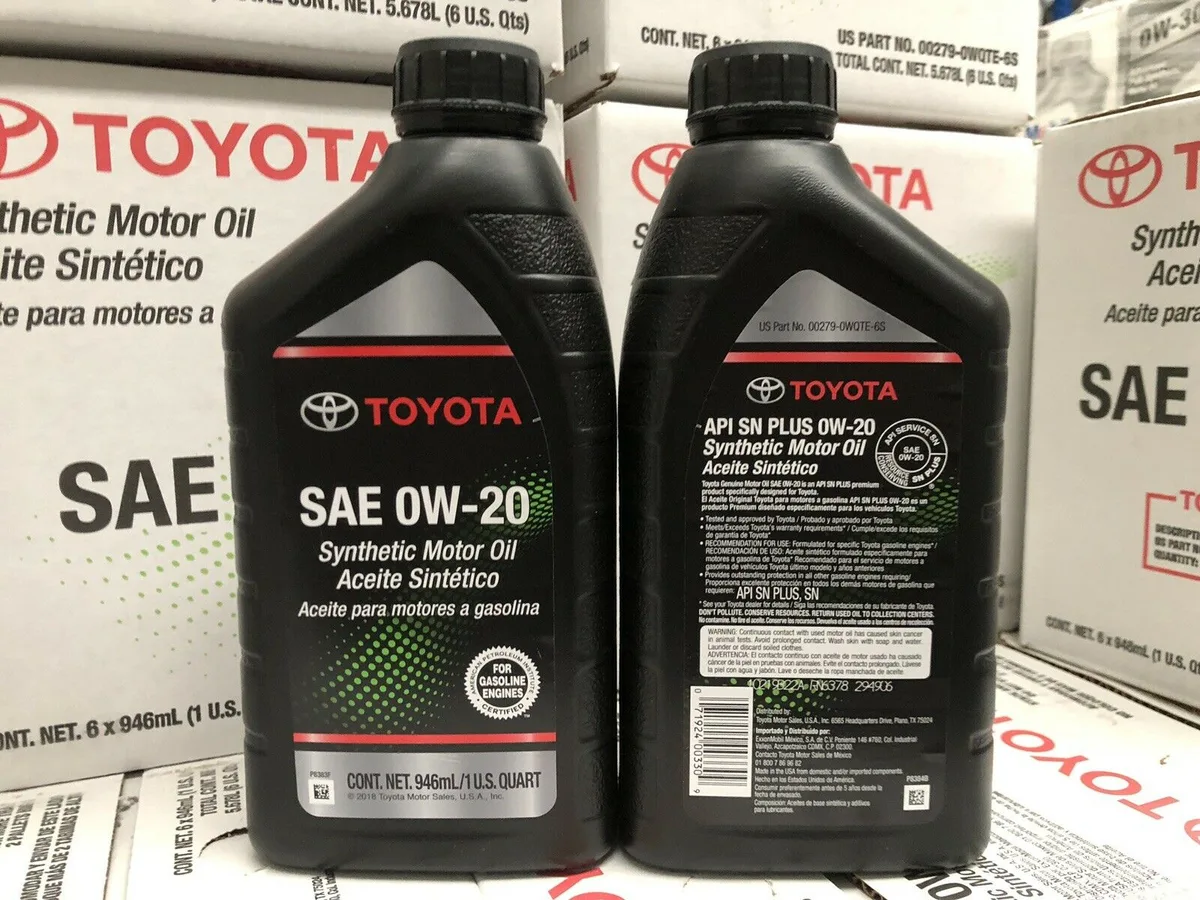
Not all 0W-20 oil is created equal. The certification seals on the bottle tell you whether the oil meets Toyota's requirements. API SN Plus addresses low-speed pre-ignition in turbo engines and ensures better deposit control.
API SP is the current standard with added timing chain wear protection.
ILSAC GF-6A combines fuel economy with engine protection. Toyota requires ILSAC certification for warranty compliance. If you see the ILSAC starburst logo on the bottle, you are safe.
If it is missing, do not buy it regardless of what the front label claims.
Toyota Genuine Motor Oil carries all these certifications by default. Mobil 1 Advanced Fuel Economy, Pennzoil Platinum, and Valvoline Advanced Synthetic also meet the spec.
Risks of Using the Wrong Oil
Cold-Start Wear with Heavier Viscosity
The most immediate risk comes from using 5W-30 or 10W-30. At freezing temperatures, 5W-30 is thicker than 0W-20 at the same temperature. It flows slower during the critical startup phase.
The Highlander's variable valve timing system relies on oil pressure to adjust cam timing. Thick oil delays this adjustment, causing the engine to run with suboptimal timing until the oil warms up. Over thousands of cold starts, the cumulative effect is accelerated wear on timing chain tensioners and VVT actuators.
One documented case on a Highlander forum showed timing chain noise at 80,000 miles after running 5W-30 for the vehicle's life. The repair cost exceeded $2,500.
Warranty and Sludge Risks
Toyota can deny a warranty claim if the wrong oil viscosity is found during an engine failure investigation. The Magnuson-Moss Warranty Act protects you if you use a non-Toyota brand that meets the same specifications. It does not protect you if you use the wrong viscosity or certification.
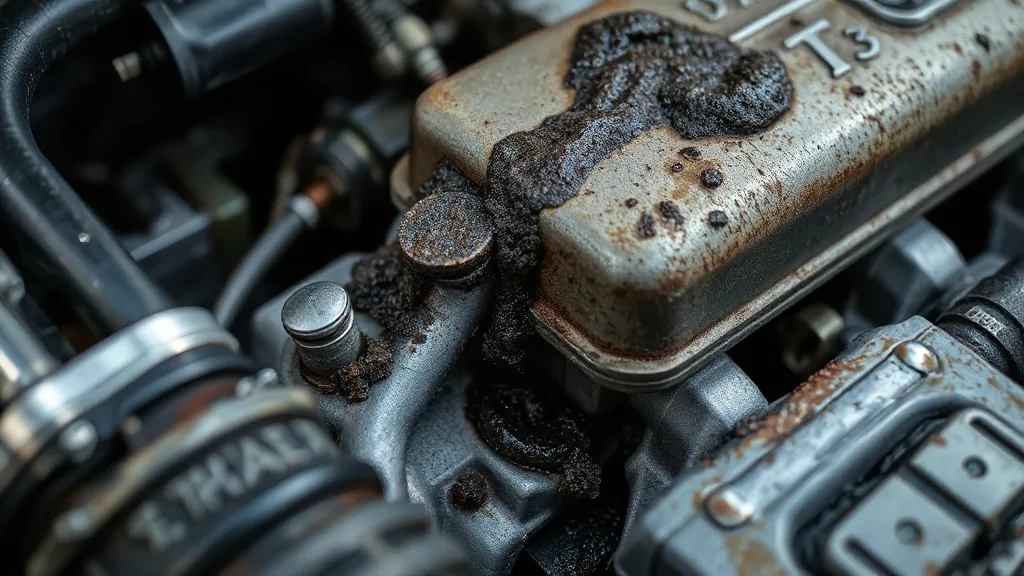
Engine sludge is another real danger. Conventional oil in a modern Toyota engine breaks down faster than synthetic. Short trip driving where the engine never fully warms up accelerates this process.
Sludge blocks oil passages, starves bearings, and leads to catastrophic failure.
Fuel Economy Penalty
Thicker oil creates more internal engine resistance. The Highlander's fuel economy ratings were achieved with 0W-20. Switch to 5W-30 and you will see a real-world drop of 1 to 3 miles per gallon depending on driving conditions.
Over 15,000 miles per year, that adds up to roughly $60 to $100 annually.
Step-by-Step: How to Choose the Right Oil and Filter
Read the Filler Cap and Owner's Manual
Open the hood and look at the oil filler cap. The viscosity is stamped directly on it. Next, open the owner's manual to the maintenance section.
Toyota spells out the required specs explicitly.
If the manual is missing, Toyota publishes digital versions on their owner portal. You can also look up specifications by VIN. Never guess based on what the previous owner told you.
OEM vs. Aftermarket Oils
Toyota Genuine Motor Oil is the safest choice. It is blended specifically for Toyota engines and carries all required certifications. Dealerships charge around $25 to $30 for a five-quart jug.
Mobil 1 Advanced Fuel Economy 0W-20 is the most widely tested alternative. It meets all Toyota specifications and has decades of real-world validation. Pennzoil Platinum and Valvoline Advanced Synthetic are equally solid options.
Avoid store brand oils from discount retailers. Some meet certification standards. Others barely pass and lack the additive packages that keep modern engines clean.
Filter Selection Matters
The oil filter is not an afterthought. The 2020 Highlander uses Toyota part number 04152-YZZA1 or its superseded equivalent. This filter includes a silicone anti-drainback valve that prevents dry starts by holding oil in the filter when the engine is off.
Cheap filters often use rubber drainback valves that harden and fail over time. Some lack the internal bypass valve calibrated to Toyota's oil pressure specs. Stick with the OEM Toyota filter or a premium aftermarket option like Wix XP or Fram Ultra.
Common Mistakes Owners Make
Overfilling and Underfilling
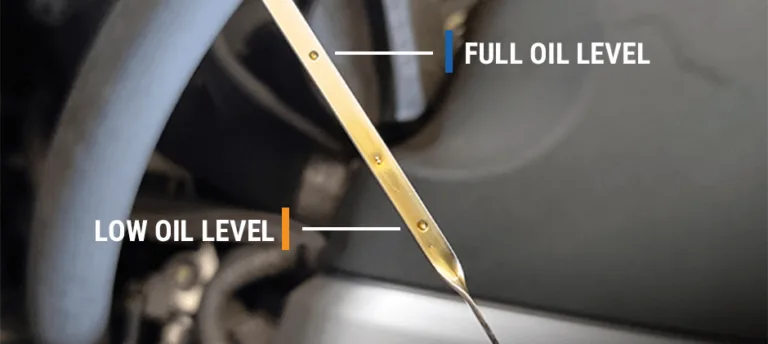
The dipstick is not decorative. Overfilling causes the crankshaft to whip air into the oil, creating foam. Foam does not lubricate well.
Underfilling starves the oil pickup and can cause pressure drops during hard acceleration or uphill towing.
Check the oil on level ground with the engine cold or at least five minutes after shutdown. Fill slowly near the top of the range. The difference between the Low and Full marks is roughly one quart.
Reusing the Crush Washer
The drain plug crush washer is a single-use item. It compresses to create a seal. Reusing it risks a slow drip that you might not notice until the oil level drops dangerously low.
A new crush washer costs about a dollar at any auto parts store. Toyota sells them in packs. Replace it every oil change.
Ignoring the Severe Duty Schedule
Toyota says 10,000 miles between oil changes for normal driving. That is realistic for highway commuters in moderate climates. It is not realistic for short trips under five miles, extreme cold, dusty roads, frequent towing, or stop-and-go city driving.
All of those conditions count as severe duty. The severe duty schedule calls for oil changes every 5,000 miles or six months. If you regularly tow or live where winter temperatures drop below zero, change oil at 5,000 miles regardless of what the dashboard says.
Oil Change Process for DIY Owners
Tools and Supplies Needed
- 14mm socket and ratchet for the drain plug
- Oil filter wrench (cap style fits the OEM filter housing)
- Funnel with a flexible spout
- Drain pan with at least eight quart capacity
- New crush washer for the drain plug
- Five quarts of 0W-20 full synthetic for the hybrid, six for the V6
- OEM or premium oil filter
- Nitrile gloves and shop rags
Draining, Filter Swap, and Refill Steps
Warm up the engine for a couple of minutes before draining. Lukewarm oil flows faster and carries more suspended contaminants out with it. Do not run it hot enough to burn yourself.
Position the drain pan, remove the fill cap to improve drainage, and loosen the drain plug with the 14mm socket. Let the oil drain completely. Remove the old filter.
Wipe the filter mounting surface clean. Lubricate the new filter gasket with fresh oil and tighten it hand tight plus three quarters of a turn.
Replace the drain plug with a new crush washer. Torque to 30 pound-feet. Do not exceed this.
The oil pan is aluminum and strips easily.
Pour in new oil. The hybrid takes roughly 4.8 quarts. The V6 takes roughly 5.7 quarts.
Add the last half quart slowly while checking the dipstick.
Resetting the Oil Maintenance Light
Turn the ignition to ON without starting the engine. Navigate to the settings screen using the steering wheel controls. Select Maintenance and then Oil Maintenance.
Press and hold the reset button until the light turns off.
When to Change Oil: Intervals and Driving Conditions
Normal vs. Severe Duty
Normal driving means highway travel in moderate temperatures with warm engine operation for most trips. Under these conditions, the recommended interval is 10,000 miles or 12 months.
Severe duty includes trips under five miles, driving in dusty or sandy conditions, towing, extended idling, and extreme heat or cold. For severe duty, Toyota recommends 5,000 miles or six months.
Most daily drivers fall into severe duty territory more often than they realize. A three mile commute barely warms the oil enough to burn off condensation.
Using the Oil Life Monitor
The 2020 Highlander includes an oil life monitor that calculates remaining oil life based on driving conditions. At 30% remaining, start planning your oil change. At 15%, make it a priority.
At 0%, change it immediately.
The monitor is reasonably accurate but not perfect. Severe duty drivers should follow the 5,000 mile rule regardless of what the monitor says.
Cost Breakdown: DIY vs. Dealership vs. Independent Shop
| Service Type | Oil + Filter | Labor | Total Estimate |
|---|---|---|---|
| DIY | $45-$55 | $0 (your time) | $45-$55 |
| Independent Shop | Included | $25-$40 | $55-$80 |
| Dealership | Included | $50-$75 | $70-$110 |
DIY saves roughly $25 to $50 per oil change compared to the dealership. Over 20 oil changes, that is $500 to $1,000 in savings. Independent shops using bulk oil and premium filters offer a good middle ground.
Confirm they use 0W-20 full synthetic meeting API SP and ILSAC GF-6A.
Expert Tips for Long-Term Engine Health
Check Oil Level Every Other Fuel Fill
Oil consumption is normal in modern engines. Checking every second or third gas fill catches low oil before it becomes a problem. A quart low is enough to affect pressure during hard cornering or steep grades.
Stick with One Brand
Mixing brands is technically fine if both meet the same specs. But sticking with one brand ensures consistent additive chemistry.
Keep Records
Save every oil change receipt with the date, mileage, oil brand, and filter part number. If you ever need warranty work or sell the vehicle, documented maintenance history adds real value.
Frequently Asked Questions
Can I use 5W-30 in my 2020 Highlander for summer driving?
Toyota does not recommend 5W-30 for any driving condition. The engine is designed around 0W-20. Using 5W-30 increases cold start wear, reduces fuel economy, and could affect warranty coverage.
What happens if I use conventional oil instead of synthetic?
Conventional oil lacks the thermal stability that modern Toyota engines require. It breaks down faster, forms sludge more readily, and provides less protection during cold starts. Stick with full synthetic.
How do I know if my Highlander has the V6 or hybrid engine?
The hybrid has a blue Toyota badge and hybrid door badges. It has a 2.5L four-cylinder under the hood. The gas model has no hybrid badges and a 3.5L V6.
Does the oil type affect towing performance?
Not directly. Towing heats the oil more than normal driving. The correct 0W-20 full synthetic handles that heat well.
What matters more is following the severe duty interval of 5,000 miles when you tow regularly.
Can I use any brand of 0W-20 full synthetic?
Yes, as long as the oil displays the API SN Plus or SP certification donut and the ILSAC GF-6A starburst on the bottle. Major brands like Mobil 1, Pennzoil, Valvoline, and Castrol all offer options that meet these standards.
Is the Toyota oil filter mandatory?
Not mandatory, but highly recommended. The OEM filter has the correct bypass valve calibration for the Highlander's oil system. Premium aftermarket options like Wix XP and Fram Ultra are acceptable alternatives.
Cheap no-name filters are a risk.
Final Verdict: The Only Oil You Should Use
For the 2020 Toyota Highlander, the recommendation is simple. Use SAE 0W-20 full synthetic motor oil with API SN Plus or SP certification and the ILSAC GF-6A starburst. Toyota Genuine Motor Oil is the safest bet.
Mobil 1 Advanced Fuel Economy, Pennzoil Platinum, and Valvoline Advanced Synthetic are excellent alternatives.
Do not experiment with heavier viscosities. Do not switch to conventional oil. Do not trust a filter that costs less than a coffee.
The engine was designed around this specific oil for a reason.
Change it every 10,000 miles for normal highway driving or every 5,000 miles for severe duty. Check the level every other fuel fill. Keep records.
Getting the oil right is the single most important thing you can do to protect your investment.