
If you're looking up the 2024 toyota corolla oil capacity, you're probably getting ready for a DIY oil change or double-checking a shop's work. Good instinct. Getting the exact amount right protects your engine and keeps your warranty intact.
The short answer is 4.4 quarts for the gasoline model and 4.0 quarts for the hybrid.
Manufacturer specifications confirm that using the wrong quantity or viscosity can lead to serious engine damage. Toyota requires full synthetic oil meeting API SP and ILSAC GF-6 standards for the 2024 Corolla. As of 2026, those specs remain the same for this generation.
Let's walk through everything you need to know.
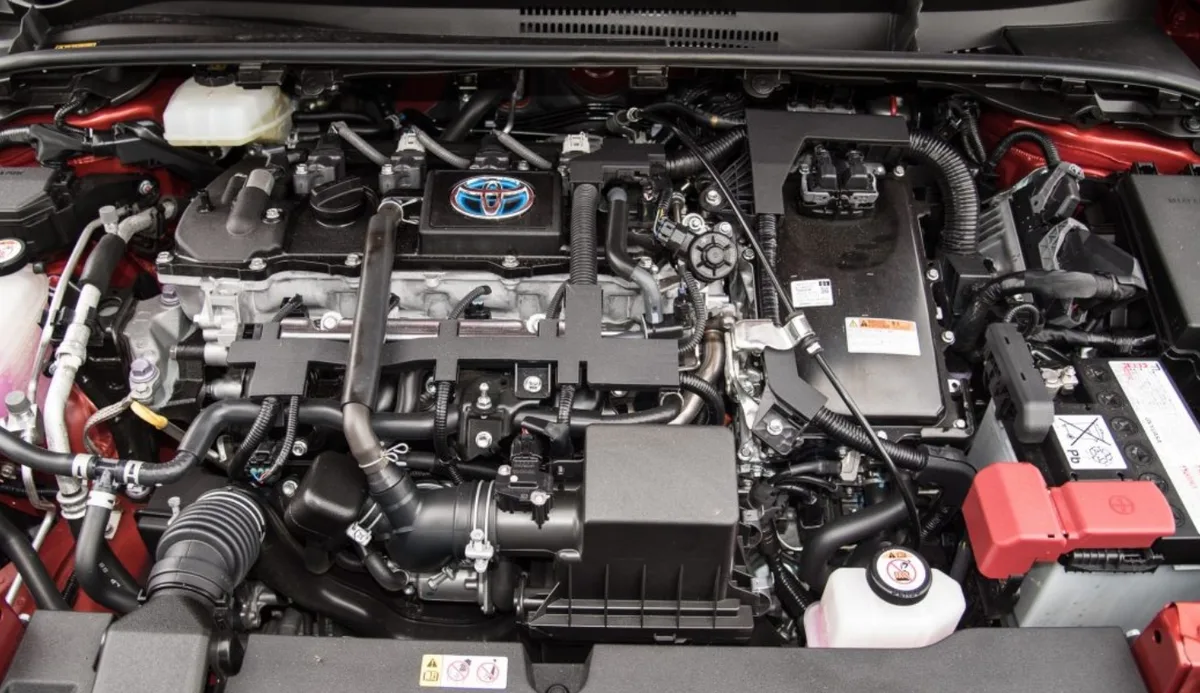
Image source: Web (Bing) / hitchesguide.com (Web image (fair-use with source credit))
Quick Answer
The 2024 Toyota Corolla takes 4.4 quarts of oil with a filter change. That's for the 2.0L gasoline engine. The hybrid model takes 4.0 quarts.
Both require full synthetic 0W-16 oil. Always check your dipstick after filling.
Why Getting the Exact Oil Capacity Matters
Engine oil does more than lubricate. It cools internal components, cleans away deposits, and maintains hydraulic pressure inside the valvetrain. Too little oil, and those systems start to fail.
Bearings overheat, moving parts wear faster, and the engine can seize.
Too much oil causes problems too. Excess oil gets churned by the crankshaft, which aerates it. Air bubbles reduce lubrication, and extra pressure blows out seals and gaskets.
Toyota designs the 2.0L Dynamic Force engine to work with a specific oil volume. Engineers accounted for thermal expansion, filter capacity, and residual oil after draining. Deviating from that number means running outside the design parameters.
If you're working on other Toyota models, the specs vary. The RAV4 uses a different amount, and you can find the right numbers in our guide to the 2024 RAV4 oil type. The Tundra's V6 also needs a different fill.
Each engine family has its own requirements.
Core Facts: Engine Types and Their Oil Needs
The 2024 Corolla comes with two engine options. Each one takes a different amount of oil.
2.0L Dynamic Force Engine (Gasoline Non-Hybrid)
This is the M20A-FKS engine. It's the standard powerplant for the Corolla L, LE, SE, and XSE trims. It uses direct injection and a high compression ratio.
That means the oil works harder. Toyota specifies full synthetic only.
Oil capacity with filter: 4.4 quarts (4.2 liters)
Oil capacity without filter: 4.1 quarts (3.9 liters)
1.8L Hybrid Engine
The Corolla Hybrid uses the 2ZR-FXE engine. It runs on the Atkinson cycle for better fuel economy. The hybrid system means the engine doesn't run constantly, but the oil still needs to be at the right level.
Oil capacity with filter: 4.0 quarts (3.8 liters)
Oil capacity without filter: 3.7 quarts (3.5 liters)
| Engine | Capacity with Filter | Capacity without Filter | Oil Type | Viscosity |
|---|---|---|---|---|
| 2.0L M20A-FKS | 4.4 quarts (4.2L) | 4.1 quarts (3.9L) | Full synthetic | 0W-16 |
| 1.8L 2ZR-FXE hybrid | 4.0 quarts (3.8L) | 3.7 quarts (3.5L) | Full synthetic | 0W-16 |
Oil Specs: Viscosity, Certifications, and Intervals
The oil you choose matters just as much as the amount.
0W-16 vs. 0W-20 – Why It's Not Optional
Toyota specs 0W-16 for the 2024 Corolla. The "0W" means the oil flows easily in cold weather. The "16" is the hot viscosity rating.
It's lower than the more common 0W-20.
Can you use 0W-20 instead? Toyota says no. The engine is designed around thinner oil for better fuel economy and proper flow through tight bearing clearances.
Thicker oil reduces flow at startup and hurts fuel mileage.
API SP and ILSAC GF-6 Standards
The 2024 Corolla requires oil that meets API SP or ILSAC GF-6 standards. These are the latest specifications from the American Petroleum Institute and the International Lubricant Standardization and Approval Committee. They provide better protection against low-speed pre-ignition, timing chain wear, and sludge buildup.
Look for the API donut and the ILSAC starburst on the bottle. If you see API SN or older, put it back on the shelf.

Image source: Web (Bing) / walmart.com (Web image (fair-use with source credit))
Normal vs. Severe Service Intervals
Toyota recommends an oil change every 10,000 miles or 12 months under normal driving. But most people drive under severe service conditions without realizing it.
Severe service includes short trips under 5 miles, frequent stop-and-go traffic, driving on dusty roads, towing, and extended idling. If any of those apply, drop the interval to 5,000 miles or 6 months. The Toyota Corolla oil type guide for the 2025 model year confirms the same recommendation.
Risks and Common Mistakes
Getting the oil change wrong can cost you.
Overfilling and Underfilling
Overfilling is common. People buy a 5-quart jug and dump the whole thing in. That extra 0.6 quarts gets whipped into foam by the crankshaft.
Oil pressure drops, and the engine runs hotter.
Underfilling is just as bad. The oil pump can suck air during hard cornering or acceleration. That means metal-on-metal contact.
The fix is simple. Add the specified amount. Check the dipstick.
Top off as needed. Never guess.

Image source: Web (Bing) / fridayparts.com (Web image (fair-use with source credit))
Wrong Viscosity or Oil Type
Using conventional oil instead of full synthetic is a mistake. The 2024 Corolla's engine has tight clearances that require synthetic flow characteristics. Conventional oil breaks down faster and leaves deposits.
Using 5W-30 or 10W-30 is another error. Those thicker oils don't flow well enough at startup. The engine wears more during the first few minutes of operation.
Drain Plug and Filter Errors
The drain plug torque spec is 30 ft-lbs. People overtighten it all the time, which strips the threads in the oil pan. The fix is a new oil pan.
The crush washer needs replacement every time. It's a one-use part. Reusing it causes slow drips.
The oil filter torque is 18 ft-lbs or hand-tight plus three-quarters of a turn. Overtightening makes the next change miserable. Undertightening causes a leak.
Step-by-Step Guide: How to Change Your Oil Correctly
Tools and Parts You'll Need
| Item | Spec / Notes |
|---|---|
| Oil | 4.4 quarts 0W-16 full synthetic, API SP |
| Oil filter | Toyota part number 04152-YZZA6 or equivalent |
| Crush washer | 14mm, part number 90430-12031 |
| Socket set | 14mm for drain plug, 64mm filter wrench |
| Torque wrench | 30 ft-lbs for drain plug, 18 ft-lbs for filter |
| Drain pan | At least 6-quart capacity |
| Ramps or jack stands | Never work under a car supported only by a jack |
The Process from Start to Finish
- Warm up the engine for a few minutes. Warm oil drains faster and carries more contaminants.
- Park on level ground. Engage the parking brake. Use ramps or jack stands properly.
- Locate the drain plug and oil filter under the engine. The drain plug is on the bottom of the oil pan. The filter is on the side of the engine block.
- Place the drain pan under the plug. Remove the plug with a 14mm socket. Let the oil drain completely, about five minutes.
- Replace the crush washer on the drain plug. Torque to 30 ft-lbs.
- Move the drain pan under the oil filter. Remove the filter using a filter wrench.
- Apply a thin coat of fresh oil to the new filter's rubber gasket. This prevents sticking.
- Install the new filter. Tighten by hand until the gasket contacts the mounting surface. Turn another three-quarters of a turn.
- Lower the vehicle. Open the hood and remove the oil filler cap.
- Add 4.4 quarts of fresh 0W-16 oil. Pour slowly.
- Replace the filler cap. Start the engine and let it run for 30 seconds. Check for leaks.
- Turn off the engine. Wait two minutes. Check the dipstick. The oil level should be between the two marks.
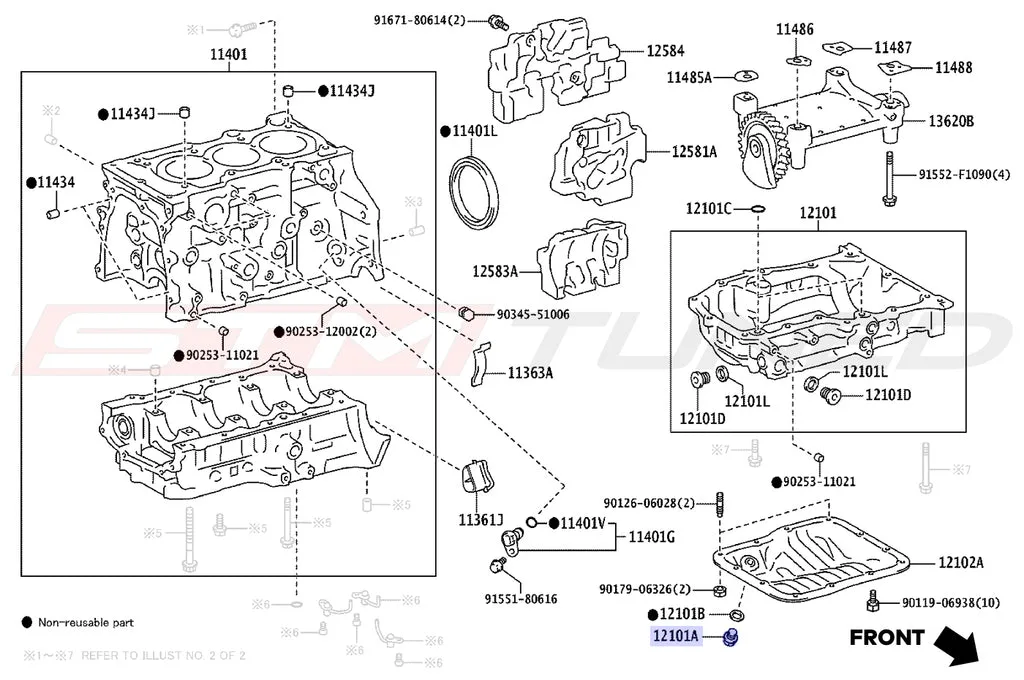
Image source: Web (Bing) / stmtuned.com (Web image (fair-use with source credit))
Checking the Level and Resetting the Light
Always check the oil level on level ground with the engine off and cold. Pull the dipstick, wipe it clean, reinsert it fully, then pull it out again. The oil should be between the low and full marks.
After the oil change, reset the maintenance light. Turn the ignition on without starting the engine. Use the trip meter button to navigate to the maintenance screen.
Hold the button until the light flashes and turns off.
Safety and Legal Considerations
Warranty Compliance
Toyota's warranty requires the correct oil specification. If you use the wrong viscosity or a non-certified oil, the dealer can deny a warranty claim for engine damage. Keep your receipts.
Record the date, mileage, and oil type.
The same applies to the oil filter. Aftermarket filters are fine as long as they meet OEM specifications. Stick with reputable brands.
Proper Disposal of Used Oil
Used oil is hazardous waste. It's illegal to dump it down a drain, on the ground, or in the trash. Most auto parts stores accept used oil for recycling.
Pour the used oil back into empty containers and drop them off.
The Environmental Protection Agency regulates used oil disposal. Fines for improper disposal can be steep. Do the right thing and recycle.
Lifting the Vehicle Safely
If you're using ramps, drive onto them slowly and engage the parking brake. Chock the rear wheels. If you're using a jack and stands, place the jack at the designated lift points on the frame.
Lower the vehicle onto the stands before crawling underneath.
Never work under a vehicle supported only by a hydraulic jack. Jack stands are cheap insurance.
Expert Tips for a Better Oil Change
Pre-Filling the Filter
Before you install the new oil filter, fill it with fresh oil. This primes the filter and reduces the time the engine runs without oil pressure at startup.
Pour oil into the filter until it reaches the threads. Let it soak into the filter media. Install it quickly to minimize spillage.
Torque Values That Matter
The drain plug torque is 30 ft-lbs. The oil filter torque is 18 ft-lbs. These numbers provide a proper seal without damaging the threads.
If you don't have a torque wrench, use a short ratchet and tighten firmly. The drain plug should feel snug. The oil filter should be hand-tight plus a quarter to three-quarters of a turn.
When to Seek Professional Help
If you don't have a safe place to lift the vehicle, or if you're uncomfortable working under a car, take it to a shop. The cost of a shop oil change is worth the peace of mind.
If the drain plug is stripped or rounded off, don't try to force it. A shop can extract it without damaging the oil pan. The same goes for a stuck oil filter.
Frequently Asked Questions
Can I use 5W-30 instead of 0W-16?
No. The 2024 Corolla's 2.0L engine is designed for 0W-16 oil. Using 5W-30 causes poor cold-start flow, reduced fuel economy, and increased engine wear.
How much oil does the hybrid take?
The 2024 Corolla Hybrid takes 4.0 quarts with a filter change. That's slightly less than the gasoline model. Always verify with the dipstick after filling.
What happens if I overfill slightly?
Even a half-quart overfill causes problems. The crankshaft whips the excess oil into foam, which reduces oil pressure and cooling. Drain the excess if you go over.
Do I need to use Toyota brand oil?
No, but you need oil that meets API SP and ILSAC GF-6 standards. Toyota Genuine oil is a safe choice. Mobil 1, Pennzoil, and Castrol make 0W-16 that meets the spec.
How often should I change the oil?
Every 10,000 miles or 12 months for normal driving. Drop to 5,000 miles or 6 months for severe service conditions like short trips, stop-and-go traffic, or dusty roads.
Can I switch from synthetic to conventional oil?
No. The 2024 Corolla requires full synthetic oil. Conventional oil doesn't provide the same protection at startup and under high temperatures.
Verified Summary: What to Remember
The 2024 Toyota Corolla takes 4.4 quarts of 0W-16 full synthetic oil with a filter change. The hybrid takes 4.0 quarts. Use oil that meets API SP or ILSAC GF-6 standards.
Change it every 10,000 miles under normal driving, or 5,000 miles for severe service.
Use the correct torque specs for the drain plug and filter. Replace the crush washer every time. Check the dipstick after filling.
If you're ever unsure, the owner's manual is the final authority.
If you're working on other Toyota models, the specs are different. Our guide to the correct oil for the 2025 Tacoma covers that truck's requirements. The Camry uses a different spec too, and you can find it in our guide to the 2026 Camry oil type.
Each model has its own needs, and knowing them keeps your engine running strong.