
If you're about to change the oil in your 2023 Toyota 4Runner, you need one number first. The 2023 Toyota 4Runner oil capacity is 6.6 US quarts with a new filter. That's 6.2 liters for anyone working in metric.
It applies to the 4.0-liter 1GR-FE V6 under the hood, and it's not a number to guess at.
The owner's manual calls for SAE 0W-20 oil that meets the API SP or ILSAC GF-6 standard. That's the same baseline Toyota uses across its modern V6 lineup as of 2026. Using the right grade and exact fill keeps the engine quiet, prevents sludge, and protects your warranty.
Here's what matters before you drain anything.
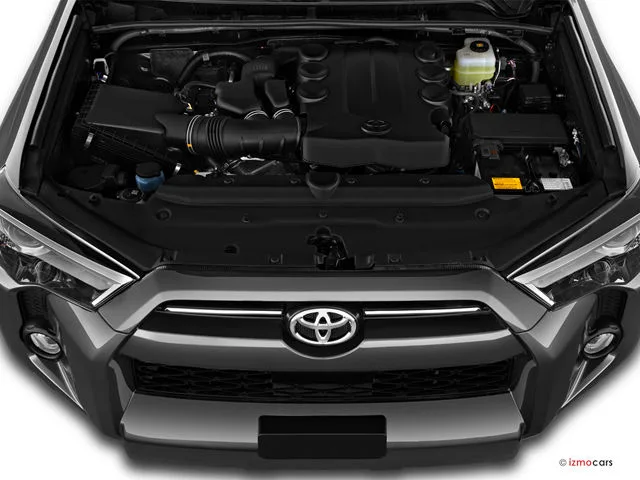
Image source: Bing (Web (fair-use with source credit))
Quick Answer: 2023 Toyota 4Runner Oil Capacity and Type
The 2023 Toyota 4Runner holds 6.6 US quarts of oil with a new filter. That's 6.2 liters. Use SAE 0W-20 oil that meets API SP or ILSAC GF-6.
Check the dipstick after a warm-up. The safe level sits between the low and full marks.
Why Accuracy Matters for Your 4Runner's 1GR-FE Engine
The 1GR-FE is a 4.0-liter V6 known for durability. It's simple, proven, and easy to work on. But it's not forgiving when you give it the wrong oil volume.
Modern engines run tight tolerances. The difference between a perfect fill and an extra quart actually matters.
Too much oil causes the crankshaft to churn the oil like a mixer. That creates foam, and foam pulls air into the oil pump. Air doesn't lubricate.
The result is worn bearings, noisy lifters, and a shorter engine life. The catalytic converter can also overheat when foaming pushes oil into the PCV system.
Too little oil is just as dangerous. The oil pickup can start gulping air during hard corners or steep climbs. That's a fast way to score cylinder walls or spin a rod bearing.
The 4Runner is a popular off-roader, and off-camber trails make low oil levels even riskier.
The correct fill is the protective fill. That's not a coincidence. Toyota sized the sump around the oil pump, thermal expansion, and the engine's lubrication needs.
The Core Facts: Oil Capacity, Viscosity, and Certification
Capacity is the headline, but the oil spec matters just as much. The 2023 4Runner uses 0W-20 weight oil. That's thinner than the 5W-30 older Toyotas used.
The reason is cold flow. Thinner oil reaches moving parts faster on freezing mornings, which cuts wear and improves fuel economy slightly.
The certification matters too. Look for API SP or the newer ILSAC GF-6 rating. These standards handle modern engine issues like low-speed pre-ignition and timing-chain deposits.
That's especially important for a heavy vehicle like the 4Runner that often tows and works off-road.

Image source: Web (Bing) / walmart.com (Web image (fair-use with source credit))
| Spec | Value |
|---|---|
| Engine | 4.0L V6 (1GR-FE) |
| Capacity with filter | 6.6 US quarts / 6.2 liters |
| Capacity without filter | About 6.3 US quarts |
| Viscosity | SAE 0W-20 |
| Standard | API SP or ILSAC GF-6 |
| Sump material | Aluminum |
You can use any quality full synthetic that carries the API starburst. You don't need a Toyota-branded bottle, but the oil must meet the certification. If you want to compare blends before you buy, our full breakdown of compatible oils covers the differences in plain language.
Overfilling vs. Underfilling: The Risks and Warning Signs
There's a reason oil capacity threads get so long on forums. Both overfilling and underfilling produce clear symptoms. Knowing them can save you a repair bill.
Overfilling symptoms:
- Oily smoke from the tailpipe
- Oil smell inside the cabin
- Foamy oil on the dipstick
- Sluggish acceleration
- Oil seeping from seals
Underfilling symptoms:
- Ticking or clattering valvetrain noise
- Low oil pressure warning light
- Engine temperature creeping up
- Dipstick below the low mark
- Rough idle when hot
Here's how to read it correctly. If you pour in the full 6.6 quarts with a new filter on a stone-cold engine, the dipstick may read slightly high. That's normal.
Cold oil is denser. Run the engine for a minute, shut it off, wait a few minutes, then check. The right reading comes when the oil is warm and has drained back into the pan.
If you overfilled by half a quart, don't panic. Drain a little through the plug into a clean pan, or pull the filter and let some out. If the level is way above the full mark, start over.
It beats destroying the catalytic converter. Different Toyota engines need different fill volumes, so the Tundra's V6 spec is a useful comparison.
Safe DIY Oil Change: Step-by-Step Process
An oil change on the 4Runner is about as straightforward as it gets. You'll need a 15mm socket for the drain plug, a filter wrench, a drain pan, and a funnel. You also need a new crush washer.
Toyota specifies this washer because it deforms slightly and creates a reliable seal. Reusing the old one invites a slow drip.
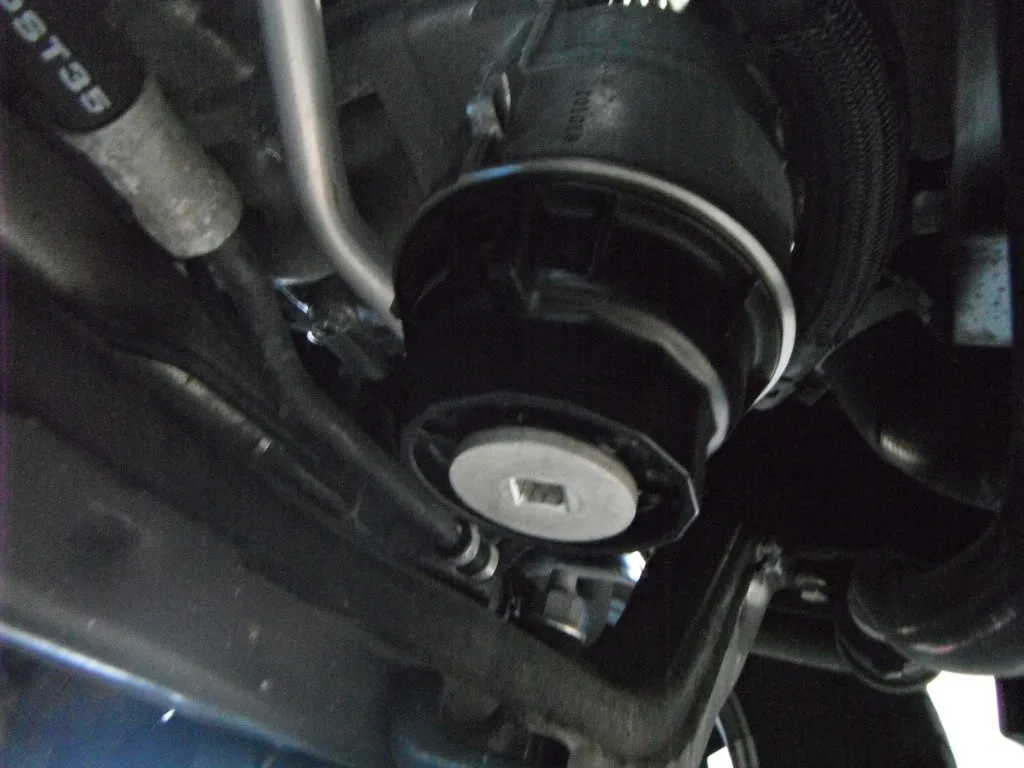
Image source: Bing (Web (fair-use with source credit))
Follow these steps:
- Warm the engine. Run it for about five minutes so the oil flows freely. Warm to the touch is perfect.
- Lift the vehicle safely. Use ramps or jack stands. Never work under a vehicle supported only by a jack.
- Locate the drain plug. It's on the passenger side of the oil pan. Position the drain pan before you loosen it.
- Remove the plug. Use the 15mm socket. Let the oil drain completely. Inspect the old washer for damage.
- Replace the crush washer. Slip the new one on and thread the plug in by hand. Torque it to about 30 ft-lb. Tighten firmly, but skip the breaker bar.
- Remove the oil filter. It sits near the back of the engine above the oil pan. Let the remaining oil drain.
- Install the new filter. Lube the rubber gasket with fresh oil. Spin it on by hand until seated, then give it another three-quarters turn. Don't overtighten.
- Add the oil. Use a funnel. Pour in about 6.2 quarts to start, run the engine for a minute, then shut it off.
- Check the level. Wait three minutes, then pull and read the dipstick. Add the rest in small amounts until the level lands between the marks.
Never pour old oil down the drain. The EPA's used oil guidance explains proper recycling, and most parts stores accept it free.
Tools, Parts, and Torque Specs You'll Need
Gather everything before you start. A mid-job run to the auto parts store leaves your 4Runner sitting on stands longer than it should.
| Tool or Part | Spec / Notes |
|---|---|
| 15mm socket or wrench | For the drain plug |
| Oil filter cup or wrench | Sized for the 1GR-FE filter |
| Crush washer | Replace every oil change |
| Oil filter | OEM or equivalent-grade |
| 6.6 quarts 0W-20 | Must meet API SP / ILSAC GF-6 |
| Drain pan | At least 8-quart capacity |
| Ramps or jack stands | Never trust a floor jack alone |
Torque specs matter more than most owners think. The drain plug goes to 30 ft-lb, which is snug rather than brutal. Overtightening strips the aluminum oil pan threads, turning a 15-minute job into a shop repair.
The filter gets a different treatment. Spin it on by hand, then tighten three-quarters of a turn. No wrench needed.
The same 0W-20 spec runs across most of Toyota's modern gasoline lineup. Manufacturer specs confirm the same standard applies to the RAV4.
Checking the Oil Level the Right Way

Image source: Bing (Web (fair-use with source credit))
This is where most owners go wrong. The level looks low on a cold engine, they add a quart, and now it's overfilled. The correct sequence takes three minutes.
- Park on level ground. A sloped driveway gives you a false reading.
- Run the engine until it reaches operating temperature. Shut it off.
- Wait three to five minutes so the oil drains back into the pan.
- Pull the dipstick, wipe it clean, and push it all the way back in.
- Pull it out again and read the level.
The gap between the low and full marks is about one quart. If the oil sits between them, you're fine. Halfway between the marks is the sweet spot for most driving.
A cold engine will show a slightly lower level. That's normal. Always check with the engine warm but off.
If the level reads above full, you overfilled. Drain a little at a time and recheck.
Common Mistakes and How to Avoid Them
The same errors show up in owner forums and service bays. They're all avoidable.
- Using the wrong viscosity. Owners coming from older Toyota trucks grab 5W-30 out of habit. That was the spec for earlier Tacomas, not the 2023 4Runner. Check the oil cap and the manual.
- Reusing the old crush washer. It's a tiny piece of soft metal that deforms once to seal. A second use often means a slow drip under the pan.
- Overtightening the filter or plug. More force doesn't mean better sealing. It means stripped threads and cracked housings. Follow the torque spec.
- Checking the level cold. You'll chase a false low reading and overfill. Warm the engine, shut it off, and wait a few minutes.
- Skipping the filter. Leaving the old filter in place contaminates the fresh oil immediately. The filter is cheap. Replace it every time.
- Trusting forum advice over the manual. Online specs are usually right, but not always. The owner's manual is the final word for your exact model.
Oil Change Intervals: Standard vs. Severe Use
Toyota's official schedule says up to 10,000 miles under normal driving. The dash reminder may prompt you earlier depending on how you drive.
Severe use cuts that to 5,000 miles. The 4Runner is a poster child for severe conditions. Towing, off-roading, dusty trails, short trips, extreme heat, and long idling all count.
If you daily-drive in stop-and-go city traffic, you're likely in the severe category.
Aggregate owner feedback supports a 5,000 to 7,500-mile interval as a practical middle ground. Oil analysis reports on 1GR-FE engines show low wear metals with regular changes. For a powertrain known to run 250,000 miles, that's cheap insurance.
Toyota applies the same severe-use logic across its lineup, including its three-row SUV. The Highlander maintenance guide confirms the pattern.
After the change, reset the maintenance reminder. Turn the ignition to "ON" without starting the engine. Navigate to the maintenance screen and hold the reset button until the light clears.
It takes about five seconds.
When to Call a Professional
DIY maintenance is satisfying, but not for every situation. Some jobs belong in a shop.
Call a professional if:
- The drain plug is stripped or rounded off. Removing it usually takes extraction tools and a new oil pan. A shop has the equipment.
- You see metal shavings in the old oil. That signals internal wear. Have a mechanic inspect the engine before you refill.
- The oil looks milky or foamy. That suggests coolant mixing with oil, which points to a head gasket or cooler issue. That's beyond an oil change.
- You don't have safe lifting gear. Falling off a floor jack isn't worth saving $50. Use ramps or stands, or let a shop handle it.
Warranty compliance matters too. If your 4Runner is still under warranty, keep proof of maintenance. A certified shop's records are harder to dispute than a receipt from an oil jug.
That matters if you ever file a claim.
Cost Comparison: DIY vs. Dealership vs. Independent Shop
| Option | Typical Cost | What You Get |
|---|---|---|
| DIY | $40 to $60 | Oil, filter, washer, and your time |
| Independent shop | $80 to $120 | Parts, labor, disposal, quick turnaround |
| Dealership | $100 to $150 | Genuine parts, inspection, service record |
DIY is cheapest if you already own the tools. Ramps, a drain pan, and a filter wrench add to the first-time cost. Independent shops give most owners the best value.
They use quality parts and finish in under an hour. Dealerships make sense when you want a stamped service history for warranty work.
Keep the receipt and note the odometer reading either way. That habit protects you during a future warranty dispute.
Frequently Asked Questions
Can I use 5W-30 instead of 0W-20?
No. The 1GR-FE engine is designed around 0W-20's cold-flow properties. Thicker oil reduces fuel economy and slows lubrication on cold starts.
Stick with the spec in the owner's manual. It's the safest choice for long-term engine health.
How much does a 4Runner oil change cost?
DIY runs $40 to $60 with quality oil and a new filter. Independent shops charge $80 to $120. Dealerships land between $100 and $150.
Prices vary by region and oil brand.
What happens if I overfill the oil?
Overfilling causes foaming, which pulls air into the oil pump. That can lead to bearing wear, seal leaks, and catalytic converter damage. If the dipstick reads above the full mark on a warm engine, drain the excess before driving.
How often should I change the oil in a 2023 4Runner?
Toyota says 10,000 miles for normal driving. Severe conditions like towing, off-roading, dusty trails, or heavy city traffic cut that to 5,000 miles. When in doubt, change it closer to 5,000.
The Tacoma gets the same interval guidance from Toyota. It's cheap insurance for a pricey engine.
Do I need to replace the crush washer every time?
Yes. The crush washer deforms when tightened, creating a tight seal. Reusing it risks a slow drip.
Genuine Toyota washers are inexpensive, so keep a few in the garage.
Verified Summary: The Numbers That Matter
| Spec | Value |
|---|---|
| Capacity with filter | 6.6 US quarts (6.2 liters) |
| Oil type | SAE 0W-20, API SP or ILSAC GF-6 |
| Drain plug torque | 30 ft-lb |
| Filter tightening | Hand-tight plus 3/4 turn |
| Normal interval | 10,000 miles |
| Severe interval | 5,000 miles |
The 2023 Toyota 4Runner is one of the simplest vehicles to maintain. The 4.0-liter V6 asks for the right oil, the right amount, and a filter change on schedule. Give it that, and it'll run well past 200,000 miles without complaint.
Keep a record of every change, and you'll protect both the engine and your resale value.