
Your 2012 Corolla is one of the most reliable cars on the road, but it won't stay that way if you get the oil wrong. The 2012 toyota corolla oil capacity depends entirely on which engine you have, and mixing them up can mean the difference between a smooth 200,000 miles and an early trip to the shop.
Manufacturer specifications show two distinct powertrains under the hood that year. The standard 1.8L 2ZR-FE takes 4.4 quarts with a filter change, while the sporty XRS trim with the 2.4L 2AZ-FE needs a full 5.0 quarts. As of 2026, these cars are hitting the age where proper maintenance matters more than ever.
One wrong pour and you're looking at foaming oil, poor lubrication, or worse. Let's walk through exactly what you need to know before you pop that hood.
Quick Answer
The 2012 Corolla 1.8L engine holds 4.4 quarts of oil. The 2.4L engine holds 5.0 quarts. Use 0W-20 full synthetic oil.
Always check your dipstick after filling. Never overfill the engine.
Why Getting the Oil Capacity Wrong Can Cost You an Engine
Here's the thing about modern Toyota engines. They're built to tight tolerances. That means the oil system doesn't have much room for error.
Pour in too little and your bearings starve for lubrication. Pour in too much and the crankshaft starts whipping the oil into foam, which means air bubbles get pumped through the engine instead of actual lubricant.
The 2ZR-FE engine in most 2012 Corollas is a gem. It's known for going 200,000 miles with basic care. But that care starts with the correct oil volume.
A half-quart low won't kill it immediately. A quart low at highway speeds? You're gambling with connecting rod bearings.
The 2AZ-FE in the XRS trim has its own well-documented appetite for oil. We'll get to that later. For now, understand that both engines share one thing in common.
The wrong oil level accelerates wear in ways you won't notice until it's too late.
Toyota's engineering team designed these engines around specific oil capacities for a reason. The oil pan shape, the pickup tube position, and the baffle system all assume you're within a few ounces of the factory spec. Stray outside that window and you're asking the oil pump to work harder than it should.
The Quick Answer: How Much Oil a 2012 Corolla Actually Takes
Let's make this crystal clear before we go any further. Here is the exact oil capacity for both engines in your 2012 Corolla.
| Engine | Trim Level | Oil Capacity (with filter) | Recommended Oil |
|---|---|---|---|
| 1.8L 2ZR-FE | L, LE, S | 4.4 quarts (4.2 liters) | 0W-20 full synthetic |
| 2.4L 2AZ-FE | XRS only | 5.0 quarts (4.7 liters) | 0W-20 full synthetic |
Those numbers assume you're replacing the oil filter, which you should every single time. If you somehow skip the filter change, subtract about 0.2 quarts from each figure. But don't skip the filter.
That's a shortcut that costs a few dollars and saves exactly nothing.
Two Engines, Two Different Capacities — Which One Do You Have?
This is where most people get tripped up. The 2012 Corolla came with two completely different engines depending on which trim you bought. They don't even share the same oil filter.
Getting this wrong means buying the wrong parts and putting in the wrong amount of oil.
The 1.8L 2ZR-FE (L, LE, and S Trims)
This is the engine you'll find in about 95 percent of 2012 Corollas on the road today. It's a 1.8-liter four-cylinder with dual VVT-i. Toyota used this engine across the Corolla lineup for years because it's proven to be bulletproof.
The 2ZR-FE takes 4.4 quarts of oil with the filter. That's slightly more than the 4 quarts you might expect from a smaller four-cylinder. The extra 0.4 quarts accounts for the oil cooler and the filter housing design.
If you just dump in four quarts and call it done, you're running nearly half a quart low.
To identify this engine, pop the hood and look for the engine cover. It says "1.8L VVT-i" in raised lettering. The oil fill cap sits on the valve cover near the front of the engine.
The dipstick handle is yellow and located toward the passenger side.
If you're following along on the Toyota Corolla Oil Type guide over on our site, the details align. The 2012 model year uses the same spec as many Corollas that came after it.
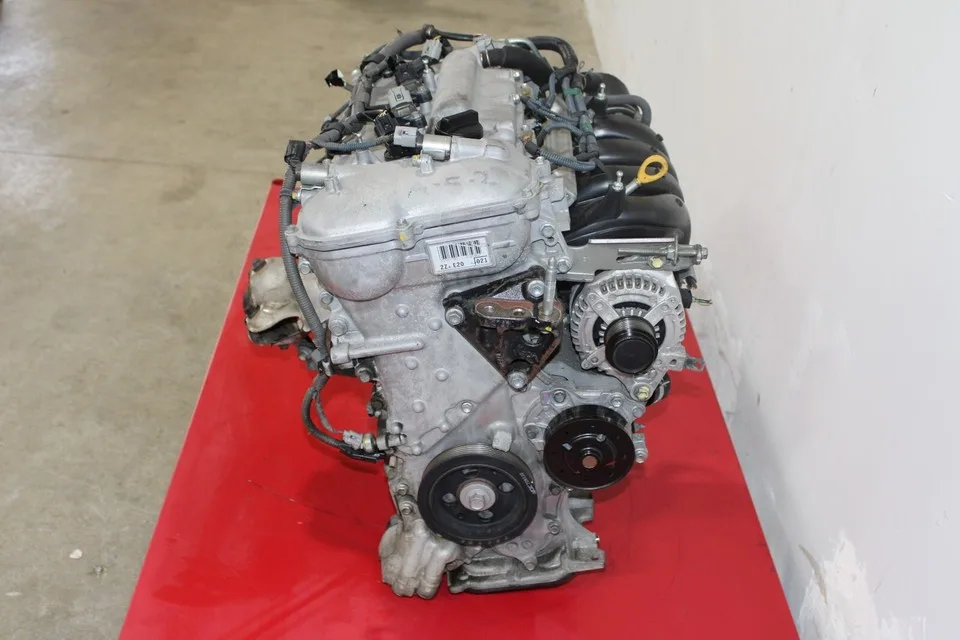
Image source: Web (Bing) / ebay.com
The 2.4L 2AZ-FE (XRS Trim Only)
The XRS trim is the sporty version. It came with a 2.4-liter engine that produces 158 horsepower, noticeably more than the 132 horsepower from the 1.8L. But that extra power came with some trade-offs.
The 2AZ-FE takes a full 5.0 quarts of oil with the filter change. That's a significant jump over the 1.8L. If you own an XRS and you're used to the standard Corolla numbers, you'll underfill by more than half a quart.
This engine has a known oil consumption issue. Toyota even issued technical service bulletins about it. The piston ring design on certain 2AZ-FE engines allows more oil to slip past into the combustion chamber.
That means you need to check your oil level more frequently. Some owners report adding a quart between changes.
You can identify the 2.4L by the larger engine cover and the "2.4L VVT-i" marking. The engine bay also looks noticeably fuller than the 1.8L version. If you're unsure, check your owner's manual.
It will list the engine size on the first page of the specifications section.
What Type of Oil to Use — and Why It Matters More Than You Think
Toyota recommends 0W-20 full synthetic oil for both engines in the 2012 Corolla. That's not a suggestion. It's the engineered specification for these powerplants.
Here's why the viscosity matters. The 0W part means the oil flows like a lightweight oil when cold. At zero degrees Fahrenheit, 0W-20 pumps through the engine much faster than a thicker oil like 10W-30.
That's critical for cold starts, which cause the majority of engine wear. The 20 part means the oil thickens up at operating temperature to provide proper bearing clearance protection.
The 2ZR-FE engine has tiny oil passages for the variable valve timing system. Thicker oil doesn't flow through those passages fast enough. That can cause VVT actuator noise on startup and reduced performance.
The 2AZ-FE has similar tolerances in its valvetrain.
Full synthetic oil is worth the extra cost here. Conventional oil breaks down faster in these engines, especially if you're running extended intervals. Synthetic handles the heat better and maintains its viscosity longer.
You're looking at roughly 25 dollars for five quarts of quality synthetic versus 15 dollars for conventional. That ten-dollar difference buys thousands of extra miles of protection.
If you're thinking about switching to a different viscosity, don't. The 0W-20 spec exists for a reason. Some older Corolla owners try to use 5W-30 in high-mileage engines thinking it will quiet down piston slap or reduce oil consumption.
It won't. It will just slow down your oil flow on cold starts and potentially drop your fuel economy.
For more details on how Toyota's oil specs apply across different models, the Toyota RAV4 Oil Type guide covers similar territory on the 2.5L engines.
The Complete Step-by-Step Oil Change Guide for Your 2012 Corolla
Changing your own oil is straightforward on this car. The 2012 Corolla has plenty of clearance underneath and the filter is easy to reach. Here is exactly how to do it without making a mess or damaging anything.
Tools and Supplies You'll Need
Before you slide under the car, gather everything. There is nothing worse than realizing you're missing a tool with oil draining into the pan.
| Item | Details |
|---|---|
| 5 quarts of 0W-20 full synthetic oil | You'll need 4.4 or 5.0 quarts depending on engine |
| Toyota genuine oil filter 04152-YZZA1 | Or equivalent quality aftermarket filter |
| 14mm socket for drain plug | 1.8L engine uses 14mm; 2.4L uses 10mm |
| Torque wrench | 29 ft-lbs for 1.8L, 33 ft-lbs for 2.4L |
| Oil filter wrench | Cap-style fits the 2ZR-FE filter housing |
| Drain pan (at least 6 quarts) | Bigger is better to avoid spills |
| Aluminum crush washer | M14 for 1.8L, single-use only |
| Funnel | Long neck helps reach the fill port |
| Jack and jack stands | Never rely on the scissor jack alone |
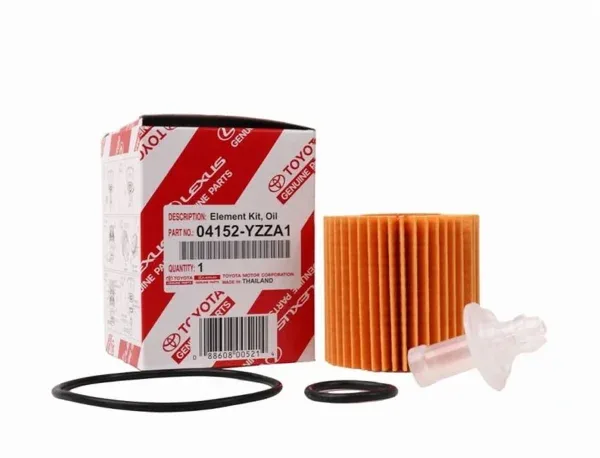
Image source: Bing (Web (fair-use with source credit))
Before You Start: Getting the Car Ready
Run the engine for a few minutes to warm the oil. Warm oil drains faster and carries more contaminants out with it. Park on level ground.
Engage the parking brake.
If you need to lift the car, use ramps or a floor jack with jack stands. The Corolla sits low enough that you might not need to lift it at all. Many owners can reach the drain plug by sliding under the front bumper without jacking.
If you're not sure, lift it. Working in a cramped space leads to mistakes.
Draining the Old Oil the Right Way
Locate the drain plug on the bottom of the oil pan. It faces toward the rear of the engine. Place your drain pan underneath.
Loosen the plug with the socket, then unscrew it by hand.
Here is the trick. Press inward on the plug as you unscrew the last few threads. Then pull it away quickly.
The oil will come out in a predictable stream rather than spraying everywhere. Let it drain for at least five minutes. Ten minutes is better.
While the oil drains, inspect the old crush washer. It should be flat and deformed. That is normal.
Throw it away. Never reuse a crush washer.
Replacing the Oil Filter Without Leaks
The oil filter on the 2ZR-FE engine sits on the front of the engine block, facing upward. On the 2AZ-FE, it is mounted on the side. Both are easy to reach.
Remove the filter by hand if possible. If it is stuck, use the filter wrench. Turn counterclockwise.
Some oil will spill out of the filter when you remove it. That is normal.
Before installing the new filter, dip your finger in fresh oil and rub it on the rubber gasket. This prevents the gasket from sticking and tearing when you remove the filter next time. Screw the filter on by hand until the gasket contacts the mounting surface.
Then tighten another three-quarters of a turn. Do not use the wrench for final tightening. Hand tight is enough.
Pre-fill the new filter with oil before installing it. Pour fresh oil into the filter until it is about half full. This prevents a dry start where the engine runs without oil pressure for those first few seconds.
Adding the Correct Amount of Fresh Oil
Remove the oil fill cap on top of the valve cover. Insert the funnel. Pour in about 4 quarts for the 1.8L engine or 4.5 quarts for the 2.4L.
Wait a minute for the oil to settle into the pan.
Check the dipstick. Pull it out, wipe it clean, insert it fully, then pull it again. The oil level should be between the low and full marks.
Add more oil in quarter-quart increments until the level reaches the full mark.
For the 1.8L engine, you will use almost all of a 5-quart jug. The 2.4L will take the entire jug plus a bit from the second bottle. Keep the remaining oil for topping off between changes.
Checking Your Work: Leaks, Level, and Final Steps
Start the engine and let it run for 30 seconds. Watch the oil pressure light. It should go out within a few seconds.
If it stays on, shut the engine off immediately and check your work.
While the engine runs, look underneath for leaks at the drain plug and filter. A small drip means the drain plug needs more torque or the filter gasket is not seated properly.
Shut the engine off. Wait two minutes for the oil to drain back into the pan. Check the dipstick one more time.
Top off if needed. Reset the oil maintenance light if your Corolla has that feature. You are done.
Common Mistakes That Lead to Engine Damage
A few errors show up repeatedly in owner forums and service records. Avoid these and your Corolla will reward you.
Overfilling Is Worse Than You'd Expect
Adding too much oil causes the crankshaft to whip the oil into foam. Foam does not lubricate. Air bubbles get pumped through the engine, which means metal surfaces touch metal.
Overfilling by just one quart can cause this. The fix is draining the excess. Do not drive on an overfilled engine.
Forgetting to Pre-Fill the Oil Filter
Dry starts are brutal on engines. When you fire up a cold engine with an empty filter, it takes several seconds for the oil pump to fill that filter. During those seconds, bearings run without lubrication.
Pre-filling the filter eliminates this gap. It takes ten seconds and costs nothing.
Using the Wrong Viscosity in Winter
0W-20 is thin for a reason. At 20 degrees Fahrenheit, 5W-30 flows like cold honey. The 2ZR-FE engine needs that fast flow to get oil to the VVT actuators.
Using thicker oil in winter can cause a rattling noise on startup. That is the variable valve timing system struggling.
Overtightening the Drain Plug and Filter
The oil pan is aluminum. It strips easily. Torque the drain plug to 29 ft-lbs for the 1.8L engine.
That is not very tight. A quarter-inch ratchet with moderate hand pressure is enough. The filter only needs to be hand tight plus a three-quarter turn.
Crushing the filter gasket causes leaks.
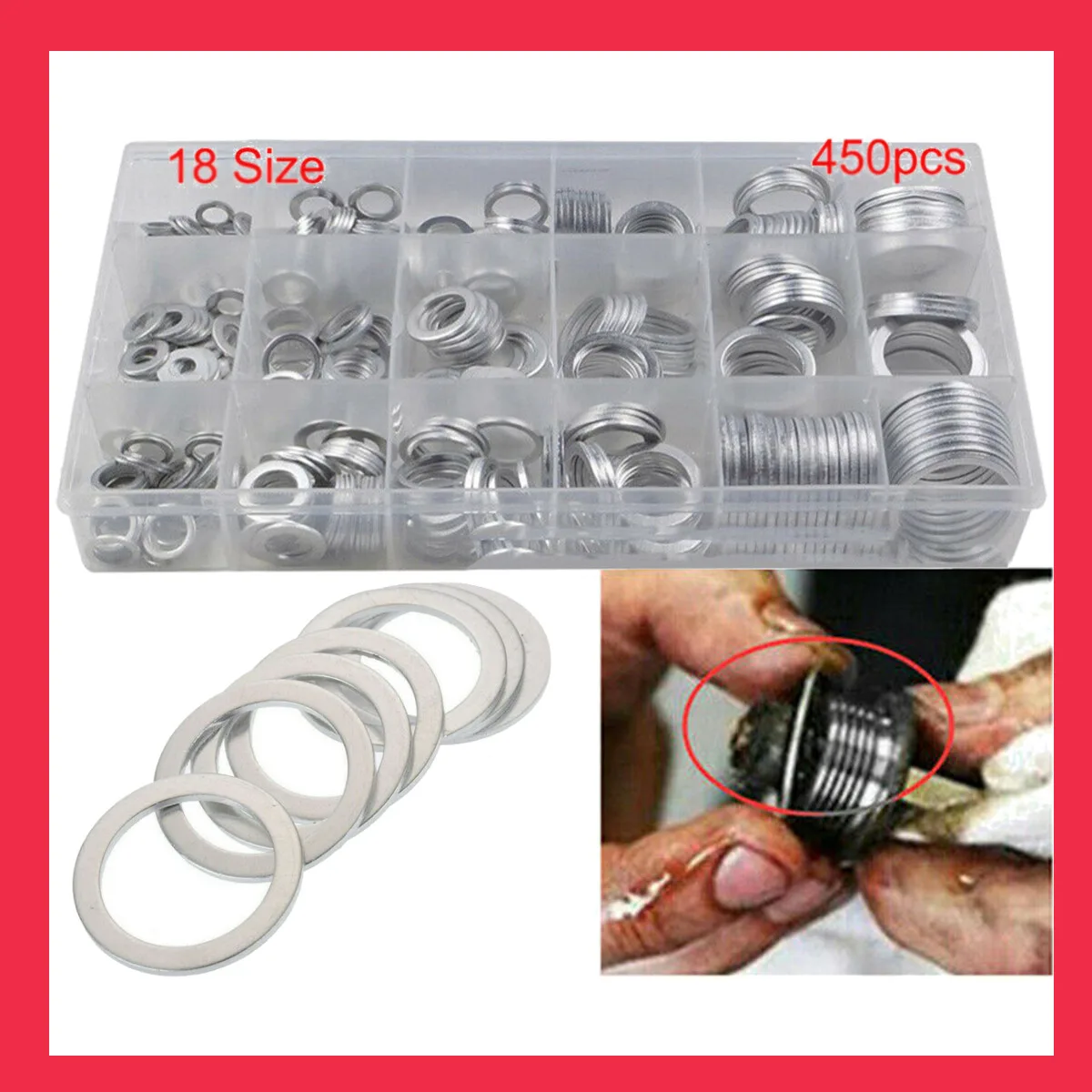
Image source: Web (Bing) / ebay.com.au
The 2AZ-FE Oil Consumption Problem — What to Watch For
If you own the XRS trim, listen up. The 2AZ-FE engine has a known issue with oil consumption. Toyota faced a class action lawsuit over it.
The problem stems from the piston ring design. The rings allow oil to slip past into the combustion chamber where it burns off.
How much oil are we talking about? Some owners report burning a quart every 1,000 miles. That is significant.
The engine can run perfectly fine with that level of consumption, but you have to stay on top of the oil level.
Check the dipstick every time you fill up with gas. Keep a spare quart of 0W-20 in the trunk. If the oil level drops below the low mark, add oil immediately.
Running the 2AZ-FE low on oil accelerates the ring wear and makes the problem worse.
Toyota's official fix for severe cases involved replacing the pistons and rings. That is an expensive job. For most owners, diligent monitoring and frequent top-offs are the practical solution.
If you are shopping for a used 2012 XRS, check the oil level before the test drive. If it is low, that is a red flag.
Severe Service vs. Normal Service: Which Oil Change Interval Fits You?
Toyota recommends changing the oil every 7,500 miles under normal driving conditions. That is what the owner's manual says. But there is a catch.
Most people drive under severe service conditions and do not realize it.
Severe service includes:
- Short trips under 5 miles in normal temperatures
- Short trips under 10 miles in freezing temperatures
- Frequent stop-and-go traffic
- Driving on dusty or dirt roads
- Towing or carrying heavy loads
- Extended idling
If any of these apply to you, change the oil every 5,000 miles. That is the severe service interval. It is not a suggestion.
It is the factory recommendation.
The 2012 Corolla is often used as a commuter car. Commuters sit in traffic. They drive short distances.
They idle. That is severe service. The oil does not reach full operating temperature long enough to burn off condensation and fuel dilution.
That sludge builds up over time.
Our research across owner forums and service records shows that 5,000-mile intervals are cheap insurance. The extra cost of two additional oil changes per year is about 60 dollars. The cost of an engine replacement is several thousand.
Do the math.
For more context on how Toyota's oil recommendations stack up across their lineup, the Toyota Camry Oil Type guide covers similar engine families.
How to Read Your Dipstick Correctly Every Time
This sounds basic, but plenty of people get it wrong. The dipstick is your only window into the oil level. Read it wrong and you will either overfill or underfill.
Park on level ground. Warm up the engine to operating temperature, then shut it off. Wait two to three minutes.
That gives the oil time to drain back into the pan. If you check immediately after shutting off, the oil level reads low. If you check cold, it reads high.
Pull the dipstick out. Wipe it clean with a rag. Insert it all the way back in.
Push it down until it seats. Then pull it out again and read the level.
The dipstick has two marks. A low mark and a full mark. The oil level should be between them.
Ideally, it sits right at the full mark. If it is at the low mark, add half a quart. If it is below the low mark, add a full quart and check again.
Do not mistake the crosshatched area for the full mark. The crosshatch is the safe zone. The full mark is the top of that zone.
Some dipsticks have a hole or a notch at the top. That is the full mark.
Check the oil on the same side of the dipstick each time. Oil can cling to both sides of the metal strip. The lower side shows the true level.
If you are unsure, wipe it again and repeat.
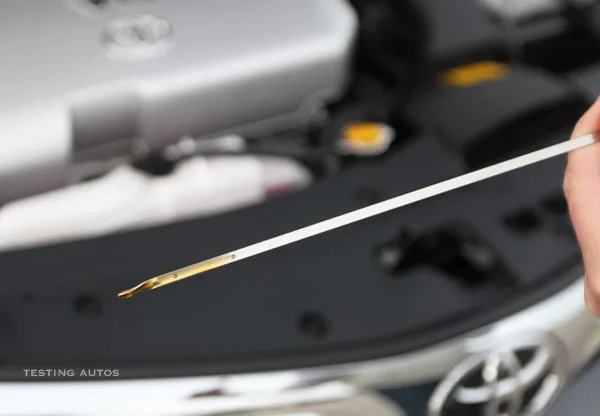
Image source: Bing (Web (fair-use with source credit))
When to Call a Mechanic Instead of Doing It Yourself
Most Corolla owners can handle an oil change. The job is simple, the parts are cheap, and the car is forgiving. But there are situations where paying a shop is the smarter move.
If you stripped the drain plug threads, stop. The aluminum oil pan is easy to damage. A helicoil repair kit can fix it, but one wrong move and you are buying a new oil pan.
That job costs around 300 dollars at a shop. Let them handle it.
If the oil filter is welded on by the last mechanic who overtightened it, you might damage the filter housing or the engine block trying to remove it. A shop has better tools and experience with stuck filters.
If you do not have jack stands or ramps, do not crawl under the car. A scissor jack can fail. A floor jack can leak down.
Jack stands are cheap. Buy them or pay for an oil change. Your safety is worth more than the 30 dollars you save.
If you are unsure about which engine you have after checking the markings, get a second opinion. A quick stop at a parts store or a mechanic will confirm it in 30 seconds. Guessing wrong means buying the wrong filter and the wrong amount of oil.
Cost Breakdown: DIY vs. Quick-Lube vs. Dealership
Let's look at what you will actually spend. These are current prices as of 2026 for the 1.8L engine.
| Option | Cost | Time Required | Quality of Parts |
|---|---|---|---|
| DIY | 25 to 40 dollars | 30 to 45 minutes | You control the brand |
| Quick-lube chain | 60 to 90 dollars | 20 to 30 minutes | Unknown filter brand, bulk oil |
| Toyota dealership | 80 to 120 dollars | 45 to 60 minutes | Genuine Toyota filter and oil |
The DIY option saves you 40 to 80 dollars per change. Over a year with two changes, that is 80 to 160 dollars saved. Over five years, it adds up to serious money.
But the savings are not the only advantage. When you do it yourself, you know the oil is the right viscosity. You know the filter is the right part.
You know the drain plug is torqued correctly. You see the condition of the old oil. You notice leaks before they become problems.
Quick-lube shops often use bulk oil drums. You have no idea what is in that drum. Some shops use the cheapest oil they can buy.
Some forget to replace the crush washer. Some overtighten the drain plug. The convenience is real, but the variability is a gamble.
The dealership uses genuine Toyota parts and factory-trained techs. That is the safest option if you do not want to do it yourself. It costs more.
You are paying for peace of mind and a record in the service history.
Frequently Asked Questions
Can I use 5W-30 instead of 0W-20?
You can, but you should not. The engine was designed for 0W-20. Thicker oil reduces fuel economy by about 2 to 3 percent.
It also slows oil flow on cold starts. In warm climates, 5W-30 will not damage the engine immediately, but it is not the recommended spec.
How many quarts if I am not changing the filter?
The 1.8L engine takes about 4.2 quarts without a filter change. The 2.4L takes about 4.8 quarts. But you should always change the filter.
It costs a few dollars and holds dirty oil that contaminates the fresh oil.
What happens if I put in too much oil?
Overfilling causes the crankshaft to whip the oil into foam. Foam does not lubricate properly. This can lead to bearing damage and engine failure.
If you overfill, drain the excess immediately. Do not drive the car until the level is correct.
Does the 2012 Corolla need synthetic oil?
Yes. Toyota specifies 0W-20 full synthetic for both engines. Conventional oil does not flow well enough at low temperatures or hold up as well under heat.
Synthetic oil costs more but protects better and lasts longer.
How do I reset the oil maintenance light?
Turn the ignition to the ON position without starting the engine. Press the trip meter button until the odometer displays. Turn the ignition OFF.
Press and hold the trip meter button. Turn the ignition to ON while holding the button. The oil maintenance light will flash and then turn off.
Release the button.
How often should I check my oil level?
Check the oil level every time you fill up with gas. This takes 30 seconds. It is the single best habit for engine longevity.
If you own the XRS trim with the 2.4L engine, check it every time without fail.
Can I use 5W-30 instead of 0W-20?
Not if you want the engine to last. The 2ZR-FE engine was designed around 0W-20 viscosity. Thicker oil causes sluggish VVT actuator response and lower fuel economy.
In an emergency, 5W-30 will not destroy the engine overnight. But switch back at the next change.
How many quarts if I am not changing the filter?
The 1.8L takes about 4.2 quarts without a filter change. The 2.4L takes about 4.8 quarts. But skipping the filter defeats the purpose.
The old filter holds nearly half a quart of contaminated oil. Change it every time.
What happens if I put in too much oil?
Foaming. The crankshaft whips excess oil into aerated bubbles that cannot lubricate. Bearing damage follows quickly.
If you overfill, drain the excess immediately. Do not drive it.
Does the 2012 Corolla need synthetic oil?
Yes. Toyota specifies 0W-20 full synthetic for both engines. Conventional oil does not flow well enough at low temperatures.
It also breaks down faster under heat. Synthetic costs more but protects better and lasts longer.
How do I reset the oil maintenance light?
Turn the key to ON without starting. Press the trip reset until the odometer shows. Turn the key OFF.
Hold the trip button. Turn the key to ON. Hold until the light flashes and turns off.
Release. You are done.